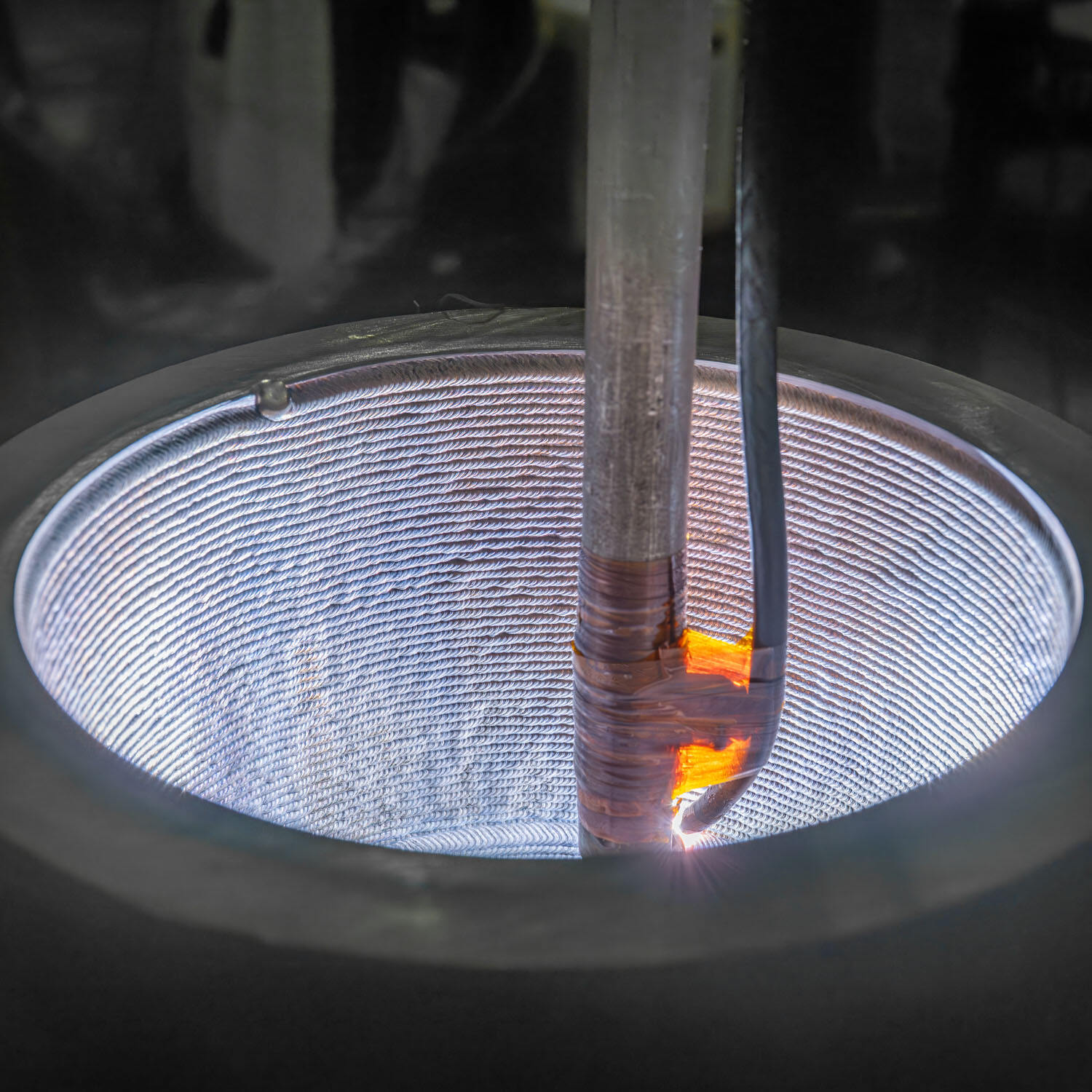
rotary welding positioner
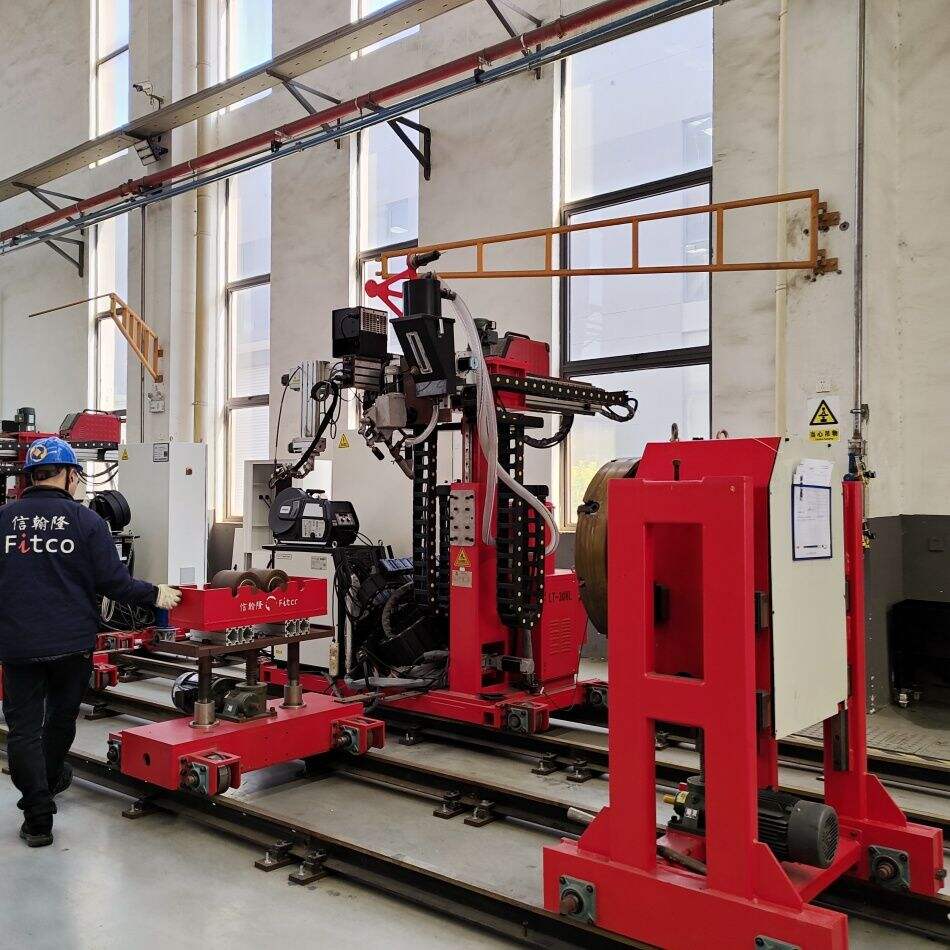
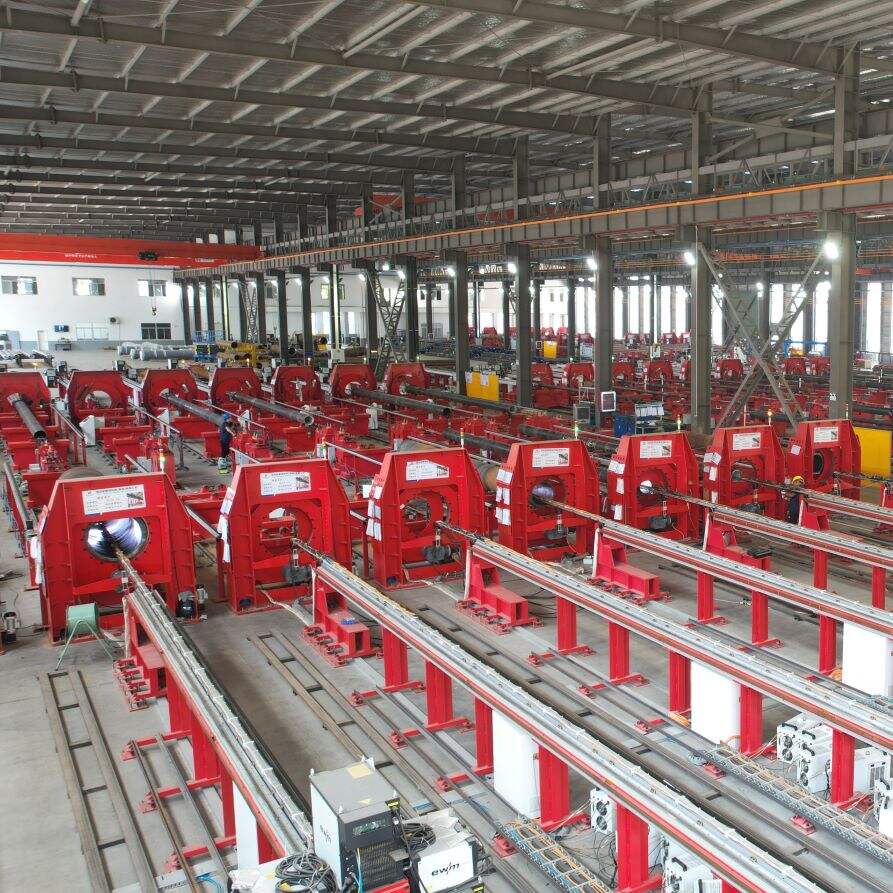
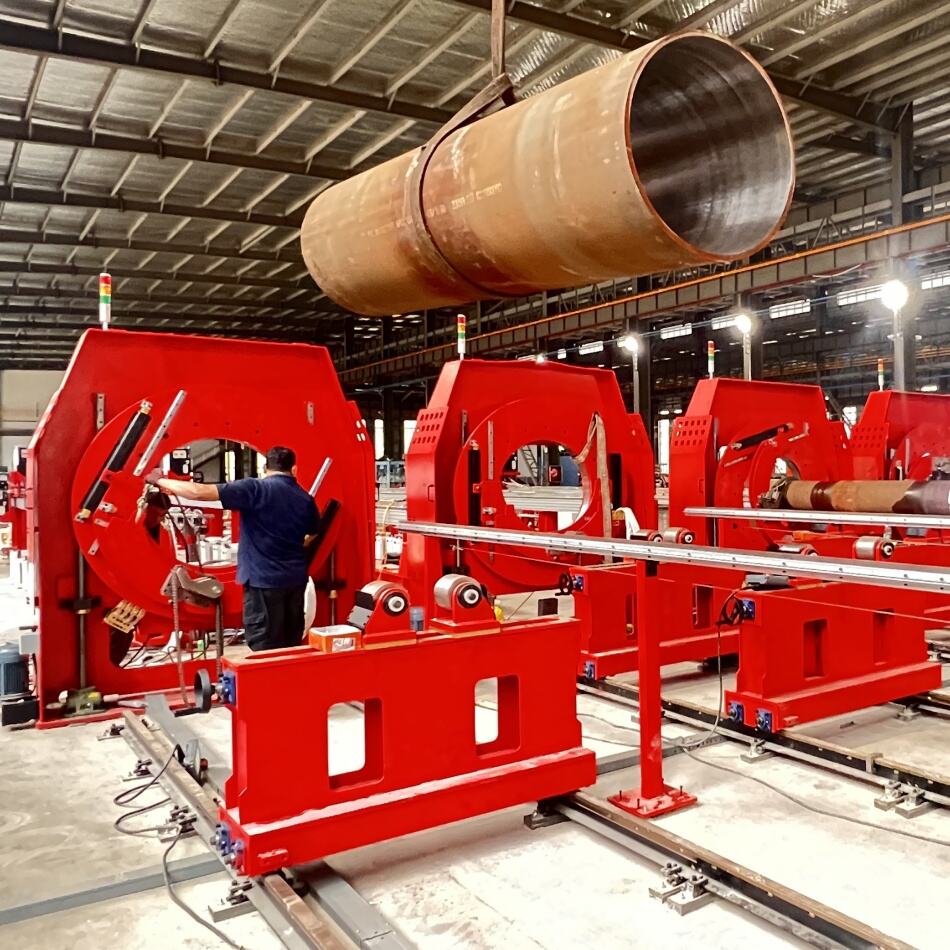
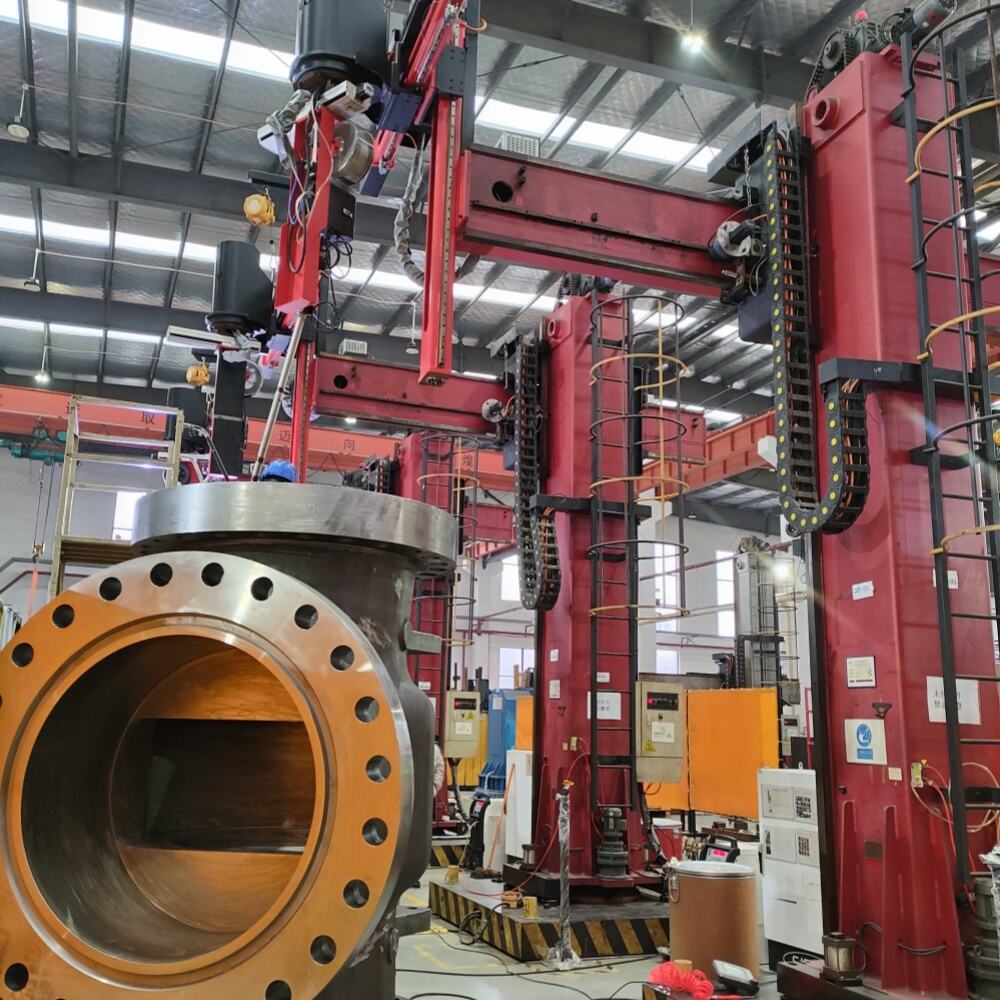
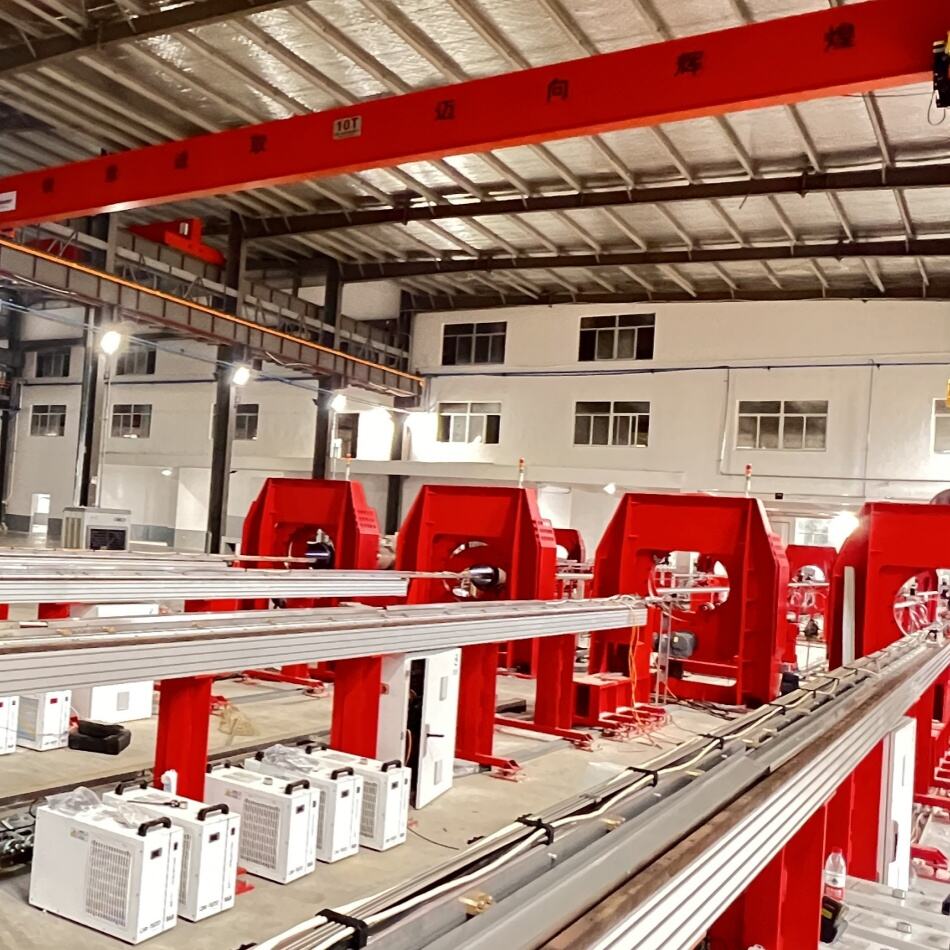
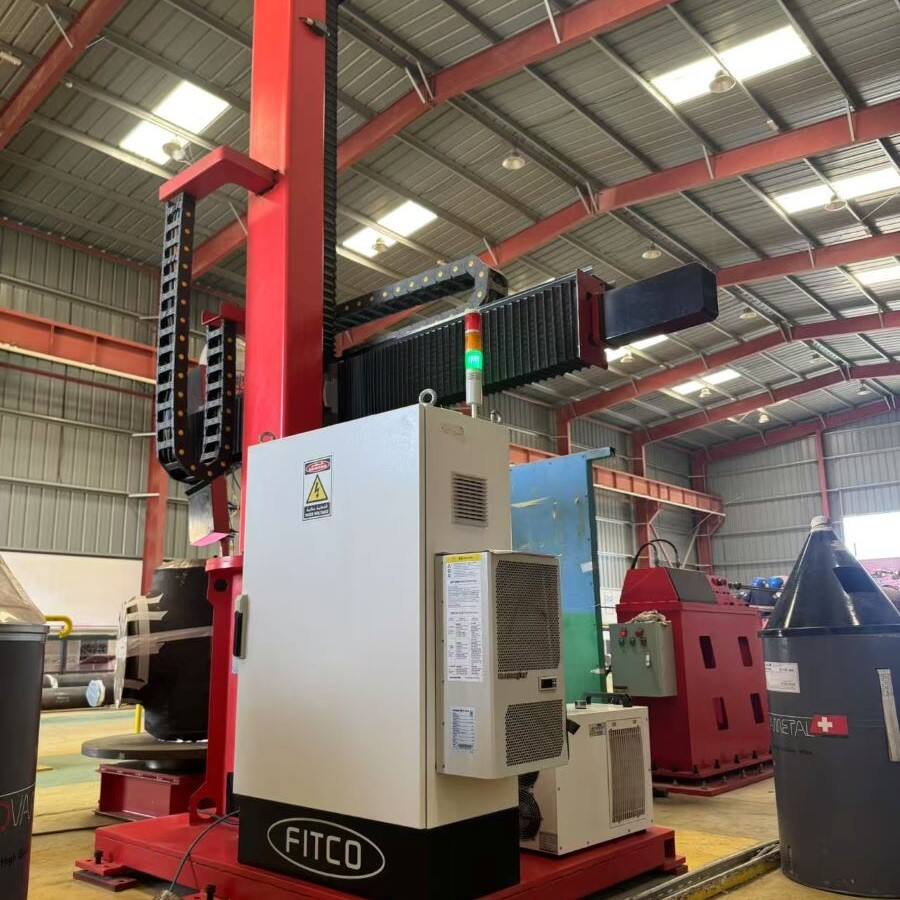
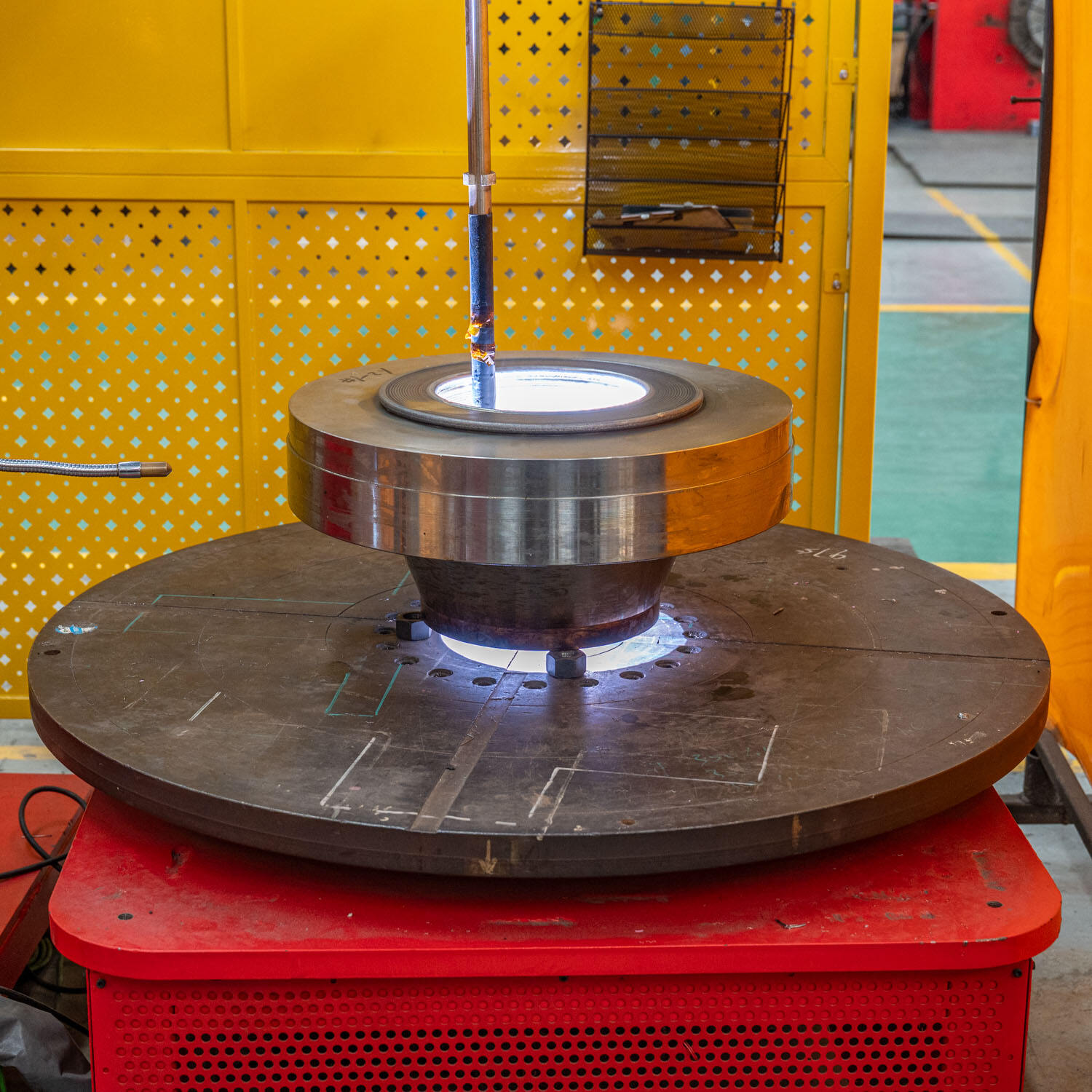
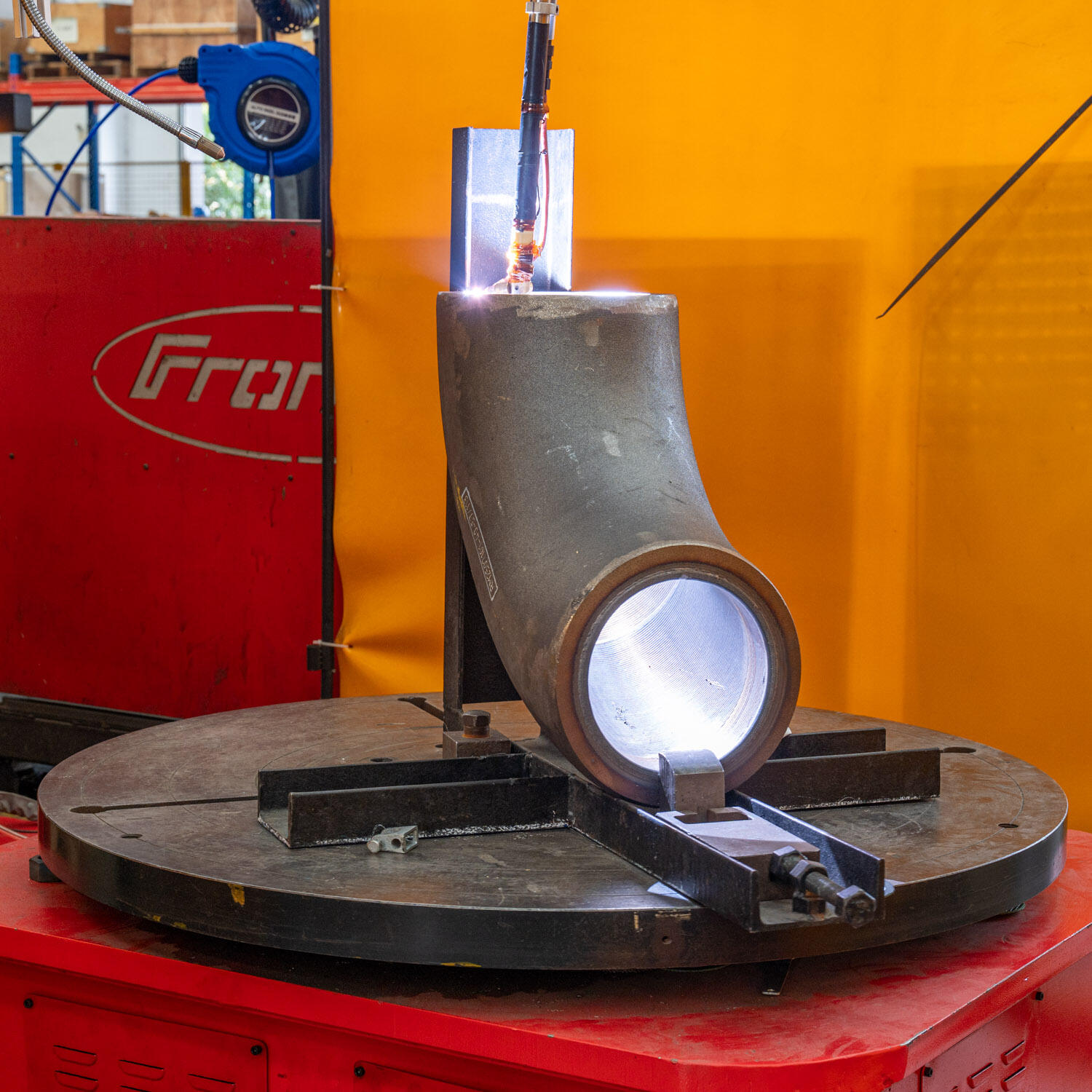
The rotary welding positioner represents a fundamental advancement in modern welding automation technology, designed to revolutionize how manufacturers approach complex welding operations. This sophisticated equipment serves as a critical component in automated welding systems, providing precise rotational movement and positioning capabilities that enable operators to achieve consistent, high-quality welds across various industrial applications. At its core, the rotary welding positioner functions as a mechanical platform that holds and manipulates workpieces during welding processes, allowing for optimal positioning and continuous rotation to ensure complete weld coverage. The primary functions of this equipment include workpiece rotation at variable speeds, precise angular positioning, and maintaining stable support throughout the welding cycle. These capabilities are essential for achieving uniform weld penetration and preventing common welding defects such as incomplete fusion or porosity. The technological features of modern rotary welding positioners incorporate advanced servo motor systems that deliver exceptional speed control ranging from extremely slow rotations for delicate operations to higher speeds for production efficiency. Digital control systems provide programmable positioning with repeatability tolerances measured in fractions of degrees, ensuring consistent results across multiple production runs. Many units feature integrated safety systems including emergency stops, overload protection, and collision detection sensors that protect both equipment and operators. The robust construction typically includes heavy-duty bearings, precision gearing systems, and reinforced frames capable of handling substantial workpiece weights while maintaining smooth, vibration-free operation. Applications for rotary welding positioners span numerous industries including pressure vessel manufacturing, pipeline construction, structural steel fabrication, shipbuilding, and aerospace component production. These devices prove invaluable when welding cylindrical objects such as tanks, pipes, and vessels where complete circumferential welds are required. The equipment also excels in applications involving complex geometries where manual positioning would be impractical or impossible to achieve consistently. By enabling continuous rotation during welding, these positioners eliminate the need for multiple repositioning operations, significantly reducing production time while improving weld quality and operator safety.

 EN
EN
 AR
AR BG
BG HR
HR CS
CS DA
DA NL
NL FI
FI FR
FR DE
DE EL
EL HI
HI IT
IT JA
JA KO
KO NO
NO PL
PL PT
PT RO
RO RU
RU ES
ES SV
SV TL
TL IW
IW ID
ID LT
LT UK
UK SQ
SQ HU
HU TH
TH TR
TR FA
FA AF
AF CY
CY MK
MK LA
LA MN
MN KK
KK UZ
UZ KY
KY