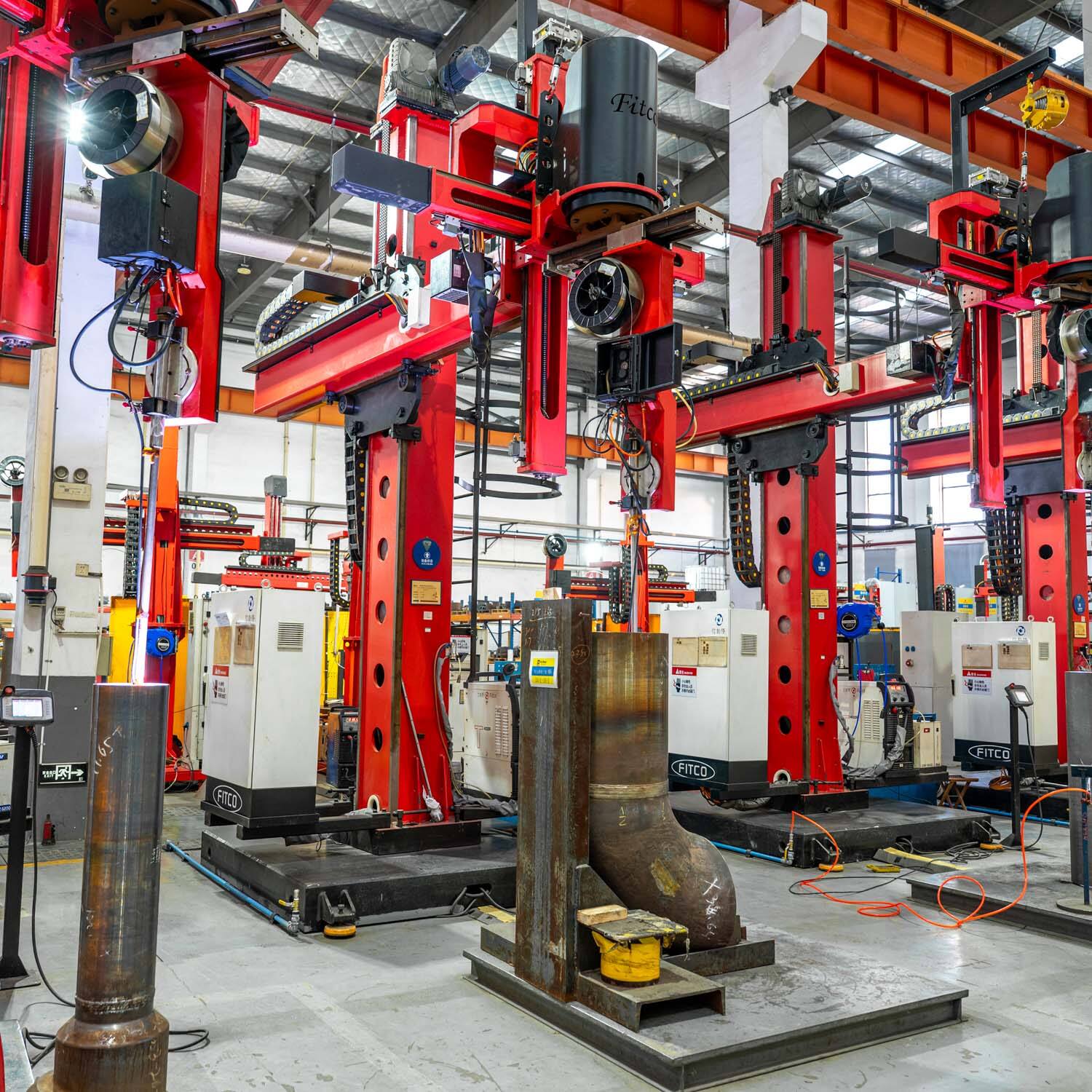
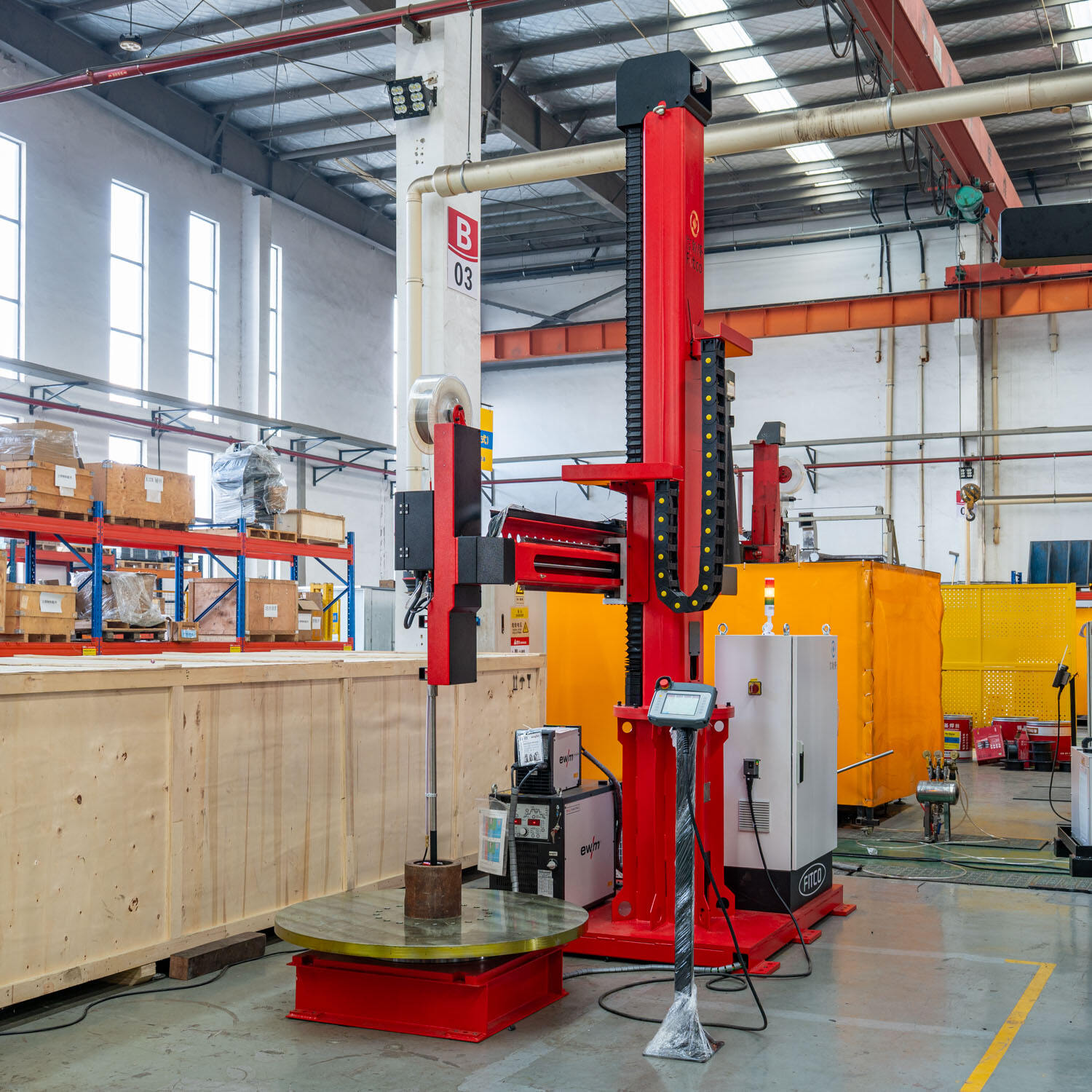
Professional Pipe Welding Positioners - Advanced Rotation Control & Heavy-Duty Capacity

Contact me immediately if you encounter problems!

All Categories

Get a Free Quote

Our representative will contact you soon.
Email
Mobile/WhatsApp
Name
Company Name
Message
0/1000

Get a Free Quote

Our representative will contact you soon.
Email
Mobile/WhatsApp
Name
Company Name
Message
0/1000

pipe welding positioners

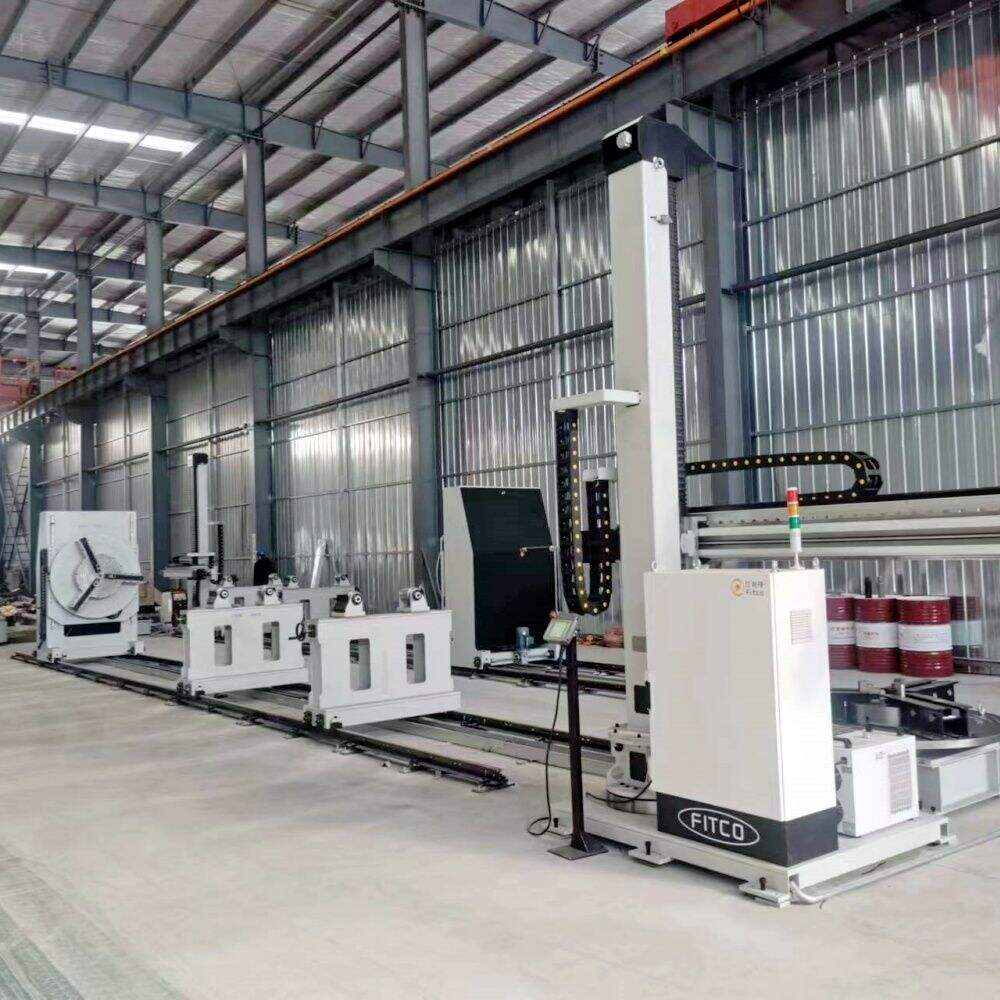
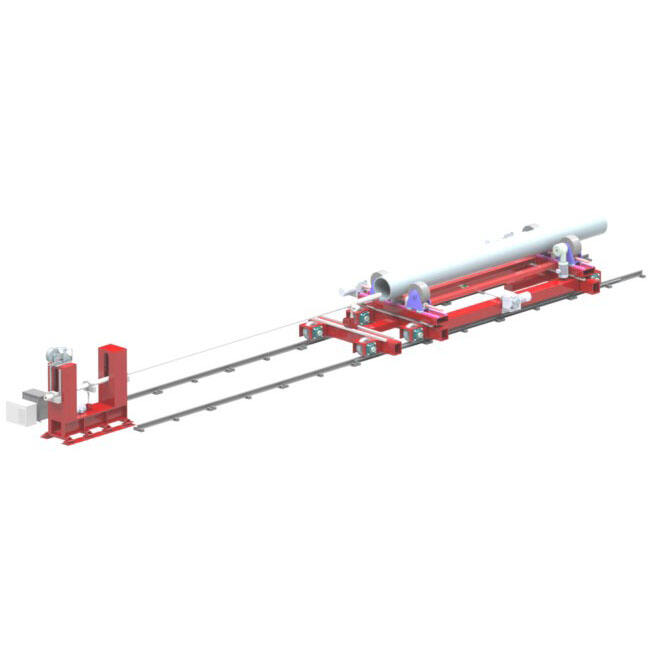
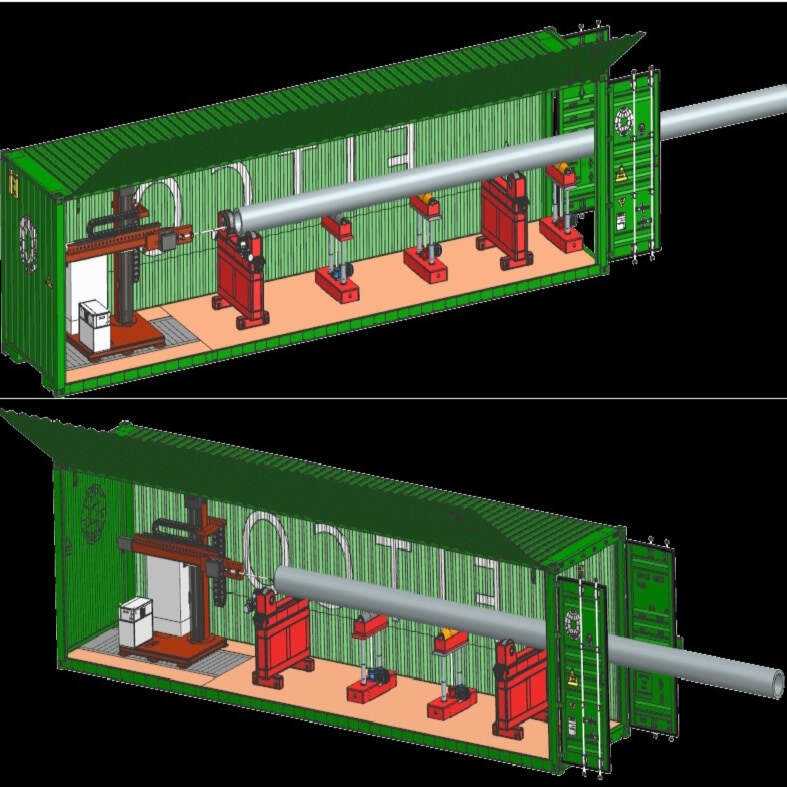
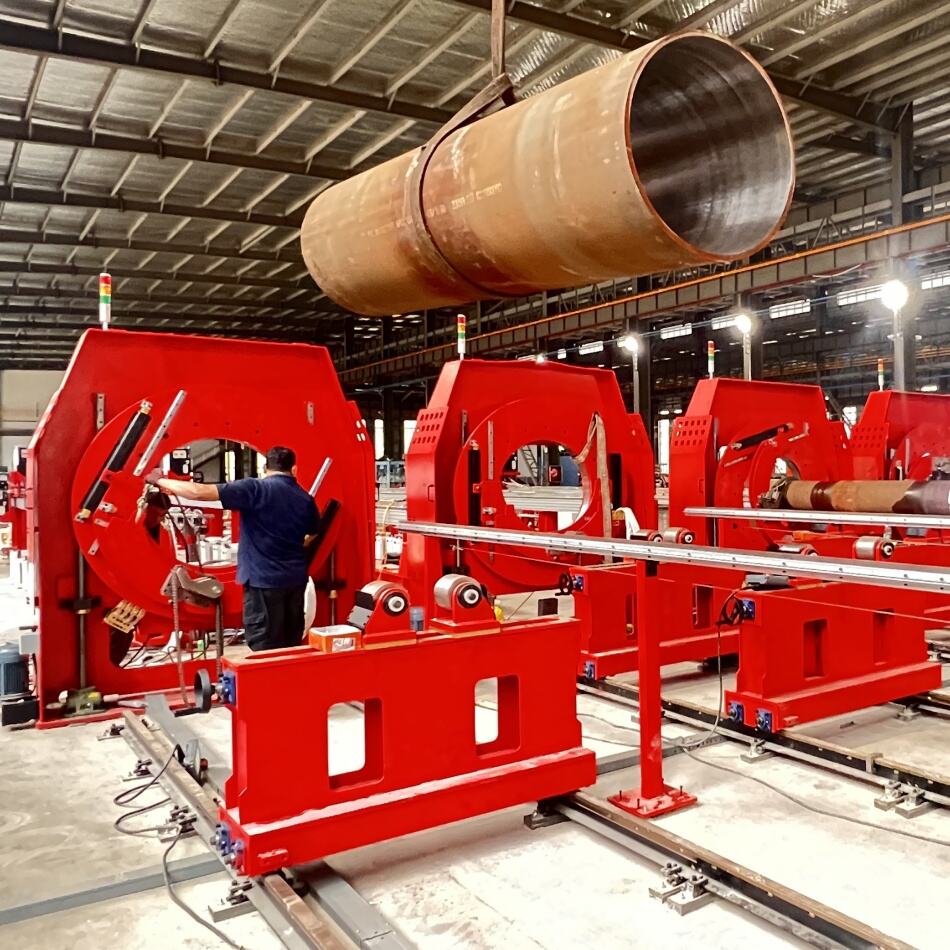
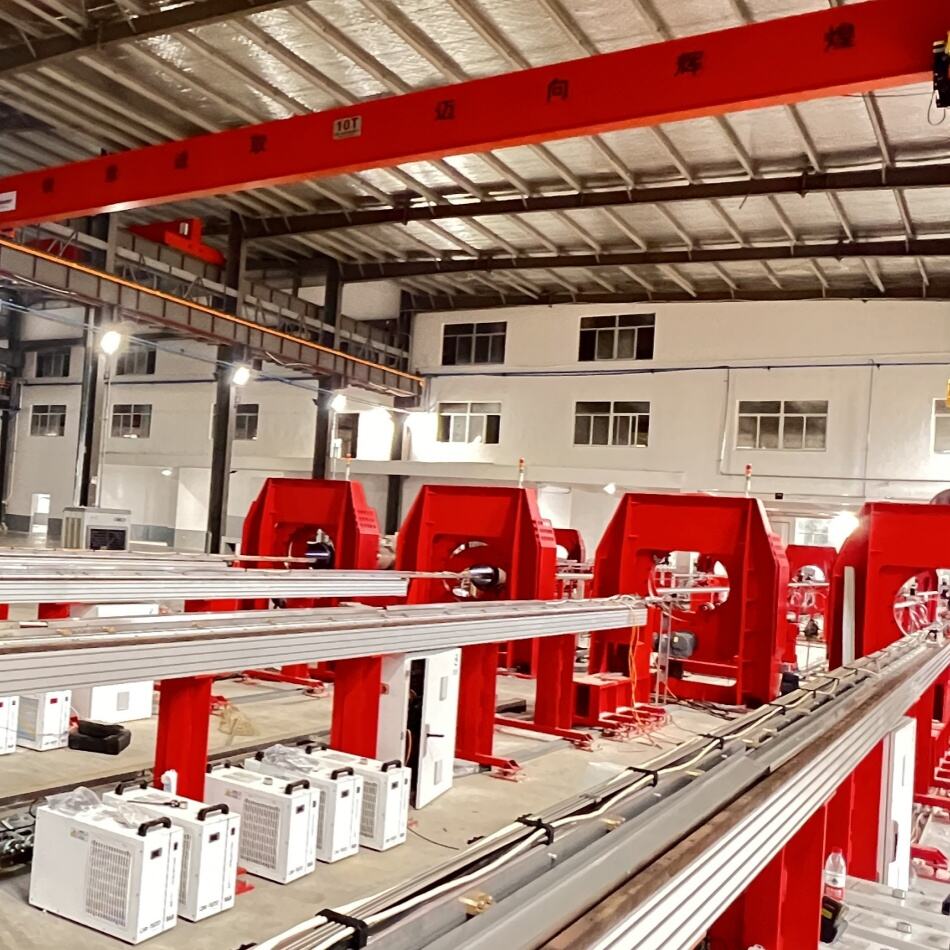
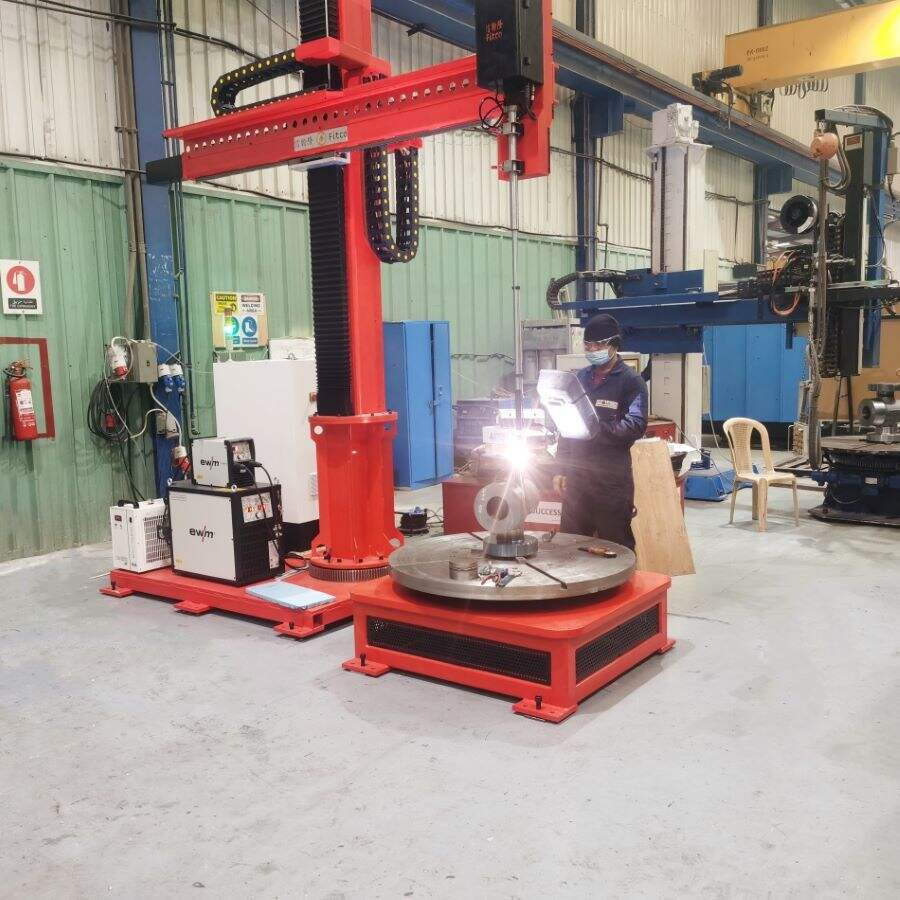
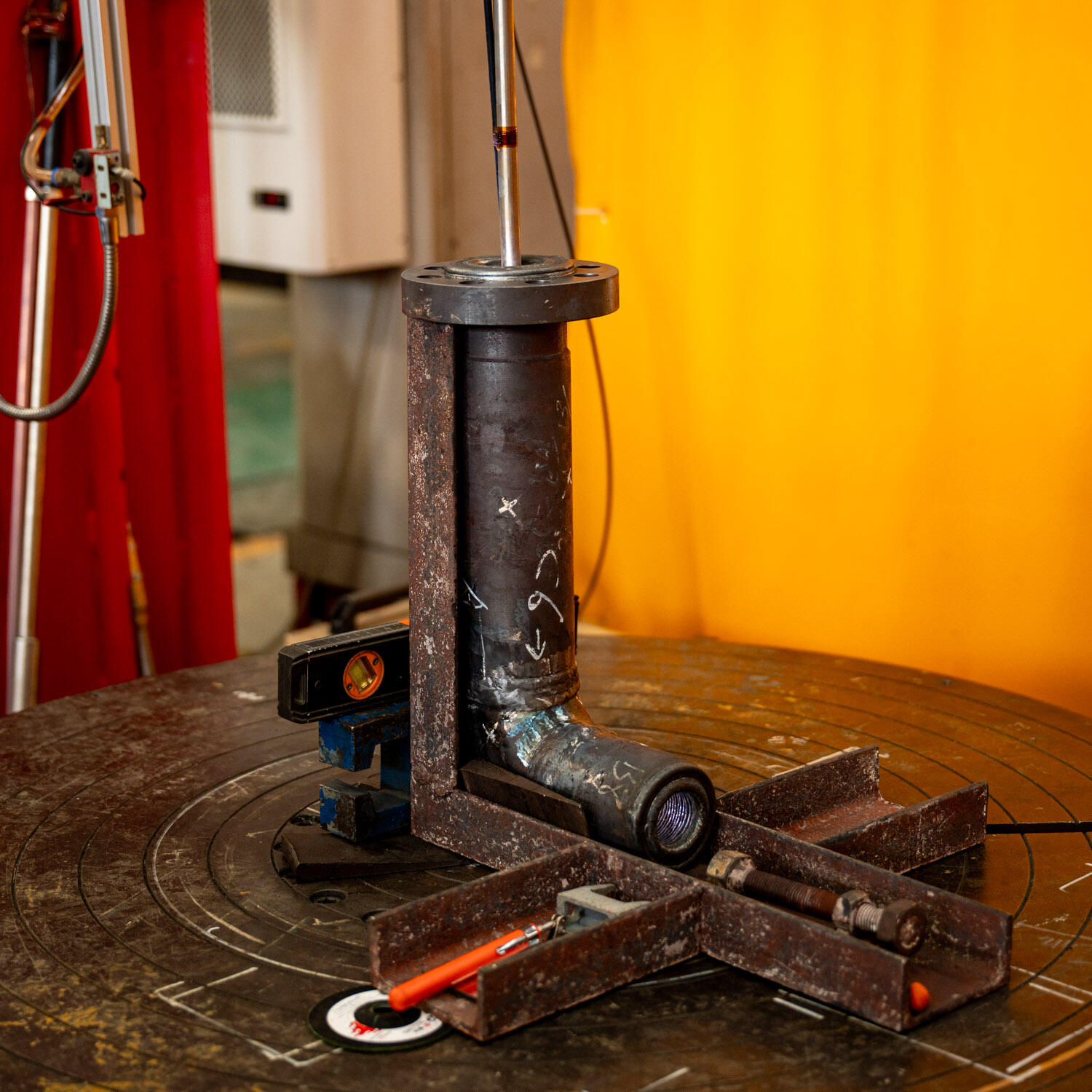
Pipe welding positioners represent essential equipment in modern fabrication facilities, designed to rotate and manipulate pipes during welding operations for optimal accessibility and precision. These sophisticated machines enable welders to maintain consistent positioning while working on cylindrical components, ensuring superior weld quality and enhanced productivity. The primary function of pipe welding positioners involves rotating pipes at controlled speeds, allowing welders to work in comfortable horizontal positions regardless of the weld joint location. This rotation capability eliminates the need for welders to work in awkward overhead or vertical positions, significantly improving both safety and weld quality. Technologically, these positioners feature variable speed controls, typically ranging from 0.1 to 10 revolutions per minute, accommodating various welding processes and pipe diameters. Advanced models incorporate digital displays for precise speed monitoring and remote control capabilities for enhanced operator convenience. The positioning systems utilize robust gear mechanisms and heavy-duty motors to handle substantial pipe weights, often supporting loads from 500 pounds to several tons depending on the model specifications. Modern pipe welding positioners include safety features such as emergency stop buttons, overload protection, and stable base designs to prevent tipping during operation. Applications span across multiple industries including oil and gas pipeline construction, shipbuilding, pressure vessel manufacturing, and general fabrication work. These machines prove invaluable in power plant construction, petrochemical facility development, and offshore platform fabrication where precise pipe welding is critical. The versatility of pipe welding positioners extends to accommodating various pipe materials including steel, stainless steel, aluminum, and exotic alloys. Integration capabilities allow these positioners to work seamlessly with automated welding systems, flux core welding equipment, and TIG welding setups, making them adaptable to diverse production requirements and welding methodologies.

New Product Releases

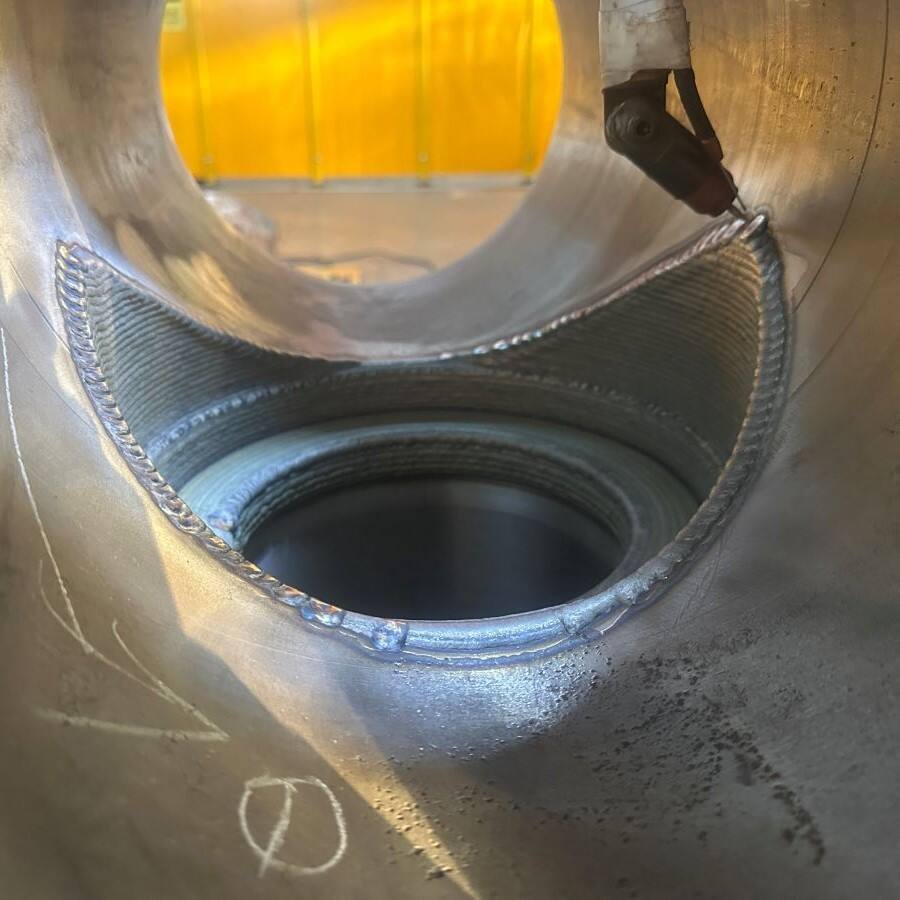
Pipe welding positioners deliver substantial productivity improvements by allowing welders to maintain optimal working positions throughout the entire welding process. This positioning advantage translates directly into faster completion times as welders can work more efficiently without constantly repositioning themselves around stationary pipes. The consistent rotation speed ensures uniform heat distribution and penetration, resulting in stronger, more reliable welds that meet stringent quality standards. Safety benefits represent another crucial advantage, as these machines eliminate the need for welders to work in uncomfortable overhead positions or awkward angles that can lead to fatigue and potential injuries. The ergonomic benefits extend beyond immediate safety concerns, reducing long-term strain on welders' backs, necks, and shoulders, which contributes to better workforce retention and reduced workplace compensation claims. Quality improvements achieved through pipe welding positioners stem from the ability to maintain consistent travel speeds and optimal torch angles throughout the welding process. This consistency reduces the likelihood of defects such as incomplete penetration, undercut, or porosity that commonly occur when welders must work in challenging positions. The machines enable better access to all areas of the pipe circumference, ensuring complete weld coverage and eliminating hard-to-reach spots that might be inadequately welded using traditional methods. Cost effectiveness becomes apparent through reduced rework requirements, as the improved weld quality achieved with positioners minimizes the need for costly repairs or complete rewelding of joints. Labor cost savings accumulate over time as projects complete faster with fewer quality issues, allowing fabrication shops to take on more work with existing personnel. Versatility advantages allow these machines to accommodate various pipe sizes and weights, making them suitable for diverse projects without requiring multiple specialized fixtures. The adjustable features enable quick changeovers between different pipe diameters, reducing setup time and increasing overall shop efficiency. Training benefits emerge as new welders can achieve professional-quality results more quickly when using positioners compared to manual positioning methods. This accelerated learning curve helps fabrication shops maintain productivity levels even when hiring less experienced personnel. Maintenance advantages include reduced wear on welding equipment since consistent positioning prevents excessive cable flexing and torch manipulation that typically occurs with manual pipe rotation methods.

Practical Tips

Top 5 Maintenance Tips to Extend the Life of Your welding machine

16

Mar

Top 5 Maintenance Tips to Extend the Life of Your welding machine

Proper maintenance is the cornerstone of maximizing your welding machine investment and ensuring consistent, high-quality welding performance throughout its operational lifespan. Industrial welding operations rely heavily on equipment reliability, an...
View More
The Essential Guide to Automated pipe cladding Solutions

16

Mar

The Essential Guide to Automated pipe cladding Solutions

Automated pipe cladding solutions represent a transformative advancement in industrial pipeline protection, offering enhanced precision, efficiency, and durability compared to traditional manual methods. This comprehensive guide explores the critical...
View More
Inside an igbt inverter welder: How the High-Frequency Switching Works

16

Mar

Inside an igbt inverter welder: How the High-Frequency Switching Works

The high-frequency switching mechanism within an igbt inverter welder represents one of the most significant technological advances in modern welding equipment. This sophisticated power conversion process transforms standard AC mains power into preci...
View More
Which Industries Benefit Most from Using a TIG Welder?

13

Jan

Which Industries Benefit Most from Using a TIG Welder?

TIG welding technology has revolutionized manufacturing and fabrication processes across numerous industries, offering unparalleled precision and quality in metal joining applications. The versatility of a TIG welder makes it an indispensable tool fo...
View More

Get a Free Quote

Our representative will contact you soon.
Email
Mobile/WhatsApp
Name
Company Name
Message
0/1000

pipe welding positioners

Advanced Rotation Control Technology

Advanced Rotation Control Technology

The sophisticated rotation control system in pipe welding positioners represents a breakthrough in precision welding technology, offering unprecedented control over pipe movement during critical welding operations. This advanced system utilizes high-precision servo motors coupled with sophisticated gear reduction mechanisms to achieve rotation speeds as slow as 0.05 revolutions per minute, enabling welders to match rotation speed perfectly with their welding travel speed. The digital control interface provides real-time feedback on rotation parameters, allowing operators to make micro-adjustments during welding without interrupting the process. Variable frequency drives ensure smooth acceleration and deceleration, eliminating jerky movements that could compromise weld integrity or cause arc instability. The control system incorporates advanced algorithms that automatically compensate for load variations, maintaining consistent rotation speed even when pipe weight distribution changes during welding. Remote control capabilities enable operators to adjust rotation parameters from their welding position, eliminating the need to stop welding and walk to the control panel for speed adjustments. This feature proves particularly valuable in large-diameter pipe welding where welders may be positioned several feet from the positioner controls. The system includes preset memory functions that store commonly used rotation speeds for different welding processes, allowing quick setup for recurring job requirements. Safety interlocks prevent accidental activation and ensure the rotation system only operates when all safety conditions are met. Emergency stop functionality provides immediate cessation of rotation from multiple locations around the work area. The control technology integrates seamlessly with automated welding systems, accepting external speed commands and synchronizing rotation with orbital welding equipment. Advanced models feature torque monitoring capabilities that alert operators to excessive resistance that might indicate mechanical problems or improper pipe mounting. The precision control extends to positioning accuracy, with some systems offering incremental rotation capabilities measured in degrees rather than continuous rotation, enabling precise positioning for tack welding or fit-up operations before final welding begins.
Heavy-Duty Load Capacity and Stability

Heavy-Duty Load Capacity and Stability

The exceptional load-bearing capability and stability features of pipe welding positioners make them indispensable for handling large-diameter, thick-walled pipes commonly found in industrial applications. These machines typically support loads ranging from 1,000 pounds in compact models to over 20,000 pounds in heavy-duty industrial versions, accommodating everything from small process piping to massive transmission pipelines. The robust construction utilizes high-grade steel frames with reinforced mounting points that distribute weight evenly across the machine base, preventing stress concentrations that could lead to premature failure. Wide, stable base designs incorporate adjustable leveling feet that ensure proper alignment on uneven shop floors while maintaining stability during rotation. The drive mechanisms feature heavy-duty reduction gearboxes with hardened gears capable of handling the substantial torque requirements needed to rotate heavy pipe assemblies smoothly. Multiple support roller configurations distribute pipe weight across several contact points, reducing stress on individual components and minimizing pipe deformation during rotation. Adjustable roller positioning accommodates various pipe diameters without requiring different roller sets, providing versatility while maintaining secure pipe support. The stability system includes anti-tip mechanisms that prevent the positioner from becoming unstable when handling pipes with uneven weight distribution or when working with partially completed assemblies. Vibration dampening features minimize oscillations that could affect weld quality, particularly important when working with long, flexible pipe sections. Safety systems monitor load conditions continuously, providing warnings when approaching maximum capacity limits and preventing operation beyond safe parameters. The heavy-duty construction extends to the electrical systems, with robust motor housings and weather-resistant control panels suitable for harsh industrial environments. Precision bearings in critical rotation points ensure smooth operation even under maximum load conditions, while regular lubrication systems maintain optimal performance over extended operating periods. The stability features enable confident operation even in demanding applications such as offshore fabrication where environmental conditions may introduce additional stresses. Quality certification ensures these load-bearing components meet or exceed industry standards for safety and reliability in critical welding applications.
Enhanced Operator Safety and Ergonomics

Enhanced Operator Safety and Ergonomics

The comprehensive safety and ergonomic design features of pipe welding positioners prioritize operator wellbeing while maximizing productivity and weld quality. These machines eliminate the physical strain associated with manual pipe manipulation, reducing the risk of back injuries, muscle fatigue, and repetitive stress disorders that commonly affect welders working on pipe projects. The ergonomic benefits begin with proper working height adjustment, allowing welders to position pipes at optimal elevations that promote natural body posture and reduce bending or reaching. Anti-fatigue benefits accumulate over extended work periods as welders can maintain comfortable standing positions without the constant repositioning required for manual pipe rotation. Safety systems incorporate multiple emergency stop mechanisms strategically located around the work area, ensuring immediate shutdown capability regardless of operator position. Dead-man switches require continuous operator presence for machine operation, automatically stopping rotation if the operator steps away or becomes incapacitated. Protective guarding prevents accidental contact with rotating machinery while allowing full access to welding areas. The safety design includes lockout/tagout capabilities that secure the machine during maintenance or setup operations, preventing accidental activation that could cause serious injury. Slip-resistant control surfaces and strategically placed handholds provide secure operator positioning around the equipment. Warning systems include both visual and audible alerts that notify operators and nearby personnel when the machine is in operation or when safety conditions are not met. The ergonomic design extends to control placement, with frequently used functions positioned within comfortable reach of standard operator positions. Intuitive control layouts reduce training time and minimize the potential for operational errors that could compromise safety. Lighting integration in some models provides enhanced visibility of the weld area, reducing eye strain and improving weld quality. Non-slip work surfaces around the positioner prevent slips and falls in areas where welding spatter or coolant might create hazardous conditions. The safety systems are designed to meet or exceed OSHA requirements and international safety standards, providing legal compliance assurance for employers. Regular safety inspections are facilitated by accessible check points and clear maintenance schedules that help maintain optimal safety performance throughout the equipment lifecycle.

Get a Free Quote

Our representative will contact you soon.
Email
Mobile/WhatsApp
Name
Company Name
Message
0/1000