
 EN
EN
 AR
AR BG
BG HR
HR CS
CS DA
DA NL
NL FI
FI FR
FR DE
DE EL
EL HI
HI IT
IT JA
JA KO
KO NO
NO PL
PL PT
PT RO
RO RU
RU ES
ES SV
SV TL
TL IW
IW ID
ID LT
LT UK
UK SQ
SQ HU
HU TH
TH TR
TR FA
FA AF
AF CY
CY MK
MK LA
LA MN
MN KK
KK UZ
UZ KY
KY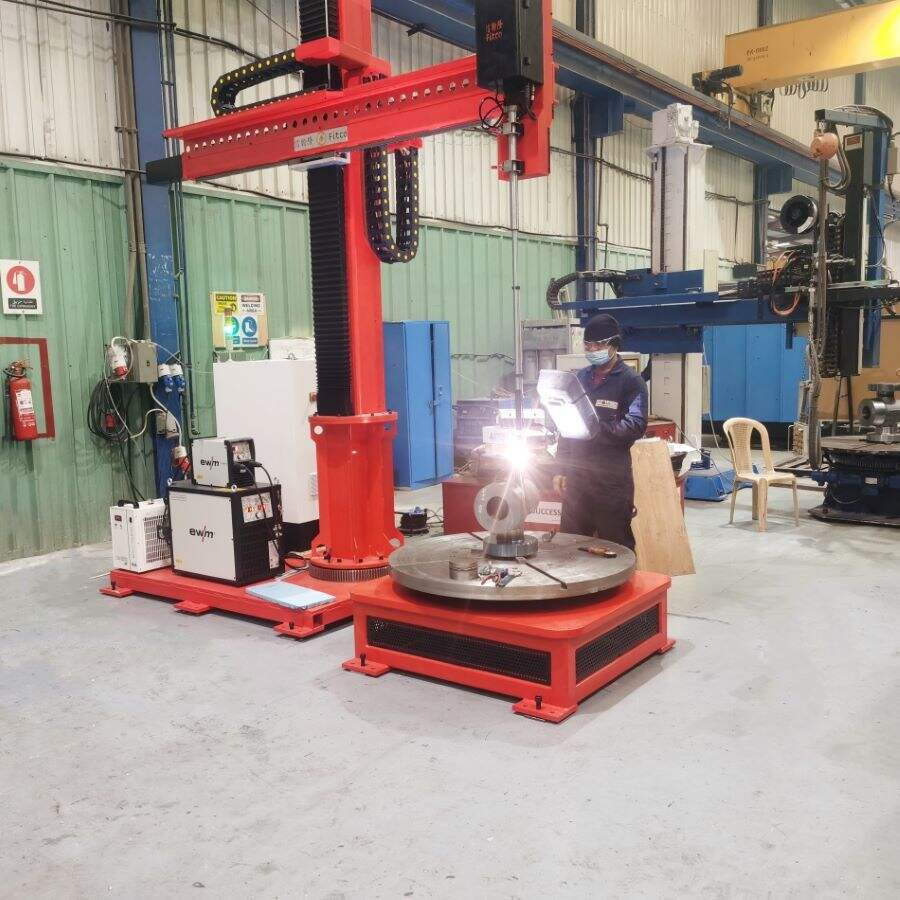
TIG welding technology has revolutionized manufacturing and fabrication processes across numerous industries, offering unparalleled precision and quality in metal joining applications. The versatility of a TIG welder makes it an indispensable tool for professionals who demand exceptional weld quality, superior control, and the ability to work with diverse materials. From aerospace components requiring critical structural integrity to artistic metalwork demanding flawless aesthetics, TIG welding delivers consistent results that meet the most stringent industry standards.
Aerospace and Aviation Industry Applications
Critical Component Manufacturing
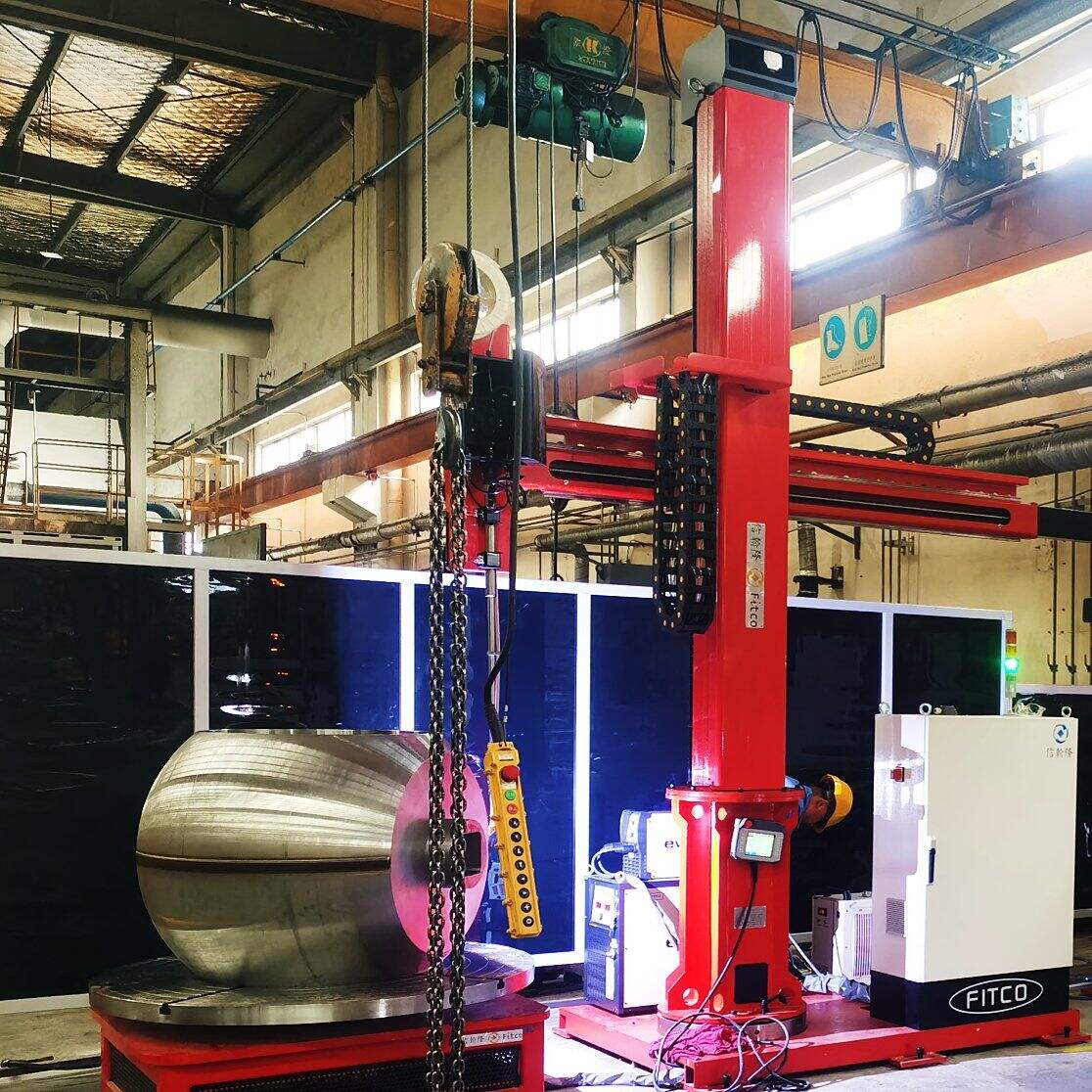
The aerospace industry relies heavily on TIG welder technology for manufacturing critical components that must withstand extreme conditions and meet rigorous safety requirements. Aircraft manufacturers utilize TIG welding for joining aluminum alloys, titanium, and specialized steel components in engine parts, fuselage structures, and landing gear assemblies. The precision control offered by modern TIG welding systems ensures consistent penetration and minimal distortion, which are essential for maintaining the structural integrity of aircraft components.
Aerospace welding applications require exceptional quality control, as even minor defects can lead to catastrophic failures. TIG welding provides the clean, spatter-free welds necessary for meeting stringent aerospace standards such as AS9100 and various military specifications. The process allows welders to produce X-ray quality joints consistently, making it the preferred choice for critical applications where safety and reliability are paramount.
Material Compatibility and Performance
Modern aircraft construction involves exotic materials that require specialized welding techniques, and TIG welders excel at handling these challenging applications. Titanium welding, commonly used in jet engines and high-performance aircraft structures, demands the inert gas protection and precise heat control that only TIG welding can provide. The ability to weld thin-gauge materials without burn-through makes TIG welding ideal for aerospace sheet metal fabrication and repair operations.
The aerospace sector's emphasis on weight reduction drives the use of advanced aluminum alloys and composite-metal hybrid structures, both of which benefit from the precise heat input control of TIG welding. This technology enables manufacturers to create strong, lightweight joints that contribute to improved fuel efficiency and performance characteristics in modern aircraft designs.
Oil and Gas Industry Infrastructure
Pipeline Construction and Maintenance
The oil and gas industry represents one of the largest markets for professional TIG welding equipment, particularly for pipeline construction and maintenance operations. High-pressure pipeline systems require welds that can withstand extreme pressures, corrosive environments, and temperature fluctuations over decades of service life. A TIG welder provides the quality and reliability needed for these demanding applications, ensuring pipeline integrity and operational safety.
Pipeline welding often involves thick-wall steel pipes that require multiple-pass welding techniques, and TIG welding excels at root pass applications where penetration and quality are critical. The clean, slag-free welds produced by TIG welding eliminate the need for extensive cleanup between passes, improving productivity and ensuring consistent quality throughout the welding process. This capability is particularly valuable in remote pipeline construction sites where equipment reliability and weld quality directly impact project timelines and costs.
Offshore Platform Construction
Offshore oil and gas platforms present unique challenges that make TIG welder technology essential for construction and maintenance operations. The marine environment's corrosive nature requires specialized materials and welding techniques that can withstand saltwater exposure and extreme weather conditions. TIG welding's ability to produce corrosion-resistant joints in stainless steel and exotic alloys makes it indispensable for offshore applications.
The construction of offshore platforms involves welding thick structural members under challenging conditions, often requiring positional welding techniques and specialized electrodes. TIG welding systems provide the versatility needed to handle various joint configurations and material thicknesses while maintaining the quality standards required for structures that must operate safely in harsh marine environments for decades.
Manufacturing and Fabrication Industries
Automotive Component Production
The automotive industry has embraced TIG welder technology for manufacturing high-performance components that require precise dimensional control and superior mechanical properties. Exhaust system fabrication, particularly for performance and racing applications, relies heavily on TIG welding to create leak-free joints in stainless steel and exotic alloys. The process's ability to produce clean, aesthetically pleasing welds makes it ideal for visible components where appearance matters as much as functionality.
Modern automotive manufacturing increasingly involves lightweight materials such as aluminum and advanced high-strength steels, both of which benefit from the precise heat control offered by TIG welding. The automotive sector's emphasis on fuel efficiency and emission reduction drives the adoption of lighter materials and thinner sections, making the controlled heat input of TIG welding essential for preventing distortion and maintaining dimensional accuracy.
General Manufacturing Applications
Manufacturing facilities across various industries utilize TIG welder equipment for producing components that require superior weld quality and precise dimensional control. Food processing equipment manufacturing relies on TIG welding for creating sanitary joints in stainless steel that can withstand rigorous cleaning protocols and maintain product purity. The smooth, crevice-free welds produced by TIG welding eliminate areas where bacteria and contaminants could accumulate.
Precision manufacturing applications, such as semiconductor equipment and medical device production, demand the exceptional quality control that TIG welding provides. These industries require welds that meet strict cleanliness standards and dimensional tolerances, making TIG welder technology an essential part of their manufacturing processes. The ability to produce consistent, repeatable results makes TIG welding ideal for high-volume production environments where quality and reliability are critical.
Power Generation and Energy Sector
Nuclear Power Plant Construction
The nuclear power industry represents one of the most demanding applications for TIG welder technology, requiring welds that meet the highest quality standards and safety requirements. Nuclear power plant construction involves welding specialized stainless steels and exotic alloys that must maintain their integrity under extreme radiation, temperature, and pressure conditions. The precise control offered by TIG welding ensures that these critical joints meet nuclear quality assurance standards.
Nuclear welding applications require extensive documentation and quality control procedures, making the consistent results of TIG welding essential for meeting regulatory requirements. The process's ability to produce defect-free welds that can pass rigorous non-destructive testing makes it the preferred choice for nuclear pressure vessel construction and piping systems where failure is not an option.
Renewable Energy Infrastructure
The growing renewable energy sector increasingly relies on TIG welder technology for manufacturing and installing wind turbines, solar panel mounting systems, and geothermal equipment. Wind turbine construction involves welding large structural components from high-strength steel and specialized alloys that must withstand dynamic loading and environmental stresses over long service lives. TIG welding provides the quality and reliability needed for these critical applications.
Solar energy infrastructure requires precise welding of aluminum frames and mounting systems that must maintain structural integrity while minimizing weight and cost. The ability of TIG welding to produce strong, lightweight joints in aluminum makes it ideal for solar panel manufacturing and installation applications where durability and performance are essential for long-term energy production.
Specialized Industrial Applications
Chemical and Petrochemical Processing
Chemical and petrochemical processing facilities require TIG welder equipment capable of handling corrosive materials and extreme operating conditions. Process piping systems must withstand aggressive chemicals, high temperatures, and pressure cycling while maintaining leak-tight integrity throughout their service life. TIG welding's ability to produce high-quality joints in corrosion-resistant alloys makes it essential for these demanding applications.
The chemical industry's emphasis on safety and environmental protection requires welding processes that can consistently produce defect-free joints in specialized materials such as Hastelloy, Inconel, and duplex stainless steels. TIG welder technology provides the precise control needed to successfully weld these challenging materials while maintaining their corrosion resistance and mechanical properties.
Research and Development Facilities
Research institutions and development facilities across various industries rely on TIG welder equipment for prototyping and experimental work that requires precise control and versatility. Laboratory equipment manufacturing demands the ability to create custom components from diverse materials while maintaining strict cleanliness and dimensional requirements. The flexibility of TIG welding makes it ideal for one-off fabrication projects and prototype development.
Scientific instrument manufacturing requires welding techniques that can handle exotic materials and produce joints with exceptional quality and reliability. TIG welding's ability to work with dissimilar metals and create hermetic seals makes it valuable for applications such as vacuum system construction and precision measurement equipment fabrication where performance requirements are extremely demanding.
Quality and Performance Advantages
Weld Quality and Aesthetics
The superior weld quality achieved with TIG welder systems makes them the preferred choice for applications where both structural integrity and appearance are important. The process produces clean, spatter-free welds with excellent fusion characteristics and minimal heat-affected zones, resulting in joints that often require no post-weld cleanup or finishing. This capability is particularly valuable in industries where weld appearance affects product marketability or where contamination must be minimized.
TIG welding's ability to produce consistent, repeatable results makes it ideal for applications where quality control is critical. The process parameters can be precisely controlled and monitored, enabling manufacturers to maintain strict quality standards and reduce defect rates. This consistency is essential for industries such as aerospace and nuclear power where weld quality directly impacts safety and regulatory compliance.
Material Versatility and Capability
Modern TIG welder equipment offers exceptional versatility in terms of materials and applications, making it valuable across diverse industrial sectors. The process can successfully join virtually any weldable metal, from common structural steels to exotic superalloys, with thicknesses ranging from thin foils to heavy sections. This versatility eliminates the need for multiple welding processes and equipment types in many manufacturing facilities.
The ability to weld dissimilar metals opens up new possibilities for innovative product designs and manufacturing techniques. Industries such as electronics, where copper-to-steel joints are common, benefit from TIG welding's capability to create reliable connections between materials with different thermal and mechanical properties. This flexibility makes TIG welder technology valuable for emerging applications and evolving manufacturing requirements.
FAQ
What makes TIG welding superior for critical industrial applications
TIG welding provides superior control over heat input and weld pool characteristics, resulting in high-quality joints with excellent mechanical properties and minimal distortion. The inert gas protection prevents contamination and oxidation, producing clean welds that often exceed the strength of the base materials. This level of quality control is essential for industries where weld integrity directly impacts safety and performance.
How does TIG welding compare to other processes for industrial manufacturing
TIG welding offers unmatched versatility and quality compared to other welding processes, though it typically operates at slower speeds. The process excels in applications requiring precise control, aesthetic appearance, and the ability to weld exotic materials. While other processes may be faster for high-volume production, TIG welding provides the quality and flexibility needed for critical applications and specialized materials.
What training and certification requirements exist for industrial TIG welding
Industrial TIG welding applications typically require certified welders who have completed specialized training programs and passed qualification tests specific to the materials and codes involved. Industries such as aerospace, nuclear, and pressure vessel manufacturing have stringent certification requirements that ensure welders can consistently produce quality results meeting applicable standards and specifications.
What factors should be considered when selecting TIG welding equipment for industrial use
Industrial TIG welder selection should consider factors such as power requirements, duty cycle, material compatibility, and specific application needs. Advanced features like pulse welding, hot-wire capability, and programmable parameters can significantly improve productivity and quality for specialized applications. The equipment's reliability, service support, and compliance with industry standards are also critical considerations for industrial environments.
Table of Contents
- Aerospace and Aviation Industry Applications
- Oil and Gas Industry Infrastructure
- Manufacturing and Fabrication Industries
- Power Generation and Energy Sector
- Specialized Industrial Applications
- Quality and Performance Advantages
-
FAQ
- What makes TIG welding superior for critical industrial applications
- How does TIG welding compare to other processes for industrial manufacturing
- What training and certification requirements exist for industrial TIG welding
- What factors should be considered when selecting TIG welding equipment for industrial use