
 EN
EN
 AR
AR BG
BG HR
HR CS
CS DA
DA NL
NL FI
FI FR
FR DE
DE EL
EL HI
HI IT
IT JA
JA KO
KO NO
NO PL
PL PT
PT RO
RO RU
RU ES
ES SV
SV TL
TL IW
IW ID
ID LT
LT UK
UK SQ
SQ HU
HU TH
TH TR
TR FA
FA AF
AF CY
CY MK
MK LA
LA MN
MN KK
KK UZ
UZ KY
KY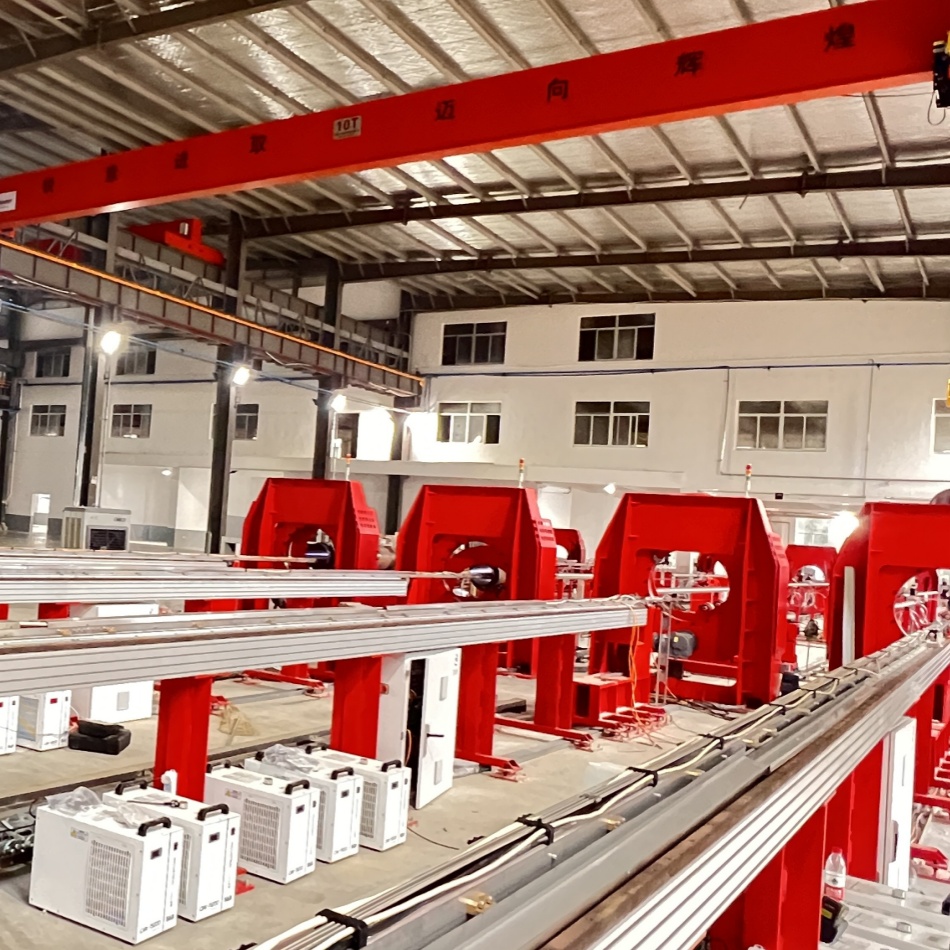
Automated pipe cladding solutions represent a transformative advancement in industrial pipeline protection, offering enhanced precision, efficiency, and durability compared to traditional manual methods. This comprehensive guide explores the critical components, implementation strategies, and operational benefits that define modern pipe cladding systems, providing decision-makers with the essential knowledge needed to evaluate and deploy these sophisticated technologies in their facilities.
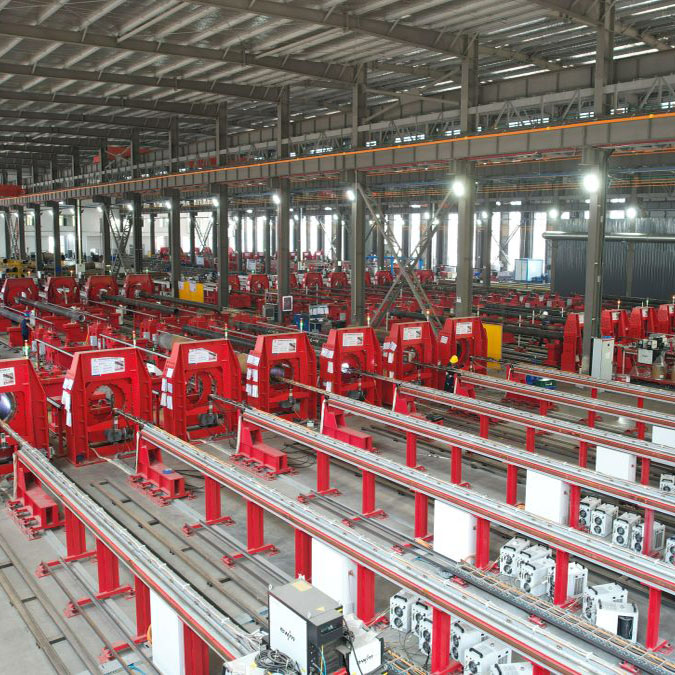
The evolution of pipe cladding technology has fundamentally shifted from labor-intensive processes to sophisticated automated systems that deliver consistent, high-quality protective layers across diverse industrial applications. Understanding the core principles, equipment configurations, and operational parameters of these automated solutions enables organizations to make informed decisions about their infrastructure protection strategies while maximizing return on investment and operational reliability.
Understanding Automated Pipe Cladding Technology
Core Automation Components
Automated pipe cladding systems integrate advanced robotics, precision welding equipment, and intelligent control systems to deliver consistent protective layers on pipeline surfaces. These systems typically incorporate computer-controlled welding heads that maintain optimal positioning and travel speeds, ensuring uniform material deposition across the entire pipe cladding surface. The automation framework includes sensors for real-time monitoring, adaptive control algorithms that adjust parameters based on detected variations, and quality assurance mechanisms that verify coating integrity throughout the process.
The technological foundation of automated pipe cladding relies on sophisticated motion control systems that coordinate multiple axes of movement while maintaining precise positioning relative to the pipe geometry. Advanced welding power sources provide stable arc characteristics and controlled heat input, while integrated cooling systems manage thermal effects to prevent distortion and ensure optimal metallurgical properties in the cladding layer.
Process Control and Monitoring Systems
Modern automated pipe cladding solutions incorporate comprehensive process monitoring capabilities that track critical parameters including welding current, voltage, travel speed, and interpass temperature. These systems utilize advanced sensors and data acquisition technologies to maintain real-time visibility into the cladding process, enabling immediate adjustments when parameters drift outside acceptable ranges. The monitoring infrastructure typically includes thermal imaging systems, ultrasonic thickness gauges, and automated visual inspection capabilities that ensure consistent quality standards.
Intelligent process control algorithms analyze sensor data continuously, making micro-adjustments to maintain optimal pipe cladding conditions throughout the operation. These control systems can compensate for variations in base material properties, ambient temperature changes, and equipment wear patterns, ensuring consistent results regardless of operating conditions. Advanced systems also incorporate predictive maintenance capabilities that monitor equipment health and schedule maintenance activities based on actual usage patterns and performance trends.
Equipment Selection and Configuration
Welding System Specifications
Selecting appropriate welding equipment for automated pipe cladding requires careful consideration of power requirements, arc stability characteristics, and compatibility with various cladding materials. High-performance welding power sources designed for automated pipe cladding applications typically feature advanced arc control technologies, precise current regulation, and specialized waveform capabilities optimized for overlay welding processes. These systems must provide consistent energy delivery across extended operating periods while maintaining the thermal control necessary for quality cladding applications.
The welding system configuration includes specialized torches or welding heads designed for automated operation, featuring robust construction and precise positioning capabilities. These components must withstand the mechanical stresses of continuous operation while maintaining accurate positioning relative to the pipe surface. Advanced torch designs incorporate integrated cooling systems, wire feeding mechanisms, and sensor mounting provisions that support comprehensive process monitoring and control.
Automation Hardware and Software
The automation platform for pipe cladding systems encompasses sophisticated motion control hardware, industrial computing systems, and specialized software applications tailored for welding process management. Motion control systems must provide precise coordination of multiple axes while maintaining smooth, consistent travel speeds that ensure uniform material deposition. The computing infrastructure includes real-time operating systems capable of managing complex process algorithms, data acquisition tasks, and operator interface functions simultaneously.
Software applications for automated pipe cladding systems include comprehensive programming environments that enable operators to define welding sequences, parameter sets, and quality control protocols for different pipe configurations and cladding requirements. These systems typically feature intuitive operator interfaces that provide real-time process visualization, parameter adjustment capabilities, and comprehensive reporting functions that support quality documentation and process optimization activities.
Implementation Strategies and Best Practices
Site Preparation and Integration
Successful implementation of automated pipe cladding solutions requires comprehensive site preparation that addresses power requirements, environmental conditions, and integration with existing production workflows. The installation process involves establishing appropriate foundation systems, utilities connections, and safety infrastructure that support reliable long-term operation. Site preparation must also consider material handling requirements, workspace organization, and maintenance access provisions that facilitate efficient ongoing operations.
Integration planning addresses the coordination between automated pipe cladding systems and upstream or downstream processes, ensuring smooth material flow and minimizing production disruptions during implementation. This includes developing appropriate scheduling protocols, establishing quality handoff procedures, and implementing data management systems that support comprehensive process documentation and traceability requirements.
Operator Training and Certification
Effective deployment of automated pipe cladding technology requires comprehensive operator training programs that address both technical operation and quality assurance responsibilities. Training curricula must cover system operation principles, parameter selection guidelines, troubleshooting procedures, and maintenance protocols specific to the automated pipe cladding equipment. Operators must develop proficiency in interpreting process monitoring data, recognizing quality indicators, and implementing corrective actions when process variations occur.
Certification programs for automated pipe cladding operators typically include both theoretical knowledge assessments and practical demonstration requirements that verify competency in all aspects of system operation. Ongoing training requirements ensure operators maintain current knowledge of evolving technologies, updated procedures, and emerging best practices that enhance system performance and reliability.
Quality Assurance and Performance Optimization
Inspection and Testing Protocols
Automated pipe cladding systems enable implementation of rigorous quality assurance protocols that ensure consistent adherence to specification requirements and industry standards. Inspection procedures typically include real-time monitoring of critical process parameters, periodic verification of cladding thickness and composition, and comprehensive documentation of all quality-related measurements. Advanced systems incorporate automated inspection capabilities that provide continuous quality feedback without interrupting production flow.
Testing protocols for pipe cladding applications include both destructive and non-destructive evaluation methods that verify mechanical properties, corrosion resistance, and adhesion characteristics of the cladding layer. Automated systems facilitate consistent sampling procedures and standardized test specimen preparation that enhance the reliability and repeatability of quality verification activities. Documentation systems capture comprehensive test results and process parameters that support traceability requirements and continuous improvement initiatives.
Performance Metrics and Optimization
Measuring and optimizing the performance of automated pipe cladding systems requires establishment of key performance indicators that address productivity, quality, and operational efficiency objectives. Typical metrics include cladding deposition rates, first-pass quality percentages, equipment utilization rates, and overall equipment effectiveness measurements that provide comprehensive visibility into system performance. Advanced monitoring systems automatically collect and analyze performance data, identifying trends and opportunities for improvement.
Optimization strategies for pipe cladding operations involve systematic analysis of process parameters, equipment settings, and operational procedures to identify enhancement opportunities. This includes evaluating alternative consumable materials, adjusting welding sequences, and implementing preventive maintenance protocols that maximize system reliability and performance. Continuous improvement programs utilize statistical analysis techniques and designed experiments to validate optimization strategies and quantify performance improvements.
Economic Benefits and Return on Investment
Cost Analysis and Financial Justification
The financial benefits of automated pipe cladding solutions extend beyond simple labor cost reductions to encompass improved quality consistency, reduced rework requirements, and enhanced production predictability. Cost analysis must consider initial capital investments, installation expenses, training costs, and ongoing operational requirements while quantifying the value of improved throughput, quality improvements, and reduced labor dependency. Comprehensive financial models address both tangible cost savings and strategic benefits that support long-term competitive positioning.
Return on investment calculations for pipe cladding automation typically demonstrate payback periods ranging from 18 to 36 months, depending on production volumes, labor cost structures, and quality requirements. The financial justification becomes more compelling when considering the risk mitigation benefits of consistent quality, reduced dependency on specialized skilled labor, and enhanced capacity for meeting demanding production schedules.
Long-term Strategic Advantages
Beyond immediate operational benefits, automated pipe cladding systems provide strategic advantages that enhance competitive positioning and support business growth objectives. These systems enable organizations to pursue more demanding projects, meet tighter quality specifications, and respond more effectively to market fluctuations in skilled labor availability. The scalability of automated systems supports capacity expansion without proportional increases in workforce requirements or training investments.
Strategic benefits also include enhanced capability for data collection and analysis that supports continuous improvement initiatives, predictive maintenance programs, and advanced process optimization strategies. Organizations implementing automated pipe cladding solutions typically achieve improved customer satisfaction through more consistent delivery performance and enhanced quality reliability, supporting premium pricing strategies and long-term customer relationships.
FAQ
What are the primary advantages of automated pipe cladding compared to manual processes?
Automated pipe cladding systems deliver superior consistency, precision, and repeatability compared to manual processes, while significantly reducing dependency on specialized skilled labor. These systems maintain optimal welding parameters throughout the entire operation, resulting in uniform cladding thickness, improved metallurgical properties, and reduced defect rates. Additionally, automation enables continuous operation, higher deposition rates, and comprehensive process documentation that supports quality assurance and traceability requirements.
How do automated systems handle different pipe sizes and configurations?
Modern automated pipe cladding systems incorporate flexible positioning mechanisms and adaptive control algorithms that accommodate various pipe diameters, lengths, and geometries. The systems typically feature adjustable fixtures, multi-axis motion control, and programmable welding sequences that can be quickly reconfigured for different pipe specifications. Advanced systems include automated setup procedures and parameter databases that minimize changeover time and ensure optimal settings for each pipe configuration.
What maintenance requirements are associated with automated pipe cladding equipment?
Automated pipe cladding systems require regular preventive maintenance including cleaning and inspection of welding components, calibration of motion control systems, and replacement of consumable items according to manufacturer specifications. Maintenance schedules typically include daily operational checks, weekly component inspections, and periodic comprehensive system evaluations. Advanced systems incorporate predictive maintenance capabilities that monitor equipment health and optimize maintenance timing based on actual operating conditions and performance trends.
How long does it typically take to implement an automated pipe cladding solution?
Implementation timelines for automated pipe cladding systems vary based on system complexity, site requirements, and integration needs, typically ranging from 3 to 6 months from order placement to full operational deployment. The timeline includes equipment manufacturing, site preparation, installation, commissioning, operator training, and production qualification phases. Proper planning and coordination with suppliers can optimize implementation schedules while ensuring thorough validation and operator readiness before production startup.
Table of Contents
- Understanding Automated Pipe Cladding Technology
- Equipment Selection and Configuration
- Implementation Strategies and Best Practices
- Quality Assurance and Performance Optimization
- Economic Benefits and Return on Investment
-
FAQ
- What are the primary advantages of automated pipe cladding compared to manual processes?
- How do automated systems handle different pipe sizes and configurations?
- What maintenance requirements are associated with automated pipe cladding equipment?
- How long does it typically take to implement an automated pipe cladding solution?