
 EN
EN
 AR
AR BG
BG HR
HR CS
CS DA
DA NL
NL FI
FI FR
FR DE
DE EL
EL HI
HI IT
IT JA
JA KO
KO NO
NO PL
PL PT
PT RO
RO RU
RU ES
ES SV
SV TL
TL IW
IW ID
ID LT
LT UK
UK SQ
SQ HU
HU TH
TH TR
TR FA
FA AF
AF CY
CY MK
MK LA
LA MN
MN KK
KK UZ
UZ KY
KY
Proper maintenance is the cornerstone of maximizing your welding machine investment and ensuring consistent, high-quality welding performance throughout its operational lifespan. Industrial welding operations rely heavily on equipment reliability, and a well-maintained welding machine can deliver decades of dependable service while reducing costly downtime and unexpected repair expenses. Understanding and implementing systematic maintenance practices will not only extend your equipment's useful life but also maintain optimal welding quality and workplace safety standards.
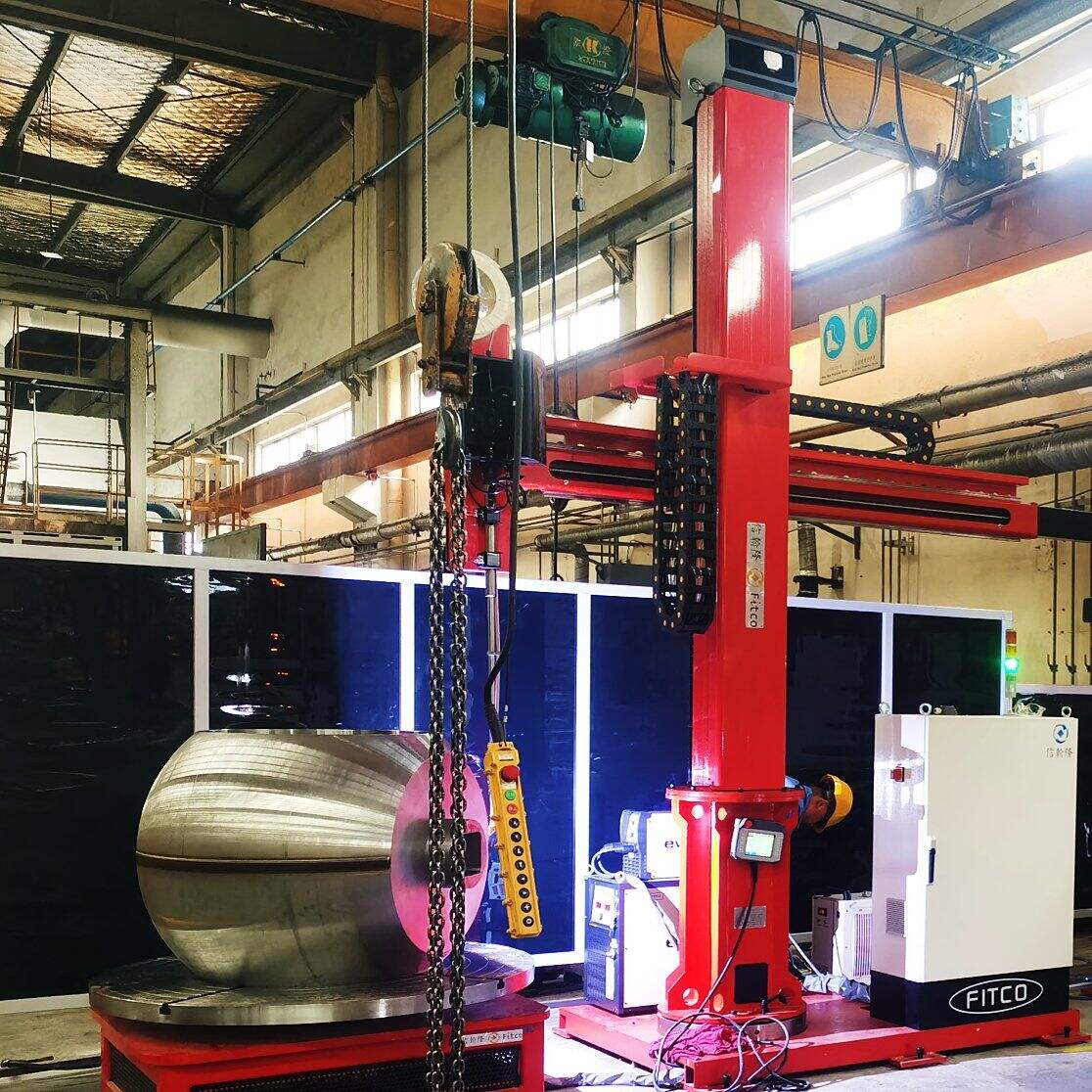
These five essential maintenance strategies represent the most impactful approaches to preserving your welding machine's performance, efficiency, and longevity. Each maintenance tip addresses critical components and operational factors that directly influence equipment durability, from cooling system management to electrical connection integrity. By following these proven maintenance protocols, welding professionals can significantly reduce equipment failure rates, minimize repair costs, and ensure their welding machine continues delivering superior results across diverse industrial applications.
Regular Cleaning and Environmental Protection
Daily Cleaning Protocols for Optimal Performance
Establishing comprehensive daily cleaning routines forms the foundation of effective welding machine maintenance and directly impacts long-term equipment reliability. Metal dust, welding spatter, and environmental contaminants accumulate rapidly during welding operations, creating conditions that can compromise electrical connections, block ventilation pathways, and accelerate component degradation. A systematic approach to cleaning involves removing all external debris, wiping down control panels with appropriate cleaning agents, and ensuring air intake vents remain completely unobstructed.
Professional welding operations should implement structured cleaning schedules that address both visible contamination and hidden debris accumulation within internal compartments. Using compressed air to blow out internal components weekly helps prevent dust buildup around sensitive electronic components, while monthly deep cleaning sessions should include thorough inspection and cleaning of cable connections, torch assemblies, and grounding systems. This proactive cleaning approach prevents minor contamination issues from developing into major equipment failures that require expensive repairs or complete welding machine replacement.
Environmental Control and Protection Strategies
Creating optimal environmental conditions around your welding machine significantly extends equipment lifespan and maintains consistent welding performance across varying operational conditions. Temperature fluctuations, humidity levels, and exposure to corrosive substances can dramatically impact internal components, electrical systems, and cooling mechanisms within modern welding equipment. Implementing proper ventilation, temperature control, and moisture management systems creates stable operating conditions that reduce thermal stress and prevent premature component failure.
Industrial facilities should establish dedicated welding areas with controlled atmospheric conditions, adequate ventilation systems, and protection from extreme temperature variations that can stress welding machine components. Regular monitoring of ambient conditions helps identify potential environmental threats before they impact equipment performance, while protective covers and enclosures provide additional security during non-operational periods. These environmental protection measures work synergistically with regular cleaning protocols to create comprehensive protection strategies that maximize welding machine operational lifespan and maintain optimal welding quality standards.
Cooling System Maintenance and Management
Coolant System Inspection and Replacement
Cooling system integrity represents one of the most critical factors in welding machine longevity, as thermal management directly impacts component lifespan, welding performance consistency, and overall equipment reliability. Modern welding machines rely on sophisticated cooling systems to maintain optimal operating temperatures during extended welding sessions, and neglecting coolant maintenance can result in overheating damage, reduced welding quality, and catastrophic equipment failure. Regular coolant inspection involves checking fluid levels, monitoring coolant quality, and testing system pressure to ensure proper thermal management throughout all welding operations.
Professional maintenance protocols require systematic coolant replacement based on manufacturer specifications, operating hours, and coolant condition assessment rather than arbitrary time intervals. Fresh coolant provides superior heat transfer properties, prevents internal corrosion, and maintains proper pH levels that protect internal cooling passages from chemical damage. During coolant replacement procedures, technicians should thoroughly flush cooling systems, inspect hoses and connections for wear or damage, and verify proper coolant flow rates to ensure optimal thermal management performance.
Thermal Management System Optimization
Optimizing thermal management systems involves comprehensive analysis of heat generation patterns, cooling capacity requirements, and thermal load distribution throughout welding machine operations. Understanding thermal dynamics helps operators implement appropriate duty cycle management, select optimal welding parameters, and maintain equipment within safe operating temperature ranges. Effective thermal management extends beyond basic cooling system maintenance to include strategic operational planning that prevents excessive heat buildup and reduces thermal stress on critical components.
Advanced thermal management strategies include implementing temperature monitoring systems, establishing duty cycle protocols based on ambient conditions, and coordinating welding schedules to prevent prolonged high-temperature operation. Regular thermal performance assessment helps identify potential cooling system inefficiencies before they compromise welding machine performance, while proactive thermal load management ensures consistent welding quality and prevents heat-related component degradation that can significantly reduce equipment operational lifespan.
Electrical Connection Maintenance and Safety
Cable and Connection Inspection Procedures
Maintaining electrical connection integrity throughout your welding machine system directly impacts welding performance, operator safety, and equipment longevity across diverse industrial applications. Loose connections, corroded terminals, and damaged cables create electrical resistance that generates excess heat, reduces welding efficiency, and can cause dangerous arcing conditions that threaten both equipment and personnel safety. Systematic electrical inspection protocols should include visual examination of all cables, testing connection tightness, and measuring electrical continuity to identify potential problems before they escalate into serious failures.
Professional electrical maintenance requires comprehensive testing equipment including multimeters, insulation testers, and thermal imaging devices that can detect hidden electrical problems within welding machine circuits. Monthly electrical inspections should focus on high-current connections, ground circuits, and cable flexibility to ensure optimal electrical performance throughout welding operations. This systematic approach to electrical maintenance prevents costly equipment damage while maintaining the consistent welding performance that modern industrial operations demand from their welding machine investments.
Ground System Integrity and Performance
Grounding system performance directly influences welding quality, electrical safety, and overall welding machine efficiency throughout extended operational periods. Poor grounding connections create electrical resistance that manifests as inconsistent arc characteristics, reduced penetration control, and increased spatter formation that compromises weld quality and increases post-welding cleanup requirements. Establishing robust grounding protocols involves regular inspection of ground clamps, work surface preparation, and electrical continuity testing to ensure optimal electrical circuit completion.
Comprehensive grounding system maintenance includes cleaning connection surfaces, tightening clamp mechanisms, and verifying proper electrical contact between workpieces and grounding circuits. Regular ground resistance testing helps identify deteriorating connections before they impact welding performance, while systematic ground cable inspection prevents internal wire damage that can create dangerous electrical conditions. These electrical maintenance practices work together to maintain optimal welding machine performance while ensuring safe operational conditions for welding personnel and equipment protection.
Consumable Management and Replacement Strategies
Electrode and Wire Feed System Maintenance
Proper consumable management significantly impacts welding machine performance, weld quality consistency, and overall equipment operational efficiency throughout diverse industrial welding applications. Wire feed mechanisms, electrode holders, and consumable delivery systems require regular maintenance to prevent feeding problems, arc instability, and premature wear of internal components that can compromise welding machine reliability. Systematic consumable system maintenance involves cleaning wire feed rollers, inspecting guide tubes for wear or obstruction, and ensuring proper tension settings that facilitate smooth consumable delivery without excessive mechanical stress.
Professional consumable management protocols include establishing rotation schedules for electrode supplies, monitoring wire feed system performance metrics, and implementing quality control procedures that prevent contaminated or damaged consumables from entering welding operations. Regular inspection of wire feed mechanisms helps identify worn drive rollers, damaged guide tubes, and misaligned components before they create feeding problems that can damage welding machine internal systems or compromise weld quality standards.
Contact Tip and Liner Replacement Protocols
Contact tip and liner maintenance represents critical aspects of welding machine care that directly influence arc stability, consumable feed reliability, and overall welding performance consistency. Worn contact tips create electrical resistance and poor electrical contact that manifests as erratic arc behavior, increased spatter formation, and inconsistent penetration characteristics that compromise weld quality and increase rework requirements. Establishing systematic replacement schedules based on operating hours, consumable usage, and performance indicators ensures optimal electrical contact and consistent welding machine performance.
Comprehensive liner maintenance involves regular inspection for internal wear, obstruction, or damage that can impede wire feeding and create mechanical stress on welding machine drive systems. Professional replacement protocols include proper sizing verification, installation torque specifications, and performance testing to ensure optimal consumable delivery throughout welding operations. These consumable system maintenance practices prevent minor wear issues from developing into major welding machine problems while maintaining the consistent performance standards required for professional welding applications.
Preventive Inspection and Professional Service
Systematic Component Inspection Schedules
Implementing comprehensive inspection schedules enables early detection of potential welding machine problems before they develop into costly failures that require extensive repairs or complete equipment replacement. Professional inspection protocols should address all critical systems including power supplies, control circuits, cooling systems, and mechanical components through systematic evaluation procedures that identify wear patterns, performance degradation, and potential failure indicators. Monthly inspection routines help maintain optimal welding machine performance while preventing unexpected downtime that can disrupt production schedules and increase operational costs.
Detailed inspection procedures should include performance testing under various load conditions, measurement of key operating parameters, and documentation of any changes in equipment behavior or performance characteristics. This systematic approach to preventive maintenance creates historical performance records that help predict component replacement needs, optimize maintenance schedules, and ensure welding machine reliability throughout extended operational periods. Regular inspection data also supports warranty claims and helps justify equipment replacement decisions based on documented performance trends and maintenance costs.
Professional Service and Calibration Requirements
Professional service intervals play crucial roles in maintaining welding machine accuracy, performance consistency, and operational safety throughout equipment operational lifespans. Certified technicians possess specialized knowledge, diagnostic equipment, and manufacturer-specific procedures required to perform comprehensive system evaluations that exceed basic maintenance capabilities available to most industrial facilities. Annual professional service appointments should include calibration verification, internal component inspection, and performance testing that ensures welding machine operation within manufacturer specifications.
Comprehensive professional service includes software updates, safety system verification, and component replacement recommendations based on manufacturer maintenance schedules and equipment usage patterns. These professional maintenance services help maintain warranty coverage, ensure regulatory compliance, and provide expert assessment of equipment condition that supports informed decisions about continued operation, major repairs, or replacement planning. Investing in professional welding machine service creates long-term cost savings through improved reliability, extended equipment lifespan, and maintained welding quality standards that support consistent production requirements.
FAQ
How often should I clean my welding machine?
Daily cleaning of external surfaces and weekly internal cleaning with compressed air provides optimal protection against contamination buildup that can damage welding machine components. Heavy-use environments may require more frequent cleaning to prevent excessive debris accumulation that compromises ventilation and electrical connections.
What type of coolant should I use in my welding machine?
Use only manufacturer-recommended coolant formulations that provide appropriate thermal properties, corrosion protection, and pH balance for your specific welding machine model. Generic automotive coolants may lack proper additives or concentrations required for welding equipment thermal management systems.
When should I replace welding machine cables?
Replace welding cables when visual inspection reveals cracked insulation, exposed conductors, or damaged connections that compromise electrical safety or performance. Regular flexibility testing and electrical continuity measurement help identify cable deterioration before it creates safety hazards or welding quality problems.
How do I know if my welding machine needs professional service?
Schedule professional service when you notice performance inconsistencies, unusual operating sounds, frequent error messages, or significant changes in welding characteristics that cannot be resolved through routine maintenance procedures. Annual professional inspection regardless of apparent problems helps maintain optimal performance and prevent unexpected failures.