
 EN
EN
 AR
AR BG
BG HR
HR CS
CS DA
DA NL
NL FI
FI FR
FR DE
DE EL
EL HI
HI IT
IT JA
JA KO
KO NO
NO PL
PL PT
PT RO
RO RU
RU ES
ES SV
SV TL
TL IW
IW ID
ID LT
LT UK
UK SQ
SQ HU
HU TH
TH TR
TR FA
FA AF
AF CY
CY MK
MK LA
LA MN
MN KK
KK UZ
UZ KY
KY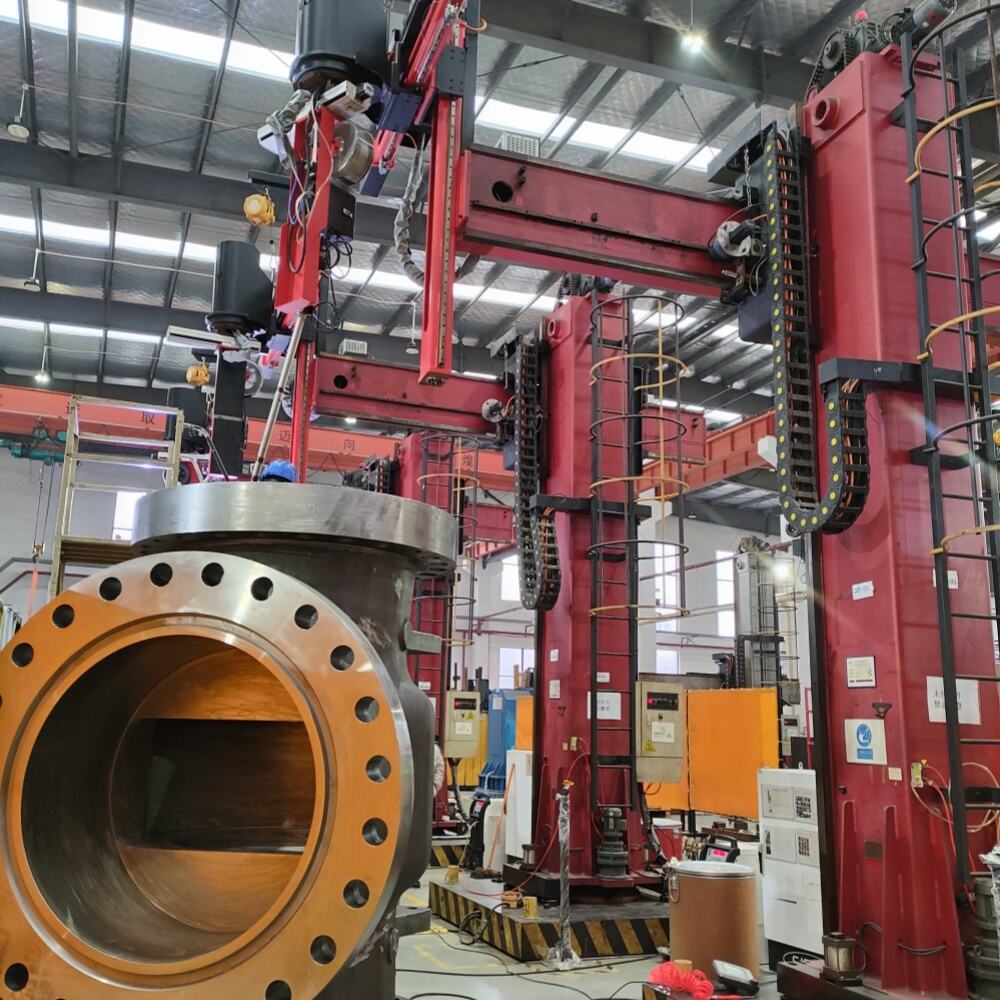
Welding machine malfunctions can halt production lines, compromise weld quality, and create costly downtime in industrial operations. Understanding common faults and their troubleshooting methods is essential for maintaining consistent welding performance and extending equipment lifespan. These mechanical and electrical issues often manifest through specific symptoms that skilled operators can identify and address before they escalate into major failures.
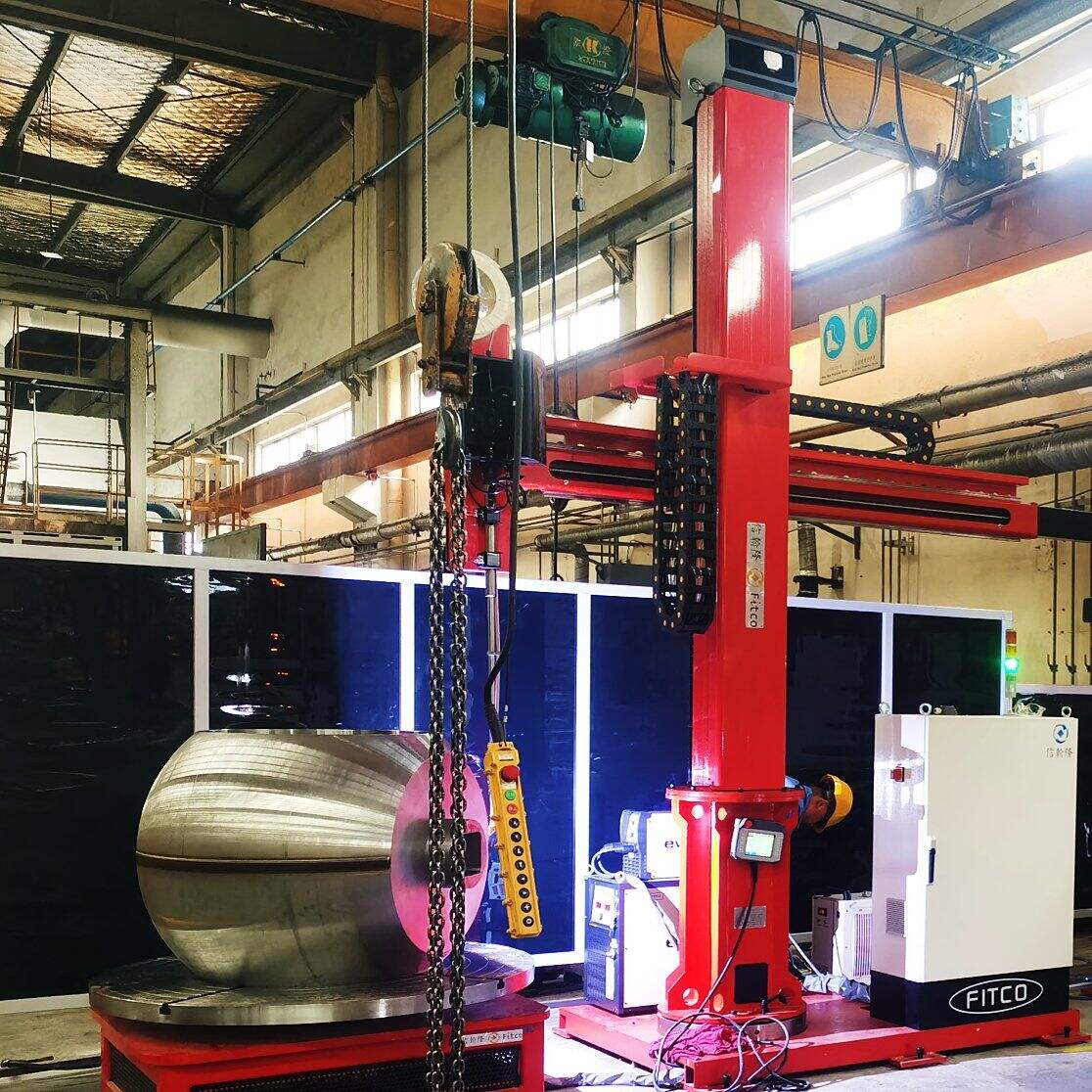
Professional welding operations require systematic fault diagnosis and resolution strategies to minimize interruptions and maintain safety standards. Modern welding machine systems incorporate sophisticated electronics and control circuits that demand specific troubleshooting approaches. Recognizing fault patterns, implementing preventive maintenance protocols, and developing rapid response procedures form the foundation of effective welding machine management in demanding industrial environments.
Power Supply and Electrical System Faults
Input Power Problems and Voltage Irregularities
Welding machine power supply issues typically stem from inadequate input voltage, phase imbalances, or electrical supply inconsistencies. These problems manifest as erratic arc behavior, insufficient welding current, or complete system shutdowns during operation. Voltage fluctuations below manufacturer specifications prevent the welding machine from generating stable output power, resulting in poor weld penetration and inconsistent bead formation.
Troubleshooting power supply faults begins with measuring input voltage at the welding machine terminals using calibrated multimeters. Compare readings against manufacturer specifications, typically requiring 208V, 230V, 460V, or 575V depending on equipment configuration. Check all three phases for balanced voltage levels, as imbalances exceeding 2% can cause transformer overheating and premature component failure in the welding machine.
Phase sequence verification ensures proper motor rotation in welding machines with cooling fans and wire feeders. Incorrect phase sequence causes reverse rotation, reducing cooling efficiency and potentially damaging mechanical components. Use phase rotation meters to confirm proper electrical connections and correct any wiring errors before operating the welding machine under load conditions.
Internal Wiring and Connection Failures
Internal electrical connections within welding machine cabinets deteriorate over time due to thermal cycling, vibration, and environmental exposure. Loose terminal connections create high resistance paths that generate excessive heat, leading to component damage and potential fire hazards. These failures often occur at high-current connections including transformer terminals, rectifier assemblies, and output circuits.
Systematic inspection of internal wiring requires shutting down and lockout of the welding machine, followed by visual examination of all electrical connections. Look for signs of overheating including discolored terminals, melted insulation, or carbon deposits around connection points. Torque all connections to manufacturer specifications using calibrated tools, as over-tightening can damage terminal threads while under-tightening allows future loosening.
Cable integrity assessment involves checking welding leads, control cables, and internal harnesses for cuts, abrasion, or insulation breakdown. Use megohm meters to test insulation resistance between conductors and ground, ensuring values meet safety standards. Replace any cables showing signs of damage, as compromised insulation can cause ground faults and create shock hazards during welding machine operation.
Arc Control and Output Current Issues
Inconsistent Arc Starting and Stability Problems
Arc initiation difficulties in welding machines often result from contaminated electrodes, improper gas flow, or control circuit malfunctions. Poor arc starting manifests as repeated striking attempts, unstable initial arc formation, or complete failure to establish welding current. These issues affect productivity and weld quality, particularly in critical applications requiring consistent arc characteristics.
Electrode condition assessment involves inspecting tungsten electrodes for contamination, improper preparation, or excessive wear. Contaminated electrodes create erratic arc behavior and require proper cleaning or replacement to restore normal welding machine performance. Verify electrode extension, tip geometry, and collet tightness according to welding procedure specifications for optimal arc stability.
Gas flow verification ensures adequate shielding gas delivery for proper arc formation and protection. Check gas flow rates using calibrated flowmeters, typically requiring 15-25 CFH for most TIG welding applications. Inspect gas lines, regulators, and solenoid valves for leaks or blockages that could disrupt gas flow during welding machine operation. Clean or replace gas cups showing signs of spatter buildup or damage.
Output Current Fluctuations and Control Problems
Welding current instability affects weld penetration, bead appearance, and overall joint quality in production applications. Current fluctuations can stem from worn control potentiometers, damaged feedback circuits, or aging power semiconductors within the welding machine. These issues require systematic diagnosis to identify root causes and implement appropriate corrective actions.
Control circuit testing involves measuring voltage signals at various points in the current control loop using oscilloscopes or digital multimeters. Compare measured values against service manual specifications to identify faulty components or circuit sections. Pay particular attention to current feedback transformers, control boards, and power semiconductor drivers that directly influence welding machine output characteristics.
Potentiometer and switch replacement addresses worn user interface components that cause erratic current control. These components experience frequent adjustment during normal operation and eventually develop poor electrical contact or mechanical wear. Replace suspect controls with genuine manufacturer parts to ensure proper fit and electrical specifications compatible with the welding machine design.
Cooling System Malfunctions
Coolant Flow and Circulation Problems
Cooling system failures represent serious threats to welding machine reliability, as inadequate heat dissipation causes component overheating and premature failure. Water-cooled welding machines depend on continuous coolant circulation through transformers, rectifiers, and output circuits to maintain safe operating temperatures. Coolant flow interruptions trigger thermal protection circuits and force system shutdowns during critical welding operations.
Coolant pump inspection begins with verifying electrical supply to pump motors and checking for proper rotation direction. Measure pump discharge pressure and flow rate against manufacturer specifications, typically requiring 2-5 GPM flow at 15-30 PSI pressure depending on welding machine size. Clean or replace clogged intake filters that restrict coolant flow and cause pump cavitation or overheating.
Heat exchanger maintenance involves cleaning coolant passages blocked by scale, corrosion products, or debris accumulation. Remove and chemically clean heat exchanger cores using appropriate descaling solutions, followed by thorough flushing with clean water. Inspect coolant hoses for cracks, bulging, or deterioration that could cause leaks and reduce cooling efficiency in the welding machine system.
Temperature Monitoring and Protection Circuit Faults
Temperature protection systems prevent welding machine damage by monitoring critical component temperatures and initiating shutdowns when safe limits are exceeded. Faulty temperature sensors, damaged wiring, or calibration drift in protection circuits can cause nuisance shutdowns or fail to protect against actual overheating conditions. These malfunctions require careful diagnosis to distinguish between sensor failures and legitimate overheating problems.
Thermostat and sensor testing involves measuring resistance values at various temperatures using precision thermometers and ohmmeters. Compare readings against manufacturer calibration curves to identify sensors requiring replacement or recalibration. Check sensor mounting for proper thermal contact with monitored components, as loose or corroded connections provide inaccurate temperature readings.
Protection circuit verification ensures proper operation of thermal relays, contactors, and control logic that implement temperature-based shutdowns. Test circuit response by gradually heating monitored components while observing protection system activation. Adjust trip points according to service manual specifications to provide adequate protection without causing unnecessary interruptions during normal welding machine operation.
Mechanical Component Wear and Failures
Contact and Switch Deterioration
Mechanical switches and contactors in welding machines experience wear from repeated operation under high current conditions. Contact pitting, spring fatigue, and arc damage gradually degrade switching performance, leading to poor electrical contact and eventual failure. These components require periodic inspection and replacement to maintain reliable welding machine operation in demanding production environments.
Contactor inspection involves examining contact surfaces for pitting, burning, or excessive wear that prevents proper electrical connection. Measure contact resistance using low-resistance ohmmeters, expecting values typically below 10 milliohms for power contacts. Clean lightly pitted contacts with fine abrasive materials, but replace severely damaged contactors to prevent welding machine malfunctions.
Switch mechanism evaluation includes checking spring tension, pivot wear, and electrical contact integrity in control switches. Operate switches through their full range while monitoring electrical continuity and resistance values. Replace switches showing signs of mechanical wear, contact bounce, or intermittent electrical connection that could cause erratic welding machine behavior.
Fan and Motor Performance Issues
Cooling fans and drive motors in welding machines require regular maintenance to ensure adequate airflow and prevent component overheating. Motor bearing wear, fan blade damage, and electrical connection problems gradually reduce cooling effectiveness and can lead to thermal shutdowns. These mechanical issues often develop slowly but eventually compromise welding machine reliability if left unaddressed.
Motor bearing assessment involves listening for unusual noise, checking for excessive vibration, and measuring motor current draw compared to nameplate ratings. Worn bearings create noise, reduce efficiency, and eventually cause motor failure that disrupts welding machine cooling. Replace motors showing signs of bearing wear before complete failure occurs.
Fan blade inspection focuses on identifying cracks, imbalance, or debris accumulation that reduces airflow efficiency. Clean fan blades and housing to remove accumulated dust and welding fumes that obstruct air circulation. Check fan mounting and belt tension in belt-driven systems, ensuring proper alignment and tension to prevent premature wear in welding machine cooling systems.
FAQ
What are the most common signs that indicate a welding machine needs troubleshooting?
The most obvious signs include inconsistent arc starting, fluctuating welding current, frequent thermal shutdowns, unusual noises from cooling fans or internal components, and visible sparking or overheating around electrical connections. Additionally, poor weld quality, reduced penetration, or irregular bead formation often indicate underlying welding machine problems that require immediate attention to prevent further damage and maintain production quality.
How often should preventive maintenance be performed on industrial welding machines?
Industrial welding machines typically require monthly visual inspections, quarterly electrical connection tightening, and annual comprehensive maintenance including coolant system service and internal component inspection. High-duty-cycle applications may need more frequent attention, while light-duty machines can operate longer between service intervals. Following manufacturer recommendations and maintaining detailed maintenance logs helps optimize welding machine reliability and prevents unexpected failures.
Can welding machine faults be diagnosed without specialized test equipment?
Basic troubleshooting can identify many common faults through visual inspection, listening for unusual noises, and observing welding performance characteristics. However, accurate diagnosis of electrical problems, precise current measurements, and component testing require proper instruments including multimeters, oscilloscopes, and insulation testers. Professional service technicians use specialized equipment to safely diagnose complex welding machine problems and ensure proper repairs.
What safety precautions should be taken when troubleshooting welding machine electrical systems?
Always disconnect power and implement proper lockout/tagout procedures before accessing internal components. Verify zero energy state using appropriate test instruments and wait for capacitor discharge in electronic welding machines. Use properly rated personal protective equipment including insulated tools, safety glasses, and electrical gloves when working on energized circuits. Never bypass safety interlocks or thermal protection devices, as these systems prevent equipment damage and protect personnel from electrical hazards during welding machine troubleshooting.
Table of Contents
- Power Supply and Electrical System Faults
- Arc Control and Output Current Issues
- Cooling System Malfunctions
- Mechanical Component Wear and Failures
-
FAQ
- What are the most common signs that indicate a welding machine needs troubleshooting?
- How often should preventive maintenance be performed on industrial welding machines?
- Can welding machine faults be diagnosed without specialized test equipment?
- What safety precautions should be taken when troubleshooting welding machine electrical systems?