Versatile Adaptability Across Multiple Applications and Industries
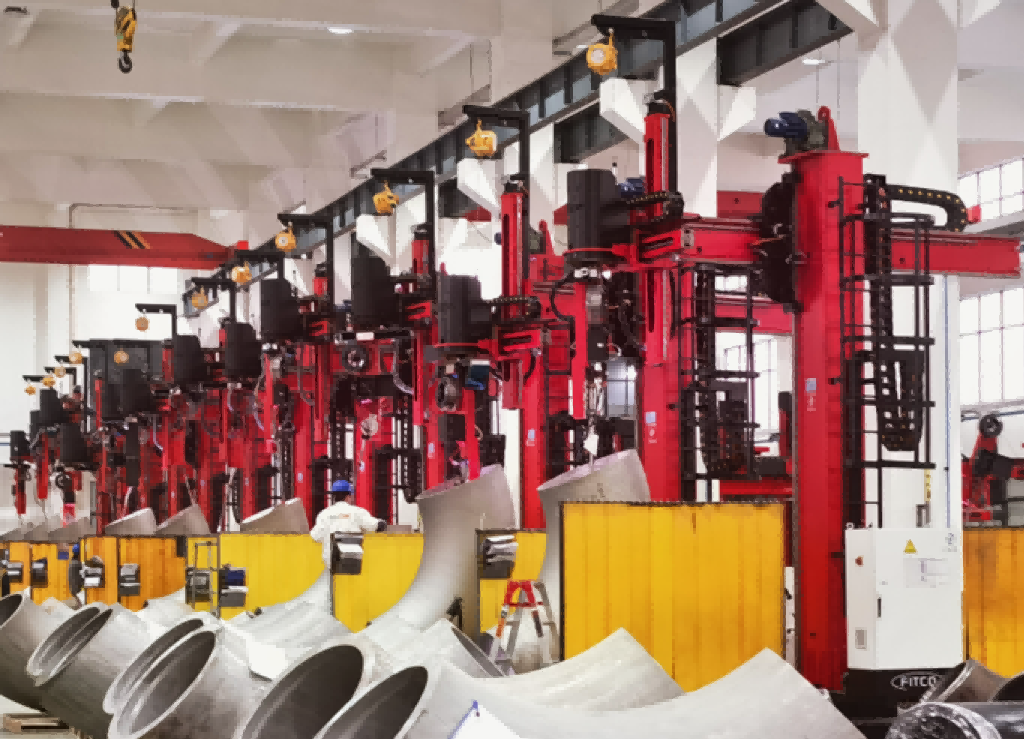
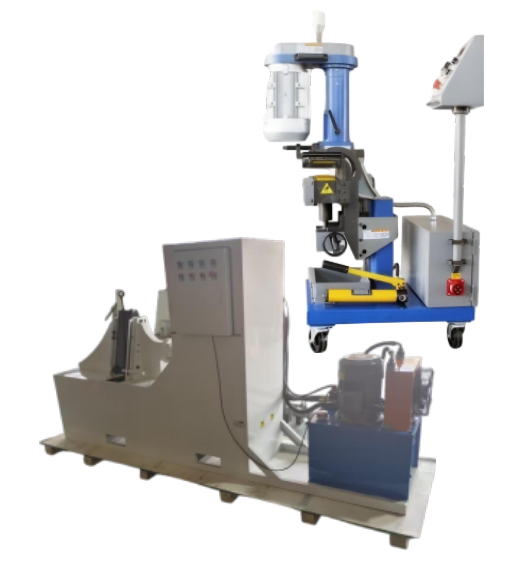
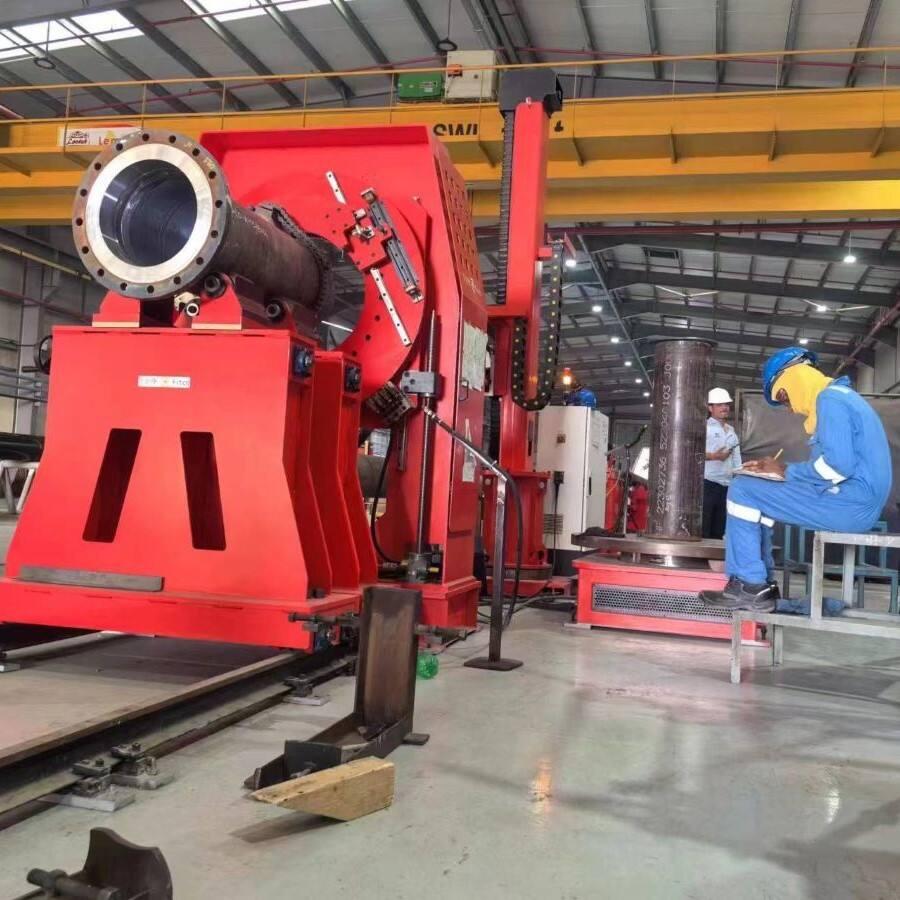
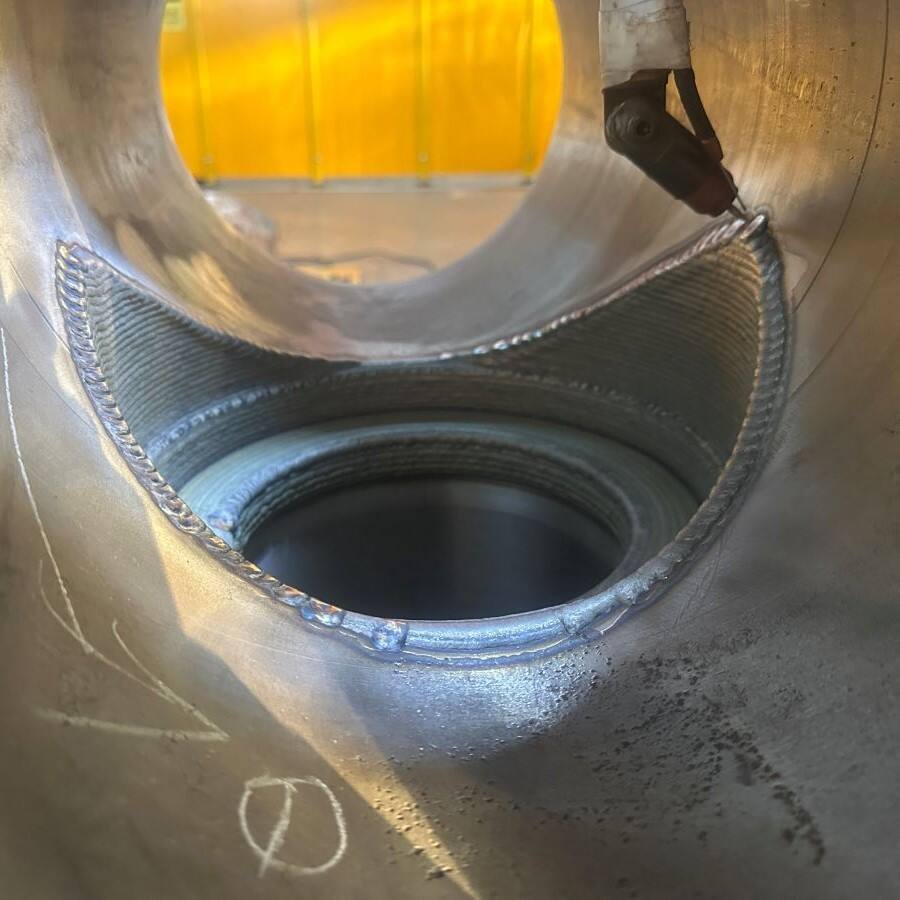
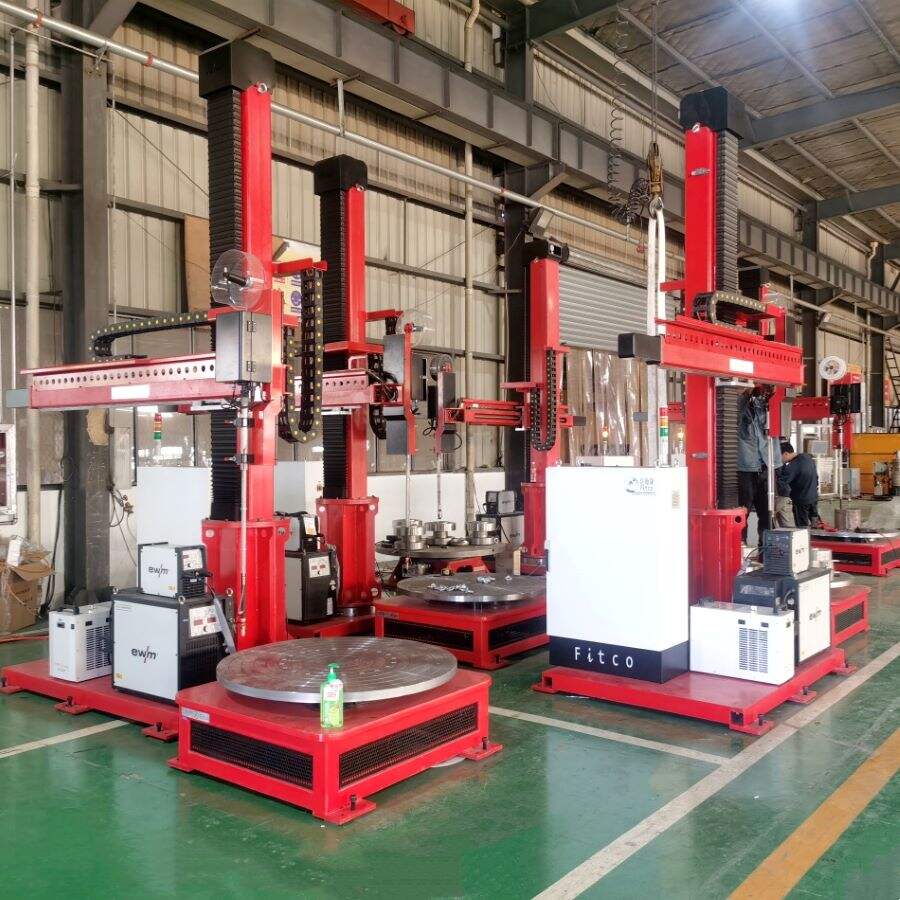
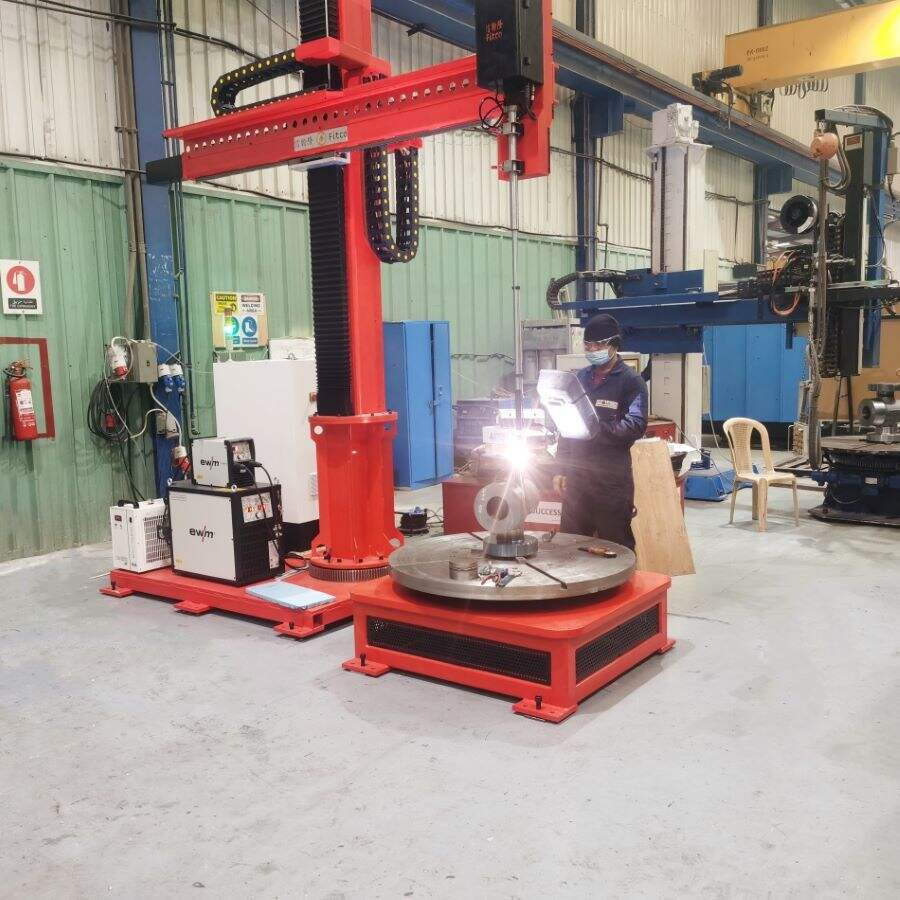
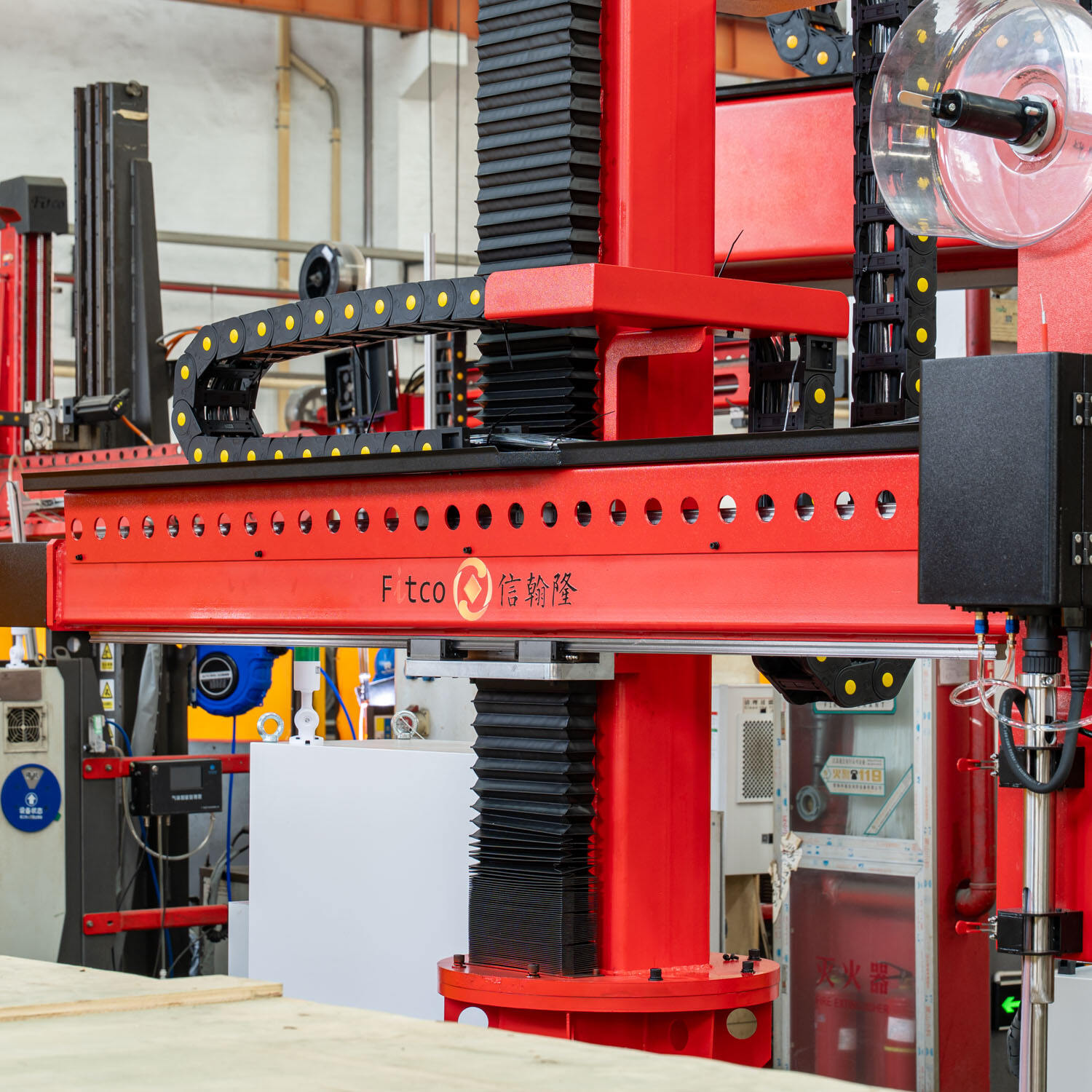
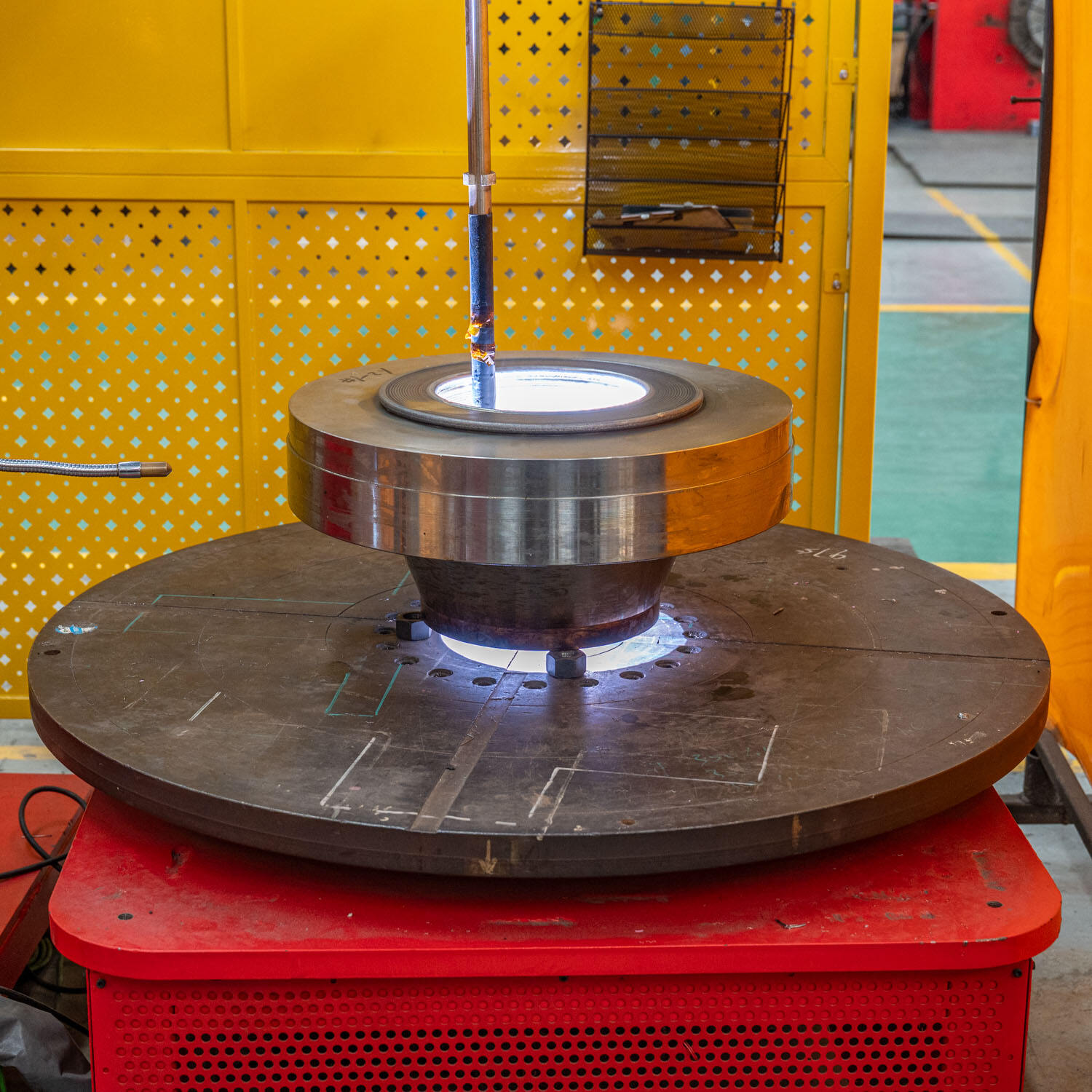
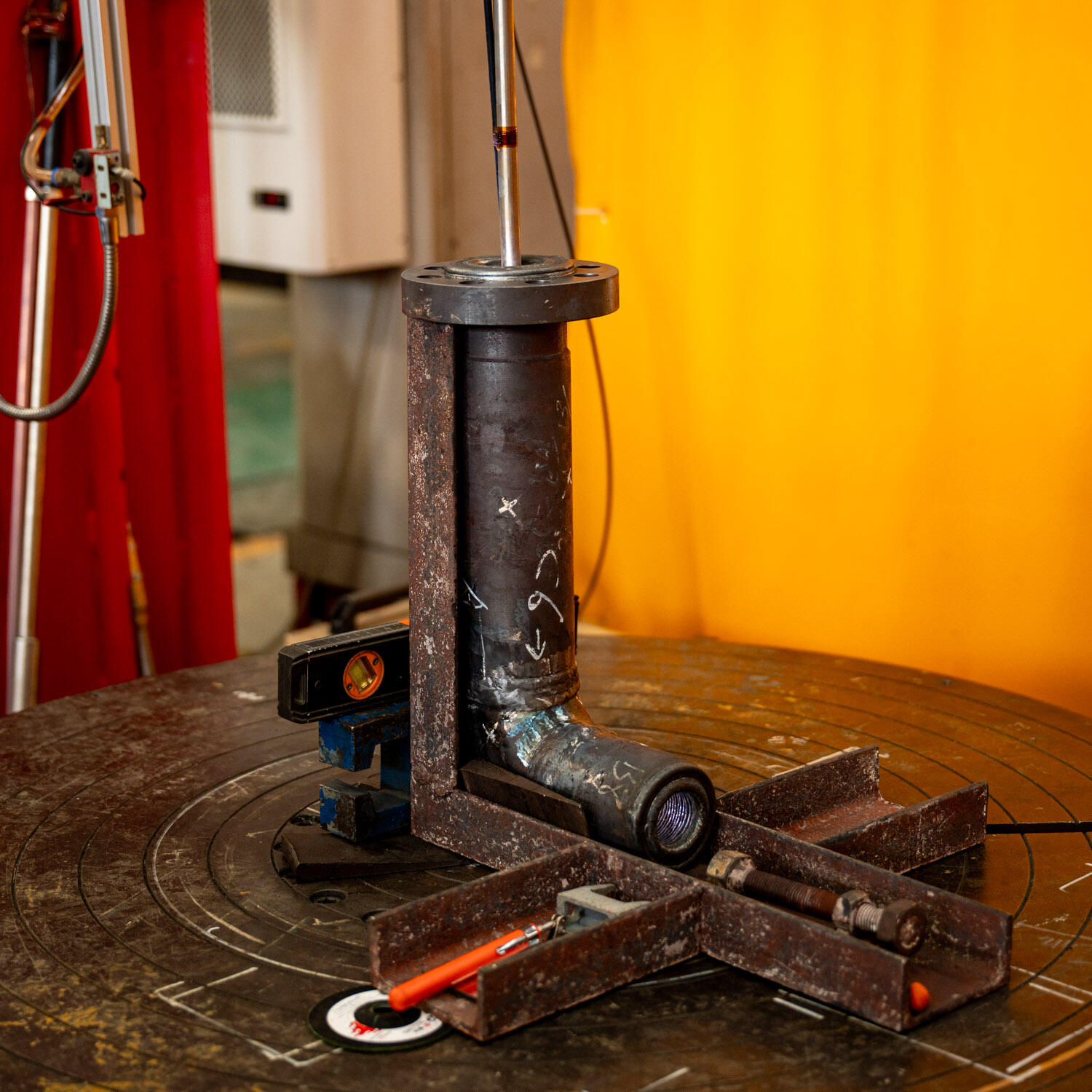
The remarkable versatility of pipe welding positioners makes them invaluable assets across diverse industrial sectors, accommodating an extensive range of pipe sizes, materials, and welding applications that would otherwise require multiple specialized tools or extensive manual labor. Modern pipe welding positioners typically feature adjustable chuck systems or universal fixtures that can securely hold pipes ranging from small diameter instrumentation tubing measuring just a few inches across to massive pipeline sections exceeding several feet in diameter. This adaptability eliminates the need for multiple positioning devices, reducing equipment costs and storage requirements while maximizing utilization rates across different projects. The load capacity of industrial-grade pipe welding positioners often extends to several thousand pounds, enabling them to handle substantial workpieces including large pressure vessels, boiler tubes, and structural pipe assemblies without compromising stability or precision. Beyond size versatility, these machines accommodate various welding processes including tungsten inert gas welding, metal inert gas welding, shielded metal arc welding, and submerged arc welding, making them suitable for both light fabrication work and heavy industrial applications. The angular positioning capabilities of advanced pipe welding positioners allow for complex joint configurations including branch connections, elbow joints, and multi-angle assemblies that require precise orientation during welding. Many models offer tilting capabilities that enable operators to position workpieces at optimal angles for different welding positions, from flat position welding that provides the best penetration characteristics to vertical and overhead positions required for specific joint geometries. The integration capabilities with automated welding systems make pipe welding positioners suitable for high-volume production environments where consistency and repeatability are paramount, while manual operation modes maintain their usefulness for custom fabrication and repair work. Industries ranging from oil and gas pipeline construction to pharmaceutical equipment manufacturing benefit from this versatility, as a single pipe welding positioner can support diverse applications within the same facility. The modular design of many systems allows for accessories and attachments that extend functionality further, including steady rests for long workpieces, tailstock supports for enhanced stability, and specialized fixtures for non-cylindrical components, ensuring that the investment in a pipe welding positioner provides long-term value across evolving project requirements and technological advances.

 EN
EN
 AR
AR BG
BG HR
HR CS
CS DA
DA NL
NL FI
FI FR
FR DE
DE EL
EL HI
HI IT
IT JA
JA KO
KO NO
NO PL
PL PT
PT RO
RO RU
RU ES
ES SV
SV TL
TL IW
IW ID
ID LT
LT UK
UK SQ
SQ HU
HU TH
TH TR
TR FA
FA AF
AF CY
CY MK
MK LA
LA MN
MN KK
KK UZ
UZ KY
KY