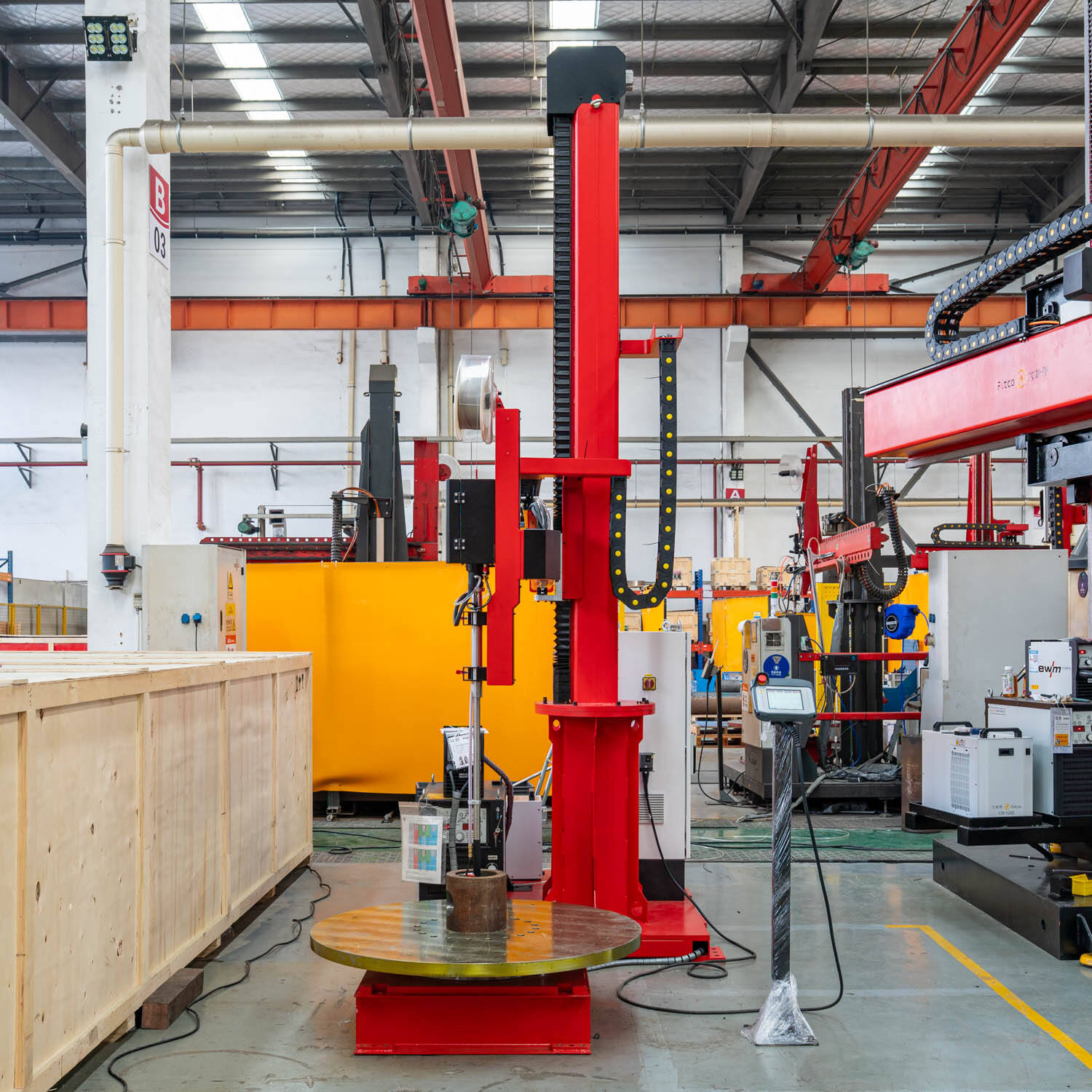
Automatic Welding Positioners: Advanced Positioning Solutions for Industrial Welding Applications

Contact me immediately if you encounter problems!

All Categories

Get a Free Quote

Our representative will contact you soon.
Email
Mobile/WhatsApp
Name
Company Name
Message
0/1000

Get a Free Quote

Our representative will contact you soon.
Email
Mobile/WhatsApp
Name
Company Name
Message
0/1000

automatic welding positioners

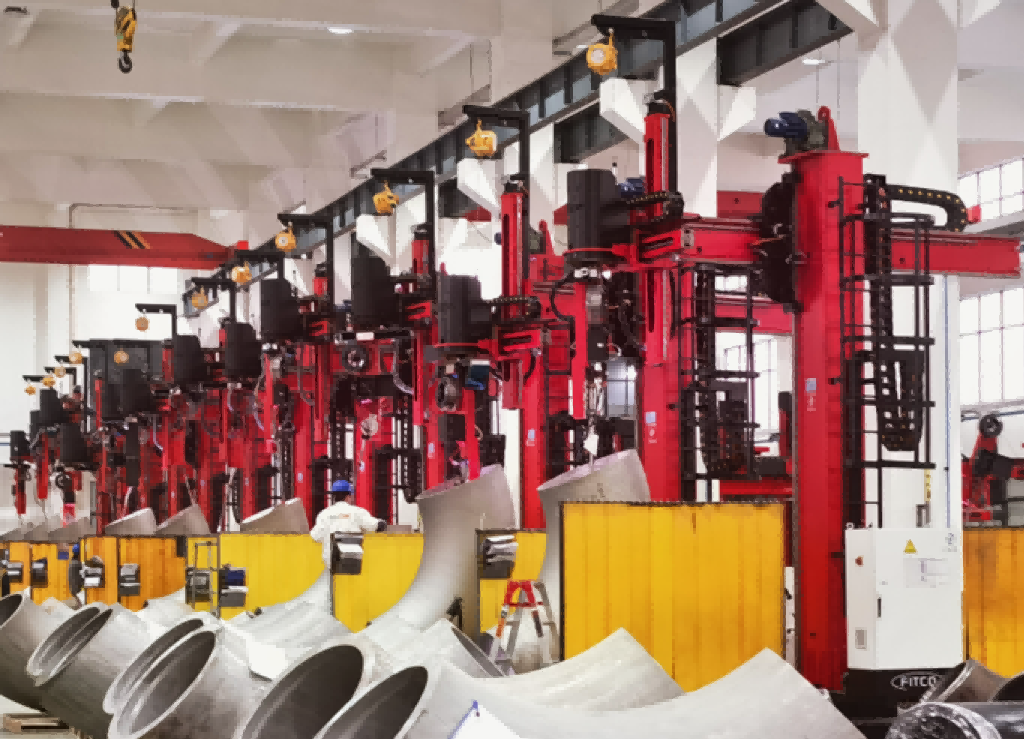
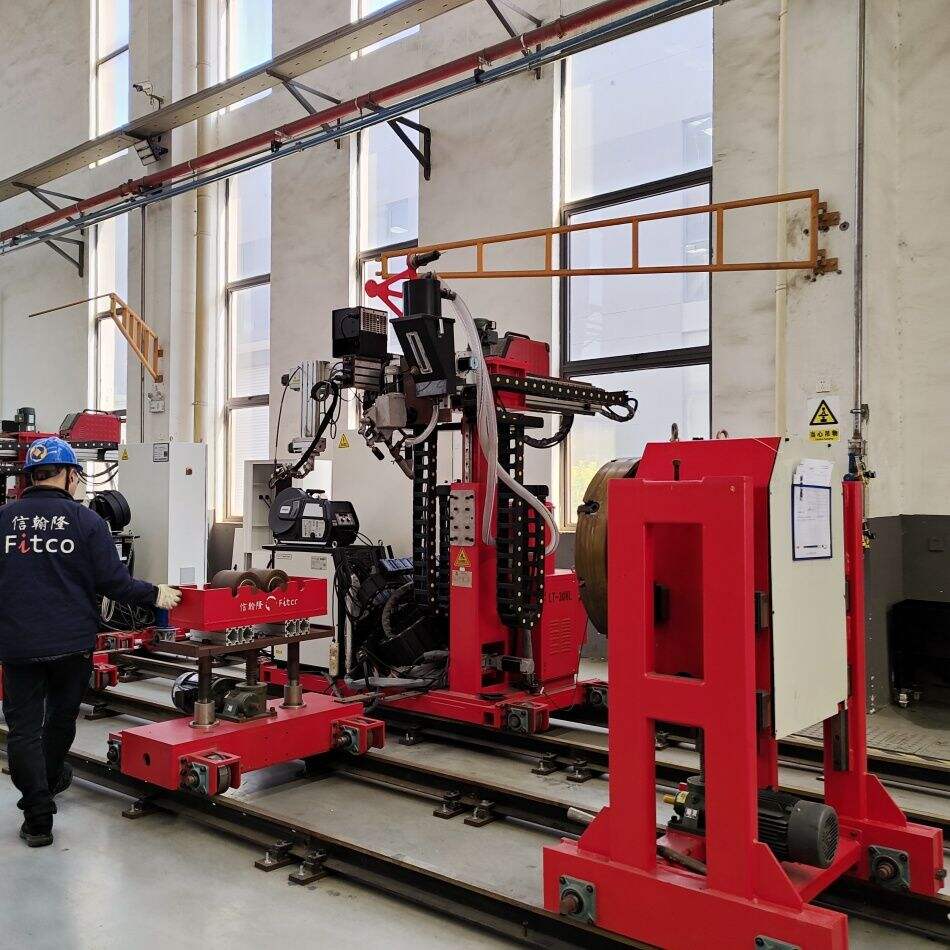
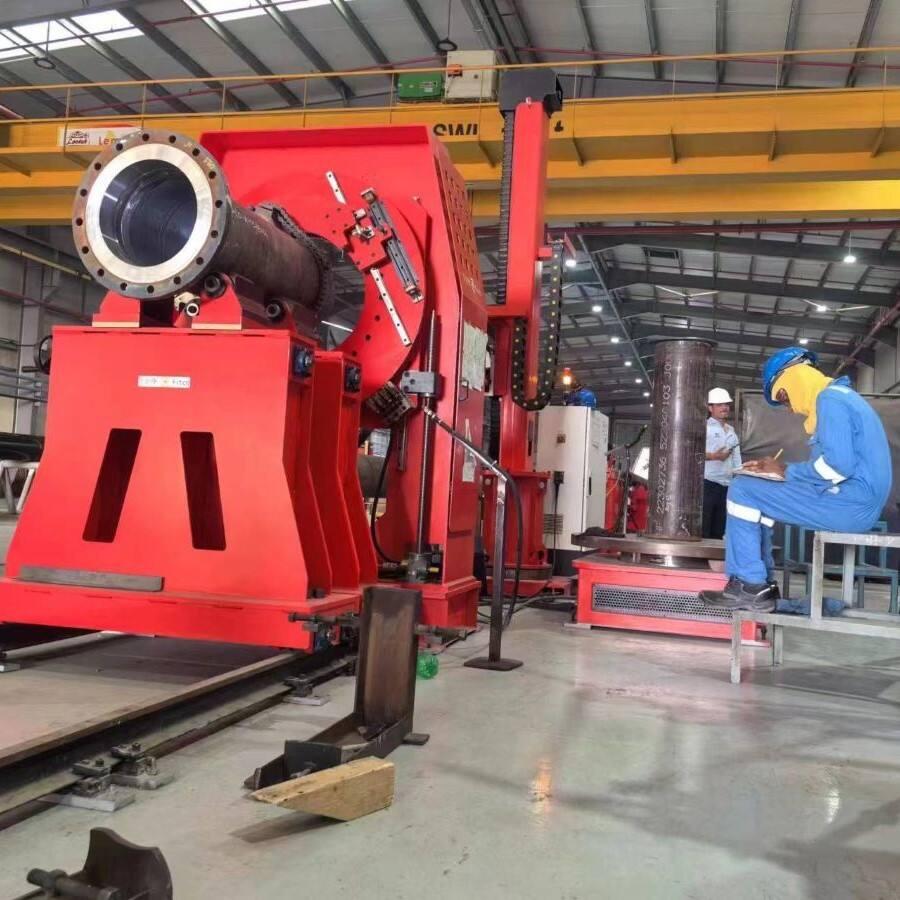
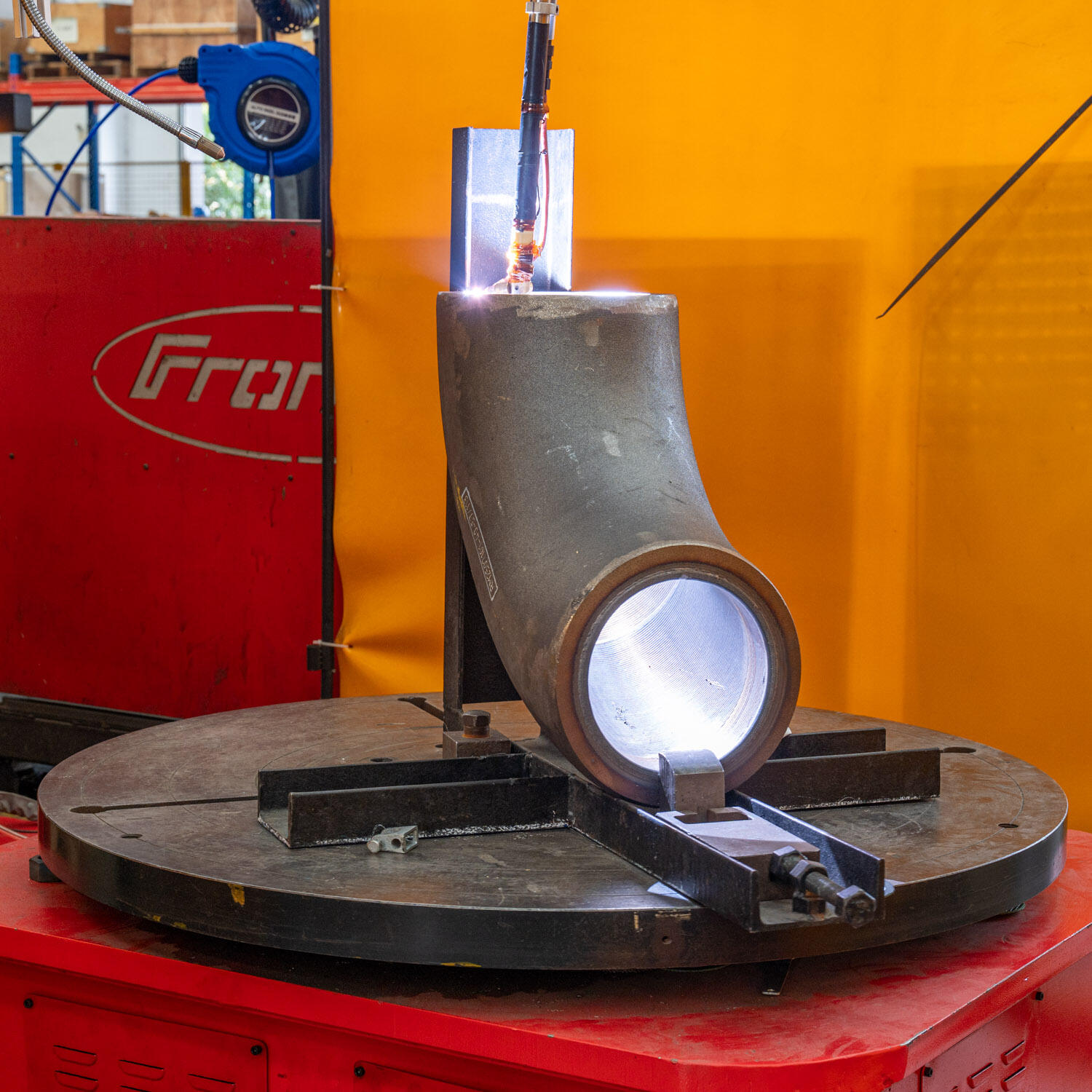
Automatic welding positioners represent a revolutionary advancement in modern fabrication technology, designed to optimize welding operations through precise positioning and rotation capabilities. These sophisticated machines serve as essential equipment for industries requiring high-quality welded joints and consistent production output. The primary function of automatic welding positioners centers on manipulating workpieces during welding processes, ensuring optimal weld joint accessibility and maintaining proper welding angles throughout operations. These systems incorporate advanced rotation mechanisms that can handle various workpiece sizes and weights, from small components to heavy structural elements. The technological framework of automatic welding positioners includes variable speed controls, programmable positioning sequences, and integrated safety systems that protect both operators and equipment. Modern units feature digital control interfaces that allow operators to preset rotation speeds, positioning angles, and dwell times according to specific project requirements. The positioning accuracy typically ranges within tight tolerances, ensuring consistent weld quality across multiple production cycles. Applications for automatic welding positioners span numerous industries including shipbuilding, aerospace manufacturing, pressure vessel fabrication, structural steel construction, and pipeline installation. In shipbuilding operations, these positioners facilitate efficient welding of hull sections and complex curved structures. Aerospace manufacturers rely on automatic welding positioners for precision welding of aircraft components where quality standards demand exceptional consistency. The construction industry utilizes these machines for fabricating structural steel elements, enabling welders to work in comfortable positions while maintaining optimal weld penetration. Pipeline installation projects benefit from automatic welding positioners through improved joint quality and reduced welding time. The versatility of automatic welding positioners extends to custom fabrication shops where diverse projects require flexible positioning solutions. These machines accommodate various welding processes including MIG, TIG, and submerged arc welding, making them invaluable assets for comprehensive welding operations across multiple industrial sectors.

New Product Releases

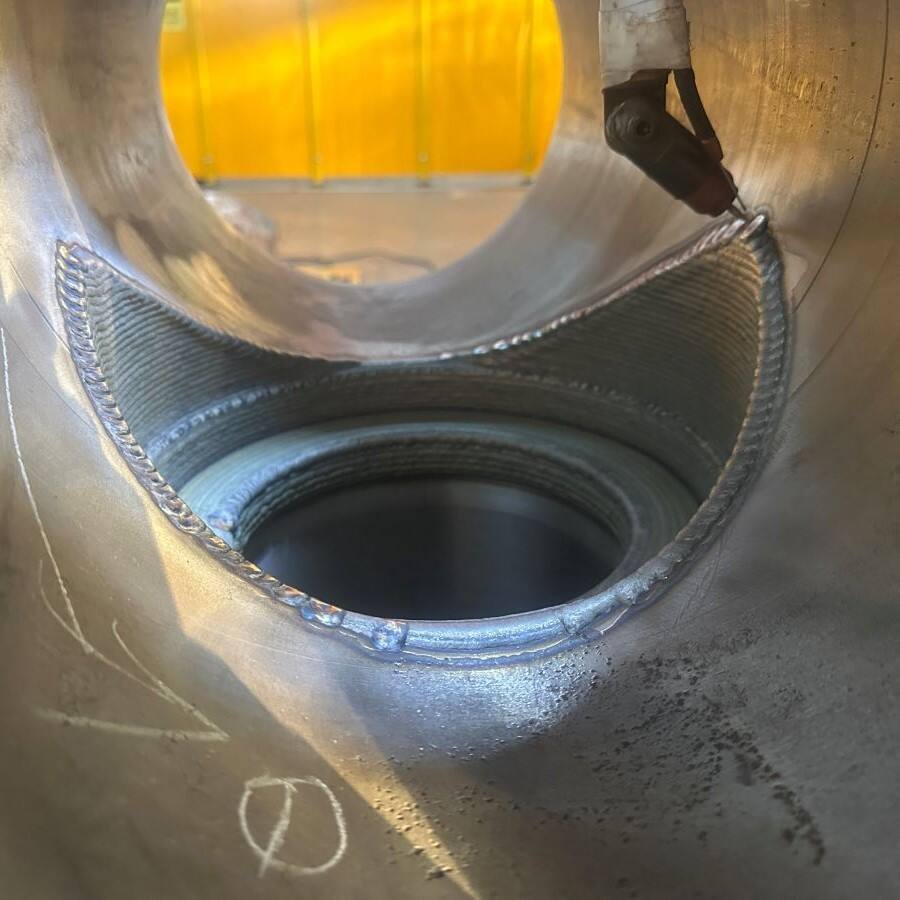
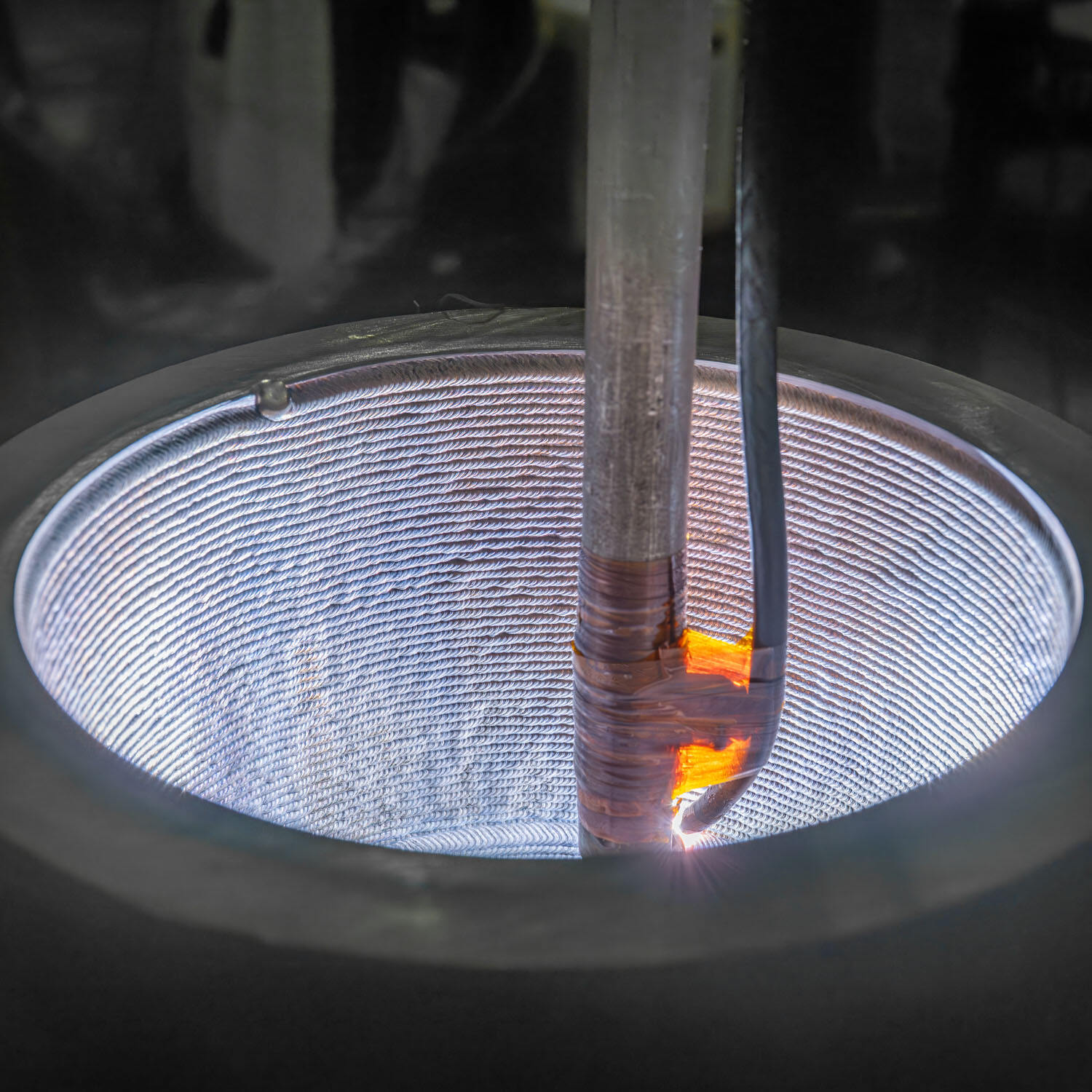
Automatic welding positioners deliver substantial productivity improvements that directly impact manufacturing efficiency and profitability. These machines eliminate manual repositioning tasks, reducing labor requirements while increasing welding speed by up to 300 percent compared to traditional methods. Operators can focus entirely on welding technique rather than struggling with awkward positioning, resulting in superior weld quality and reduced rework rates. The consistent rotation and positioning capabilities ensure uniform heat distribution, preventing distortion and creating stronger, more reliable joints. Automatic welding positioners significantly enhance workplace safety by eliminating the need for welders to work in uncomfortable or dangerous positions. Workers maintain ergonomic postures throughout operations, reducing fatigue and preventing repetitive strain injuries commonly associated with manual welding tasks. The machines feature comprehensive safety systems including emergency stops, protective barriers, and load monitoring systems that prevent accidents and equipment damage. This improved safety record translates to lower insurance costs and reduced workplace compensation claims. Quality control becomes more predictable with automatic welding positioners as they maintain consistent welding parameters throughout entire projects. The precise positioning eliminates human error factors that can compromise weld integrity, ensuring every joint meets specified quality standards. This consistency proves particularly valuable in industries with strict quality requirements such as aerospace and pressure vessel manufacturing. Cost savings accumulate through multiple channels when implementing automatic welding positioners. Reduced labor costs result from faster welding speeds and fewer required operators per project. Material waste decreases due to improved weld quality and reduced rework requirements. The machines operate continuously with minimal supervision, maximizing equipment utilization and reducing project completion times. Energy consumption per welded joint typically decreases due to optimized welding parameters and reduced overall welding time. Automatic welding positioners accommodate diverse project requirements through adjustable speed controls and positioning options. This flexibility eliminates the need for multiple specialized fixtures, reducing tooling costs and setup times. The machines handle various workpiece geometries and weights, making them suitable for both high-volume production runs and custom fabrication projects. Training requirements decrease as operators quickly master the intuitive control systems, reducing onboarding time for new personnel while improving overall workforce efficiency.

Latest News

Top 5 Maintenance Tips to Extend the Life of Your welding machine

16

Mar

Top 5 Maintenance Tips to Extend the Life of Your welding machine

Proper maintenance is the cornerstone of maximizing your welding machine investment and ensuring consistent, high-quality welding performance throughout its operational lifespan. Industrial welding operations rely heavily on equipment reliability, an...
View More
Common welding machine Faults and How to Troubleshoot Them

16

Mar

Common welding machine Faults and How to Troubleshoot Them

Welding machine malfunctions can halt production lines, compromise weld quality, and create costly downtime in industrial operations. Understanding common faults and their troubleshooting methods is essential for maintaining consistent welding perfor...
View More
How Do Pipe Cladding Machines Improve Welding Consistency and Quality?

27

Nov

How Do Pipe Cladding Machines Improve Welding Consistency and Quality?

Modern industrial welding operations demand exceptional precision and consistency, particularly in applications involving corrosion-resistant overlays and specialized pipe systems. Pipe cladding machines have emerged as revolutionary solutions that t...
View More
Inside an igbt inverter welder: How the High-Frequency Switching Works

16

Mar

Inside an igbt inverter welder: How the High-Frequency Switching Works

The high-frequency switching mechanism within an igbt inverter welder represents one of the most significant technological advances in modern welding equipment. This sophisticated power conversion process transforms standard AC mains power into preci...
View More

Get a Free Quote

Our representative will contact you soon.
Email
Mobile/WhatsApp
Name
Company Name
Message
0/1000

automatic welding positioners

Precision Positioning Technology

Precision Positioning Technology

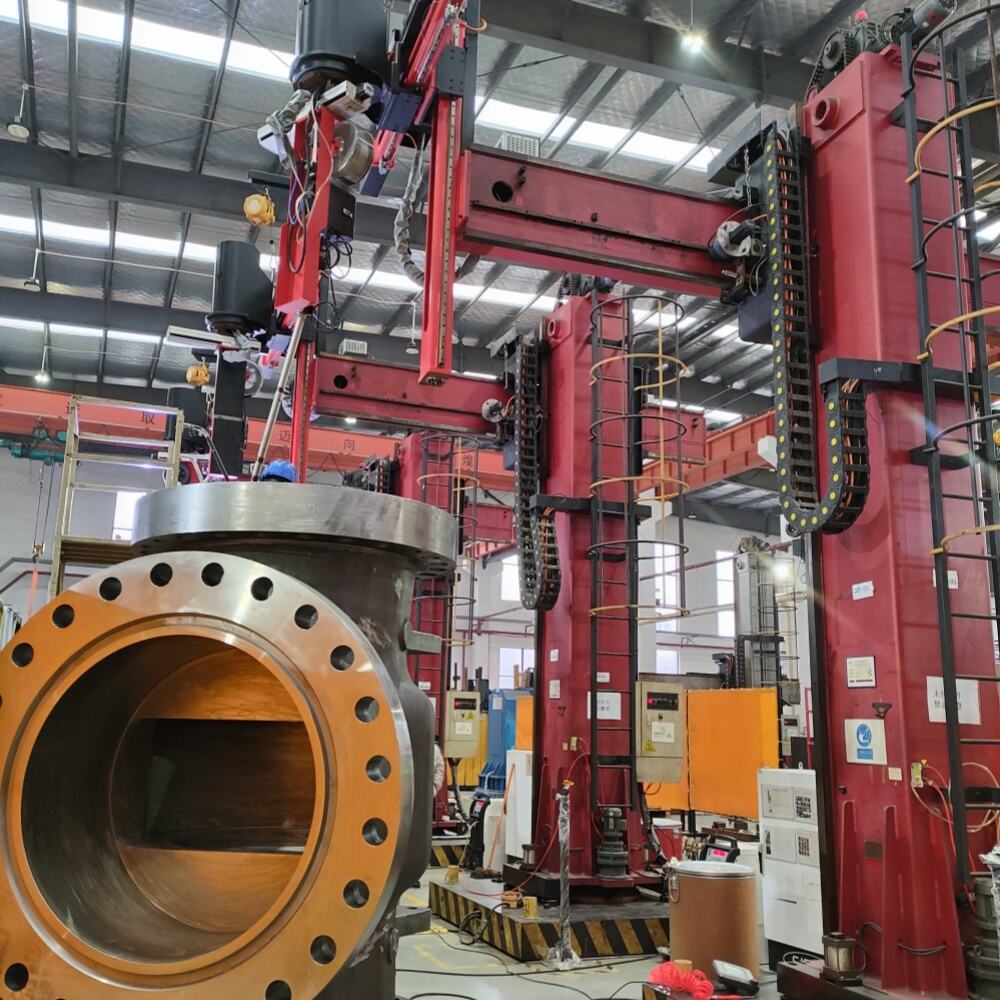
The precision positioning technology integrated into automatic welding positioners represents the cornerstone of their operational excellence, delivering unmatched accuracy that transforms welding operations across industries. This advanced positioning system utilizes servo motors and high-resolution encoders that provide positioning accuracy within 0.1 degrees, ensuring consistent weld joint alignment throughout entire production cycles. The technology incorporates sophisticated feedback loops that continuously monitor and adjust positioning parameters, compensating for any mechanical variations or load shifts that might occur during operation. This real-time adjustment capability maintains optimal welding angles even when handling irregularly shaped or asymmetrical workpieces. The positioning system features multiple rotation axes, typically including horizontal and vertical rotation capabilities, allowing operators to achieve any desired welding position without manual intervention. Advanced models incorporate tilt functions that provide additional positioning flexibility for complex geometries. The precision positioning technology enables programmable sequences where operators can preset multiple positioning points, creating automated welding cycles that repeat consistently across numerous workpieces. This programmability proves invaluable for production environments where identical components require uniform welding patterns. The system memory stores positioning sequences for different project types, eliminating setup time when switching between various production runs. Speed control ranges from ultra-slow rotation for delicate operations to faster positioning for efficient production cycles. The variable speed capability allows welders to match rotation speed with welding travel speed, maintaining optimal arc characteristics and heat input throughout the welding process. Positioning accuracy remains consistent regardless of workpiece weight or size, as the system automatically compensates for load variations. This adaptive capability ensures that heavy structural components receive the same positioning precision as lightweight assemblies. The technology includes position indication systems that display current angles and rotation status, enabling operators to monitor positioning parameters in real-time. Emergency positioning controls allow immediate stops or position adjustments if unexpected conditions arise during welding operations. The precision positioning technology directly contributes to improved weld quality by maintaining optimal torch angles and travel directions, resulting in superior penetration, reduced porosity, and enhanced joint strength across all welding applications.
Enhanced Productivity and Efficiency

Enhanced Productivity and Efficiency

Enhanced productivity and efficiency represent the most compelling benefits of automatic welding positioners, delivering measurable improvements that revolutionize manufacturing operations and project completion timelines. These machines eliminate time-consuming manual positioning tasks that traditionally consume significant portions of welding project schedules. Welders no longer need to interrupt welding operations to reposition workpieces, creating continuous workflow patterns that maximize arc-on time and overall productivity. The continuous operation capability allows welding to proceed without interruptions, reducing project completion times by up to 50 percent compared to manual positioning methods. This time reduction translates directly into increased capacity, enabling manufacturers to accept more projects or complete existing orders ahead of schedule. The efficiency gains extend beyond mere speed improvements, encompassing quality enhancements that reduce rework requirements and material waste. Consistent positioning ensures uniform heat distribution and optimal weld penetration, creating joints that meet specification requirements on the first attempt. This first-pass quality success eliminates costly rework cycles that consume additional time, materials, and labor resources. Automatic welding positioners enable multi-operator efficiency where single machines support multiple welding stations or processes simultaneously. The quick workpiece changeover capabilities allow rapid transitions between different projects, minimizing downtime and maximizing equipment utilization rates. Productivity measurements consistently show significant improvements in welded linear footage per hour, with many operations reporting 200-400 percent increases over traditional manual methods. The efficiency benefits extend to resource allocation, as fewer skilled welders can accomplish the same output levels previously requiring larger crews. This labor efficiency proves particularly valuable in markets experiencing skilled welder shortages, allowing companies to maintain production levels despite workforce constraints. Energy efficiency improvements result from optimized welding parameters and reduced overall operation times. The machines consume power only during active positioning, with standby modes that minimize energy consumption during idle periods. Automatic welding positioners contribute to lean manufacturing principles by eliminating waste in movement, waiting time, and defective products. The streamlined workflow patterns created by these machines reduce work-in-progress inventory and accelerate overall production cycles, improving cash flow and reducing storage requirements throughout manufacturing facilities.
Versatile Application Range

Versatile Application Range

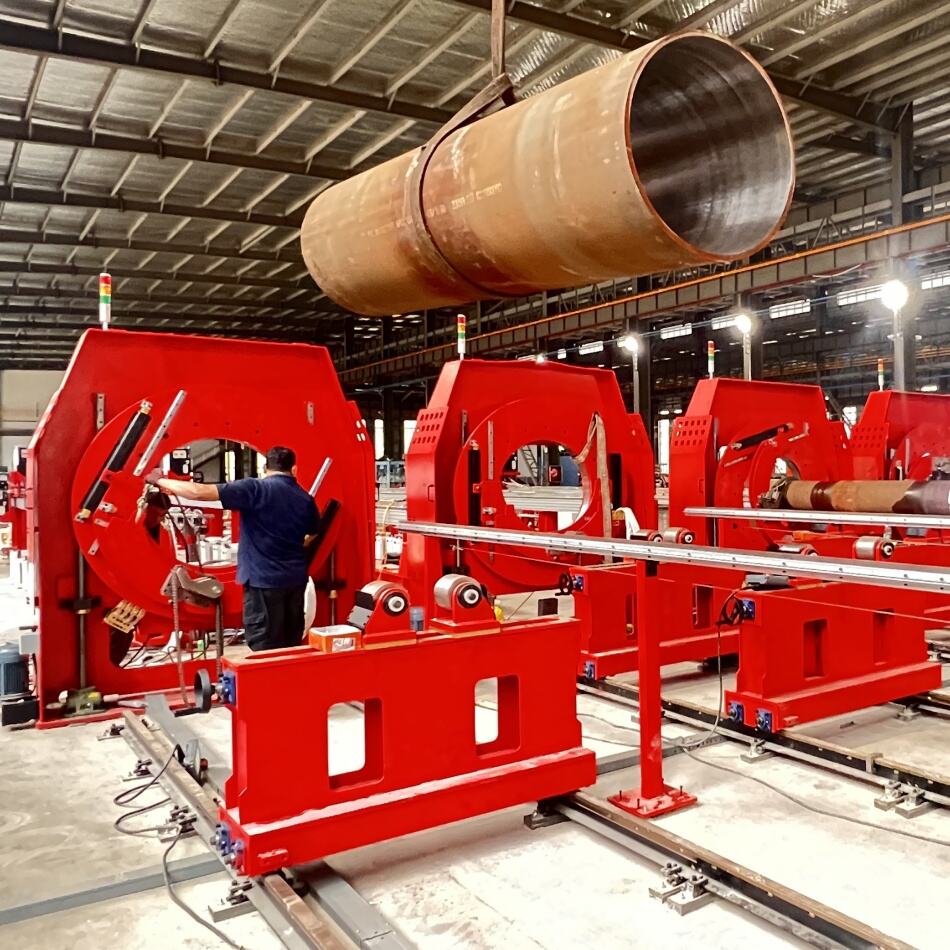
The versatile application range of automatic welding positioners establishes them as indispensable equipment across diverse industrial sectors, accommodating virtually unlimited workpiece configurations and welding requirements. These machines excel in shipbuilding applications where complex hull sections, bulkheads, and deck assemblies require precise welding in multiple positions. The ability to rotate large structural components allows welders to maintain downhand welding positions for optimal penetration and appearance, while the variable speed controls accommodate different welding processes and material thicknesses commonly encountered in marine construction. Aerospace manufacturing represents another critical application area where automatic welding positioners ensure the exceptional quality standards demanded by aviation industry regulations. These machines handle delicate aircraft components including fuel tanks, structural frames, and engine assemblies with the precision required for airworthiness certification. The contamination-free operation capabilities prove essential when welding exotic alloys and specialized materials used in aerospace applications. Pressure vessel fabrication relies heavily on automatic welding positioners for creating reliable joints in boilers, storage tanks, and processing equipment. The consistent rotation capabilities ensure uniform heat input distribution, preventing distortion and creating joints that withstand high-pressure service conditions. The machines accommodate vessels ranging from small laboratory equipment to massive industrial storage tanks, demonstrating remarkable size flexibility. Pipeline construction projects utilize automatic welding positioners for joining large-diameter pipes where manual positioning would be impractical or impossible. The machines handle pipes weighing several tons while maintaining precise alignment for root pass, fill pass, and cap pass welding sequences. This capability proves essential for transmission pipelines, offshore installations, and industrial plant piping systems. Structural steel fabrication benefits from automatic welding positioners through improved efficiency when creating building frames, bridges, and industrial structures. The machines handle both standard structural shapes and complex assemblies, accommodating various steel grades and thicknesses. Custom fabrication shops find automatic welding positioners invaluable for diverse projects ranging from architectural metalwork to heavy industrial equipment. The quick setup capabilities allow rapid transitions between different project types, making these machines profitable even for small-batch production runs. Research and development applications utilize automatic welding positioners for testing new welding processes, materials, and joint configurations under controlled conditions, contributing to welding technology advancement across multiple industries.

Get a Free Quote

Our representative will contact you soon.
Email
Mobile/WhatsApp
Name
Company Name
Message
0/1000