Professional Rotary Welding Positioners - Precision Welding Equipment for Industrial Applications

Contact me immediately if you encounter problems!

All Categories

Get a Free Quote

Our representative will contact you soon.
Email
Mobile/WhatsApp
Name
Company Name
Message
0/1000

Get a Free Quote

Our representative will contact you soon.
Email
Mobile/WhatsApp
Name
Company Name
Message
0/1000

rotary welding positioners

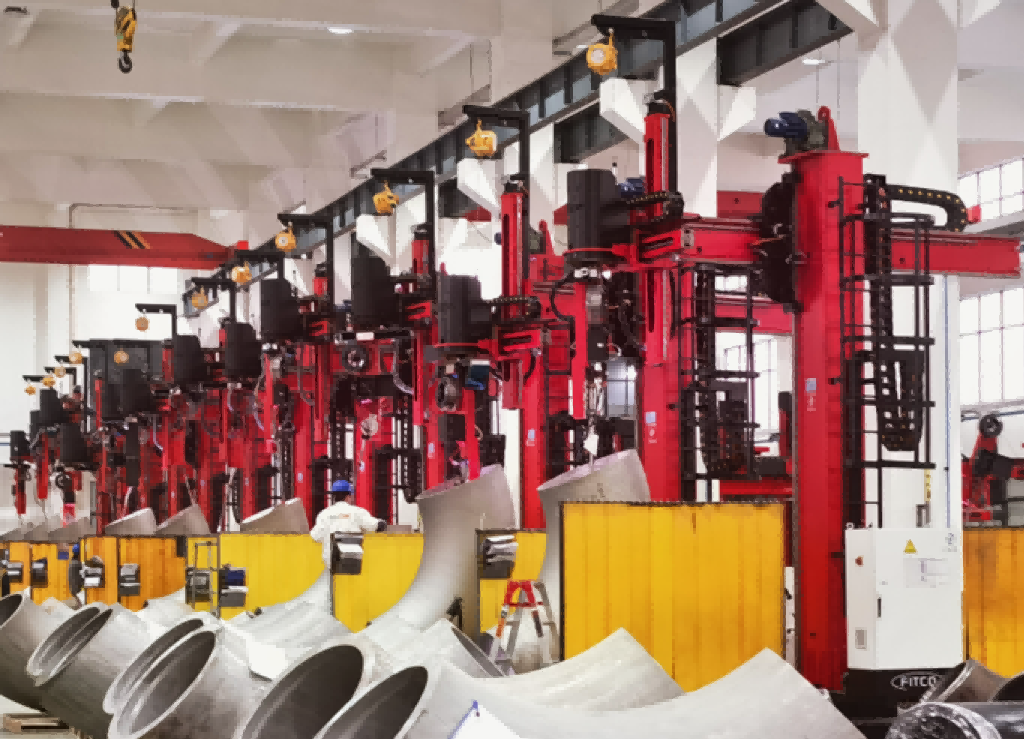
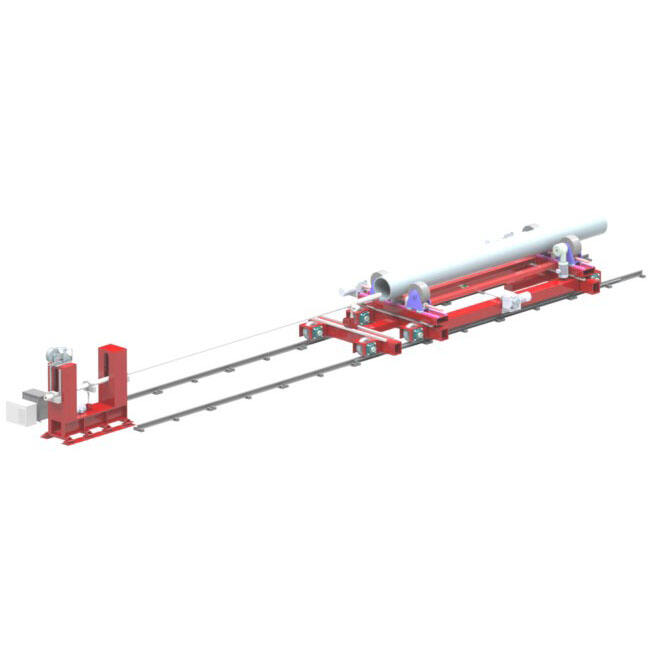
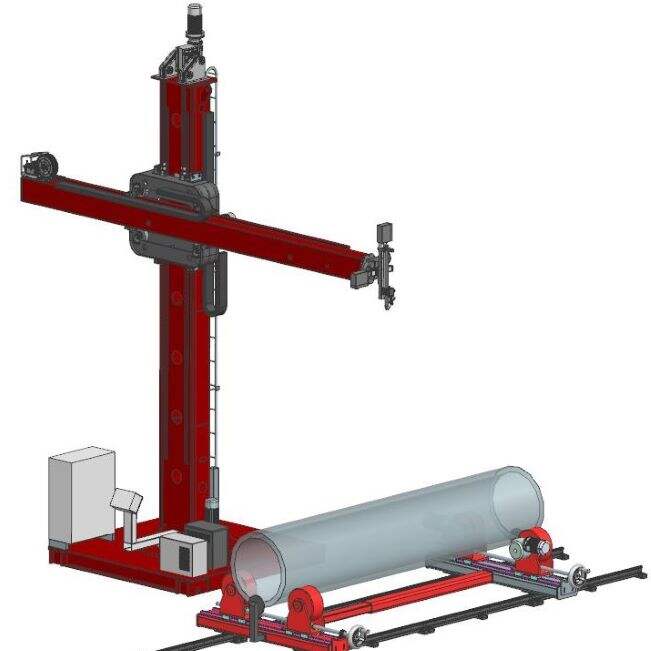
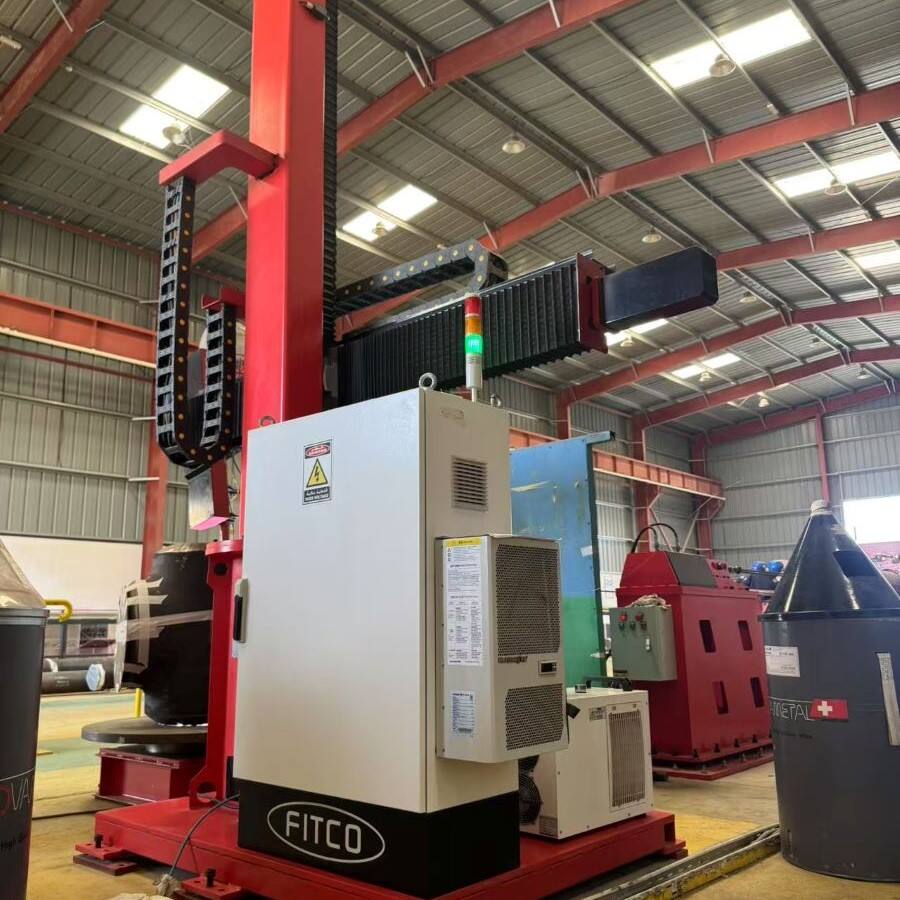
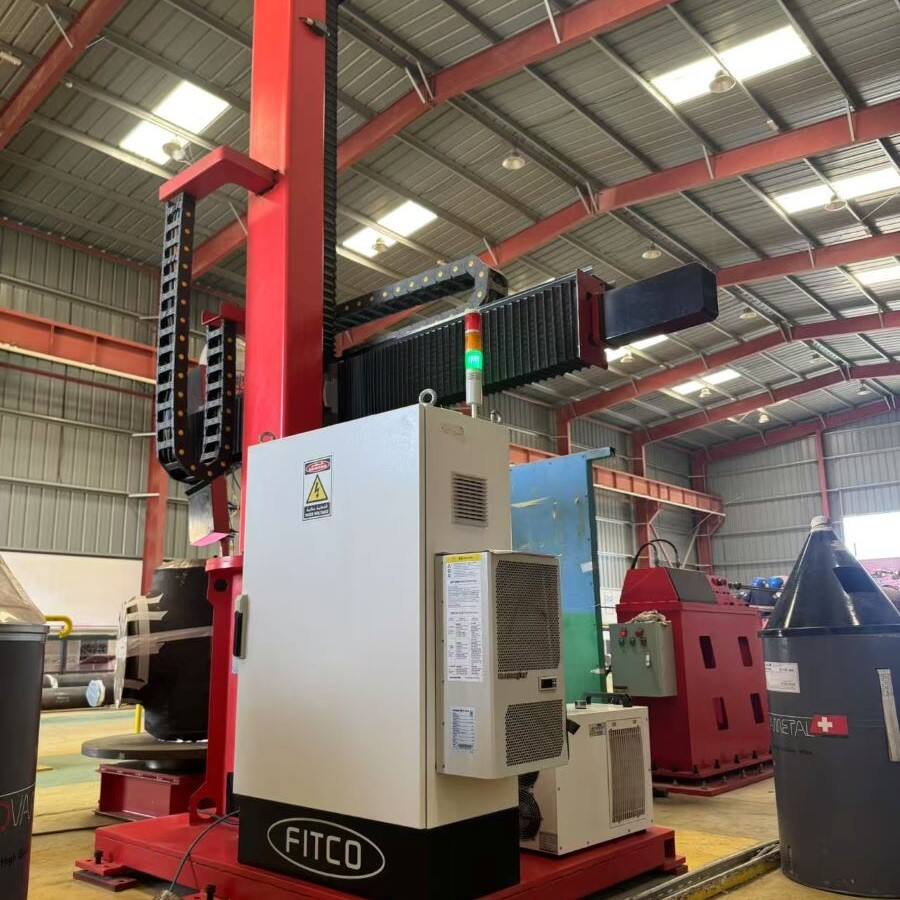
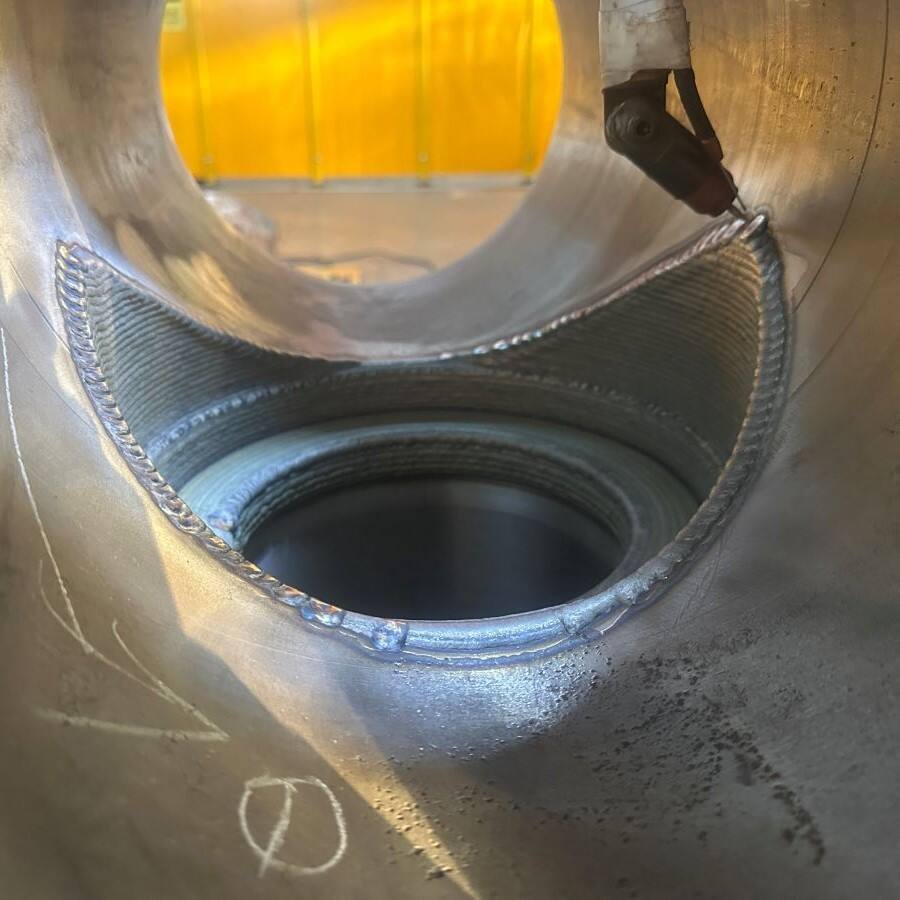
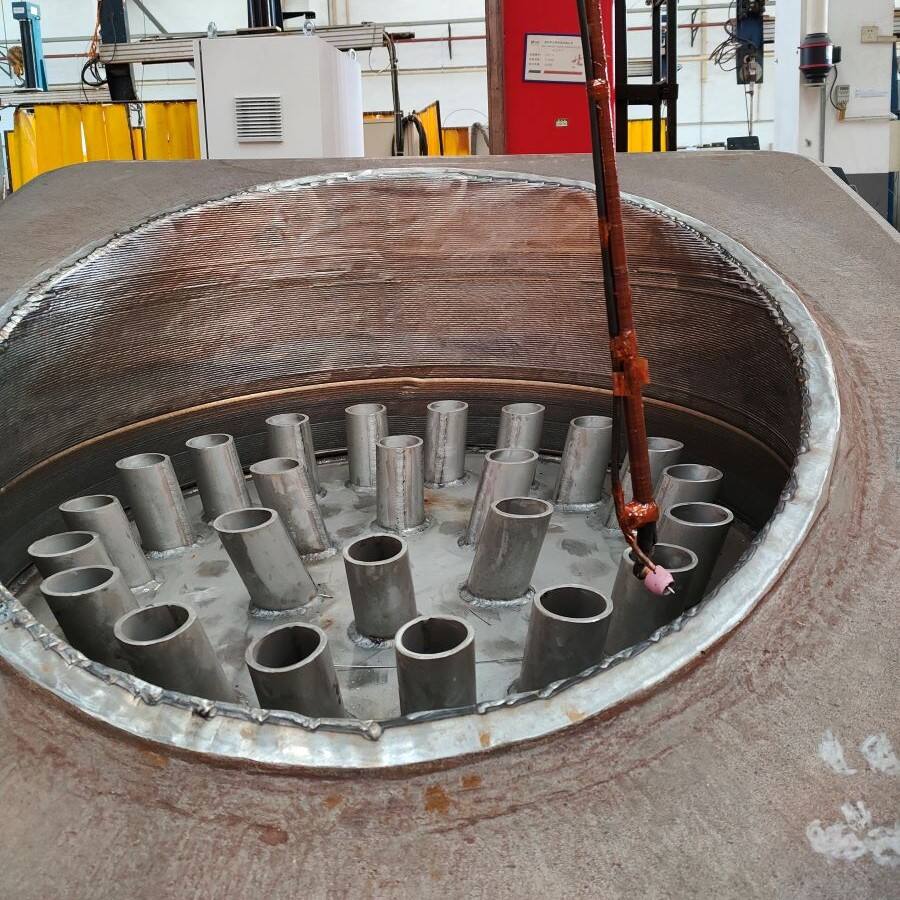
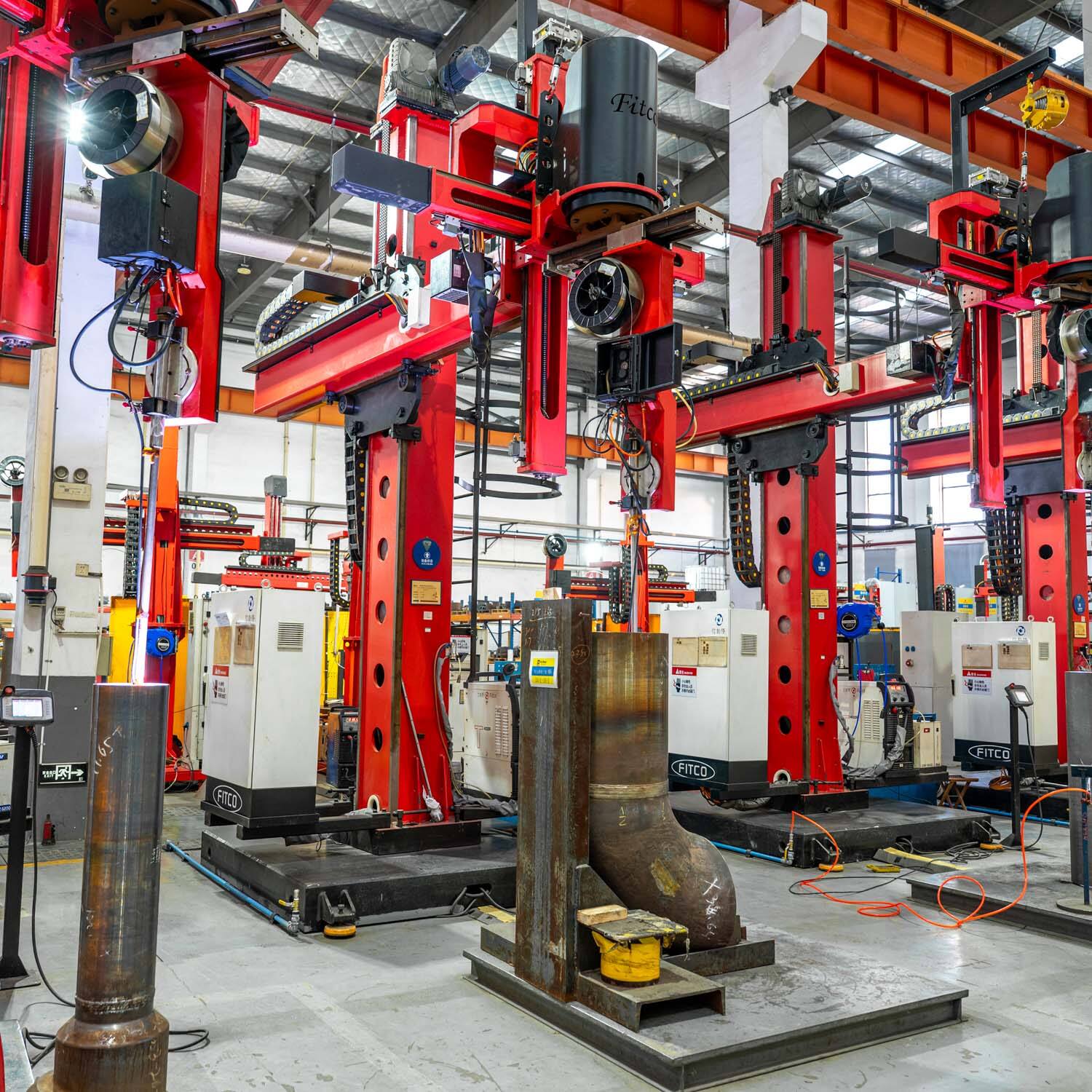
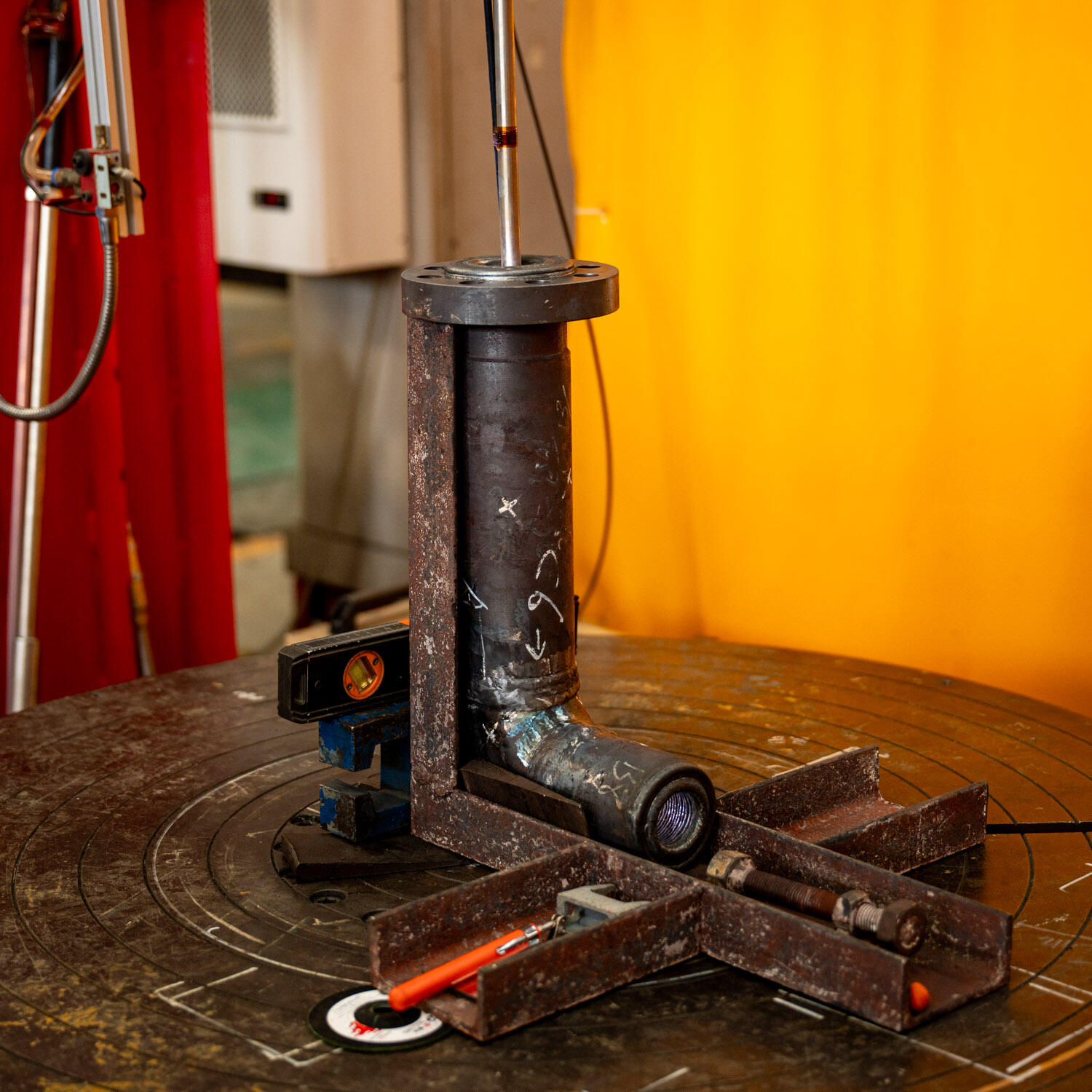
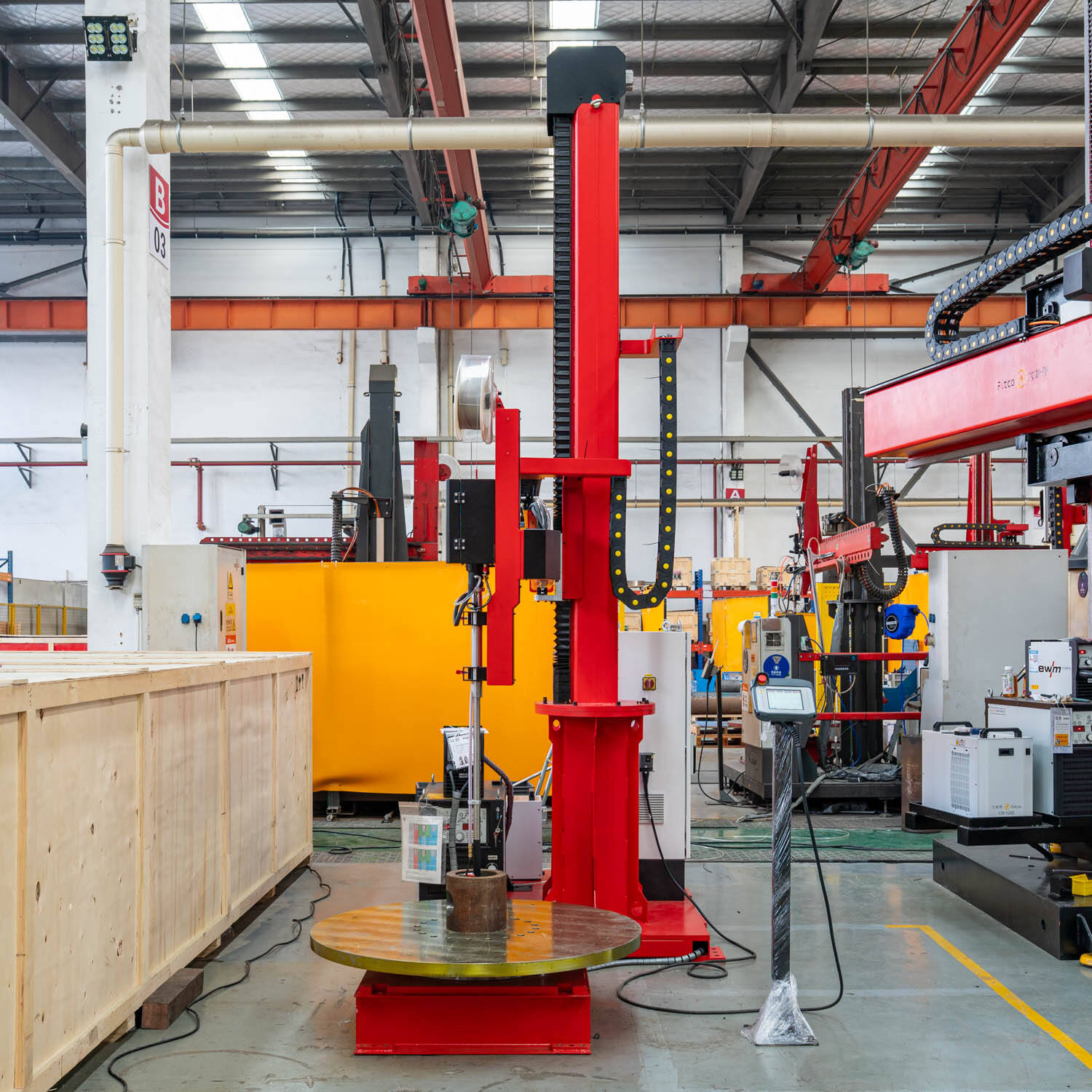
Rotary welding positioners represent a fundamental advancement in modern welding technology, serving as essential equipment for manufacturers seeking precision and efficiency in their welding operations. These sophisticated machines provide controlled rotation of workpieces during the welding process, enabling welders to maintain optimal positioning and achieve superior weld quality. The primary function of rotary welding positioners involves rotating components at predetermined speeds while maintaining stable support, allowing continuous welding in the flat position regardless of the actual workpiece geometry. This capability transforms complex welding tasks into manageable operations by bringing the weld joint to the welder rather than requiring awkward positioning. Technologically, rotary welding positioners incorporate variable speed controls, precise positioning systems, and robust construction designed to handle substantial weight loads. Modern units feature digital control systems that allow operators to program specific rotation speeds, set precise positioning angles, and execute complex welding sequences with remarkable accuracy. The technological architecture includes heavy-duty motors, reduction gearboxes, and advanced control electronics that ensure smooth operation even under demanding industrial conditions. These systems often integrate with automated welding equipment, creating comprehensive welding solutions that maximize productivity while minimizing human error. Applications for rotary welding positioners span numerous industries including shipbuilding, pressure vessel manufacturing, pipeline construction, and general fabrication. They excel in welding cylindrical components such as tanks, pipes, and pressure vessels where circumferential welds require consistent quality throughout the entire joint. The versatility of rotary welding positioners extends to custom fixtures and specialized applications, making them indispensable tools for manufacturers handling diverse welding requirements across various sectors.

New Products

The advantages of rotary welding positioners extend far beyond simple convenience, delivering measurable improvements in weld quality, productivity, and operator safety that directly impact manufacturing profitability. These machines eliminate the need for welders to work in uncomfortable positions, reducing physical strain and fatigue that commonly lead to inconsistent weld quality and workplace injuries. When operators can maintain proper welding techniques in comfortable positions, they produce higher quality welds with fewer defects, resulting in reduced rework costs and improved customer satisfaction. The consistent rotation speed provided by rotary welding positioners ensures uniform heat input throughout the welding process, creating welds with superior mechanical properties and enhanced durability. This consistency proves especially valuable in critical applications where weld integrity directly affects safety and performance. Productivity gains represent another significant advantage, as rotary welding positioners enable continuous welding operations without frequent repositioning breaks. Welders can complete circumferential welds in single passes rather than starting and stopping at multiple points, reducing overall cycle times and increasing throughput. The precision control offered by modern rotary welding positioners allows manufacturers to achieve tight tolerances and repeatability that manual positioning simply cannot match. This precision becomes crucial when welding components that require exact specifications or when producing multiple identical parts. Safety improvements constitute a major benefit, as rotary welding positioners keep workpieces securely positioned and reduce the risk of accidents associated with manual handling of heavy components. The stable platform provided by these machines minimizes workpiece movement during welding, creating safer working conditions and reducing liability concerns. Additionally, the improved visibility and accessibility achieved through proper positioning allows welders to better monitor their work, leading to early detection of potential issues and reduced defect rates. The versatility of rotary welding positioners accommodates various workpiece sizes and shapes, making them valuable investments for job shops and manufacturers handling diverse product lines. Modern units offer quick changeover capabilities, allowing operators to switch between different jobs efficiently without extensive setup procedures.

Tips And Tricks

Understanding the Duty Cycle of Your Heavy-Duty arc welding machine

16

Mar

Understanding the Duty Cycle of Your Heavy-Duty arc welding machine

The duty cycle of an arc welding machine represents one of the most critical specifications that determines its operational capabilities and longevity in heavy-duty industrial applications. This measurement defines how long your arc welding machine c...
View More
Mastering Aluminum: Why an acdc tig welder is Non-Negotiable

16

Mar

Mastering Aluminum: Why an acdc tig welder is Non-Negotiable

Aluminum welding presents unique challenges that demand specialized equipment, making the choice of welding technology critical for achieving professional results. The metallurgical properties of aluminum, including its high thermal conductivity, oxi...
View More
Inside an igbt inverter welder: How the High-Frequency Switching Works

16

Mar

Inside an igbt inverter welder: How the High-Frequency Switching Works

The high-frequency switching mechanism within an igbt inverter welder represents one of the most significant technological advances in modern welding equipment. This sophisticated power conversion process transforms standard AC mains power into preci...
View More
How to Calibrate Your mig welding equipment for Pulse Welding

16

Mar

How to Calibrate Your mig welding equipment for Pulse Welding

Calibrating mig welding equipment for pulse welding requires precise adjustments to achieve optimal arc characteristics and weld quality. This specialized process involves fine-tuning multiple parameters including pulse frequency, peak current, backg...
View More

Get a Free Quote

Our representative will contact you soon.
Email
Mobile/WhatsApp
Name
Company Name
Message
0/1000

rotary welding positioners

Advanced Speed Control and Positioning Accuracy

Advanced Speed Control and Positioning Accuracy

The sophisticated speed control systems integrated into modern rotary welding positioners represent a breakthrough in welding precision and quality control. These advanced systems utilize state-of-the-art variable frequency drives and servo motor technology to deliver precise rotation speeds ranging from barely perceptible movement to several revolutions per minute, accommodating diverse welding requirements across different materials and joint configurations. The importance of accurate speed control cannot be overstated, as it directly influences heat input distribution, weld penetration, and overall joint quality. When welding thick sections or heat-sensitive materials, operators can select extremely slow rotation speeds that allow proper heat dissipation and prevent overheating, while high-speed applications benefit from faster rotation that maintains arc stability and prevents cold lap defects. The positioning accuracy of these systems reaches remarkable precision levels, often achieving repeatability within fractions of degrees. This precision enables manufacturers to create complex welding sequences where specific angular positions must be maintained for different welding parameters or where multiple welding passes require exact starting and stopping points. The digital control interfaces provide intuitive operation while offering advanced programming capabilities for automated sequences. Operators can program multiple speed changes within single welding cycles, creating optimized welding profiles that adapt to varying material thicknesses or joint geometries. The feedback systems incorporated into these controllers continuously monitor actual rotation speed and position, automatically compensating for load variations or external disturbances that might otherwise affect welding quality. This closed-loop control ensures consistent performance regardless of workpiece weight distribution or changing welding conditions. The value proposition for customers centers on the dramatic improvement in weld consistency and the ability to achieve results that exceed manual welding capabilities while reducing skilled labor requirements.
Heavy-Duty Construction and Load Capacity

Heavy-Duty Construction and Load Capacity

The robust construction methodology employed in manufacturing rotary welding positioners directly addresses the demanding requirements of industrial welding environments where equipment must withstand continuous operation while maintaining precision performance. These machines feature reinforced steel frameworks, precision-machined components, and industrial-grade bearings designed to handle substantial workpiece weights without compromising rotational accuracy or smooth operation. The engineering approach prioritizes durability and longevity, utilizing materials and construction techniques proven in heavy manufacturing applications. The substantial load capacities available in modern rotary welding positioners range from compact units handling hundreds of pounds to massive installations capable of rotating workpieces weighing tens of thousands of pounds. This scalability ensures that manufacturers can select equipment appropriate for their specific applications without overinvesting in unnecessary capacity or underestimating future requirements. The structural design incorporates safety factors that exceed standard engineering practices, providing reliable operation even when handling maximum rated loads under continuous duty cycles. The importance of heavy-duty construction becomes evident when considering the total cost of ownership, as robust equipment requires less maintenance, experiences fewer breakdowns, and maintains accuracy longer than lighter-duty alternatives. The precision bearings and drive components selected for these applications undergo rigorous testing and quality control procedures to ensure consistent performance throughout extended service lives. The frame geometries are engineered using advanced finite element analysis to optimize strength-to-weight ratios while minimizing deflection under load. This engineering excellence translates into superior welding results, as workpiece stability and smooth rotation directly influence weld quality and operator confidence. For customers, the investment in heavy-duty construction pays dividends through reduced downtime, lower maintenance costs, and the ability to handle increasingly demanding projects without equipment limitations constraining capabilities or profitability.
Versatile Fixture Systems and Quick Changeover Capabilities

Versatile Fixture Systems and Quick Changeover Capabilities

The innovative fixture systems incorporated into contemporary rotary welding positioners demonstrate remarkable versatility in accommodating diverse workpiece geometries while facilitating rapid setup changes that maximize production efficiency. These sophisticated clamping and support systems utilize modular components, adjustable elements, and quick-release mechanisms that enable operators to transition between different jobs with minimal downtime and setup complexity. The modular approach allows manufacturers to configure fixtures for specific applications while maintaining the flexibility to adapt to changing production requirements or new product introductions. The quick changeover capabilities represent a significant competitive advantage for manufacturers serving diverse markets or producing varied product lines, as traditional fixture changes often consume hours of valuable production time. Modern rotary welding positioners incorporate tool-less adjustment systems, pre-programmed positioning sequences, and standardized interface components that reduce changeover times from hours to minutes in many applications. The fixture versatility extends beyond simple geometric adaptations, encompassing specialized clamping solutions for thin-walled components, heavy structural elements, and complex assemblies requiring multiple support points. The engineering behind these systems considers workpiece access requirements, welding torch clearance, and operator visibility while maintaining secure positioning throughout the welding process. Advanced fixture designs incorporate features such as expandable mandrels for internal support, adjustable tailstocks for varying lengths, and specialized gripping mechanisms for non-standard geometries. The value proposition for customers includes dramatically reduced setup costs, improved production scheduling flexibility, and the ability to accept diverse projects without major equipment modifications. The investment in versatile fixture systems often pays for itself through improved machine utilization rates and reduced labor costs associated with setup and changeover operations. Additionally, the precision and repeatability of these systems ensure consistent workpiece positioning between jobs, maintaining quality standards while accommodating production variety.

Get a Free Quote

Our representative will contact you soon.
Email
Mobile/WhatsApp
Name
Company Name
Message
0/1000