
 EN
EN
 AR
AR BG
BG HR
HR CS
CS DA
DA NL
NL FI
FI FR
FR DE
DE EL
EL HI
HI IT
IT JA
JA KO
KO NO
NO PL
PL PT
PT RO
RO RU
RU ES
ES SV
SV TL
TL IW
IW ID
ID LT
LT UK
UK SQ
SQ HU
HU TH
TH TR
TR FA
FA AF
AF CY
CY MK
MK LA
LA MN
MN KK
KK UZ
UZ KY
KY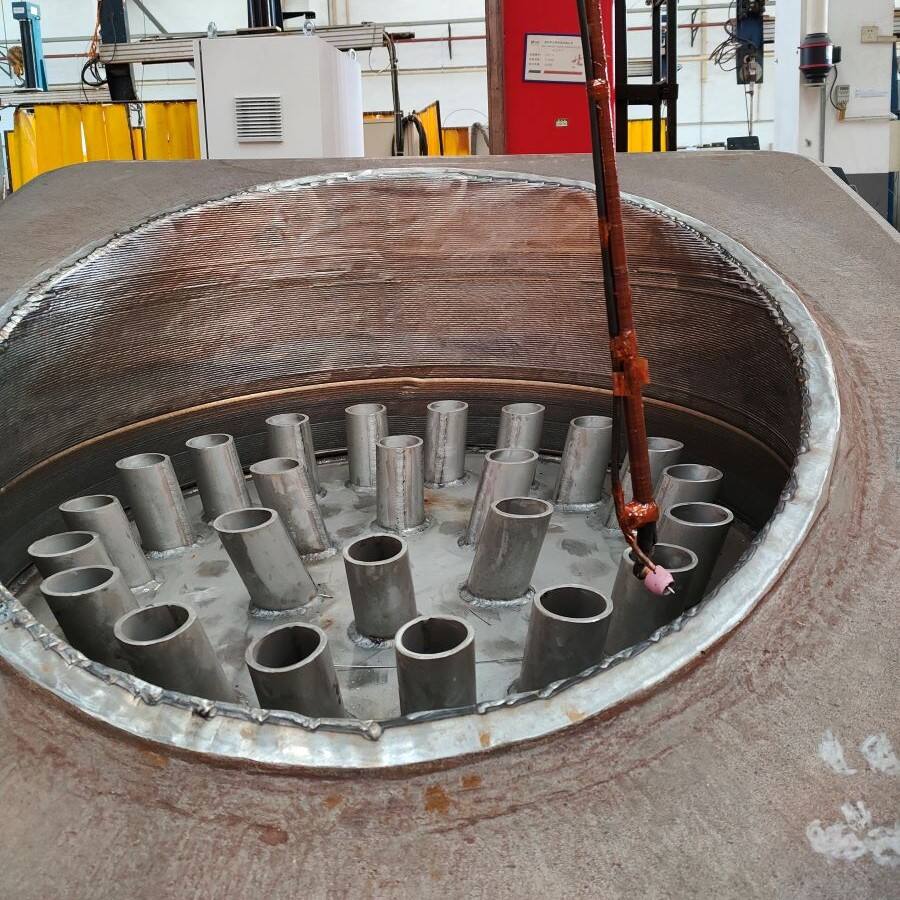
Calibrating mig welding equipment for pulse welding requires precise adjustments to achieve optimal arc characteristics and weld quality. This specialized process involves fine-tuning multiple parameters including pulse frequency, peak current, background current, and wire feed speed to match the specific requirements of your welding application. Understanding how to properly calibrate your mig welding equipment ensures consistent penetration, reduced spatter, and improved overall weld appearance when using pulse welding techniques.
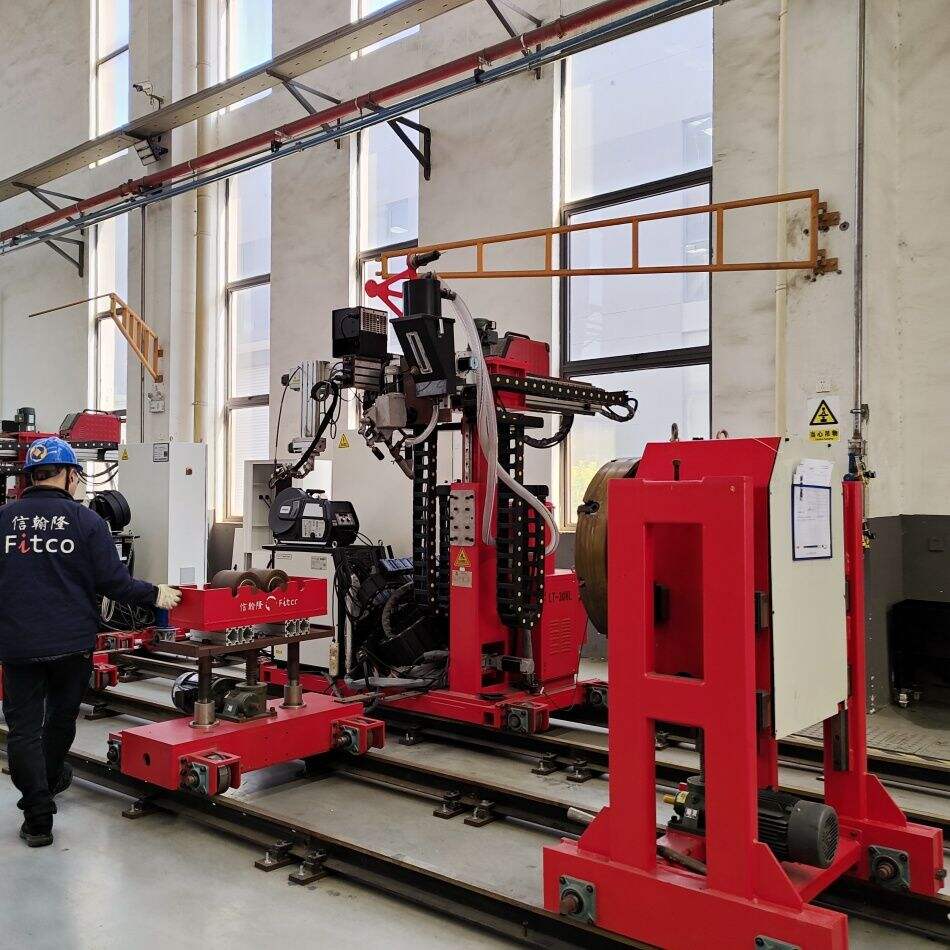
The calibration process for pulse welding applications differs significantly from conventional spray transfer or short-circuit welding modes. Modern mig welding equipment designed for pulse welding incorporates sophisticated control systems that allow operators to adjust pulse parameters independently, providing greater control over heat input and arc stability. Proper calibration not only improves weld quality but also extends equipment life and reduces consumable costs by optimizing the welding process for specific material types and thicknesses.
Understanding Pulse Welding Parameters
Pulse Frequency Settings
Pulse frequency represents the number of current cycles per second in your mig welding equipment and typically ranges from 0.5 to 500 Hz depending on the application requirements. Lower frequencies between 0.5 and 5 Hz are commonly used for thicker materials where deeper penetration is required, while higher frequencies above 100 Hz work effectively for thin materials where heat control is critical. The frequency setting directly affects the arc stability and weld pool behavior, making it one of the most important calibration parameters to establish correctly.
When calibrating frequency settings on your mig welding equipment, consider the material thickness and joint configuration. Aluminum welding typically requires frequencies between 100-200 Hz to maintain proper arc characteristics, while steel applications often perform well with frequencies in the 1-10 Hz range. The frequency adjustment should be made incrementally while monitoring arc sound and weld pool fluidity to determine the optimal setting for your specific application.
Peak and Background Current Relationships
The peak current setting determines the maximum amperage delivered during each pulse cycle and controls the depth of penetration and metal transfer characteristics in your mig welding equipment. Background current maintains the arc between pulse cycles and affects overall heat input and arc stability. The ratio between peak and background current significantly influences weld quality, with typical ratios ranging from 2:1 to 4:1 depending on material type and thickness requirements.
Calibrating the peak current involves setting the maximum amperage approximately 20-30% higher than the spray transfer threshold for the wire diameter being used. Background current should be adjusted to maintain a stable arc without causing excessive heating of the base material. Modern mig welding equipment often provides synergic control that automatically adjusts these parameters based on material type and thickness selections, but manual fine-tuning may be necessary for optimal results.
Wire Feed Speed Synchronization
Coordinating Feed Rate with Pulse Parameters
Wire feed speed calibration in pulse welding applications requires careful coordination with the pulse parameters to ensure proper metal transfer and avoid wire stubbing or burn-back issues. The feed rate must be synchronized with the pulse frequency to deliver the correct amount of filler metal during each pulse cycle. Mig welding equipment designed for pulse applications typically includes advanced wire feed systems that can maintain consistent delivery rates even at low pulse frequencies.
Start the calibration process by setting the wire feed speed approximately 10-15% lower than conventional spray transfer settings for the same wire diameter and material combination. Monitor the arc behavior and adjust the feed rate incrementally until you achieve smooth metal transfer without excessive spatter or wire burn-back. The optimal feed speed will produce a characteristic pulsing sound and visible droplet transfer that occurs once per pulse cycle.
Maintaining Consistent Arc Length
Arc length consistency is crucial for successful pulse welding and requires precise calibration of the relationship between wire feed speed and welding voltage in your mig welding equipment. The arc length affects heat input distribution, penetration patterns, and overall weld geometry. Pulse welding applications typically require shorter arc lengths compared to conventional spray transfer to maintain proper control over the weld pool.
Calibrate arc length by adjusting the voltage setting while maintaining consistent travel speed and work angle. The optimal arc length for pulse welding should be approximately 1.5 to 2 times the wire diameter, measured from the contact tip to the work surface. Use test welds on representative material samples to verify that the arc length produces acceptable penetration and fusion characteristics throughout the joint.
Shielding Gas Flow Optimization
Flow Rate Calibration for Pulse Applications
Shielding gas flow requirements for pulse welding applications differ from conventional welding processes due to the intermittent nature of the arc and varying heat input levels. Proper gas flow calibration ensures adequate protection during both peak and background current phases while minimizing gas consumption and avoiding turbulence that could affect arc stability. Most mig welding equipment manufacturers recommend flow rates between 20-30 CFH for pulse welding applications, depending on material type and welding position.
Calibrate gas flow by starting with the manufacturer's recommended settings and adjusting based on visual inspection of the weld pool protection and post-weld oxidation levels. Insufficient gas flow will result in porosity and oxidation, while excessive flow can create turbulence and cause atmospheric contamination. Use a flow meter to verify actual delivery rates, as regulator settings may not accurately reflect the gas flow reaching the weld zone.
Gas Mixture Considerations
The choice of shielding gas mixture significantly impacts the performance of mig welding equipment in pulse welding applications and may require calibration adjustments to achieve optimal results. Argon-rich mixtures provide excellent arc stability and are preferred for aluminum and stainless steel applications, while argon-CO2 blends work well for carbon steel welding. The gas composition affects arc characteristics, penetration patterns, and the optimal pulse parameter settings.
When changing gas mixtures, recalibrate your pulse parameters to accommodate the different arc behavior and heat transfer characteristics. Argon-based mixtures typically require higher pulse frequencies and adjusted peak current settings compared to CO2-containing blends. Document the optimal parameter combinations for each gas mixture to ensure consistent results when switching between different applications.
Advanced Calibration Techniques
Synergic Program Customization
Modern mig welding equipment often includes synergic control programs that automatically adjust pulse parameters based on material type, thickness, and wire diameter selections. While these programs provide excellent starting points, custom calibration may be necessary to optimize performance for specific applications or to accommodate non-standard materials. Understanding how to modify synergic programs allows operators to fine-tune their welding processes for maximum efficiency and quality.
Begin synergic program customization by documenting the default parameter values for your standard applications, then make incremental adjustments to individual parameters while monitoring weld quality results. Most advanced mig welding equipment allows operators to save custom parameter sets for future use, enabling quick setup for recurring jobs. Consider creating separate programs for different material thicknesses, joint configurations, and welding positions to streamline production processes.
Heat Input Management
Heat input calibration is particularly critical in pulse welding applications where precise temperature control is required to prevent distortion or metallurgical problems in sensitive materials. The pulse parameters directly affect heat input levels, and proper calibration ensures adequate fusion without excessive heating of the surrounding base material. Calculate heat input using the formula: Heat Input = (Voltage × Amperage × 60) / (1000 × Travel Speed in mm/min).
Calibrate heat input by adjusting pulse frequency, duty cycle, and travel speed while monitoring temperature-sensitive indicators such as heat-affected zone width and distortion levels. Mig welding equipment with thermal monitoring capabilities can provide real-time feedback on heat input levels, allowing for more precise calibration. Establish heat input limits for different material types and thicknesses to ensure consistent quality across production runs.
Troubleshooting Calibration Issues
Arc Stability Problems
Arc instability during pulse welding often indicates calibration problems with the relationship between pulse parameters and wire feed settings in your mig welding equipment. Common symptoms include irregular metal transfer, excessive spatter, and inconsistent penetration patterns. Systematic troubleshooting involves examining each parameter individually while maintaining consistent technique and environmental conditions.
Start troubleshooting by verifying that the pulse frequency matches the material and application requirements, then check that peak and background currents are properly balanced. Inconsistent wire feed delivery can also cause arc instability, so inspect the wire feed system for mechanical issues such as worn drive rolls or liner restrictions. Document any parameter changes made during troubleshooting to build a reference guide for future calibration activities.
Weld Quality Defects
Weld quality defects in pulse welding applications often result from improper calibration of the interaction between multiple parameters rather than single parameter errors. Porosity may indicate insufficient gas coverage or contaminated base materials, while lack of fusion suggests inadequate peak current or improper arc length settings. Understanding the relationship between calibration parameters and specific defect types enables more efficient problem resolution.
Address weld quality defects through systematic parameter adjustment while maintaining detailed records of changes and results. Use standardized test procedures and evaluation criteria to objectively assess the impact of calibration modifications. Many mig welding equipment manufacturers provide troubleshooting guides that correlate specific defect patterns with parameter adjustment recommendations, serving as valuable references during the calibration process.
FAQ
How often should I recalibrate my mig welding equipment for pulse welding applications?
Recalibration frequency depends on usage intensity and application requirements, but most facilities perform basic calibration checks monthly and comprehensive calibration annually. High-volume production environments may require more frequent calibration verification, particularly when switching between different materials or welding applications. Always recalibrate after equipment maintenance, component replacement, or when weld quality issues arise.
What is the most critical parameter to calibrate first when setting up pulse welding?
Pulse frequency should typically be calibrated first as it establishes the fundamental arc behavior and affects all other parameter relationships. Start with manufacturer recommendations based on material type and thickness, then fine-tune the frequency setting while monitoring arc stability and metal transfer characteristics. Once frequency is optimized, adjust peak current, background current, and wire feed speed in that sequence.
Can I use the same calibration settings for different wire diameters with my mig welding equipment?
No, calibration settings must be adjusted when changing wire diameters because the electrical characteristics and metal transfer behavior vary significantly with wire size. Larger diameter wires require higher current levels and may need different pulse frequencies to maintain proper metal transfer. Most modern mig welding equipment includes separate parameter sets for different wire diameters to simplify setup procedures.
How do I know if my pulse welding calibration is producing optimal results?
Optimal pulse welding calibration produces consistent droplet transfer with minimal spatter, smooth weld bead appearance, and proper penetration throughout the joint. Listen for the characteristic pulsing sound that indicates synchronized metal transfer, and visually inspect for uniform weld pool behavior. Use cross-sectional analysis and non-destructive testing methods to verify that internal weld quality meets specification requirements.
Table of Contents
- Understanding Pulse Welding Parameters
- Wire Feed Speed Synchronization
- Shielding Gas Flow Optimization
- Advanced Calibration Techniques
- Troubleshooting Calibration Issues
-
FAQ
- How often should I recalibrate my mig welding equipment for pulse welding applications?
- What is the most critical parameter to calibrate first when setting up pulse welding?
- Can I use the same calibration settings for different wire diameters with my mig welding equipment?
- How do I know if my pulse welding calibration is producing optimal results?