
 EN
EN
 AR
AR BG
BG HR
HR CS
CS DA
DA NL
NL FI
FI FR
FR DE
DE EL
EL HI
HI IT
IT JA
JA KO
KO NO
NO PL
PL PT
PT RO
RO RU
RU ES
ES SV
SV TL
TL IW
IW ID
ID LT
LT UK
UK SQ
SQ HU
HU TH
TH TR
TR FA
FA AF
AF CY
CY MK
MK LA
LA MN
MN KK
KK UZ
UZ KY
KY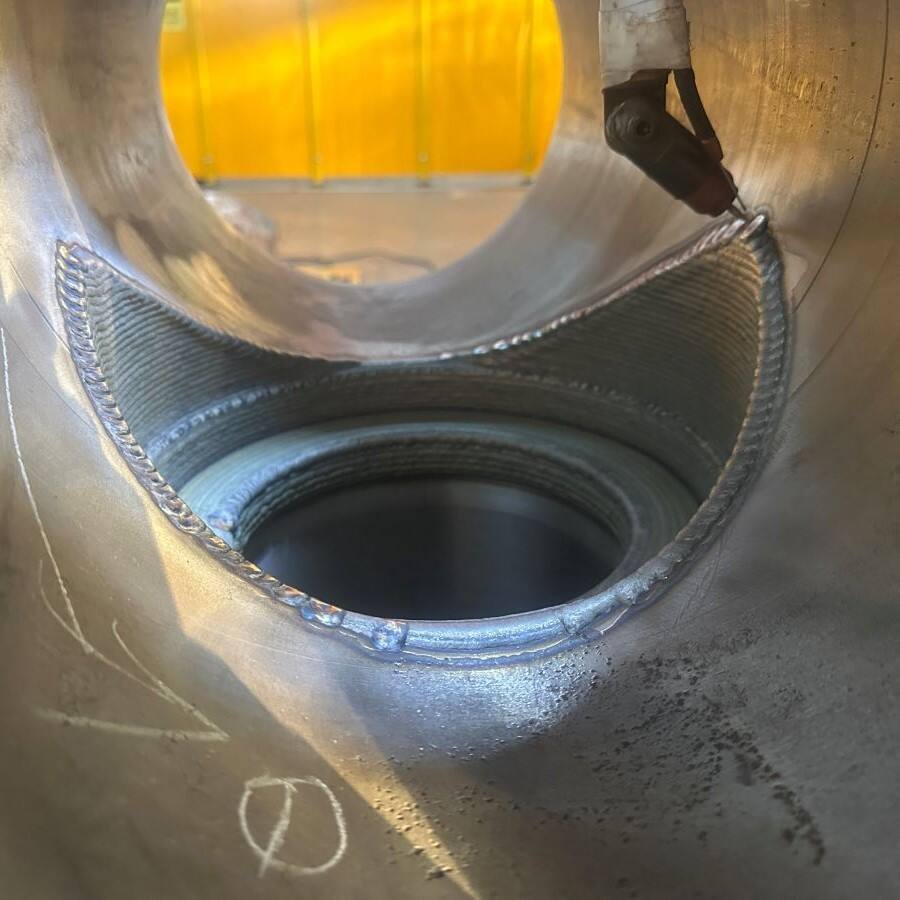
The welding industry has undergone a transformative evolution, with igbt inverter welder technology emerging as the definitive standard for professional and industrial applications in 2026. This revolutionary advancement represents a fundamental shift from traditional welding power sources, offering unprecedented efficiency, precision, and versatility that has redefined manufacturing and fabrication processes across multiple industries.
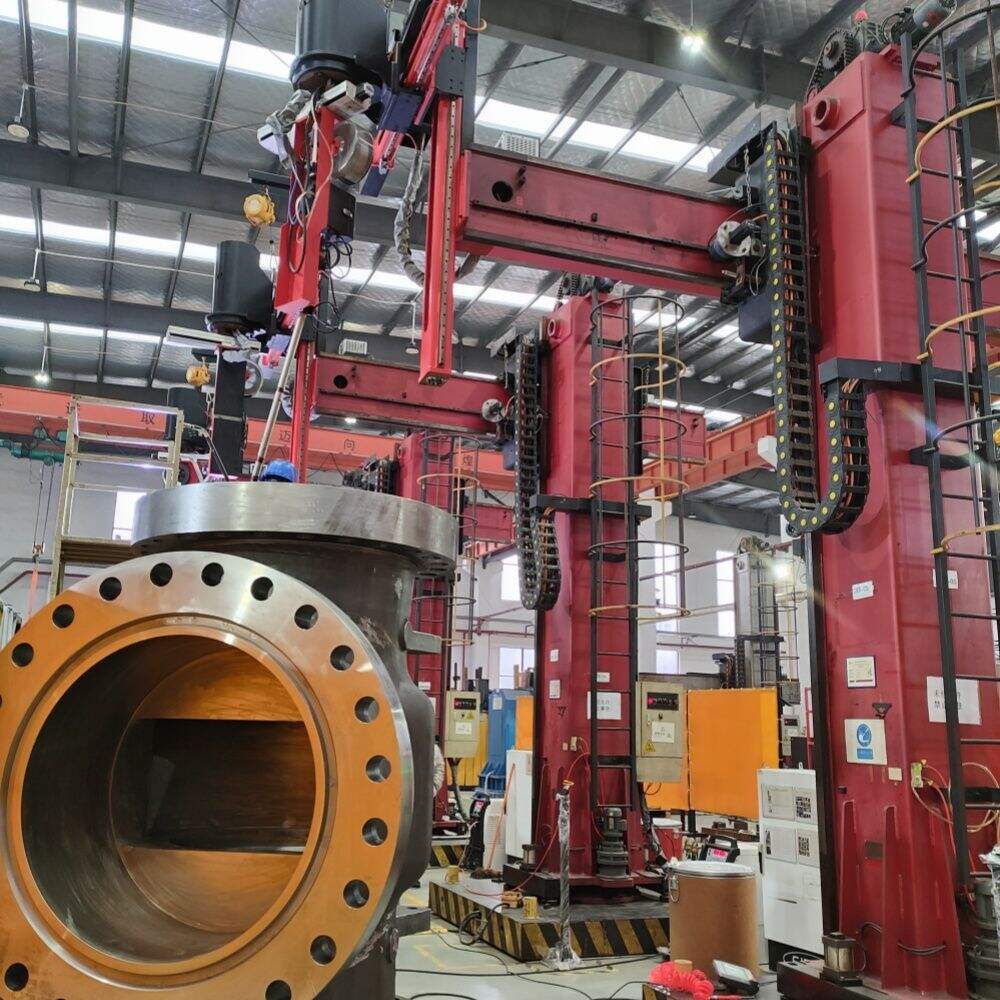
The dominance of igbt inverter welder systems stems from their ability to address critical limitations of conventional welding equipment while delivering superior performance characteristics. As manufacturing demands intensify and quality standards become increasingly stringent, the igbt inverter welder has proven itself as the most reliable and efficient solution for modern welding challenges, establishing its position as the industry benchmark.
Technological Superiority Driving Industry Adoption
Advanced Power Conversion Efficiency
The igbt inverter welder achieves remarkable energy efficiency through its sophisticated power conversion mechanism, typically reaching efficiency levels of 85-90% compared to traditional transformer-based welders that operate at 50-60% efficiency. This enhanced efficiency translates directly into reduced operational costs and lower environmental impact, making it an economically and environmentally responsible choice for modern manufacturing facilities.
The superior efficiency of igbt inverter welder technology results from the precise control over electrical current flow, eliminating energy waste common in conventional systems. This technological advantage becomes particularly significant in high-volume production environments where energy consumption directly impacts operational profitability and sustainability goals.
Manufacturing facilities utilizing igbt inverter welder systems report substantial reductions in electricity consumption, often achieving cost savings of 30-40% on welding-related energy expenses. This efficiency advantage has become a primary driver for industry-wide adoption, as companies seek to optimize their operational costs while maintaining superior welding quality.
Precision Control and Arc Stability
The igbt inverter welder provides unprecedented control over welding parameters, enabling operators to achieve consistent, high-quality welds across diverse material types and thicknesses. This precision control stems from the inverter's ability to regulate current and voltage with millisecond response times, maintaining optimal arc characteristics throughout the welding process.
Arc stability in igbt inverter welder systems significantly exceeds that of traditional welding equipment, reducing spatter formation and improving weld penetration consistency. This enhanced stability is particularly crucial in automated welding applications where consistent quality is paramount for production efficiency and product reliability.
The advanced feedback systems integrated into modern igbt inverter welder units continuously monitor and adjust welding parameters in real-time, compensating for variables such as material variations, joint geometry changes, and environmental conditions. This adaptive capability ensures consistent weld quality regardless of external factors that might affect traditional welding processes.
Economic Advantages Transforming Business Operations
Reduced Total Cost of Ownership
The igbt inverter welder delivers exceptional value through significantly lower total cost of ownership compared to conventional welding systems. Initial equipment costs are often offset within 12-18 months through reduced energy consumption, decreased maintenance requirements, and improved productivity metrics that directly impact the bottom line.
Maintenance costs for igbt inverter welder systems remain substantially lower due to fewer moving parts and the robust nature of solid-state components. Unlike transformer-based welders that require regular maintenance of mechanical components, the igbt inverter welder operates with minimal maintenance requirements, reducing downtime and associated labor costs.
The longevity of igbt inverter welder components translates into extended service life, often exceeding 10-15 years of continuous operation with proper care. This durability factor significantly improves return on investment calculations, making the technology increasingly attractive to cost-conscious manufacturing organizations.
Enhanced Productivity and Output Quality
Manufacturing facilities implementing igbt inverter welder technology consistently report productivity improvements of 15-25% due to faster welding speeds, reduced rework requirements, and decreased setup times. The precise control characteristics enable operators to achieve optimal welding parameters more quickly, reducing the time required for parameter adjustment and test welding.
The superior arc characteristics of igbt inverter welder systems result in higher first-pass weld quality, dramatically reducing the need for rework and repair operations. This improvement in initial quality translates directly into increased throughput and reduced material waste, contributing to overall operational efficiency.
Quality consistency achieved through igbt inverter welder technology enables manufacturers to meet increasingly stringent quality standards required in aerospace, automotive, and other high-precision industries. This capability opens access to premium market segments where traditional welding equipment may not meet required specifications.
Operational Flexibility Meeting Diverse Industrial Needs
Multi-Process Welding Capabilities
Modern igbt inverter welder systems offer exceptional versatility through multi-process capabilities, enabling operators to perform TIG, MIG, stick welding, and specialized processes using a single power source. This versatility eliminates the need for multiple welding machines, reducing equipment costs and simplifying training requirements for welding personnel.
The adaptability of igbt inverter welder technology extends to material compatibility, effectively welding steel, aluminum, stainless steel, and exotic alloys with appropriate parameter adjustments. This broad material capability makes the igbt inverter welder an ideal solution for job shops and manufacturing facilities working with diverse material specifications.
Process switching in igbt inverter welder systems can be accomplished quickly through digital interfaces, often requiring only seconds to transition between different welding processes. This rapid changeover capability significantly improves operational efficiency in environments requiring frequent process changes or small-batch production runs.
Portability and Space Efficiency
The compact design of igbt inverter welder units provides significant advantages in space-constrained manufacturing environments and field welding applications. Typical igbt inverter welder systems weigh 60-80% less than equivalent traditional welders while delivering superior performance characteristics.
Portability features of modern igbt inverter welder equipment enable efficient deployment across multiple workstations or job sites, maximizing equipment utilization and reducing the total number of welding power sources required. This mobility advantage proves particularly valuable in construction, maintenance, and repair applications.
The reduced footprint of igbt inverter welder systems allows for more efficient workshop layouts and improved workflow organization. Manufacturing facilities can optimize floor space utilization while maintaining or increasing welding capacity through strategic placement of these compact units.
Industry-Wide Integration and Future Readiness
Digital Integration and Industry 4.0 Compatibility
The igbt inverter welder serves as a foundation for digital manufacturing initiatives, offering connectivity options that enable integration with manufacturing execution systems, quality monitoring platforms, and predictive maintenance programs. This digital compatibility positions organizations for successful Industry 4.0 implementation and data-driven process optimization.
Data collection capabilities inherent in igbt inverter welder systems provide valuable insights into welding process performance, enabling continuous improvement initiatives and predictive quality management. This data-driven approach to welding operations represents a fundamental shift toward intelligent manufacturing processes.
Remote monitoring and control capabilities available in advanced igbt inverter welder systems enable centralized management of distributed welding operations, improving consistency and reducing the need for on-site technical expertise at remote locations.
Regulatory Compliance and Environmental Considerations
The igbt inverter welder technology aligns with increasingly stringent environmental regulations and energy efficiency standards being implemented globally. The reduced energy consumption and improved efficiency characteristics help manufacturing facilities meet sustainability targets and regulatory compliance requirements.
Lower electromagnetic interference generated by igbt inverter welder systems compared to traditional welding equipment ensures compliance with industrial electromagnetic compatibility standards, reducing the risk of interference with sensitive electronic equipment in modern manufacturing environments.
The reduced material waste and improved weld quality achieved through igbt inverter welder technology contribute to overall environmental sustainability goals while simultaneously improving operational profitability through reduced material consumption and rework requirements.
FAQ
What makes igbt inverter welder technology more efficient than traditional welding systems?
The igbt inverter welder achieves superior efficiency through advanced power conversion technology that operates at 85-90% efficiency compared to 50-60% for traditional transformer-based welders. This efficiency improvement results from precise current control, reduced energy waste, and optimized power delivery that minimizes heat generation and electrical losses during the welding process.
How does the initial cost of an igbt inverter welder compare to long-term savings?
While igbt inverter welder systems typically require higher initial investment, the total cost of ownership is significantly lower due to reduced energy consumption, minimal maintenance requirements, and improved productivity. Most facilities recover the initial cost difference within 12-18 months through operational savings, making it a financially advantageous choice for long-term operations.
Can igbt inverter welder systems handle all types of welding applications?
Modern igbt inverter welder units offer exceptional versatility, supporting multiple welding processes including TIG, MIG, and stick welding across various materials such as steel, aluminum, stainless steel, and specialty alloys. This multi-process capability, combined with precise parameter control, makes igbt inverter welder technology suitable for applications ranging from delicate precision work to heavy industrial fabrication.
What are the main maintenance advantages of igbt inverter welder equipment?
The igbt inverter welder requires significantly less maintenance than traditional welding equipment due to solid-state components with no moving parts, reduced heat generation, and robust electronic design. Typical maintenance involves periodic cleaning and inspection, with major component replacement cycles extending 10-15 years under normal operating conditions, substantially reducing maintenance costs and downtime.
Table of Contents
- Technological Superiority Driving Industry Adoption
- Economic Advantages Transforming Business Operations
- Operational Flexibility Meeting Diverse Industrial Needs
- Industry-Wide Integration and Future Readiness
-
FAQ
- What makes igbt inverter welder technology more efficient than traditional welding systems?
- How does the initial cost of an igbt inverter welder compare to long-term savings?
- Can igbt inverter welder systems handle all types of welding applications?
- What are the main maintenance advantages of igbt inverter welder equipment?