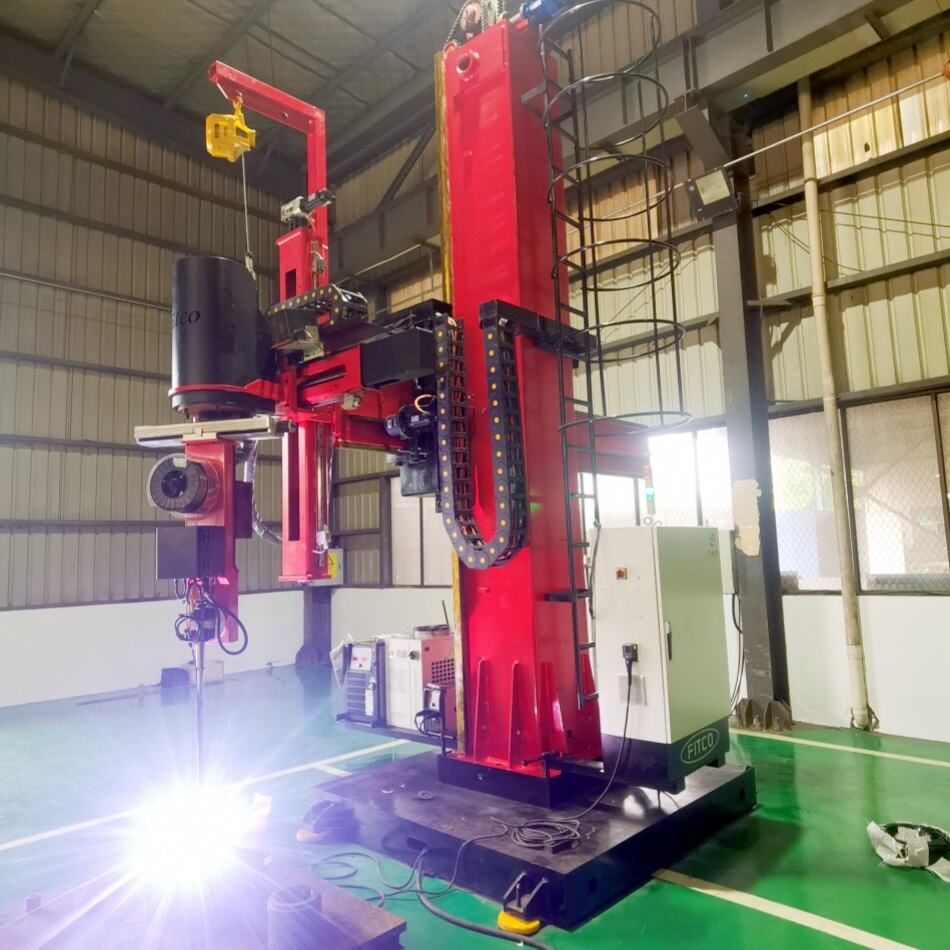
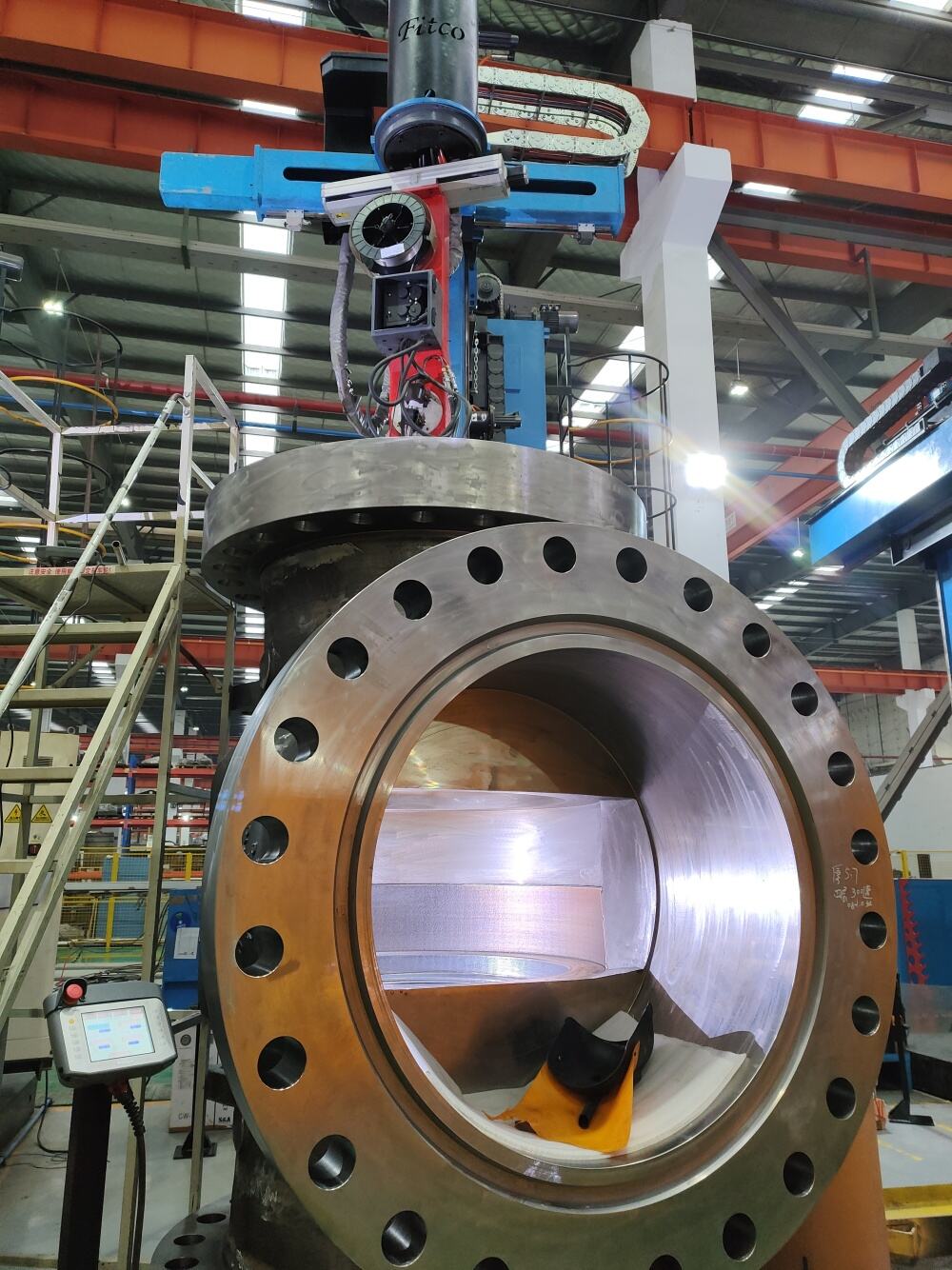
mig welding station
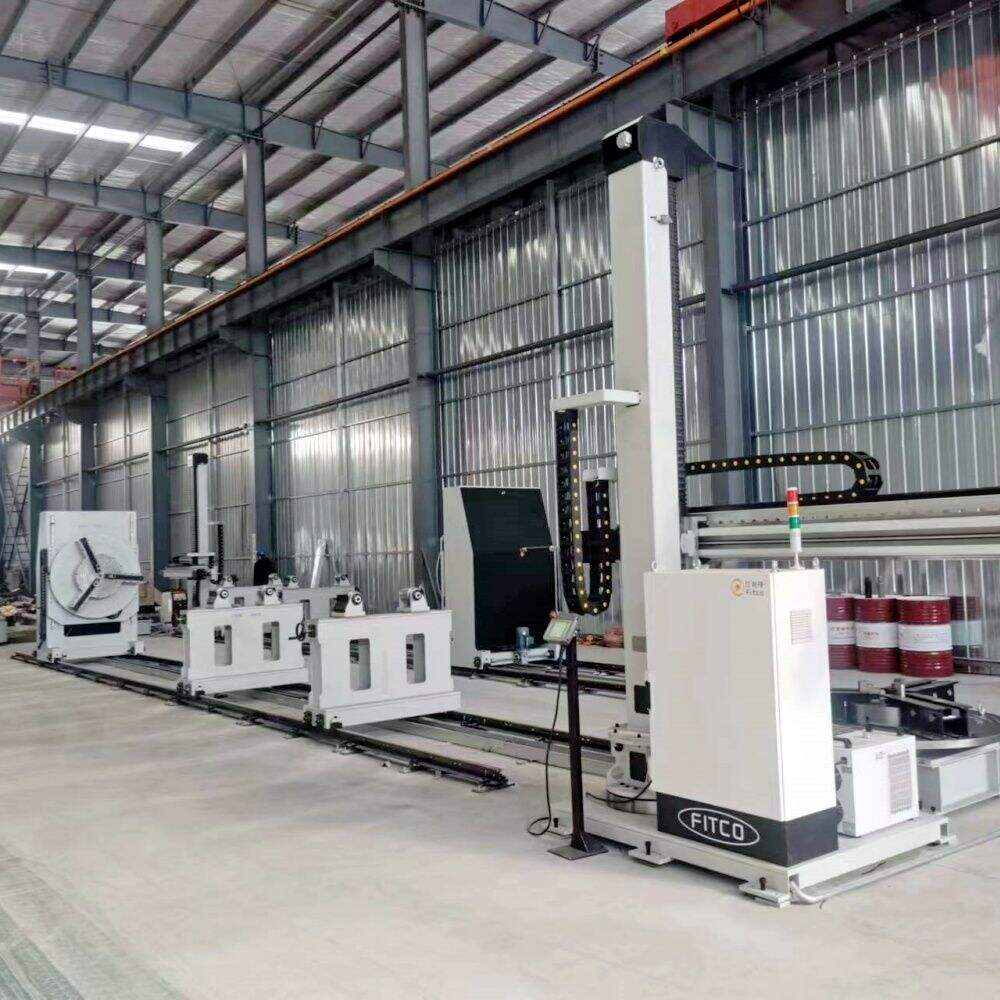
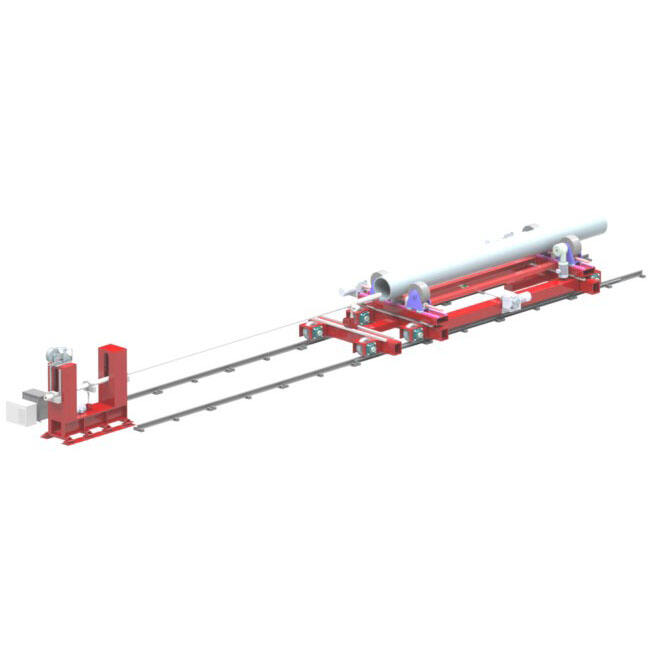
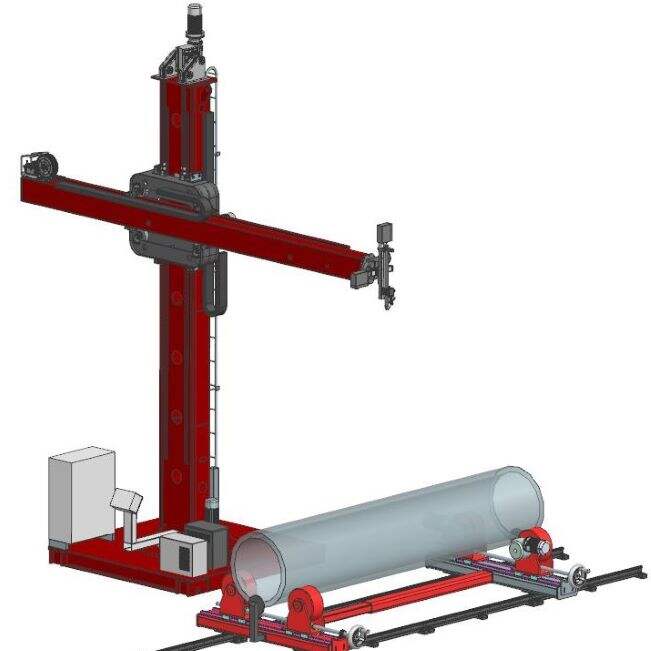
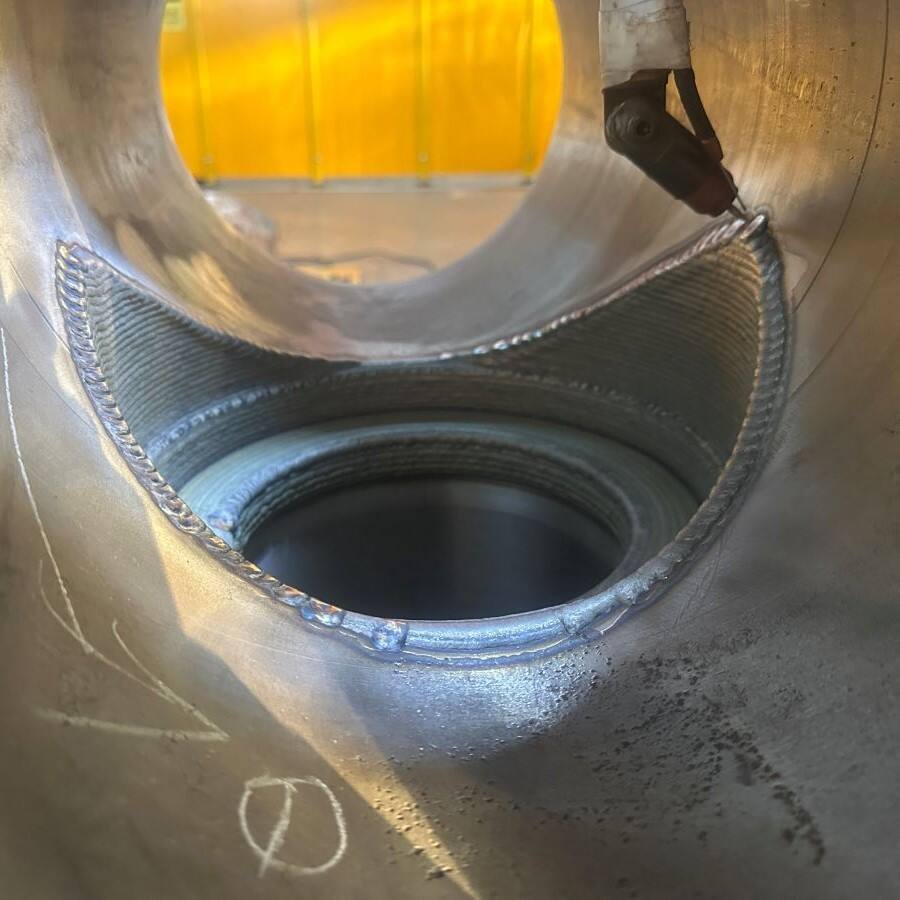
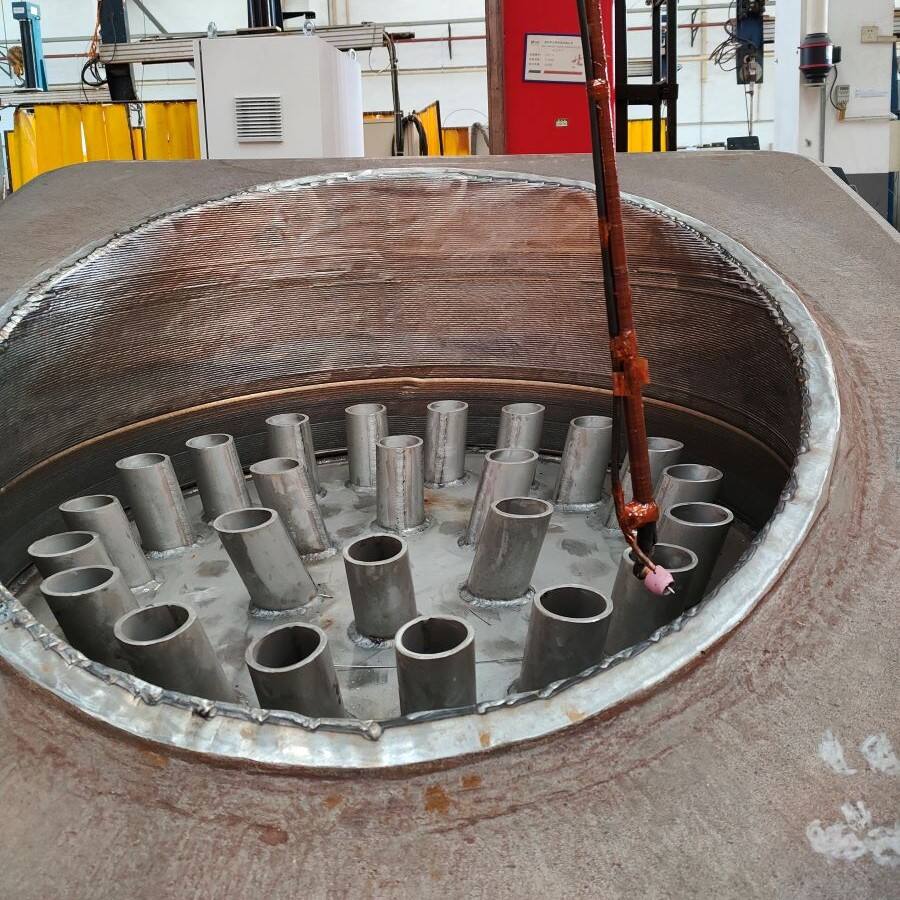
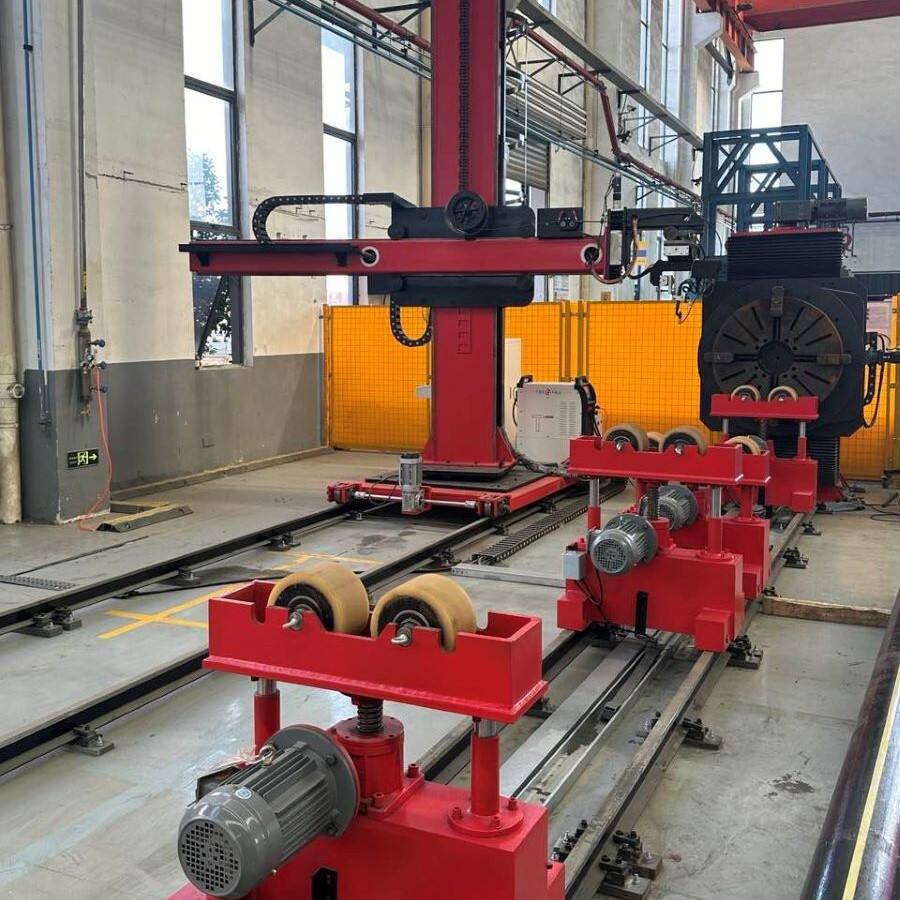
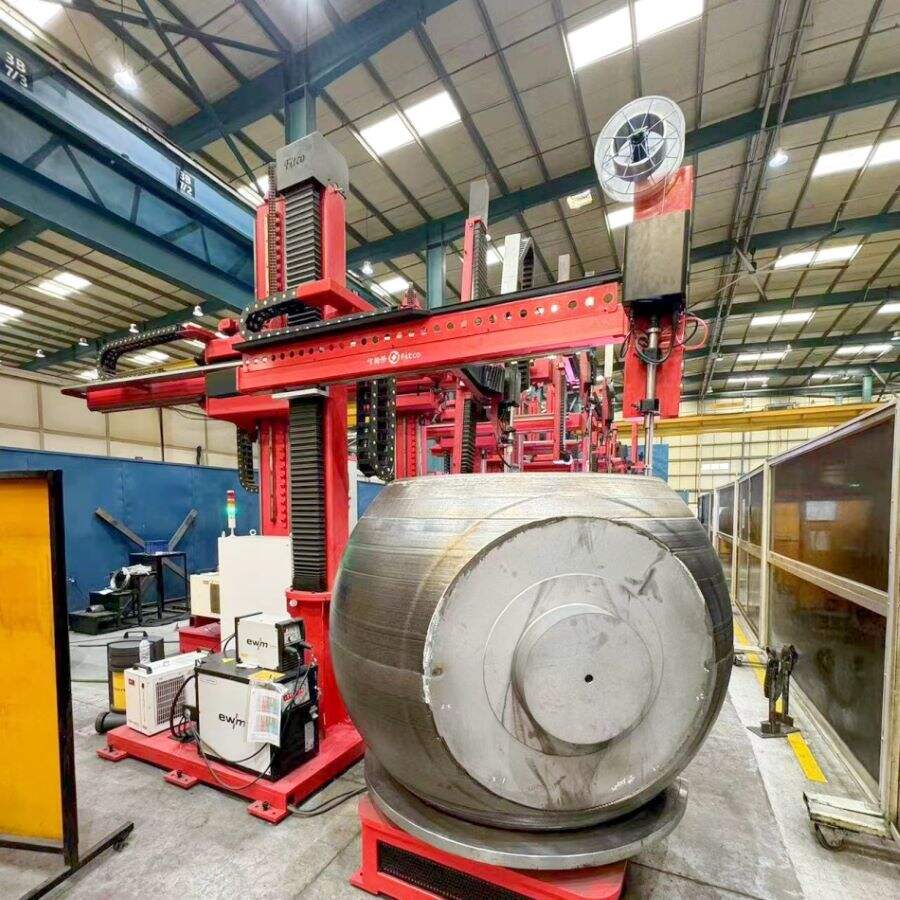
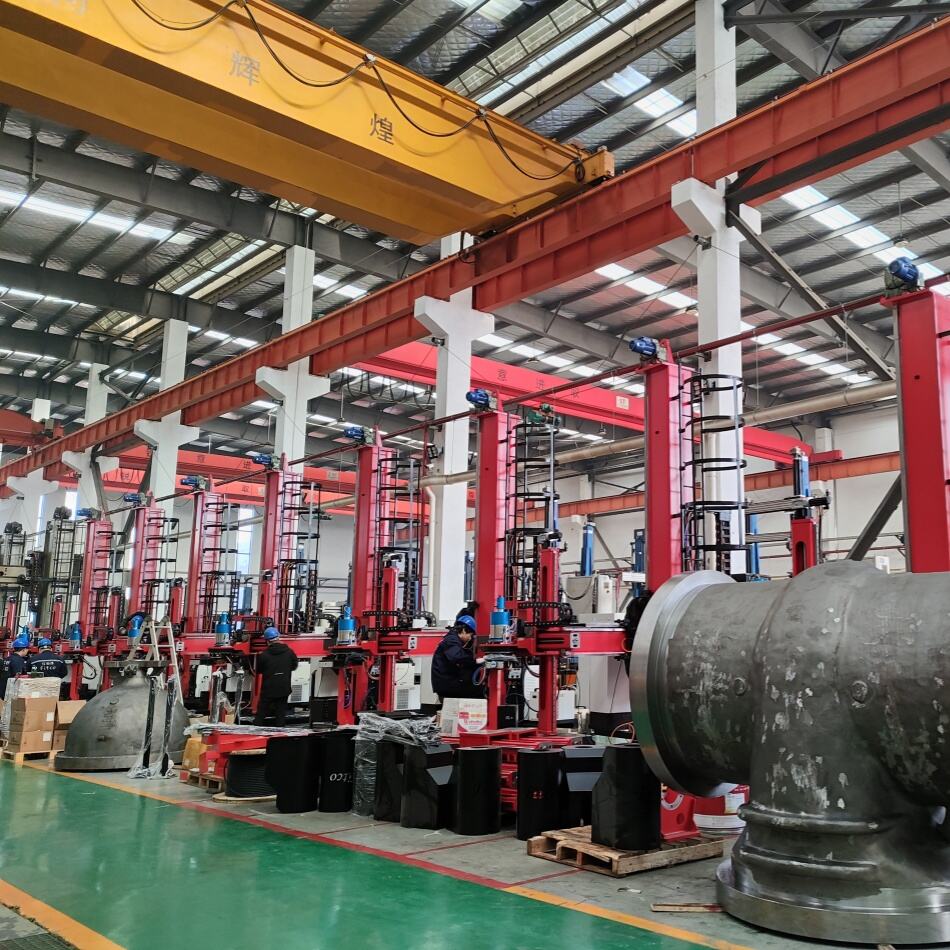
A mig welding station represents a comprehensive welding solution that combines power, precision, and versatility for both professional and industrial applications. The Metal Inert Gas (MIG) welding process, also known as Gas Metal Arc Welding (GMAW), utilizes a continuously fed wire electrode and protective gas to create strong, clean welds across various metal types. Modern mig welding stations integrate advanced digital controls, sophisticated power management systems, and user-friendly interfaces to deliver consistent results. These stations typically feature adjustable voltage and wire feed speed controls, allowing welders to customize parameters for different materials and thicknesses. The technological backbone includes inverter-based power sources that provide stable arc characteristics while maintaining energy efficiency. Advanced mig welding stations incorporate synergic control systems that automatically adjust welding parameters based on material type and thickness selections, significantly reducing setup time and improving weld quality. The stations commonly support multiple welding modes including standard MIG, pulse MIG, and flux-cored welding, expanding their versatility across different project requirements. Built-in cooling systems protect critical components during extended welding sessions, while digital displays provide real-time monitoring of welding parameters. Many stations feature memory functions that store frequently used settings, enabling quick transitions between different welding tasks. The robust construction typically includes heavy-duty transformers, precision-engineered wire feed mechanisms, and durable control circuits designed for demanding industrial environments. Safety features such as thermal overload protection, voltage fluctuation compensation, and automatic shutdown mechanisms ensure operator protection and equipment longevity. Professional mig welding stations often include remote control capabilities, allowing operators to adjust parameters without interrupting their welding position. These comprehensive systems find applications in automotive manufacturing, structural steel fabrication, shipbuilding, pipeline construction, and general metalworking shops where consistent, high-quality welds are essential for project success.

 EN
EN
 AR
AR BG
BG HR
HR CS
CS DA
DA NL
NL FI
FI FR
FR DE
DE EL
EL HI
HI IT
IT JA
JA KO
KO NO
NO PL
PL PT
PT RO
RO RU
RU ES
ES SV
SV TL
TL IW
IW ID
ID LT
LT UK
UK SQ
SQ HU
HU TH
TH TR
TR FA
FA AF
AF CY
CY MK
MK LA
LA MN
MN KK
KK UZ
UZ KY
KY