
 EN
EN
 AR
AR BG
BG HR
HR CS
CS DA
DA NL
NL FI
FI FR
FR DE
DE EL
EL HI
HI IT
IT JA
JA KO
KO NO
NO PL
PL PT
PT RO
RO RU
RU ES
ES SV
SV TL
TL IW
IW ID
ID LT
LT UK
UK SQ
SQ HU
HU TH
TH TR
TR FA
FA AF
AF CY
CY MK
MK LA
LA MN
MN KK
KK UZ
UZ KY
KY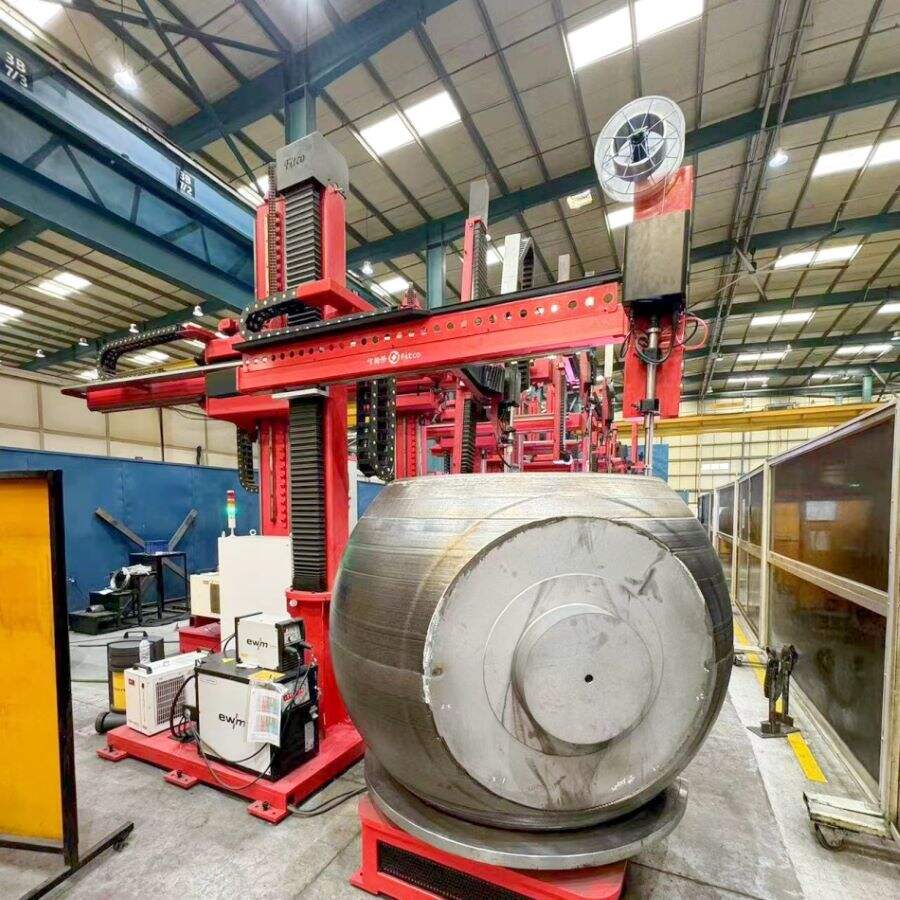
Manufacturing industries increasingly rely on advanced welding technologies to achieve superior joint quality and production efficiency. Among the various welding methods available, longitudinal TIG equipment has emerged as a critical solution for applications requiring precise, high-quality welds along extended seam lines. This specialized welding technology offers exceptional control over heat input, penetration depth, and weld bead formation, making it indispensable for industries ranging from aerospace to petrochemical processing.
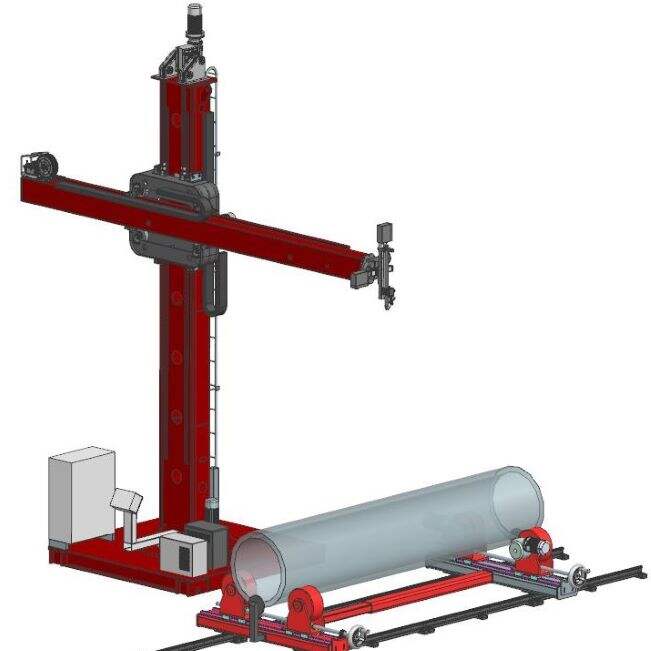
The material compatibility of longitudinal TIG equipment directly impacts weld quality, productivity, and overall project success. Understanding which materials perform optimally with this welding technology enables engineers and fabricators to make informed decisions that enhance both operational efficiency and final product integrity. Different materials respond uniquely to the controlled arc characteristics and heat distribution patterns inherent in longitudinal TIG welding processes.
Understanding Longitudinal TIG Welding Technology
Fundamental Operating Principles
Longitudinal TIG equipment operates on the principle of creating a stable electric arc between a non-consumable tungsten electrode and the workpiece material. The longitudinal configuration allows for continuous welding along extended seam lengths, typically found in pipe manufacturing, pressure vessel fabrication, and structural steel applications. This technology maintains consistent arc length and travel speed, resulting in uniform heat input distribution across the entire weld zone.
The equipment incorporates sophisticated control systems that regulate current output, travel speed, and shielding gas flow rates. These parameters work synergistically to create optimal welding conditions for specific material types and thicknesses. Advanced longitudinal TIG equipment features programmable welding sequences that can adapt to varying material properties along the weld path, ensuring consistent penetration and fusion characteristics throughout the entire joint.
Key Technical Advantages
The primary advantage of longitudinal TIG equipment lies in its ability to produce high-quality welds with minimal distortion and excellent metallurgical properties. The controlled heat input prevents excessive grain growth in heat-affected zones, maintaining the base material's mechanical properties. This characteristic proves particularly valuable when welding materials sensitive to thermal cycling, such as duplex stainless steels and precipitation-hardened alloys.
Another significant benefit involves the equipment's capability to weld dissimilar materials effectively. The precise control over arc characteristics enables successful joining of materials with different melting points, thermal expansion coefficients, and metallurgical structures. This versatility makes longitudinal TIG equipment essential for complex fabrication projects requiring multiple material combinations within single assemblies.
Optimal Material Categories for Longitudinal TIG Applications
Stainless Steel Alloys
Stainless steel alloys demonstrate exceptional compatibility with longitudinal TIG equipment due to their favorable thermal and electrical properties. Austenitic stainless steels, including grades 304, 316, and 321, respond particularly well to the controlled heat input characteristics of this welding technology. The stable arc formation achievable with longitudinal TIG equipment prevents carbide precipitation and maintains the corrosion-resistant properties essential in these alloys.
Duplex and super duplex stainless steels benefit significantly from the precise heat control offered by longitudinal TIG equipment. These materials require careful thermal management to maintain their balanced austenite-ferrite microstructure, which provides superior strength and corrosion resistance. The equipment's ability to maintain consistent interpass temperatures and cooling rates ensures optimal mechanical properties in the finished weld joint.
Precipitation-hardened stainless steels, such as 17-4 PH and 15-5 PH, also perform excellently with longitudinal TIG equipment. The controlled welding parameters prevent overaging of the precipitates while maintaining adequate fusion and penetration. This capability proves crucial in aerospace and high-performance industrial applications where maintaining material strength is paramount.
Carbon and Low-Alloy Steels
Carbon steels ranging from mild steel to medium-carbon grades weld effectively with longitudinal TIG equipment when proper procedures are followed. The technology's precise heat control minimizes the formation of brittle microstructures in the heat-affected zone, reducing the risk of hydrogen-induced cracking. Low-carbon steels below 0.25% carbon content demonstrate particularly good weldability with minimal preheating requirements.
Low-alloy steels containing chromium, molybdenum, and nickel additions respond favorably to longitudinal TIG welding processes. The controlled cooling rates achievable with this equipment help maintain the desired microstructure and mechanical properties. High-strength low-alloy steels used in structural applications benefit from the reduced heat input, which minimizes strength degradation in the heat-affected zone.
Advanced Alloy Systems and Specialized Materials
Nickel-Based Superalloys
Nickel-based superalloys present unique welding challenges due to their high-temperature strength and complex metallurgy. Longitudinal TIG equipment proves exceptionally well-suited for these materials because of its ability to maintain precise heat control and minimize hot cracking susceptibility. Alloys such as Inconel 625, Hastelloy C-276, and Monel 400 demonstrate excellent weldability when processed with properly configured longitudinal TIG equipment.
The controlled heat input characteristics prevent excessive grain growth and maintain the fine-grained microstructure essential for high-temperature performance. Advanced longitudinal TIG equipment incorporates pulsing capabilities that further enhance weld quality by controlling solidification patterns and reducing segregation tendencies common in nickel-based alloys.
Aluminum and Aluminum Alloys
Aluminum alloys require specialized welding techniques due to their high thermal conductivity and oxide formation tendencies. Longitudinal TIG equipment equipped with appropriate power sources and control systems can successfully weld various aluminum grades, including 6061, 5083, and 2219 alloys. The technology's ability to maintain stable arc conditions in alternating current mode effectively manages the aluminum oxide layer while providing adequate heat input for fusion.
The precise control over welding parameters available with longitudinal TIG equipment minimizes porosity formation and ensures consistent penetration in aluminum applications. This capability proves particularly valuable in aerospace and marine applications where weld quality directly impacts structural integrity and service life.
Material-Specific Welding Parameters and Considerations
Heat Input Management Strategies
Different materials require specific heat input management strategies when welded with longitudinal TIG equipment. Austenitic stainless steels benefit from moderate heat inputs that prevent excessive carbide precipitation while ensuring adequate penetration. The equipment's programmable controls allow for precise adjustment of current levels, travel speeds, and pulse parameters to achieve optimal results for each material type.
Carbon steels typically require higher heat inputs to ensure complete fusion and penetration, while maintaining controlled cooling rates to prevent hardening. Longitudinal TIG equipment can accommodate these requirements through advanced current control systems and integrated cooling management features.
Shielding Gas Selection and Flow Control
Proper shielding gas selection significantly influences weld quality and material compatibility with longitudinal TIG equipment. Argon-based mixtures provide excellent results for most stainless steel applications, while helium additions enhance penetration in thicker sections. Carbon steel applications may benefit from argon-hydrogen mixtures that improve arc stability and reduce oxidation.
The flow control systems in modern longitudinal TIG equipment ensure consistent gas coverage throughout the welding process. This consistency proves critical when welding reactive materials such as titanium or zirconium alloys, which require complete atmospheric protection to prevent contamination and maintain mechanical properties.
Performance Optimization for Different Material Combinations
Dissimilar Material Joining
Longitudinal TIG equipment excels at joining dissimilar materials due to its precise control capabilities. Common combinations include stainless steel to carbon steel, nickel alloys to stainless steel, and aluminum to steel with appropriate transition metals. The equipment's ability to modulate heat input allows for compensation of different thermal properties between materials.
Successful dissimilar material welding requires careful consideration of filler metal selection, joint design, and welding sequence. Longitudinal TIG equipment supports these requirements through programmable welding schedules that can vary parameters along the weld path to accommodate material property transitions.
Thickness Variation Accommodation
Materials with varying thicknesses along the weld path benefit from the adaptive capabilities of longitudinal TIG equipment. The technology can automatically adjust welding parameters to maintain consistent penetration and fusion characteristics regardless of thickness changes. This capability proves particularly valuable in pipe-to-header connections and structural applications with complex geometries.
The equipment's sensing systems monitor arc conditions and automatically compensate for thickness variations, ensuring uniform weld quality throughout the entire joint. This automation reduces operator skill requirements while maintaining high-quality results across diverse material configurations.
Quality Control and Material Verification
Real-Time Monitoring Systems
Modern longitudinal TIG equipment incorporates advanced monitoring systems that track weld quality parameters in real-time. These systems verify material compatibility by monitoring arc voltage, current stability, and travel speed consistency. Deviation from established parameters triggers automatic adjustments or operator alerts, ensuring optimal material processing throughout the welding operation.
The monitoring capabilities extend to heat input tracking, which proves critical for materials sensitive to thermal cycling. The equipment maintains detailed records of welding parameters for each material type, enabling process optimization and quality assurance documentation required in critical applications.
Post-Weld Material Properties
Materials welded with longitudinal TIG equipment typically exhibit excellent mechanical properties due to the controlled heat input and cooling characteristics. The technology's ability to minimize heat-affected zone width preserves base material properties while ensuring adequate joint strength. This performance characteristic makes the equipment suitable for applications requiring high reliability and long service life.
Metallurgical examination of welds produced with longitudinal TIG equipment reveals fine-grained microstructures with minimal segregation and porosity. These characteristics contribute to superior fatigue resistance and corrosion performance, particularly important in critical industrial applications.
FAQ
What makes longitudinal TIG equipment particularly suitable for stainless steel welding
Longitudinal TIG equipment provides precise heat control that prevents carbide precipitation in stainless steels while maintaining their corrosion-resistant properties. The controlled cooling rates achievable with this technology preserve the metallurgical structure essential for stainless steel performance, making it ideal for critical applications in chemical processing and food service industries.
Can longitudinal TIG equipment effectively weld aluminum materials
Yes, longitudinal TIG equipment equipped with alternating current capabilities can successfully weld aluminum alloys. The technology's stable arc characteristics effectively manage aluminum oxide formation while providing consistent heat input for proper fusion. Proper shielding gas selection and parameter optimization ensure high-quality aluminum welds suitable for aerospace and marine applications.
How does material thickness affect longitudinal TIG equipment performance
Longitudinal TIG equipment adapts automatically to thickness variations through advanced control systems that adjust welding parameters in real-time. The equipment maintains consistent penetration and fusion characteristics regardless of thickness changes, ensuring uniform weld quality throughout complex joint configurations with varying material dimensions.
What safety considerations apply when using longitudinal TIG equipment with different materials
Safety considerations vary by material type, with reactive metals requiring enhanced ventilation and specialized shielding gases. The equipment's enclosed welding environment and controlled atmosphere capabilities minimize exposure to hazardous fumes while ensuring operator safety. Proper training on material-specific hazards and equipment operation protocols ensures safe and effective welding operations across all compatible materials.
Table of Contents
- Understanding Longitudinal TIG Welding Technology
- Optimal Material Categories for Longitudinal TIG Applications
- Advanced Alloy Systems and Specialized Materials
- Material-Specific Welding Parameters and Considerations
- Performance Optimization for Different Material Combinations
- Quality Control and Material Verification
-
FAQ
- What makes longitudinal TIG equipment particularly suitable for stainless steel welding
- Can longitudinal TIG equipment effectively weld aluminum materials
- How does material thickness affect longitudinal TIG equipment performance
- What safety considerations apply when using longitudinal TIG equipment with different materials