
 EN
EN
 AR
AR BG
BG HR
HR CS
CS DA
DA NL
NL FI
FI FR
FR DE
DE EL
EL HI
HI IT
IT JA
JA KO
KO NO
NO PL
PL PT
PT RO
RO RU
RU ES
ES SV
SV TL
TL IW
IW ID
ID LT
LT UK
UK SQ
SQ HU
HU TH
TH TR
TR FA
FA AF
AF CY
CY MK
MK LA
LA MN
MN KK
KK UZ
UZ KY
KY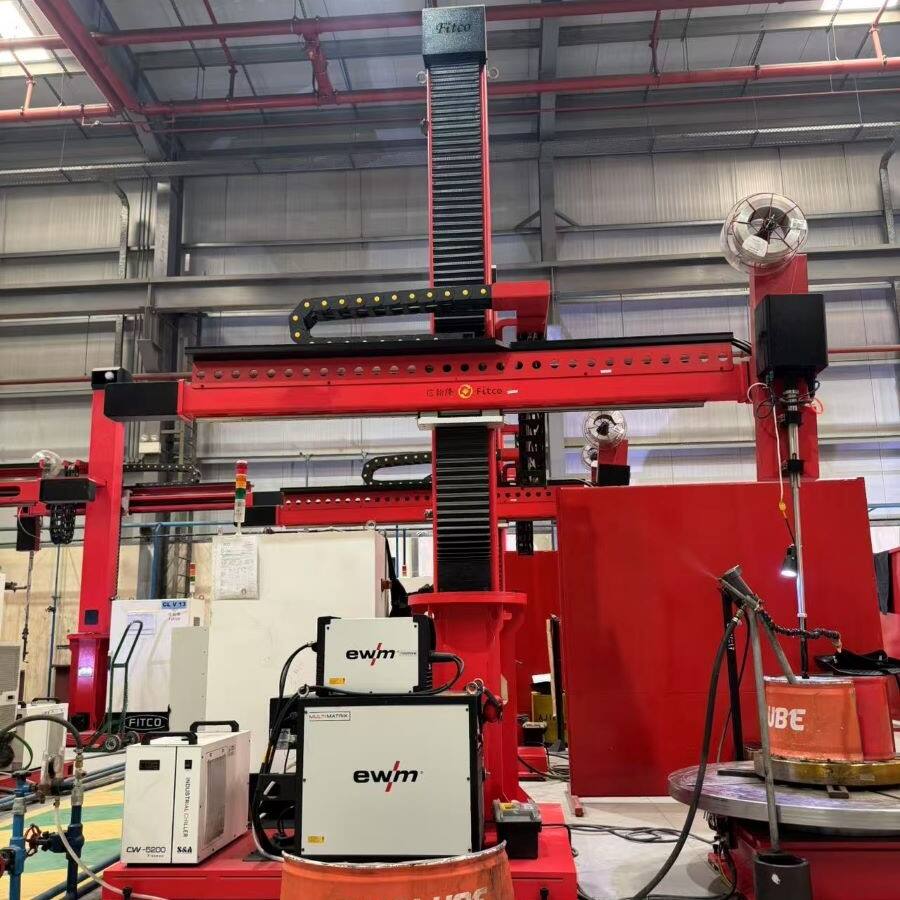
The pressure vessel manufacturing industry has witnessed a significant shift toward advanced welding technologies, with circumferential TIG systems emerging as the preferred solution for critical applications. These sophisticated welding systems deliver unparalleled precision and consistency when joining cylindrical components, making them indispensable for manufacturers who demand the highest quality standards. As pressure vessel requirements become increasingly stringent, traditional welding methods often fall short of meeting the exacting specifications required for safe and reliable operation.
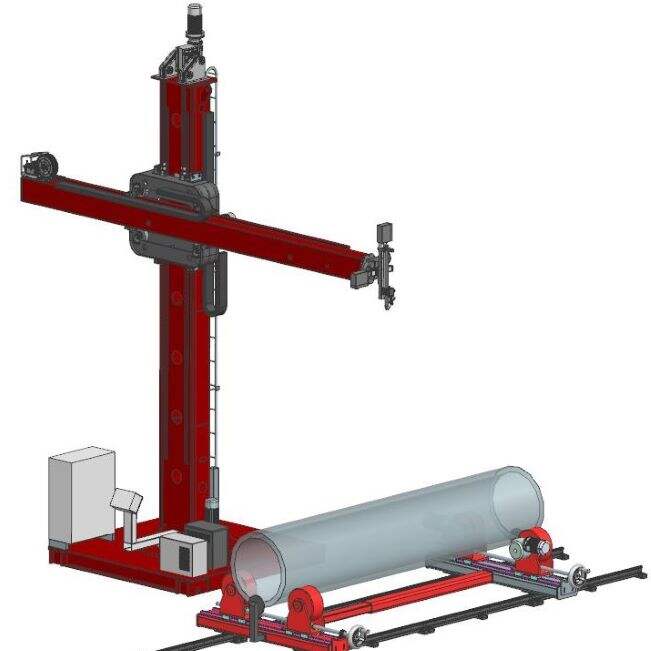
Modern pressure vessel plants recognize that the integrity of circumferential welds directly impacts the overall performance and safety of their products. The adoption of circumferential TIG systems represents a strategic investment in manufacturing excellence, enabling facilities to achieve superior weld quality while maintaining competitive production rates. These systems have revolutionized how manufacturers approach cylindrical welding challenges, providing automated solutions that eliminate human variability and ensure consistent results across every production run.
Understanding Circumferential TIG Welding Technology
Core Components and Functionality
Circumferential TIG systems incorporate advanced torch positioning mechanisms that rotate around cylindrical workpieces, maintaining optimal welding parameters throughout the entire circumference. The precision engineering behind these systems ensures consistent arc length, travel speed, and heat input, resulting in uniform penetration and exceptional weld quality. Unlike manual welding processes, these automated systems eliminate the inconsistencies associated with operator fatigue and skill variations, delivering repeatable results that meet the most demanding specifications.
The sophisticated control systems integrated into modern circumferential TIG systems allow operators to program complex welding sequences, adjust parameters in real-time, and monitor critical variables throughout the welding process. Advanced sensors continuously track torch position, arc voltage, and amperage, providing immediate feedback to maintain optimal welding conditions. This level of control ensures that each weld meets the stringent quality requirements essential for pressure vessel applications, where structural integrity cannot be compromised.
Automation and Process Control
The automation capabilities of circumferential TIG systems extend far beyond simple torch movement, incorporating intelligent programming features that optimize welding parameters based on material thickness, joint configuration, and specified quality requirements. These systems can automatically adjust welding speed, current, and gas flow rates to accommodate variations in workpiece geometry or material properties. The result is a highly controlled welding process that consistently produces high-quality joints while minimizing the need for manual intervention.
Process control features in modern circumferential TIG systems include adaptive welding algorithms that respond to real-time feedback from monitoring sensors. These systems can detect and compensate for variations in joint fit-up, material thickness, or thermal conditions that might otherwise compromise weld quality. The integration of these advanced control features ensures that pressure vessel manufacturers can maintain consistent production quality while reducing the dependency on highly skilled welding operators.
Advantages in Pressure Vessel Manufacturing
Enhanced Weld Quality and Consistency
The implementation of circumferential TIG systems in pressure vessel manufacturing delivers significant improvements in weld quality and consistency compared to traditional welding methods. These systems maintain precise control over critical welding variables, resulting in uniform penetration profiles and minimal distortion throughout the circumferential joint. The consistent heat input and controlled cooling rates achieved with these systems contribute to superior metallurgical properties and enhanced fatigue resistance in the finished welds.
Quality consistency becomes particularly important when manufacturing pressure vessels that must withstand extreme operating conditions or cyclic loading scenarios. Circumferential TIG systems eliminate the variations typically associated with manual welding processes, ensuring that every weld meets the same high standards regardless of production volume or operator changes. This consistency translates directly into improved product reliability and reduced warranty claims for pressure vessel manufacturers.
Increased Production Efficiency
Modern pressure vessel plants utilizing circumferential TIG systems report significant improvements in production efficiency compared to manual welding operations. The automated nature of these systems allows for continuous operation with minimal downtime, while the precise control capabilities reduce the need for rework or repair operations. The ability to program complex welding sequences and store proven parameters for different vessel configurations streamlines the production process and reduces setup times between jobs.
The efficiency gains achieved with circumferential TIG systems extend beyond simple welding speed improvements to encompass the entire manufacturing workflow. Reduced inspection requirements, lower defect rates, and improved first-pass success rates all contribute to enhanced overall productivity. These systems enable pressure vessel manufacturers to meet demanding delivery schedules while maintaining the quality standards required for critical applications in industries such as petrochemical processing, power generation, and aerospace.
Technical Specifications and Capabilities
Welding Parameter Control
The advanced parameter control capabilities of circumferential TIG systems enable precise management of current, voltage, travel speed, and shielding gas flow throughout the welding process. These systems can accommodate a wide range of material thicknesses and joint configurations, automatically adjusting welding parameters to optimize penetration and minimize distortion. The ability to program multi-pass welding sequences with varying parameters for root, fill, and cap passes ensures optimal metallurgical properties in heavy-wall pressure vessel applications.
Temperature monitoring and control features in modern circumferential TIG systems help maintain optimal interpass temperatures, preventing the formation of undesirable microstructures that could compromise mechanical properties. The integration of thermal imaging sensors and predictive algorithms allows these systems to adjust welding parameters in real-time to maintain consistent heat input and cooling rates. This level of thermal control is essential for pressure vessel applications where post-weld heat treatment requirements must be minimized or eliminated.
Material Compatibility and Versatility
Contemporary circumferential TIG systems demonstrate exceptional versatility in handling diverse materials commonly used in pressure vessel construction, including carbon steels, stainless steels, duplex alloys, and exotic materials such as Inconel and Hastelloy. The precise control capabilities of these systems make them particularly well-suited for welding dissimilar materials or thin-wall applications where heat input must be carefully controlled. Advanced gas mixing systems enable optimal shielding gas compositions for specific material combinations, ensuring proper weld chemistry and mechanical properties.
The adaptability of circumferential TIG systems to various joint designs and access configurations makes them valuable tools for complex pressure vessel geometries. These systems can accommodate different groove preparations, including V-grooves, U-grooves, and compound joint configurations commonly encountered in pressure vessel nozzle attachments and shell-to-head transitions. The flexibility to adjust torch angles and positioning parameters ensures optimal access and weld quality even in challenging geometric configurations.
Implementation Considerations for Pressure Vessel Plants
Integration with Existing Production Systems
Successful implementation of circumferential TIG systems in pressure vessel manufacturing facilities requires careful consideration of integration with existing production equipment and workflows. Modern systems offer flexible interfaces that can communicate with plant-wide manufacturing execution systems, enabling seamless data exchange and production tracking. The ability to integrate with existing material handling equipment and positioning systems minimizes disruption to established production processes while maximizing the benefits of automated welding technology.
The modular design of contemporary circumferential TIG systems allows for phased implementation approaches that minimize capital investment while demonstrating return on investment through initial applications. Many manufacturers begin with pilot installations on specific product lines before expanding to full-scale implementation across their entire production facility. This approach enables gradual operator training and process optimization while building confidence in the technology and its benefits.
Training and Skill Development
The transition to circumferential TIG systems requires comprehensive training programs that address both technical operation and maintenance requirements. While these systems reduce the dependency on highly skilled manual welders, they create new requirements for technicians who understand automated welding processes, programming, and system maintenance. Successful implementation programs typically include hands-on training, theoretical instruction, and ongoing support to ensure operators can maximize system capabilities and troubleshoot common issues.
Maintenance training becomes particularly important for circumferential TIG systems due to their sophisticated mechanical and electronic components. Proper maintenance procedures ensure consistent system performance and minimize unexpected downtime that could impact production schedules. Many system suppliers offer comprehensive training packages that include both initial operator instruction and ongoing technical support to help facilities maintain optimal system performance throughout the equipment lifecycle.
Quality Assurance and Documentation Benefits
Automated Data Collection and Traceability
Modern circumferential TIG systems incorporate comprehensive data logging capabilities that automatically record critical welding parameters, environmental conditions, and quality metrics for each weld produced. This automated documentation eliminates the potential for human error in record-keeping while providing detailed traceability information required for pressure vessel certification and quality management systems. The digital storage and retrieval capabilities enable rapid access to historical welding data for quality investigations or customer inquiries.
The integration of automated quality monitoring systems with circumferential TIG systems enables real-time detection of welding anomalies and automatic documentation of corrective actions. Advanced systems can generate quality reports that include statistical process control charts, trend analysis, and compliance verification against applicable welding standards. This comprehensive documentation capability supports regulatory compliance requirements while providing valuable data for continuous process improvement initiatives.
Inspection and Testing Integration
The consistent weld quality achieved with circumferential TIG systems often enables reduced inspection requirements compared to manual welding processes, while the automated parameter control provides confidence in meeting specified quality standards. Integration with non-destructive testing equipment allows for automated inspection sequences that complement the welding process, providing immediate feedback on weld quality and integrity. This integration streamlines the overall manufacturing process while ensuring comprehensive quality verification.
Advanced circumferential TIG systems can interface with ultrasonic testing equipment, radiographic systems, and other inspection technologies to provide comprehensive quality documentation for each pressure vessel produced. The ability to correlate welding parameters with inspection results enables continuous process optimization and helps identify opportunities for further quality improvements. This integrated approach to welding and inspection supports the stringent quality requirements essential for pressure vessel applications in critical service environments.
Cost-Benefit Analysis and Return on Investment
Direct Cost Savings
The implementation of circumferential TIG systems in pressure vessel manufacturing typically generates significant direct cost savings through reduced labor requirements, improved material utilization, and decreased rework rates. The automated operation of these systems reduces the dependency on highly skilled welding operators, who are often in short supply and command premium wages in the current market. The consistent quality achieved with automated systems minimizes costly rework operations and reduces material waste associated with defective welds.
Energy efficiency improvements with circumferential TIG systems contribute to ongoing operational cost reductions through optimized arc efficiency and reduced heat input requirements. The precise control capabilities of these systems eliminate the overheating often associated with manual welding processes, resulting in lower energy consumption per unit of production. Additionally, the consistent welding parameters achieved with these systems often enable reduced post-weld heat treatment requirements, further reducing energy costs and production cycle times.
Indirect Benefits and Value Creation
Beyond direct cost savings, circumferential TIG systems provide significant indirect benefits that contribute to overall business value creation for pressure vessel manufacturers. Improved delivery reliability resulting from consistent production schedules enhances customer satisfaction and enables premium pricing for reliable delivery performance. The superior quality reputation associated with automated welding processes opens opportunities in high-value market segments where quality requirements exceed industry standards.
The enhanced documentation and traceability capabilities of circumferential TIG systems support certification for advanced quality management systems and specialized industry standards. This certification capability enables access to premium market segments in aerospace, nuclear, and other high-reliability applications where traditional welding processes may not meet acceptance criteria. The competitive advantages gained through advanced welding technology often justify premium pricing that significantly improves profit margins on pressure vessel products.
FAQ
What makes circumferential TIG systems superior to manual welding for pressure vessels?
Circumferential TIG systems provide superior consistency and quality compared to manual welding through precise automated control of all welding parameters. These systems eliminate human variability factors such as operator fatigue, skill variations, and inconsistent technique that can compromise weld quality in critical pressure vessel applications. The automated parameter control ensures uniform heat input, consistent penetration, and optimal metallurgical properties throughout the entire circumferential joint, resulting in welds that consistently meet or exceed the stringent requirements for pressure vessel service.
How do circumferential TIG systems handle different material thicknesses and compositions?
Modern circumferential TIG systems incorporate adaptive welding algorithms and programmable parameter sets that automatically adjust welding conditions based on material specifications and thickness requirements. These systems can store welding procedures for different material combinations and automatically optimize current, voltage, travel speed, and shielding gas composition for each specific application. The sophisticated control systems can even adjust parameters during welding to accommodate thickness variations or joint fit-up inconsistencies, ensuring consistent weld quality across diverse pressure vessel configurations.
What training is required for operators to use circumferential TIG systems effectively?
Effective operation of circumferential TIG systems requires comprehensive training that covers system programming, parameter optimization, maintenance procedures, and troubleshooting techniques. While these systems reduce the need for traditional welding skills, operators must understand automated welding processes, quality monitoring systems, and equipment maintenance requirements. Most system suppliers provide structured training programs that include both classroom instruction and hands-on experience, typically requiring 2-4 weeks for initial certification depending on the operator's technical background and the complexity of the specific system configuration.
How quickly can circumferential TIG systems provide return on investment for pressure vessel manufacturers?
The return on investment for circumferential TIG systems typically occurs within 18-36 months depending on production volume, labor costs, and quality requirements. Facilities with high production volumes or stringent quality requirements often achieve payback periods of less than two years through direct cost savings from reduced labor, improved productivity, and decreased rework rates. The ROI calculation should include indirect benefits such as improved delivery reliability, enhanced quality reputation, and access to premium market segments that often provide additional value beyond direct cost savings.
Table of Contents
- Understanding Circumferential TIG Welding Technology
- Advantages in Pressure Vessel Manufacturing
- Technical Specifications and Capabilities
- Implementation Considerations for Pressure Vessel Plants
- Quality Assurance and Documentation Benefits
- Cost-Benefit Analysis and Return on Investment
-
FAQ
- What makes circumferential TIG systems superior to manual welding for pressure vessels?
- How do circumferential TIG systems handle different material thicknesses and compositions?
- What training is required for operators to use circumferential TIG systems effectively?
- How quickly can circumferential TIG systems provide return on investment for pressure vessel manufacturers?