Exceptional Versatility and Customization Capabilities
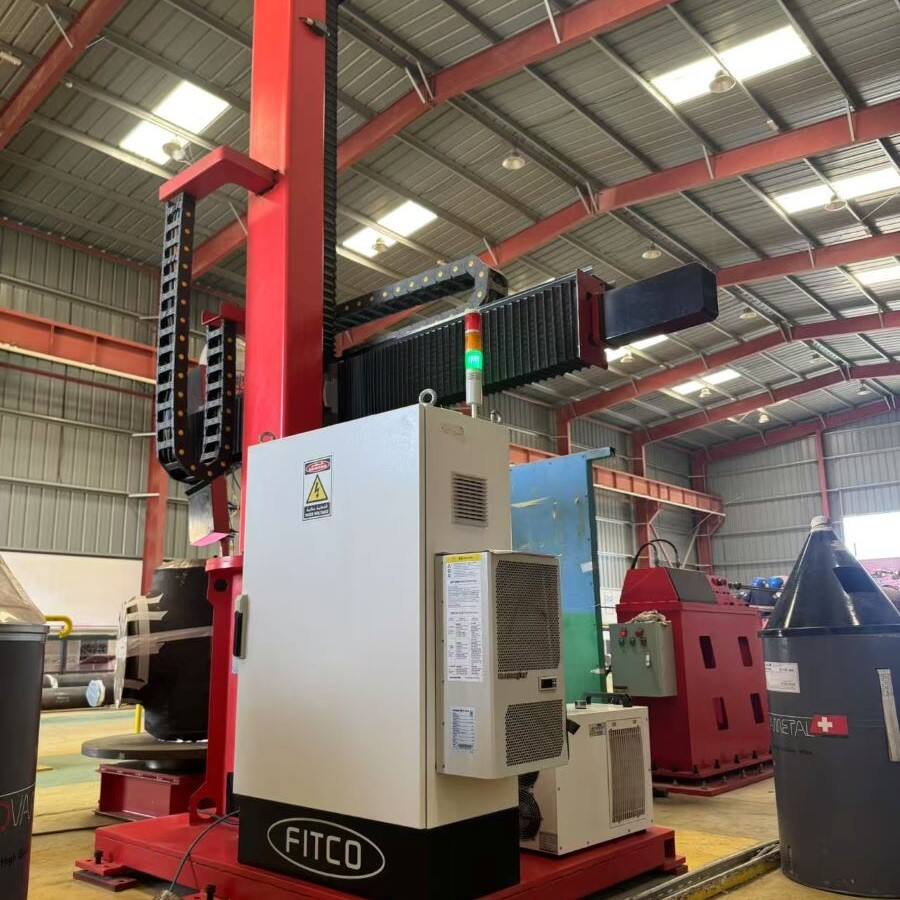
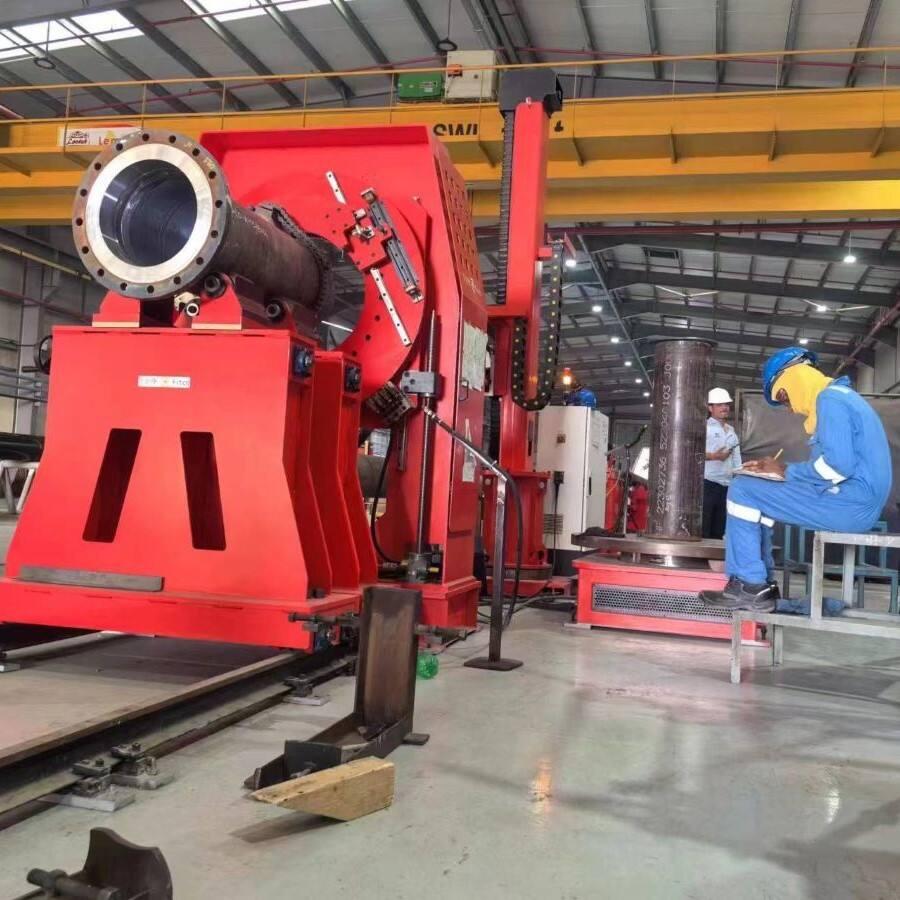
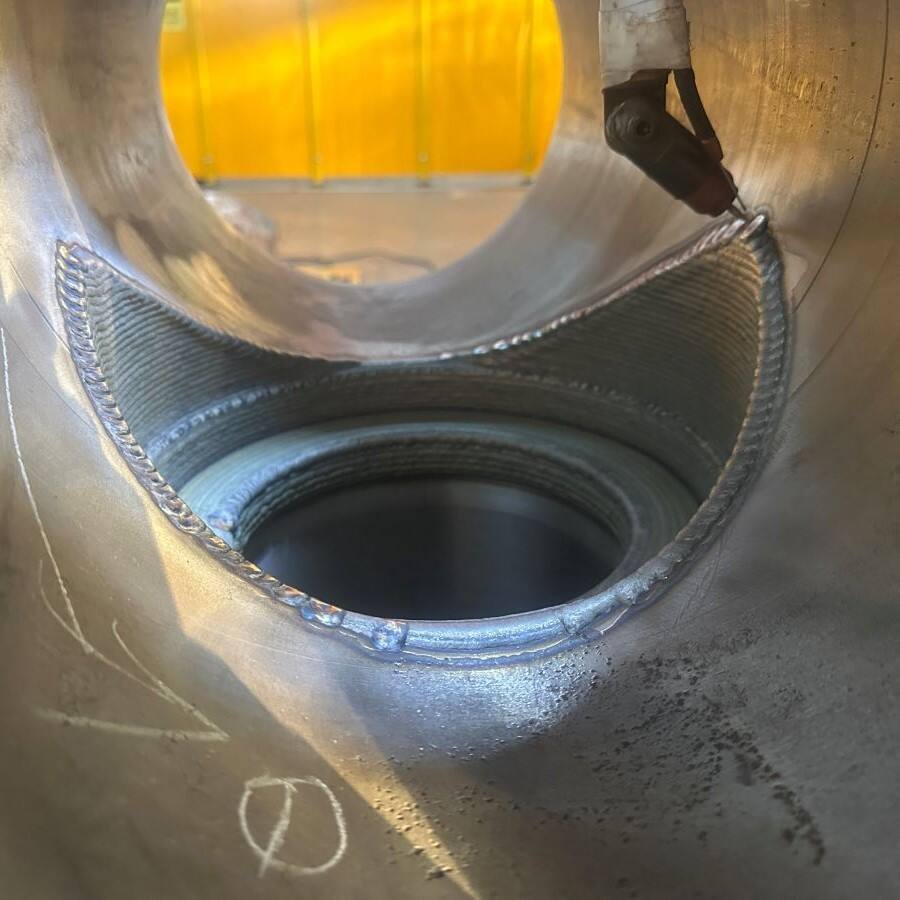
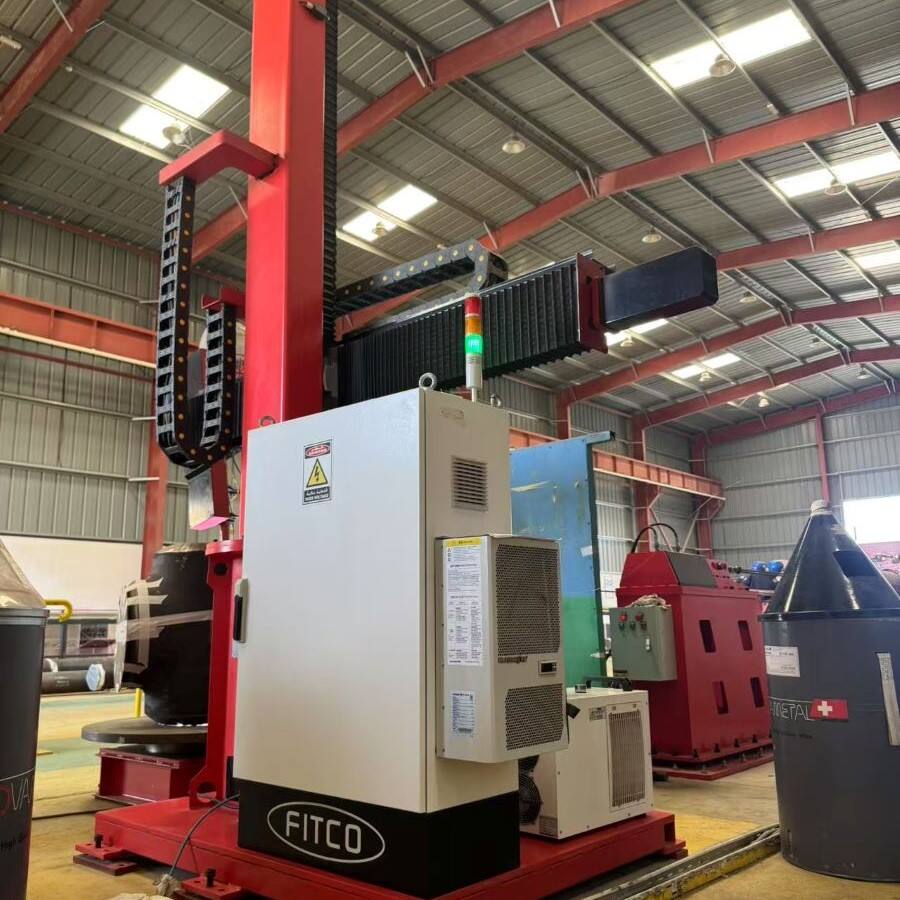
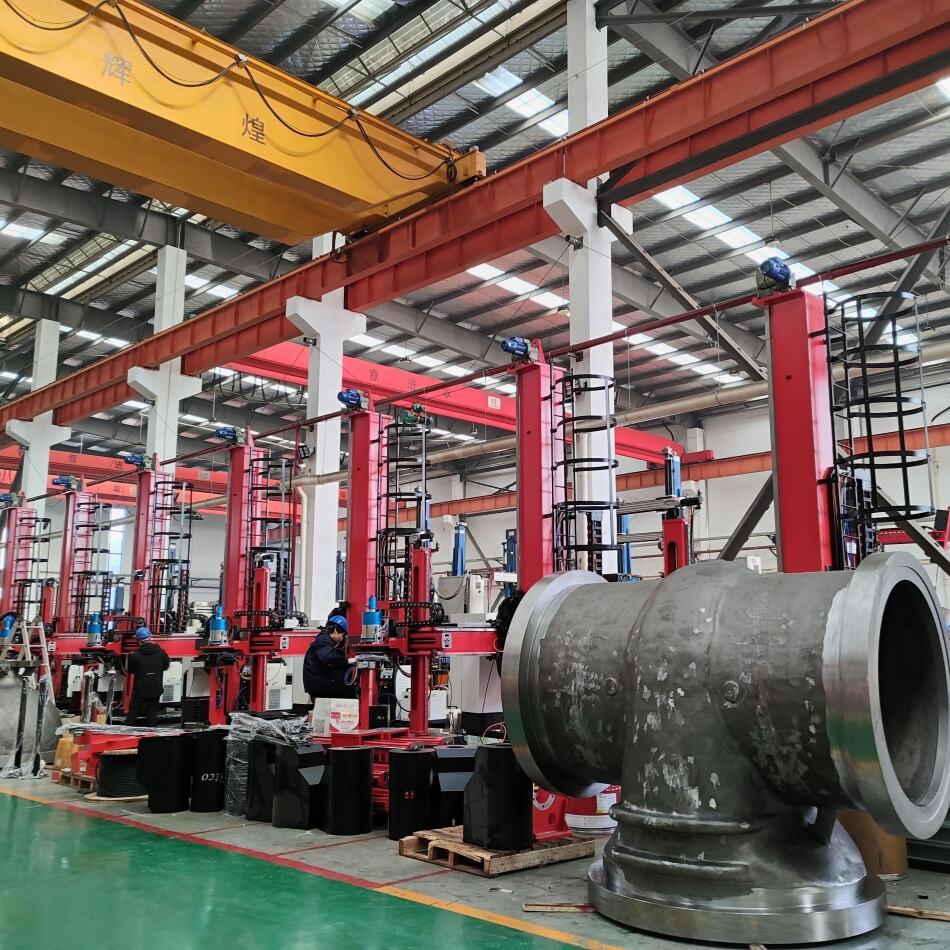
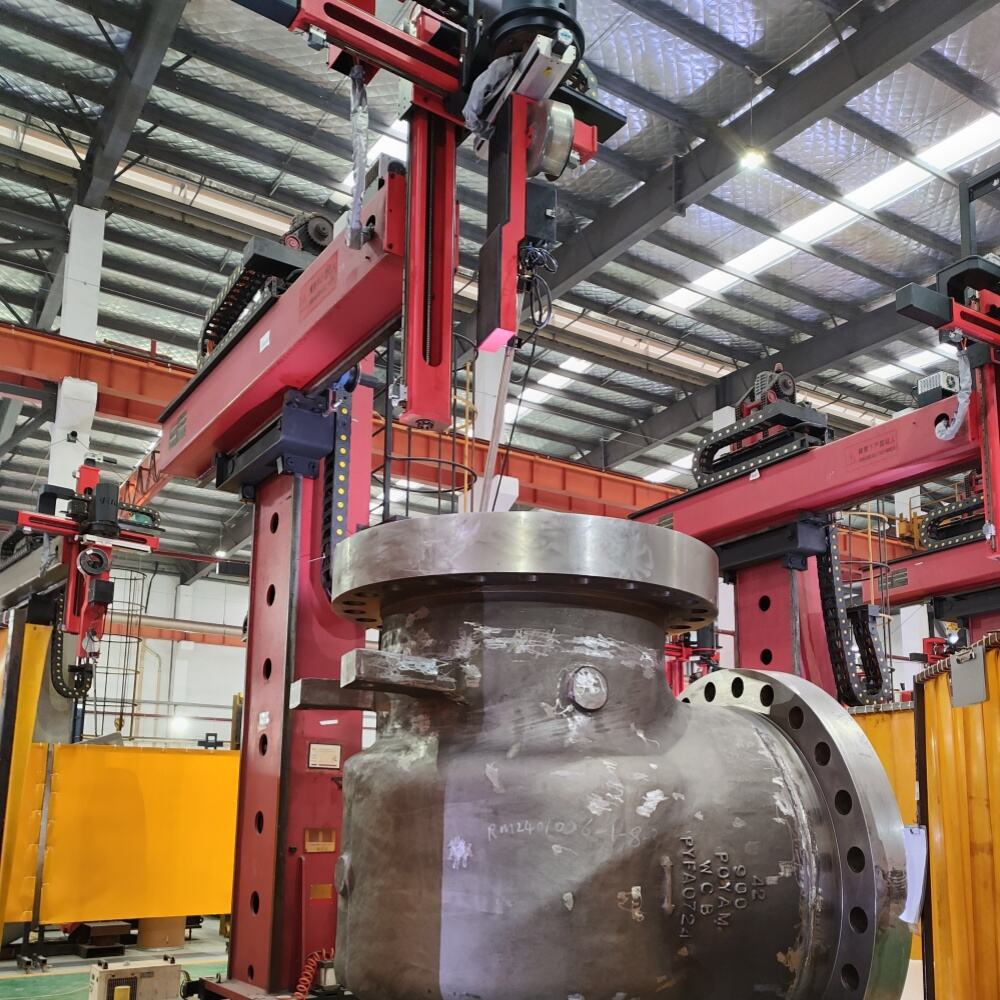
The remarkable adaptability of contemporary welding work stations enables manufacturers to address diverse production requirements through modular design principles and extensive customization options that accommodate everything from prototype development to high-volume manufacturing operations. The welding work station architecture supports multiple welding processes including gas metal arc welding, gas tungsten arc welding, shielded metal arc welding, and specialized techniques like friction stir welding, providing flexibility to handle various materials and joint configurations within a single platform. Modular fixture systems allow rapid reconfiguration between different part geometries through standardized clamping interfaces, quick-change tooling, and programmable positioning systems that minimize setup time while maintaining precision alignment. Material handling capabilities extend from lightweight components to heavy structural elements through scalable lifting systems, automated conveyors, and robotic integration that adapts to varying production volumes and part complexity. The customization options include specialized welding heads designed for specific applications, interchangeable torch systems optimized for different materials, and adaptive control algorithms that automatically adjust parameters based on joint preparation and material thickness variations. Workspace configurations accommodate both manual and automated operations through adjustable operator stations, removable safety barriers, and flexible material flow patterns that optimize efficiency while maintaining safety standards. Power supply options range from standard industrial connections to specialized high-frequency systems that support advanced welding techniques and exotic materials used in aerospace, medical device, and precision manufacturing applications. The welding work station software platforms provide extensive programming capabilities that allow custom welding sequences, material-specific parameter libraries, and integration protocols that connect seamlessly with existing manufacturing execution systems. Quality assurance customization includes specialized inspection equipment, documentation templates, and traceability systems tailored to specific industry requirements and customer specifications. Future expansion capabilities ensure long-term value through upgradeable components, additional station modules, and integration pathways that accommodate evolving production requirements without requiring complete system replacement. The versatility extends to portable configurations that support field operations, maintenance applications, and multi-location manufacturing scenarios where mobility and rapid deployment capabilities provide significant competitive advantages in project execution and customer service delivery.

 EN
EN
 AR
AR BG
BG HR
HR CS
CS DA
DA NL
NL FI
FI FR
FR DE
DE EL
EL HI
HI IT
IT JA
JA KO
KO NO
NO PL
PL PT
PT RO
RO RU
RU ES
ES SV
SV TL
TL IW
IW ID
ID LT
LT UK
UK SQ
SQ HU
HU TH
TH TR
TR FA
FA AF
AF CY
CY MK
MK LA
LA MN
MN KK
KK UZ
UZ KY
KY