Professional Welding Workstation Solutions - Advanced Industrial Welding Equipment

Contact me immediately if you encounter problems!

All Categories

Get a Free Quote

Our representative will contact you soon.
Email
Mobile/WhatsApp
Name
Company Name
Message
0/1000

Get a Free Quote

Our representative will contact you soon.
Email
Mobile/WhatsApp
Name
Company Name
Message
0/1000

welding workstation

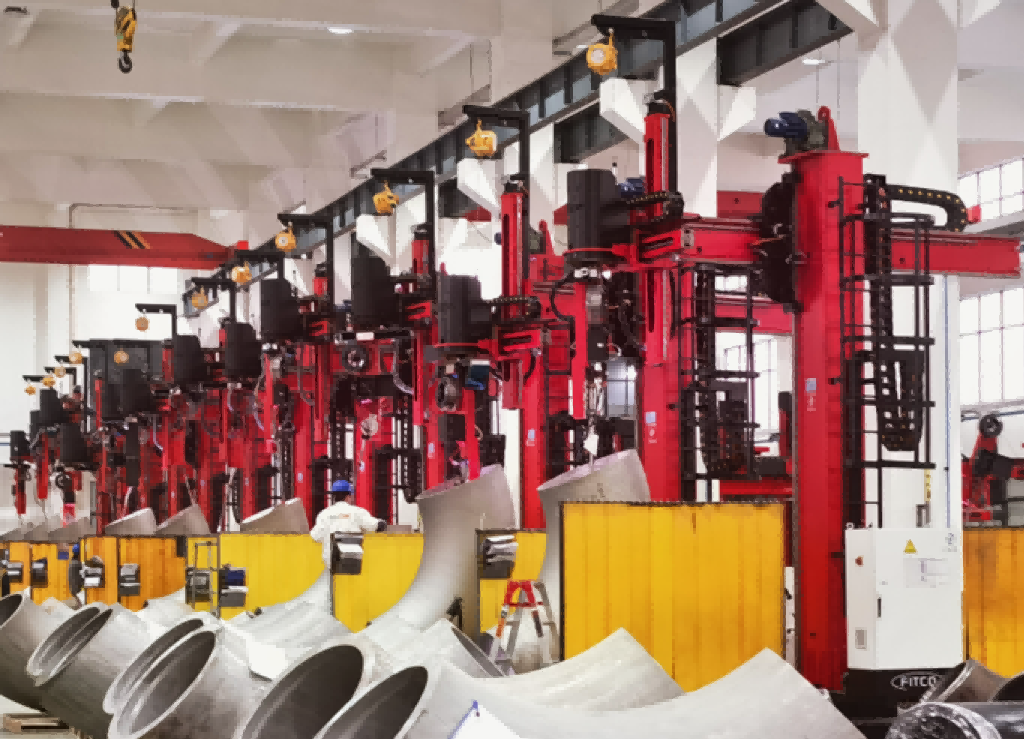
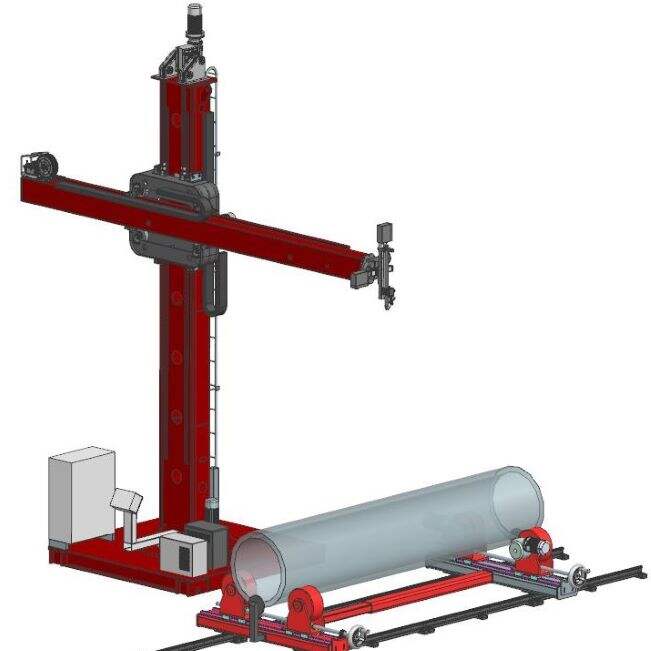
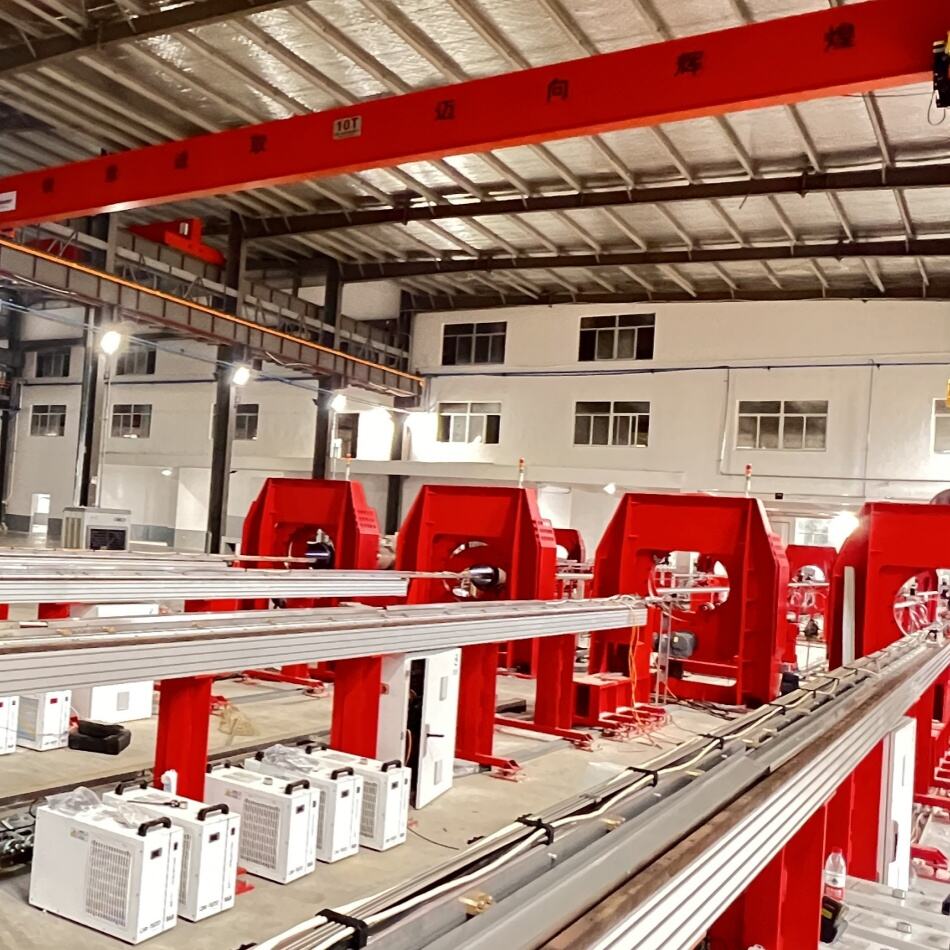
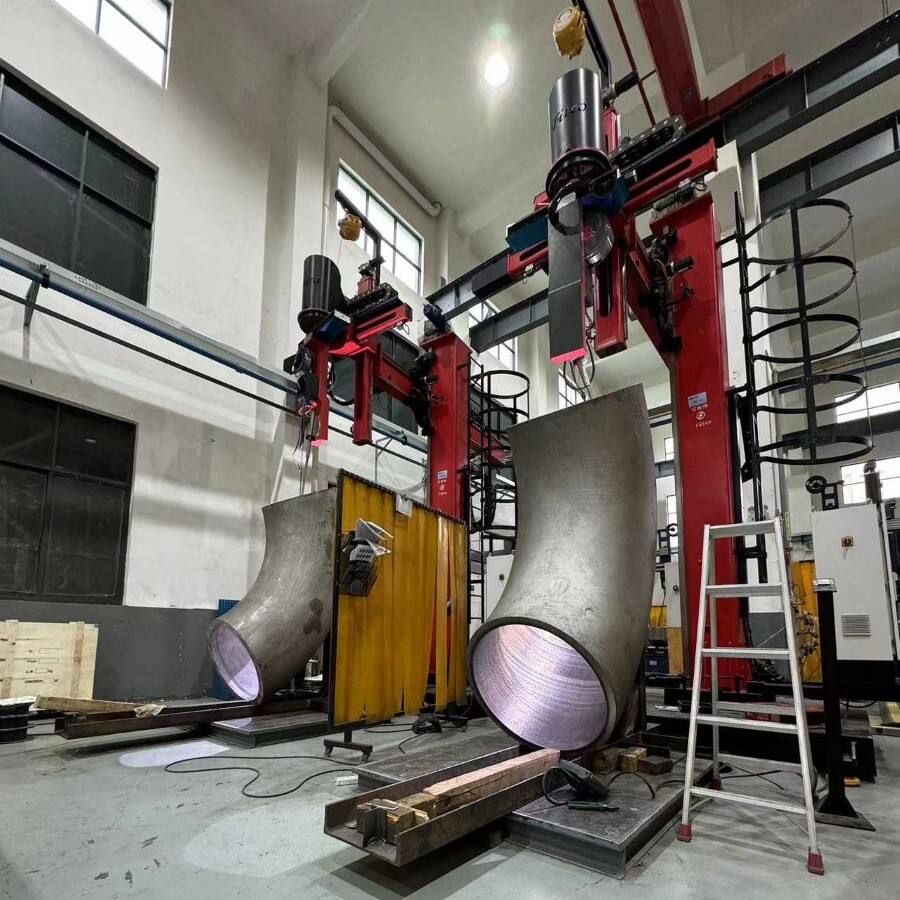
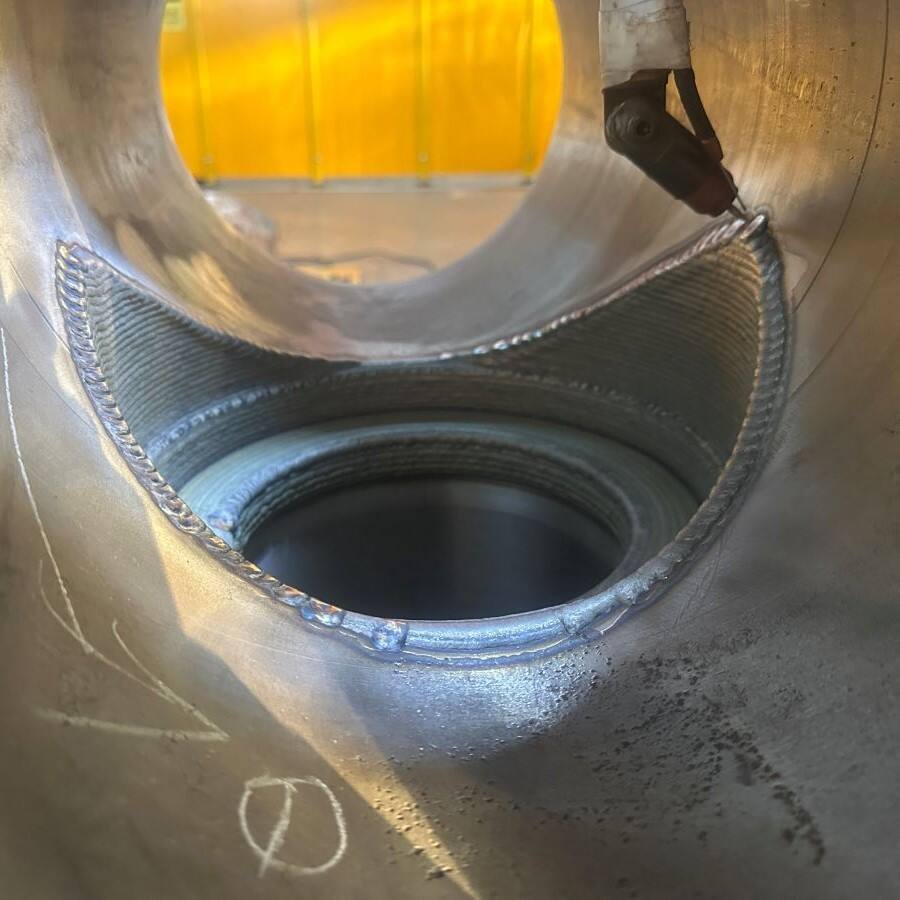
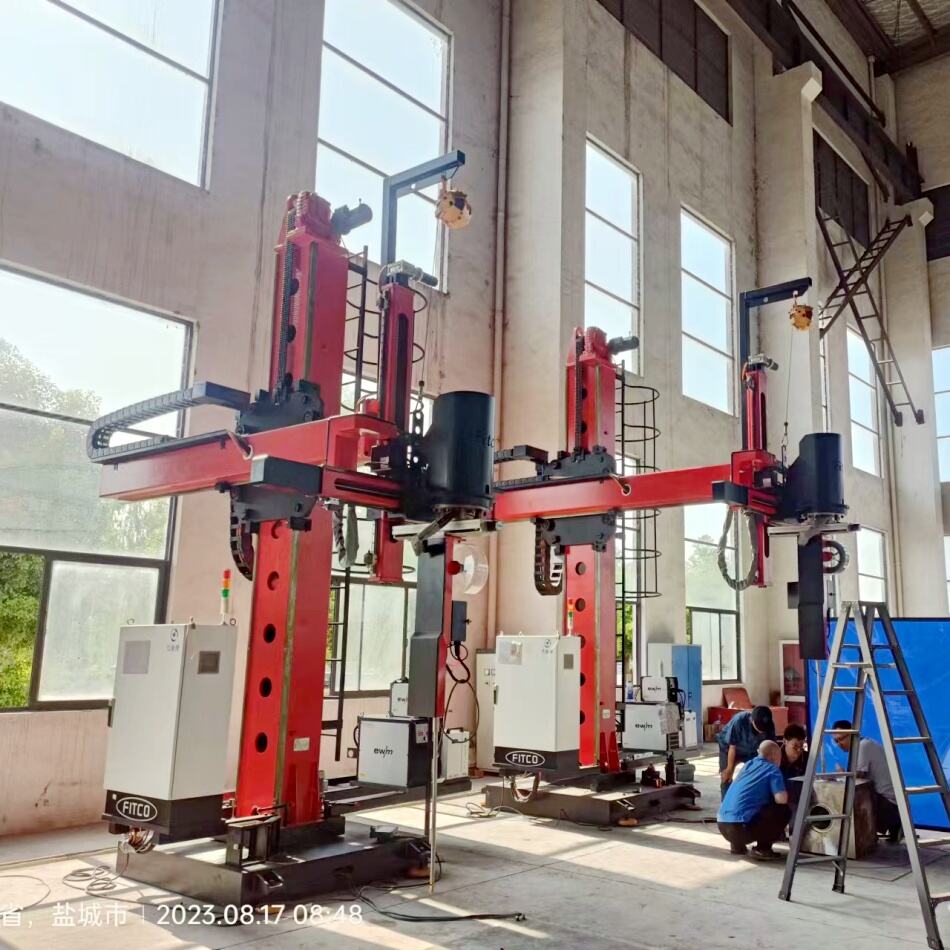
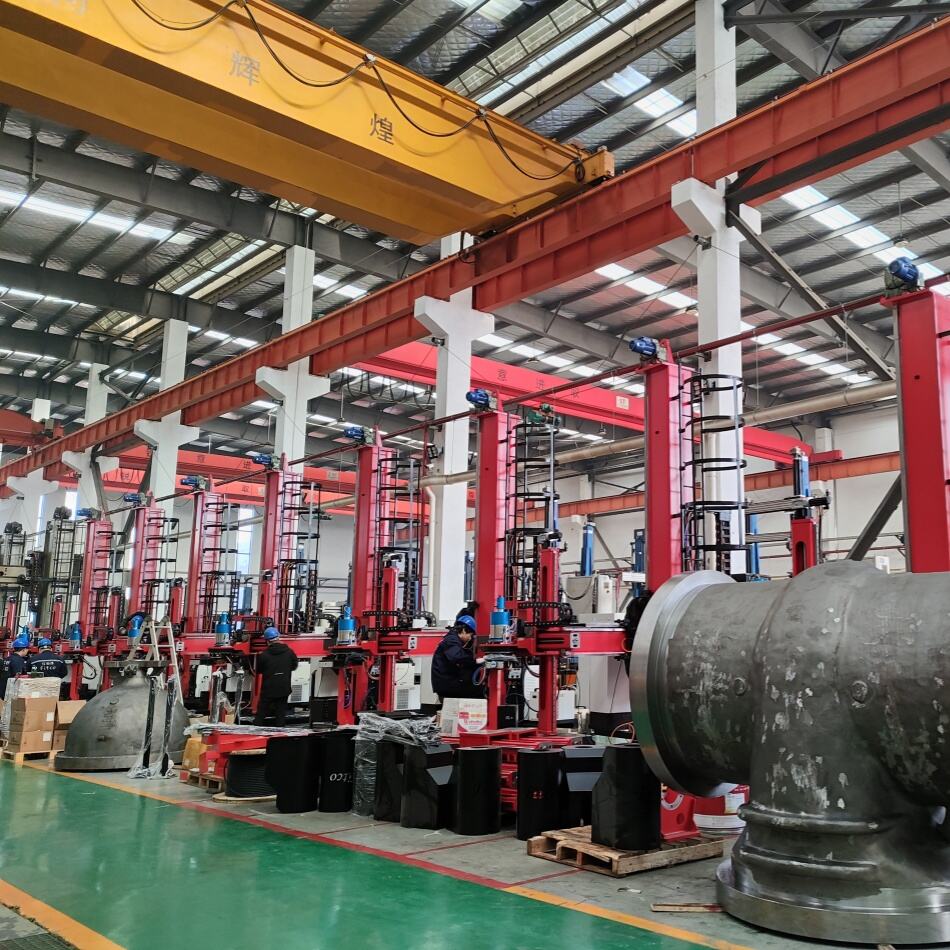
A welding workstation represents a comprehensive solution designed to optimize welding operations across various industrial and commercial environments. This specialized equipment combines multiple essential components into a single, integrated system that enhances productivity, safety, and precision in welding tasks. Modern welding workstations incorporate advanced technological features that streamline workflow processes while maintaining the highest standards of quality control. The core functionality of a welding workstation extends beyond basic welding capabilities, encompassing fume extraction systems, adjustable work surfaces, storage solutions, and sophisticated monitoring equipment. These systems are engineered to accommodate diverse welding techniques including MIG, TIG, stick welding, and plasma cutting operations. The technological architecture of contemporary welding workstations features digital control interfaces that allow operators to precisely configure parameters such as voltage, amperage, and wire feed speed. Advanced models integrate computerized monitoring systems that track welding performance metrics, ensuring consistent results and identifying potential issues before they impact production quality. Safety mechanisms are built into every aspect of the welding workstation design, including emergency shut-off systems, ventilation controls, and protective barriers. The modular construction of these workstations enables customization based on specific operational requirements, allowing facilities to adapt their equipment to changing production demands. Industrial applications span automotive manufacturing, shipbuilding, construction, aerospace, and general fabrication industries. The welding workstation serves as a centralized hub for complex welding projects, providing operators with immediate access to all necessary tools and materials. This integrated approach significantly reduces setup time and minimizes the risk of errors that can occur when working with disparate equipment pieces. The robust construction ensures long-term reliability even under demanding operational conditions, making the welding workstation an essential investment for professional welding operations.

New Product Recommendations

The implementation of a welding workstation delivers substantial operational benefits that directly translate into improved productivity and cost savings for businesses. Enhanced efficiency stands as the primary advantage, as these systems eliminate the time-consuming process of gathering and organizing individual welding components. Operators can focus entirely on their welding tasks rather than searching for tools or adjusting separate pieces of equipment. The integrated design reduces setup time by up to 60 percent compared to traditional welding arrangements, allowing more time for actual productive work. Safety improvements represent another critical benefit of welding workstations. The built-in fume extraction systems protect operators from harmful welding gases and particles, creating a healthier work environment that reduces long-term health risks and associated insurance costs. Proper ventilation systems maintain air quality standards while specialized lighting eliminates shadows and glare, reducing eye strain and improving welding accuracy. The controlled environment created by the welding workstation minimizes exposure to sparks and hot metal, significantly reducing workplace accidents and related downtime. Quality consistency becomes achievable through the standardized processes enabled by welding workstations. The stable work surfaces and precise positioning systems ensure that each weld meets exact specifications, reducing rework and material waste. Digital controls maintain consistent parameters across multiple welding sessions, eliminating variations that can compromise joint integrity. This reliability translates directly into reduced warranty claims and enhanced customer satisfaction. Cost effectiveness emerges through multiple channels when using welding workstations. The reduced setup time means higher throughput with the same labor investment. Lower material waste due to improved accuracy reduces raw material costs. Decreased rework requirements save both time and materials. The extended equipment lifespan resulting from proper organization and maintenance reduces replacement costs. Energy efficiency features in modern welding workstations lower utility expenses while environmental benefits may qualify businesses for green energy incentives. Training new operators becomes simpler with standardized welding workstation layouts, reducing the learning curve and improving safety compliance. The organized workspace reduces stress and fatigue, leading to better work quality and higher job satisfaction among welding professionals.

Latest News

The Essential Guide to Automated pipe cladding Solutions

16

Mar

The Essential Guide to Automated pipe cladding Solutions

Automated pipe cladding solutions represent a transformative advancement in industrial pipeline protection, offering enhanced precision, efficiency, and durability compared to traditional manual methods. This comprehensive guide explores the critical...
View More
Can MIG Welding Equipment Increase Precision in Automotive Repairs?

27

Nov

Can MIG Welding Equipment Increase Precision in Automotive Repairs?

The automotive repair industry demands exceptional precision and quality, especially when working on critical structural components and body panels. Modern repair shops are increasingly turning to advanced welding technologies to meet these stringent...
View More
Why igbt inverter welder Technology is the Industry Standard in 2026

16

Mar

Why igbt inverter welder Technology is the Industry Standard in 2026

The welding industry has undergone a transformative evolution, with igbt inverter welder technology emerging as the definitive standard for professional and industrial applications in 2026. This revolutionary advancement represents a fundamental shif...
View More
Inside an igbt inverter welder: How the High-Frequency Switching Works

16

Mar

Inside an igbt inverter welder: How the High-Frequency Switching Works

The high-frequency switching mechanism within an igbt inverter welder represents one of the most significant technological advances in modern welding equipment. This sophisticated power conversion process transforms standard AC mains power into preci...
View More

Get a Free Quote

Our representative will contact you soon.
Email
Mobile/WhatsApp
Name
Company Name
Message
0/1000

welding workstation

Advanced Fume Extraction and Ventilation System

Advanced Fume Extraction and Ventilation System

The sophisticated fume extraction and ventilation system integrated into modern welding workstations represents a revolutionary approach to maintaining air quality and operator safety in industrial welding environments. This comprehensive system employs multiple extraction points strategically positioned to capture welding fumes at their source, preventing harmful particles and gases from dispersing throughout the workspace. The technology utilizes high-efficiency particulate air filters combined with activated carbon elements that effectively remove both solid particles and gaseous contaminants generated during various welding processes. The system operates through variable speed fans that automatically adjust suction power based on real-time air quality monitoring, ensuring optimal extraction efficiency while minimizing energy consumption. Smart sensors continuously monitor air composition and automatically increase extraction rates when higher concentrations of harmful substances are detected. The filtration system captures particles as small as 0.3 microns with 99.97 percent efficiency, effectively removing metal oxides, flux particles, and other hazardous welding byproducts before they can be inhaled by operators. The modular design allows for easy filter replacement and maintenance without disrupting ongoing operations. Noise reduction technology ensures that the powerful extraction system operates quietly, maintaining a comfortable working environment without communication difficulties. The system includes pre-filters that capture larger particles, extending the life of primary filters and reducing maintenance costs. Automated cleaning cycles prevent filter clogging and maintain consistent airflow throughout extended operation periods. The ventilation system also incorporates temperature control features that manage heat buildup in the welding area, improving operator comfort and preventing thermal stress on sensitive electronic components. Emergency override controls allow immediate maximum extraction in case of unusual fume generation or ventilation emergencies. The system meets or exceeds all relevant occupational safety standards and environmental regulations, providing documentation for compliance reporting. Investment in this advanced fume extraction technology demonstrates commitment to worker safety while reducing potential liability and insurance costs associated with occupational health issues.
Precision Digital Control and Monitoring Interface

Precision Digital Control and Monitoring Interface

The precision digital control and monitoring interface represents the technological heart of modern welding workstations, providing unprecedented control over welding parameters and real-time performance tracking. This sophisticated system features intuitive touchscreen displays that present all critical welding information in an easily accessible format, allowing operators to make precise adjustments without interrupting their workflow. The interface incorporates advanced microprocessor technology that maintains exact control over voltage, amperage, wire feed speed, and gas flow rates with accuracy levels that surpass manual adjustment capabilities. Pre-programmed welding profiles for different materials and thicknesses eliminate guesswork and ensure consistent results across multiple operators and shifts. The system stores hundreds of custom welding programs that can be recalled instantly, standardizing procedures and maintaining quality consistency throughout production runs. Real-time monitoring capabilities track arc stability, penetration depth, travel speed, and heat input, providing immediate feedback that allows operators to make corrections before defects occur. The digital interface includes diagnostic capabilities that identify potential equipment issues before they cause failures, enabling preventive maintenance scheduling that minimizes unexpected downtime. Data logging functions automatically record welding parameters for each joint, creating comprehensive quality documentation that supports traceability requirements and quality assurance programs. The system generates detailed reports that help supervisors identify trends, optimize procedures, and improve overall welding performance. Wireless connectivity enables remote monitoring and control capabilities, allowing supervisors to oversee multiple welding workstations from a central location. The interface supports multiple languages and can be customized to match specific operational requirements or company standards. Security features prevent unauthorized parameter changes while allowing different access levels for operators, supervisors, and maintenance personnel. The system includes built-in training modules that guide new operators through proper procedures and safety protocols. Automatic backup systems preserve all settings and data even during power interruptions, ensuring no loss of critical information. The ergonomic design positions all controls within easy reach while maintaining clear sight lines to the welding area. Integration capabilities allow the welding workstation to communicate with factory management systems, providing production data and equipment status information for comprehensive facility monitoring.
Ergonomic Design and Workspace Optimization

Ergonomic Design and Workspace Optimization

The ergonomic design and workspace optimization features of advanced welding workstations fundamentally transform the working experience for welding professionals, addressing physical comfort, operational efficiency, and long-term health considerations. These workstations incorporate height-adjustable surfaces that accommodate operators of different statures and allow positioning changes throughout the workday to reduce fatigue and strain. The work surface adjusts smoothly through pneumatic or electric systems, enabling operators to maintain optimal welding positions regardless of workpiece size or complexity. Anti-fatigue flooring systems integrated into the workstation platform reduce stress on legs and joints during extended standing periods, while strategically placed armrests and support structures minimize upper body strain during precision welding tasks. The workspace layout follows ergonomic principles that place frequently used tools and controls within natural reach zones, eliminating unnecessary stretching or bending that can lead to repetitive strain injuries. Specialized lighting systems provide uniform illumination across the entire work area, reducing eye strain and improving weld quality through better visibility of the weld pool and surrounding materials. The lighting automatically adjusts intensity based on ambient conditions and welding processes, maintaining optimal visibility without creating glare or shadows. Storage solutions are integrated at multiple levels within easy reach, organizing tools, consumables, and safety equipment in logical arrangements that support efficient workflow patterns. The modular storage system allows customization based on specific operational needs while maintaining organized accessibility. Cable management systems eliminate trip hazards and workspace clutter by routing power cables, gas lines, and control wires through protected channels that keep them organized and easily accessible for maintenance. The workstation design incorporates adjustable positioning systems for workpieces that reduce the need for manual lifting and repositioning of heavy materials. These positioning aids include rotating fixtures, tilting mechanisms, and sliding supports that allow operators to access all welding angles without uncomfortable body positions. Ventilation design considerations ensure that fresh air circulation reaches the operator while fume extraction systems remove contaminated air, creating a comfortable breathing environment. The workspace includes designated areas for pre-welding preparation and post-welding inspection, supporting complete workflow optimization. Sound dampening materials reduce noise levels from welding equipment and extraction systems, creating a more comfortable working environment that supports better concentration and communication. The entire workstation design emphasizes accessibility for maintenance tasks, ensuring that routine service can be performed safely and efficiently without disrupting the ergonomic workspace configuration.

Get a Free Quote

Our representative will contact you soon.
Email
Mobile/WhatsApp
Name
Company Name
Message
0/1000