Advanced Inverter Technology and Digital Control Systems
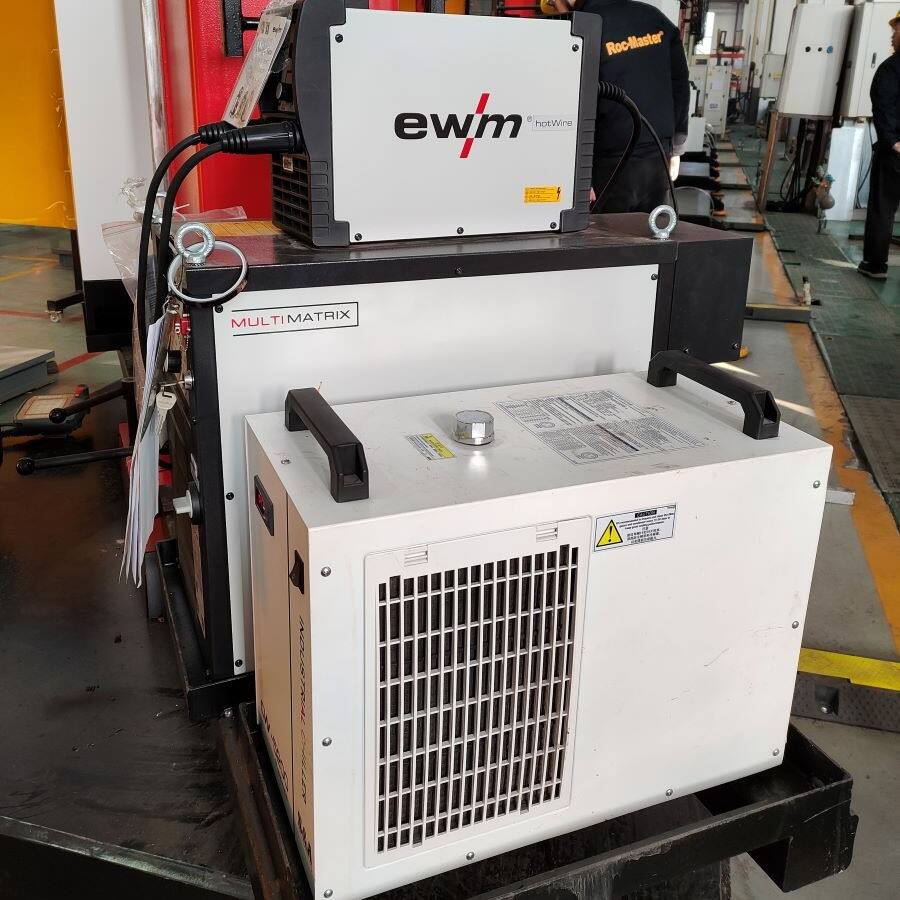
The heart of every premium mig welding machine set lies in its sophisticated inverter technology, which transforms conventional AC power into precisely controlled DC output for superior welding performance. This advanced inverter system operates at high frequencies, typically between 20-100 kHz, enabling the mig welding machine set to maintain exceptional arc stability while consuming significantly less power compared to traditional transformer-based systems. The digital control interface provides welders with unprecedented precision in parameter adjustment, featuring microprocessor-controlled circuits that monitor and adjust welding variables in real-time. Modern mig welding machine sets incorporate synergic control technology that automatically calculates optimal voltage and wire feed speed combinations based on material type, thickness, and joint configuration selections. This intelligent system eliminates guesswork and reduces setup time, allowing operators to achieve professional results regardless of their experience level. The digital display panels on advanced mig welding machine sets provide clear, real-time feedback on welding parameters, including voltage, amperage, wire speed, and gas flow rate, enabling precise control and consistent results across multiple welding sessions. The memory function stores frequently used welding programs, allowing operators to recall proven parameter combinations instantly for recurring applications. The inverter technology in quality mig welding machine sets also provides superior power factor correction and reduced electromagnetic interference, making them suitable for use in sensitive electronic environments. The thermal management systems integrated into these advanced mig welding machine sets include intelligent cooling fans and heat sink designs that optimize component longevity while maintaining peak performance during extended welding operations. The fault diagnosis capabilities of modern digital control systems provide immediate feedback on operational issues, displaying error codes and suggested corrective actions to minimize downtime and maintenance costs.

 EN
EN
 AR
AR BG
BG HR
HR CS
CS DA
DA NL
NL FI
FI FR
FR DE
DE EL
EL HI
HI IT
IT JA
JA KO
KO NO
NO PL
PL PT
PT RO
RO RU
RU ES
ES SV
SV TL
TL IW
IW ID
ID LT
LT UK
UK SQ
SQ HU
HU TH
TH TR
TR FA
FA AF
AF CY
CY MK
MK LA
LA MN
MN KK
KK UZ
UZ KY
KY