Production MIG Welder: High-Performance Industrial Welding Equipment for Manufacturing Excellence

Contact me immediately if you encounter problems!

All Categories

Get a Free Quote

Our representative will contact you soon.
Email
Mobile/WhatsApp
Name
Company Name
Message
0/1000

Get a Free Quote

Our representative will contact you soon.
Email
Mobile/WhatsApp
Name
Company Name
Message
0/1000

production mig welder

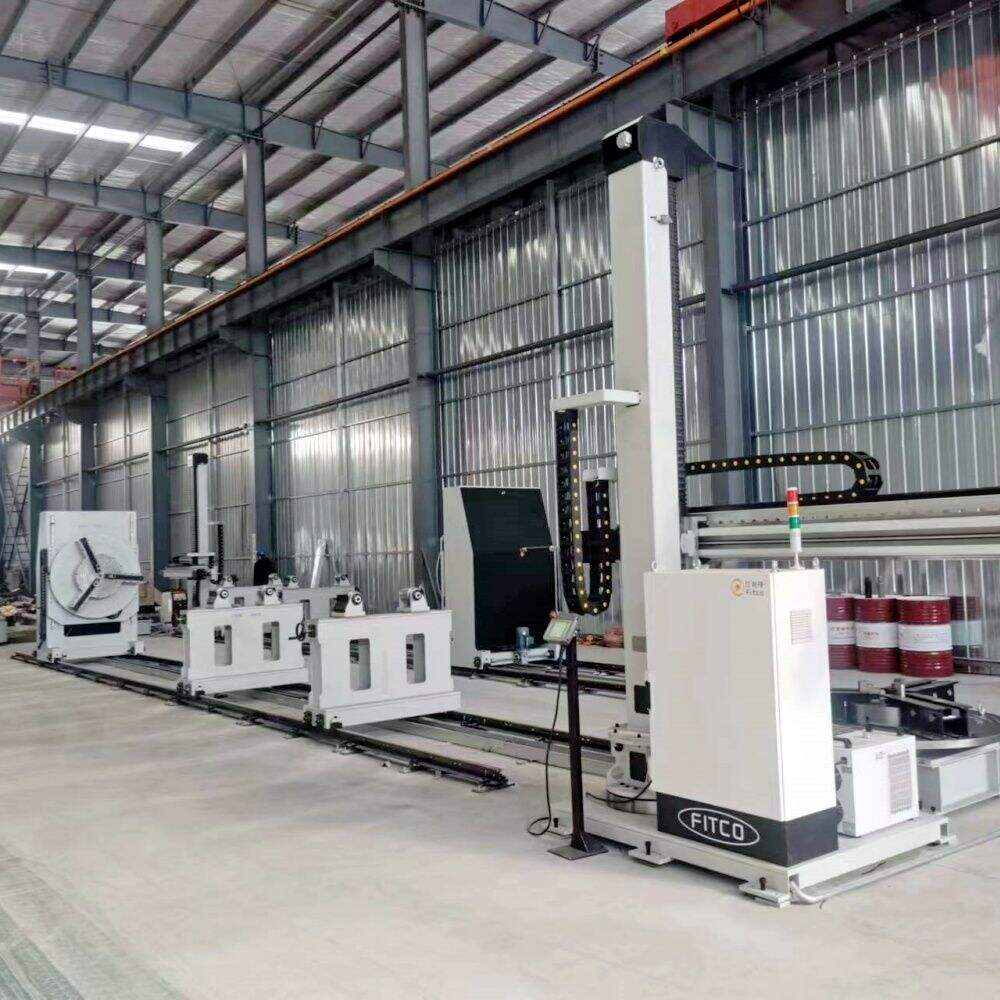
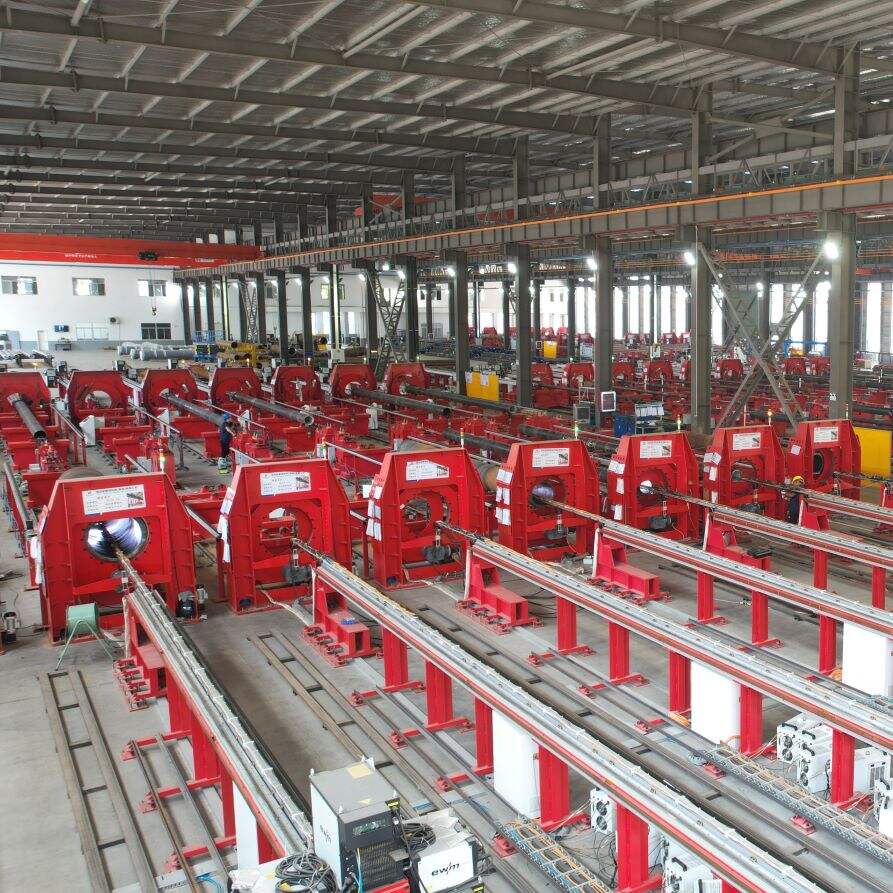
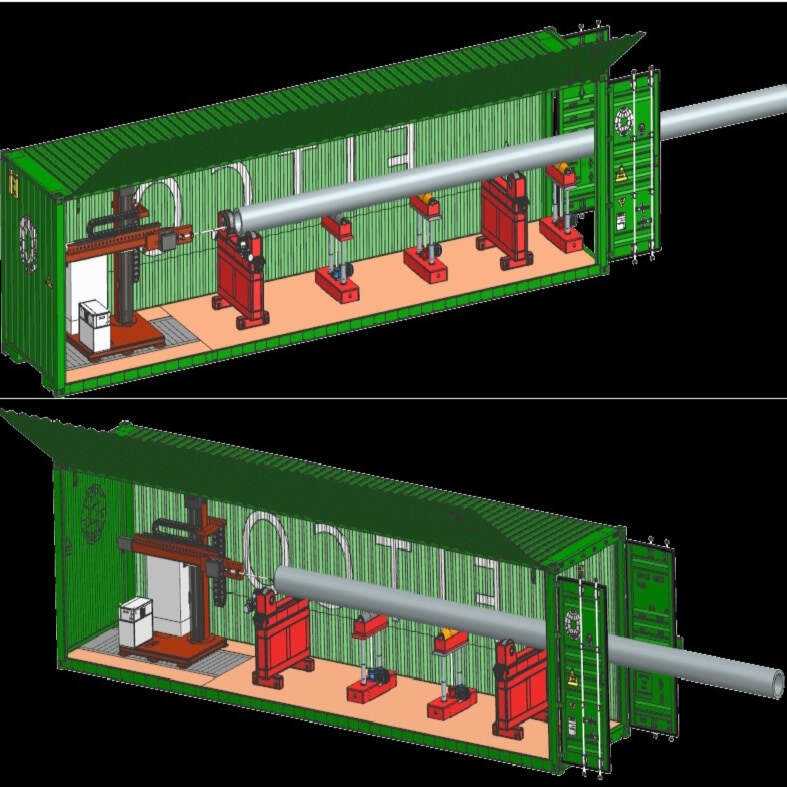
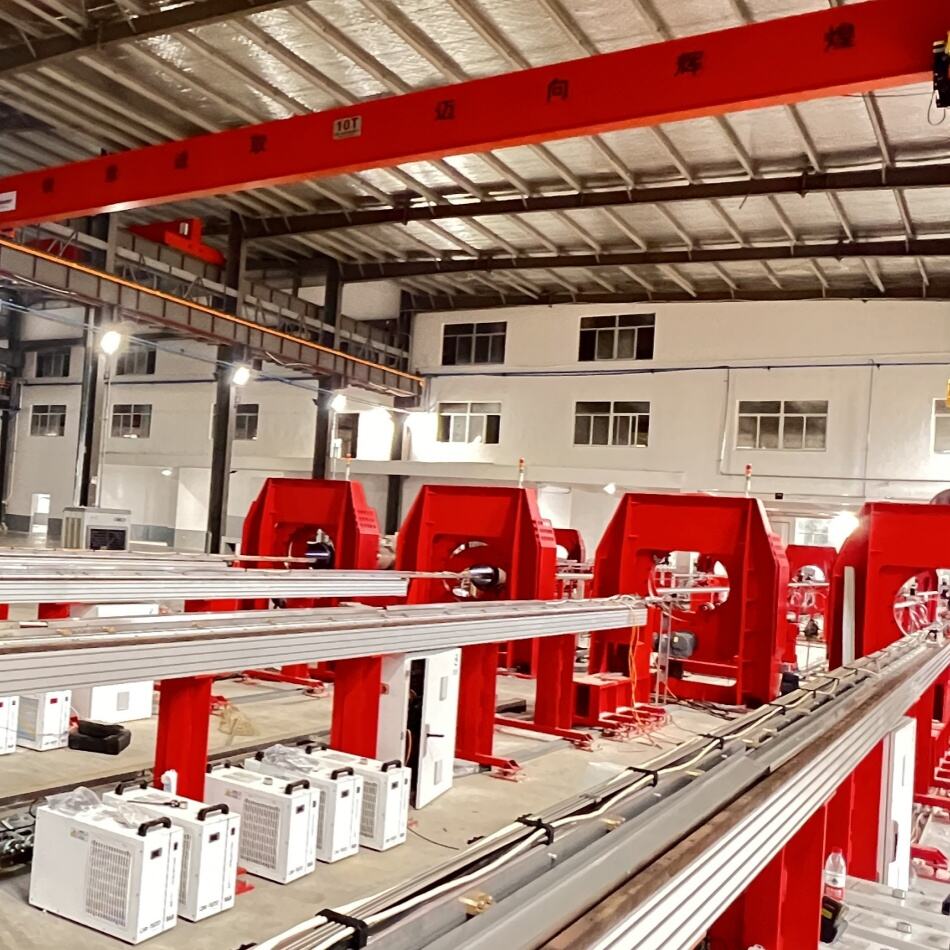
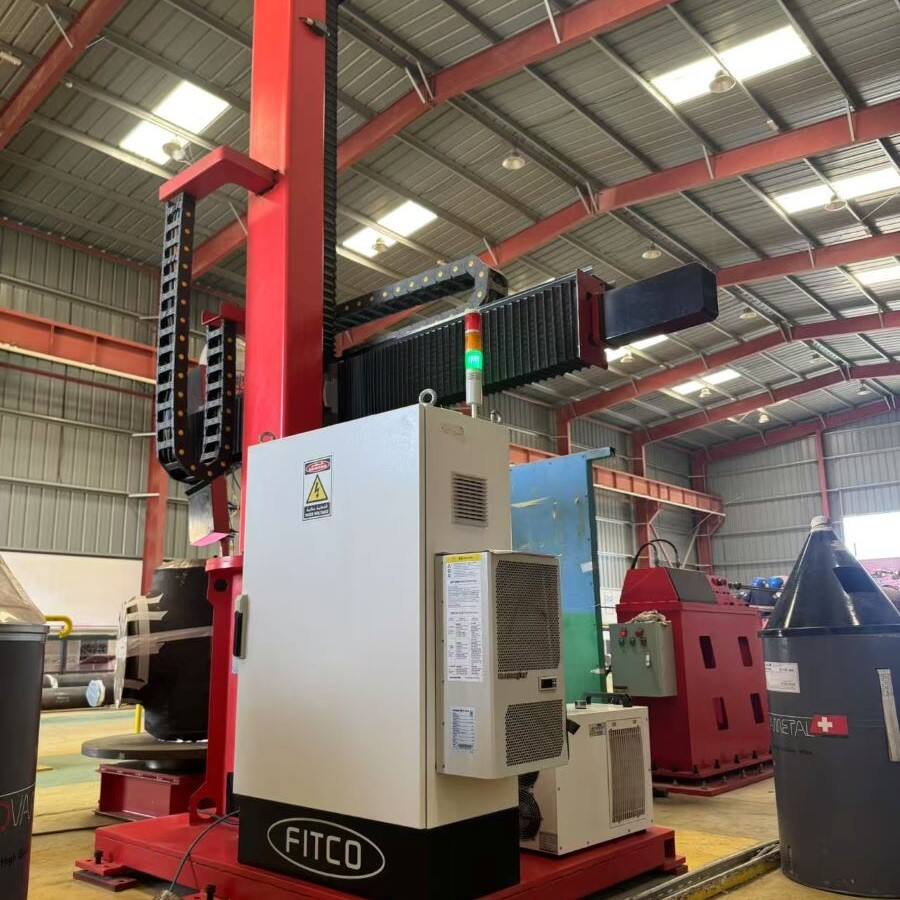
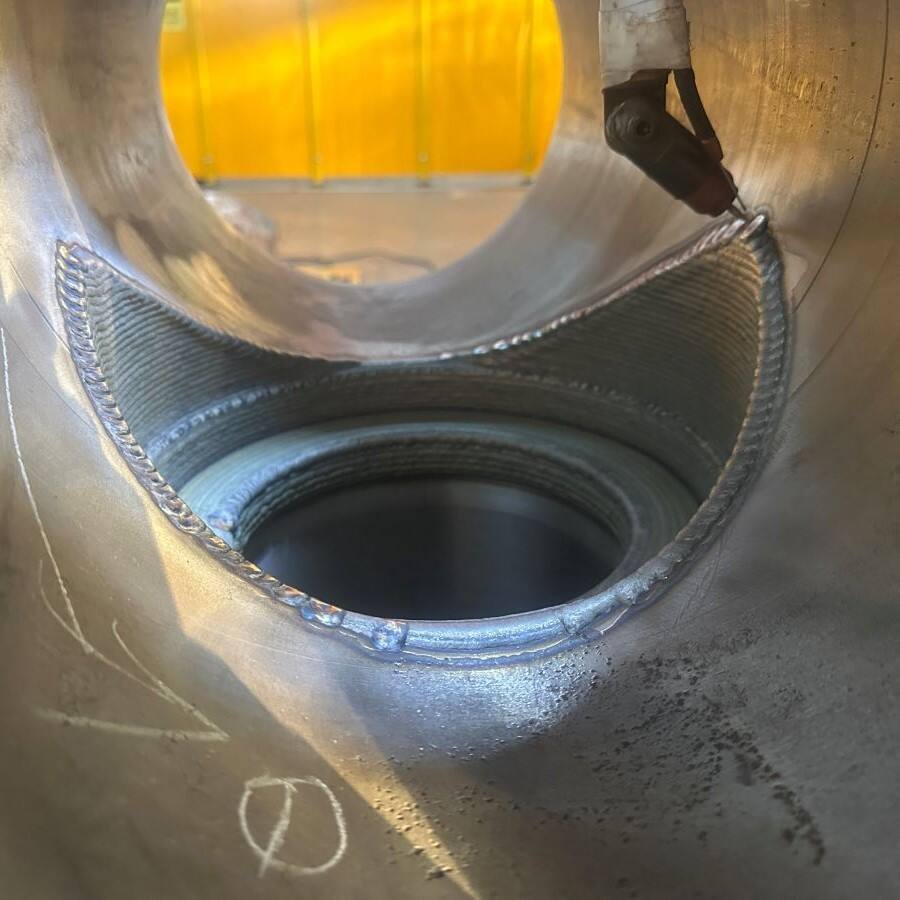
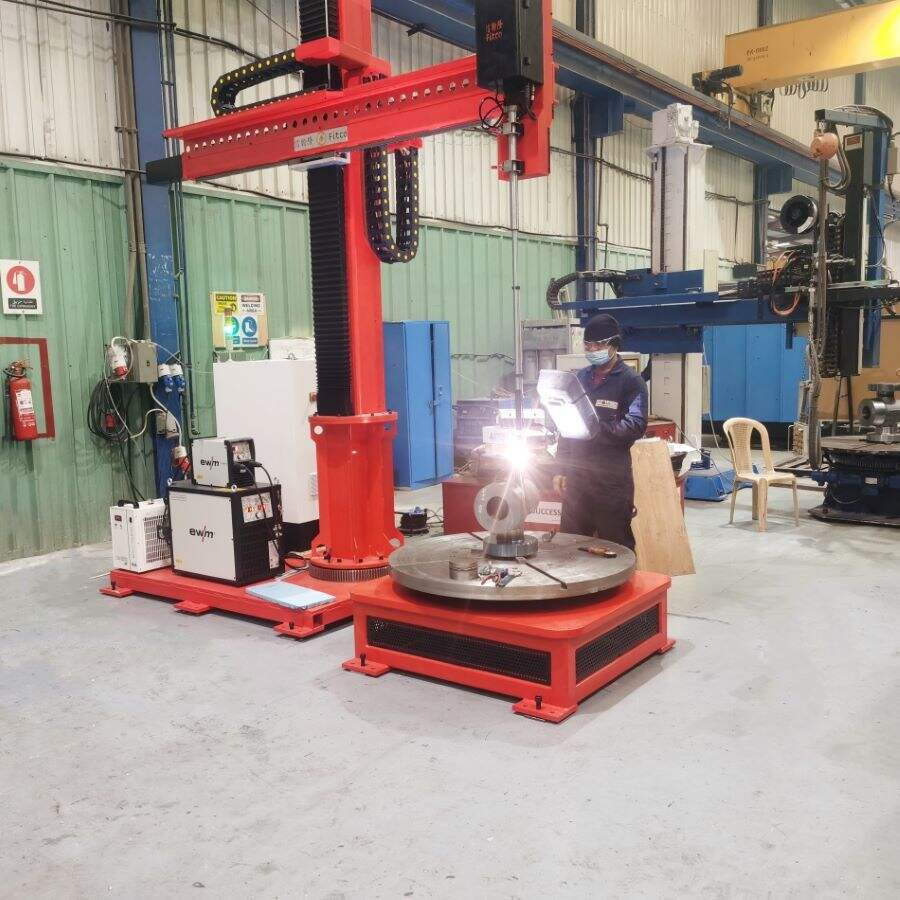
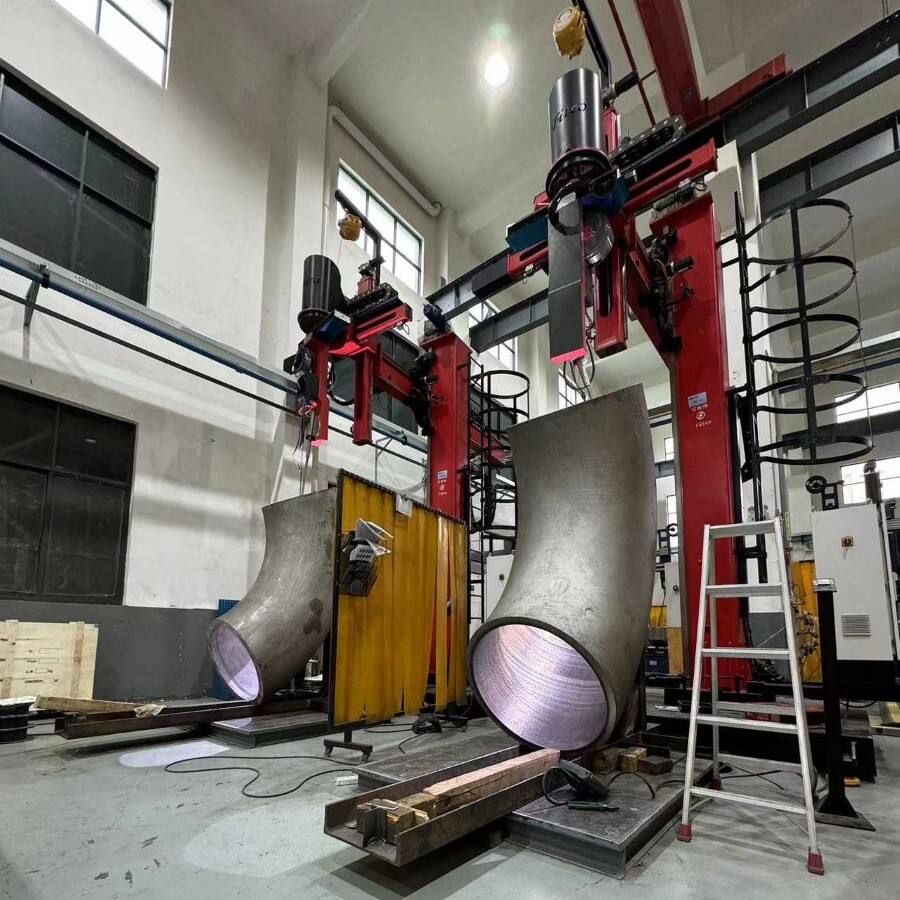
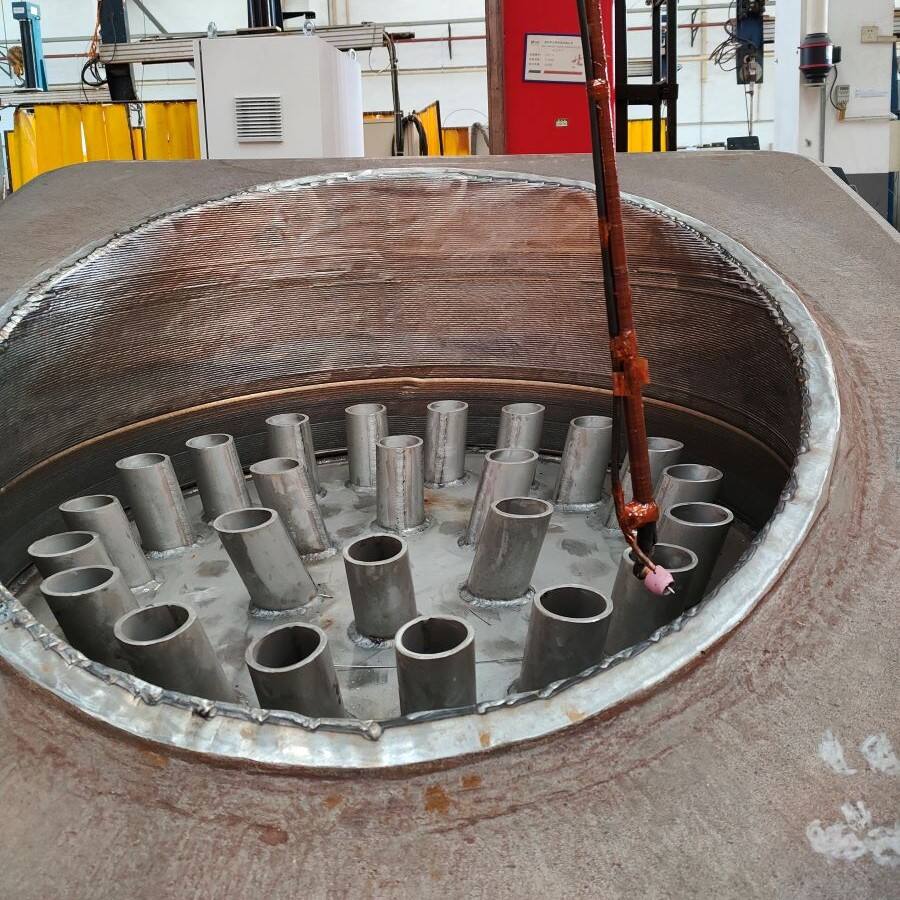
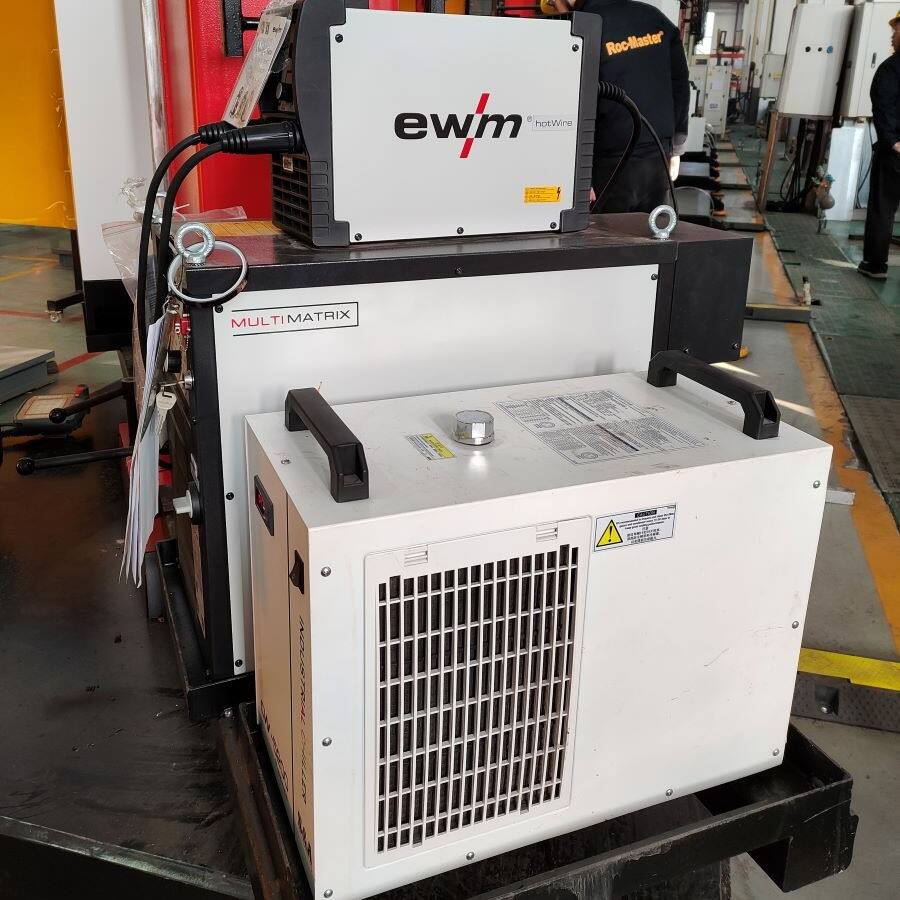
A production mig welder represents a cornerstone technology in modern manufacturing environments, delivering precise metal joining capabilities for high-volume operations. This advanced welding equipment utilizes Metal Inert Gas (MIG) technology to create strong, durable bonds between various metal components through continuous wire electrode feeding and protective gas shielding. The production mig welder operates by feeding a consumable wire electrode through a welding gun while simultaneously releasing an inert gas shield that protects the weld pool from atmospheric contamination. The main functions of a production mig welder encompass automated wire feeding, adjustable voltage control, and consistent arc stability maintenance. These machines feature sophisticated control systems that regulate wire speed, amperage settings, and gas flow rates to ensure optimal welding parameters for different material thicknesses and joint configurations. The technological features include digital displays for precise parameter monitoring, memory storage for welding programs, and advanced cooling systems that prevent overheating during extended operations. Many production mig welder units incorporate pulse welding capabilities, which provide better penetration control and reduced heat input for sensitive materials. The applications span across automotive manufacturing, shipbuilding, structural steel fabrication, pipeline construction, and heavy machinery assembly. In automotive plants, production mig welder systems handle body panel assembly, chassis welding, and exhaust system fabrication with remarkable consistency. Shipbuilding facilities rely on these machines for hull construction, deck plating, and internal framework assembly where reliability and strength are paramount. The versatility of a production mig welder extends to working with various materials including carbon steel, stainless steel, aluminum alloys, and specialized metals used in aerospace applications. These welders accommodate different joint types such as butt joints, fillet welds, and lap joints, making them indispensable for diverse manufacturing processes that require consistent quality and productivity standards.

New Product Releases

The production mig welder offers substantial advantages that revolutionize manufacturing efficiency and quality standards across industrial applications. Speed stands as the primary benefit, as these machines complete welds significantly faster than traditional stick welding methods, enabling manufacturers to meet demanding production schedules while maintaining superior quality. The continuous wire feed mechanism eliminates frequent electrode changes, reducing downtime and increasing overall productivity rates by up to 300 percent compared to manual welding processes. Consistency represents another major advantage, as the production mig welder delivers uniform weld quality regardless of operator skill level variations. The automated parameter control ensures that each weld receives identical heat input, penetration depth, and filler material deposition, resulting in predictable mechanical properties throughout the entire production run. This consistency reduces rework rates, minimizes quality control rejections, and enhances customer satisfaction through reliable product performance. Ease of operation makes the production mig welder accessible to welders with varying experience levels, reducing training requirements and labor costs. The intuitive control interfaces allow operators to select appropriate settings for specific materials and thicknesses without extensive technical knowledge. The machines provide visual and audible feedback that guides operators toward optimal welding techniques, improving success rates and reducing learning curves. Versatility emerges as a significant advantage, enabling the production mig welder to handle multiple materials and joint configurations without equipment changes. This flexibility reduces capital investment requirements while maximizing equipment utilization across different product lines. The ability to switch between materials like steel, aluminum, and stainless steel through simple parameter adjustments streamlines production planning and inventory management. Clean welding results distinguish the production mig welder from other processes, producing minimal spatter and requiring less post-weld cleanup. The inert gas protection creates smooth, aesthetically pleasing welds that often require no additional finishing operations, saving time and labor costs while improving final product appearance. Cost-effectiveness becomes apparent through reduced consumable waste, lower energy consumption, and decreased labor requirements. The precise wire feeding system minimizes material waste, while efficient heat transfer reduces overall energy usage compared to alternative welding methods, contributing to lower operational costs and improved profit margins.

Tips And Tricks

The Essential Guide to Automated pipe cladding Solutions

16

Mar

The Essential Guide to Automated pipe cladding Solutions

Automated pipe cladding solutions represent a transformative advancement in industrial pipeline protection, offering enhanced precision, efficiency, and durability compared to traditional manual methods. This comprehensive guide explores the critical...
View More
Mastering Aluminum: Why an acdc tig welder is Non-Negotiable

16

Mar

Mastering Aluminum: Why an acdc tig welder is Non-Negotiable

Aluminum welding presents unique challenges that demand specialized equipment, making the choice of welding technology critical for achieving professional results. The metallurgical properties of aluminum, including its high thermal conductivity, oxi...
View More
Inside an igbt inverter welder: How the High-Frequency Switching Works

16

Mar

Inside an igbt inverter welder: How the High-Frequency Switching Works

The high-frequency switching mechanism within an igbt inverter welder represents one of the most significant technological advances in modern welding equipment. This sophisticated power conversion process transforms standard AC mains power into preci...
View More
Which Industries Benefit Most from Using a TIG Welder?

13

Jan

Which Industries Benefit Most from Using a TIG Welder?

TIG welding technology has revolutionized manufacturing and fabrication processes across numerous industries, offering unparalleled precision and quality in metal joining applications. The versatility of a TIG welder makes it an indispensable tool fo...
View More

Get a Free Quote

Our representative will contact you soon.
Email
Mobile/WhatsApp
Name
Company Name
Message
0/1000

production mig welder

Advanced Digital Control Systems for Precision Welding

Advanced Digital Control Systems for Precision Welding

The production mig welder incorporates sophisticated digital control systems that revolutionize welding precision and repeatability in manufacturing environments. These advanced control interfaces feature high-resolution displays that provide real-time monitoring of critical welding parameters including voltage, amperage, wire speed, and gas flow rates. The digital systems store multiple welding programs in memory, allowing operators to quickly recall optimal settings for different materials, thicknesses, and joint configurations with the touch of a button. This programmable functionality eliminates guesswork and ensures consistent results across production runs, regardless of operator changes or shift transitions. The control systems continuously monitor arc characteristics and automatically adjust parameters to maintain stable welding conditions, compensating for variations in material properties, joint fit-up, or environmental factors. Advanced feedback loops detect changes in arc length, travel speed, or wire extension and make real-time corrections to preserve weld quality. The production mig welder digital controls also feature synergic welding programs that automatically coordinate multiple parameters when operators input material type and thickness, simplifying setup procedures and reducing the potential for parameter conflicts. Diagnostic capabilities within the control system monitor equipment performance, track consumable usage, and predict maintenance requirements, enabling proactive service scheduling that minimizes unexpected downtime. Data logging functions record welding parameters and quality metrics for each production run, supporting quality assurance protocols and continuous improvement initiatives. The user-friendly interfaces accommodate multiple languages and skill levels, featuring graphical displays that visualize parameter relationships and welding progression. Remote connectivity options allow supervisors to monitor multiple production mig welder units from central locations, enabling efficient resource allocation and quality oversight across large manufacturing facilities. These digital control systems significantly enhance productivity by reducing setup times, minimizing trial welds, and ensuring first-pass success rates that exceed traditional welding methods.
Superior Gas Shielding Technology for Contamination-Free Welds

Superior Gas Shielding Technology for Contamination-Free Welds

The production mig welder employs advanced gas shielding technology that creates optimal atmospheric conditions around the weld zone, ensuring superior joint quality and mechanical properties. The sophisticated gas delivery system maintains precise flow rates and coverage patterns that protect the molten metal from oxygen, nitrogen, and moisture contamination that could compromise weld integrity. Multiple gas options accommodate different materials and applications, with argon-based mixtures for aluminum welding, carbon dioxide blends for steel applications, and specialized gas combinations for stainless steel and exotic alloys. The production mig welder gas system features pressure regulators, flow meters, and automatic shut-off valves that maintain consistent shielding conditions throughout extended welding operations. Advanced nozzle designs optimize gas distribution patterns, creating laminar flow characteristics that provide uniform protection across the entire weld pool while minimizing gas consumption and operational costs. The system includes gas pre-flow and post-flow functions that establish proper shielding before arc initiation and maintain protection during cooling phases, preventing oxidation and ensuring complete joint protection. Monitoring systems track gas pressure, flow rates, and consumption levels, providing alerts when parameters deviate from optimal ranges or when gas supplies require replenishment. The production mig welder gas delivery components resist contamination through filters and moisture traps that ensure pure gas reaches the weld zone, maintaining consistent quality standards even in challenging environmental conditions. Automatic gas valve controls synchronize with welding operations, conserving gas during non-welding periods while ensuring immediate availability when welding resumes. The shielding technology accommodates various joint positions and configurations, maintaining effective protection in overhead, vertical, and horizontal welding orientations through specialized nozzle configurations and flow adjustments. This comprehensive gas shielding capability enables the production mig welder to achieve superior mechanical properties, excellent corrosion resistance, and aesthetically pleasing weld appearances that meet stringent quality requirements across demanding industrial applications.
High-Duty Cycle Performance for Continuous Production Demands

High-Duty Cycle Performance for Continuous Production Demands

The production mig welder delivers exceptional high-duty cycle performance that meets the rigorous demands of continuous manufacturing operations without compromising quality or reliability. These robust machines operate at duty cycles exceeding 80 percent at rated output, enabling sustained welding operations throughout extended production shifts while maintaining consistent arc characteristics and weld quality. Advanced cooling systems incorporate high-capacity fans, efficient heat exchangers, and thermal management algorithms that prevent overheating during intensive welding cycles. The production mig welder cooling technology features redundant protection systems including temperature sensors, automatic thermal cutoffs, and graduated power reduction that protect critical components while maximizing operational availability. Heavy-duty transformers and rectification systems handle continuous current demands without voltage fluctuations or performance degradation, ensuring stable arc conditions even during peak production periods. The robust construction includes reinforced chassis, vibration-resistant components, and industrial-grade electrical systems designed to withstand harsh manufacturing environments including dust, moisture, and temperature variations. Preventive maintenance features simplify service procedures and extend equipment lifespan through accessible component layouts, quick-change consumable systems, and diagnostic monitoring that identifies potential issues before they impact production schedules. The production mig welder incorporates automatic duty cycle monitoring that tracks operational parameters and provides predictive maintenance alerts based on actual usage patterns rather than arbitrary time intervals. High-capacity wire feed systems accommodate large wire spools and continuous feeding mechanisms that minimize changeover requirements during extended production runs. The machines feature redundant safety systems including ground fault protection, overcurrent monitoring, and emergency stop functions that ensure operator safety while maintaining production continuity. Network connectivity enables remote monitoring of duty cycle performance, allowing maintenance teams to optimize schedules and prevent unexpected interruptions. These high-duty cycle capabilities translate directly into increased production output, reduced per-unit manufacturing costs, and improved delivery performance that enhances competitive positioning in demanding market segments where reliability and consistency determine success.

Get a Free Quote

Our representative will contact you soon.
Email
Mobile/WhatsApp
Name
Company Name
Message
0/1000