mig pipe welding
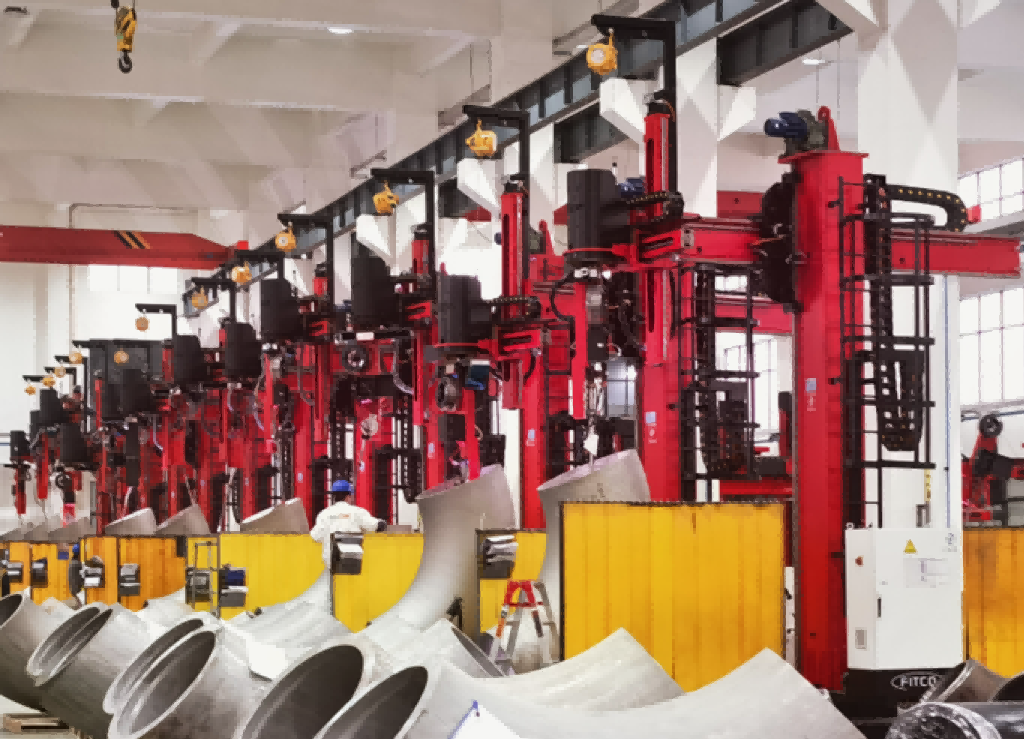
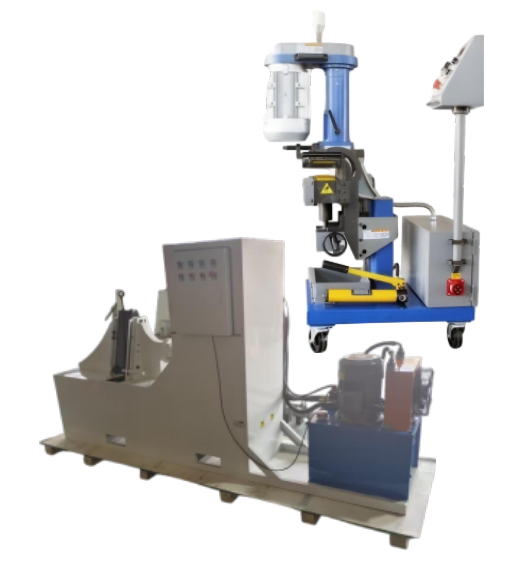
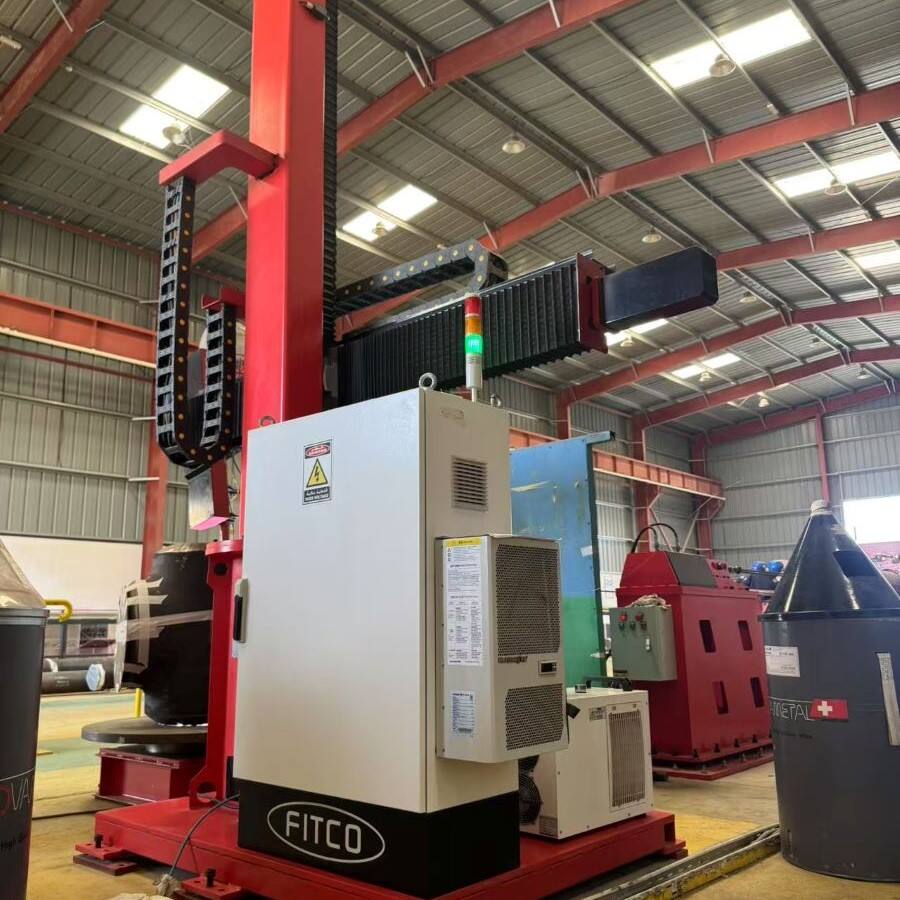
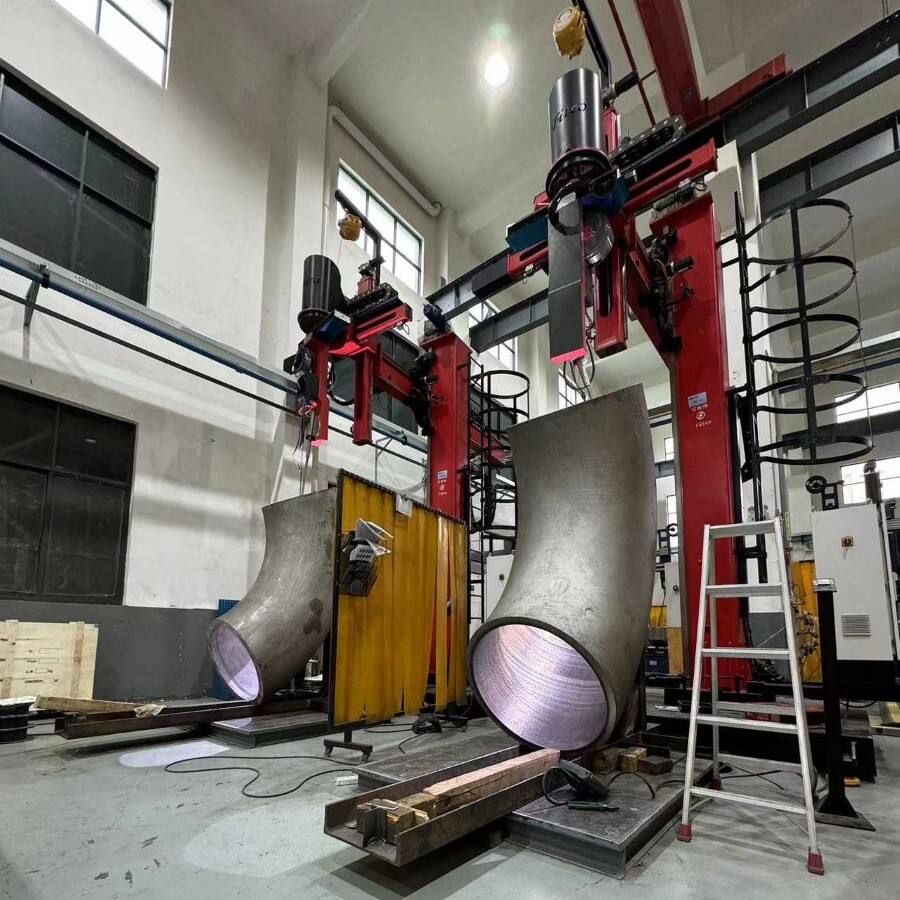
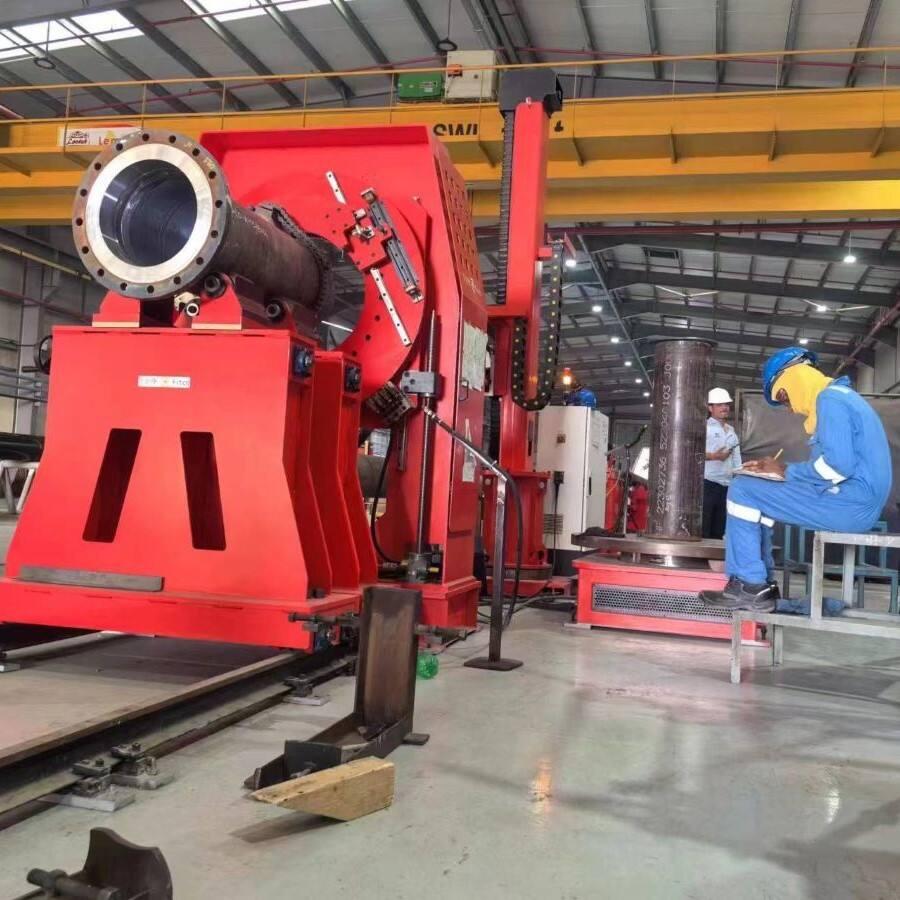
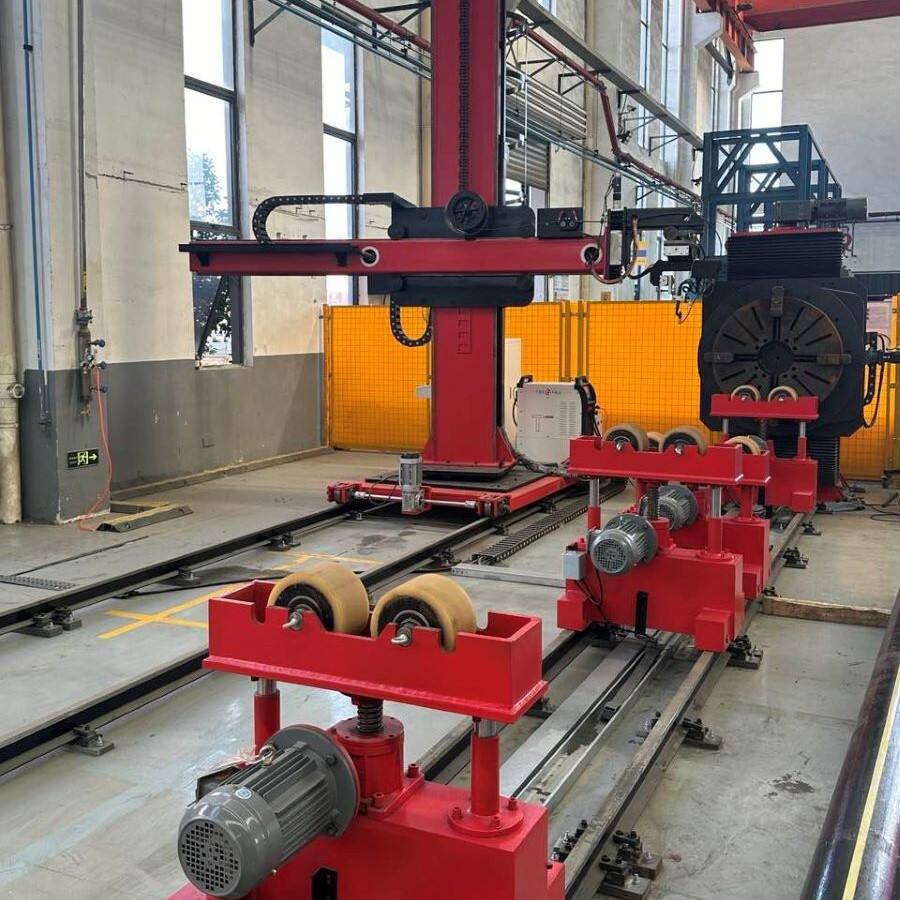
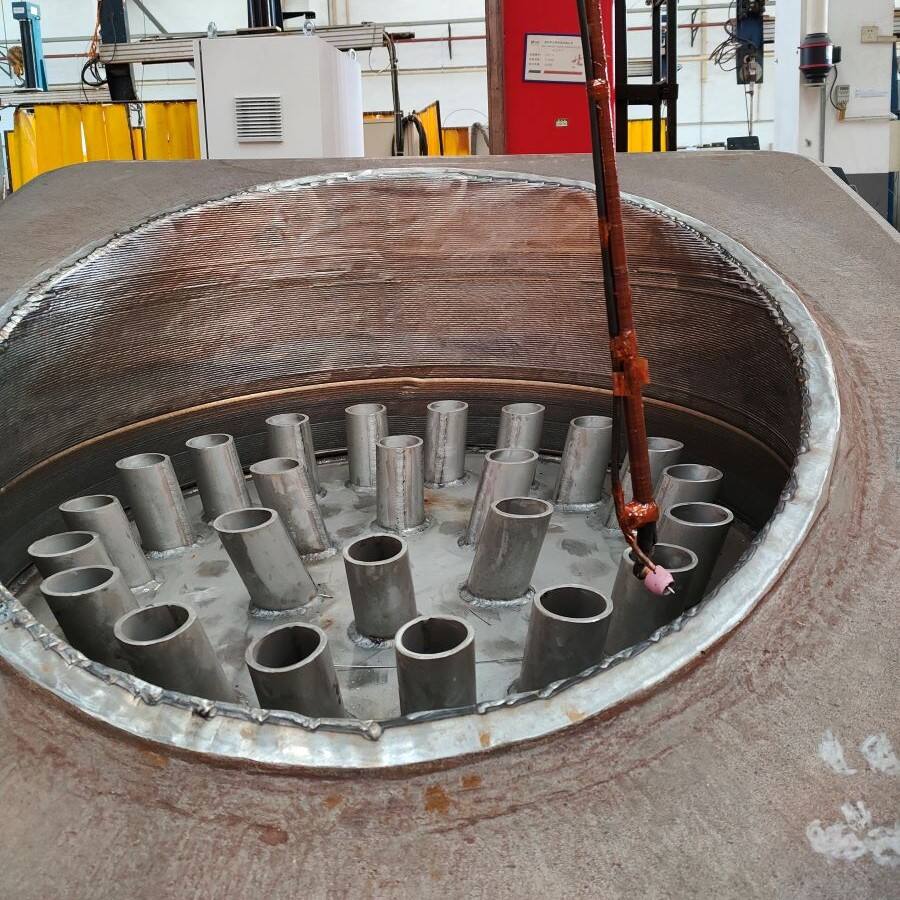
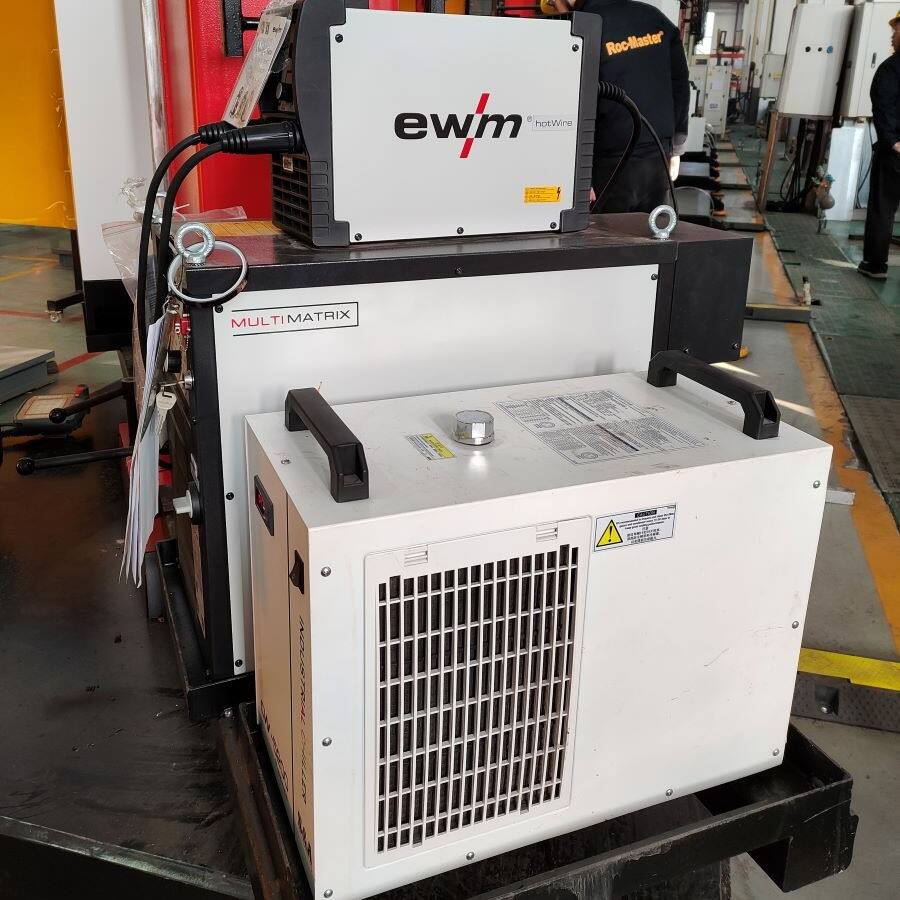
MIG pipe welding, also known as Metal Inert Gas welding or Gas Metal Arc Welding (GMAW), represents a sophisticated welding technique specifically designed for joining pipes and tubular structures. This advanced welding process utilizes a continuous solid wire electrode that feeds through a welding gun, combined with a shielding gas to protect the weld pool from atmospheric contamination. The main function of MIG pipe welding centers on creating strong, durable joints in pipelines used across various industries including oil and gas, water treatment, chemical processing, and construction. The process excels in producing high-quality welds with excellent penetration and minimal defects. Technologically, MIG pipe welding features automated wire feeding mechanisms that maintain consistent arc length and welding parameters. The system incorporates precise gas flow controls, adjustable voltage and amperage settings, and specialized torch designs optimized for pipe geometry. Modern MIG pipe welding equipment includes digital displays, programmable settings, and advanced arc control technologies that enhance weld quality and operator efficiency. The shielding gas, typically argon or argon-carbon dioxide mixtures, creates an inert atmosphere around the weld zone, preventing oxidation and ensuring clean, strong welds. Applications for MIG pipe welding span numerous sectors, from municipal water systems and natural gas distribution networks to industrial process piping and structural applications. The technique proves particularly valuable in manufacturing environments where consistent, repeatable results are essential. Pipeline construction projects rely heavily on MIG pipe welding for its ability to handle various pipe materials including carbon steel, stainless steel, and aluminum alloys. The process accommodates different pipe diameters, wall thicknesses, and joint configurations, making it versatile for both field and shop welding operations. Quality control measures in MIG pipe welding include radiographic testing, ultrasonic inspection, and visual examination to ensure weld integrity meets industry standards and safety requirements.

 EN
EN
 AR
AR BG
BG HR
HR CS
CS DA
DA NL
NL FI
FI FR
FR DE
DE EL
EL HI
HI IT
IT JA
JA KO
KO NO
NO PL
PL PT
PT RO
RO RU
RU ES
ES SV
SV TL
TL IW
IW ID
ID LT
LT UK
UK SQ
SQ HU
HU TH
TH TR
TR FA
FA AF
AF CY
CY MK
MK LA
LA MN
MN KK
KK UZ
UZ KY
KY