
 EN
EN
 AR
AR BG
BG HR
HR CS
CS DA
DA NL
NL FI
FI FR
FR DE
DE EL
EL HI
HI IT
IT JA
JA KO
KO NO
NO PL
PL PT
PT RO
RO RU
RU ES
ES SV
SV TL
TL IW
IW ID
ID LT
LT UK
UK SQ
SQ HU
HU TH
TH TR
TR FA
FA AF
AF CY
CY MK
MK LA
LA MN
MN KK
KK UZ
UZ KY
KY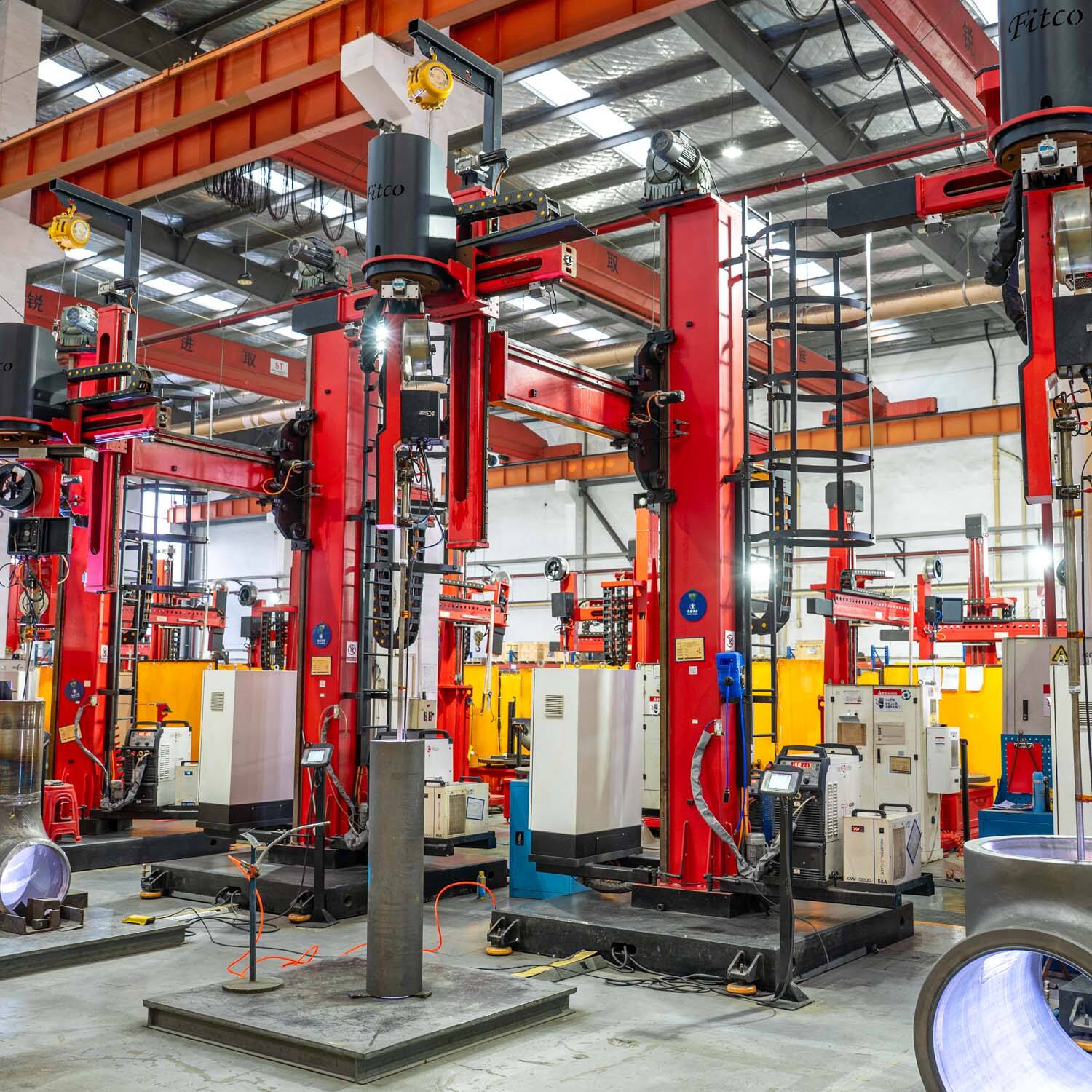
Heavy machinery operates under extreme conditions, facing constant wear from abrasion, corrosion, and mechanical stress that gradually degrades critical components. When expensive equipment begins showing signs of deterioration, manufacturers and operators face a crucial decision between costly replacement and strategic refurbishment. Overlay cladding has emerged as a transformative solution that extends machinery lifespan while maintaining operational performance at a fraction of replacement costs.
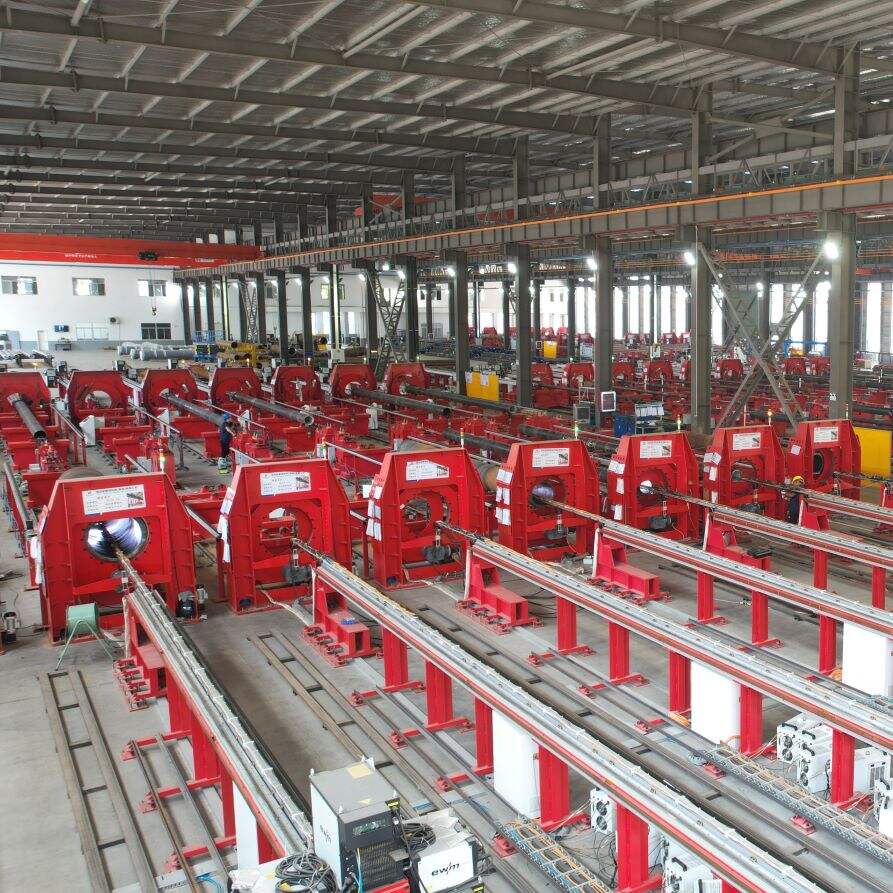
The role of overlay cladding in heavy machinery refurbishment extends far beyond simple surface repair, fundamentally altering how industries approach equipment maintenance and asset management. This advanced welding technique deposits wear-resistant materials onto existing components, creating protective layers that often exceed the performance characteristics of original equipment. Understanding how overlay cladding functions within refurbishment strategies helps organizations maximize equipment return on investment while minimizing operational downtime.
Fundamental Principles of Overlay Cladding in Machinery Restoration
Material Deposition Mechanisms
Overlay cladding operates through controlled material deposition processes that bond protective alloys to base metals without compromising underlying structural integrity. The technique involves precise heat application that creates metallurgical bonds between cladding materials and substrate surfaces. This process requires careful temperature management to ensure proper penetration while avoiding excessive heat input that could alter base metal properties.
Advanced overlay cladding systems utilize sophisticated welding parameters to control dilution rates between deposited materials and existing components. Lower dilution rates preserve the enhanced properties of cladding alloys, ensuring maximum wear resistance and corrosion protection. The precise control of arc characteristics, travel speeds, and material feed rates determines the quality and consistency of the protective overlay.
Modern overlay cladding equipment incorporates automated systems that maintain consistent deposition parameters across large component surfaces. These systems monitor welding variables in real-time, adjusting parameters to compensate for variations in base material thickness, surface conditions, and geometric complexity. Such precision ensures uniform protective characteristics across refurbished components.
Metallurgical Transformation During Refurbishment
The overlay cladding process creates distinct metallurgical zones that enhance component performance beyond original specifications. The fusion zone represents the critical interface where cladding materials metallurgically bond with base metals, creating a transition region with gradually changing properties. This zone must achieve complete fusion while maintaining optimal grain structure for maximum durability.
Heat-affected zones in overlay cladding applications require careful management to prevent adverse metallurgical changes in base materials. Controlled cooling rates and post-weld heat treatment protocols ensure that refurbished components maintain their structural integrity while benefiting from enhanced surface properties. The resulting microstructure combines the strength of original materials with superior wear and corrosion resistance.
Cladding material selection plays a crucial role in determining the final properties of refurbished components. Stainless steel overlays provide excellent corrosion resistance, while hard-facing alloys offer superior wear protection for high-abrasion applications. The choice of overlay cladding materials depends on specific operating conditions and performance requirements of the refurbished machinery.
Strategic Applications in Heavy Machinery Components
Critical Wear Surface Restoration
Overlay cladding addresses wear patterns that develop on critical machinery surfaces exposed to sliding, rolling, or impact conditions. Components such as hydraulic cylinder rods, conveyor rolls, and excavator bucket cutting edges experience predictable wear patterns that can be effectively countered through strategic cladding application. The process restores dimensional accuracy while providing enhanced wear resistance that often exceeds original equipment performance.
Rotating machinery components benefit significantly from overlay cladding applications that restore bearing surfaces and shaft diameters. Worn crankshafts, turbine shafts, and pump impellers can be returned to service specifications through precision cladding techniques that rebuild dimensional tolerances. The resulting surfaces often demonstrate superior hardness and fatigue resistance compared to original components.
Cutting and crushing equipment represents another major application area where overlay cladding proves invaluable in refurbishment operations. Crusher jaws, shredder hammers, and blade assemblies subjected to high-impact conditions benefit from hard-facing overlays that significantly extend service life. These applications often utilize specialized carbide or tungsten-based cladding materials that provide exceptional impact and abrasion resistance.
Corrosion Protection Enhancement
Heavy machinery operating in corrosive environments requires protective measures that go beyond conventional coatings and treatments. Overlay cladding provides permanent corrosion protection through the application of corrosion-resistant alloys that form integral parts of component surfaces. This approach eliminates the maintenance requirements associated with external protective coatings while providing superior long-term protection.
Marine and offshore equipment particularly benefits from overlay cladding applications that combat saltwater corrosion and biological fouling. Stainless steel and nickel-based overlays create protective barriers that resist pitting corrosion and stress cracking common in marine environments. The metallurgical bond between cladding and base materials ensures that protection remains intact even under mechanical stress and thermal cycling.
Chemical processing equipment requires specialized overlay cladding solutions that resist specific corrosive agents while maintaining mechanical properties. The selection of appropriate cladding materials depends on detailed analysis of chemical exposure conditions, operating temperatures, and mechanical loading patterns. Successful applications often involve exotic alloys that provide resistance to specific acids, bases, or organic compounds encountered in processing operations.
Economic Impact and Cost-Benefit Analysis
Capital Expenditure Optimization
Overlay cladding fundamentally alters the economics of heavy machinery maintenance by providing cost-effective alternatives to component replacement. The process typically costs 20-40% of new component prices while delivering performance that often exceeds original specifications. This cost advantage becomes more pronounced for large, complex components where replacement involves significant manufacturing lead times and installation complexities.
Equipment availability considerations make overlay cladding particularly attractive for critical machinery where downtime costs exceed refurbishment expenses. The ability to restore components in-place or with minimal disassembly reduces maintenance windows and associated production losses. Many overlay cladding operations can be performed during scheduled maintenance intervals, eliminating the need for emergency shutdowns.
Long-term asset management strategies increasingly incorporate overlay cladding as a planned maintenance activity rather than emergency repair measure. Proactive cladding applications before severe wear occurs often prove more cost-effective than reactive repairs after component failure. This approach requires condition monitoring systems that identify optimal timing for overlay cladding interventions.
Operational Efficiency Improvements
Refurbished components utilizing overlay cladding often demonstrate improved operational characteristics compared to original equipment. Enhanced wear resistance translates to longer service intervals and reduced maintenance frequency, improving overall equipment effectiveness. The superior properties of modern cladding materials enable machinery to operate at higher productivity levels while maintaining reliability standards.
Energy efficiency improvements frequently result from overlay cladding applications that restore optimal clearances and surface finishes. Worn pump impellers and compressor components regain design efficiency levels through precision cladding that restores hydraulic and aerodynamic performance characteristics. These efficiency gains compound over equipment service life, providing substantial operational cost savings.
Reduced spare parts inventory requirements represent another significant economic benefit of overlay cladding programs. Organizations can maintain smaller inventories of critical components knowing that worn parts can be rapidly restored through cladding processes. This inventory optimization reduces working capital requirements while maintaining operational readiness levels.
Technical Implementation Considerations
Process Planning and Preparation
Successful overlay cladding applications require comprehensive process planning that addresses component geometry, material compatibility, and operational constraints. Pre-cladding preparation involves surface cleaning, dimensional measurement, and defect assessment to ensure optimal bonding conditions. Proper preparation eliminates contaminants that could compromise cladding integrity while identifying areas requiring repair before overlay application.
Fixture design and component positioning play critical roles in achieving uniform overlay cladding results. Complex geometries may require specialized fixturing that provides adequate access while maintaining dimensional stability during welding operations. Automated positioning systems ensure consistent torch-to-work distances and travel angles that directly impact cladding quality and consistency.
Heat management strategies become particularly important for large components where thermal distortion could affect dimensional accuracy. Preheating protocols and controlled cooling procedures help minimize residual stresses while ensuring proper metallurgical characteristics. Advanced applications may incorporate real-time temperature monitoring and automated heat input control systems.
Quality Control and Verification
Quality assurance in overlay cladding operations encompasses both during-process monitoring and post-application verification procedures. Non-destructive testing methods such as penetrant inspection and ultrasonic examination verify cladding integrity and identify potential defects before components return to service. These inspection protocols ensure that refurbished components meet or exceed original performance specifications.
Dimensional verification following overlay cladding requires precision measurement techniques that account for thermal effects and residual stresses. Coordinate measurement systems and laser scanning technologies provide accurate assessment of final component geometry compared to design specifications. Any dimensional discrepancies can be addressed through additional machining operations or localized cladding adjustments.
Mechanical property verification through hardness testing and material analysis confirms that cladding materials exhibit expected characteristics. Microstructural examination reveals fusion zone quality and heat-affected zone conditions that directly impact component performance. Documentation of these quality measures provides traceability and supports warranty considerations for refurbished components.
Future Trends and Technological Advancement
Automation and Digitalization
Advanced overlay cladding systems increasingly incorporate automated features that improve consistency while reducing operator skill requirements. Robotic welding systems programmed for specific component geometries can execute complex cladding patterns with repeatable precision. These systems integrate sensors for real-time monitoring of welding parameters, automatically adjusting conditions to maintain optimal results throughout the process.
Digital twin technology enables virtual simulation of overlay cladding processes before actual implementation. These simulations predict thermal effects, residual stresses, and final component properties based on process parameters and material characteristics. Such predictive capabilities reduce development time for new applications while optimizing process parameters for maximum efficiency and quality.
Artificial intelligence algorithms analyze historical cladding data to identify optimal process windows for specific applications. Machine learning systems recognize patterns in successful overlay cladding operations, automatically adjusting parameters for varying conditions and component geometries. This intelligence integration promises to further improve consistency and reduce the expertise required for complex cladding operations.
Advanced Materials and Techniques
Emerging cladding materials incorporate nanotechnology and advanced metallurgy to achieve unprecedented performance characteristics. Nanostructured coatings provide superior wear resistance while maintaining low friction coefficients that improve machinery efficiency. These advanced materials often require specialized deposition techniques that push the boundaries of traditional overlay cladding processes.
Hybrid processing techniques combine overlay cladding with other surface treatment methods to achieve optimized component properties. Laser-assisted cladding processes provide precise heat input control that enables the use of temperature-sensitive materials previously unsuitable for conventional welding approaches. These hybrid techniques expand the range of applications where overlay cladding can provide effective refurbishment solutions.
Environmentally sustainable cladding materials address increasing regulatory pressure for reduced environmental impact. Bio-based and recyclable cladding materials maintain performance characteristics while supporting sustainability objectives. The development of these materials requires careful balance between environmental considerations and operational performance requirements.
FAQ
How long does overlay cladding extend the service life of heavy machinery components?
Overlay cladding typically extends component service life by 150-300% compared to original equipment, depending on application conditions and cladding material selection. Components operating in severe wear environments may achieve even greater life extensions due to the superior properties of modern cladding alloys. The actual extension depends on factors such as operating conditions, maintenance practices, and the specific wear mechanisms affecting the component.
Can overlay cladding be applied to all types of heavy machinery materials?
Most common heavy machinery materials including carbon steels, low-alloy steels, and cast irons are suitable for overlay cladding applications. However, certain materials such as aluminum alloys, titanium, and some high-alloy steels require specialized techniques and procedures to achieve satisfactory results. Material compatibility assessment is essential before implementing overlay cladding to ensure proper metallurgical bonding and avoid adverse interactions between cladding and base materials.
What is the typical cost savings compared to component replacement?
Overlay cladding typically costs 20-40% of new component replacement while providing equal or superior performance characteristics. Additional savings result from reduced downtime, lower inventory requirements, and extended service intervals. The total cost benefit often reaches 60-80% when considering all factors including installation costs, lead times, and operational impacts associated with component replacement.
How does overlay cladding affect machinery warranties and insurance coverage?
Properly executed overlay cladding using qualified procedures and certified operators generally maintains equipment warranty coverage, though specific warranty terms should be reviewed before implementation. Many insurance providers recognize overlay cladding as an acceptable maintenance practice that can actually reduce risk by improving component reliability. Documentation of cladding procedures, materials, and quality control measures supports warranty claims and insurance coverage considerations.
Table of Contents
- Fundamental Principles of Overlay Cladding in Machinery Restoration
- Strategic Applications in Heavy Machinery Components
- Economic Impact and Cost-Benefit Analysis
- Technical Implementation Considerations
- Future Trends and Technological Advancement
-
FAQ
- How long does overlay cladding extend the service life of heavy machinery components?
- Can overlay cladding be applied to all types of heavy machinery materials?
- What is the typical cost savings compared to component replacement?
- How does overlay cladding affect machinery warranties and insurance coverage?