Professional TIG Welding Components - Advanced Arc Control & Multi-Material Compatibility

Contact me immediately if you encounter problems!

All Categories

Get a Free Quote

Our representative will contact you soon.
Email
Mobile/WhatsApp
Name
Company Name
Message
0/1000

Get a Free Quote

Our representative will contact you soon.
Email
Mobile/WhatsApp
Name
Company Name
Message
0/1000

tig welding components

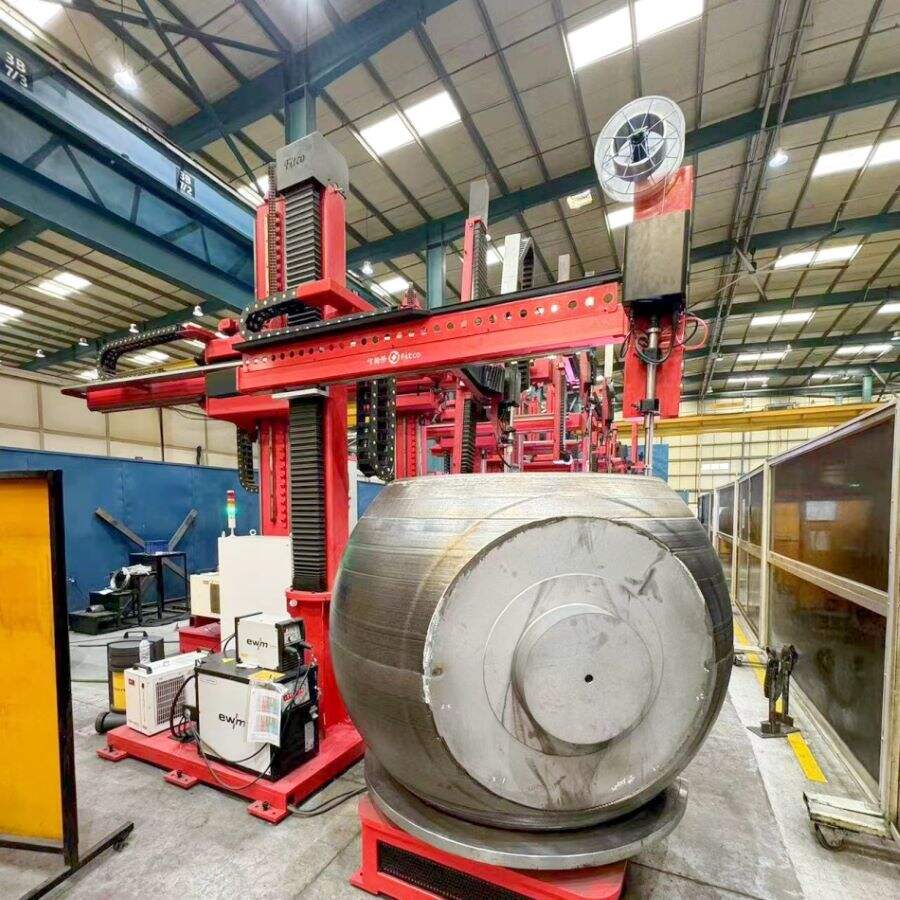
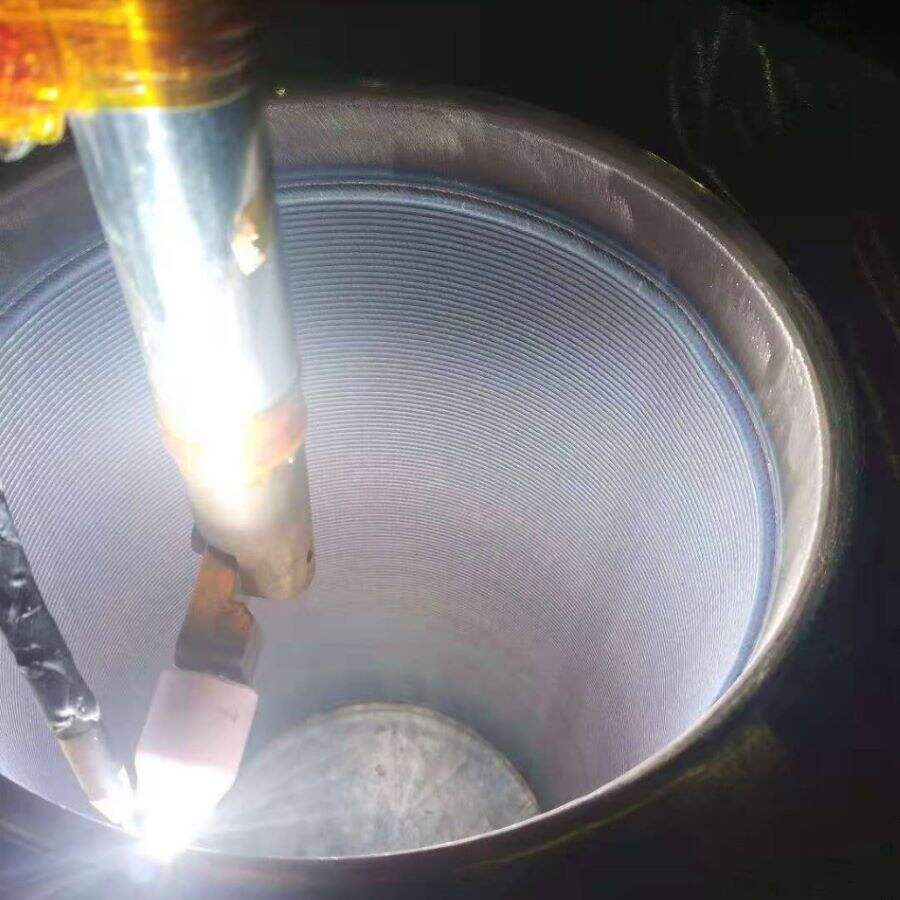
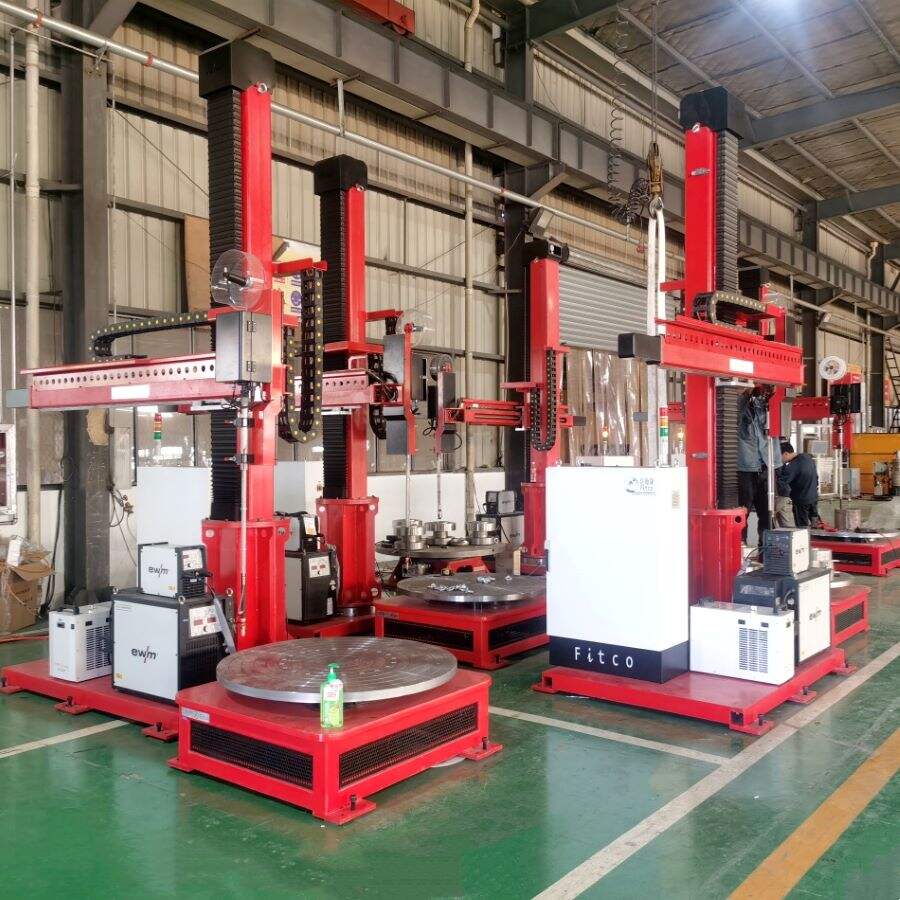
TIG welding components represent the cornerstone of precision welding technology, offering unparalleled control and quality in metal fabrication processes. These sophisticated tig welding components consist of several interconnected elements that work harmoniously to deliver exceptional welding performance. The primary components include the tungsten electrode, which serves as the non-consumable electrode that creates the electric arc, the torch assembly that houses and protects the electrode while directing shielding gas flow, and the power source that provides precise electrical control. The shielding gas system protects the weld area from atmospheric contamination, while the filler metal adds material to create strong, durable joints. Modern tig welding components incorporate advanced technological features such as high-frequency start capabilities, which eliminate the need for electrode contact and reduce contamination risks. Pulse welding functionality allows operators to alternate between high and low current levels, providing better heat control and reducing warping in thin materials. The inverter technology found in contemporary tig welding components delivers superior arc stability, improved energy efficiency, and enhanced portability compared to traditional transformer-based systems. Digital displays and programmable memory functions enable operators to store and recall optimal welding parameters for different materials and thicknesses. The applications for tig welding components span across numerous industries, including aerospace manufacturing where precision and quality are paramount, automotive production requiring clean, strong welds on various alloys, and artistic metalworking where aesthetic appeal matters. These components excel in welding stainless steel, aluminum, titanium, and exotic alloys that demand superior weld quality. The versatility of tig welding components makes them indispensable for both production environments and specialized repair work, where the ability to achieve consistent, high-quality results is essential for maintaining operational excellence and meeting stringent industry standards.

New Product Recommendations

The advantages of tig welding components extend far beyond basic welding capabilities, delivering tangible benefits that directly impact productivity, quality, and operational costs. These components provide exceptional weld quality through precise heat control mechanisms that minimize distortion and produce clean, aesthetically pleasing joints without spatter or slag. The superior arc stability inherent in modern tig welding components ensures consistent penetration and reduces the likelihood of defects, ultimately decreasing rework costs and improving first-pass success rates. Operators benefit from enhanced control over the welding process, as tig welding components allow independent adjustment of heat input and filler metal addition, enabling optimal results across diverse material types and thicknesses. The versatility of these components significantly reduces equipment investment requirements, as a single TIG system can handle multiple materials including aluminum, stainless steel, carbon steel, and exotic alloys. This multi-material capability eliminates the need for separate welding systems, streamlining workshop operations and reducing training requirements. Energy efficiency represents another compelling advantage, as modern tig welding components incorporate inverter technology that consumes less power while delivering superior performance compared to traditional systems. The precise heat control capabilities minimize material waste by reducing burn-through incidents and eliminating the need for extensive post-weld cleanup. Safety benefits include reduced fume generation compared to other welding processes, creating a healthier work environment and potentially lowering ventilation requirements. The non-consumable tungsten electrode design reduces operational costs by eliminating frequent electrode replacement, while the clean welding process minimizes grinding and finishing work. Productivity gains result from faster setup times, reduced material preparation requirements, and the ability to weld in all positions without special considerations. The longevity of tig welding components ensures excellent return on investment, as quality systems can operate reliably for years with minimal maintenance. These practical advantages translate directly into improved profitability through reduced operating costs, enhanced product quality, and increased production efficiency, making tig welding components an intelligent investment for operations prioritizing precision and reliability.

Practical Tips

Top 5 Maintenance Tips to Extend the Life of Your welding machine

16

Mar

Top 5 Maintenance Tips to Extend the Life of Your welding machine

Proper maintenance is the cornerstone of maximizing your welding machine investment and ensuring consistent, high-quality welding performance throughout its operational lifespan. Industrial welding operations rely heavily on equipment reliability, an...
View More
Can MIG Welding Equipment Increase Precision in Automotive Repairs?

27

Nov

Can MIG Welding Equipment Increase Precision in Automotive Repairs?

The automotive repair industry demands exceptional precision and quality, especially when working on critical structural components and body panels. Modern repair shops are increasingly turning to advanced welding technologies to meet these stringent...
View More
How Do TIG Overlay Cladding Machines Improve Surface Durability?

22

Dec

How Do TIG Overlay Cladding Machines Improve Surface Durability?

Industrial surface protection has evolved significantly with the advent of advanced welding technologies, particularly in applications requiring exceptional durability and precision. TIG overlay cladding machines represent a revolutionary approach to...
View More
Which Materials Weld Best with Longitudinal TIG Equipment?

13

Jan

Which Materials Weld Best with Longitudinal TIG Equipment?

Manufacturing industries increasingly rely on advanced welding technologies to achieve superior joint quality and production efficiency. Among the various welding methods available, longitudinal TIG equipment has emerged as a critical solution for ap...
View More

Get a Free Quote

Our representative will contact you soon.
Email
Mobile/WhatsApp
Name
Company Name
Message
0/1000

tig welding components

Advanced Arc Control Technology

Advanced Arc Control Technology

The sophisticated arc control technology integrated into modern tig welding components revolutionizes welding precision and consistency, delivering unprecedented operator control over the welding process. This advanced technology encompasses multiple interconnected systems that work together to maintain optimal arc characteristics throughout the welding operation. The high-frequency start system eliminates the need for tungsten electrode contact with the workpiece, preventing contamination and extending electrode life while ensuring clean arc initiation every time. This feature particularly benefits operations working with sensitive materials where contamination could compromise joint integrity or appearance. The pulse welding capability represents a significant technological advancement, allowing tig welding components to alternate between peak and background current levels at precise intervals. This pulsing action provides superior heat control, reducing heat-affected zones and minimizing distortion in thin materials or heat-sensitive applications. Operators can adjust pulse frequency, peak current duration, and background current levels to match specific material requirements and joint configurations. The inverter-based power delivery system maintains exceptional arc stability even under challenging conditions, compensating for variations in arc length and electrode angle automatically. This stability translates into consistent penetration patterns and uniform bead appearance, reducing the skill level required to achieve professional results. Advanced tig welding components also feature slope control functions that gradually increase current at arc start and decrease current before arc termination, preventing crater formation and hot cracking issues. The precise current control capabilities enable operators to work with materials as thin as 0.5mm without burn-through concerns while maintaining sufficient penetration for structural integrity. Digital feedback systems continuously monitor welding parameters and provide real-time adjustments to maintain optimal conditions, ensuring consistent results regardless of operator experience level. These technological features combine to create tig welding components that deliver superior performance across diverse applications while reducing the learning curve for new operators and enhancing productivity for experienced welders.
Comprehensive Material Compatibility

Comprehensive Material Compatibility

The exceptional material compatibility offered by tig welding components establishes them as versatile solutions for diverse industrial applications, eliminating the need for multiple specialized welding systems. These components excel across an extensive range of materials, from common carbon steels to exotic superalloys, providing consistent, high-quality results regardless of base metal composition. Aluminum welding capabilities represent a particular strength, as tig welding components handle aluminum alloys from thin sheet applications to heavy structural components with equal proficiency. The alternating current capability specifically designed for aluminum applications breaks down the oxide layer while providing adequate penetration, creating strong, corrosion-resistant joints essential for aerospace, marine, and architectural applications. Stainless steel welding benefits from the precise heat control and inert atmosphere provided by tig welding components, preventing sensitization and maintaining corrosion resistance properties critical for food processing, pharmaceutical, and chemical industry applications. The ability to weld dissimilar metals opens additional possibilities, enabling fabricators to join aluminum to steel, stainless steel to carbon steel, or other challenging material combinations that would be difficult or impossible with other welding processes. Titanium and other exotic alloys require the contamination-free environment that tig welding components provide through comprehensive shielding gas coverage and precise thermal management. The back-purging capabilities available with advanced tig welding components ensure complete atmospheric protection for both weld face and root, critical for maintaining material properties in reactive metals. Thin material capabilities extend down to foil thicknesses, making these components invaluable for electronics manufacturing, jewelry fabrication, and precision instrument production where heat input must be carefully controlled. The ability to switch between different shielding gases optimizes performance for specific materials, with argon for general applications, helium for increased penetration, and gas mixtures for enhanced arc characteristics. This comprehensive material compatibility reduces inventory requirements, simplifies training programs, and provides operational flexibility that adapts to changing production demands without requiring additional equipment investments.

Enhanced Productivity and Cost Efficiency

Enhanced Productivity and Cost Efficiency

The productivity and cost efficiency advantages inherent in modern tig welding components deliver measurable returns on investment through multiple operational improvements that directly impact bottom-line profitability. These components significantly reduce setup and changeover times through programmable memory functions that store optimal welding parameters for different materials, thicknesses, and joint configurations. Operators can instantly recall proven settings, eliminating time-consuming trial welds and ensuring consistent results from the first pass. The superior weld quality achieved by tig welding components translates into dramatic reductions in rework and repair costs, as the precise heat control and clean welding environment minimize defects and ensure compliance with quality standards. The elimination of post-weld cleaning requirements saves substantial labor costs, as tig welding components produce spatter-free welds that require minimal finishing work. Energy efficiency improvements result in lower operational costs, as inverter-based tig welding components consume significantly less power than traditional transformer systems while delivering superior performance characteristics. The reduced electrical demand also enables operation from smaller generators in remote locations, expanding application possibilities and reducing infrastructure requirements. Material waste reduction represents another significant cost advantage, as the precise heat control capabilities prevent burn-through incidents and minimize consumable usage. The non-consumable tungsten electrode design further reduces operational expenses by eliminating frequent electrode replacement costs associated with other welding processes. Training costs decrease substantially due to the user-friendly interfaces and consistent performance characteristics of modern tig welding components, enabling operators to achieve proficiency more quickly and maintain skills more easily. The extended equipment lifespan typical of quality tig welding components ensures excellent return on investment, as these systems often operate reliably for decades with proper maintenance. Reduced maintenance requirements result from the simpler mechanical designs and solid-state electronic components that characterize modern systems. The versatility of tig welding components eliminates the need for multiple specialized systems, reducing capital equipment costs, spare parts inventory, and maintenance complexity while providing comprehensive welding capabilities for diverse production requirements.

Get a Free Quote

Our representative will contact you soon.
Email
Mobile/WhatsApp
Name
Company Name
Message
0/1000