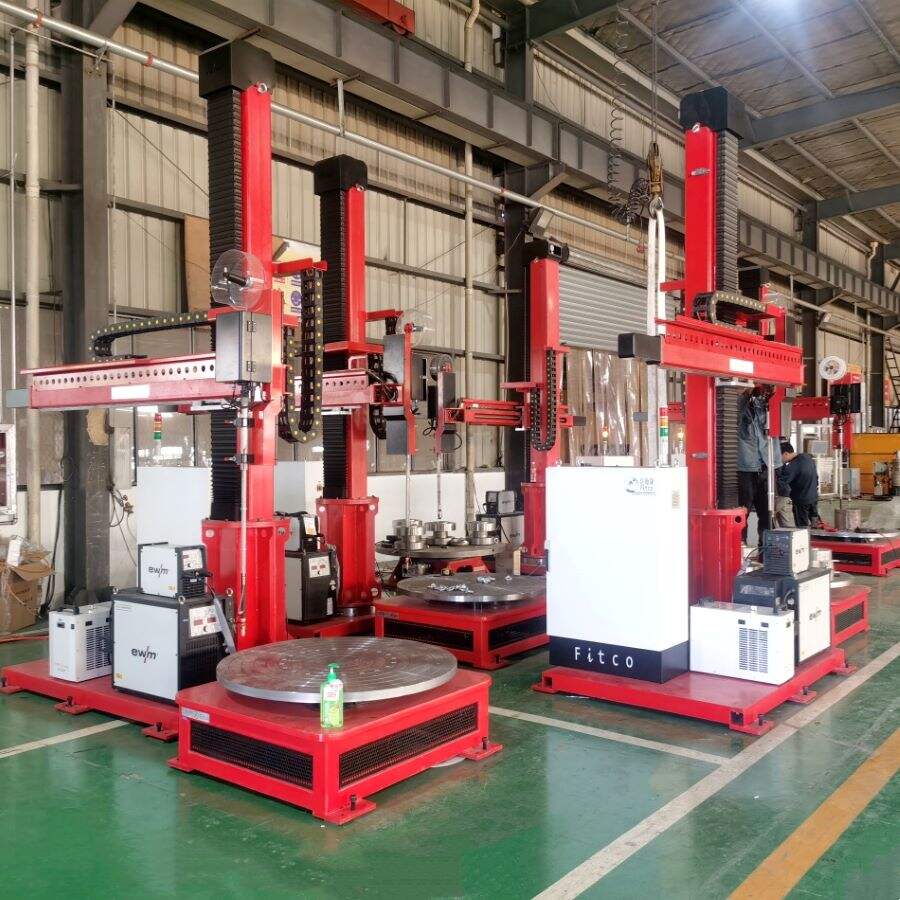
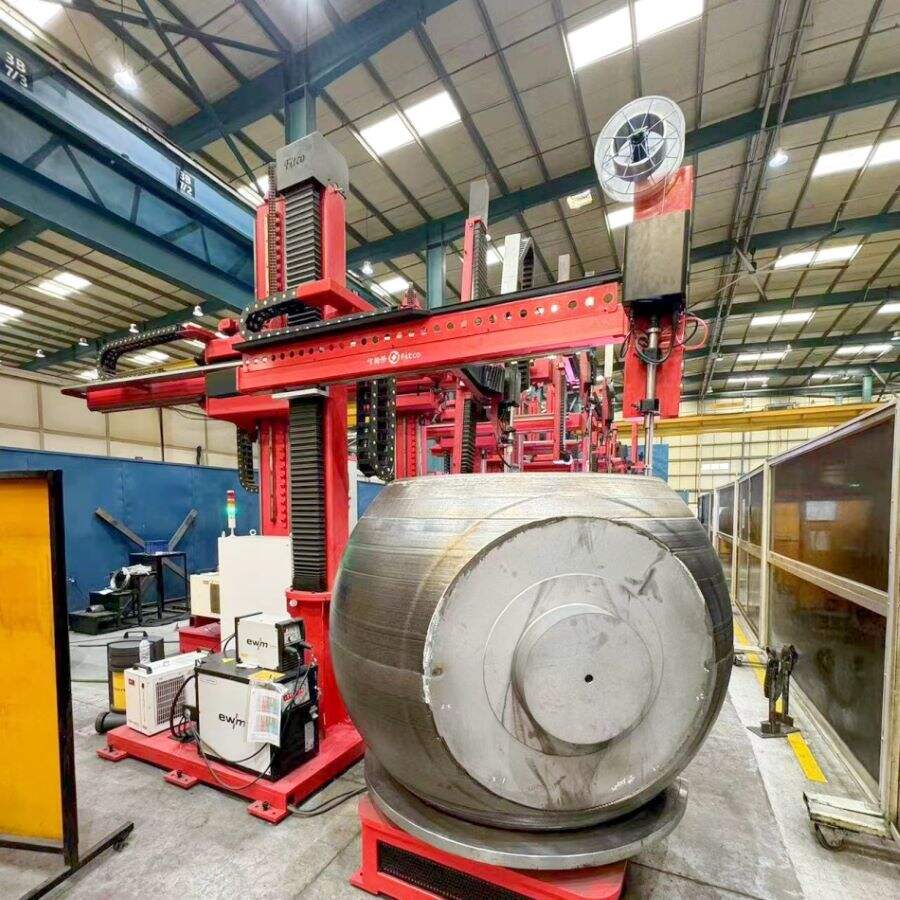
argon tig welding machine
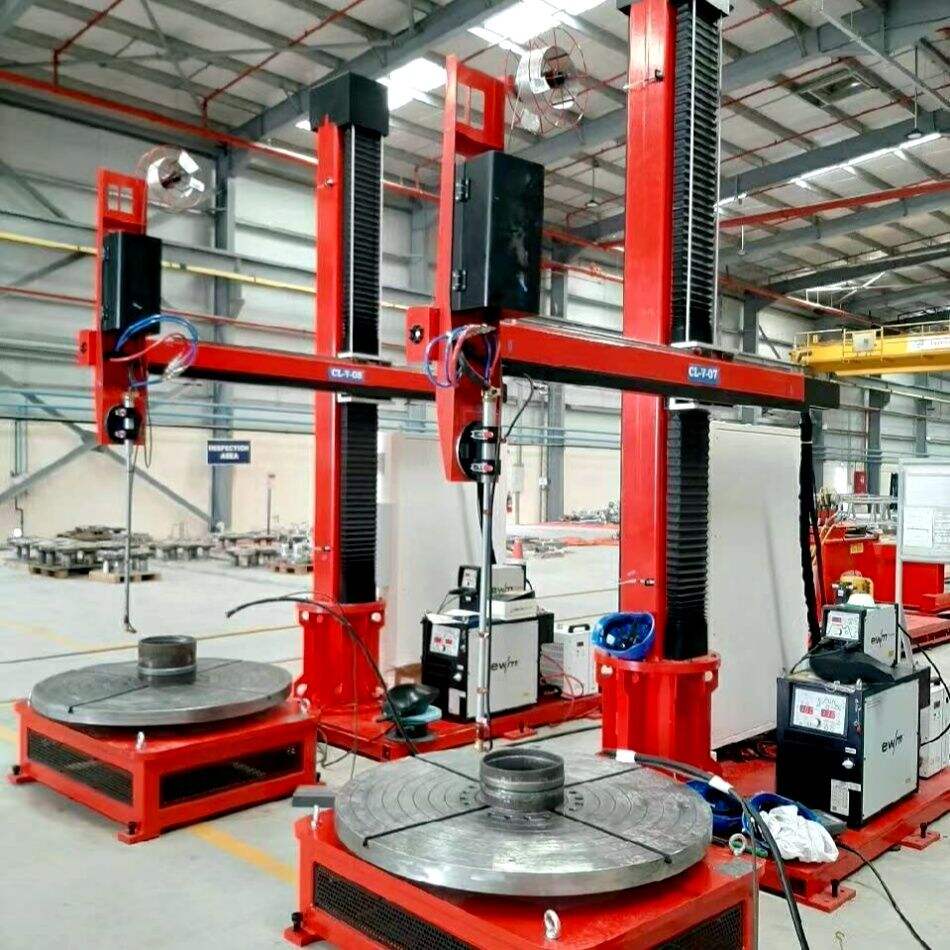
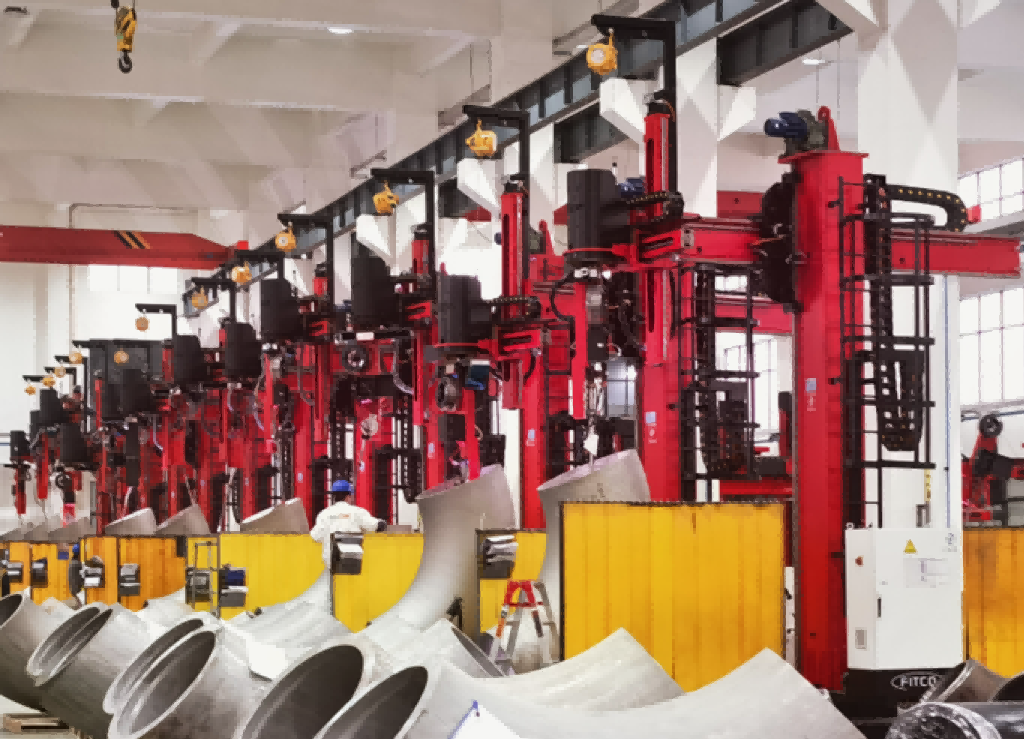
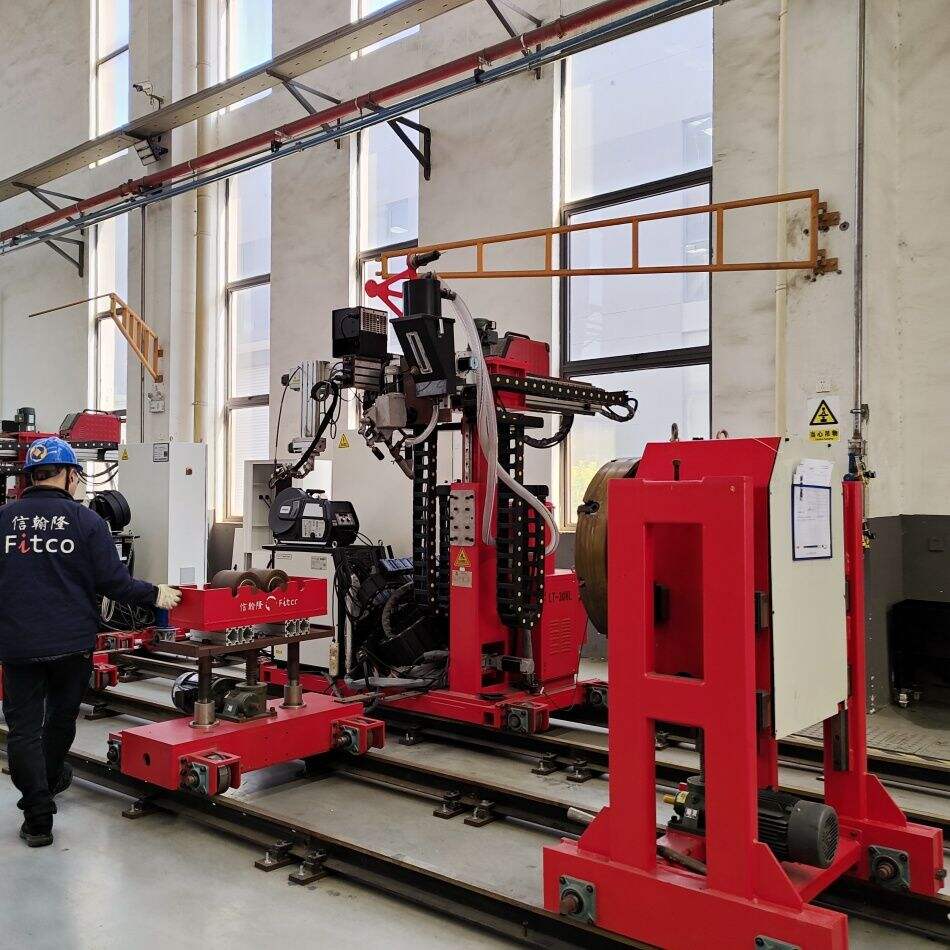
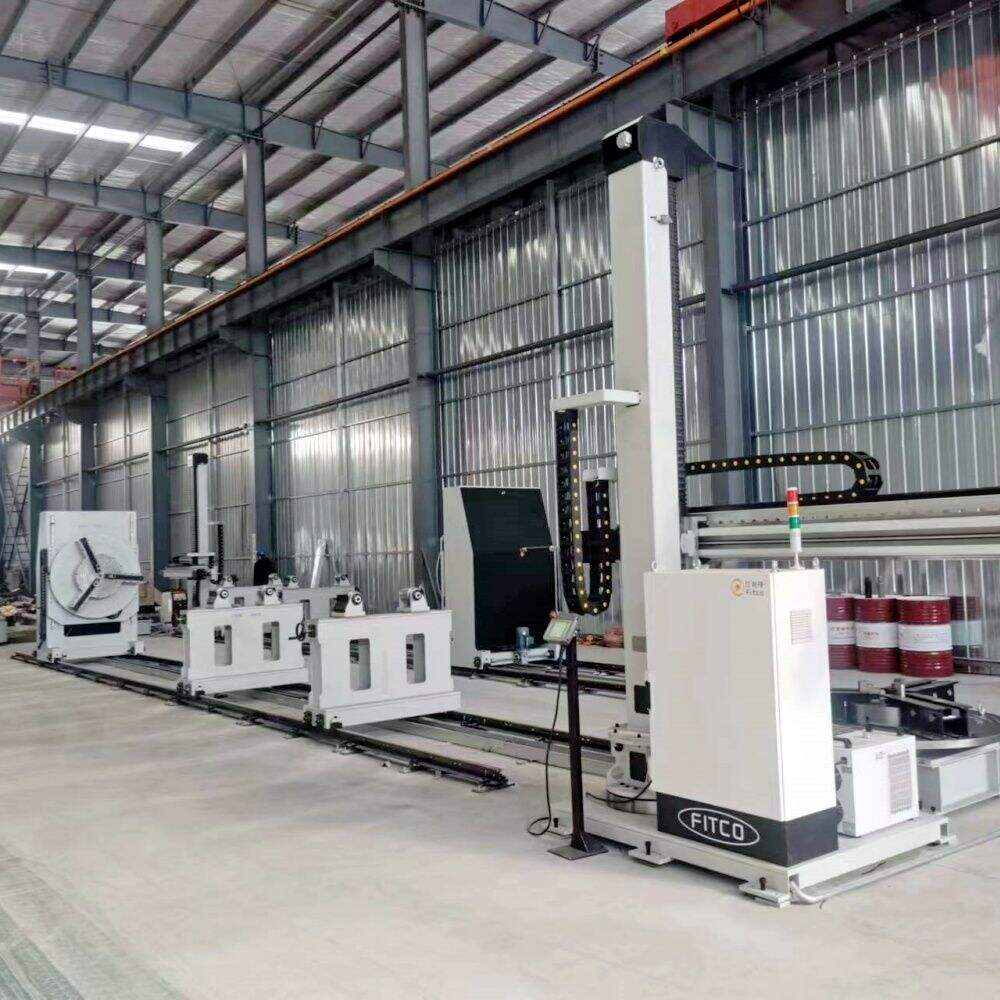
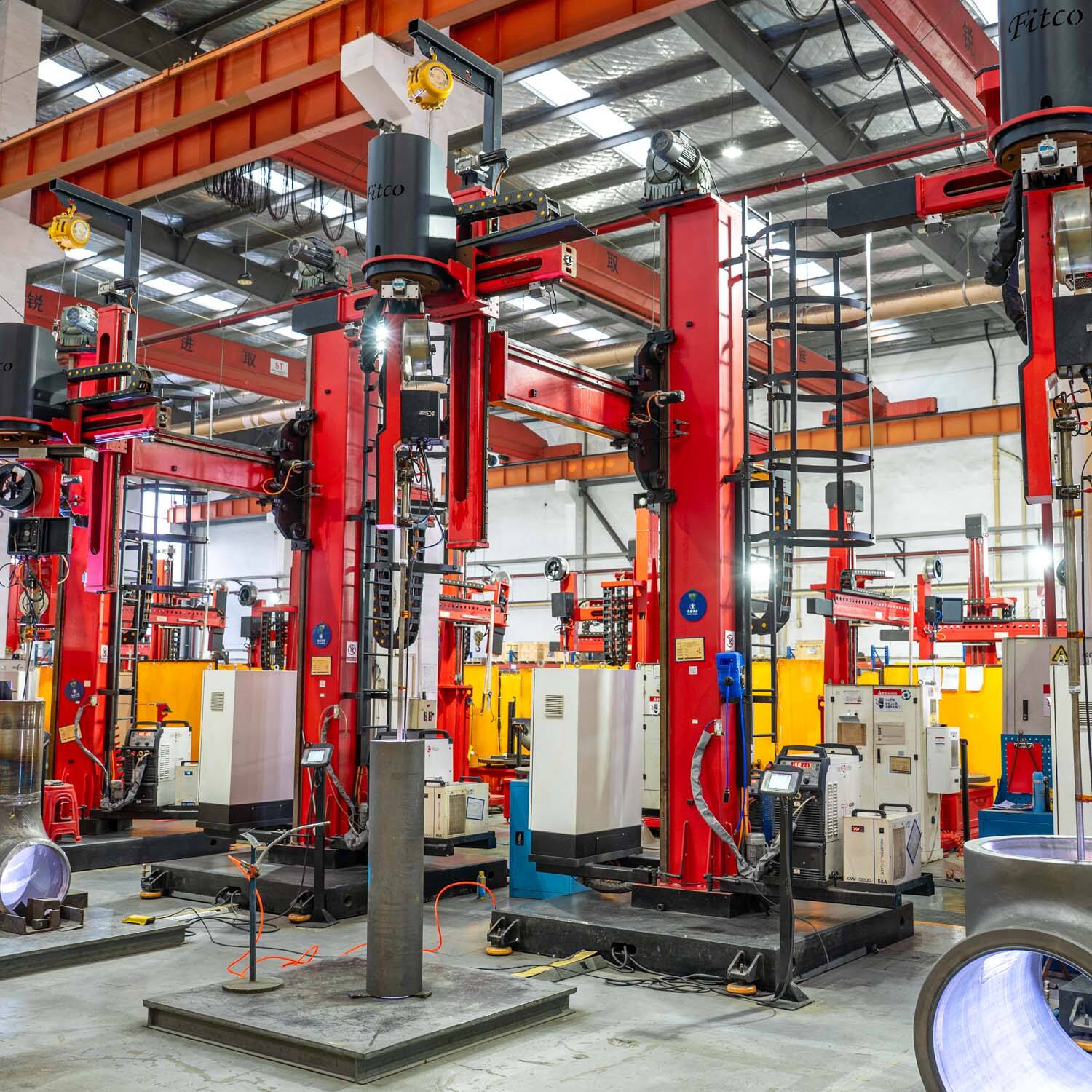
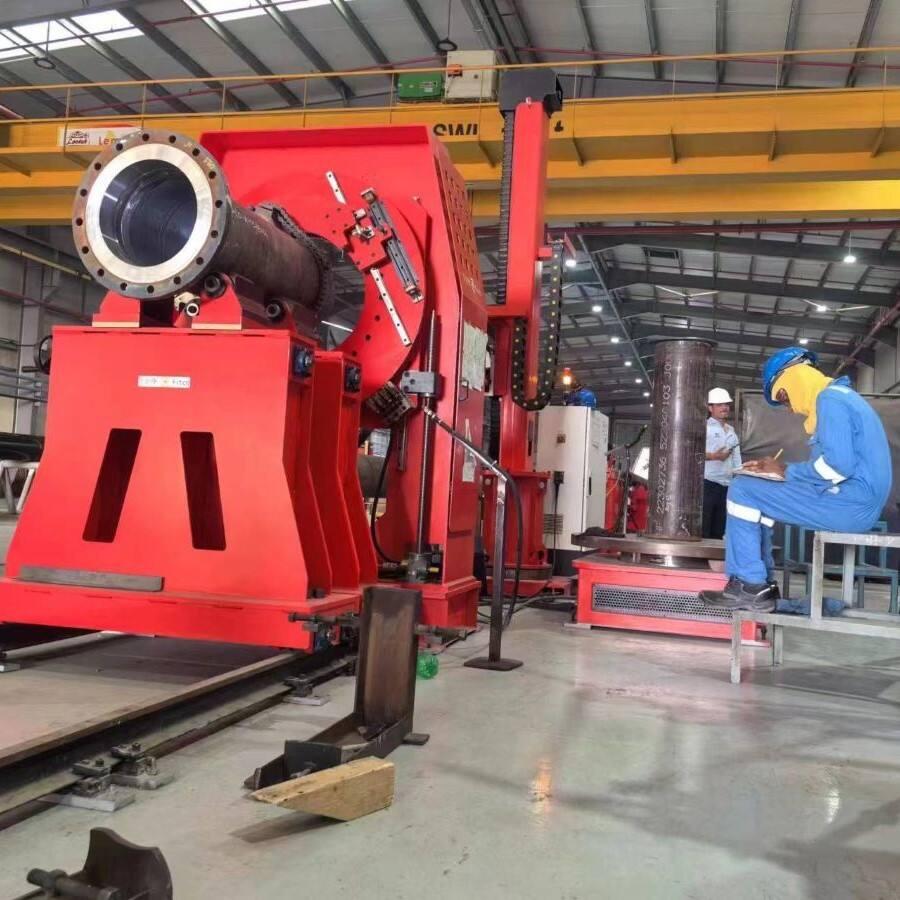
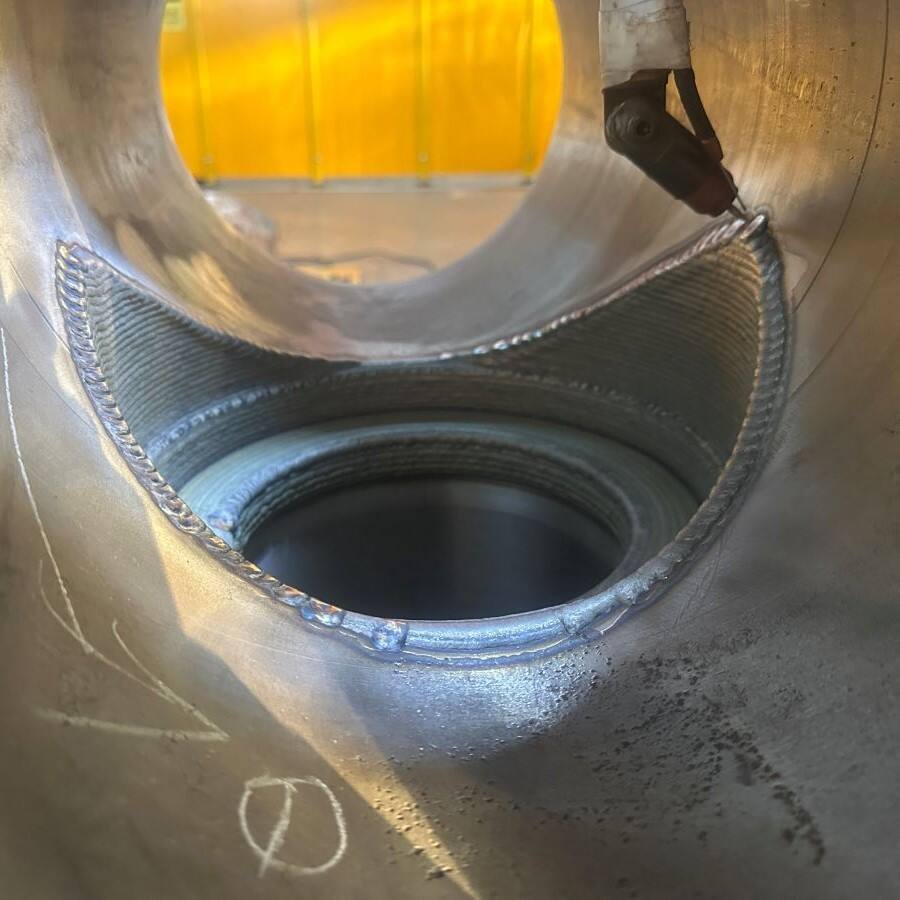
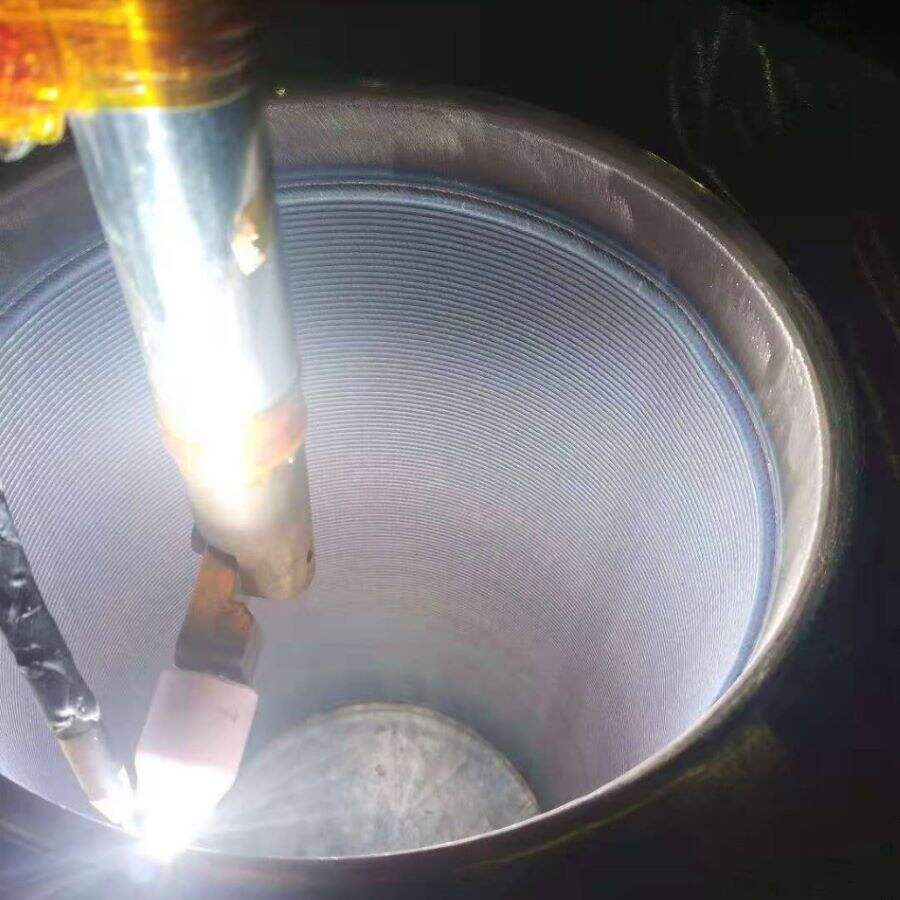
The argon TIG welding machine represents a sophisticated piece of industrial equipment designed to deliver precise, high-quality welds across various materials. TIG, which stands for Tungsten Inert Gas, utilizes argon gas as a shielding medium to protect the weld pool from atmospheric contamination during the welding process. This advanced welding system incorporates a non-consumable tungsten electrode that creates an electric arc between itself and the workpiece, generating intense heat that melts the base materials together. The argon TIG welding machine operates through a carefully controlled process where inert argon gas flows through the torch, creating a protective atmosphere around the molten weld pool. This shielding prevents oxidation and ensures clean, strong weld joints. The machine features adjustable amperage controls that allow operators to fine-tune heat input based on material thickness and type. Modern argon TIG welding machines incorporate inverter technology, which converts standard AC power into high-frequency DC output, providing stable arc characteristics and improved welding performance. These machines typically include both AC and DC welding capabilities, making them versatile for welding aluminum, stainless steel, carbon steel, and exotic alloys. The technological features include digital displays for precise parameter monitoring, pulse welding functions for better heat control, and remote control capabilities for enhanced operator convenience. Applications span across aerospace, automotive, pipeline construction, shipbuilding, and general fabrication industries. The argon TIG welding machine excels in situations requiring superior weld quality, minimal post-weld cleanup, and exceptional aesthetic appearance. Its ability to produce clean, spatter-free welds makes it ideal for thin-section welding and critical applications where structural integrity is paramount. The machine's versatility extends to both manual and automated welding processes, accommodating various production requirements from prototype development to high-volume manufacturing.

 EN
EN
 AR
AR BG
BG HR
HR CS
CS DA
DA NL
NL FI
FI FR
FR DE
DE EL
EL HI
HI IT
IT JA
JA KO
KO NO
NO PL
PL PT
PT RO
RO RU
RU ES
ES SV
SV TL
TL IW
IW ID
ID LT
LT UK
UK SQ
SQ HU
HU TH
TH TR
TR FA
FA AF
AF CY
CY MK
MK LA
LA MN
MN KK
KK UZ
UZ KY
KY