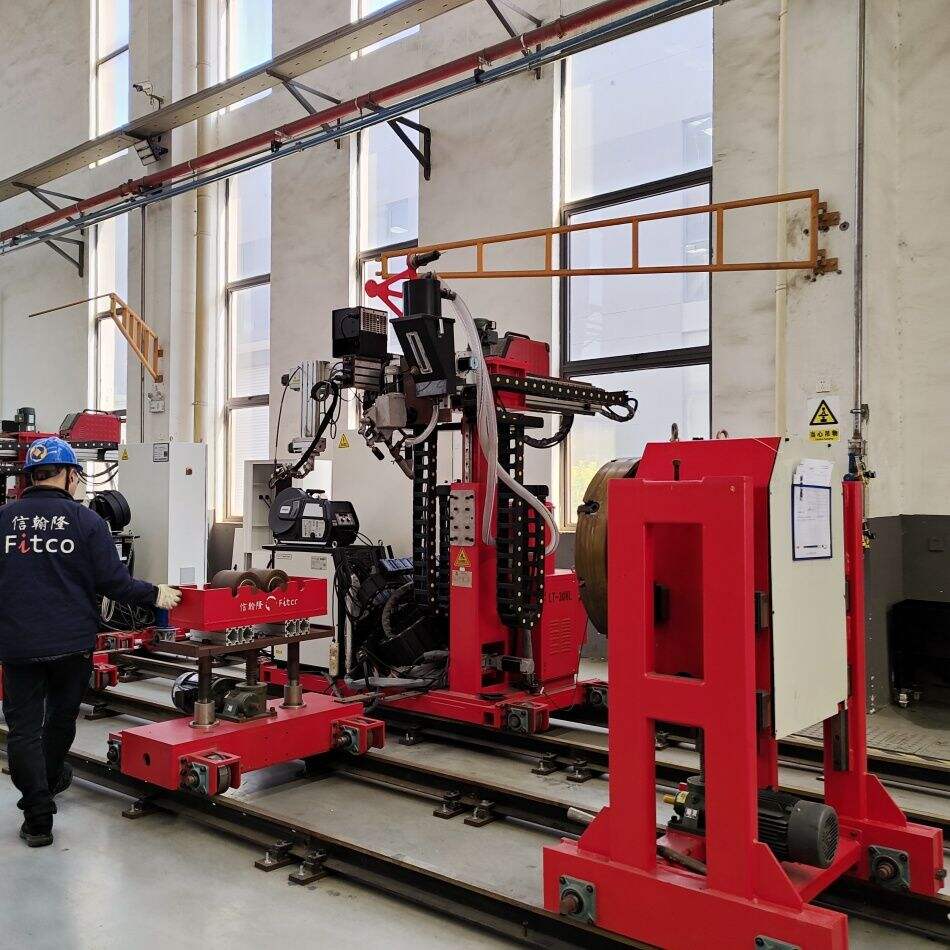
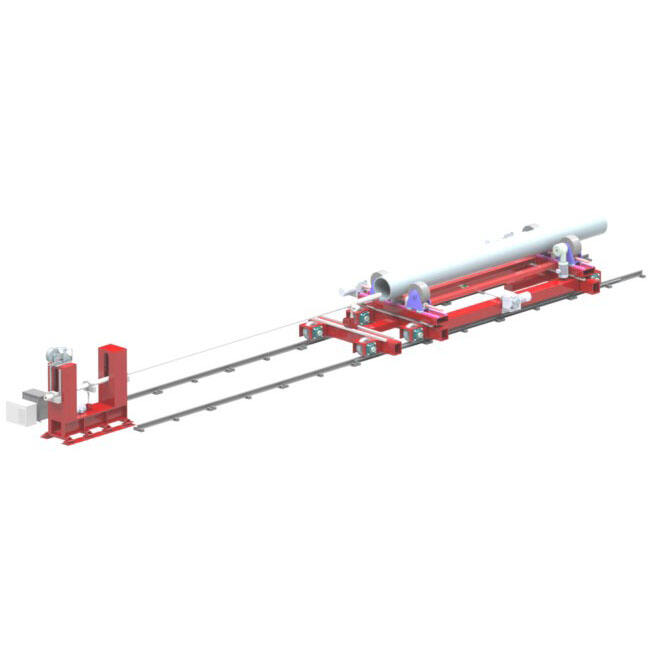
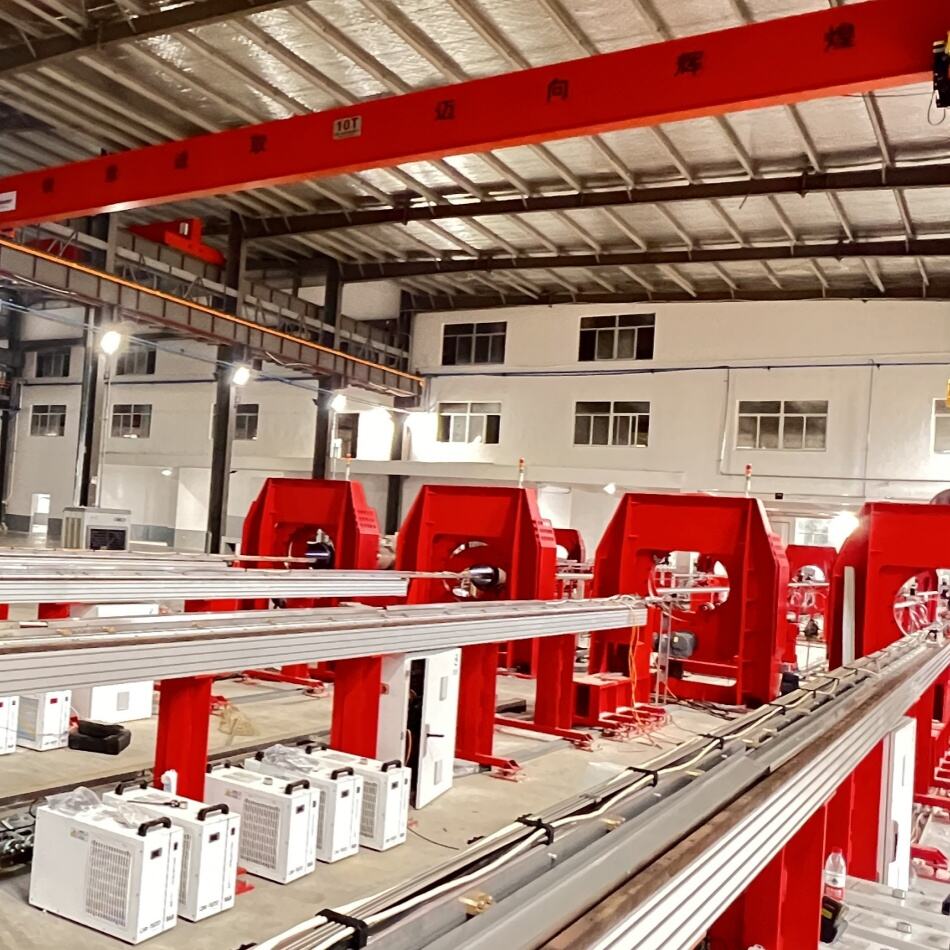
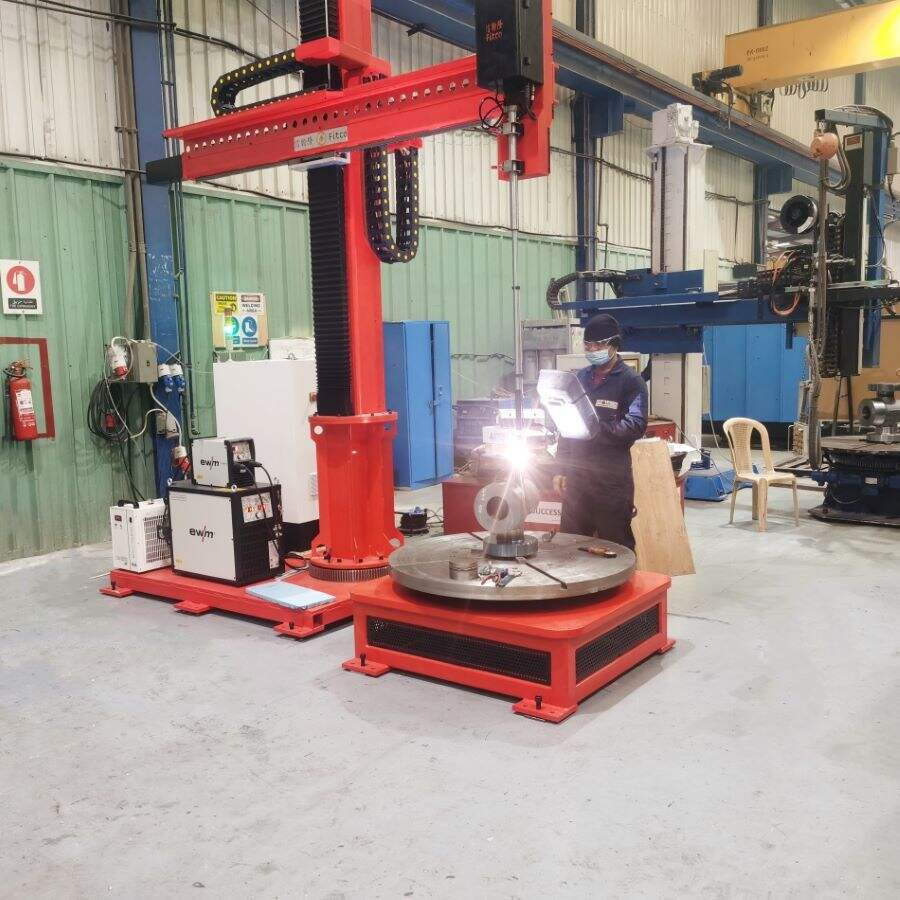
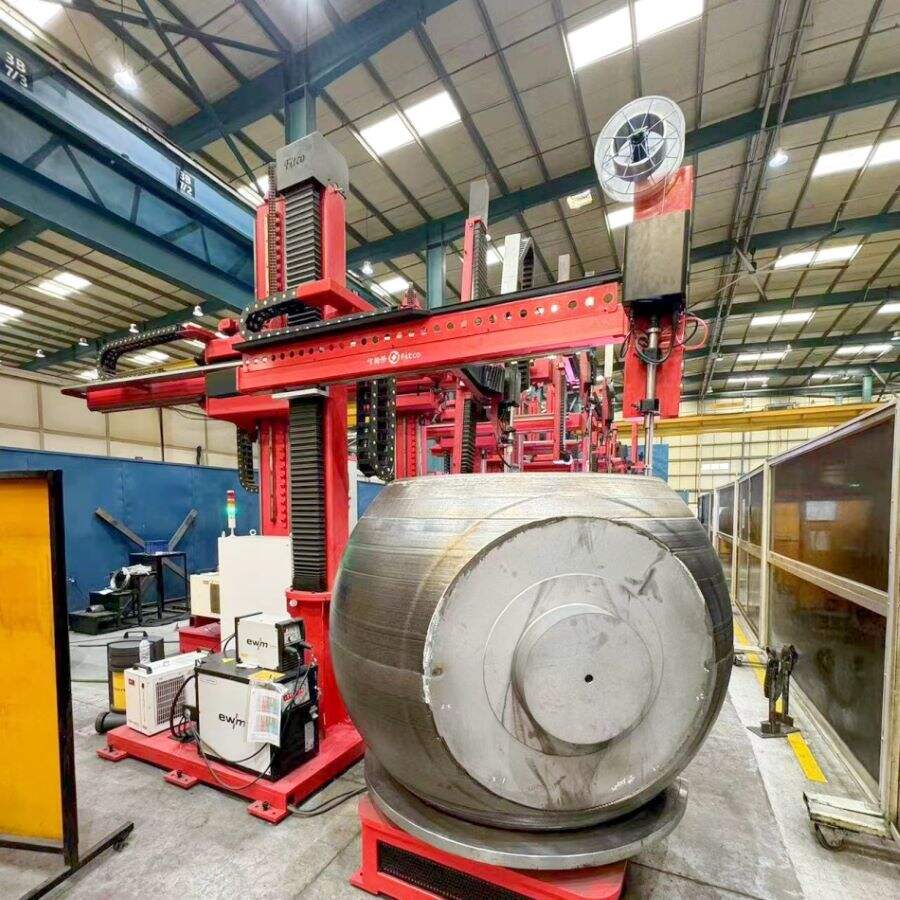
tig stick welder
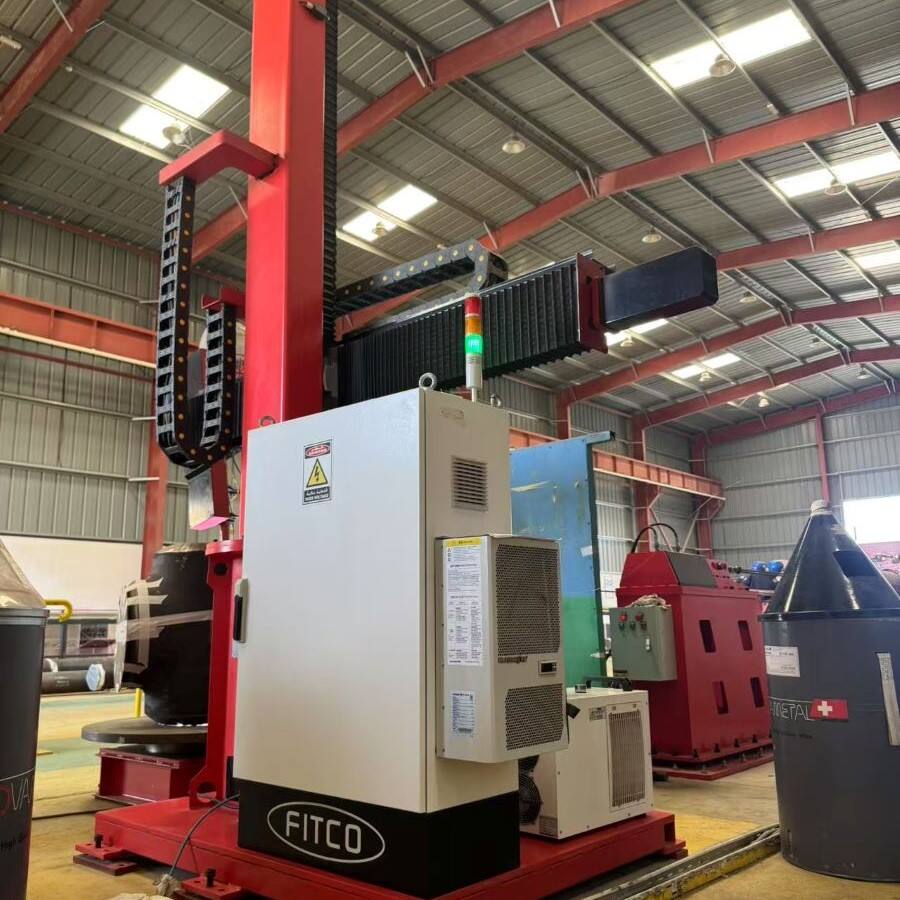
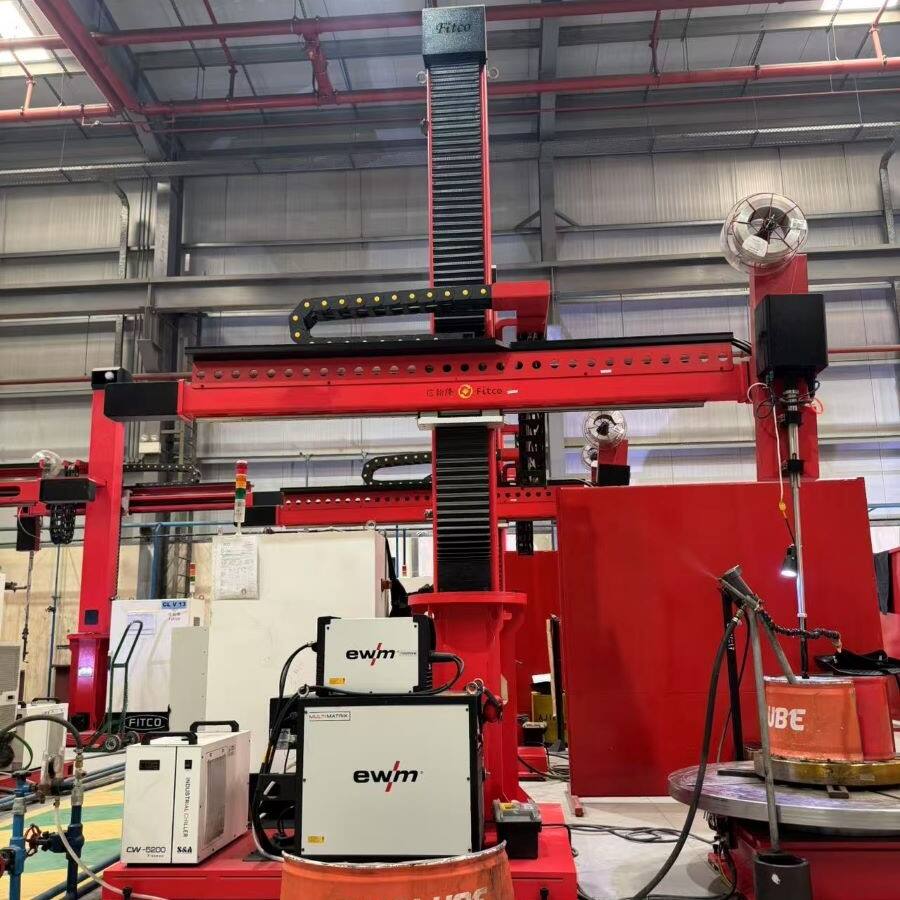
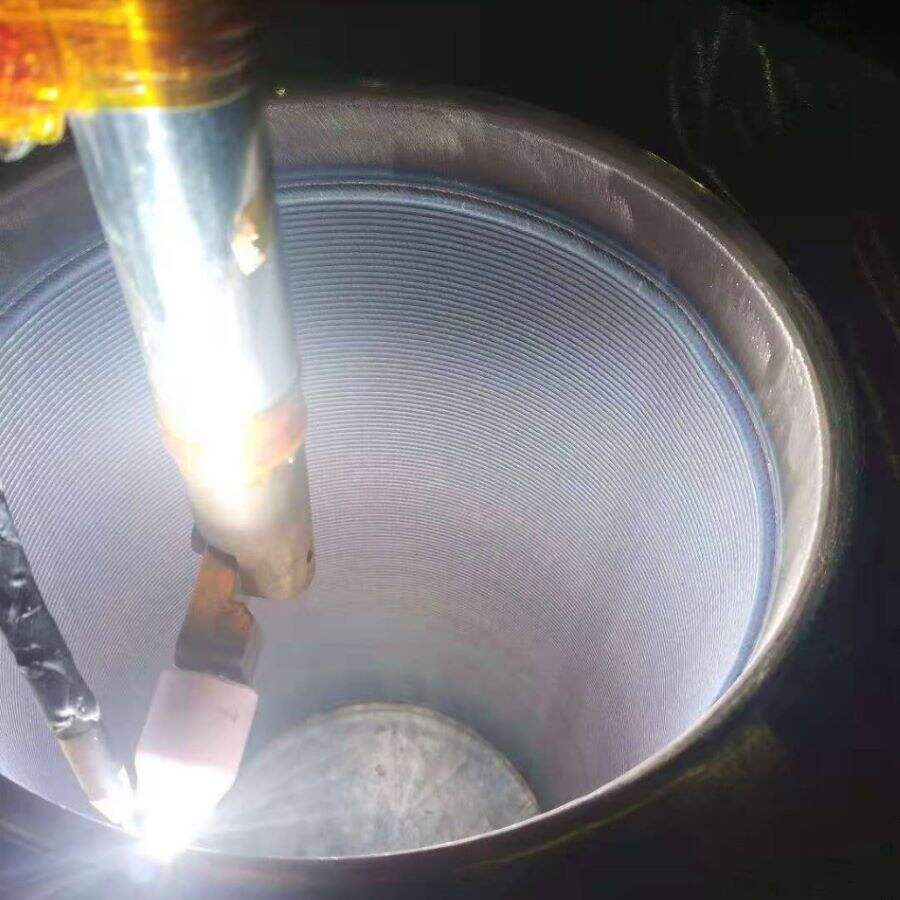
The tig stick welder represents a revolutionary advancement in welding technology, combining two of the most reliable welding processes into a single, versatile machine. This innovative equipment integrates Tungsten Inert Gas (TIG) welding capabilities with traditional stick welding functions, providing welders with unprecedented flexibility and control. The tig stick welder utilizes advanced inverter technology to deliver precise arc control and consistent performance across various welding applications. The TIG function employs a non-consumable tungsten electrode protected by an inert gas shield, typically argon, to create clean, precise welds on thin materials and exotic metals. Meanwhile, the stick welding capability uses consumable electrodes coated with flux to produce strong, penetrating welds suitable for thicker materials and outdoor applications. This dual-process tig stick welder features sophisticated electronic controls that allow operators to adjust amperage, voltage, and other critical parameters with remarkable precision. The machine typically includes advanced features such as pulse welding capabilities, slope controls for gradual arc starts and stops, and pre-flow and post-flow gas settings to ensure optimal weld quality. Modern tig stick welder units incorporate digital displays that provide real-time feedback on welding parameters, making it easier for operators to maintain consistent results. The equipment often includes hot start functions for easier arc initiation, anti-stick technology to prevent electrode adherence, and arc force control to maintain stable arcs even in challenging conditions. Many tig stick welder models offer both AC and DC output options, enabling welders to work with aluminum, stainless steel, carbon steel, and other materials effectively. The portability of these units, combined with their robust construction, makes them suitable for both workshop and field applications. Professional welders appreciate the tig stick welder for its ability to switch seamlessly between processes without requiring separate equipment, reducing setup time and increasing productivity.

 EN
EN
 AR
AR BG
BG HR
HR CS
CS DA
DA NL
NL FI
FI FR
FR DE
DE EL
EL HI
HI IT
IT JA
JA KO
KO NO
NO PL
PL PT
PT RO
RO RU
RU ES
ES SV
SV TL
TL IW
IW ID
ID LT
LT UK
UK SQ
SQ HU
HU TH
TH TR
TR FA
FA AF
AF CY
CY MK
MK LA
LA MN
MN KK
KK UZ
UZ KY
KY