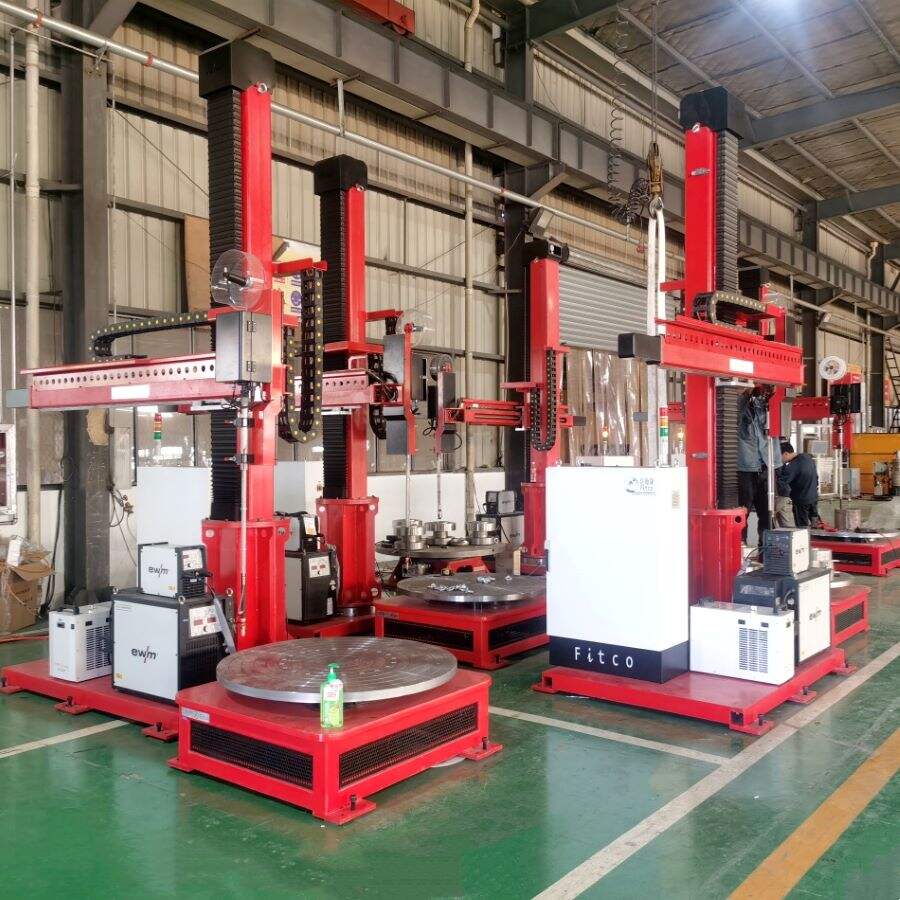
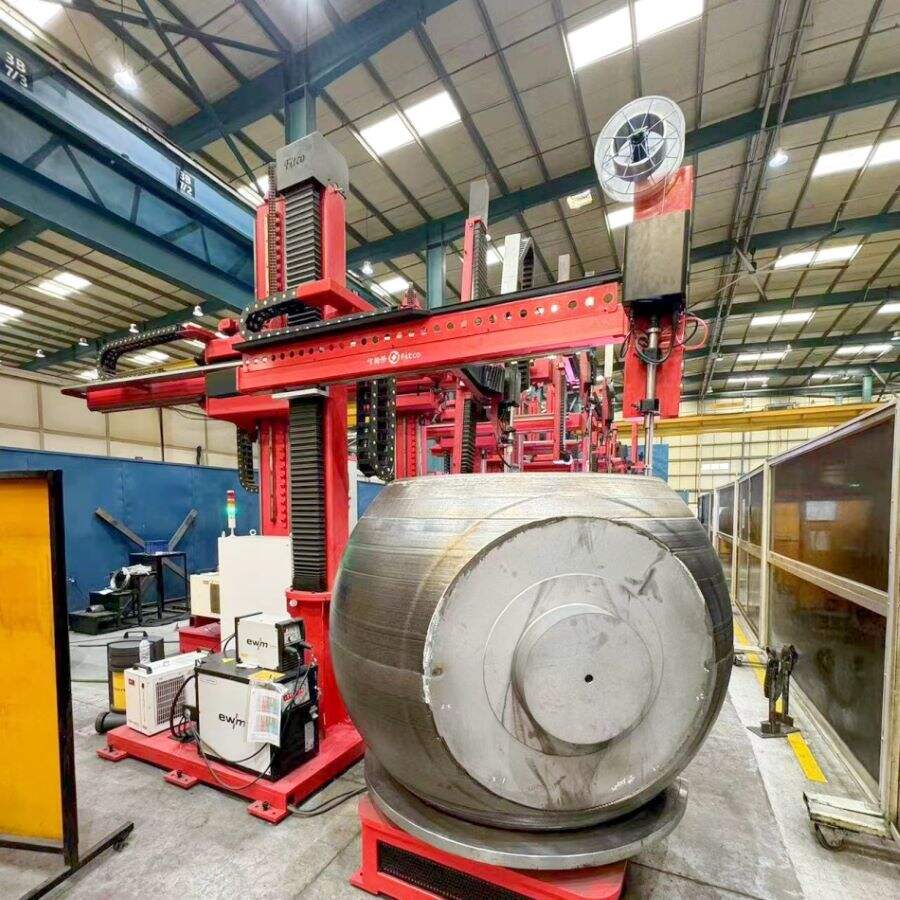
Advanced Digital Control System with Memory Functions
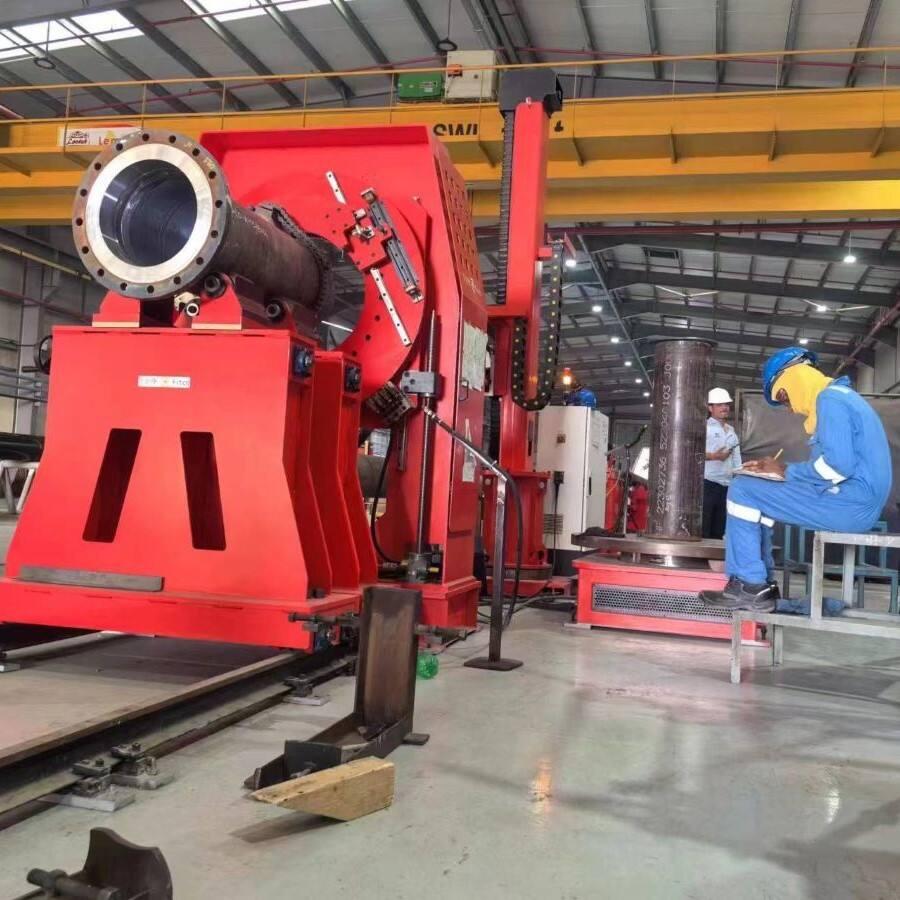
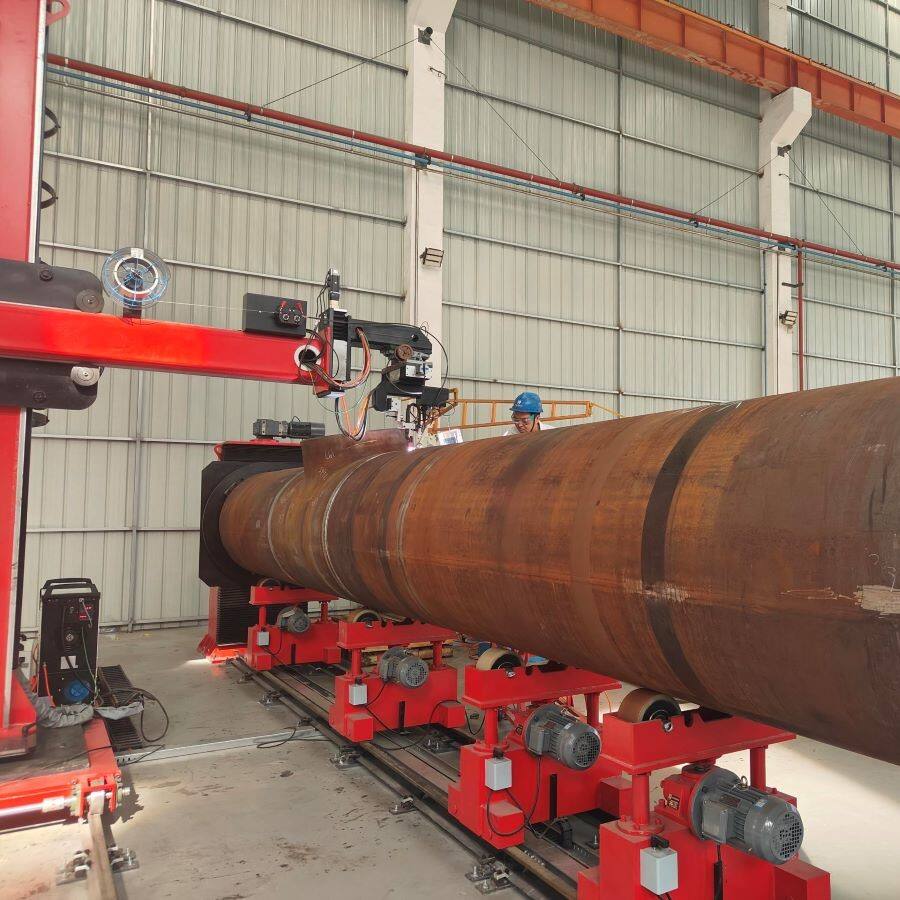
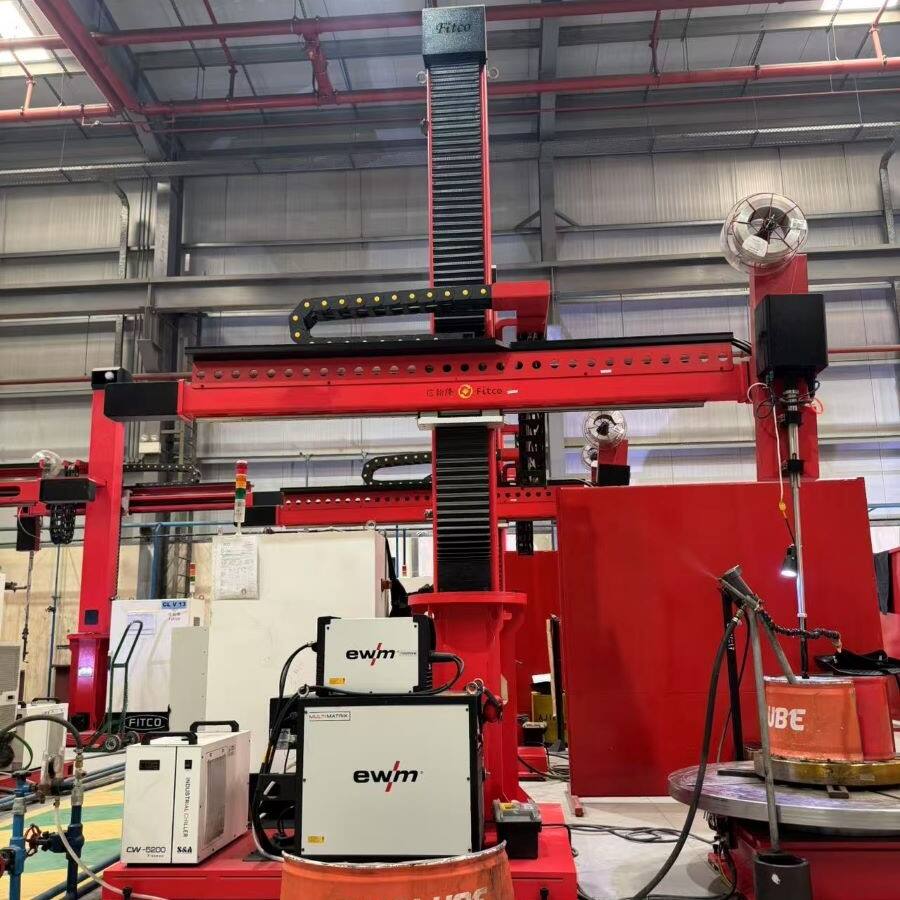
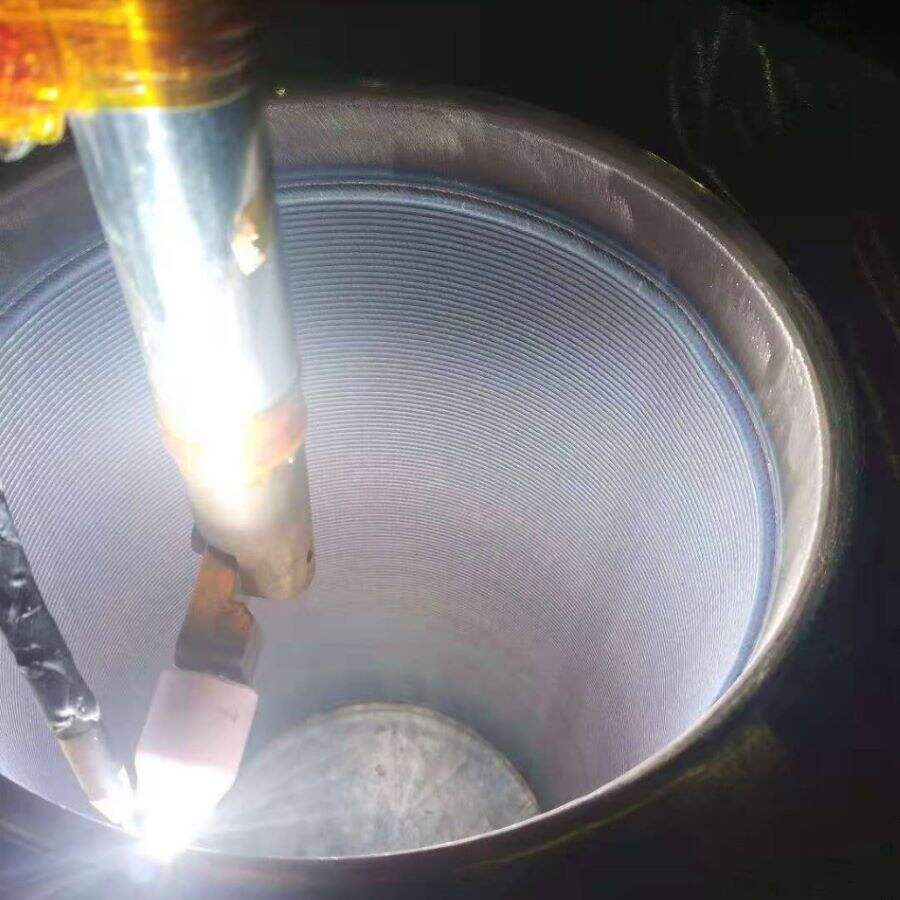
The sophisticated digital control system integrated into modern TIG welding machine sets revolutionizes welding precision through microprocessor-based parameter management and intelligent welding algorithms. This advanced system monitors welding conditions in real-time, automatically adjusting output characteristics to maintain optimal arc stability regardless of variations in material thickness, joint geometry, or environmental conditions. The digital interface displays critical welding parameters including amperage, voltage, gas flow rate, and pulse frequency on a high-resolution LCD screen, providing welders with instant feedback for parameter optimization. Memory banks store up to multiple welding programs, each containing specific parameter sets for different materials, thicknesses, and joint configurations, enabling rapid switching between projects without manual recalibration. The TIG welding machine set utilizes advanced feedback loops that continuously monitor arc voltage and current, making microsecond adjustments to maintain consistent welding conditions even when electrode-to-work distance varies slightly during operation. Programmable pulse welding functions within the TIG welding machine set allow operators to customize pulse frequency, background current percentage, and pulse width to achieve optimal heat input control for specific applications. This precise heat management capability proves invaluable when welding heat-sensitive materials or working in challenging positions where excessive heat input could cause distortion or burn-through. The digital system also incorporates soft-start and crater-fill functions that eliminate common welding defects at the beginning and end of each weld, ensuring consistent quality throughout the entire joint. Advanced thermal monitoring prevents equipment damage by tracking internal component temperatures and automatically reducing output when approaching thermal limits, then resuming full power as conditions normalize. The user-friendly programming interface allows welders to create custom welding schedules that automatically sequence through multiple parameter sets during complex welding procedures, reducing operator workload while maintaining consistent results across repetitive production runs.

 EN
EN
 AR
AR BG
BG HR
HR CS
CS DA
DA NL
NL FI
FI FR
FR DE
DE EL
EL HI
HI IT
IT JA
JA KO
KO NO
NO PL
PL PT
PT RO
RO RU
RU ES
ES SV
SV TL
TL IW
IW ID
ID LT
LT UK
UK SQ
SQ HU
HU TH
TH TR
TR FA
FA AF
AF CY
CY MK
MK LA
LA MN
MN KK
KK UZ
UZ KY
KY