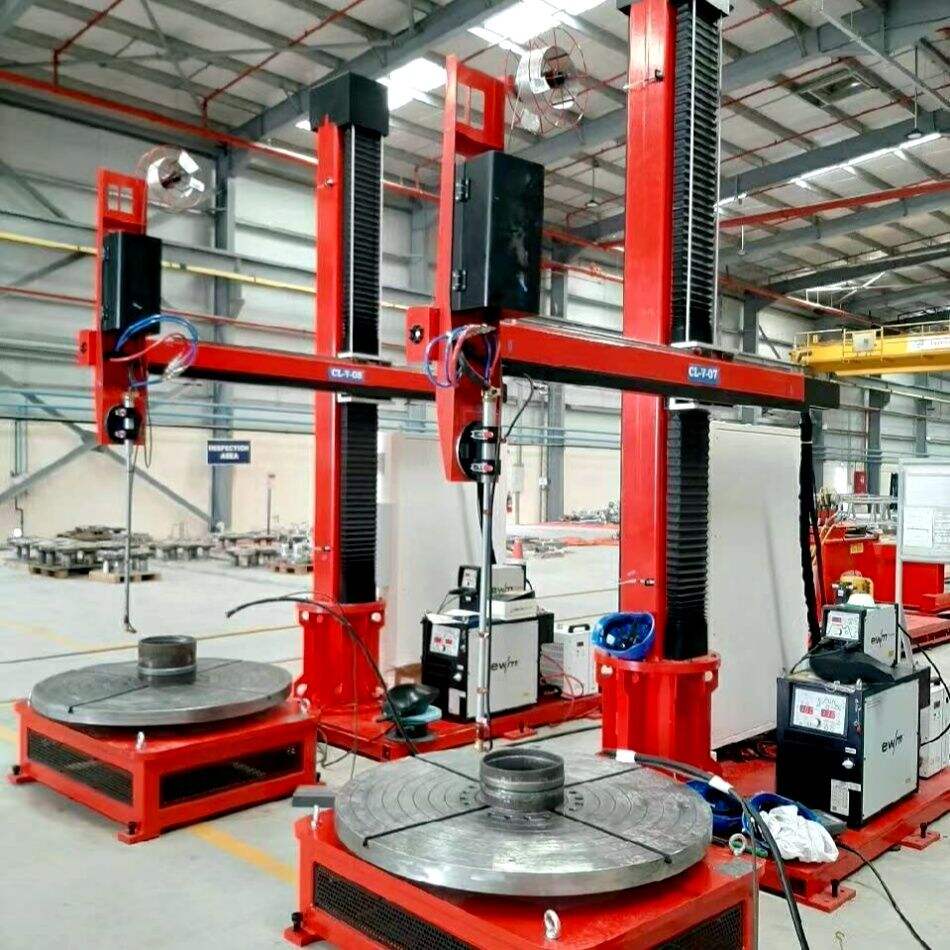
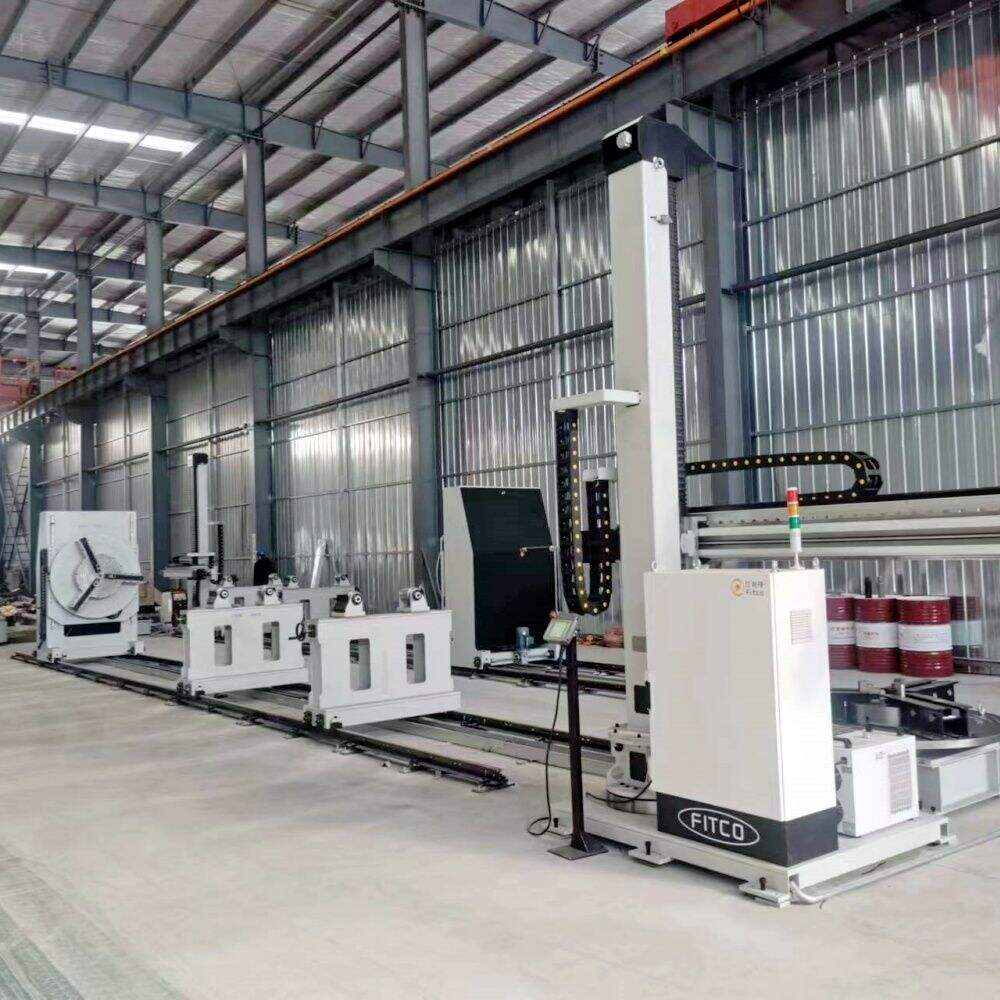
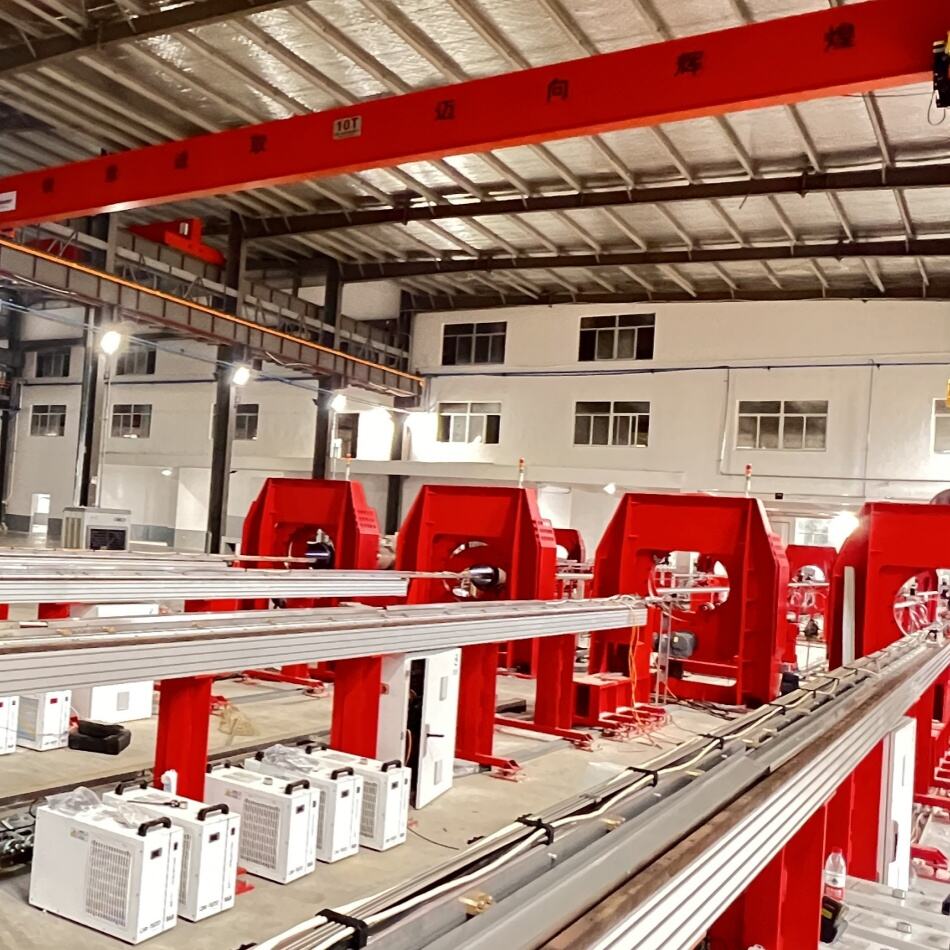
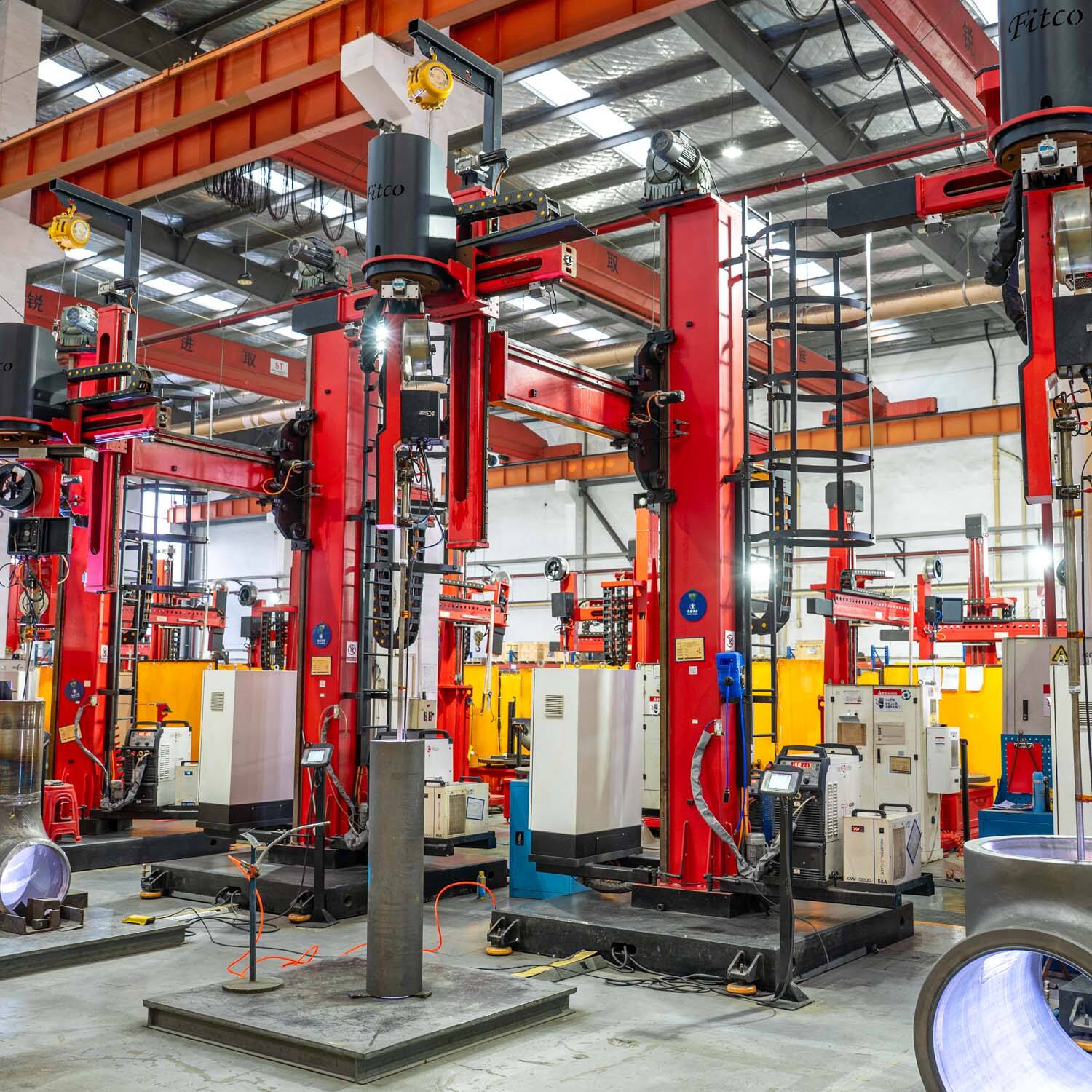
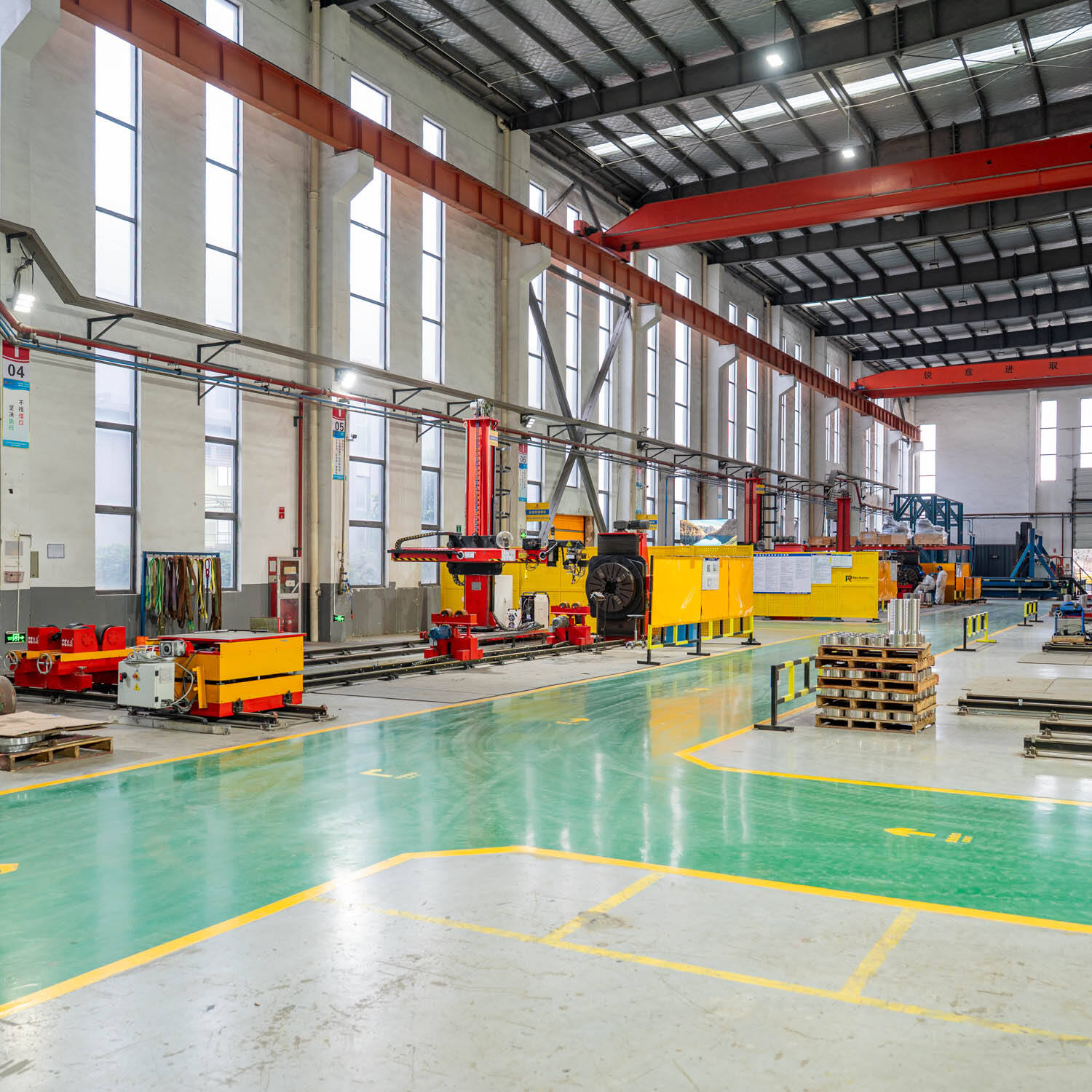
Professional Seam Welding Equipment - Advanced Continuous Welding Solutions

Contact me immediately if you encounter problems!

All Categories

Get a Free Quote

Our representative will contact you soon.
Email
Mobile/WhatsApp
Name
Company Name
Message
0/1000

Get a Free Quote

Our representative will contact you soon.
Email
Mobile/WhatsApp
Name
Company Name
Message
0/1000

seam welding equipment

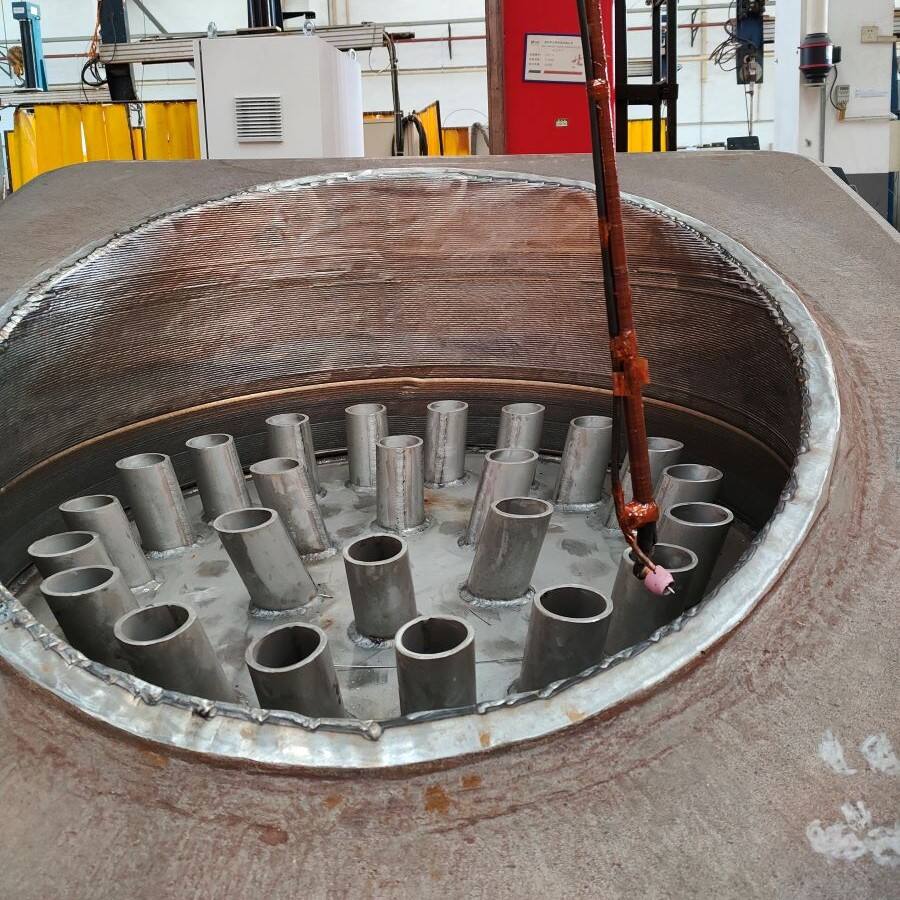
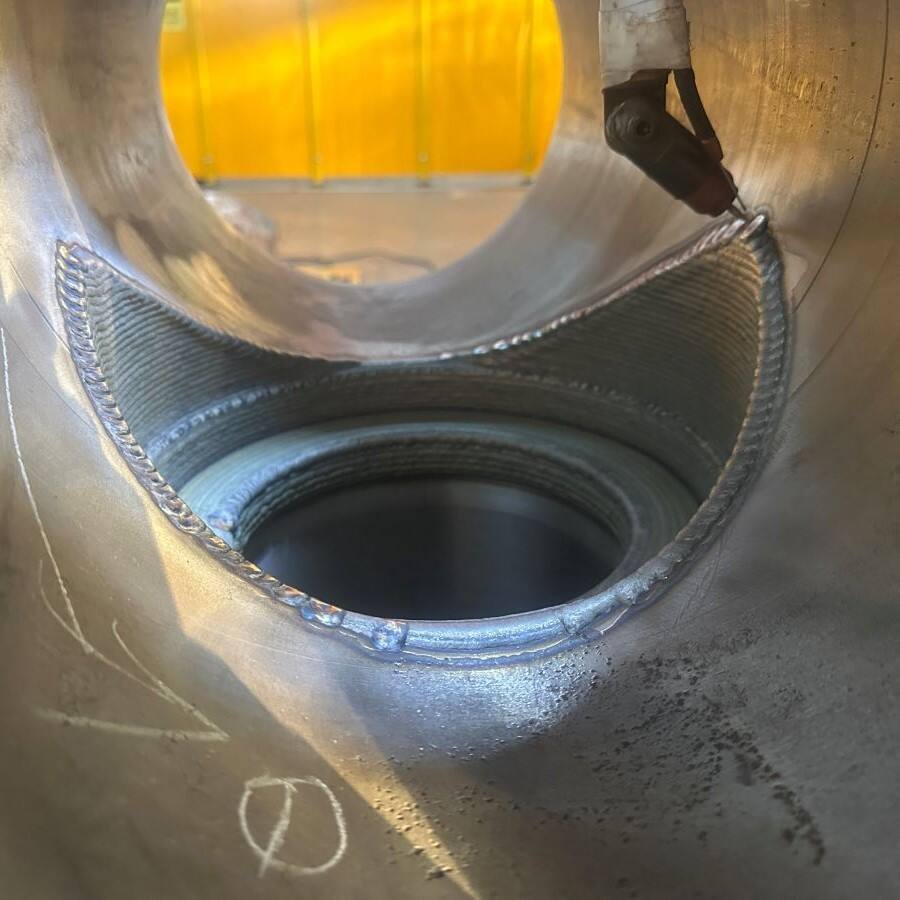
Seam welding equipment represents a specialized category of resistance welding machinery designed to create continuous, leak-proof joints along the length of overlapping metal sheets. This sophisticated welding technology employs two electrode wheels that rotate continuously while applying pressure and electrical current to form a series of overlapping spot welds, resulting in a hermetic seam. The primary function of seam welding equipment centers on producing watertight and airtight joints essential for manufacturing containers, tanks, and various sheet metal assemblies. The technological foundation of seam welding equipment relies on resistance heating principles, where electrical current passes through the metal workpieces at the point of contact between the electrode wheels. The controlled application of heat, pressure, and timing ensures consistent weld quality throughout the entire seam length. Modern seam welding equipment incorporates advanced control systems that monitor and adjust welding parameters in real-time, including current intensity, electrode pressure, welding speed, and cooling cycles. These machines feature robust construction with precision-engineered electrode wheels made from copper alloys or specialized materials that provide excellent electrical conductivity and durability. The equipment typically includes adjustable throat depths, variable welding speeds, and programmable control panels that accommodate different material thicknesses and welding requirements. Applications for seam welding equipment span numerous industries, including automotive manufacturing for fuel tanks and exhaust systems, aerospace for structural components, appliance production for water heaters and refrigeration units, and packaging industries for creating sealed containers. The versatility of seam welding equipment makes it indispensable for producing longitudinal and circumferential seams in cylindrical objects, rectangular containers, and complex geometrical shapes requiring continuous welded joints.

New Product Releases

Seam welding equipment delivers exceptional value through its ability to produce continuous, high-quality welds that surpass traditional welding methods in both efficiency and reliability. The primary advantage lies in creating hermetically sealed joints that prevent leakage, making this technology essential for applications requiring absolute containment integrity. Unlike conventional welding processes that may leave gaps or weak points, seam welding equipment ensures complete seam continuity through overlapping weld nuggets that form an unbroken barrier. The automated nature of seam welding equipment significantly reduces labor costs while increasing production throughput. Operators can achieve consistent welding speeds ranging from several inches to several feet per minute, depending on material specifications and quality requirements. This automation eliminates human error variations and produces uniform weld quality across entire production runs, resulting in higher yield rates and reduced scrap material. The precision control systems integrated into modern seam welding equipment allow manufacturers to optimize welding parameters for different materials and thicknesses without extensive setup changes. This flexibility enables quick changeovers between product lines and accommodates custom specifications without compromising weld integrity. The equipment handles various metal types including steel, stainless steel, aluminum, and specialized alloys, making it versatile for diverse manufacturing applications. Energy efficiency represents another significant advantage of seam welding equipment, as the resistance heating process concentrates energy precisely at the weld zone, minimizing heat-affected areas and reducing overall power consumption compared to other welding methods. The localized heating prevents material distortion and maintains the structural integrity of surrounding areas, eliminating the need for post-weld straightening or correction processes. Maintenance requirements for seam welding equipment remain minimal due to the robust design and quality components used in construction. Regular electrode wheel maintenance and periodic calibration ensure long-term performance reliability, while the enclosed welding process protects internal components from contamination and wear. The consistent weld quality achieved through seam welding equipment reduces inspection time and quality control costs, as the predictable results require fewer random checks and testing procedures. This reliability translates directly into improved customer satisfaction and reduced warranty claims for manufacturers using this technology.

Latest News

The Essential Guide to Automated pipe cladding Solutions

16

Mar

The Essential Guide to Automated pipe cladding Solutions

Automated pipe cladding solutions represent a transformative advancement in industrial pipeline protection, offering enhanced precision, efficiency, and durability compared to traditional manual methods. This comprehensive guide explores the critical...
View More
The Role of overlay cladding in Refurbishing Heavy Machinery

16

Mar

The Role of overlay cladding in Refurbishing Heavy Machinery

Heavy machinery operates under extreme conditions, facing constant wear from abrasion, corrosion, and mechanical stress that gradually degrades critical components. When expensive equipment begins showing signs of deterioration, manufacturers and ope...
View More
How Does MIG Welding Equipment Enhance Efficiency in Large-Scale Work?

27

Nov

How Does MIG Welding Equipment Enhance Efficiency in Large-Scale Work?

In today's competitive manufacturing landscape, industrial operations demand maximum productivity while maintaining superior quality standards. MIG welding equipment has emerged as a cornerstone technology for large-scale fabrication projects, revolu...
View More
Why igbt inverter welder Technology is the Industry Standard in 2026

16

Mar

Why igbt inverter welder Technology is the Industry Standard in 2026

The welding industry has undergone a transformative evolution, with igbt inverter welder technology emerging as the definitive standard for professional and industrial applications in 2026. This revolutionary advancement represents a fundamental shif...
View More

Get a Free Quote

Our representative will contact you soon.
Email
Mobile/WhatsApp
Name
Company Name
Message
0/1000

seam welding equipment

Advanced Electrode Wheel Technology for Superior Weld Quality

Advanced Electrode Wheel Technology for Superior Weld Quality

The cornerstone of exceptional seam welding equipment performance lies in its sophisticated electrode wheel technology, which represents a quantum leap forward in welding precision and durability. These specialized wheels undergo extensive engineering to achieve optimal electrical conductivity, thermal management, and mechanical strength required for continuous operation under demanding conditions. The electrode wheels feature precisely machined surfaces with controlled geometry that ensures consistent contact pressure and current distribution across the entire weld interface. Advanced copper alloy compositions provide superior electrical conductivity while maintaining structural integrity under high-pressure applications, extending operational life significantly compared to conventional electrodes. The unique design incorporates internal cooling channels that maintain optimal operating temperatures, preventing electrode degradation and ensuring consistent weld penetration throughout extended production runs. This cooling system allows seam welding equipment to operate continuously without performance degradation, maximizing productivity and minimizing downtime. The electrode wheels can be customized with various surface patterns and coatings to accommodate specific material requirements, including non-stick surfaces for aluminum welding and specialized textures for improved grip on coated materials. Regular wheel maintenance involves simple resurfacing procedures that restore original performance characteristics, making this technology highly cost-effective over the equipment lifecycle. The precision manufacturing standards applied to electrode wheel production ensure perfect roundness and concentricity, eliminating vibration and irregular weld patterns that can compromise joint integrity. This attention to detail results in seam welding equipment that produces consistently smooth, aesthetically pleasing weld seams that meet the highest quality standards. The modular design of electrode wheel assemblies allows for quick replacement and interchangeability between different wheel types, enabling manufacturers to optimize their seam welding equipment for various applications without extensive retooling. This flexibility proves invaluable for companies producing diverse product lines requiring different welding specifications, as the same equipment can accommodate multiple requirements through simple wheel changes.
Intelligent Process Control Systems for Consistent Performance

Intelligent Process Control Systems for Consistent Performance

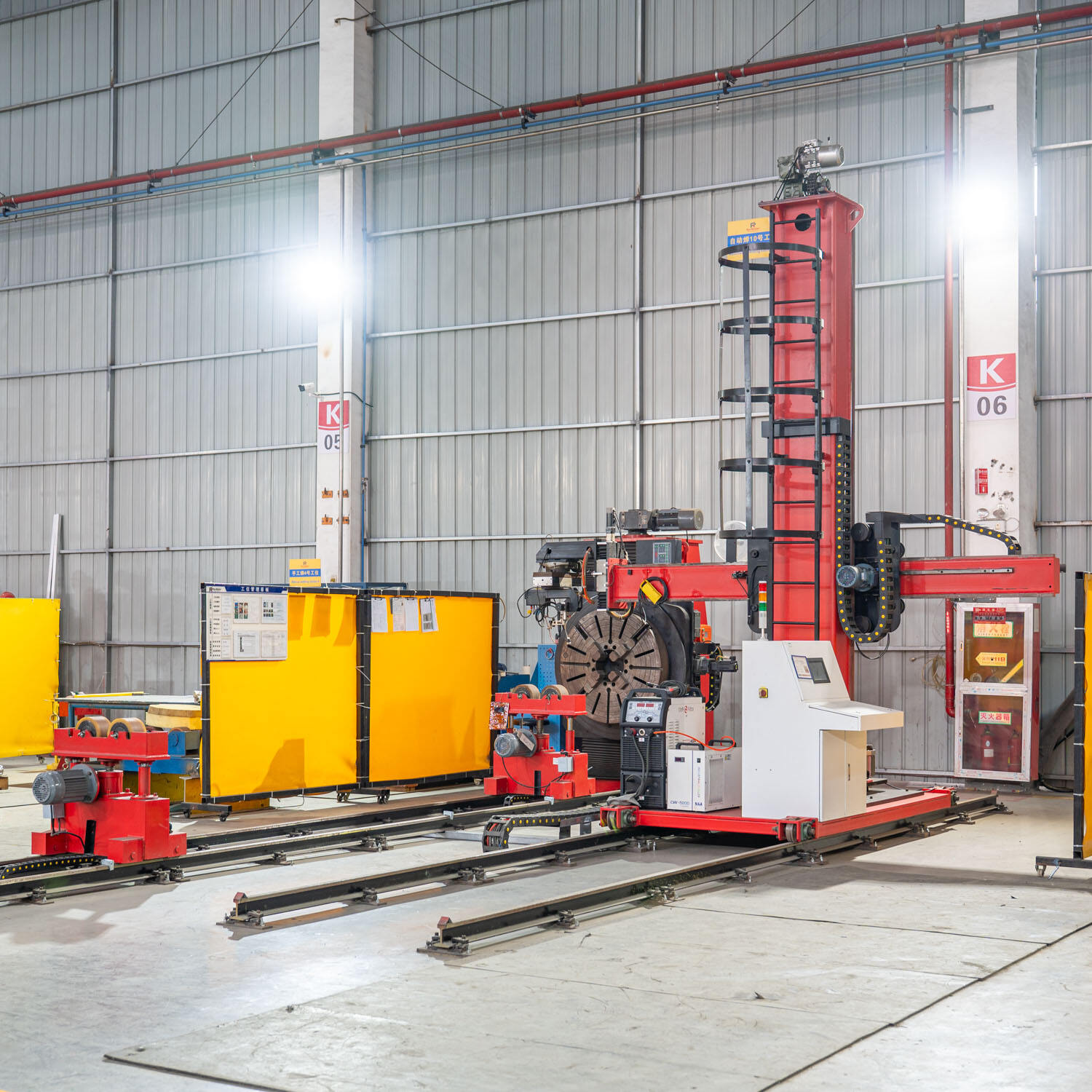
Modern seam welding equipment incorporates state-of-the-art intelligent process control systems that revolutionize welding consistency and quality assurance through real-time monitoring and adaptive parameter adjustment. These sophisticated control systems utilize advanced microprocessors and sensor technology to continuously monitor critical welding variables including current flow, electrode pressure, material thickness variations, and welding speed, automatically compensating for any deviations to maintain optimal weld quality. The intelligent control architecture features user-friendly touchscreen interfaces that provide operators with comprehensive process visualization, allowing real-time observation of welding parameters and immediate identification of any irregularities. This transparency enables proactive adjustments and prevents defective welds before they occur, significantly reducing scrap rates and improving overall production efficiency. The control systems store extensive databases of welding parameters for different material combinations and thicknesses, allowing operators to quickly recall proven settings for specific applications, eliminating guesswork and reducing setup time. Advanced algorithms analyze historical welding data to identify trends and predict potential issues before they impact production, enabling predictive maintenance schedules that minimize unexpected downtime. The seam welding equipment control systems feature multiple safety interlocks and monitoring functions that protect both equipment and operators from hazardous conditions, including overcurrent protection, thermal monitoring, and emergency stop capabilities. Comprehensive data logging capabilities capture detailed information about every weld cycle, providing traceability for quality audits and enabling continuous process improvement through statistical analysis. The control systems support remote monitoring capabilities, allowing supervisors and maintenance personnel to observe equipment performance from central locations and receive instant notifications of any irregularities or maintenance requirements. This connectivity enhances overall equipment effectiveness and enables rapid response to production issues. Integration capabilities with manufacturing execution systems and quality management software provide seamless data exchange for comprehensive production tracking and quality documentation. The adaptive control algorithms learn from process variations and automatically optimize parameters to accommodate material property variations, environmental changes, and electrode wear, ensuring consistent weld quality throughout the equipment lifecycle without manual intervention.
Versatile Application Range for Maximum Manufacturing Flexibility

Versatile Application Range for Maximum Manufacturing Flexibility

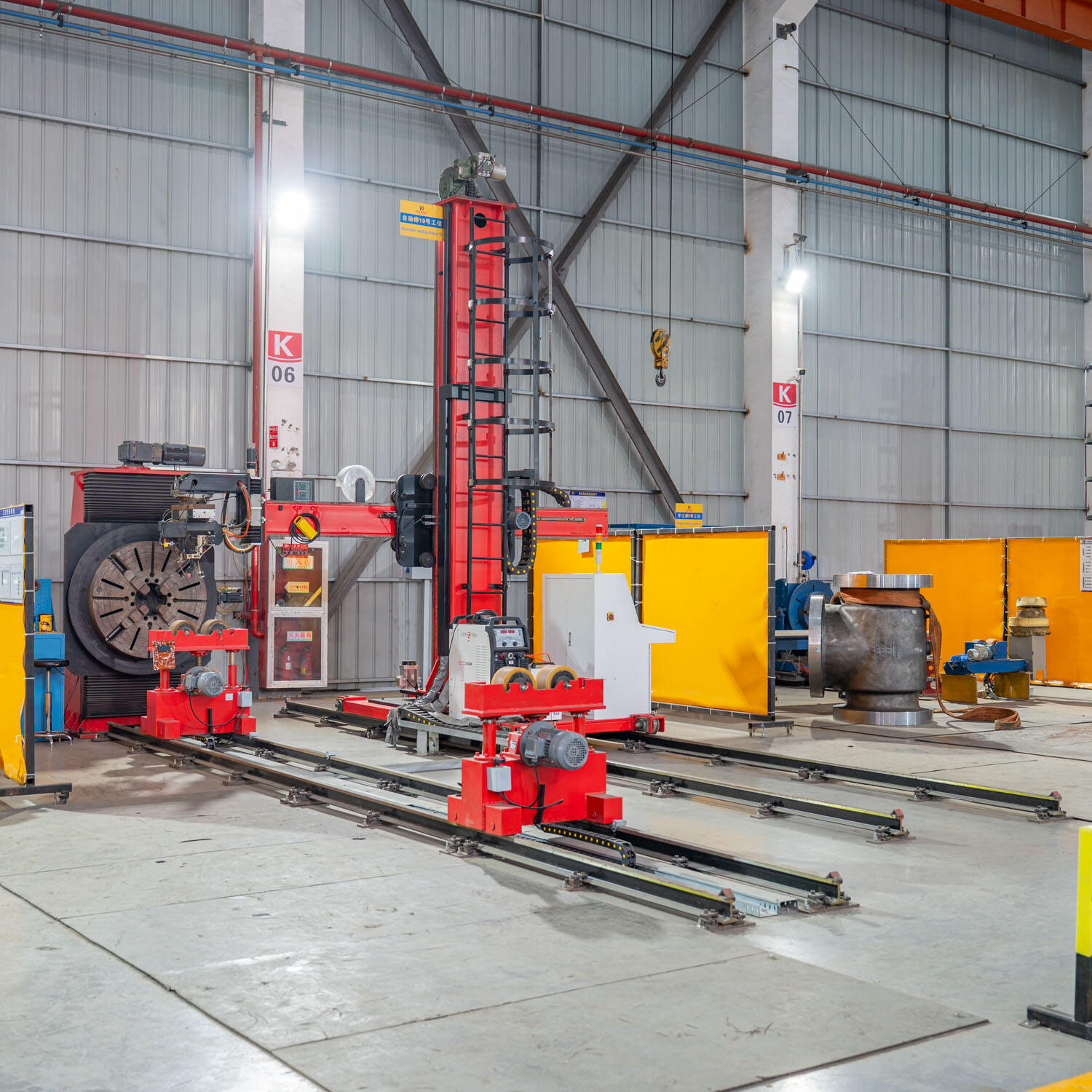
The exceptional versatility of modern seam welding equipment makes it an invaluable asset for manufacturers across diverse industries, offering unparalleled flexibility in handling various materials, geometries, and production requirements. This adaptability stems from sophisticated mechanical design features that accommodate different workpiece dimensions, material thicknesses ranging from thin foils to heavy-gauge sheets, and complex geometrical configurations requiring specialized welding approaches. The equipment features adjustable throat depths and electrode positioning systems that enable welding of both small components and large assemblies, making it suitable for everything from precision electronic enclosures to industrial storage tanks. Variable welding speeds and programmable sequences allow manufacturers to optimize production cycles for different product types, balancing quality requirements with throughput objectives to maximize operational efficiency. The seam welding equipment excels in creating longitudinal seams for cylindrical containers, circumferential joints for tank closures, and complex curved seams for specialized applications, demonstrating remarkable geometric flexibility that eliminates the need for multiple welding systems. Advanced fixturing options and workpiece handling systems accommodate irregular shapes and maintain precise positioning throughout the welding cycle, ensuring consistent results regardless of part complexity. Material compatibility extends across numerous metal types including carbon steel, stainless steel, aluminum alloys, copper, and specialized materials used in aerospace and medical applications, with each material requiring specific parameter optimization that the equipment handles seamlessly. The ability to weld dissimilar materials opens opportunities for innovative product designs that combine different material properties within single assemblies, expanding design possibilities for engineers and product developers. Thickness capabilities range from ultra-thin materials used in electronics manufacturing to heavy-gauge sheets required for structural applications, with automatic parameter adjustment ensuring optimal penetration and strength for each configuration. The seam welding equipment supports both continuous seam welding for standard applications and intermittent welding patterns for specialized requirements, providing manufacturing flexibility that adapts to changing market demands. Production volume scalability makes this equipment suitable for both high-volume manufacturing environments and custom fabrication operations, with quick setup capabilities enabling efficient short-run production. The modular design philosophy allows for equipment configuration customization, enabling manufacturers to specify features and capabilities that match their specific application requirements while maintaining upgrade potential for future expansion needs.

Get a Free Quote

Our representative will contact you soon.
Email
Mobile/WhatsApp
Name
Company Name
Message
0/1000