Industrial Seam Welder: Advanced Automated Welding Solutions for High-Quality Manufacturing

Contact me immediately if you encounter problems!

All Categories

Get a Free Quote

Our representative will contact you soon.
Email
Mobile/WhatsApp
Name
Company Name
Message
0/1000

Get a Free Quote

Our representative will contact you soon.
Email
Mobile/WhatsApp
Name
Company Name
Message
0/1000

industrial seam welder

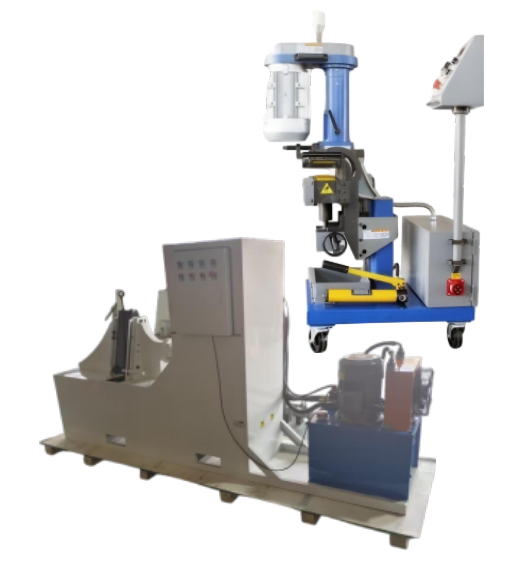
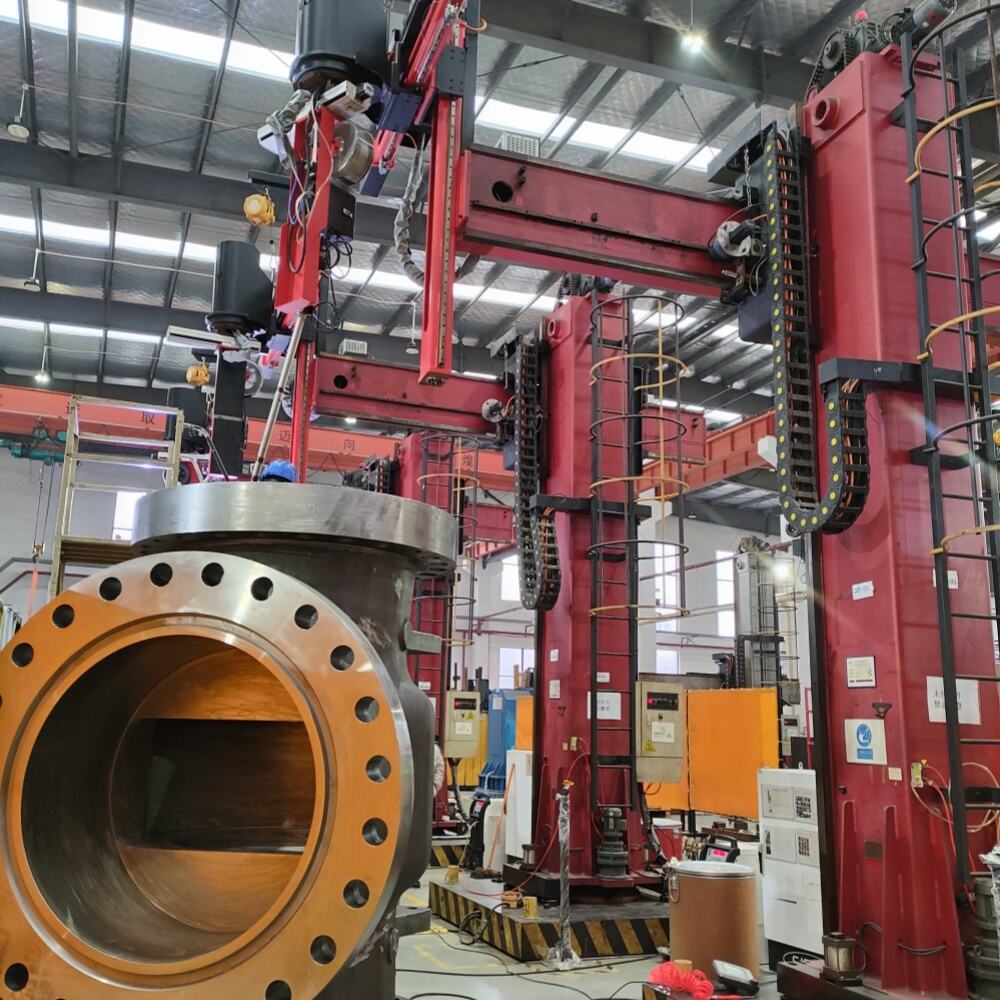
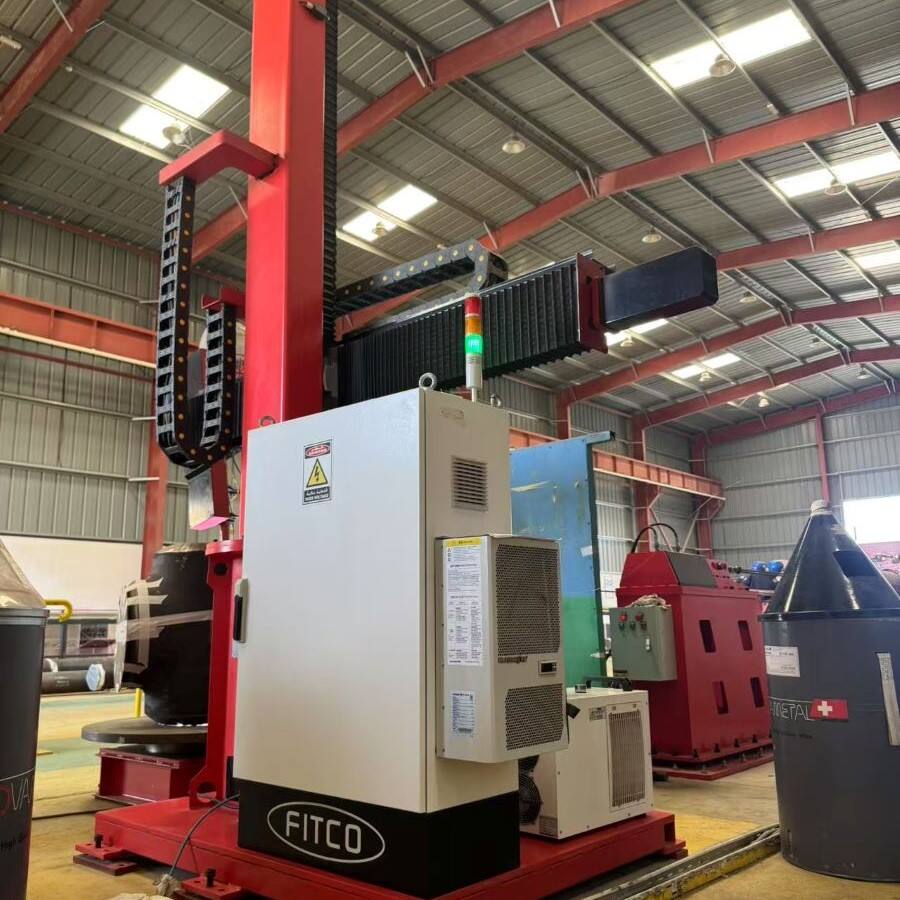
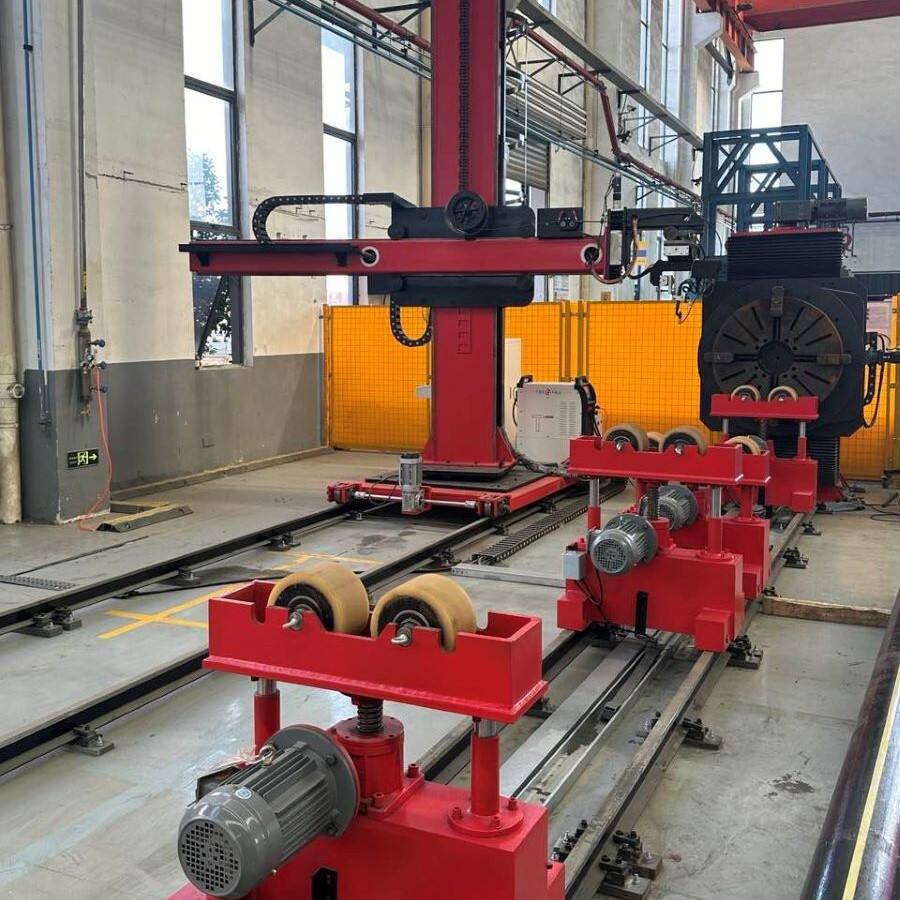
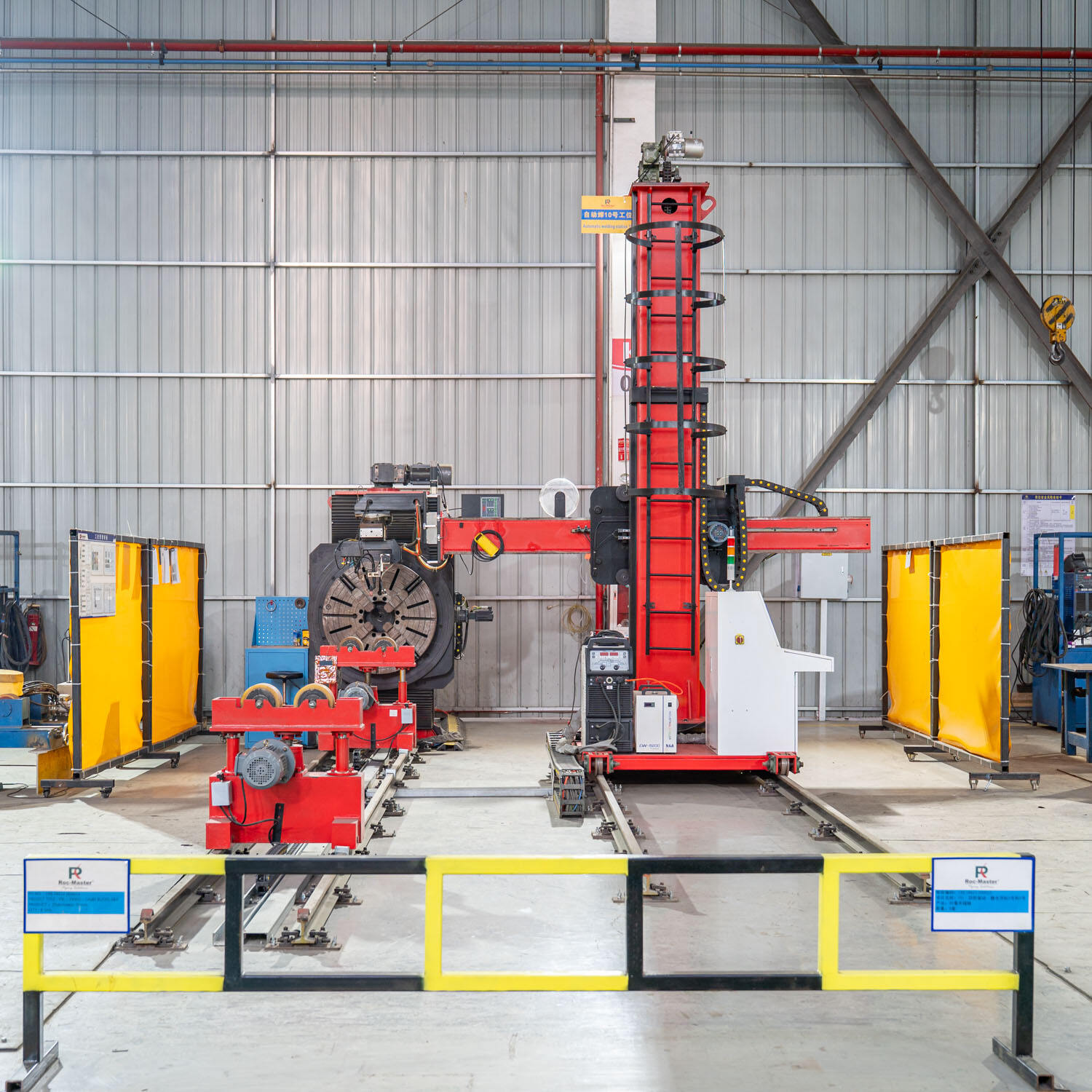
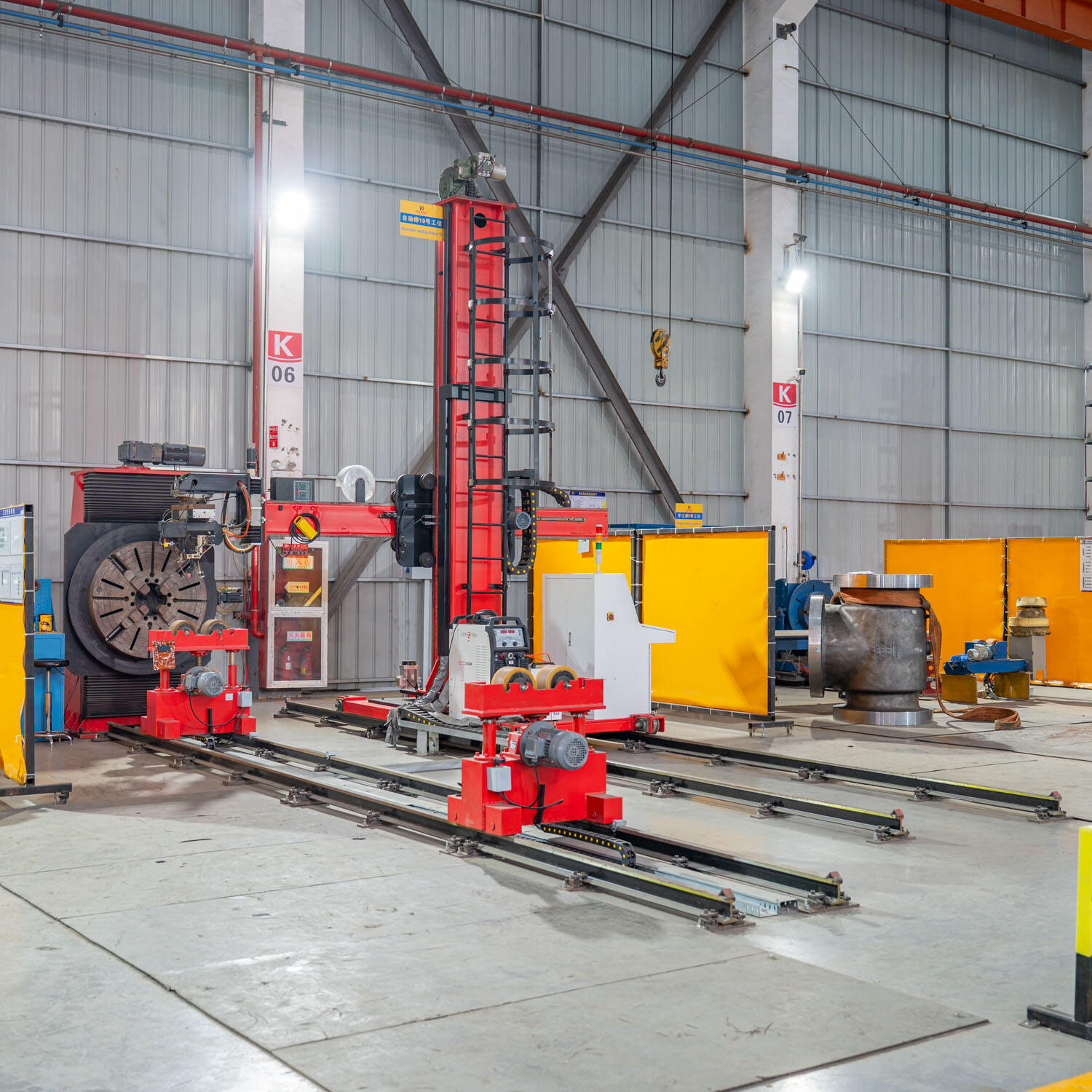
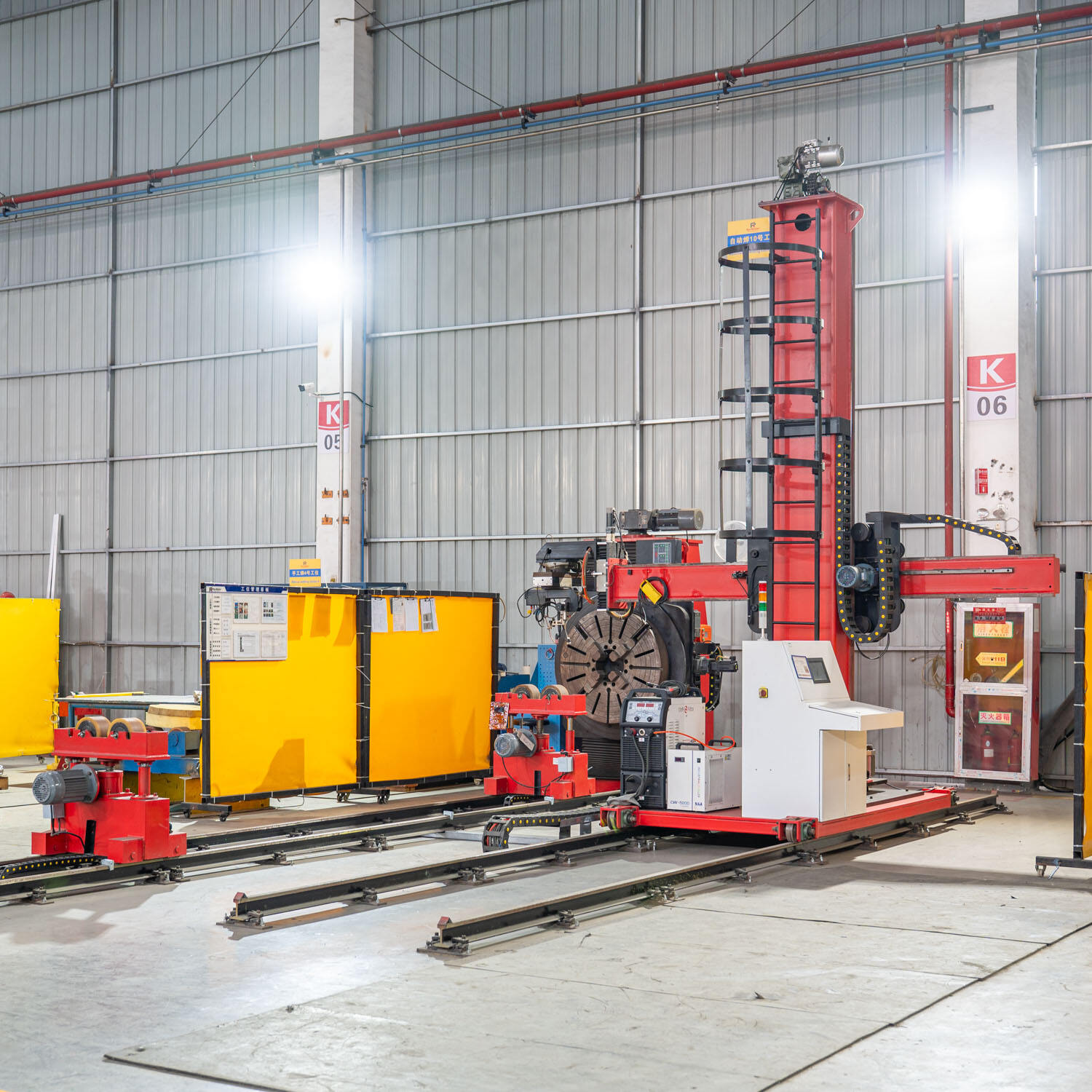
An industrial seam welder represents a sophisticated piece of manufacturing equipment designed to create continuous, high-strength joints along the length of materials. This specialized welding machine operates by applying heat and pressure simultaneously to bond overlapping edges of metal sheets, pipes, or other materials, forming seamless connections that meet stringent quality standards. The industrial seam welder utilizes various welding technologies including resistance welding, laser welding, and friction welding methods to achieve precise results across diverse applications. Modern industrial seam welder systems incorporate advanced control mechanisms that monitor temperature, pressure, and welding speed in real-time, ensuring consistent weld quality throughout the entire seam length. These machines feature robust construction with heavy-duty frames capable of handling substantial workpieces while maintaining dimensional accuracy. The technological architecture of an industrial seam welder includes programmable logic controllers that enable operators to store multiple welding parameters for different materials and thicknesses. Servo-driven positioning systems ensure precise alignment and consistent travel speeds, while integrated cooling systems prevent overheating during extended operation cycles. Many industrial seam welder models offer modular designs that accommodate various workpiece geometries and sizes. The equipment typically includes safety features such as emergency stops, protective shields, and interlock systems to protect operators during operation. Quality monitoring capabilities built into modern industrial seam welder systems provide real-time feedback on weld penetration, joint integrity, and overall seam quality. These machines find extensive use in automotive manufacturing for body panel assembly, aerospace applications for fuel tank construction, and general fabrication for creating waterproof seams. The versatility of an industrial seam welder makes it indispensable in industries requiring high-volume production of welded assemblies with consistent quality standards.

New Product Releases

The industrial seam welder delivers exceptional productivity gains that transform manufacturing operations by significantly reducing production time compared to traditional welding methods. Unlike manual welding processes that require skilled operators to work slowly along each joint, an industrial seam welder completes entire seam lengths automatically at consistent speeds, often achieving welding rates five to ten times faster than conventional techniques. This speed advantage translates directly into increased throughput and reduced labor costs, allowing manufacturers to meet demanding production schedules while maintaining superior weld quality. The precision capabilities of an industrial seam welder eliminate human error factors that commonly affect manual welding, ensuring each weld meets exact specifications without variation between operators or shifts. Advanced sensors and control systems continuously monitor welding parameters, automatically adjusting heat input, pressure, and travel speed to compensate for material variations or environmental changes. This self-correcting capability produces consistent results that reduce reject rates and minimize costly rework. The industrial seam welder also provides significant cost savings through efficient material utilization and reduced consumable usage. The precise heat control prevents excessive material burn-through while ensuring complete penetration, optimizing the balance between strength and material conservation. Energy efficiency represents another major advantage, as modern industrial seam welder systems consume less power per linear foot of weld compared to traditional arc welding processes. The automated operation reduces dependency on highly skilled welders, addressing workforce shortages while enabling consistent production regardless of operator experience levels. Safety improvements constitute a crucial benefit, as the enclosed welding process minimizes exposure to harmful fumes, intense light, and electrical hazards associated with conventional welding. The industrial seam welder creates stronger, more reliable joints through controlled metallurgical conditions that produce superior mechanical properties compared to manual welding. These machines offer remarkable flexibility in handling various material types, thicknesses, and joint configurations, making them suitable for diverse manufacturing applications from thin sheet metal to heavy structural components.

Practical Tips

Common welding machine Faults and How to Troubleshoot Them

16

Mar

Common welding machine Faults and How to Troubleshoot Them

Welding machine malfunctions can halt production lines, compromise weld quality, and create costly downtime in industrial operations. Understanding common faults and their troubleshooting methods is essential for maintaining consistent welding perfor...
View More
Understanding the Duty Cycle of Your Heavy-Duty arc welding machine

16

Mar

Understanding the Duty Cycle of Your Heavy-Duty arc welding machine

The duty cycle of an arc welding machine represents one of the most critical specifications that determines its operational capabilities and longevity in heavy-duty industrial applications. This measurement defines how long your arc welding machine c...
View More
How to Calibrate Your mig welding equipment for Pulse Welding

16

Mar

How to Calibrate Your mig welding equipment for Pulse Welding

Calibrating mig welding equipment for pulse welding requires precise adjustments to achieve optimal arc characteristics and weld quality. This specialized process involves fine-tuning multiple parameters including pulse frequency, peak current, backg...
View More
How to Maintain Heating Plates on a butt fusion welding machine

16

Mar

How to Maintain Heating Plates on a butt fusion welding machine

Proper maintenance of heating plates on a butt fusion welding machine is critical for achieving consistent, high-quality pipe joints and extending equipment lifespan. These heating plates serve as the primary heat transfer component that brings therm...
View More

Get a Free Quote

Our representative will contact you soon.
Email
Mobile/WhatsApp
Name
Company Name
Message
0/1000

industrial seam welder

Advanced Process Control and Automation

Advanced Process Control and Automation

The industrial seam welder incorporates sophisticated process control technology that revolutionizes welding operations through intelligent automation and real-time monitoring capabilities. This advanced system utilizes multiple sensors strategically positioned throughout the welding zone to continuously track critical parameters including temperature, pressure, welding current, and travel speed. The integrated control platform processes this data instantaneously, making micro-adjustments to maintain optimal welding conditions regardless of material variations or environmental factors. This level of precision control ensures that every inch of the seam receives identical treatment, producing welds with consistent mechanical properties and visual appearance. The programmable interface allows operators to create and store multiple welding recipes for different materials, thicknesses, and joint configurations, enabling rapid changeovers between production runs without manual parameter adjustments. Advanced algorithms within the industrial seam welder analyze historical welding data to predict potential quality issues before they occur, implementing preventive corrections that maintain continuous production flow. The system maintains detailed logs of all welding parameters for traceability and quality assurance purposes, supporting compliance with industry standards and customer requirements. Remote monitoring capabilities enable supervisors to oversee multiple industrial seam welder units simultaneously, receiving alerts about parameter deviations or maintenance needs. The sophisticated control system also integrates seamlessly with existing manufacturing execution systems, providing real-time production data and enabling coordinated scheduling across the entire production line. This technological advancement reduces setup time, eliminates operator-induced variations, and ensures reproducible results that meet the most demanding quality specifications. The industrial seam welder automation capabilities extend beyond basic welding control to include material handling, positioning, and post-weld inspection functions, creating a comprehensive solution that maximizes efficiency while minimizing human intervention requirements.

Superior Joint Quality and Structural Integrity

Superior Joint Quality and Structural Integrity

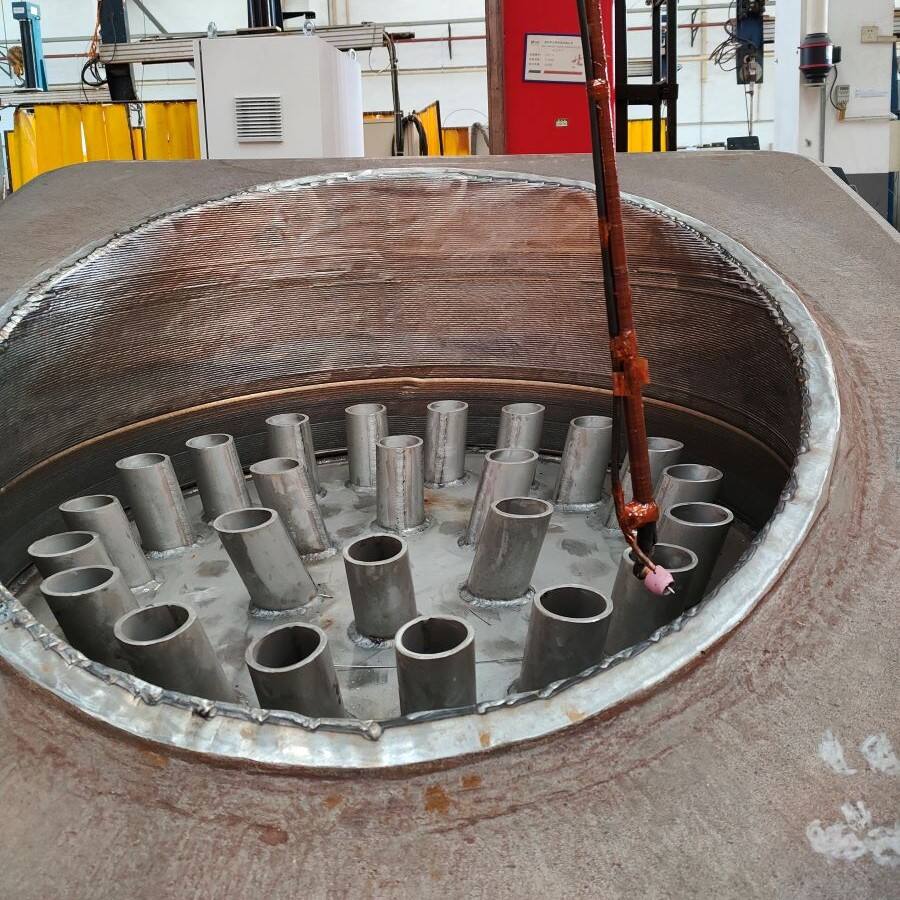
The industrial seam welder produces exceptional joint quality that surpasses conventional welding methods through precise control of metallurgical processes and thermal management. This superior performance stems from the machine ability to maintain consistent heat distribution across the entire weld zone, preventing the hot spots and cold laps commonly associated with manual welding techniques. The controlled thermal input creates optimal grain structures in the weld metal, resulting in mechanical properties that often exceed those of the base materials. Unlike traditional welding processes that can introduce residual stresses and distortion, the industrial seam welder minimizes these issues through balanced heating and cooling cycles that maintain dimensional stability in welded assemblies. The consistent pressure application during the welding process ensures complete material fusion and eliminates porosity, inclusions, and other defects that compromise joint integrity. Advanced industrial seam welder systems incorporate real-time quality monitoring that detects potential defects during the welding process, enabling immediate corrections before defective sections are completed. This proactive approach prevents the production of substandard welds that require costly rework or component replacement. The precise control of welding parameters also enables the industrial seam welder to optimize penetration depth, ensuring complete fusion through the joint thickness while preventing excessive burn-through that wastes material. The resulting welds exhibit superior fatigue resistance, corrosion resistance, and overall durability compared to manually produced joints. This enhanced quality translates into longer service life for welded products and reduced warranty claims for manufacturers. The industrial seam welder capability to produce hermetic seals makes it ideal for applications requiring leak-tight joints, such as fuel tanks, pressure vessels, and automotive components. The consistent weld profile created by the industrial seam welder also improves the appearance of finished products, reducing or eliminating the need for post-weld grinding and finishing operations that add cost and time to the manufacturing process.
Operational Efficiency and Cost-Effectiveness

Operational Efficiency and Cost-Effectiveness

The industrial seam welder delivers remarkable operational efficiency that transforms manufacturing economics through multiple cost-saving mechanisms and productivity enhancements. The automated operation significantly reduces labor requirements, with a single operator capable of managing multiple industrial seam welder units simultaneously, compared to traditional welding operations that require dedicated skilled welders for each workstation. This efficiency gain becomes particularly valuable in regions experiencing welder shortages or high labor costs. The consistent welding speed maintained by the industrial seam welder enables accurate production planning and scheduling, eliminating the unpredictability associated with manual welding operations where productivity varies between operators and shifts. The machine ability to operate continuously with minimal supervision maximizes equipment utilization rates, often achieving 85-90% uptime compared to 60-70% typically seen with manual welding operations. Energy efficiency represents another significant advantage, as the industrial seam welder optimizes power consumption by delivering heat precisely where needed, reducing overall energy costs per linear foot of weld compared to conventional arc welding processes. The reduced consumable usage further contributes to cost savings, as the controlled welding process minimizes electrode consumption and eliminates the need for frequent consumable changes that interrupt production. Maintenance requirements for the industrial seam welder are typically lower than conventional welding equipment due to fewer moving parts and reduced exposure to harsh welding environments. The predictive maintenance capabilities built into modern systems alert operators to potential issues before they cause equipment failures, enabling scheduled maintenance that minimizes unplanned downtime. Quality consistency achieved by the industrial seam welder reduces inspection costs and virtually eliminates rework expenses associated with defective welds. The ability to weld various materials and thicknesses without extensive setup changes provides manufacturing flexibility that supports diverse product portfolios without requiring multiple specialized machines. Return on investment for an industrial seam welder typically occurs within 18-24 months through combined savings in labor, materials, energy, and quality-related costs, making it an attractive capital investment for manufacturers seeking to improve competitiveness and profitability.

Get a Free Quote

Our representative will contact you soon.
Email
Mobile/WhatsApp
Name
Company Name
Message
0/1000