Professional Arc Machine Welding Equipment - Superior Strength, Versatility & Cost-Effective Solutions

Contact me immediately if you encounter problems!

All Categories

Get a Free Quote

Our representative will contact you soon.
Email
Mobile/WhatsApp
Name
Company Name
Message
0/1000

Get a Free Quote

Our representative will contact you soon.
Email
Mobile/WhatsApp
Name
Company Name
Message
0/1000

arc machine welding

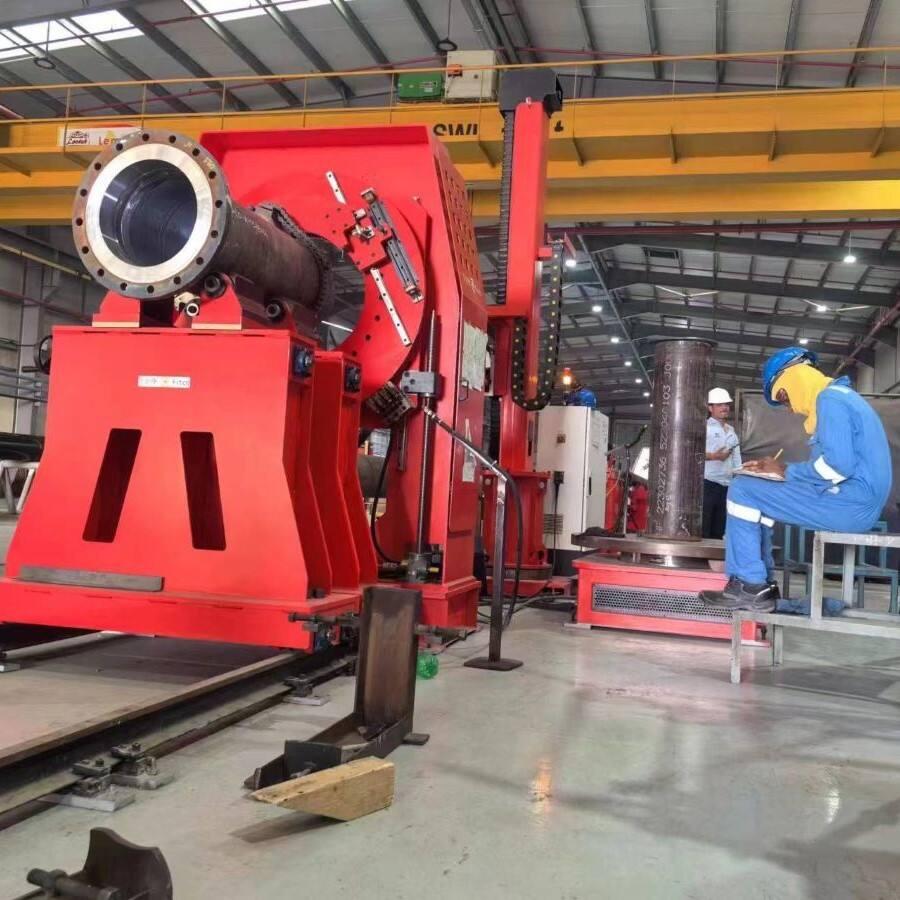
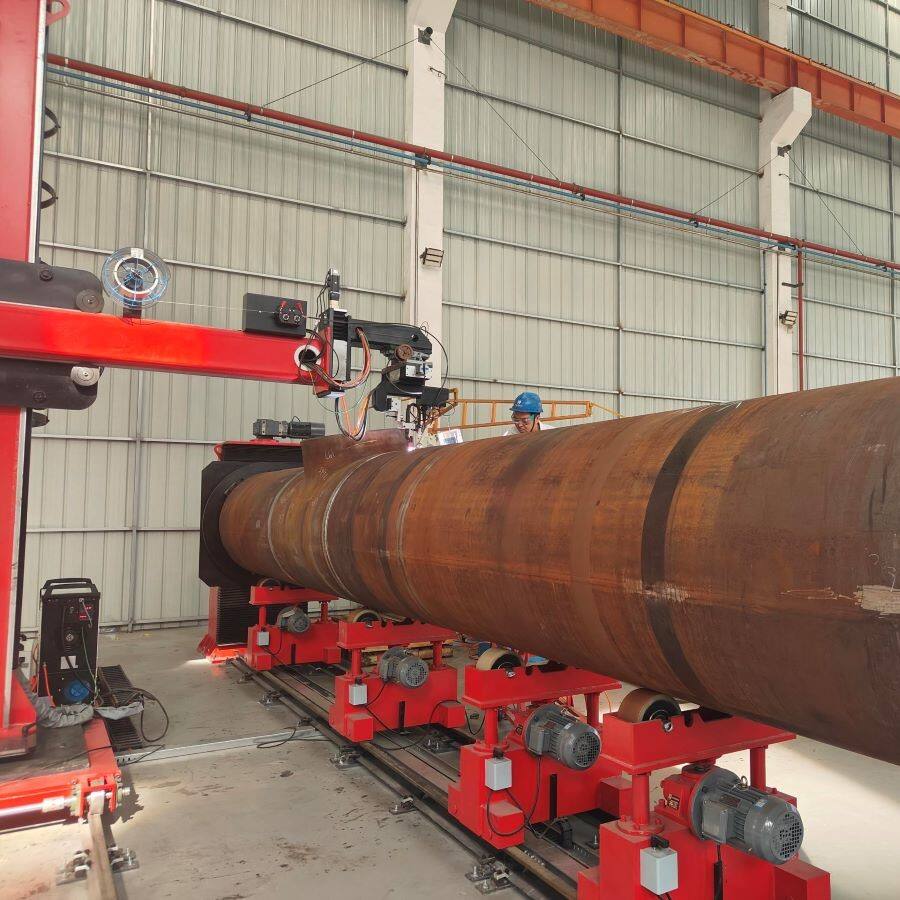
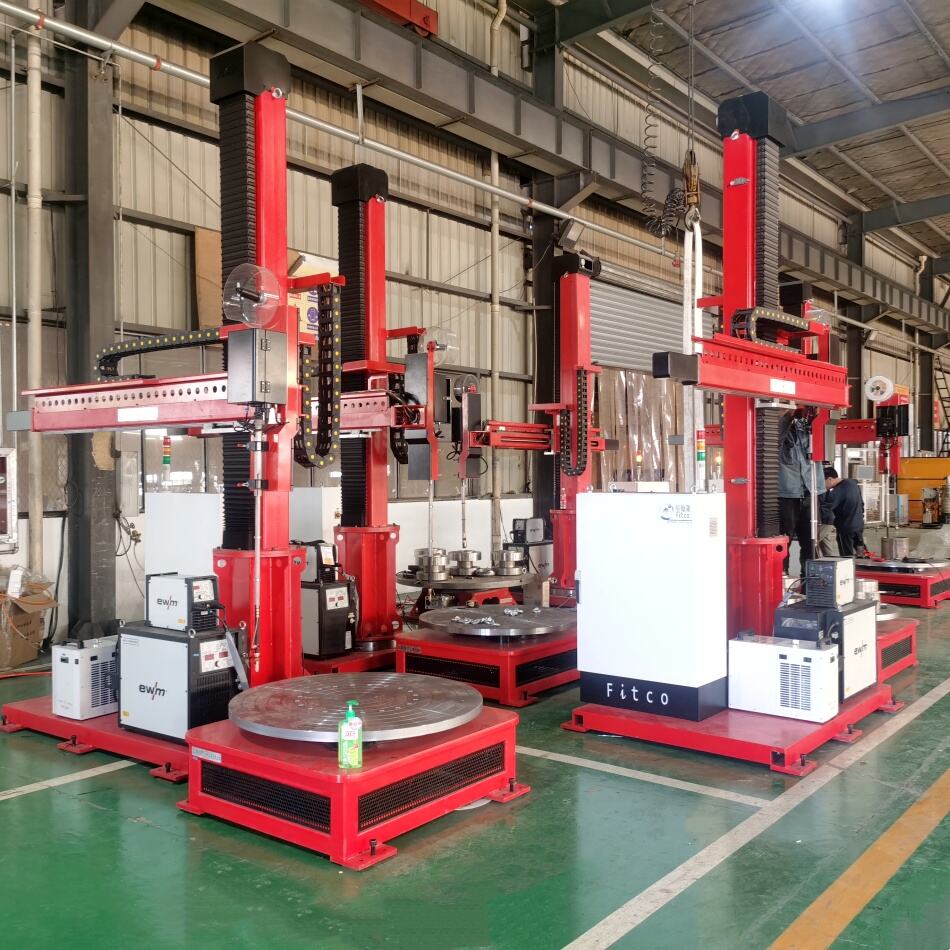
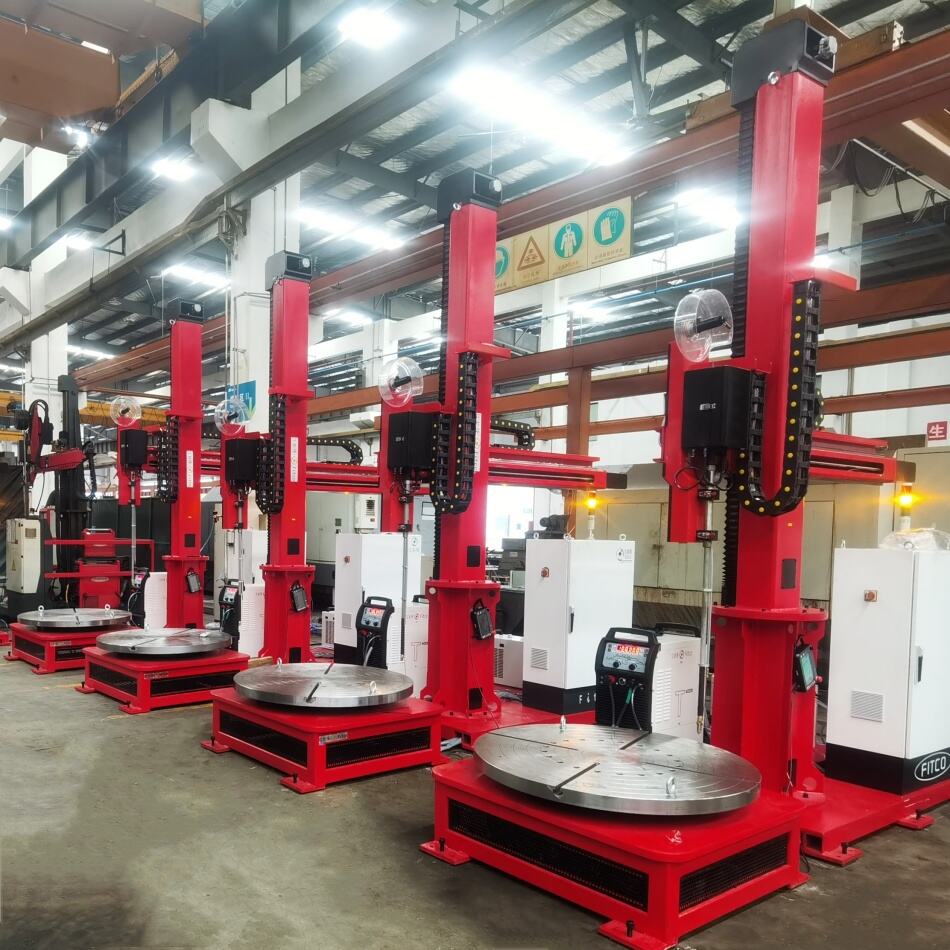
Arc machine welding represents a fundamental metalworking process that utilizes electrical energy to create strong, permanent bonds between metal components. This welding method generates an electric arc between a consumable or non-consumable electrode and the workpiece, producing intense heat that melts the base materials and filler metal to form a solid weld joint. The arc machine welding process operates on the principle of electrical resistance, where current flows through the circuit created by the electrode, arc, and workpiece, generating temperatures exceeding 6,000 degrees Fahrenheit. Modern arc machine welding equipment incorporates sophisticated control systems that regulate voltage, amperage, and arc characteristics to ensure consistent weld quality across various applications. The technology features adjustable parameters that accommodate different metal types, thicknesses, and joint configurations, making it versatile for numerous industrial and commercial projects. Arc machine welding systems typically include power sources, electrode holders, ground clamps, and protective equipment to ensure safe operation. The process can be performed using various techniques including shielded metal arc welding, gas metal arc welding, and gas tungsten arc welding, each offering specific benefits for particular applications. These machines demonstrate exceptional reliability in demanding environments, from construction sites to manufacturing facilities. The technological advancement in arc machine welding has led to improved energy efficiency, reduced spatter production, and enhanced arc stability. Digital controls allow operators to store welding parameters for different materials and thicknesses, ensuring repeatable results and reducing setup time. The equipment's robust construction enables continuous operation in industrial settings while maintaining precision and performance standards required for critical applications.

New Products

Arc machine welding offers numerous practical benefits that make it the preferred choice for professionals across various industries. The primary advantage lies in its exceptional versatility, allowing operators to weld different metal types including steel, stainless steel, aluminum, and exotic alloys with a single machine setup. This flexibility eliminates the need for multiple welding systems, reducing equipment costs and workspace requirements significantly. The process delivers superior weld strength that often exceeds the base material's tensile strength, ensuring structural integrity in critical applications. Arc machine welding provides excellent penetration control, enabling operators to achieve full joint penetration in thick sections while maintaining precise heat input for thin materials. The technology offers remarkable portability compared to other welding methods, with many units designed for easy transportation to remote job sites without compromising performance capabilities. Operating costs remain substantially lower than alternative welding processes due to reduced consumable requirements and energy efficiency improvements in modern equipment. The learning curve for arc machine welding proves manageable for new operators while offering advanced features that experienced welders can leverage for complex projects. Quality control becomes straightforward with visual inspection capabilities and consistent bead appearance that indicates proper welding parameters. The process works effectively in various positions including flat, horizontal, vertical, and overhead welding, providing complete fabrication flexibility. Arc machine welding demonstrates excellent performance in outdoor conditions where wind and weather might affect other welding processes. Maintenance requirements stay minimal with proper equipment care, resulting in extended service life and reduced downtime. The technology supports both manual and automated applications, allowing businesses to scale operations according to production demands. Repair capabilities make arc machine welding invaluable for maintenance operations where quick, reliable fixes are essential for continued operations.

Latest News

The Role of overlay cladding in Refurbishing Heavy Machinery

16

Mar

The Role of overlay cladding in Refurbishing Heavy Machinery

Heavy machinery operates under extreme conditions, facing constant wear from abrasion, corrosion, and mechanical stress that gradually degrades critical components. When expensive equipment begins showing signs of deterioration, manufacturers and ope...
View More
Why Are Pipe Cladding Machines Vital for Industrial Corrosion Protection?

27

Nov

Why Are Pipe Cladding Machines Vital for Industrial Corrosion Protection?

Industrial facilities worldwide face a constant battle against corrosion, with pipe systems serving as critical infrastructure that demands exceptional protection. The implementation of advanced welding technologies has revolutionized how industries ...
View More
Why igbt inverter welder Technology is the Industry Standard in 2026

16

Mar

Why igbt inverter welder Technology is the Industry Standard in 2026

The welding industry has undergone a transformative evolution, with igbt inverter welder technology emerging as the definitive standard for professional and industrial applications in 2026. This revolutionary advancement represents a fundamental shif...
View More
How Do TIG Overlay Cladding Machines Improve Surface Durability?

22

Dec

How Do TIG Overlay Cladding Machines Improve Surface Durability?

Industrial surface protection has evolved significantly with the advent of advanced welding technologies, particularly in applications requiring exceptional durability and precision. TIG overlay cladding machines represent a revolutionary approach to...
View More

Get a Free Quote

Our representative will contact you soon.
Email
Mobile/WhatsApp
Name
Company Name
Message
0/1000

arc machine welding

Superior Joint Strength and Metallurgical Properties

Superior Joint Strength and Metallurgical Properties

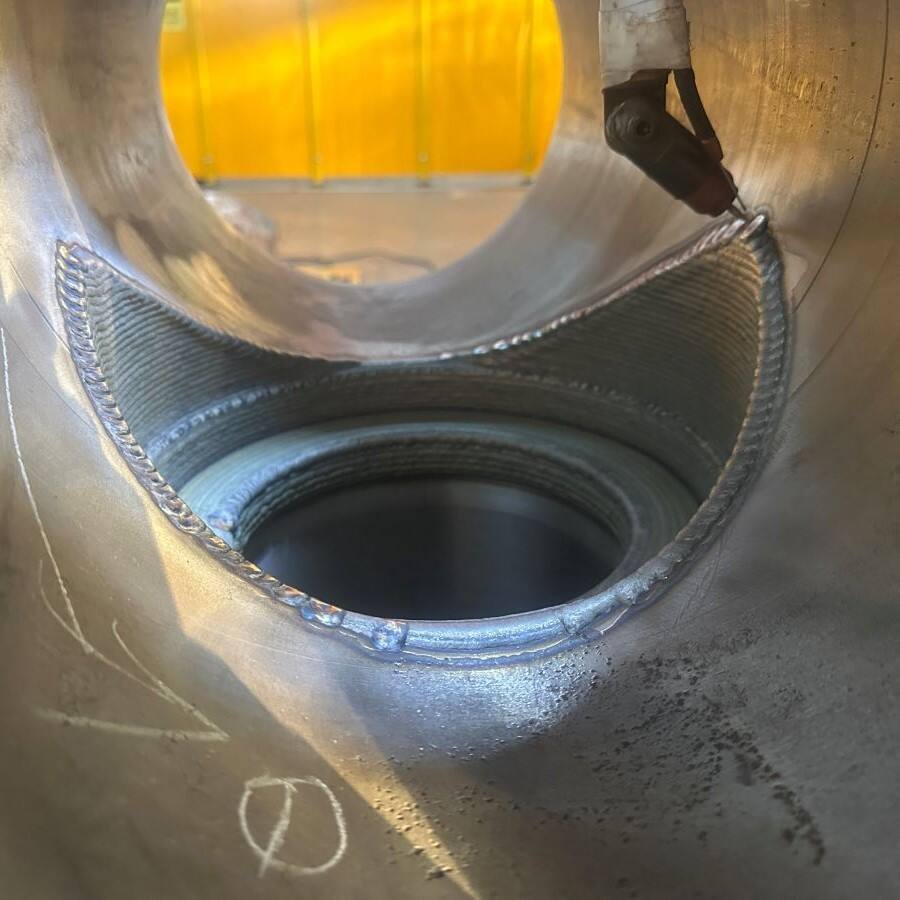
Arc machine welding creates exceptionally strong joints that consistently match or exceed the mechanical properties of base materials through controlled heat input and precise metallurgical fusion. The process achieves this superior strength by generating an optimal temperature profile that ensures complete penetration while minimizing heat-affected zone distortion. The electric arc produces concentrated energy that melts base materials and filler metals uniformly, creating homogeneous weld deposits with excellent grain structure. This metallurgical control prevents common defects such as lack of fusion, porosity, and inclusions that can compromise joint integrity. The technology allows operators to adjust arc characteristics including voltage, amperage, and travel speed to optimize penetration depth and bead geometry for specific applications. Arc machine welding excels in creating full-penetration welds in thick sections without requiring multiple passes, reducing fabrication time while ensuring structural reliability. The process maintains consistent heat input across the joint, preventing excessive dilution that could weaken the weld metal properties. Quality assurance becomes straightforward with arc machine welding because proper penetration and fusion are readily apparent through visual inspection of the weld profile. The controlled cooling rate achieved through proper welding techniques minimizes residual stresses and prevents cracking in heat-treatable alloys. Advanced arc machine welding systems incorporate pulsed current capabilities that further enhance metallurgical properties by refining grain structure and reducing segregation. The resulting joints demonstrate excellent fatigue resistance, making them suitable for dynamic loading applications in structural and mechanical assemblies. This superior joint quality translates directly into reduced maintenance costs, extended service life, and improved safety margins for critical applications across industries.
Exceptional Versatility and Material Compatibility

Exceptional Versatility and Material Compatibility

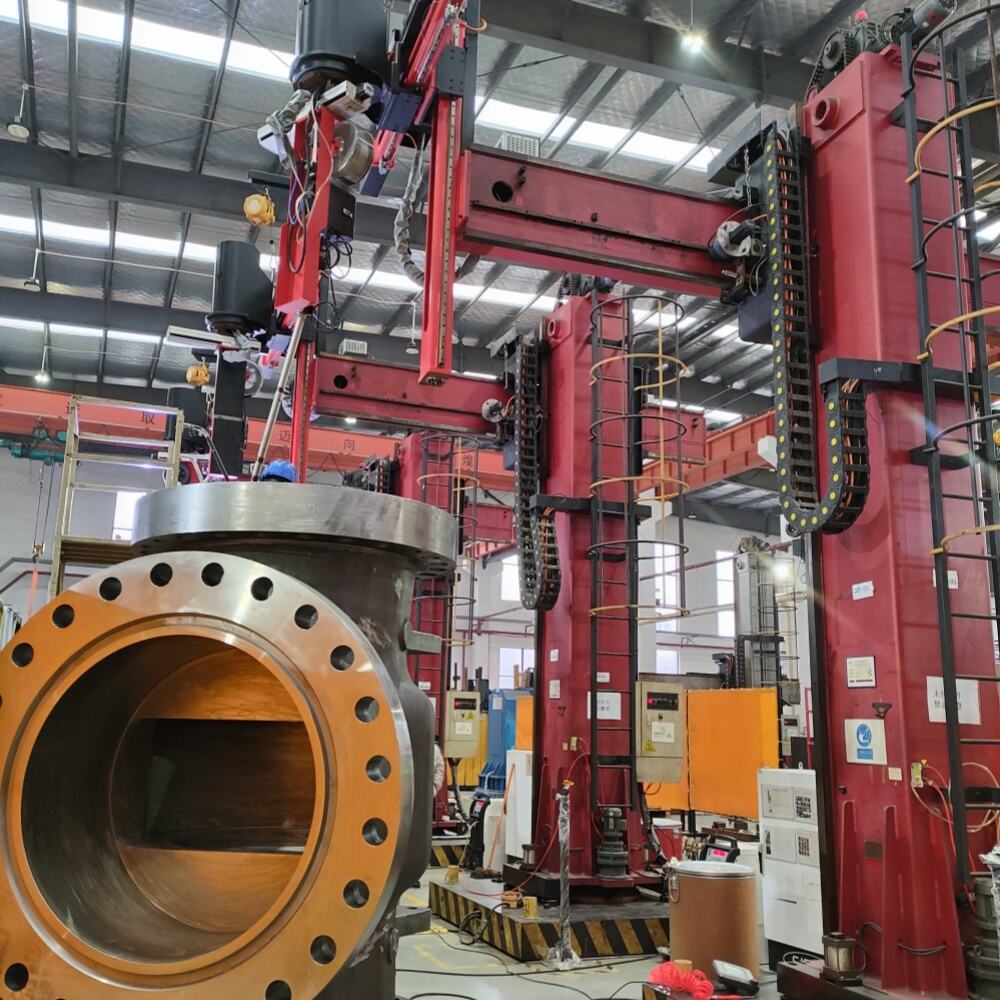
Arc machine welding demonstrates unmatched versatility in handling diverse materials and joint configurations, making it the go-to solution for fabricators working with multiple alloy systems and varying project requirements. The technology accommodates ferrous metals including carbon steel, low-alloy steel, and stainless steel variants, as well as non-ferrous materials such as aluminum, copper, and nickel-based alloys with appropriate electrode selection and parameter adjustment. This material flexibility eliminates the need for specialized equipment investments while ensuring optimal results across different metallurgical systems. Arc machine welding adapts seamlessly to various joint designs including butt joints, fillet welds, groove welds, and complex geometries that other processes struggle to address effectively. The equipment handles material thicknesses ranging from thin sheet metal applications to heavy structural sections exceeding several inches thick through proper technique selection and current adjustment. Position welding capability allows fabricators to complete projects without repositioning workpieces, significantly reducing handling costs and production time while maintaining weld quality standards. The process works effectively with both new materials and repair applications on existing structures, providing solutions for maintenance and modification projects where material matching is critical. Arc machine welding supports various shielding methods including flux-cored electrodes for outdoor applications and gas-shielded processes for precision work in controlled environments. The technology accommodates different joint preparations from minimal edge preparation for thin materials to complex bevels for thick section welding, optimizing productivity for each specific application. Electrode selection flexibility allows operators to choose consumables based on mechanical property requirements, corrosion resistance needs, or specific service conditions. This versatility extends to automated applications where arc machine welding integrates with robotic systems for high-volume production while maintaining the flexibility for manual operations on custom fabrication projects.
Cost-Effective Operation and High Productivity

Cost-Effective Operation and High Productivity

Arc machine welding delivers exceptional economic value through reduced operating costs, high deposition rates, and minimal equipment maintenance requirements that directly impact bottom-line profitability for fabrication operations. The process achieves superior cost efficiency through optimized consumable utilization, with modern electrodes providing excellent arc stability and minimal waste generation compared to alternative welding methods. Energy consumption remains significantly lower than competing processes due to efficient heat transfer directly to the workpiece, reducing overall operational expenses while maintaining high productivity levels. Arc machine welding eliminates the need for expensive shielding gases in many applications, particularly when using flux-cored or coated electrodes that provide integral protection during the welding process. Setup time minimizes dramatically with intuitive controls that allow operators to quickly establish proper parameters for different materials and joint configurations, maximizing productive welding time. The high deposition rates achievable with arc machine welding reduce overall project completion times, allowing fabricators to handle more projects with existing equipment and personnel resources. Maintenance costs stay exceptionally low due to robust equipment design that withstands demanding industrial environments while requiring only basic preventive care to ensure continued operation. The technology supports continuous operation in production environments where duty cycle requirements demand reliable performance without frequent interruptions for equipment cooling or service. Quality consistency reduces rework costs by delivering predictable results that meet specification requirements on the first attempt, eliminating expensive repair cycles and material waste. Training costs remain manageable because arc machine welding skills transfer readily between different applications and equipment models, reducing the learning curve for new operators. The equipment's longevity provides excellent return on investment, with properly maintained arc welding machines delivering decades of reliable service in demanding fabrication environments. Inventory management simplifies with standardized consumables that work across multiple applications, reducing storage requirements and procurement complexity while ensuring availability for production schedules.

Get a Free Quote

Our representative will contact you soon.
Email
Mobile/WhatsApp
Name
Company Name
Message
0/1000