Comprehensive Material Compatibility and Versatility
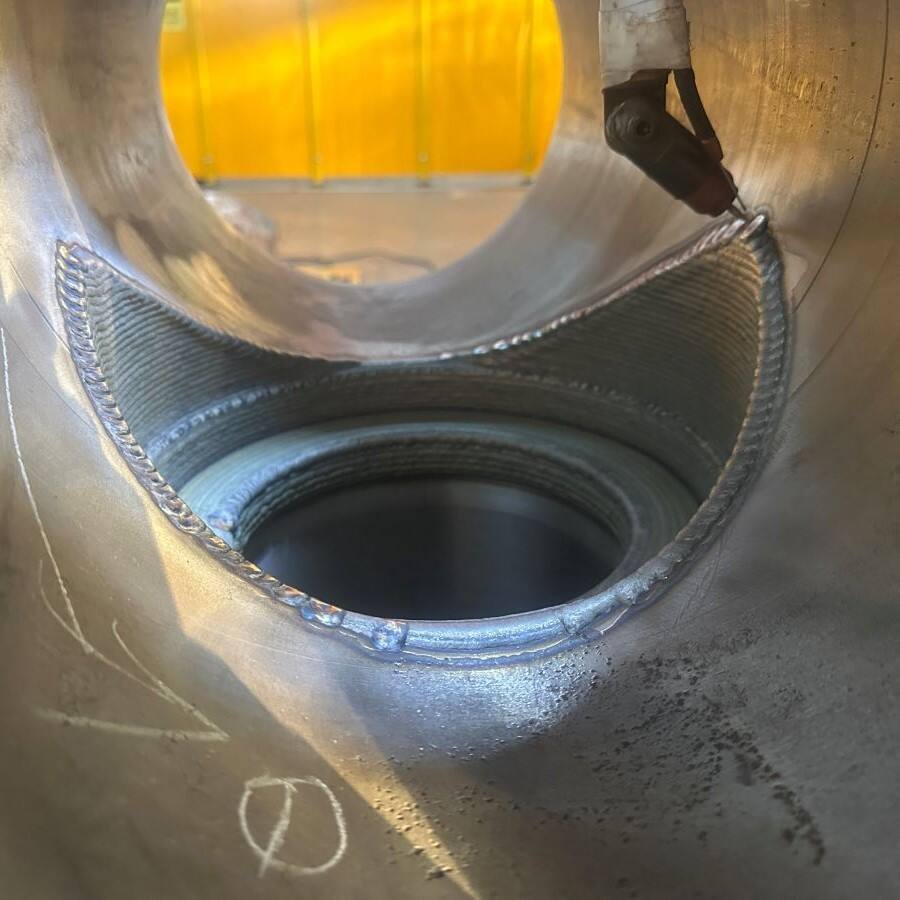
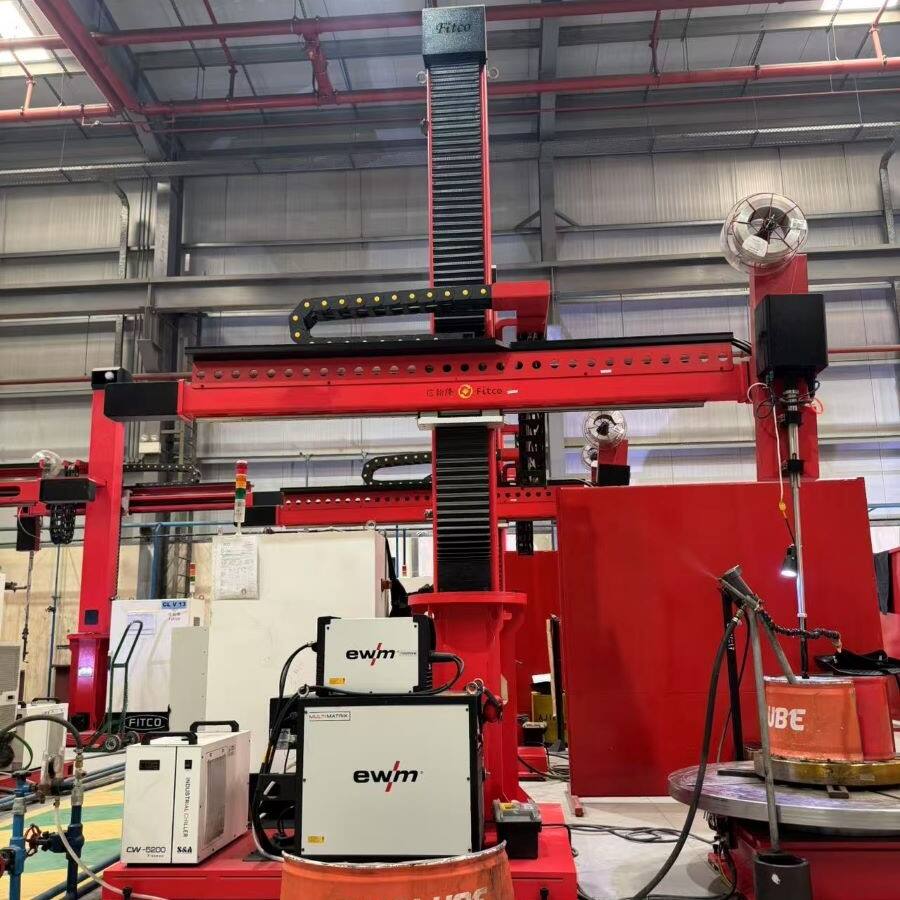
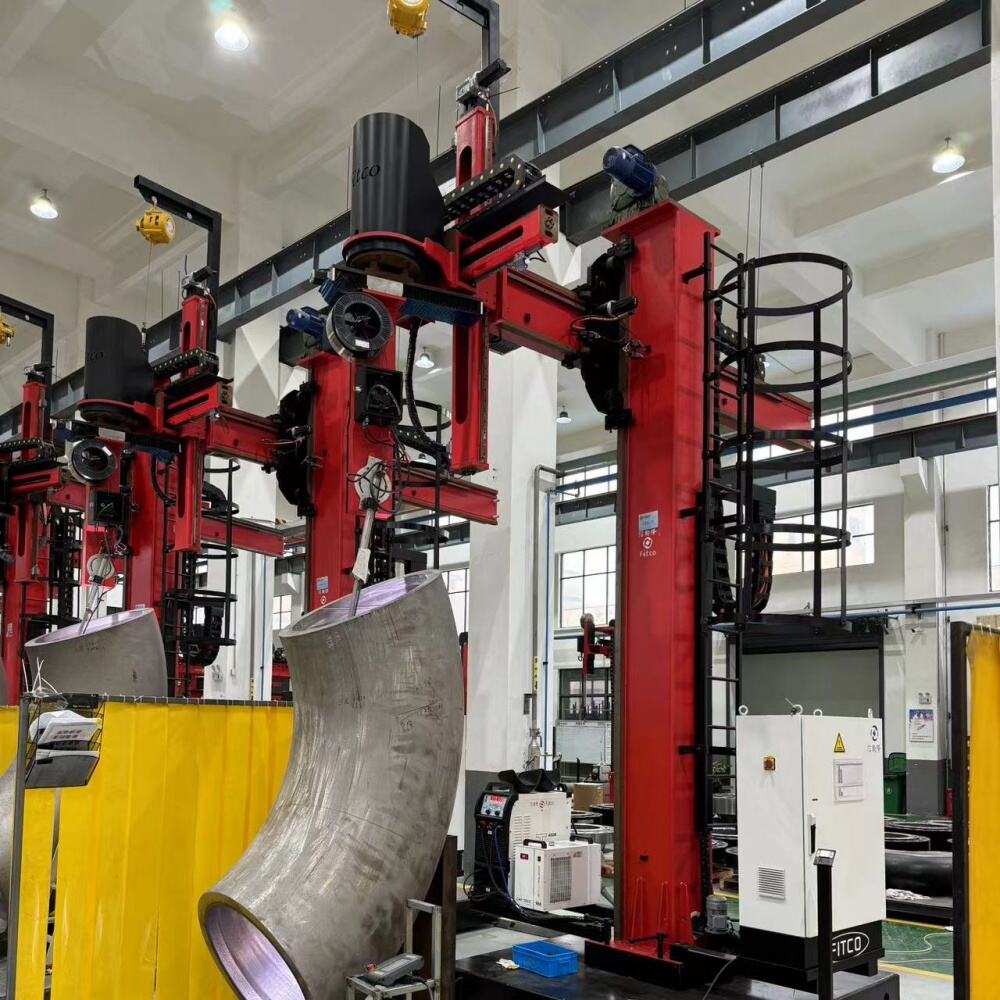
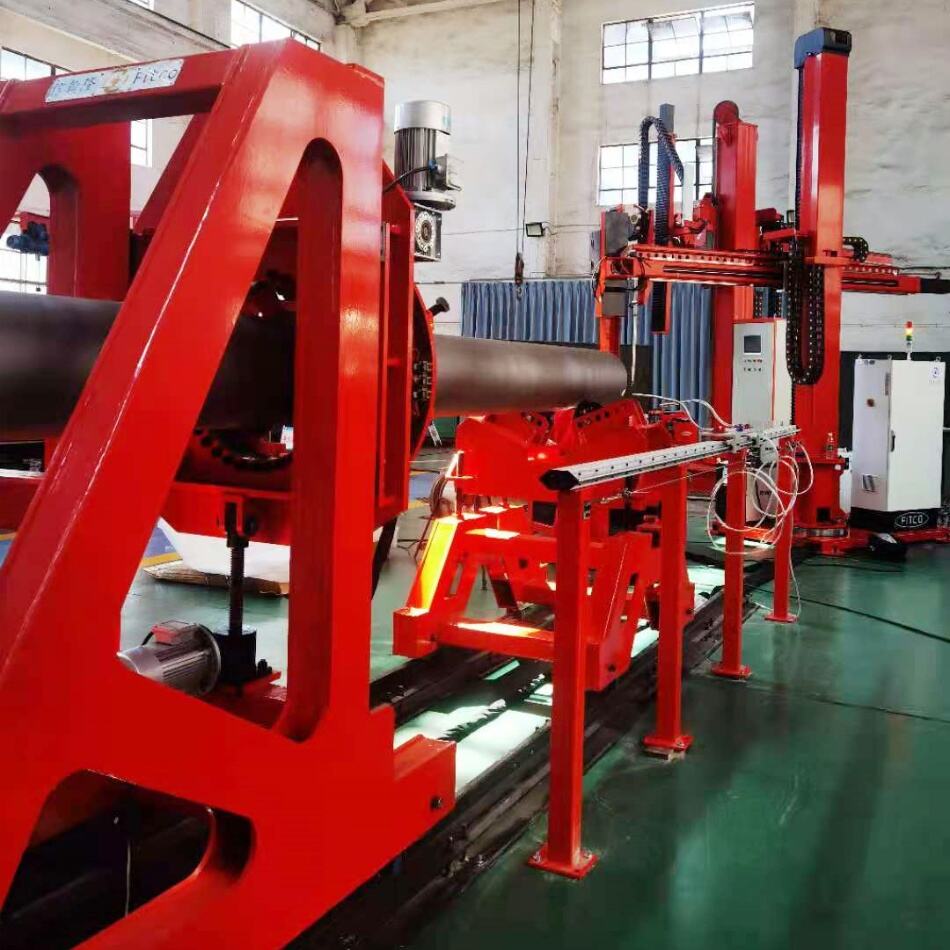
The remarkable material compatibility and operational versatility of industrial mig welder systems provide manufacturers with unparalleled flexibility to address diverse welding requirements within a single equipment investment. These advanced systems accommodate an extensive range of materials including carbon steels, low-alloy steels, stainless steel grades, aluminum alloys, and specialized metals used in aerospace, marine, and chemical processing applications. The industrial mig welder's ability to weld dissimilar materials opens opportunities for innovative design solutions and cost-effective material substitution strategies that can significantly impact product performance and manufacturing economics. Aluminum welding capabilities represent a particular strength, as the industrial mig welder handles various aluminum grades from thin architectural applications to thick marine and transportation structures. The precise heat control and inert gas protection prevent oxidation and contamination issues that plague other welding processes when working with aluminum, ensuring strong, porosity-free joints that meet stringent quality standards. Stainless steel welding performance demonstrates the industrial mig welder's capability in corrosion-resistant applications, maintaining material properties while achieving excellent cosmetic appearance required in food processing, pharmaceutical, and architectural applications. The system's ability to switch between different shielding gases extends material compatibility further, using argon for aluminum and stainless steel, carbon dioxide or argon mixtures for carbon steel, and specialized gas blends for exotic alloys. Position welding versatility enables the industrial mig welder to perform effectively in flat, horizontal, vertical, and overhead positions, accommodating complex assemblies and field repair applications where workpiece manipulation is limited. Thickness range capabilities span from thin gauge sheet metal applications requiring precise heat input control to heavy section welding demanding deep penetration and high deposition rates. This versatility eliminates the need for multiple welding processes and associated equipment, simplifying production planning, operator training, and consumable inventory management while reducing overall capital investment requirements for comprehensive welding capabilities.

 EN
EN
 AR
AR BG
BG HR
HR CS
CS DA
DA NL
NL FI
FI FR
FR DE
DE EL
EL HI
HI IT
IT JA
JA KO
KO NO
NO PL
PL PT
PT RO
RO RU
RU ES
ES SV
SV TL
TL IW
IW ID
ID LT
LT UK
UK SQ
SQ HU
HU TH
TH TR
TR FA
FA AF
AF CY
CY MK
MK LA
LA MN
MN KK
KK UZ
UZ KY
KY