Professional Plasma Arc Welding Machine - Precision Welding Solutions for Industrial Applications

Contact me immediately if you encounter problems!

All Categories

Get a Free Quote

Our representative will contact you soon.
Email
Mobile/WhatsApp
Name
Company Name
Message
0/1000

Get a Free Quote

Our representative will contact you soon.
Email
Mobile/WhatsApp
Name
Company Name
Message
0/1000

plasma arc welding machine

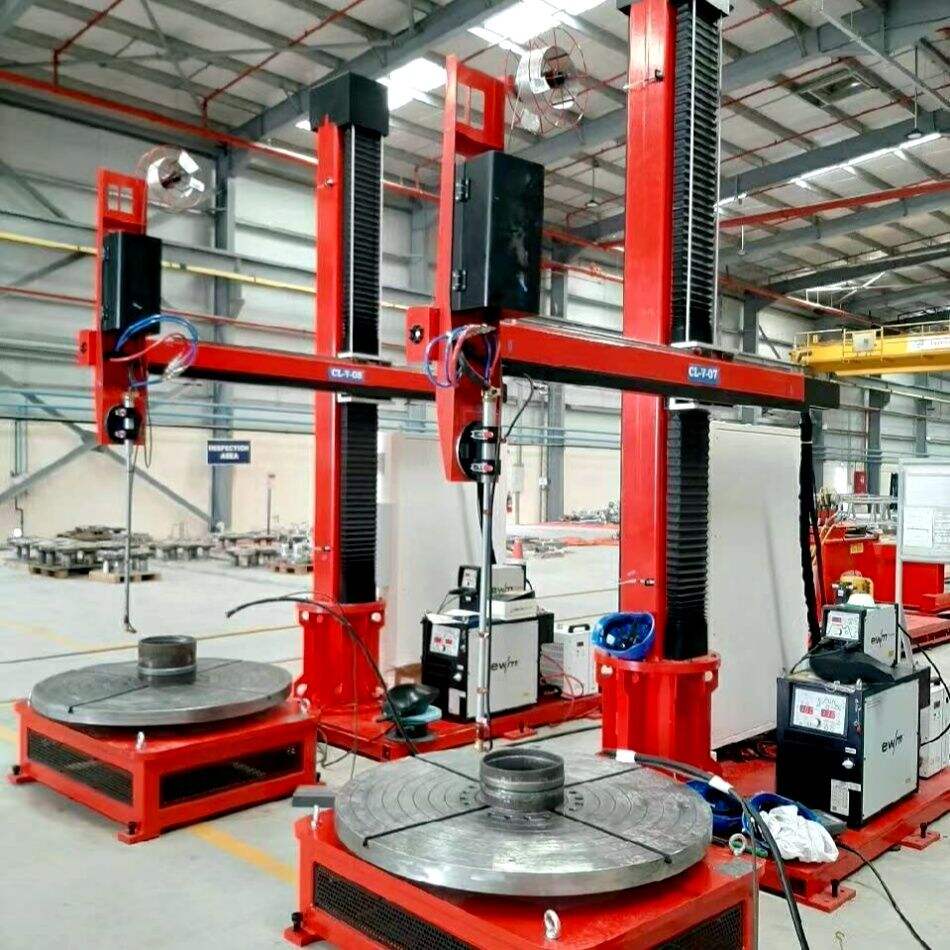
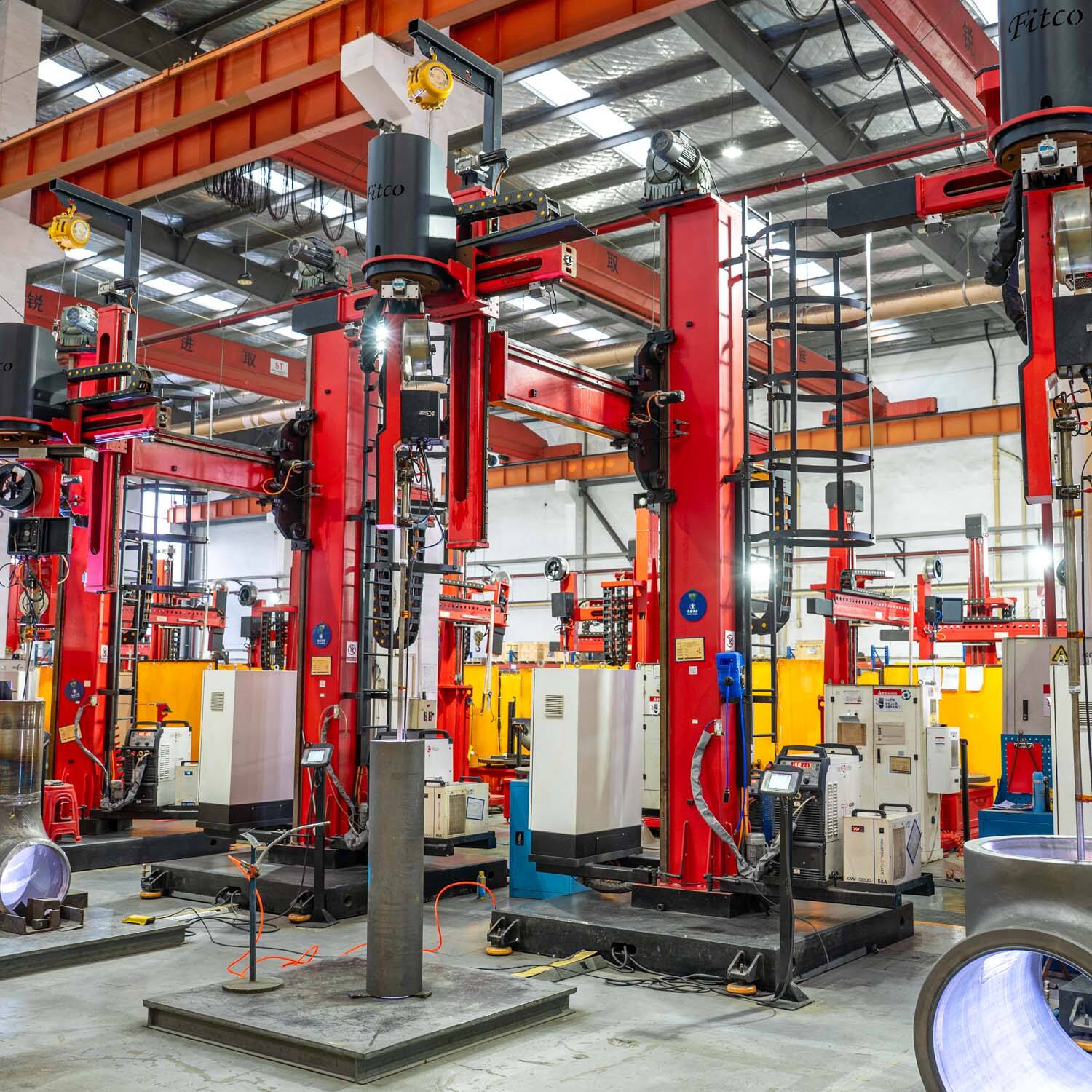
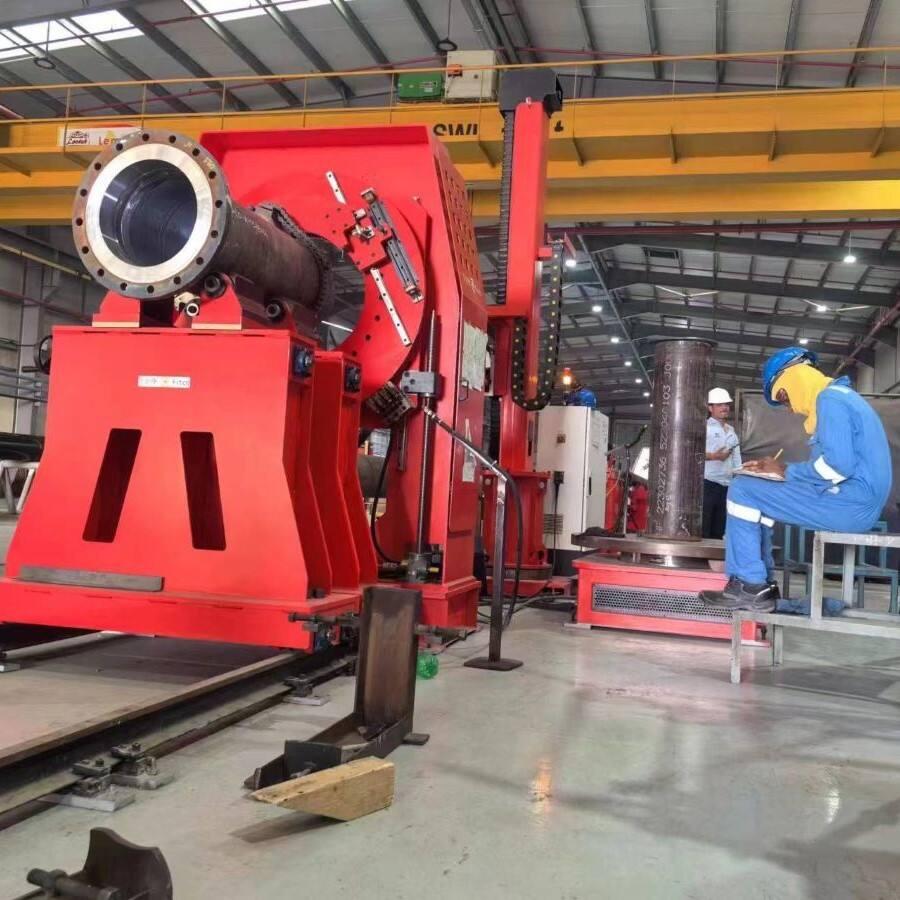
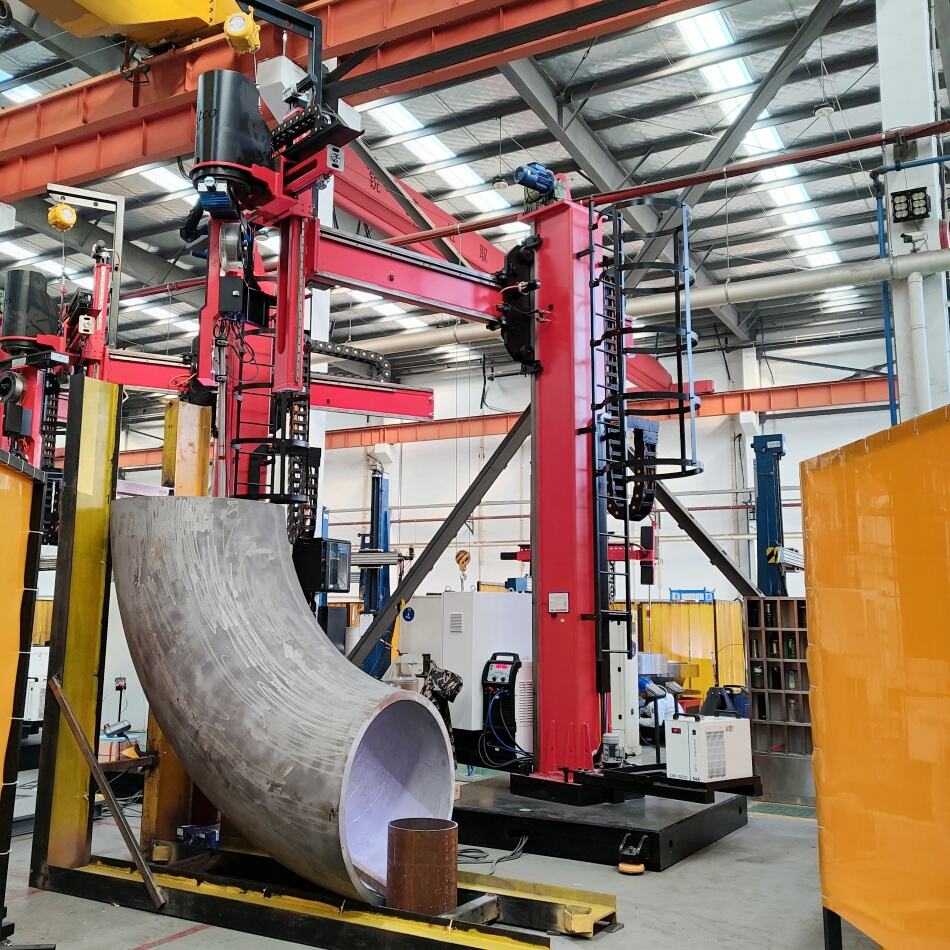
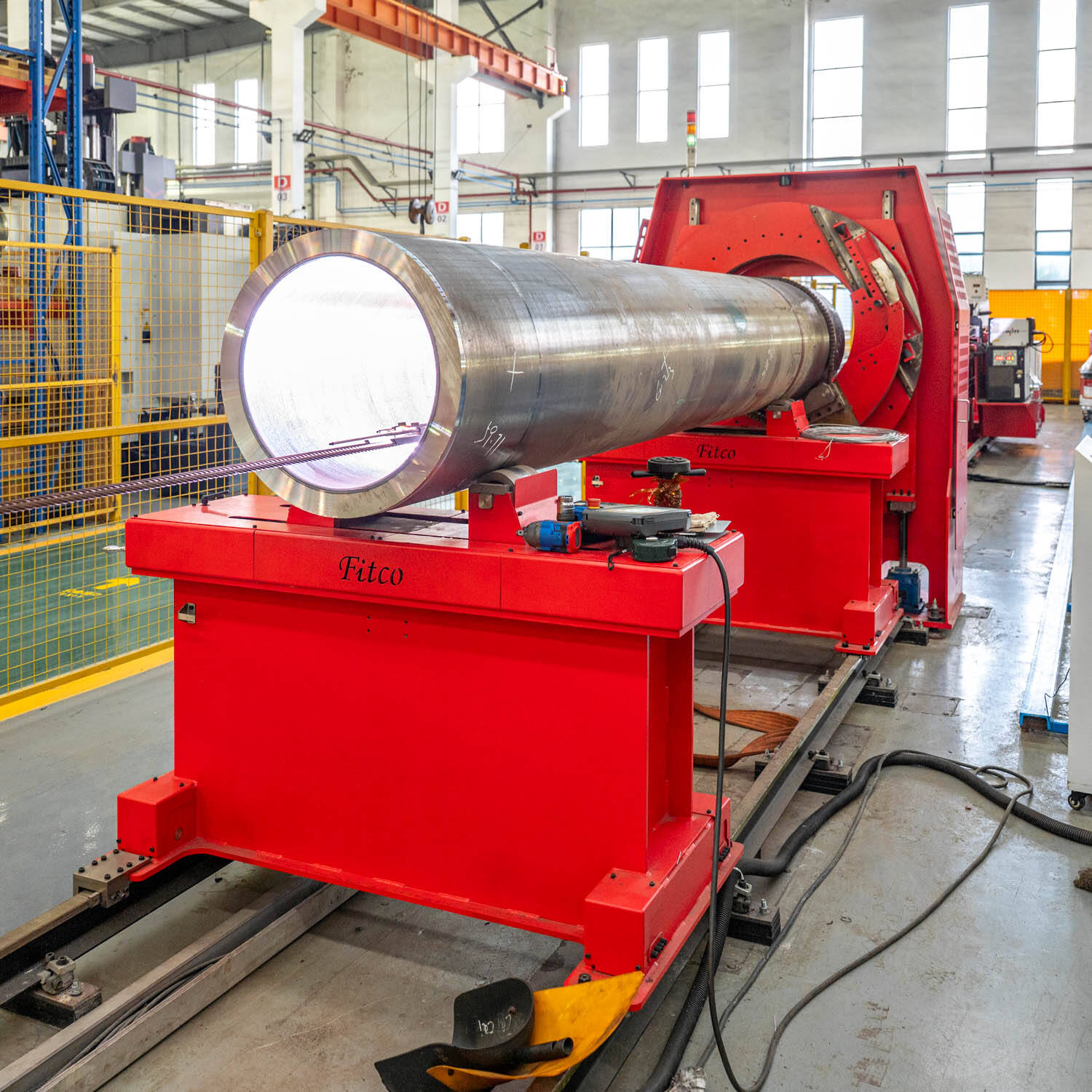
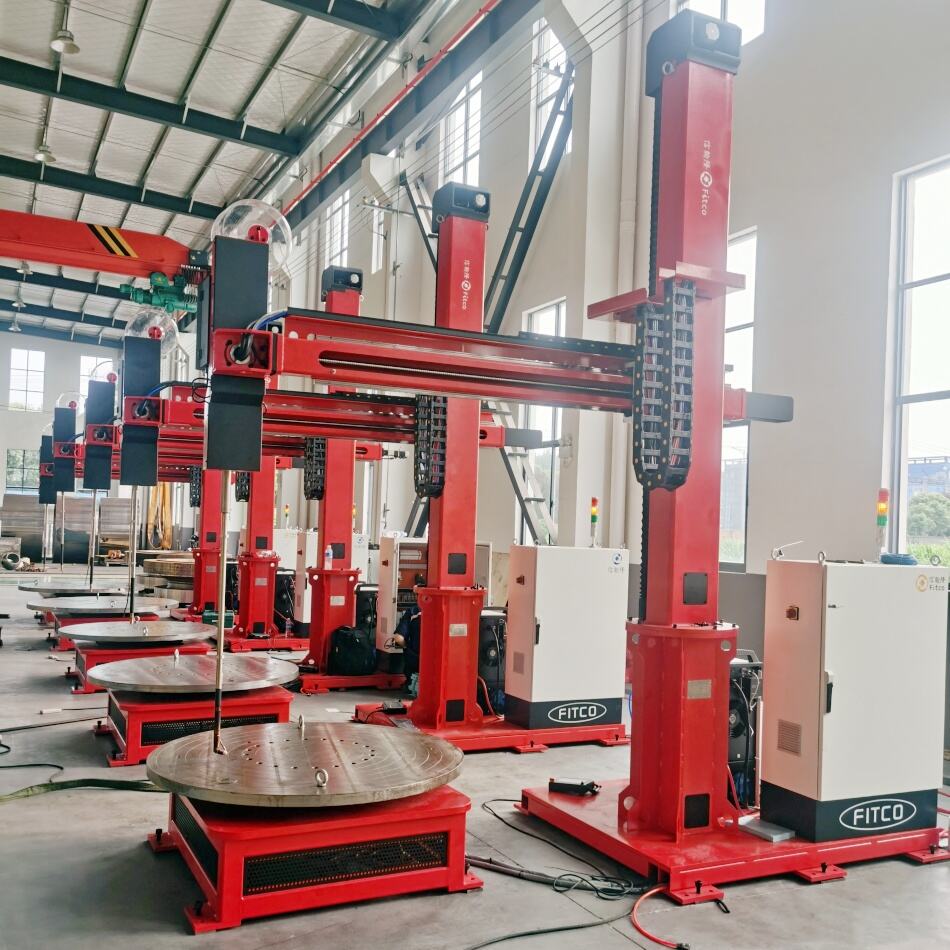
A plasma arc welding machine represents a sophisticated fusion technology that utilizes an ionized gas plasma to create precise, high-quality welds across various materials. This advanced welding system generates an electric arc between a tungsten electrode and the workpiece, creating temperatures that can reach up to 28,000 degrees Fahrenheit. The plasma arc welding machine operates by forcing gas through a constricted orifice, where it becomes ionized and forms a plasma state that delivers concentrated heat energy for superior welding performance. The primary function of a plasma arc welding machine centers on providing exceptional precision and control during the welding process. Unlike traditional welding methods, this technology offers remarkable accuracy in heat application, allowing operators to achieve consistent penetration depths and weld profiles. The machine excels in joining thin materials, typically ranging from 0.1mm to 6mm thickness, making it invaluable for applications requiring delicate handling and minimal heat-affected zones. The technological features of a plasma arc welding machine include adjustable current controls, gas flow regulation systems, and advanced arc starting mechanisms. These machines incorporate sophisticated cooling systems to maintain optimal operating temperatures and extend component lifespan. Many modern units feature digital displays and programmable settings that enable operators to store welding parameters for different materials and thicknesses. The plasma arc welding machine finds extensive applications across aerospace, automotive, electronics, and precision manufacturing industries. These machines prove particularly effective for welding stainless steel, titanium, aluminum, and exotic alloys where maintaining material properties is crucial. The technology supports both manual and automated welding operations, making it suitable for prototype development and high-volume production environments. Industries rely on plasma arc welding machines for creating leak-proof seals, joining dissimilar metals, and producing welds that meet stringent quality standards required in critical applications.

New Products

The plasma arc welding machine delivers exceptional welding precision that surpasses conventional welding technologies. This precision stems from the concentrated plasma arc, which provides operators with superior control over heat input and penetration depth. Users can achieve consistent weld quality with minimal variation, reducing the need for post-weld finishing and improving overall production efficiency. The machine produces narrow heat-affected zones, preserving the mechanical properties of base materials and preventing warping or distortion in sensitive components. Speed represents another significant advantage of the plasma arc welding machine. The concentrated heat source enables faster welding speeds compared to traditional TIG welding, increasing productivity while maintaining quality standards. This efficiency translates into reduced production time and lower labor costs, making the technology economically attractive for businesses seeking to optimize their manufacturing processes. The plasma arc welding machine excels in versatility, handling a wide range of materials and thicknesses with equal proficiency. Operators can weld stainless steel, carbon steel, aluminum, titanium, and various exotic alloys using the same equipment. This versatility eliminates the need for multiple welding systems, reducing capital investment and simplifying training requirements for welding personnel. The technology accommodates both thin sheet materials and thicker sections, providing flexibility for diverse manufacturing needs. Superior weld quality stands as a hallmark advantage of the plasma arc welding machine. The process produces smooth, consistent welds with excellent mechanical properties and corrosion resistance. The controlled atmosphere created by the plasma gas protects the weld pool from contamination, resulting in clean, porosity-free joints that meet demanding quality specifications. This reliability proves crucial in applications where weld integrity directly impacts safety and performance. The plasma arc welding machine offers enhanced operator safety compared to other high-temperature welding processes. The precise control reduces spatter and fume generation, creating a cleaner working environment. The stable arc characteristics minimize the risk of arc blow and provide predictable welding behavior, allowing operators to work with greater confidence and consistency. Cost-effectiveness emerges through reduced material waste, lower rework rates, and decreased consumable usage. The plasma arc welding machine requires minimal filler material for many applications, and the precise heat control prevents excessive melting or burn-through. These factors combine to deliver significant cost savings over the equipment's operational lifetime while maintaining superior weld quality standards.

Tips And Tricks

The Role of overlay cladding in Refurbishing Heavy Machinery

16

Mar

The Role of overlay cladding in Refurbishing Heavy Machinery

Heavy machinery operates under extreme conditions, facing constant wear from abrasion, corrosion, and mechanical stress that gradually degrades critical components. When expensive equipment begins showing signs of deterioration, manufacturers and ope...
View More
How Does MIG Welding Equipment Enhance Efficiency in Large-Scale Work?

27

Nov

How Does MIG Welding Equipment Enhance Efficiency in Large-Scale Work?

In today's competitive manufacturing landscape, industrial operations demand maximum productivity while maintaining superior quality standards. MIG welding equipment has emerged as a cornerstone technology for large-scale fabrication projects, revolu...
View More
Why Are Pipe Cladding Machines Vital for Industrial Corrosion Protection?

27

Nov

Why Are Pipe Cladding Machines Vital for Industrial Corrosion Protection?

Industrial facilities worldwide face a constant battle against corrosion, with pipe systems serving as critical infrastructure that demands exceptional protection. The implementation of advanced welding technologies has revolutionized how industries ...
View More
How to Calibrate Your mig welding equipment for Pulse Welding

16

Mar

How to Calibrate Your mig welding equipment for Pulse Welding

Calibrating mig welding equipment for pulse welding requires precise adjustments to achieve optimal arc characteristics and weld quality. This specialized process involves fine-tuning multiple parameters including pulse frequency, peak current, backg...
View More

Get a Free Quote

Our representative will contact you soon.
Email
Mobile/WhatsApp
Name
Company Name
Message
0/1000

plasma arc welding machine

Unmatched Precision Control

Unmatched Precision Control

The plasma arc welding machine stands apart from conventional welding technologies through its extraordinary precision control capabilities. This precision originates from the unique plasma formation process, where gas passes through a constricted orifice and becomes ionized, creating a highly focused and controllable heat source. The concentrated plasma arc delivers heat with surgical precision, allowing operators to achieve exact penetration depths and consistent weld profiles across various materials and thicknesses. This level of control proves invaluable when working with thin materials, exotic alloys, or components requiring tight dimensional tolerances. The plasma arc welding machine enables welders to make precise adjustments to heat input, arc length, and travel speed, ensuring optimal results for each specific application. The technology incorporates advanced current control systems that provide stable arc characteristics even when welding at low amperages. This stability translates into consistent weld quality, reducing variability and improving overall production reliability. Operators can confidently weld materials as thin as 0.1mm without burn-through or excessive heat distortion, making the plasma arc welding machine ideal for delicate electronic components, aerospace structures, and precision instruments. The precise control extends to the heat-affected zone, which remains narrow and well-defined, preserving the mechanical properties of base materials. This characteristic proves particularly important when welding heat-sensitive alloys or components that must maintain specific metallurgical properties after welding. The plasma arc welding machine allows manufacturers to meet stringent quality requirements while maintaining production efficiency, delivering consistent results that traditional welding methods cannot match.
Superior Material Compatibility

Superior Material Compatibility

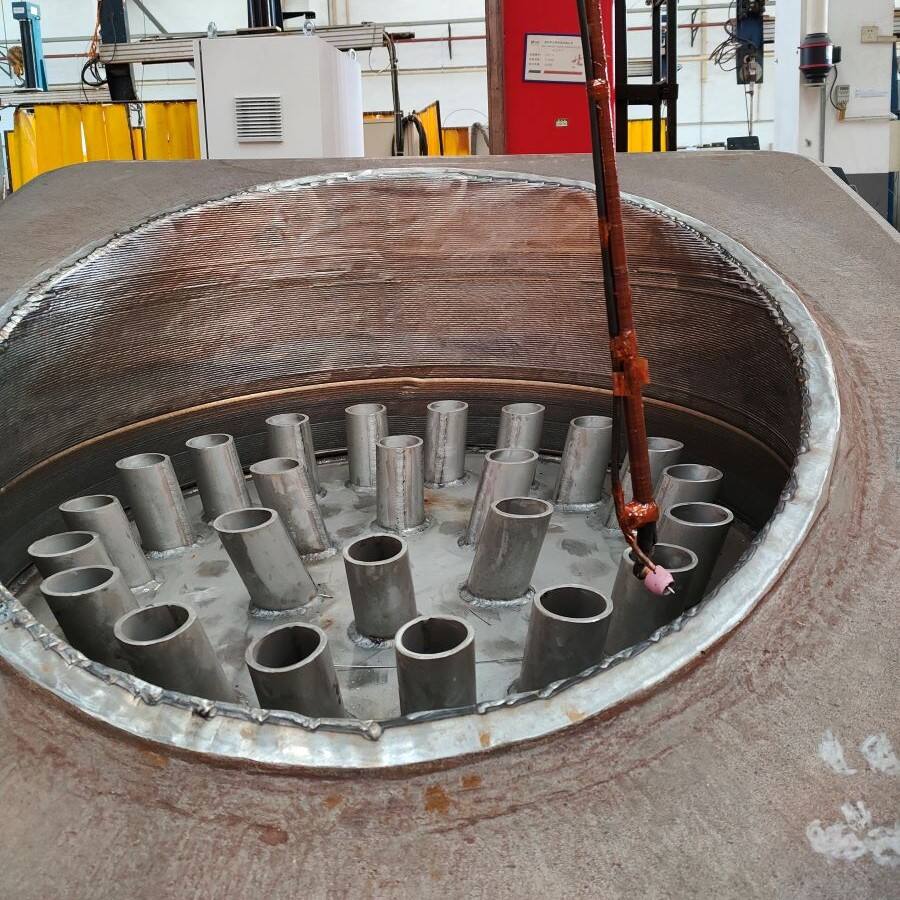
The plasma arc welding machine demonstrates exceptional versatility through its superior material compatibility, making it an ideal solution for diverse manufacturing applications. This compatibility extends across a comprehensive range of metals, including stainless steel, carbon steel, aluminum, titanium, inconel, hastelloy, and various exotic alloys commonly used in aerospace and medical device manufacturing. The plasma arc welding machine handles these materials with equal proficiency, eliminating the need for multiple welding systems and reducing capital investment requirements. The technology excels particularly when welding dissimilar metals, a challenging application that often proves difficult for conventional welding processes. The controlled heat input and protective atmosphere created by the plasma gas enable successful joining of materials with different thermal expansion coefficients and melting points. This capability opens new design possibilities for engineers and manufacturers, allowing them to optimize component performance by selecting the most suitable materials for each application without being constrained by welding limitations. The plasma arc welding machine accommodates a wide thickness range, from ultra-thin foils to moderately thick sections, providing flexibility for various manufacturing needs. This range eliminates the need for multiple welding processes within a single production facility, simplifying operations and reducing training requirements. The machine maintains consistent performance across this thickness range, delivering reliable results regardless of material specifications. Chemical compatibility represents another crucial advantage of the plasma arc welding machine. The inert gas atmosphere protects the weld pool from atmospheric contamination, preventing oxidation and ensuring clean, high-quality joints. This protection proves essential when welding reactive materials like titanium or when maintaining specific chemical compositions required for corrosion resistance or biocompatibility. The plasma arc welding machine enables manufacturers to meet stringent material property requirements while maintaining efficient production processes.
Enhanced Operational Efficiency

Enhanced Operational Efficiency

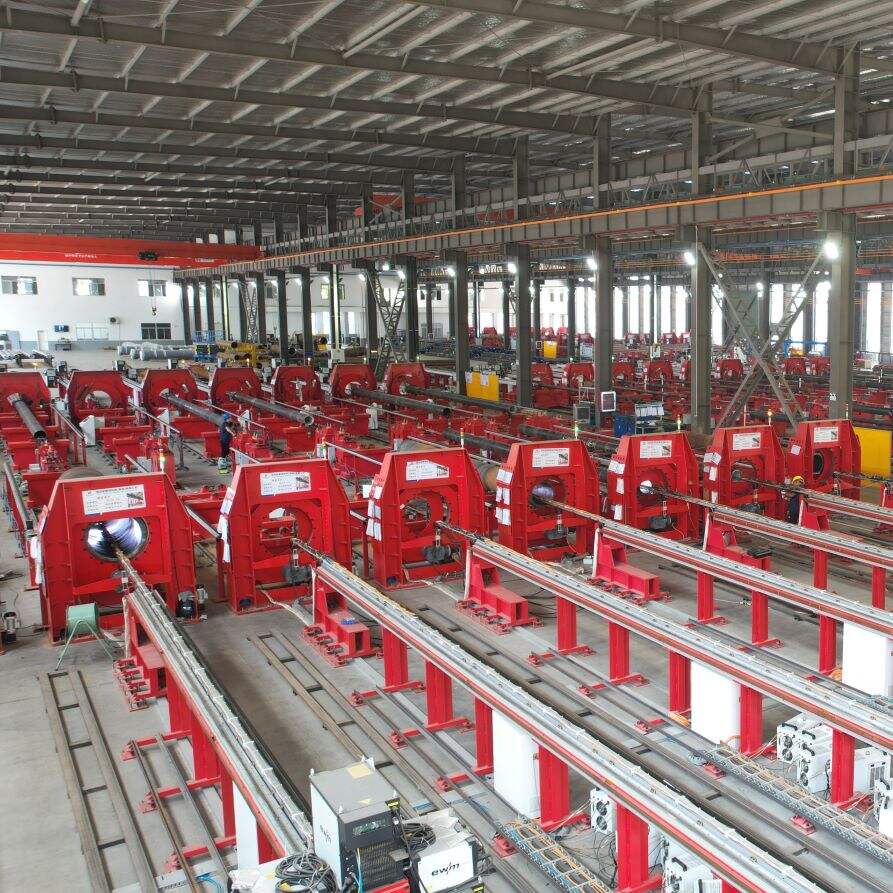
The plasma arc welding machine delivers remarkable operational efficiency that transforms manufacturing processes and improves bottom-line performance. This efficiency manifests through multiple operational advantages, beginning with significantly faster welding speeds compared to traditional TIG welding methods. The concentrated plasma arc delivers higher energy density, enabling operators to complete welds in less time while maintaining superior quality standards. This speed advantage translates directly into increased throughput and reduced production costs, making the plasma arc welding machine an attractive investment for businesses seeking to optimize their manufacturing operations. The technology minimizes material waste through precise heat control and reduced filler metal requirements. The focused plasma arc melts only the necessary amount of base material, preventing excessive melting and material loss. This efficiency proves particularly valuable when working with expensive materials like titanium or specialized alloys, where material costs represent a significant portion of total production expenses. The plasma arc welding machine often eliminates the need for filler material entirely in many applications, further reducing consumable costs and simplifying the welding process. Reduced post-weld processing requirements contribute significantly to operational efficiency. The plasma arc welding machine produces smooth, consistent welds that often require minimal or no finishing work. This characteristic eliminates secondary operations like grinding, polishing, or machining, reducing labor costs and shortening production cycles. The superior weld quality also minimizes rework rates, preventing costly delays and material waste associated with defective joints. The plasma arc welding machine supports both manual and automated operations, providing flexibility for different production requirements. Automated systems can leverage the process stability and repeatability to achieve consistent results in high-volume applications, while manual operation allows for complex geometries and prototype development. This versatility enables manufacturers to optimize their welding operations based on specific production needs and volume requirements, maximizing return on investment while maintaining quality standards.

Get a Free Quote

Our representative will contact you soon.
Email
Mobile/WhatsApp
Name
Company Name
Message
0/1000