Industrial TIG Welder: Professional Multi-Process Welding Equipment for Precision Fabrication

Contact me immediately if you encounter problems!

All Categories

Get a Free Quote

Our representative will contact you soon.
Email
Mobile/WhatsApp
Name
Company Name
Message
0/1000

Get a Free Quote

Our representative will contact you soon.
Email
Mobile/WhatsApp
Name
Company Name
Message
0/1000

industrial tig welder

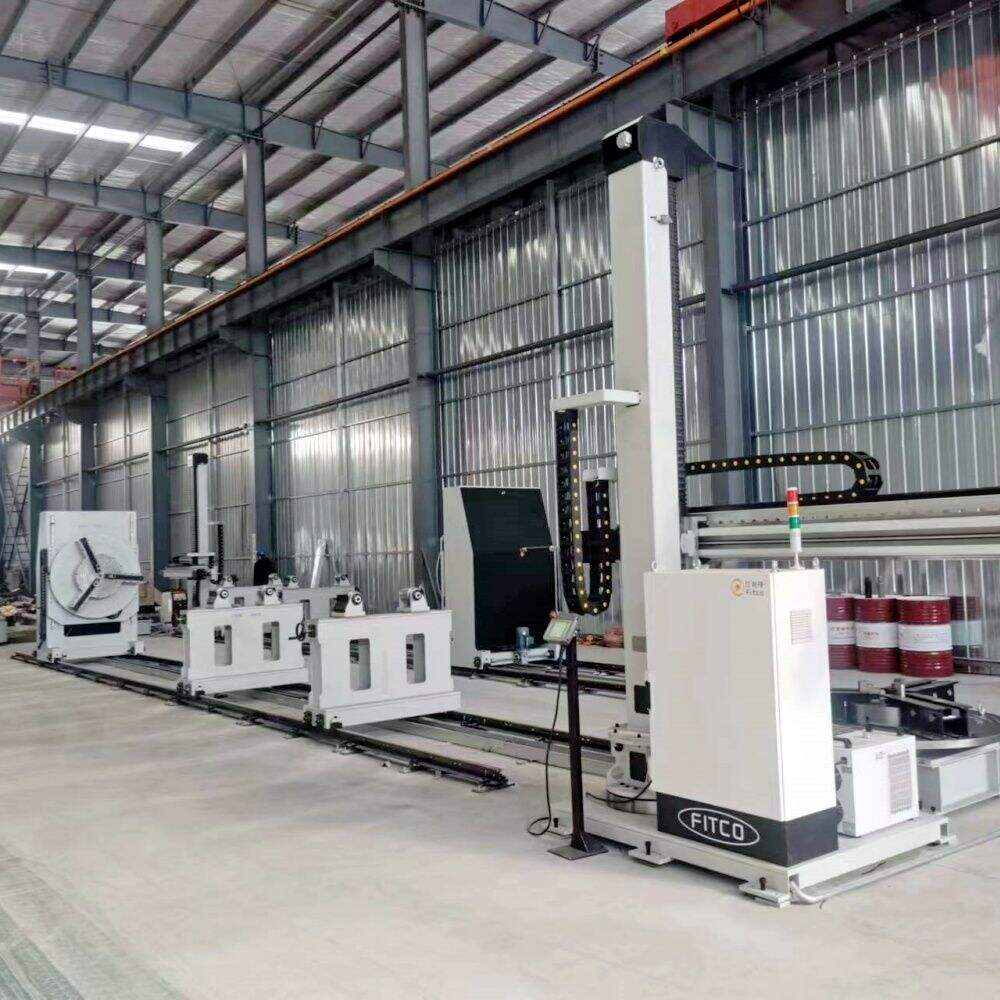
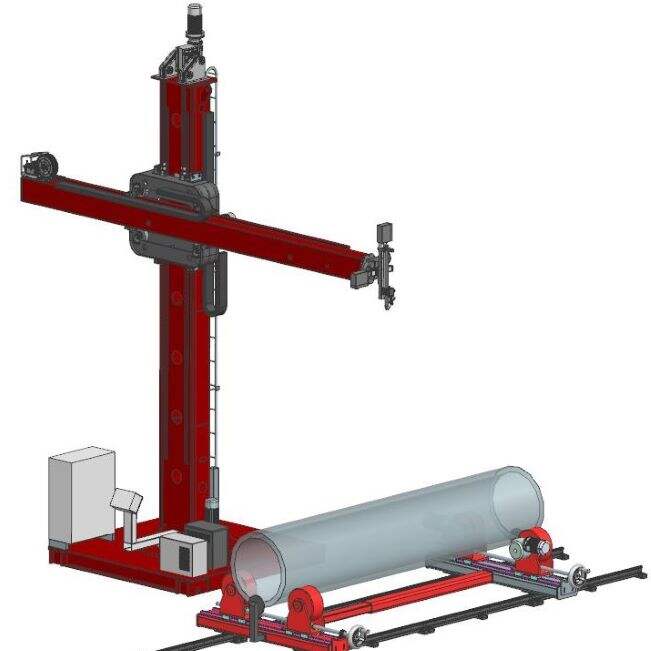
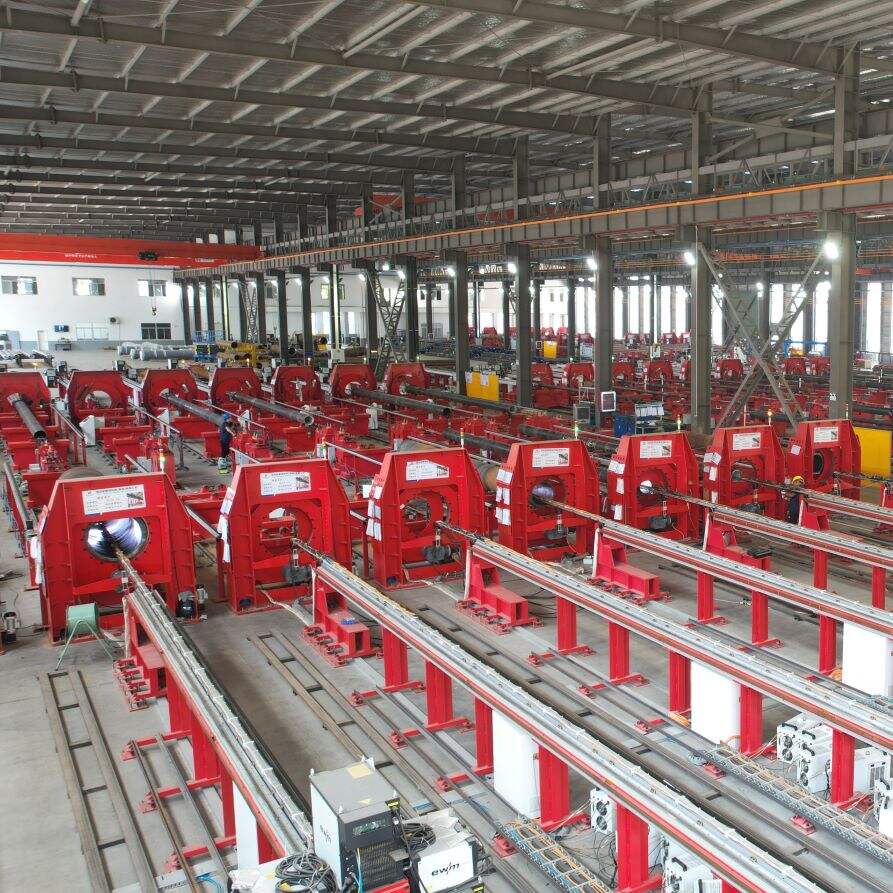
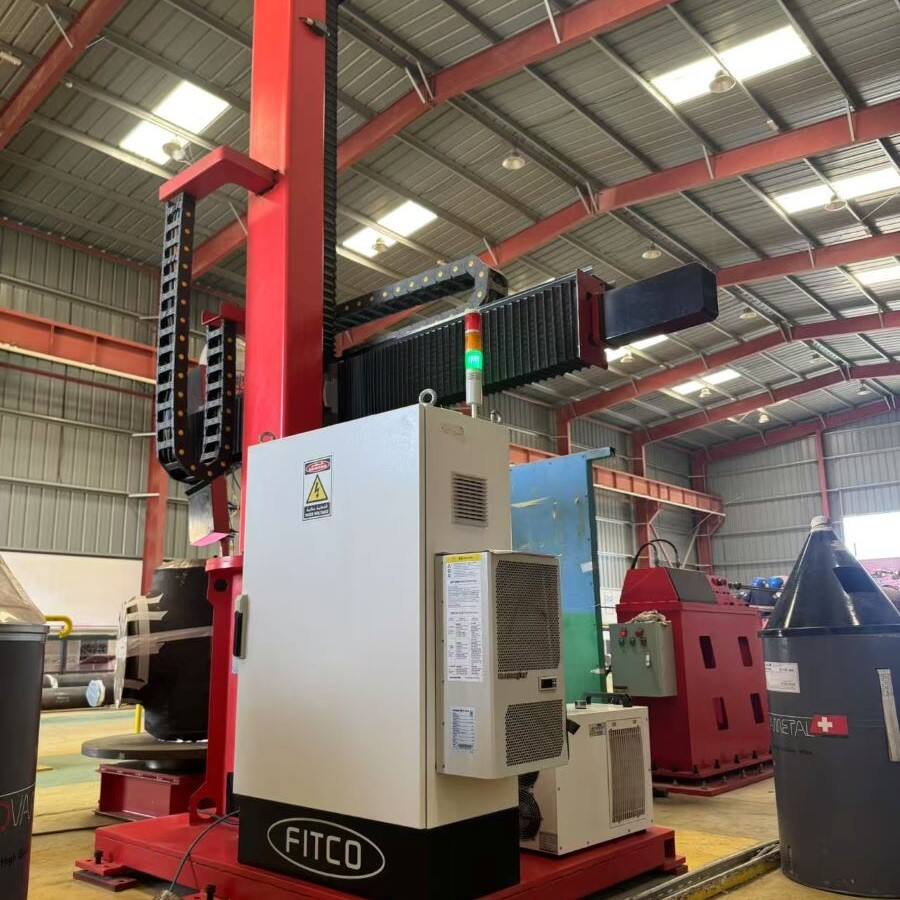
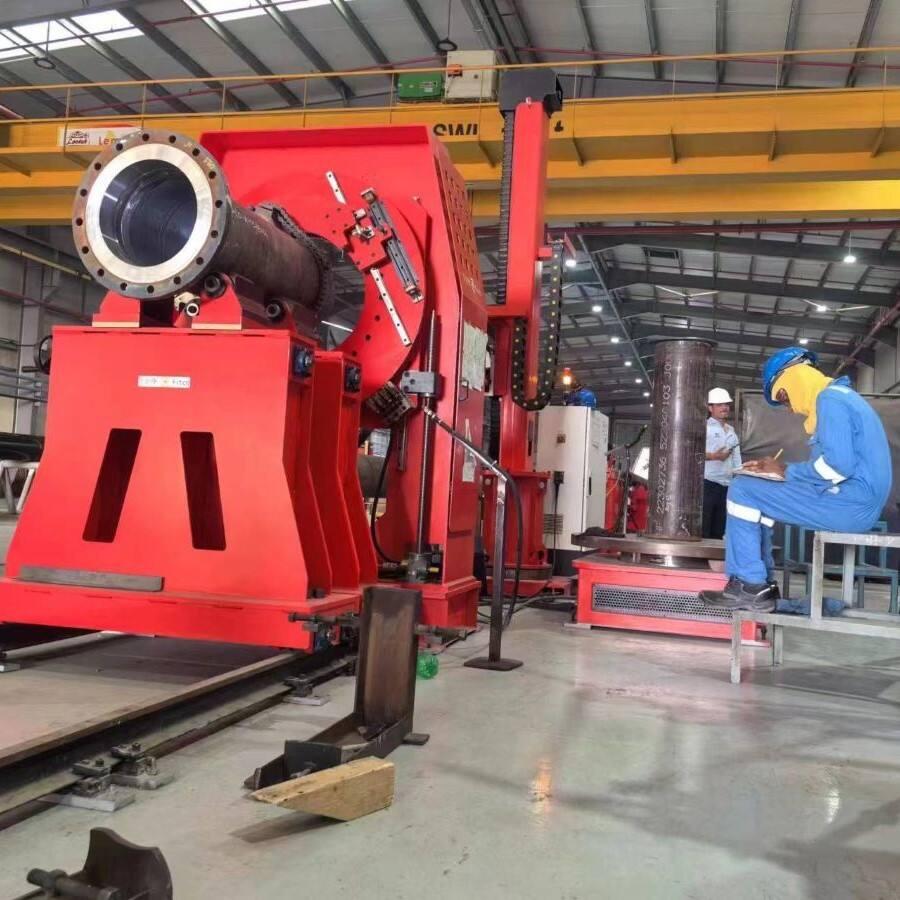
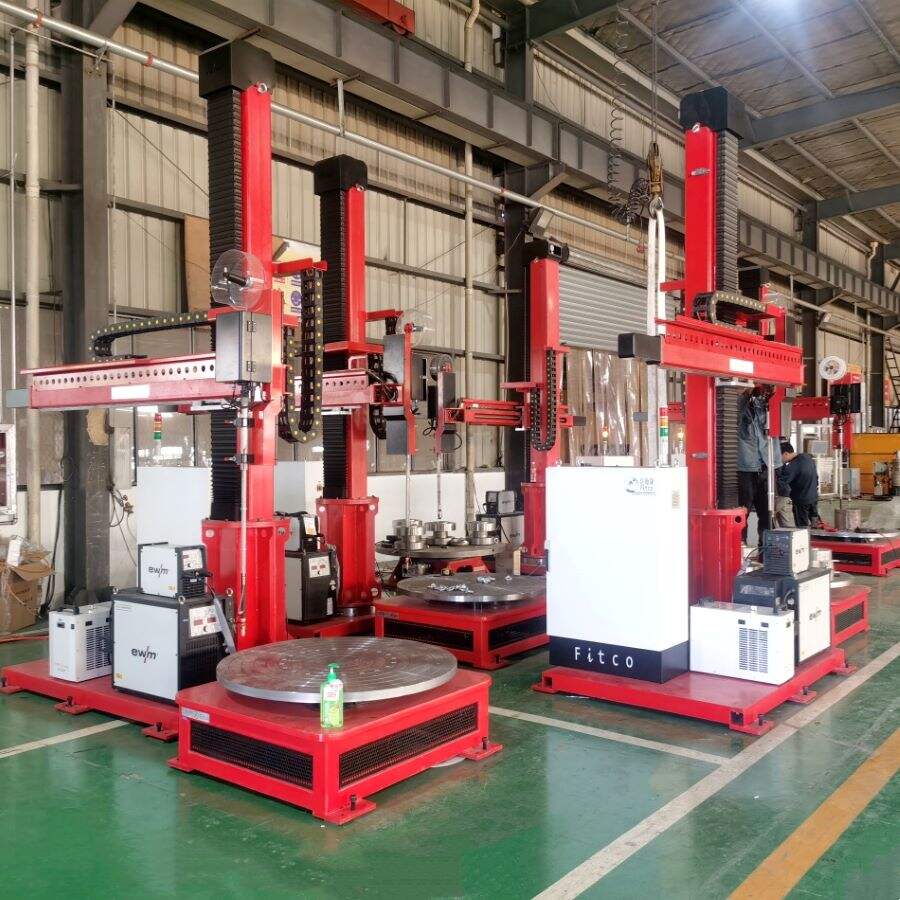
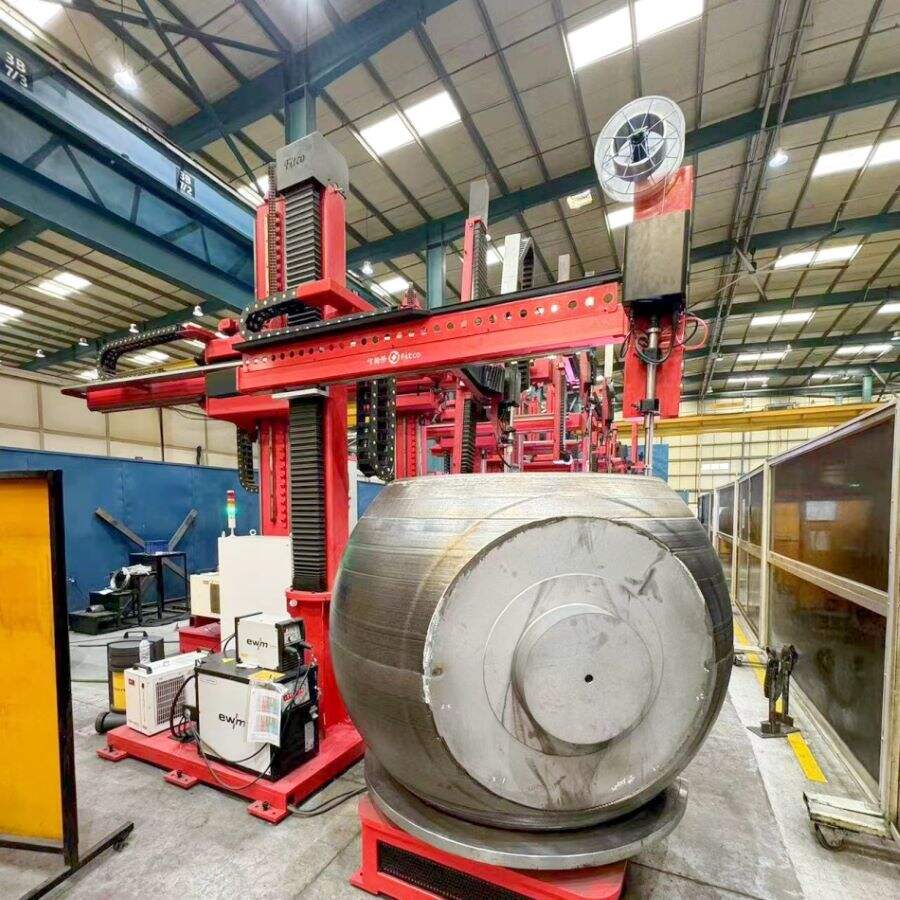
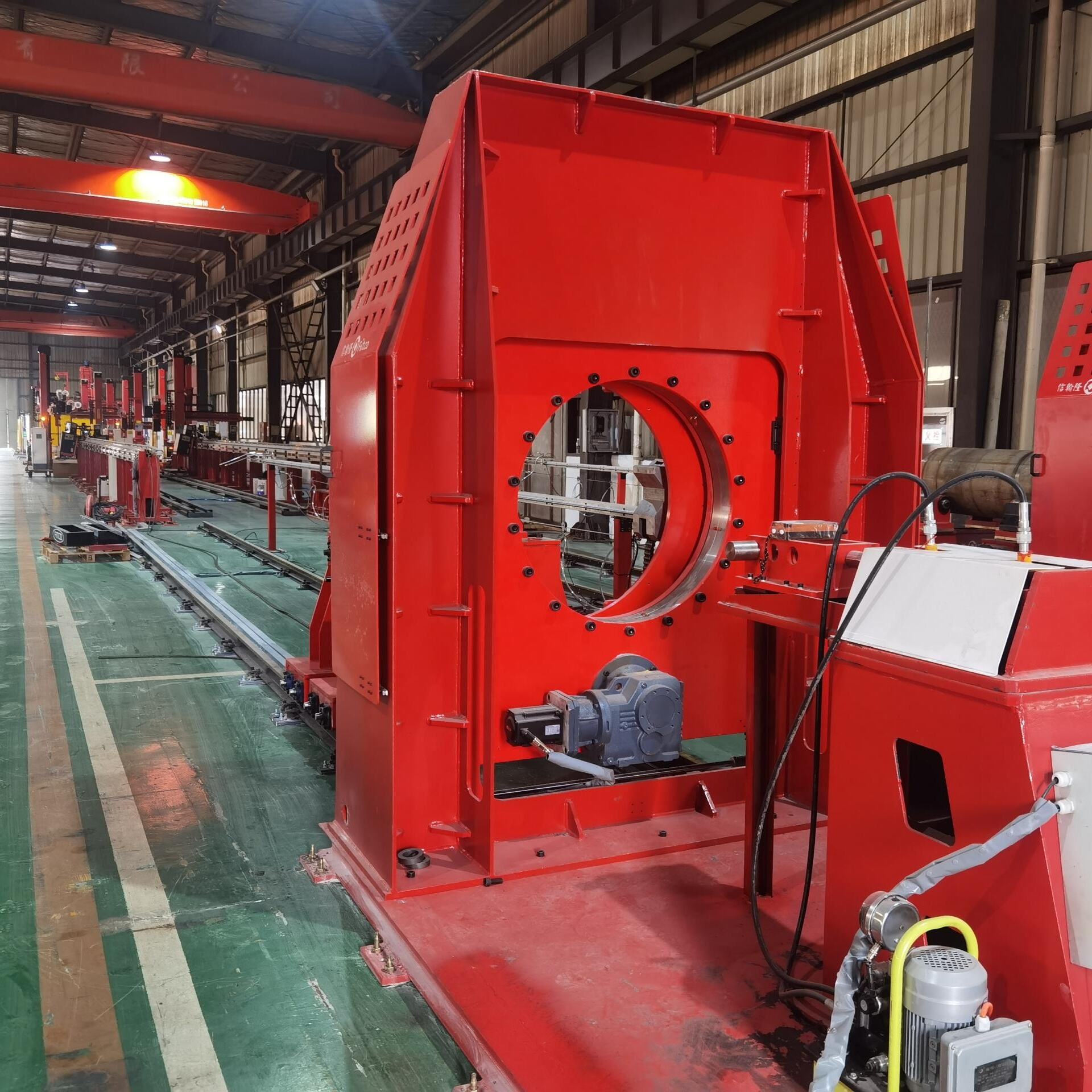
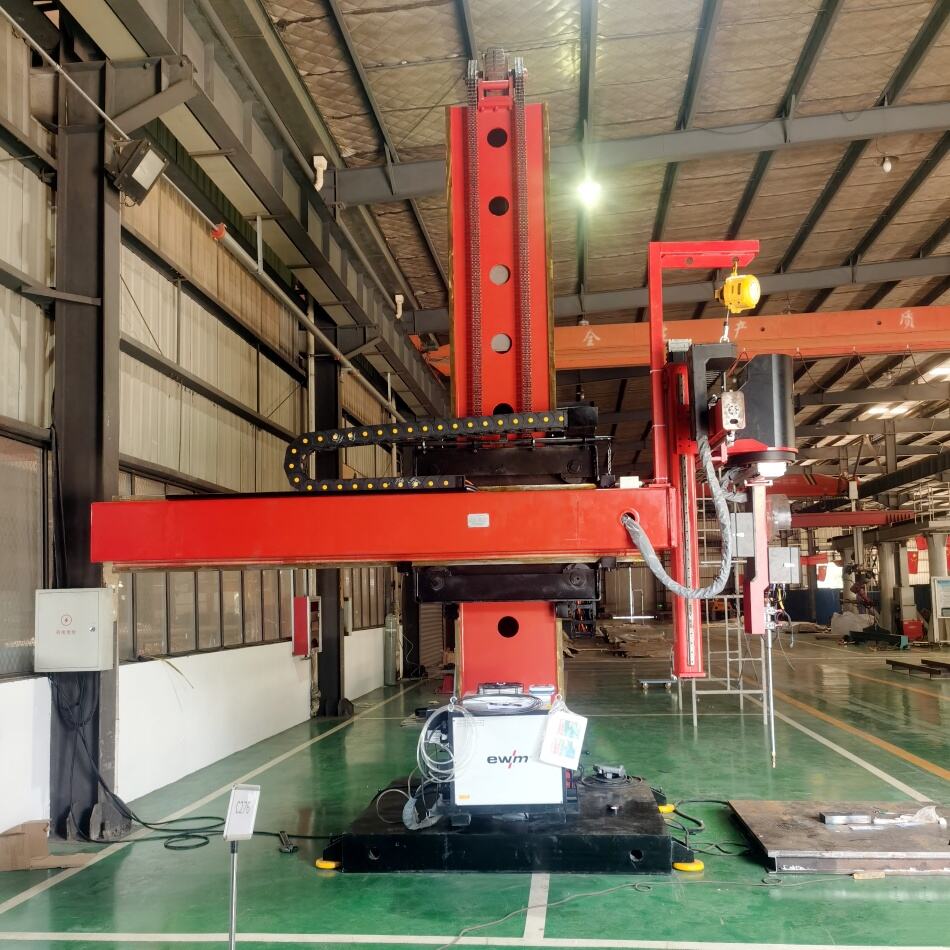
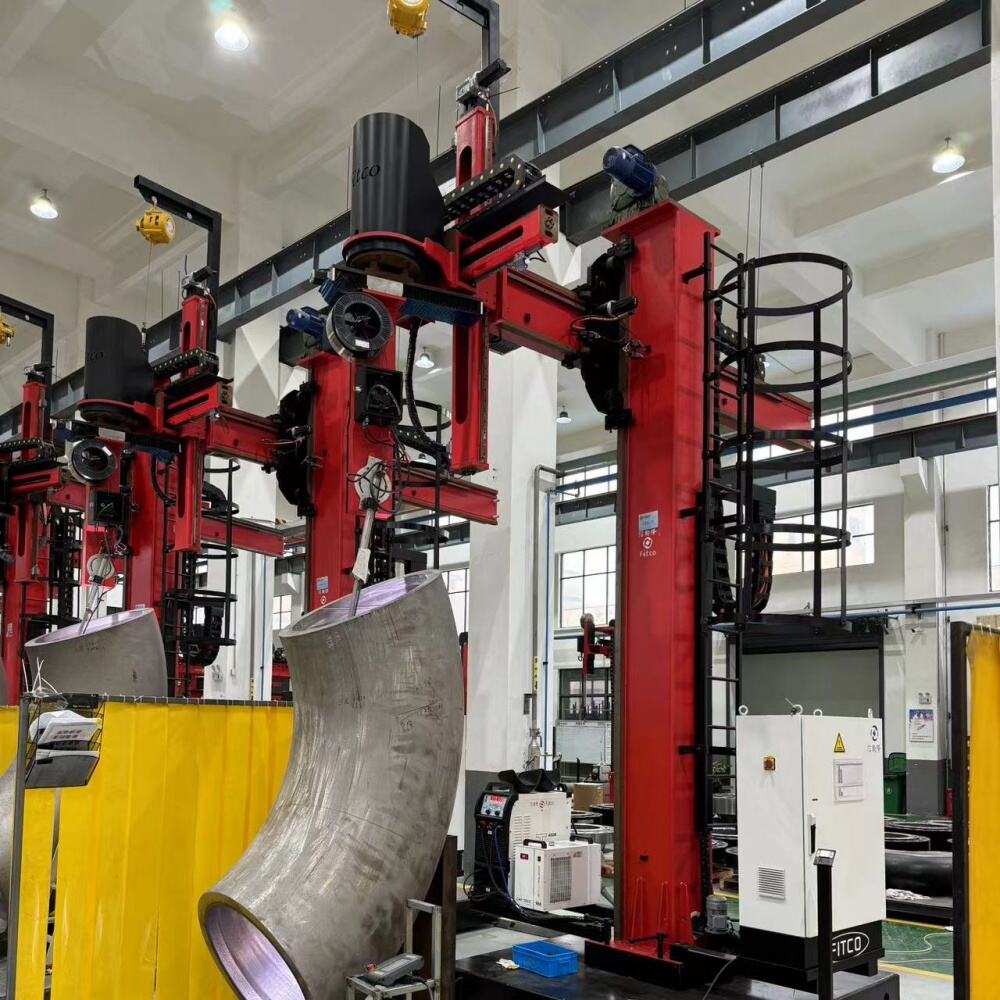
The industrial tig welder represents a cornerstone of modern manufacturing and fabrication processes, delivering exceptional precision and versatility for professional welding applications. This advanced welding system utilizes Tungsten Inert Gas technology to create superior quality welds across various metal types and thicknesses. The industrial tig welder operates by generating an electric arc between a non-consumable tungsten electrode and the workpiece, while an inert gas shield protects the weld area from atmospheric contamination. This sophisticated process ensures clean, strong, and aesthetically pleasing welds that meet the highest industry standards. The main functions of an industrial tig welder include DC and AC welding capabilities, allowing operators to work with both ferrous and non-ferrous materials such as stainless steel, aluminum, copper, and exotic alloys. Advanced pulse welding features enable precise heat control, reducing distortion and improving penetration in thin materials. The technological features of modern industrial tig welder units incorporate digital displays for accurate parameter monitoring, pre-programmed welding sequences for consistent results, and remote control capabilities for enhanced operator safety. Many models feature adaptive arc control that automatically adjusts welding parameters based on arc length variations, ensuring stable performance throughout the welding process. The applications for industrial tig welder equipment span numerous sectors including aerospace manufacturing, automotive production, nuclear power generation, food processing equipment fabrication, and pharmaceutical industry components. These welders excel in creating leak-proof joints for pressure vessels, intricate repairs on critical components, and high-quality decorative welds where appearance matters. The precision control offered by an industrial tig welder makes it indispensable for welding thin gauge materials, root pass welding in pipe systems, and applications requiring exceptional weld quality certification. Whether used in shipbuilding, construction, or specialized manufacturing, the industrial tig welder consistently delivers reliable performance that meets stringent quality requirements.

New Product Recommendations

The industrial tig welder offers numerous compelling advantages that make it the preferred choice for professional welding operations across diverse industries. First, this welding system produces exceptionally clean welds with minimal spatter and virtually no smoke, creating a safer and more pleasant working environment for operators. The precise heat control capabilities of an industrial tig welder allow welders to achieve optimal penetration without overheating the base material, preventing warping and distortion that can compromise project integrity. This level of control translates directly into reduced material waste and lower rework costs, providing significant economic benefits for manufacturing operations. The versatility of an industrial tig welder enables operators to work with an extensive range of materials and thicknesses using a single machine, eliminating the need for multiple specialized welding systems. This consolidation reduces equipment costs, maintenance requirements, and training complexity while maximizing workshop efficiency. The superior weld quality produced by an industrial tig welder meets the most demanding certification standards, including those required for aerospace, nuclear, and medical device manufacturing. These high-quality welds exhibit excellent corrosion resistance and mechanical properties, ensuring long-term durability and reliability in critical applications. The precise arc characteristics of an industrial tig welder provide exceptional visibility during welding operations, allowing operators to monitor the weld pool closely and make real-time adjustments for optimal results. This visibility, combined with the stable arc performance, enables welders to achieve consistent quality even in challenging positions and confined spaces. Modern industrial tig welder systems incorporate energy-efficient designs that reduce operating costs while maintaining peak performance levels. The programmable features allow operators to store and recall optimal welding parameters for specific applications, ensuring repeatability and reducing setup time between jobs. Additionally, the clean welding process of an industrial tig welder produces welds that often require minimal post-weld cleaning, further reducing labor costs and project completion time.

Tips And Tricks

Mastering Aluminum: Why an acdc tig welder is Non-Negotiable

16

Mar

Mastering Aluminum: Why an acdc tig welder is Non-Negotiable

Aluminum welding presents unique challenges that demand specialized equipment, making the choice of welding technology critical for achieving professional results. The metallurgical properties of aluminum, including its high thermal conductivity, oxi...
View More
Why Are Pipe Cladding Machines Vital for Industrial Corrosion Protection?

27

Nov

Why Are Pipe Cladding Machines Vital for Industrial Corrosion Protection?

Industrial facilities worldwide face a constant battle against corrosion, with pipe systems serving as critical infrastructure that demands exceptional protection. The implementation of advanced welding technologies has revolutionized how industries ...
View More
How Can a TIG Welder Deliver Cleaner Industrial Welds?

22

Dec

How Can a TIG Welder Deliver Cleaner Industrial Welds?

Industrial welding operations demand precision, reliability, and exceptional quality standards that can make or break critical infrastructure projects. Among the various welding technologies available today, tungsten inert gas welding stands out as a...
View More
Which Materials Weld Best with Longitudinal TIG Equipment?

13

Jan

Which Materials Weld Best with Longitudinal TIG Equipment?

Manufacturing industries increasingly rely on advanced welding technologies to achieve superior joint quality and production efficiency. Among the various welding methods available, longitudinal TIG equipment has emerged as a critical solution for ap...
View More

Get a Free Quote

Our representative will contact you soon.
Email
Mobile/WhatsApp
Name
Company Name
Message
0/1000

industrial tig welder

Advanced Arc Control Technology

Advanced Arc Control Technology

The industrial tig welder incorporates sophisticated arc control technology that revolutionizes welding precision and consistency across all applications. This advanced system continuously monitors and adjusts arc characteristics in real-time, compensating for variables such as electrode wear, gas flow fluctuations, and operator technique variations. The adaptive control algorithms within the industrial tig welder analyze arc voltage and current feedback thousands of times per second, making micro-adjustments that maintain optimal welding conditions throughout the entire process. This technology eliminates the common issues of arc wandering and instability that can plague conventional welding systems, ensuring that every weld meets exacting quality standards. The pulse welding capabilities integrated into modern industrial tig welder units provide unprecedented control over heat input, allowing operators to weld extremely thin materials without burn-through while achieving full penetration on thicker sections. This pulsing action creates a rhythmic heating and cooling cycle that refines grain structure and reduces thermal stress in the weld zone. The advanced arc control system also enables the industrial tig welder to maintain consistent performance across varying joint configurations, from simple butt joints to complex multi-pass procedures. Operators benefit from reduced fatigue and improved productivity as the system compensates for minor technique variations, allowing them to focus on positioning and travel speed rather than constantly adjusting machine parameters. The enhanced arc stability provided by this technology results in superior weld appearance, with uniform ripple patterns and smooth transitions that often eliminate the need for post-weld finishing operations. For critical applications requiring radiographic or ultrasonic inspection, the consistent penetration and lack of internal defects achieved through advanced arc control significantly improve pass rates and reduce costly rework. This technology represents a significant advancement in welding automation, bringing industrial-grade consistency to manual welding operations while maintaining the flexibility and adaptability that skilled welders require.
Multi-Process Welding Capability

Multi-Process Welding Capability

The industrial tig welder stands apart from conventional welding equipment through its comprehensive multi-process capabilities that consolidate multiple welding technologies into a single, versatile platform. This integration allows operators to switch seamlessly between TIG, stick welding, and plasma cutting functions without changing equipment or workspace setup. The multi-process design of an industrial tig welder eliminates the capital expense and floor space requirements associated with maintaining separate welding systems for different applications. Each process within the industrial tig welder maintains its own optimized power delivery characteristics, ensuring that TIG welding receives the precise, stable current control necessary for high-quality work, while stick welding benefits from the robust arc starting and penetration capabilities required for heavy fabrication. The plasma cutting function integrated into many industrial tig welder systems provides clean, precise cuts that require minimal edge preparation before welding, streamlining the entire fabrication process. This multi-functionality proves particularly valuable in repair and maintenance operations where the specific welding process requirements may not be known until the job site assessment is complete. The industrial tig welder can handle emergency repairs using stick welding for quick structural fixes, then switch to TIG mode for precision work on critical components, all without equipment changes or delays. The shared power source and control systems reduce complexity while improving reliability, as operators become familiar with a single interface that controls all welding processes. Training costs decrease significantly when workshops standardize on multi-process industrial tig welder systems, as technicians need to master only one control system rather than learning multiple interfaces. The consistent gas delivery system serves both TIG welding and plasma cutting functions, reducing consumable inventory and simplifying gas management. Quality control becomes more straightforward when using a single industrial tig welder platform, as welding procedure specifications can reference consistent machine capabilities and parameters across different processes.
Digital Parameter Control and Memory Functions

Digital Parameter Control and Memory Functions

The industrial tig welder incorporates state-of-the-art digital control systems that transform welding from an art form into a precisely controlled manufacturing process. These sophisticated control interfaces provide welders with unprecedented parameter accuracy and repeatability, featuring digital displays that show exact amperage, voltage, gas flow rates, and pulse frequencies in real-time. The memory functions built into modern industrial tig welder systems allow operators to store hundreds of welding procedures, complete with all associated parameters, material specifications, and operator notes. This capability ensures that complex welding procedures can be recalled instantly and executed consistently, regardless of which operator performs the work. The digital parameter control system in an industrial tig welder enables micro-adjustments that would be impossible with analog controls, allowing fine-tuning of arc characteristics to match specific material properties and joint configurations. Pre-flow and post-flow gas timing can be programmed to precise intervals, ensuring optimal shielding gas coverage for every application while minimizing gas consumption and costs. The industrial tig welder memory system can store welding procedures by project number, material type, or customer specification, making it easy to maintain consistency across multiple jobs or return to previous successful parameters when similar work arises. Advanced models feature USB connectivity and network integration, allowing welding procedures to be developed offline, shared between multiple industrial tig welder units, and backed up to prevent data loss. The digital control system also provides comprehensive weld data logging, recording actual welding parameters, arc time, and operator identification for each weld. This traceability proves invaluable for quality assurance programs and certification requirements in regulated industries. The user interface of a modern industrial tig welder can be customized to show only relevant parameters for specific operators or applications, reducing confusion and preventing accidental parameter changes. Password protection and user access levels ensure that critical welding procedures remain secure while still allowing authorized adjustments. The digital system continuously monitors consumable condition and provides predictive maintenance alerts, helping operators maintain peak performance and avoid costly downtime due to equipment failures.

Get a Free Quote

Our representative will contact you soon.
Email
Mobile/WhatsApp
Name
Company Name
Message
0/1000