Advanced Automation Control System
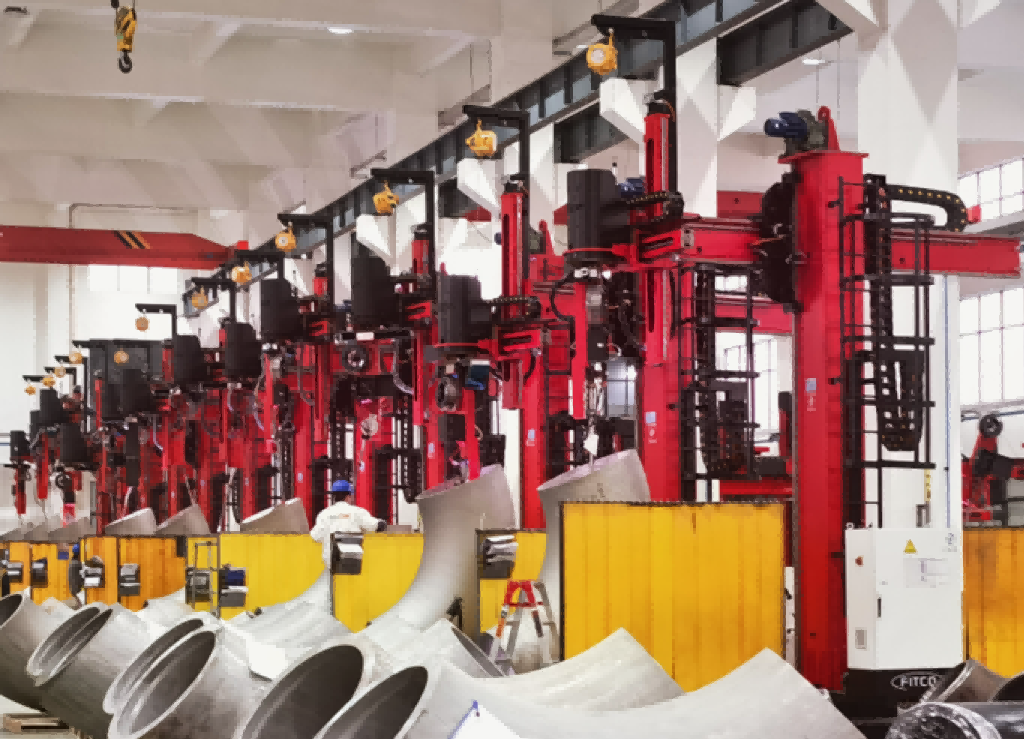
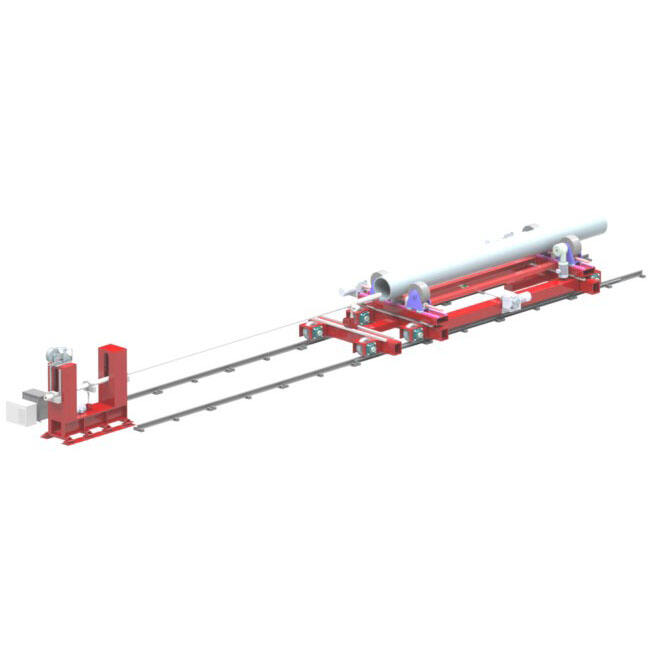
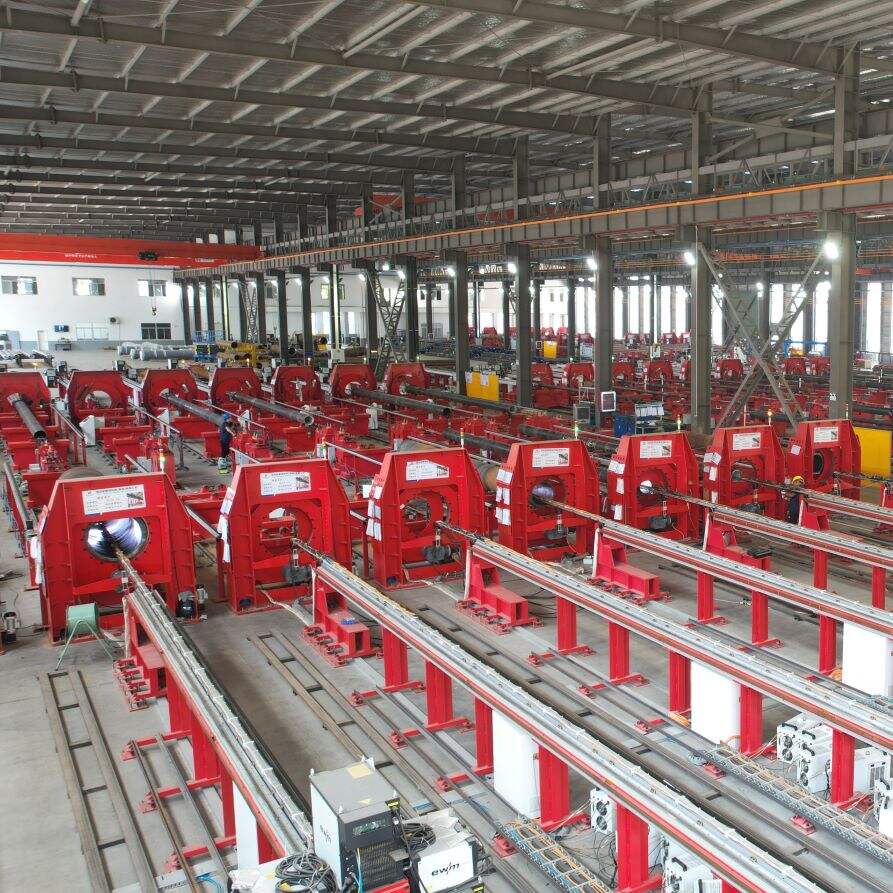
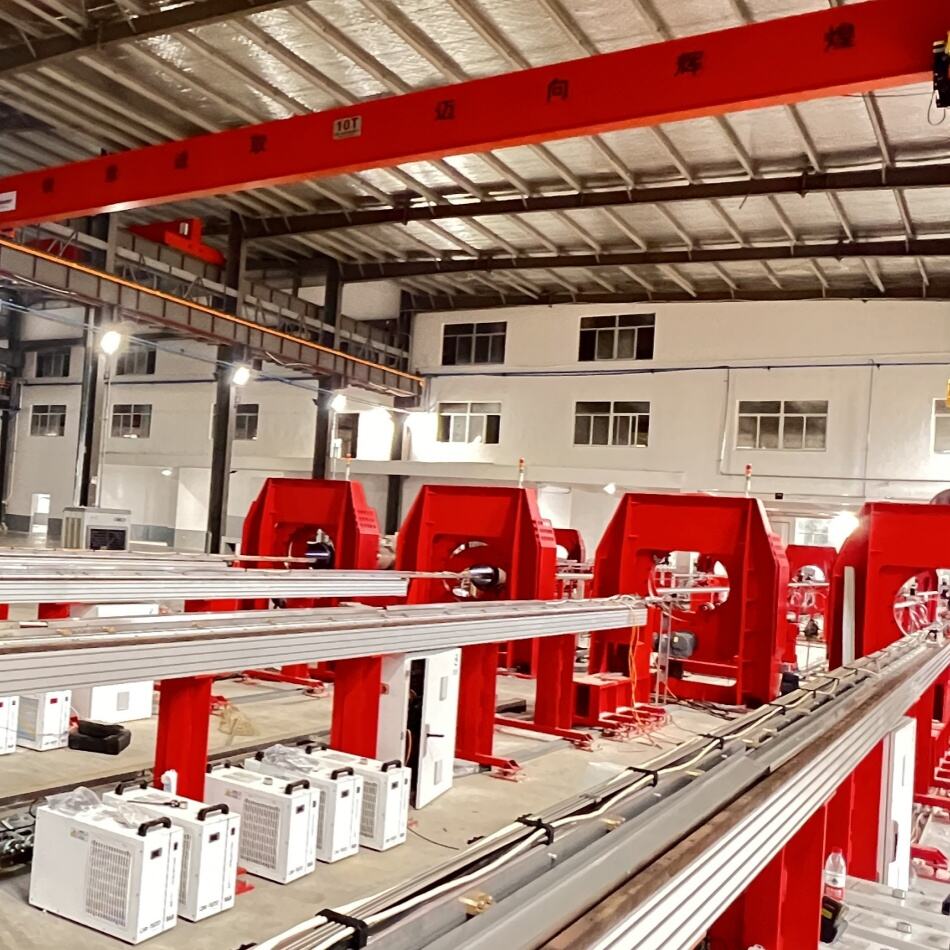
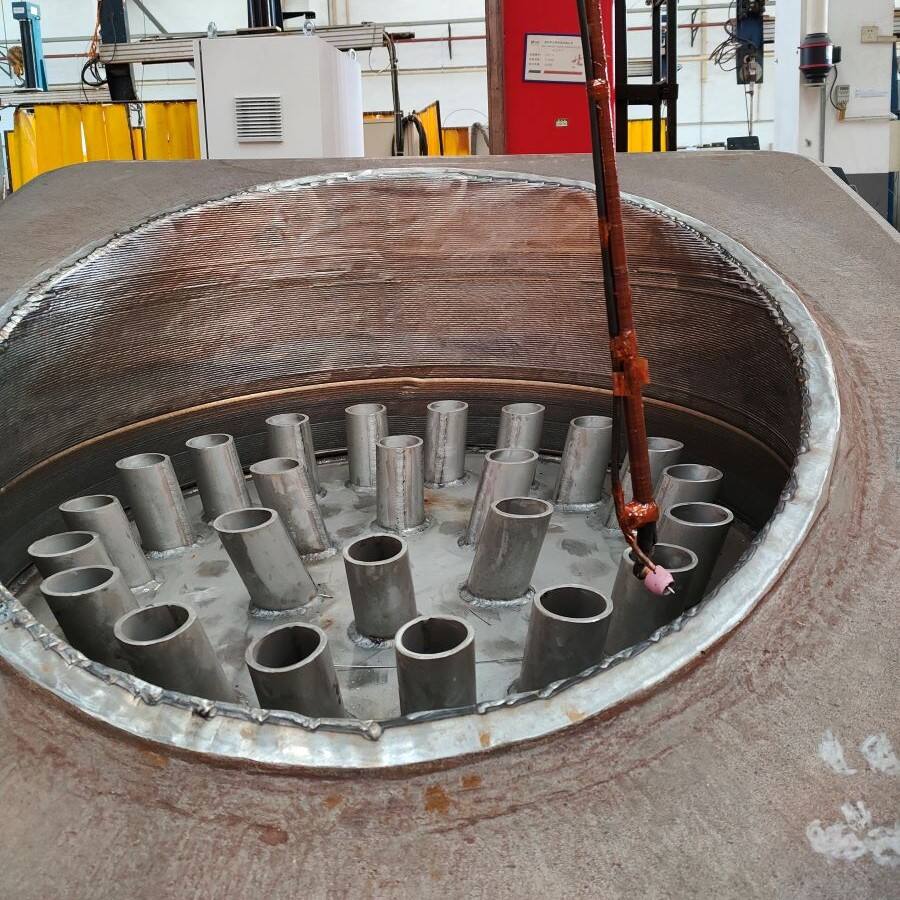
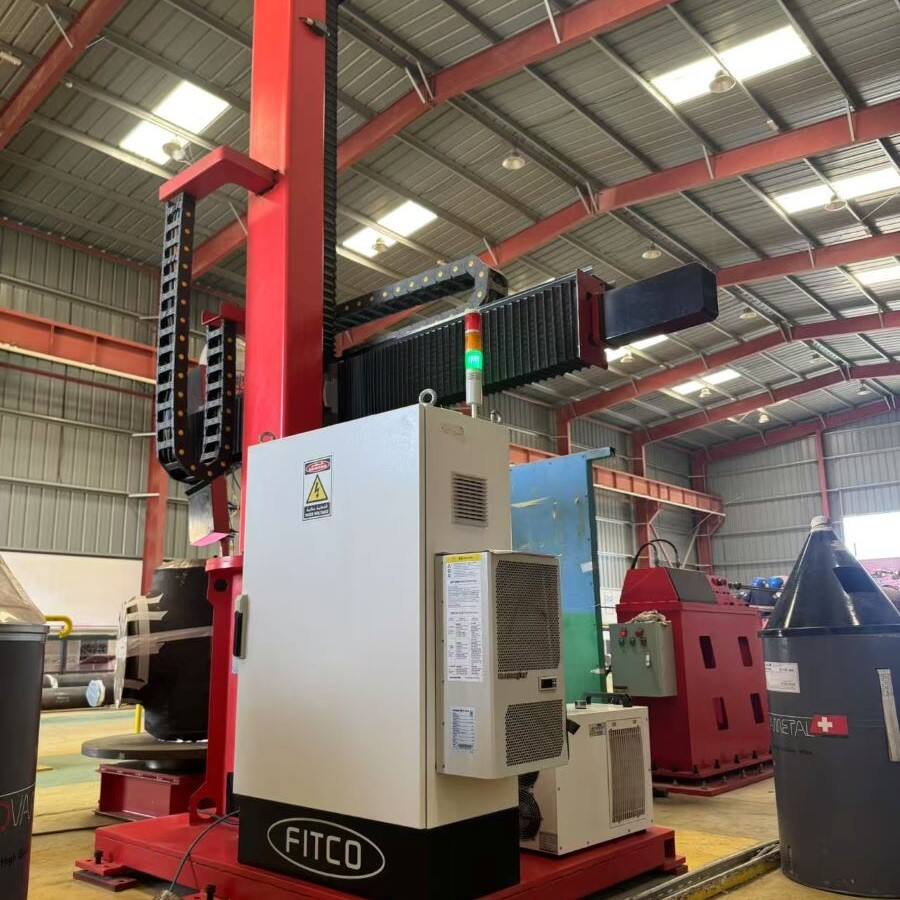
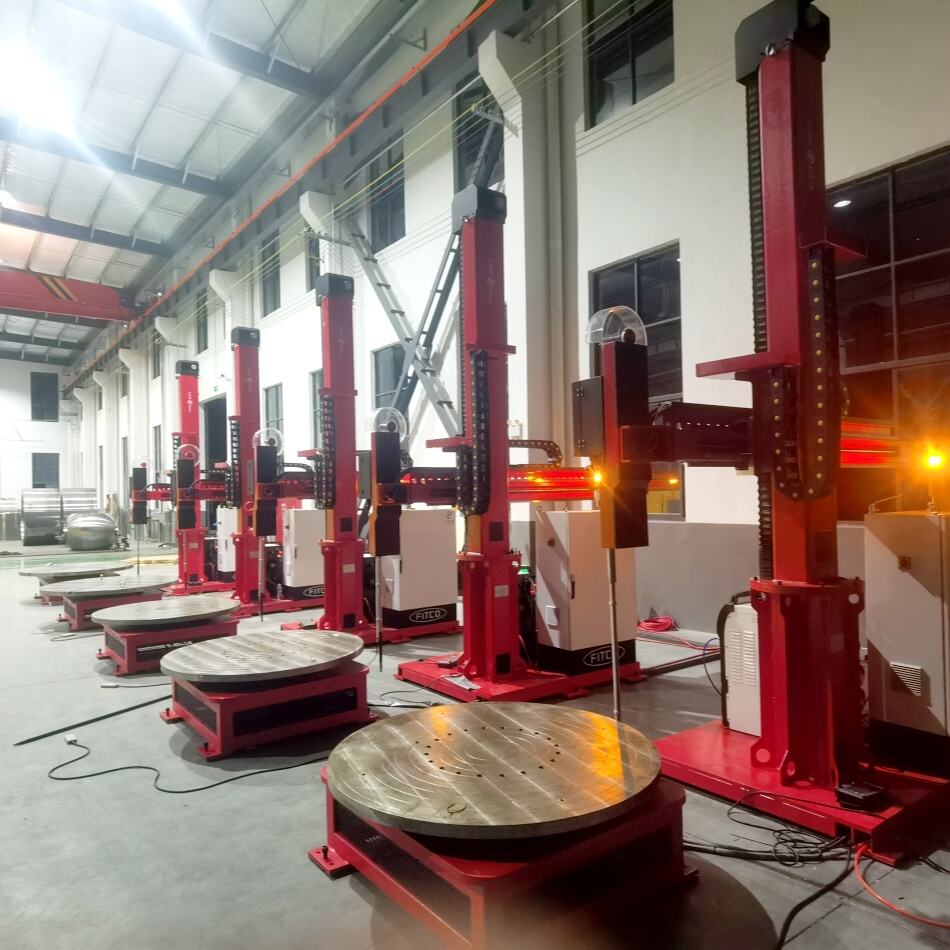
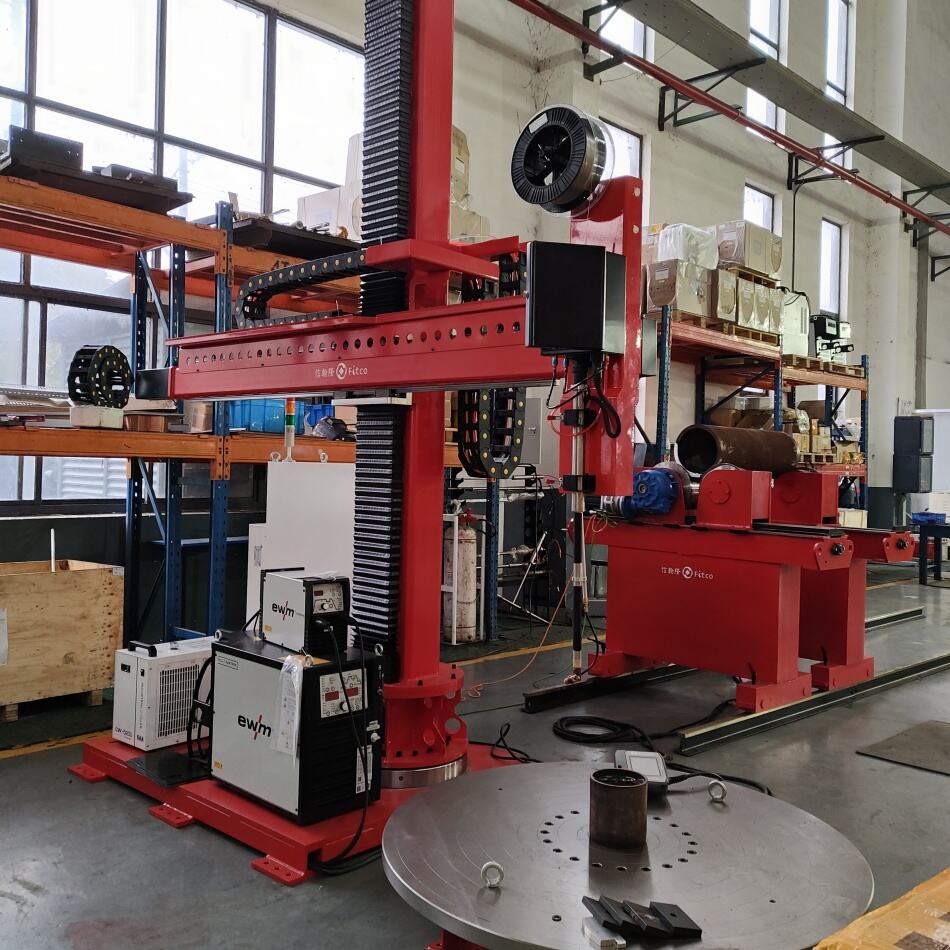
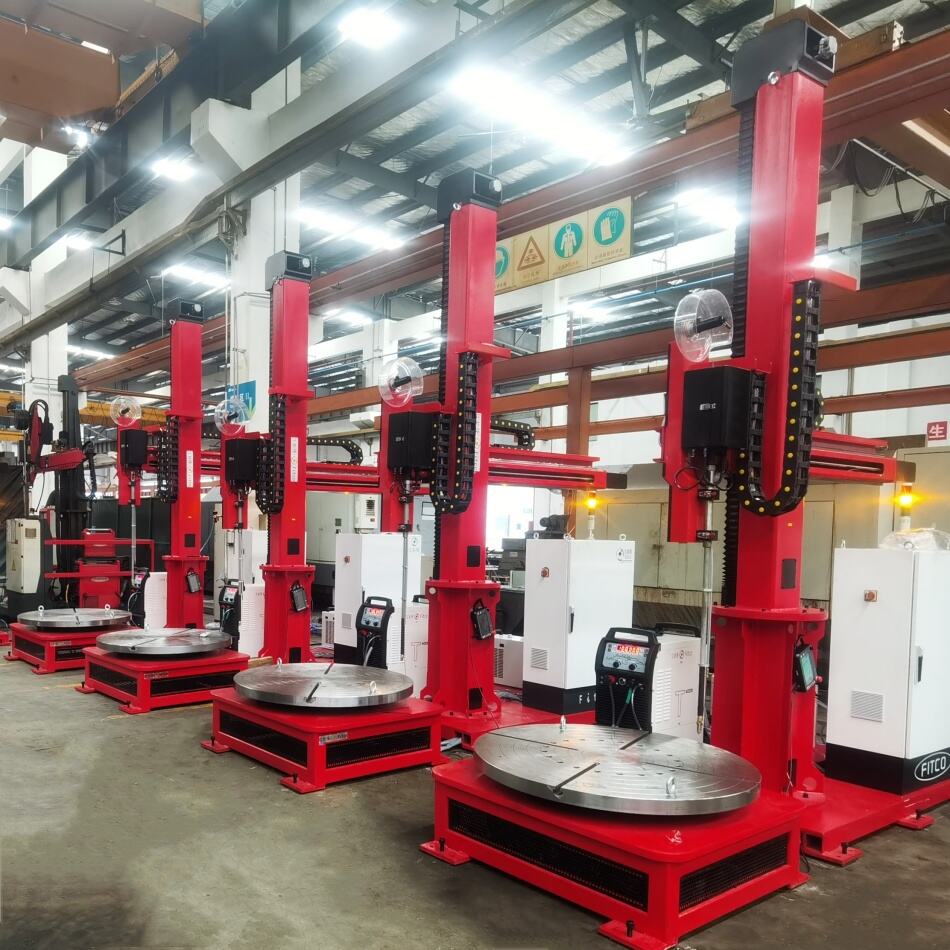
The sophisticated automation control system represents the cornerstone technology that distinguishes the auto tig welding machine from conventional welding equipment, delivering unprecedented precision and repeatability in welding operations. This advanced system incorporates multi-axis motion control, programmable logic controllers, and real-time feedback mechanisms that work in harmony to execute complex welding sequences with micron-level accuracy. The control system features intuitive programming interfaces that allow operators to create, modify, and store welding programs for different applications, materials, and joint configurations without requiring extensive programming expertise. Advanced sensors continuously monitor arc characteristics, travel speed, and joint tracking to ensure optimal welding conditions are maintained throughout the entire process, automatically compensating for variations in fit-up, material thickness, or environmental conditions. The auto tig welding machine control system includes adaptive welding capabilities that analyze real-time welding data and make instantaneous adjustments to maintain consistent penetration, bead geometry, and mechanical properties across all welded joints. Touch-screen interfaces provide comprehensive parameter visualization, allowing operators to monitor welding progress, adjust settings on-the-fly, and access historical welding data for quality analysis and process optimization. The system supports multiple welding modes including pulsed current, AC/DC switching, and specialized waveform control that enables welding of dissimilar materials and complex joint geometries that would be challenging or impossible with manual techniques. Integration capabilities allow the auto tig welding machine to communicate with higher-level manufacturing execution systems, enabling seamless data exchange for production planning, quality tracking, and inventory management. The control system incorporates comprehensive safety interlocks and emergency stop functions that protect both equipment and personnel while ensuring compliance with industrial safety standards and regulations.

 EN
EN
 AR
AR BG
BG HR
HR CS
CS DA
DA NL
NL FI
FI FR
FR DE
DE EL
EL HI
HI IT
IT JA
JA KO
KO NO
NO PL
PL PT
PT RO
RO RU
RU ES
ES SV
SV TL
TL IW
IW ID
ID LT
LT UK
UK SQ
SQ HU
HU TH
TH TR
TR FA
FA AF
AF CY
CY MK
MK LA
LA MN
MN KK
KK UZ
UZ KY
KY