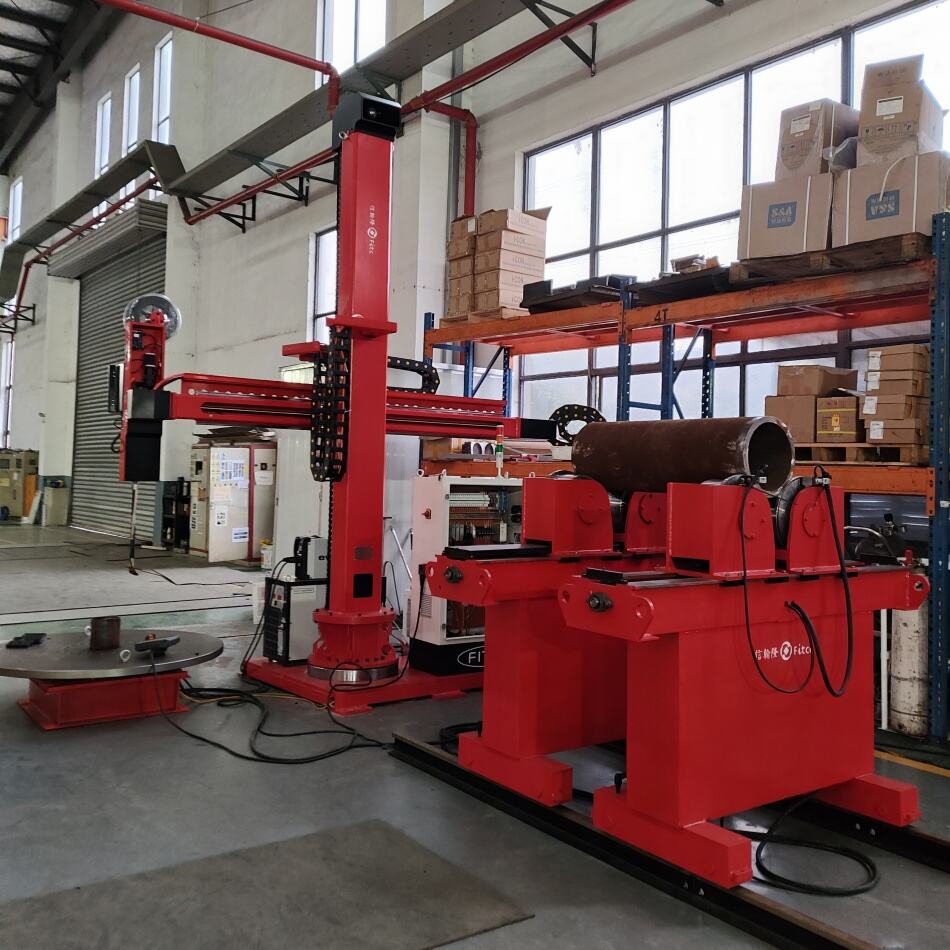
Comprehensive Versatility and Material Compatibility
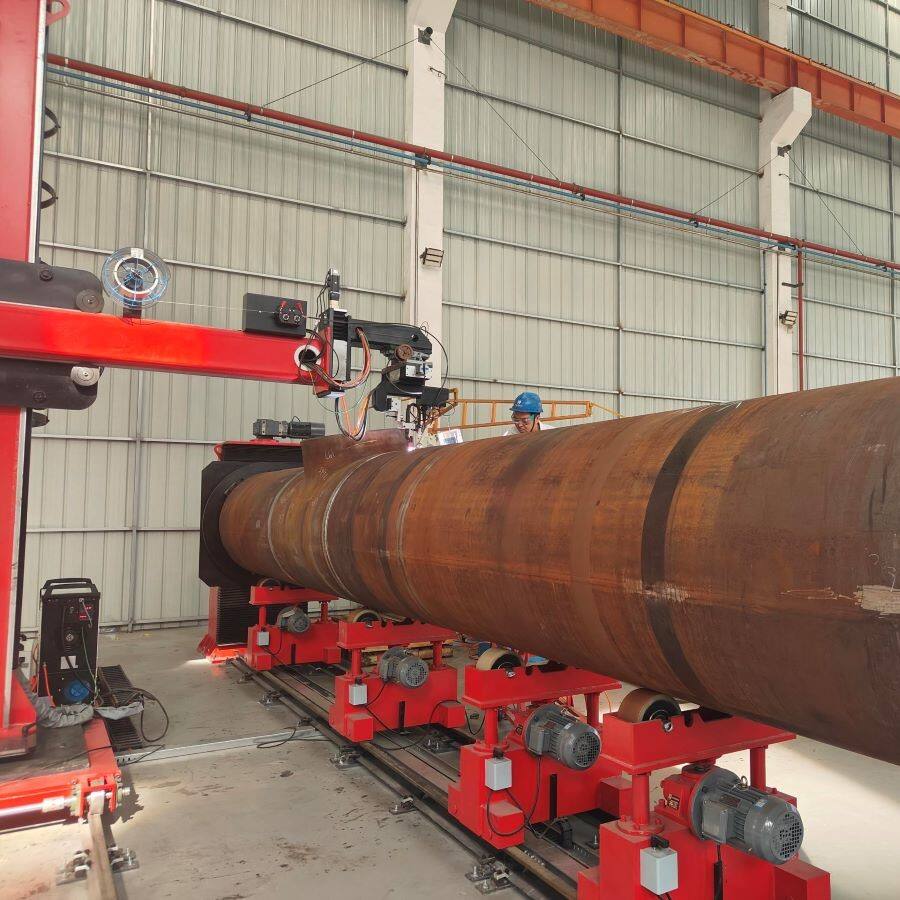
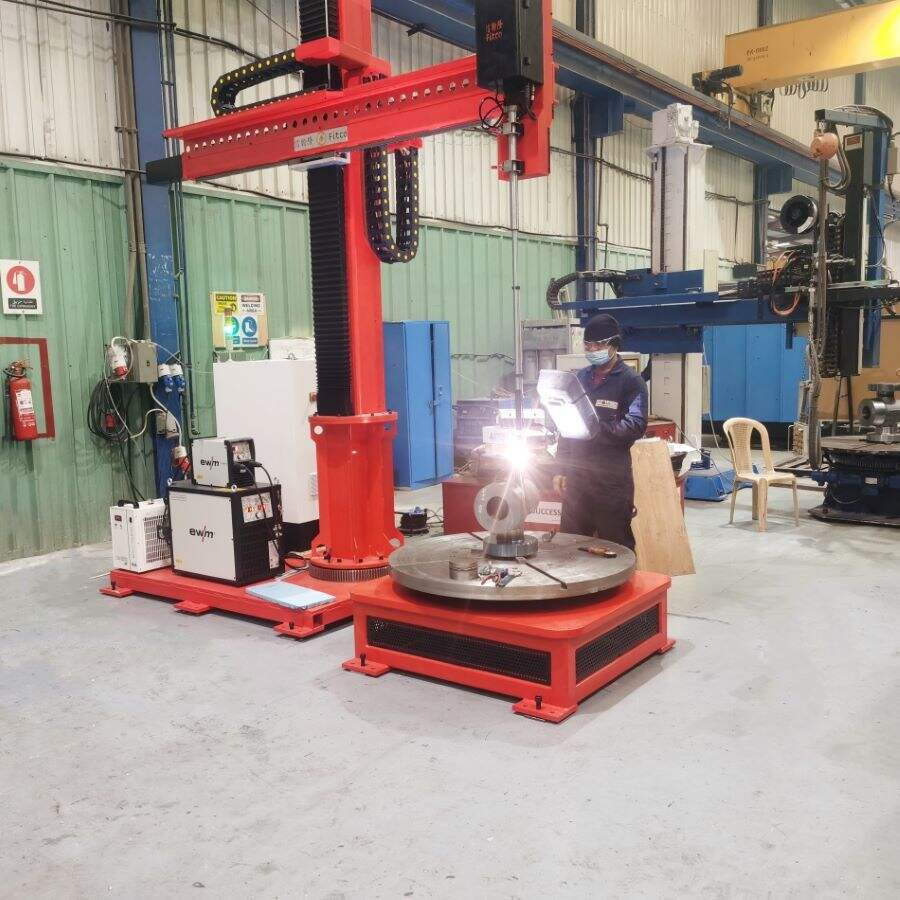
The remarkable versatility demonstrated by professional MIG welding sets encompasses an extensive range of materials, thicknesses, and joint configurations that make these systems indispensable for diverse welding applications. This comprehensive capability stems from the fundamental design flexibility of the gas metal arc welding process combined with advanced control systems that optimize performance for each specific application. Steel welding represents the primary strength of MIG welding sets, handling everything from thin automotive body panels measuring just 0.6mm thick to heavy structural components exceeding 25mm thickness. The ability to seamlessly transition between these extreme thickness ranges with simple parameter adjustments demonstrates the exceptional adaptability that makes MIG welding sets preferred choices for general fabrication shops. Stainless steel applications benefit from the controlled heat input and inert gas protection that preserves corrosion resistance properties while creating strong, durable joints. The MIG welding set accommodates various stainless steel grades including austenitic, ferritic, and duplex alloys, each requiring specific parameter optimization for optimal results. Aluminum welding capabilities in modern MIG welding sets have advanced significantly, with specialized wire feeding systems designed to handle the unique characteristics of aluminum electrodes. The push-pull wire feed systems and specialized liner materials prevent aluminum wire feeding problems that historically challenged MIG welding operations. The versatility extends to joint design compatibility, effectively welding butt joints, fillet welds, lap joints, and T-joint configurations with equal proficiency. This joint design flexibility eliminates the need for specialized equipment when transitioning between different fabrication requirements. Gas selection options further enhance the versatility, with capability to use pure argon for aluminum applications, argon-carbon dioxide mixtures for steel welding, and specialized gas blends for specific material requirements. The MIG welding set adapts to various wire diameters from 0.6mm for thin material applications to 1.6mm for heavy-duty welding operations, providing optimal deposition rates and penetration characteristics for each application. Position welding versatility enables operators to complete complex fabrication projects without repositioning workpieces, significantly improving productivity and maintaining joint quality throughout multi-pass welding sequences. The material compatibility extends to hardfacing and overlay applications where wear resistance or corrosion protection enhancement is required, demonstrating the comprehensive capabilities that justify the investment in quality MIG welding set equipment.

 EN
EN
 AR
AR BG
BG HR
HR CS
CS DA
DA NL
NL FI
FI FR
FR DE
DE EL
EL HI
HI IT
IT JA
JA KO
KO NO
NO PL
PL PT
PT RO
RO RU
RU ES
ES SV
SV TL
TL IW
IW ID
ID LT
LT UK
UK SQ
SQ HU
HU TH
TH TR
TR FA
FA AF
AF CY
CY MK
MK LA
LA MN
MN KK
KK UZ
UZ KY
KY