Professional Automatic Orbital Welding Machine - Precision Welding Solutions

Contact me immediately if you encounter problems!

All Categories

Get a Free Quote

Our representative will contact you soon.
Email
Mobile/WhatsApp
Name
Company Name
Message
0/1000

Get a Free Quote

Our representative will contact you soon.
Email
Mobile/WhatsApp
Name
Company Name
Message
0/1000

automatic orbital welding machine

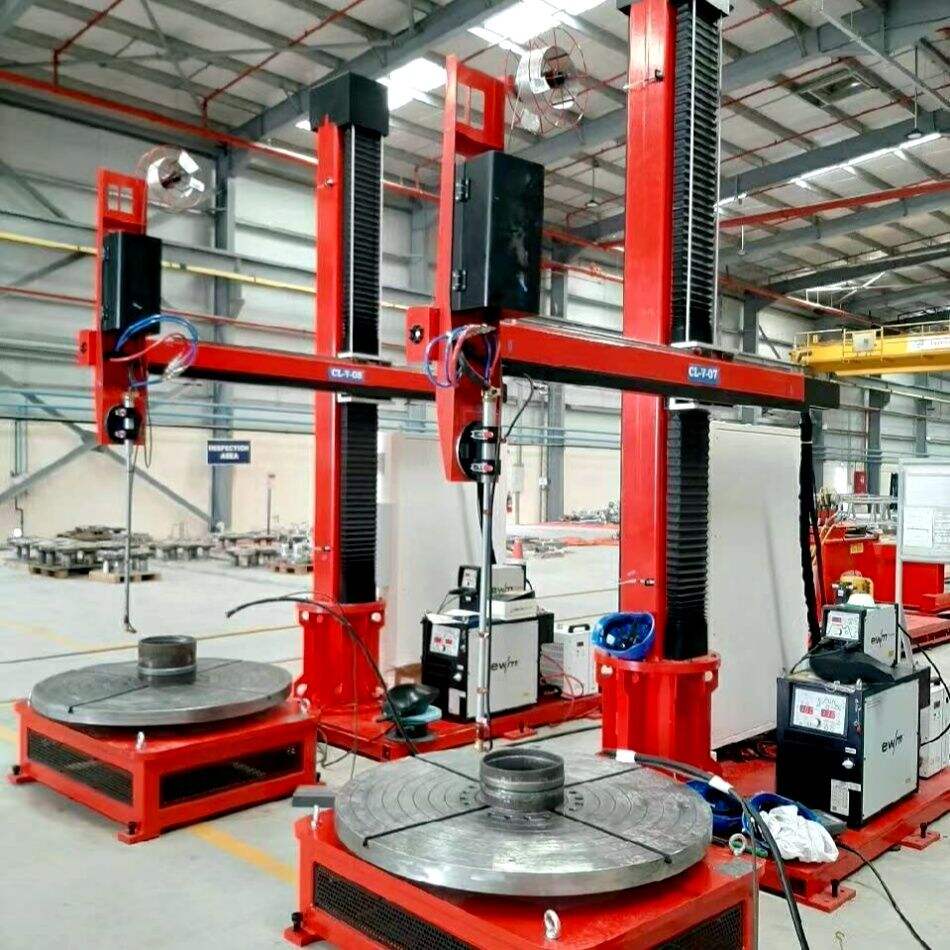
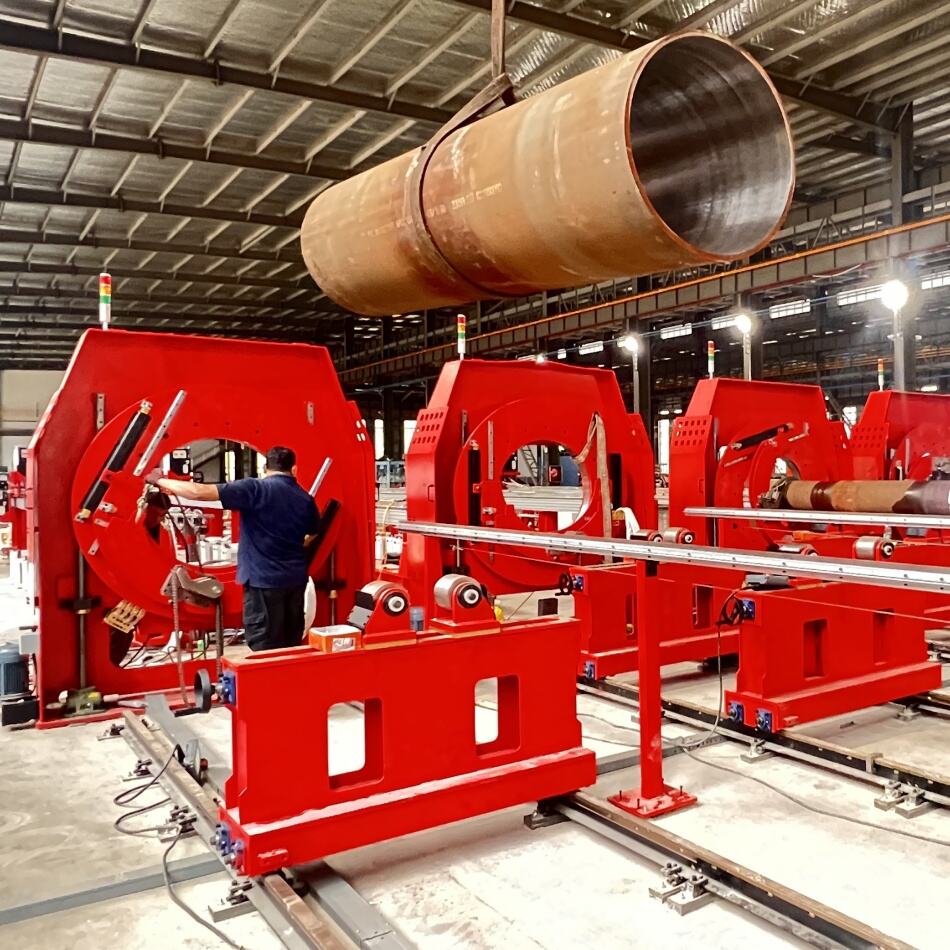
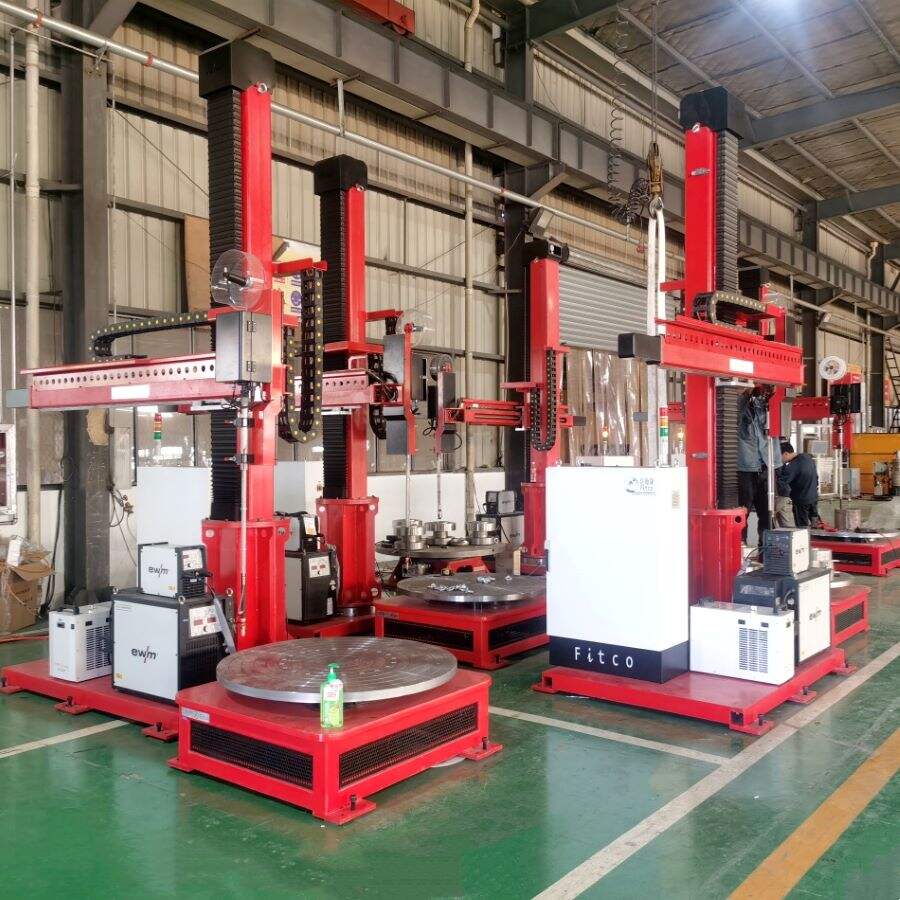
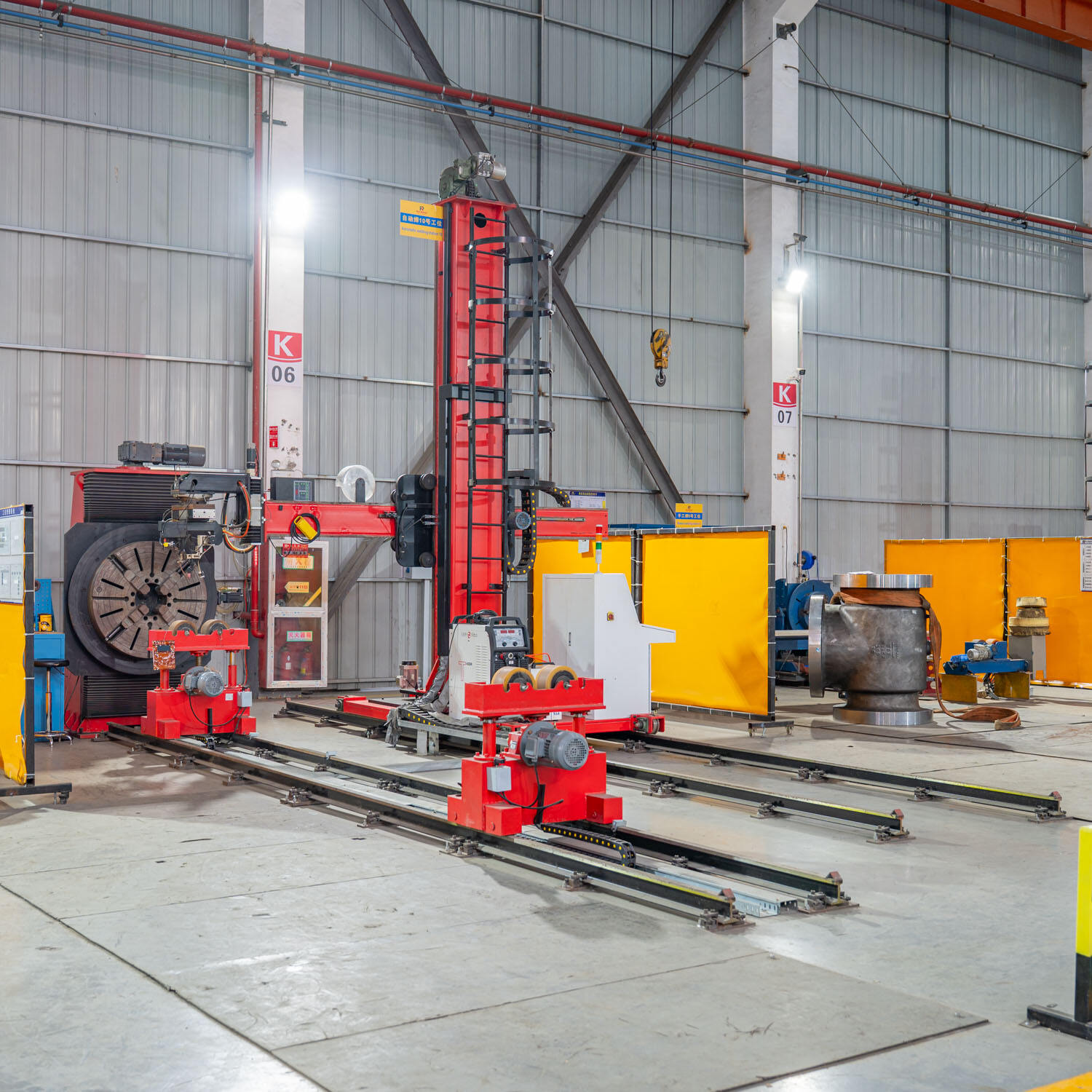
An automatic orbital welding machine represents a revolutionary advancement in precision welding technology, designed to deliver consistent, high-quality welds with minimal human intervention. This sophisticated equipment utilizes a computer-controlled welding head that rotates around the circumference of pipes, tubes, or cylindrical components, creating uniform and reliable joints. The automatic orbital welding machine integrates advanced servo motors, precise positioning systems, and programmable control units to ensure optimal welding parameters throughout the entire process. The core functionality centers on its ability to maintain consistent arc length, travel speed, and heat input while automatically adjusting for variations in material thickness or joint geometry. These machines feature integrated power supplies that provide stable welding current and voltage control, ensuring superior arc characteristics and penetration quality. The technological framework incorporates real-time monitoring systems that track welding parameters and detect potential issues before they compromise weld integrity. Modern automatic orbital welding machines support multiple welding processes including tungsten inert gas welding, plasma arc welding, and specialized techniques for exotic materials. The control interface typically features touchscreen displays with intuitive programming capabilities, allowing operators to store and retrieve welding procedures for different applications. Safety systems include automatic shut-off mechanisms, gas flow monitoring, and thermal protection to prevent equipment damage and ensure operator safety. These machines accommodate various pipe diameters ranging from small-bore tubing to large-diameter vessels, making them versatile solutions for diverse industrial requirements. The precision positioning system ensures accurate electrode placement and maintains optimal standoff distances throughout the welding cycle. Advanced models incorporate adaptive control algorithms that automatically compensate for joint variations and material property changes. The automatic orbital welding machine delivers exceptional repeatability, producing identical welds across multiple components while reducing material waste and rework costs. Integration capabilities allow seamless connection with manufacturing execution systems and quality control databases for comprehensive process documentation and traceability.

Popular Products

The automatic orbital welding machine offers substantial operational benefits that directly impact productivity, quality, and cost-effectiveness in manufacturing environments. First and foremost, these machines eliminate human variability from the welding process, ensuring every joint meets exact specifications regardless of operator skill level or fatigue factors. This consistency translates into reduced rejection rates and eliminates the costly rework cycles that plague manual welding operations. The precision control systems maintain optimal welding parameters throughout each cycle, producing welds with superior mechanical properties and aesthetic appearance. Manufacturing facilities experience significant labor cost reductions since the automatic orbital welding machine requires minimal operator supervision once programmed and initiated. A single technician can often oversee multiple machines simultaneously, multiplying productivity while reducing workforce requirements. The automated nature of these systems enables continuous operation during extended shifts, maximizing equipment utilization and meeting tight production deadlines. Quality improvements extend beyond consistency to include enhanced penetration control and reduced porosity in finished welds. The computer-controlled environment eliminates common manual welding defects such as incomplete fusion, excessive heat input, and irregular bead profiles. Documentation capabilities provide complete welding records including parameter logs, cycle times, and quality metrics for regulatory compliance and process optimization. Safety enhancements represent another crucial advantage, as the automatic orbital welding machine minimizes operator exposure to welding fumes, intense light, and electrical hazards. The enclosed welding environment reduces workplace injuries and creates healthier working conditions. Material savings result from precise heat input control that minimizes distortion and reduces the need for post-weld machining or correction procedures. Energy efficiency improvements stem from optimized arc characteristics and reduced cycle times compared to traditional welding methods. The automatic orbital welding machine also enables welding in confined spaces or hazardous environments where manual access proves difficult or dangerous. Programming flexibility allows rapid changeovers between different joint configurations and materials, supporting lean manufacturing principles and just-in-time production schedules. Long-term reliability and reduced maintenance requirements further enhance the total cost of ownership, making these machines excellent capital investments for forward-thinking manufacturers.

Practical Tips

Top 5 Maintenance Tips to Extend the Life of Your welding machine

16

Mar

Top 5 Maintenance Tips to Extend the Life of Your welding machine

Proper maintenance is the cornerstone of maximizing your welding machine investment and ensuring consistent, high-quality welding performance throughout its operational lifespan. Industrial welding operations rely heavily on equipment reliability, an...
View More
Why igbt inverter welder Technology is the Industry Standard in 2026

16

Mar

Why igbt inverter welder Technology is the Industry Standard in 2026

The welding industry has undergone a transformative evolution, with igbt inverter welder technology emerging as the definitive standard for professional and industrial applications in 2026. This revolutionary advancement represents a fundamental shif...
View More
Inside an igbt inverter welder: How the High-Frequency Switching Works

16

Mar

Inside an igbt inverter welder: How the High-Frequency Switching Works

The high-frequency switching mechanism within an igbt inverter welder represents one of the most significant technological advances in modern welding equipment. This sophisticated power conversion process transforms standard AC mains power into preci...
View More
How Can a TIG Welder Deliver Cleaner Industrial Welds?

22

Dec

How Can a TIG Welder Deliver Cleaner Industrial Welds?

Industrial welding operations demand precision, reliability, and exceptional quality standards that can make or break critical infrastructure projects. Among the various welding technologies available today, tungsten inert gas welding stands out as a...
View More

Get a Free Quote

Our representative will contact you soon.
Email
Mobile/WhatsApp
Name
Company Name
Message
0/1000

automatic orbital welding machine

Unmatched Precision and Repeatability

Unmatched Precision and Repeatability

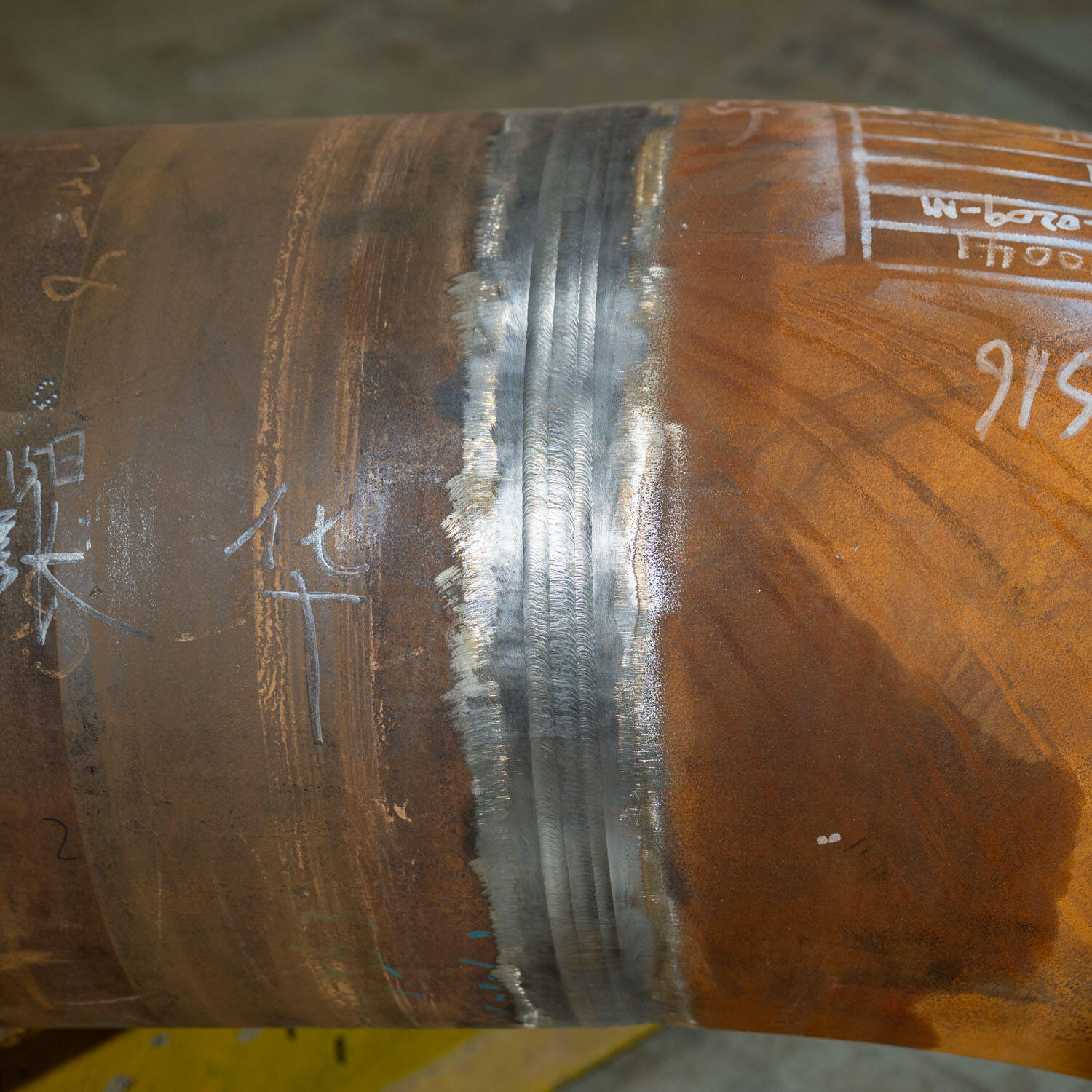
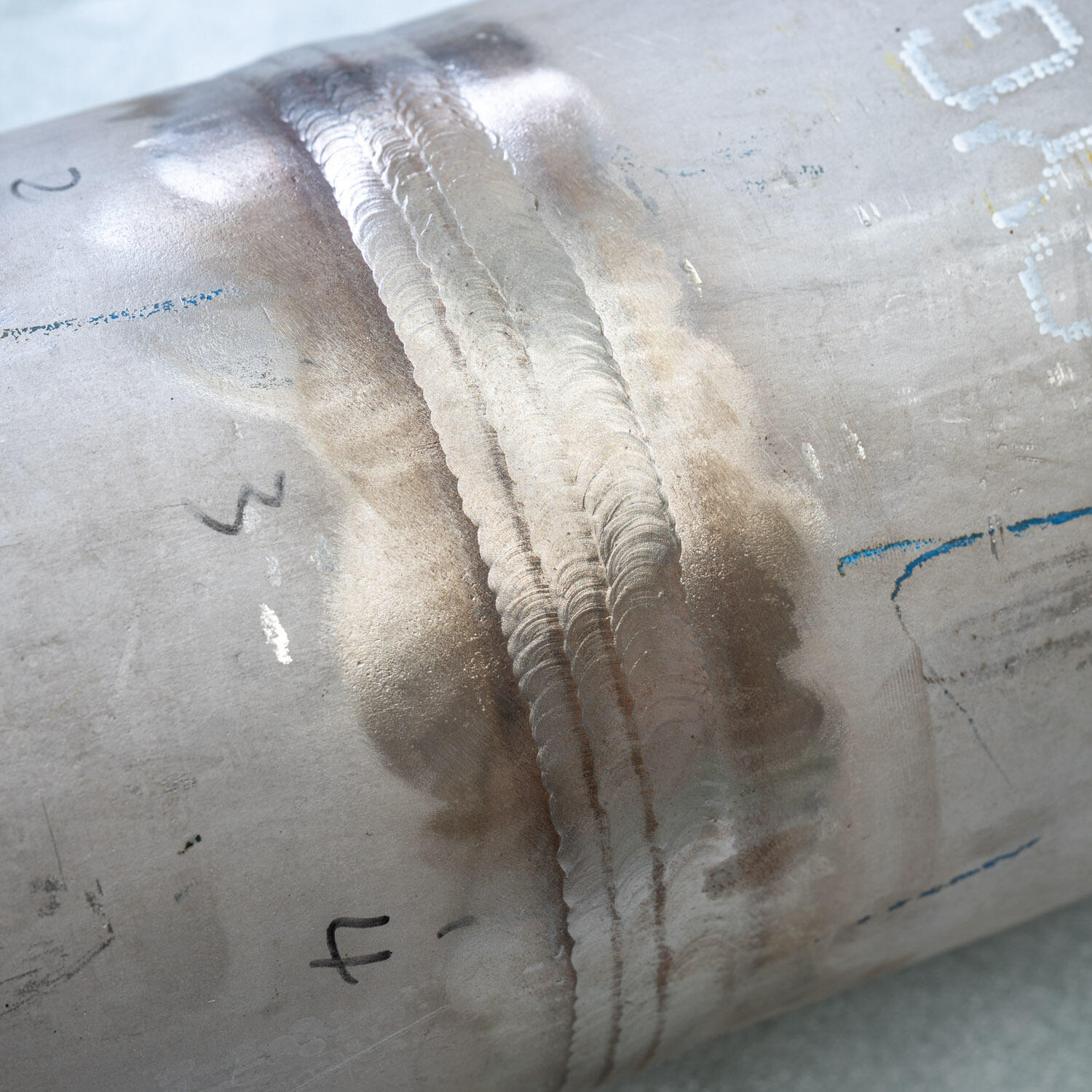
The automatic orbital welding machine delivers exceptional precision through its sophisticated positioning and control systems, establishing new standards for weld quality and consistency in industrial applications. The precision advantage stems from computer-controlled servo motors that maintain exact positioning throughout the welding cycle, eliminating the natural variations inherent in manual welding techniques. These systems achieve positioning accuracies within thousandths of an inch, ensuring optimal electrode placement and consistent standoff distances that directly influence weld penetration and quality. The repeatability factor becomes crucial in high-volume production environments where thousands of identical joints must meet stringent quality specifications. Unlike manual welding where operator fatigue, skill variations, and environmental factors can affect results, the automatic orbital welding machine produces identical welds regardless of production volume or timing. This consistency proves invaluable for critical applications in aerospace, pharmaceutical, and nuclear industries where weld integrity directly impacts safety and performance. The precision control extends to welding parameter management, with systems capable of maintaining arc voltage within narrow tolerances while automatically adjusting for material variations or joint geometry changes. Advanced feedback systems continuously monitor welding conditions and make real-time corrections to maintain optimal parameters, preventing defects before they occur. The machine learning capabilities of modern systems enable continuous improvement, with each weld cycle contributing data that enhances future performance. Temperature control precision ensures optimal heat input distribution, minimizing distortion while achieving complete penetration and fusion. The automatic orbital welding machine eliminates common precision challenges such as electrode wandering, inconsistent travel speeds, and irregular heat input patterns that plague manual operations. Documentation systems capture every welding parameter, creating comprehensive quality records that support traceability requirements and process validation. This precision advantage translates into reduced inspection requirements, lower rejection rates, and enhanced customer confidence in product quality, making the automatic orbital welding machine an essential tool for precision manufacturing operations.
Advanced Automation and Programming Flexibility

Advanced Automation and Programming Flexibility

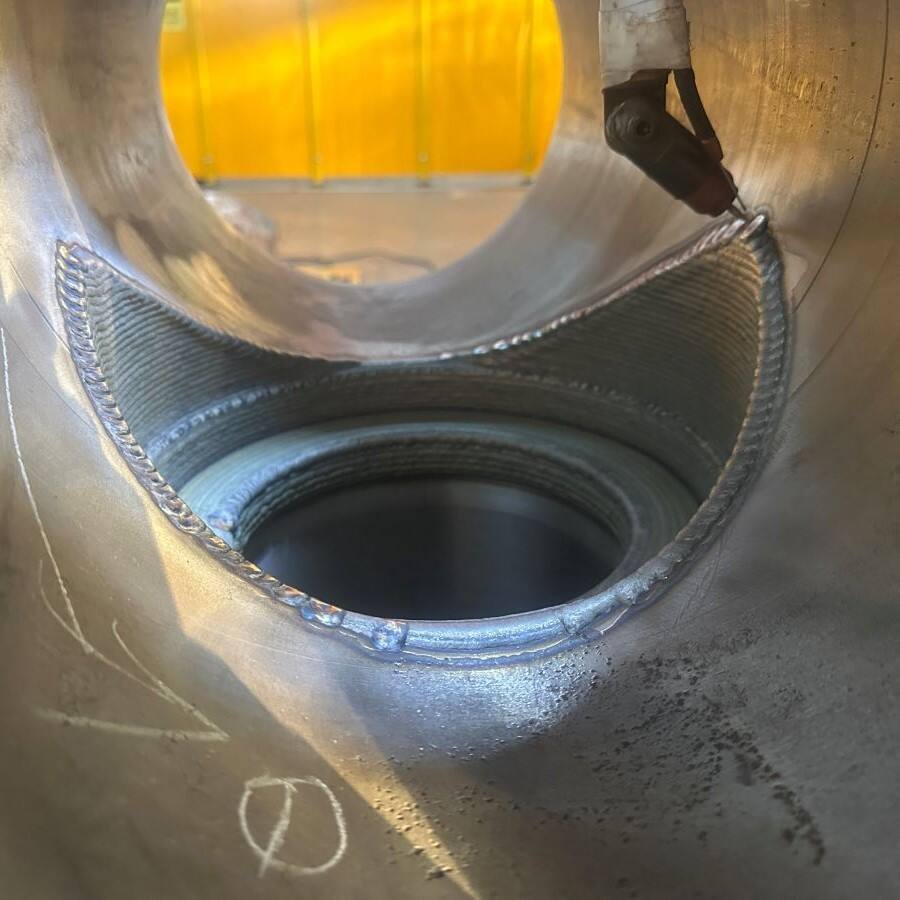
The advanced automation capabilities of the automatic orbital welding machine transform traditional welding operations into highly efficient, programmable manufacturing processes that adapt to diverse production requirements. The sophisticated programming interface allows operators to create, modify, and store welding procedures for different materials, joint configurations, and quality specifications, enabling rapid changeovers between production runs. This flexibility proves essential in modern manufacturing environments where product variety and customization demands require quick adaptation without compromising quality or efficiency. The automatic orbital welding machine integrates seamlessly with manufacturing execution systems, enabling real-time production monitoring and automated quality reporting that supports lean manufacturing principles. Programming versatility extends to multi-pass welding capabilities, where complex joint preparations require multiple welding passes with different parameters for root, fill, and cap layers. The system automatically adjusts electrode positioning, travel speeds, and welding current for each pass, ensuring optimal results throughout the complete welding sequence. Sensor integration provides real-time feedback on joint preparation quality, automatically adjusting welding parameters to compensate for variations in fit-up or material properties. The adaptive control algorithms continuously optimize welding conditions based on real-time measurements, maintaining consistent quality even when working with challenging materials or joint configurations. Remote monitoring capabilities allow supervisors to oversee multiple automatic orbital welding machines from centralized control stations, maximizing operational efficiency while maintaining quality oversight. The programming flexibility includes specialized routines for exotic materials such as titanium, Inconel, and specialized stainless steel alloys that require precise thermal management and atmospheric control. Automated purge gas management ensures optimal shielding conditions throughout the welding cycle, with programmable flow rates and timing sequences that optimize gas consumption while maintaining weld quality. Integration with robotic systems creates fully automated welding cells capable of handling complete assemblies with minimal human intervention. The automatic orbital welding machine supports Industry 4.0 initiatives through connectivity options that enable predictive maintenance, performance analytics, and continuous process improvement based on accumulated operational data.

Superior Safety and Environmental Benefits

Superior Safety and Environmental Benefits

The automatic orbital welding machine significantly enhances workplace safety while delivering substantial environmental benefits that align with modern sustainability and occupational health initiatives. The enclosed welding environment created by these systems effectively contains welding fumes, spatter, and intense ultraviolet radiation that pose health risks in traditional welding operations. This containment capability reduces operator exposure to hazardous substances and eliminates the need for extensive ventilation systems that consume significant energy and require complex maintenance. The automated nature of the automatic orbital welding machine allows welding operations to proceed in hazardous or confined environments where human access presents safety challenges or regulatory restrictions. Remote operation capabilities enable welding in radioactive environments, toxic atmospheres, or structurally unstable locations while maintaining operator safety. The precise control systems reduce fire hazards by eliminating excessive heat input and preventing overheating of surrounding materials, making these machines suitable for welding in proximity to sensitive equipment or flammable materials. Electrical safety improvements result from integrated safety circuits that prevent accidental contact with live electrical components and provide automatic shutdown protection in emergency situations. The automatic orbital welding machine incorporates advanced gas monitoring systems that ensure proper shielding gas coverage while minimizing consumption through optimized flow control and recycling capabilities. Environmental benefits extend to reduced material waste through precise heat input control that minimizes distortion and eliminates the need for corrective machining or rework procedures. Energy efficiency improvements stem from optimized arc characteristics and reduced welding times compared to manual processes, contributing to lower carbon footprints and operating costs. The consistent quality produced by these systems reduces scrap rates and associated material waste, supporting sustainable manufacturing practices and resource conservation. Noise reduction represents another safety benefit, as the controlled welding environment and optimized parameters produce lower noise levels compared to traditional welding operations. The automatic orbital welding machine supports regulatory compliance by providing comprehensive documentation of welding procedures, parameters, and quality results required by safety and environmental standards. Advanced filtration systems integrated into these machines capture and neutralize welding fumes before they enter the workplace atmosphere, creating cleaner working environments and reducing long-term health risks for manufacturing personnel. The reduced need for post-weld cleaning and finishing operations eliminates exposure to grinding dust and chemical cleaning agents, further enhancing workplace safety and environmental protection.

Get a Free Quote

Our representative will contact you soon.
Email
Mobile/WhatsApp
Name
Company Name
Message
0/1000