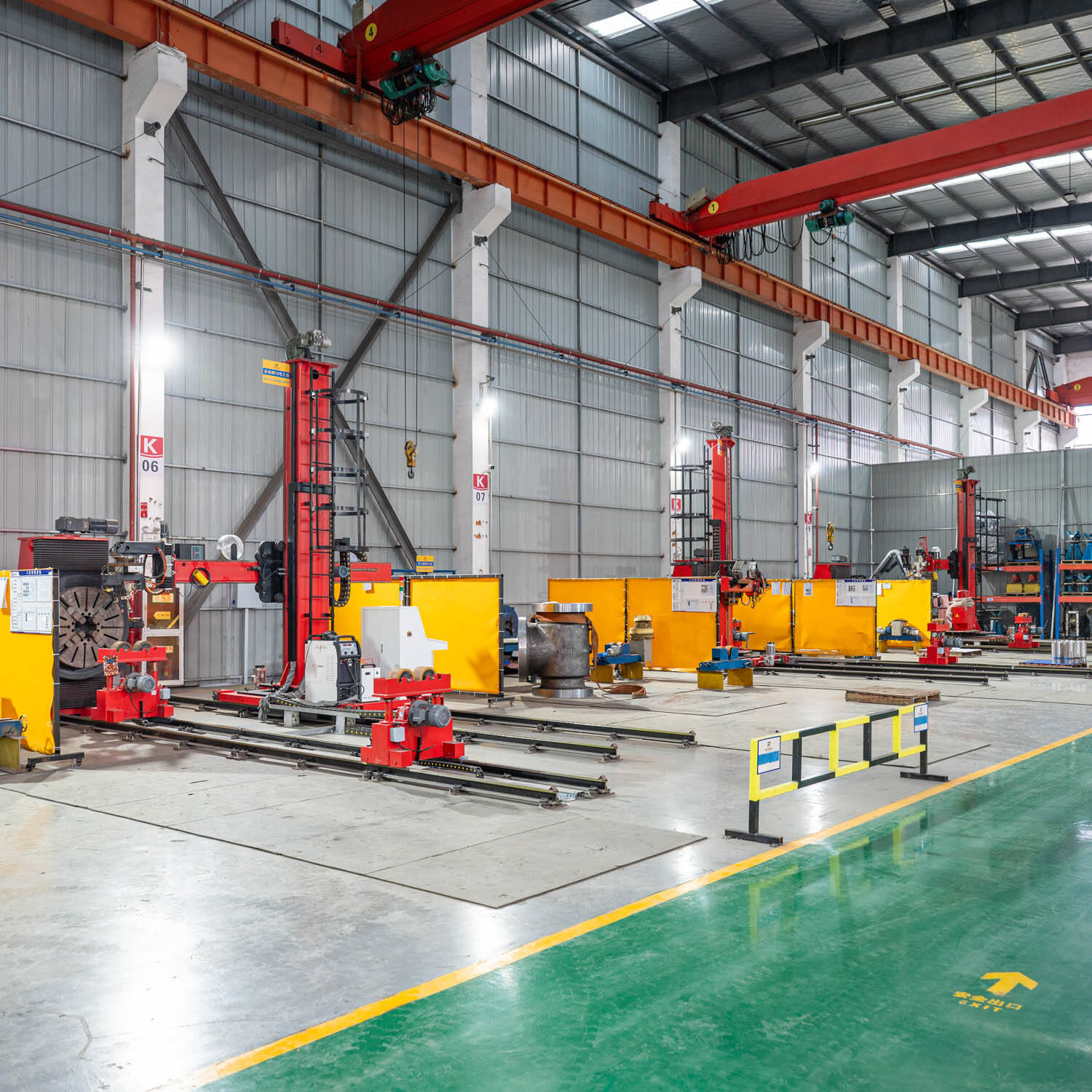
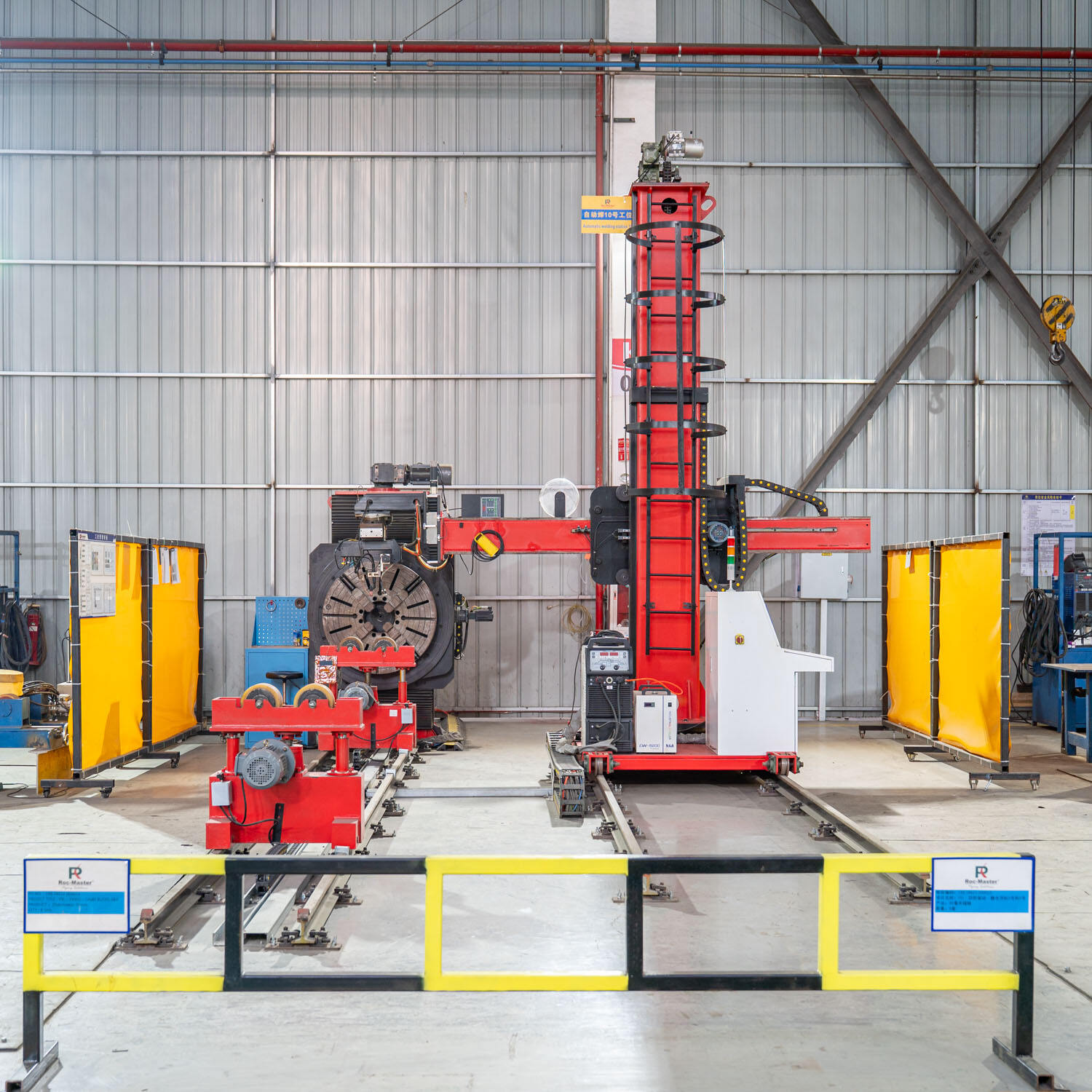
Advanced Orbital TIG Welding Solutions - Precision Automated Welding Technology

Contact me immediately if you encounter problems!

All Categories

Get a Free Quote

Our representative will contact you soon.
Email
Mobile/WhatsApp
Name
Company Name
Message
0/1000

Get a Free Quote

Our representative will contact you soon.
Email
Mobile/WhatsApp
Name
Company Name
Message
0/1000

orbital tig welding

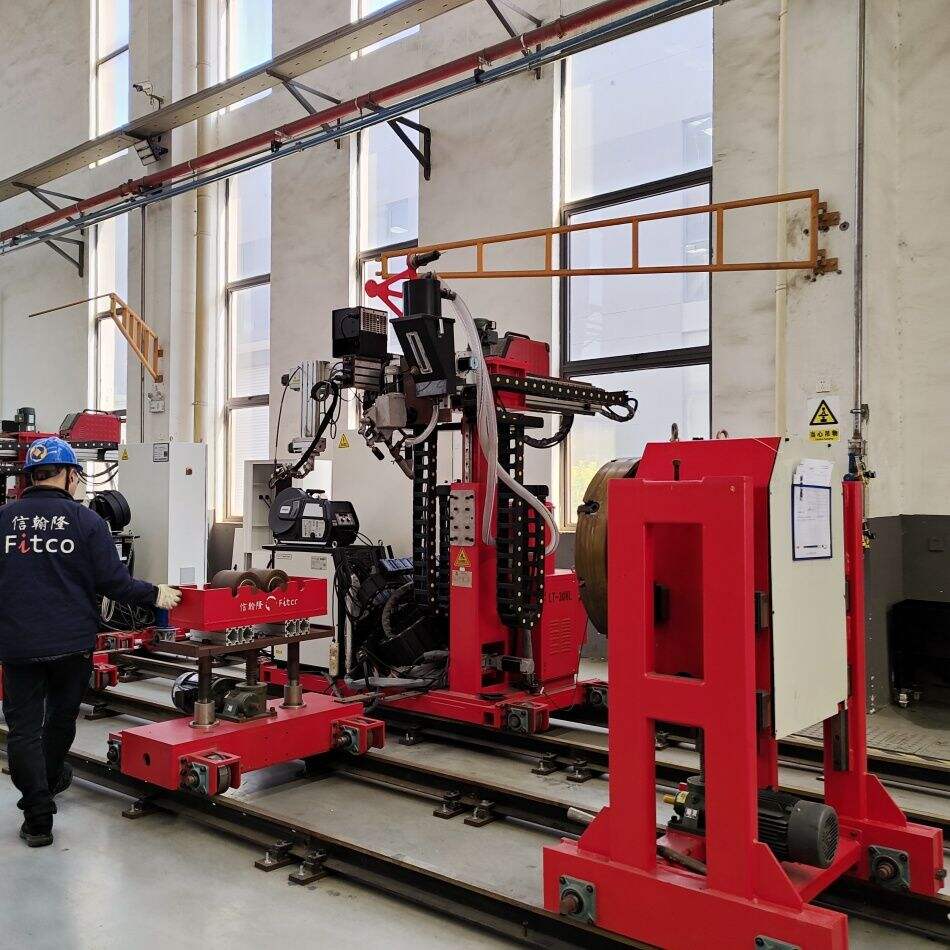
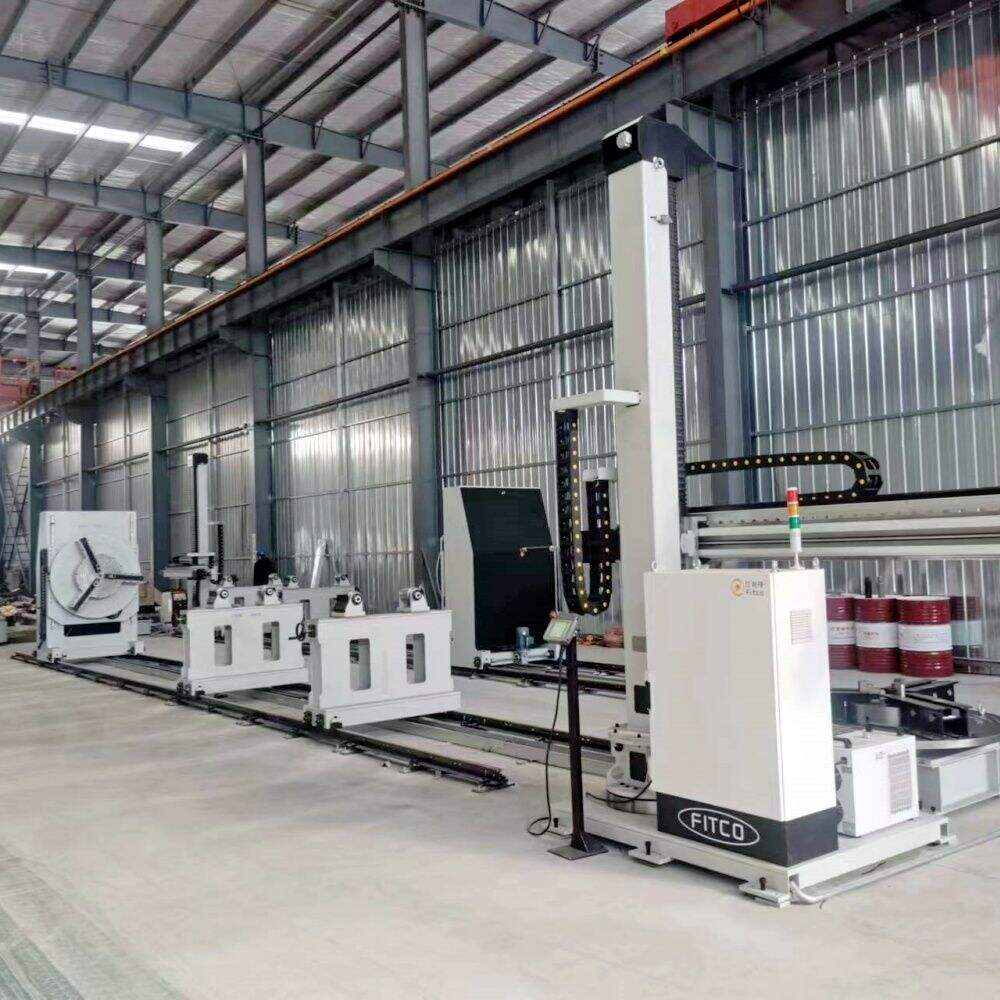
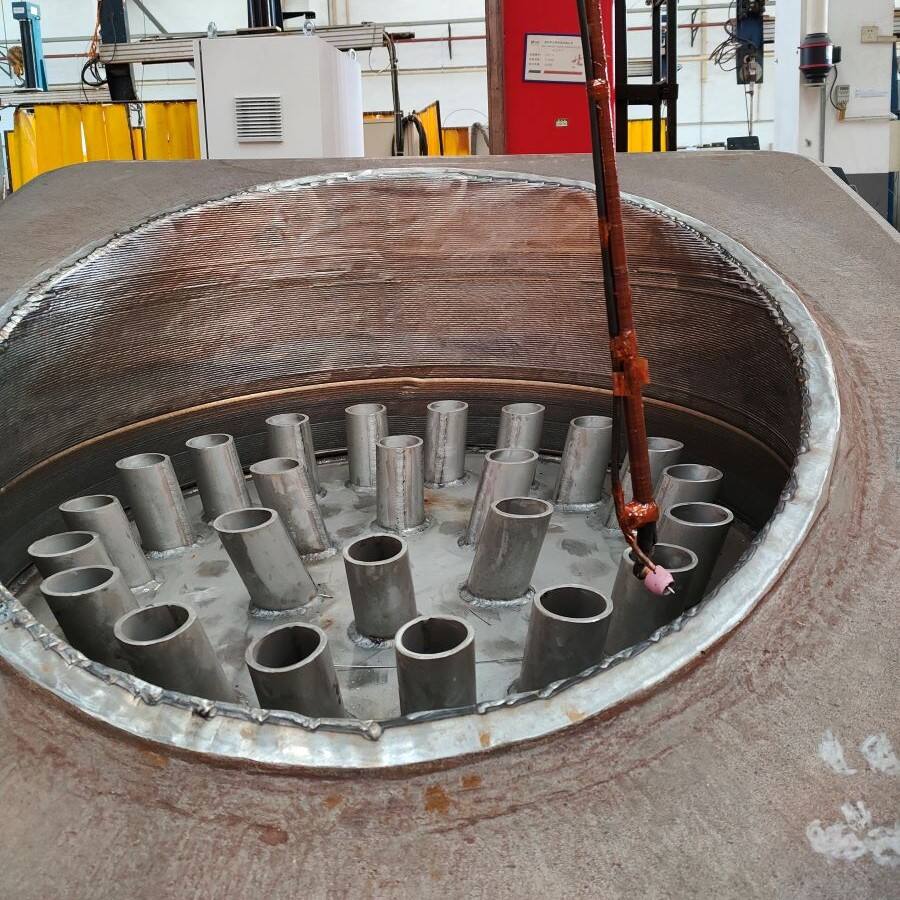
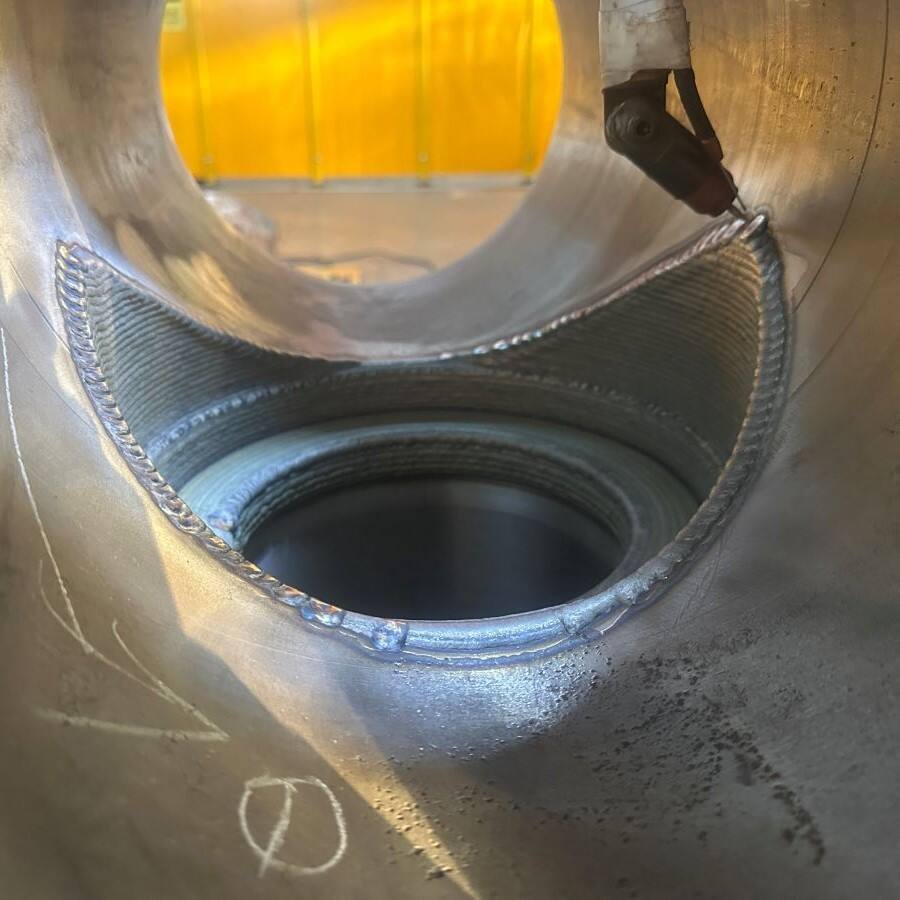
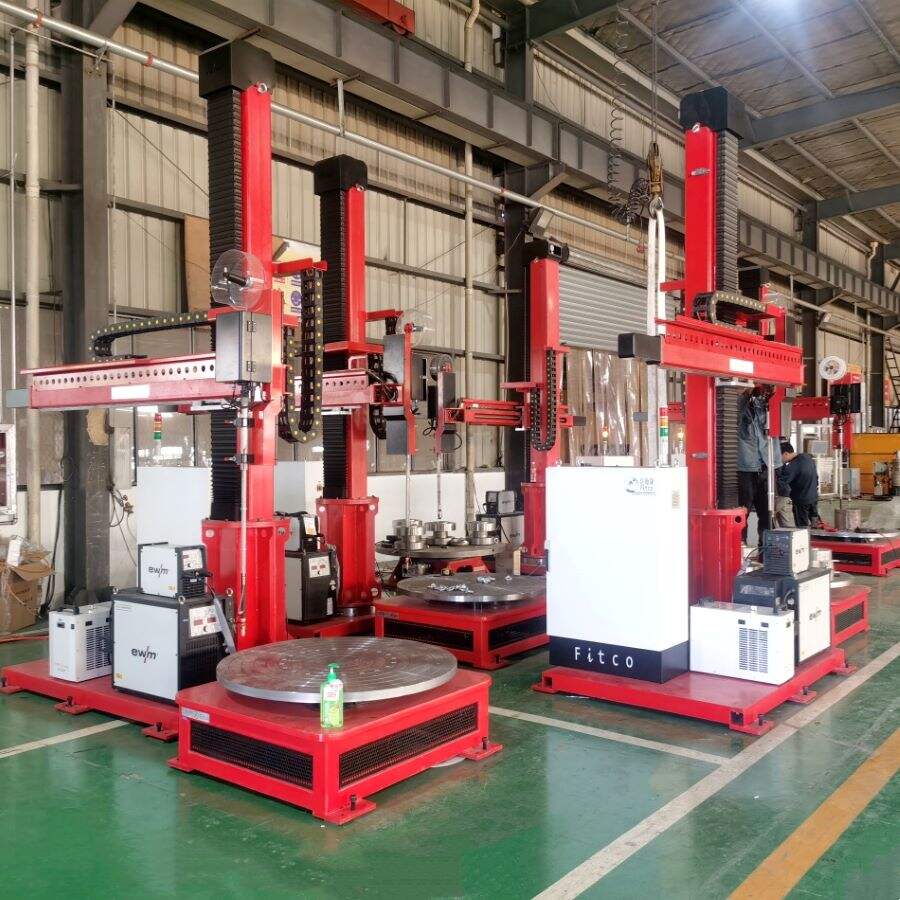
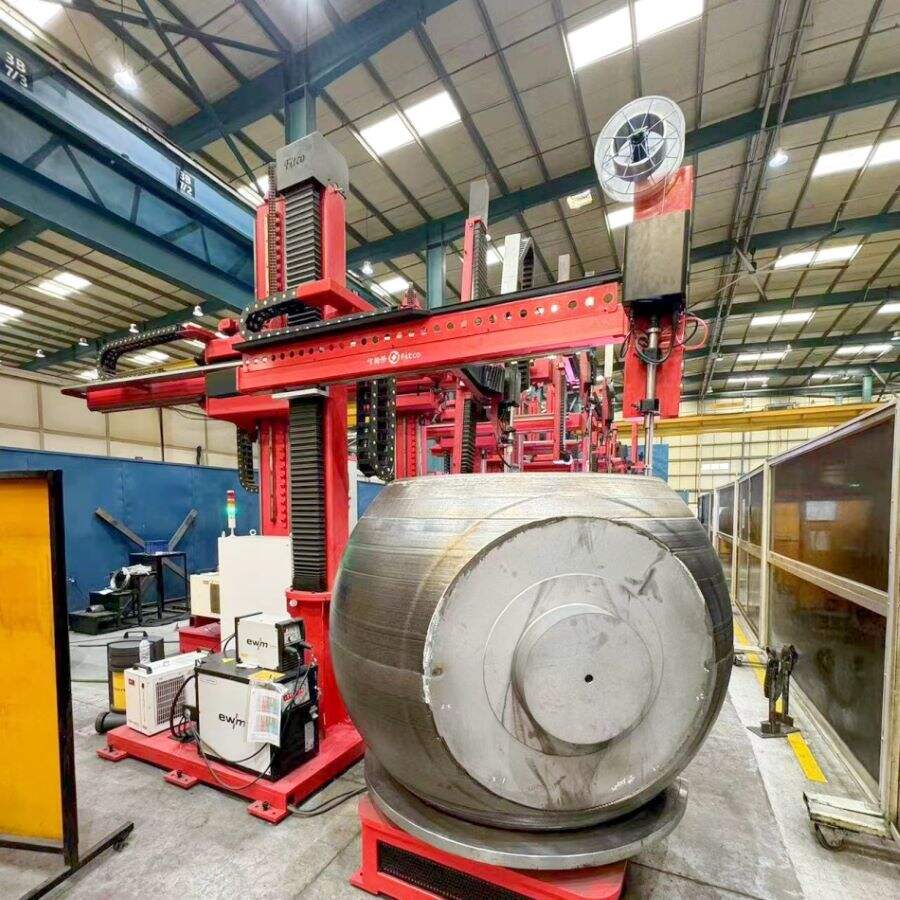
Orbital TIG welding represents a revolutionary automated welding technology that transforms traditional tungsten inert gas welding processes through precise mechanical control and advanced automation systems. This sophisticated welding method utilizes a rotating tungsten electrode that travels around the circumference of pipes, tubes, and cylindrical components, creating consistent, high-quality welds without manual intervention. The orbital TIG welding process employs computer-controlled systems that manage welding parameters including arc length, travel speed, current settings, and gas flow rates with exceptional accuracy. The technology incorporates specialized welding heads that clamp securely around workpieces, enabling 360-degree welding coverage while maintaining optimal electrode positioning throughout the entire welding cycle. Modern orbital TIG welding systems feature digital interfaces that allow operators to program multiple welding schedules, store welding procedures, and monitor real-time welding parameters. The process utilizes inert gases such as argon or helium to protect the weld zone from atmospheric contamination, ensuring superior weld quality and mechanical properties. Advanced orbital TIG welding equipment includes features like automatic voltage control, adaptive current regulation, and integrated cooling systems that maintain consistent performance during extended welding operations. The technology supports various welding positions including horizontal, vertical, and overhead applications, making it suitable for complex piping installations and fabrication projects. Orbital TIG welding systems can accommodate different material thicknesses and pipe diameters, ranging from small-bore tubing to large-diameter pressure vessels. The welding process generates precise heat input control, minimizing distortion and maintaining excellent metallurgical properties in the finished welds. Documentation capabilities built into modern orbital TIG welding systems provide comprehensive welding records, including parameter logs, quality reports, and traceability data essential for critical applications in aerospace, pharmaceutical, and nuclear industries.

New Products

Orbital TIG welding delivers exceptional consistency that eliminates human variability factors commonly encountered in manual welding operations. This automated approach ensures every weld meets identical quality standards regardless of operator skill levels or fatigue conditions. The precision control systems maintain optimal arc characteristics throughout the entire welding cycle, producing uniform penetration depths and consistent bead profiles that meet stringent industry specifications. Cost savings emerge through reduced labor requirements, as a single operator can manage multiple orbital TIG welding stations simultaneously while achieving higher productivity rates than traditional manual welding methods. The technology significantly reduces material waste by eliminating welding defects such as porosity, incomplete fusion, and irregular bead geometry that frequently require costly repairs or component replacement. Quality improvements result from the computer-controlled welding parameters that maintain stable arc conditions and prevent common welding issues like tungsten contamination or inconsistent shielding gas coverage. Enhanced safety features protect operators from direct exposure to welding radiation, toxic fumes, and repetitive strain injuries associated with prolonged manual welding activities. The orbital TIG welding process creates superior mechanical properties in finished welds, including improved fatigue resistance, enhanced corrosion protection, and better overall joint integrity compared to conventional welding techniques. Time efficiency increases substantially as orbital systems complete welding cycles faster than manual operations while requiring minimal setup and changeover periods between different welding jobs. Reduced inspection requirements stem from the consistent quality output of orbital TIG welding systems, which decreases the need for extensive non-destructive testing and quality assurance procedures. Training costs decrease because operators require less specialized skill development compared to achieving proficiency in manual TIG welding techniques, making workforce development more efficient and cost-effective. The technology supports lean manufacturing principles by enabling predictable production schedules, reducing work-in-progress inventory, and minimizing quality-related delays that impact overall project timelines and customer satisfaction levels.

Tips And Tricks

How Does MIG Welding Equipment Enhance Efficiency in Large-Scale Work?

27

Nov

How Does MIG Welding Equipment Enhance Efficiency in Large-Scale Work?

In today's competitive manufacturing landscape, industrial operations demand maximum productivity while maintaining superior quality standards. MIG welding equipment has emerged as a cornerstone technology for large-scale fabrication projects, revolu...
View More
Why igbt inverter welder Technology is the Industry Standard in 2026

16

Mar

Why igbt inverter welder Technology is the Industry Standard in 2026

The welding industry has undergone a transformative evolution, with igbt inverter welder technology emerging as the definitive standard for professional and industrial applications in 2026. This revolutionary advancement represents a fundamental shif...
View More
How Can a TIG Welder Deliver Cleaner Industrial Welds?

22

Dec

How Can a TIG Welder Deliver Cleaner Industrial Welds?

Industrial welding operations demand precision, reliability, and exceptional quality standards that can make or break critical infrastructure projects. Among the various welding technologies available today, tungsten inert gas welding stands out as a...
View More
Which Materials Weld Best with Longitudinal TIG Equipment?

13

Jan

Which Materials Weld Best with Longitudinal TIG Equipment?

Manufacturing industries increasingly rely on advanced welding technologies to achieve superior joint quality and production efficiency. Among the various welding methods available, longitudinal TIG equipment has emerged as a critical solution for ap...
View More

Get a Free Quote

Our representative will contact you soon.
Email
Mobile/WhatsApp
Name
Company Name
Message
0/1000

orbital tig welding

Advanced Precision Control Technology

Advanced Precision Control Technology

The precision control technology integrated into orbital TIG welding systems represents a quantum leap forward in automated welding capabilities, delivering unprecedented accuracy and repeatability that surpasses traditional welding methods. These sophisticated control systems utilize high-resolution encoders and advanced servo motors to maintain exact electrode positioning within tolerances measured in thousandths of inches, ensuring optimal arc length and travel speed throughout the complete welding cycle. The computer-controlled welding parameters automatically adjust current levels, voltage settings, and wire feed rates based on real-time feedback from multiple sensors that monitor weld pool characteristics, joint geometry, and material properties. This intelligent control system prevents common welding defects by continuously optimizing welding conditions to match specific material requirements and joint configurations. Advanced orbital TIG welding systems incorporate adaptive control algorithms that compensate for variations in fit-up conditions, material thickness changes, and thermal expansion effects that occur during welding operations. The precision technology enables consistent root pass penetration, uniform fill pass deposition, and perfectly formed cap pass profiles that meet the most demanding quality standards required in critical applications. Multi-axis control systems coordinate simultaneous movements of the welding head, ensuring smooth arc transitions and preventing discontinuities that could compromise weld integrity. The technology supports complex welding sequences including hot passes, fill layers, and finish passes with precise inter-pass temperature control that optimizes metallurgical properties in the heat-affected zone. Programmable welding schedules store dozens of different parameter sets, allowing rapid changeover between various pipe sizes, wall thicknesses, and material grades without manual adjustments or setup procedures that consume valuable production time.
Superior Weld Quality and Metallurgical Properties

Superior Weld Quality and Metallurgical Properties

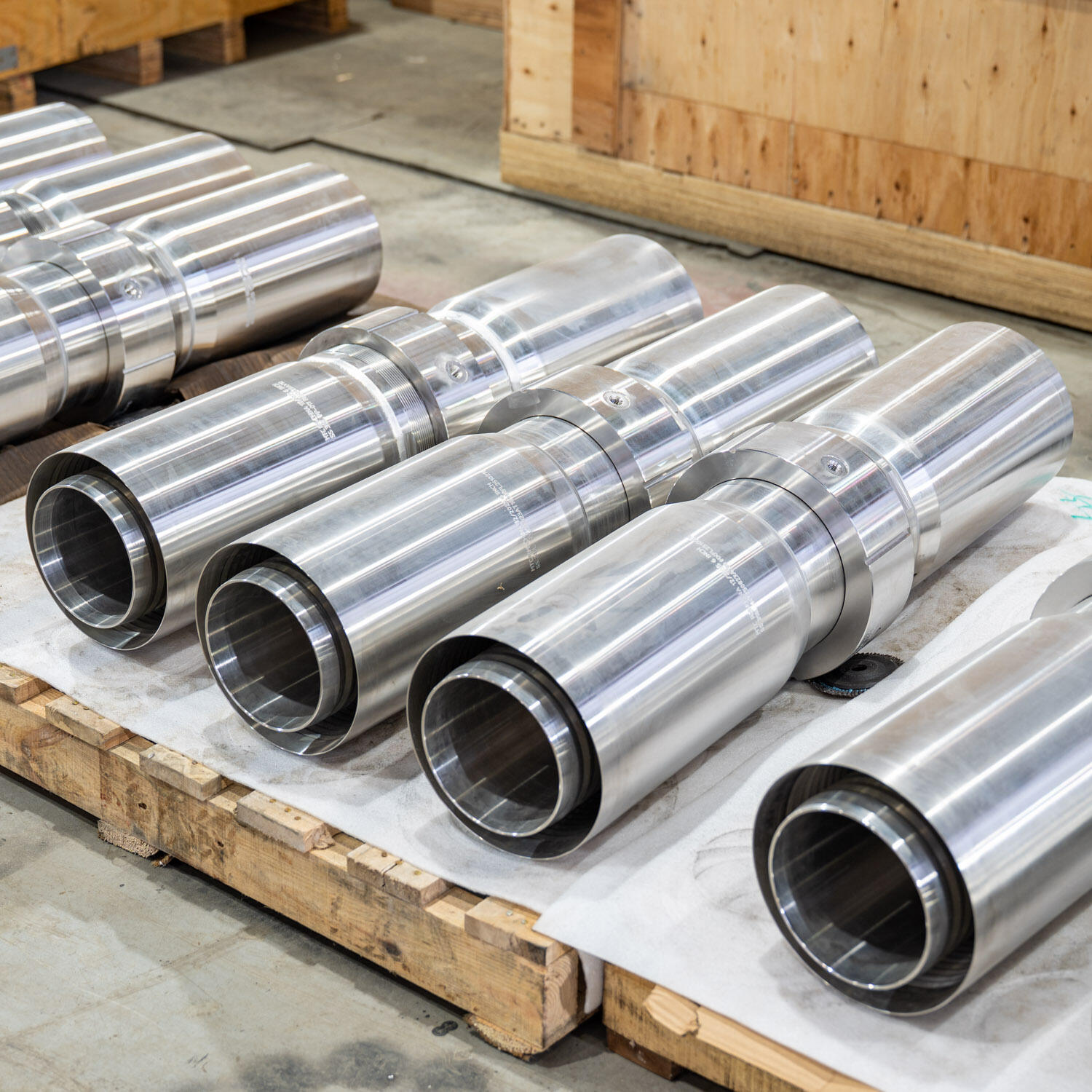
Orbital TIG welding produces exceptional weld quality that consistently exceeds industry standards for mechanical properties, corrosion resistance, and long-term service performance in demanding applications. The controlled welding environment created by orbital systems eliminates atmospheric contamination through precise shielding gas coverage that protects the entire weld zone from oxidation and other detrimental effects. This superior protection results in welds with excellent ductility, impact toughness, and fatigue resistance that perform reliably under extreme service conditions including high temperatures, corrosive environments, and cyclic loading situations. The uniform heat input characteristics of orbital TIG welding minimize thermal distortion and reduce residual stress concentrations that can lead to premature failure in critical components. Precise control of welding parameters produces optimal grain structure refinement in the weld metal and heat-affected zone, enhancing mechanical properties and ensuring predictable performance throughout the component's service life. The technology achieves full penetration welds with minimal reinforcement requirements, maximizing the effective cross-sectional area and improving flow characteristics in piping applications. Advanced pulse welding capabilities enable optimal control of weld pool dynamics, reducing the risk of porosity formation and ensuring complete fusion between base materials and filler metals. The orbital TIG welding process generates minimal spatter and requires no post-weld cleanup operations, maintaining smooth internal surfaces that prevent turbulent flow conditions and reduce pressure losses in fluid handling systems. Quality documentation systems integrated into modern orbital welding equipment provide comprehensive records of welding parameters, environmental conditions, and quality test results that support traceability requirements and regulatory compliance in highly regulated industries such as nuclear power, aerospace, and pharmaceutical manufacturing.
Enhanced Productivity and Operational Efficiency

Enhanced Productivity and Operational Efficiency

The productivity advantages of orbital TIG welding systems deliver substantial improvements in manufacturing throughput while maintaining superior quality standards that meet the most stringent industry requirements. These automated welding systems operate continuously with minimal operator intervention, enabling round-the-clock production capabilities that maximize equipment utilization and reduce per-unit manufacturing costs. The consistent welding speeds achieved by orbital systems significantly exceed manual welding rates while eliminating the variability associated with operator fatigue, skill differences, and environmental factors that impact traditional welding productivity. Advanced orbital TIG welding equipment supports multiple welding stations operated by a single technician, multiplying productive capacity without proportional increases in labor costs or facility requirements. The technology reduces setup times through quick-change tooling systems and stored welding procedures that enable rapid transitions between different pipe sizes, materials, and welding specifications without lengthy calibration procedures. Automated documentation systems eliminate manual record-keeping requirements while providing real-time production monitoring that enables proactive scheduling adjustments and resource optimization strategies. The consistent quality output of orbital TIG welding systems reduces inspection requirements and virtually eliminates rework operations that consume valuable production time and material resources. Predictable welding cycle times enable accurate production planning and delivery scheduling that improves customer satisfaction and supports lean manufacturing initiatives. The technology supports lights-out manufacturing operations where welding systems continue operating during non-standard work hours, maximizing facility utilization and accelerating project completion schedules. Integration capabilities with modern manufacturing execution systems provide comprehensive production tracking, quality assurance data, and performance analytics that support continuous improvement initiatives and operational excellence programs throughout the manufacturing organization.

Get a Free Quote

Our representative will contact you soon.
Email
Mobile/WhatsApp
Name
Company Name
Message
0/1000