Automatic Orbital Welding Solutions: Precision Technology for Superior Manufacturing Quality

Contact me immediately if you encounter problems!

All Categories

Get a Free Quote

Our representative will contact you soon.
Email
Mobile/WhatsApp
Name
Company Name
Message
0/1000

Get a Free Quote

Our representative will contact you soon.
Email
Mobile/WhatsApp
Name
Company Name
Message
0/1000

automatic orbital welding

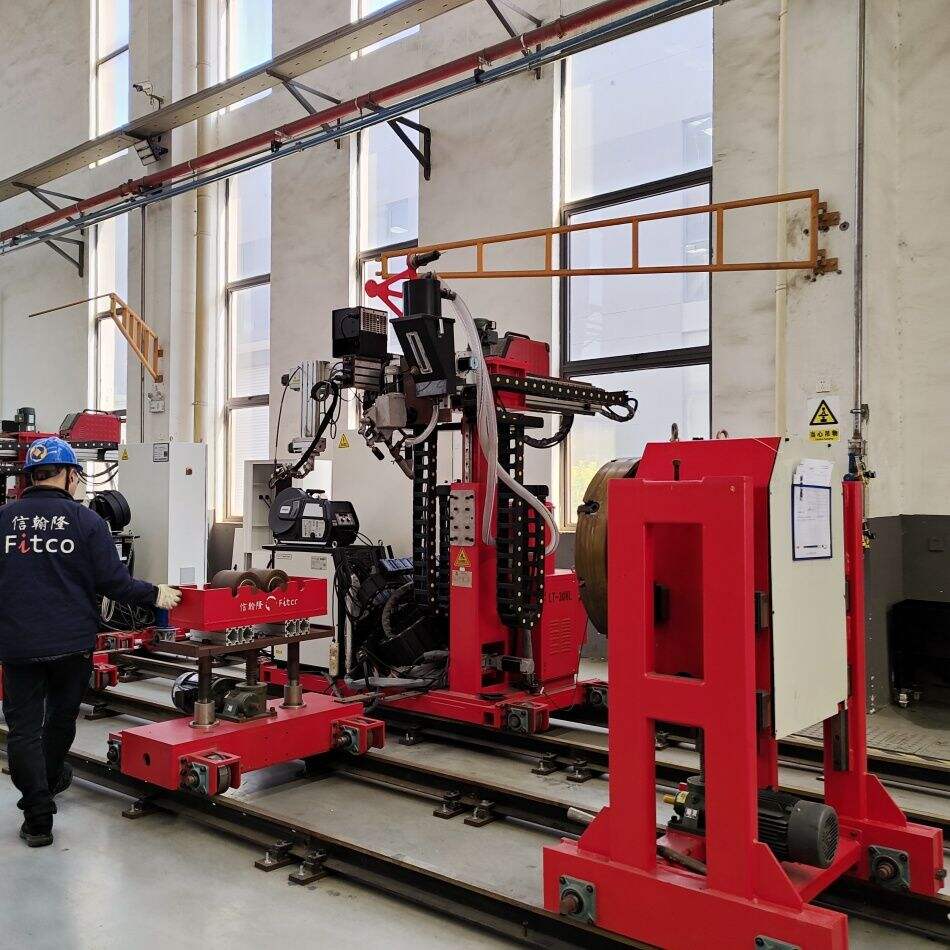
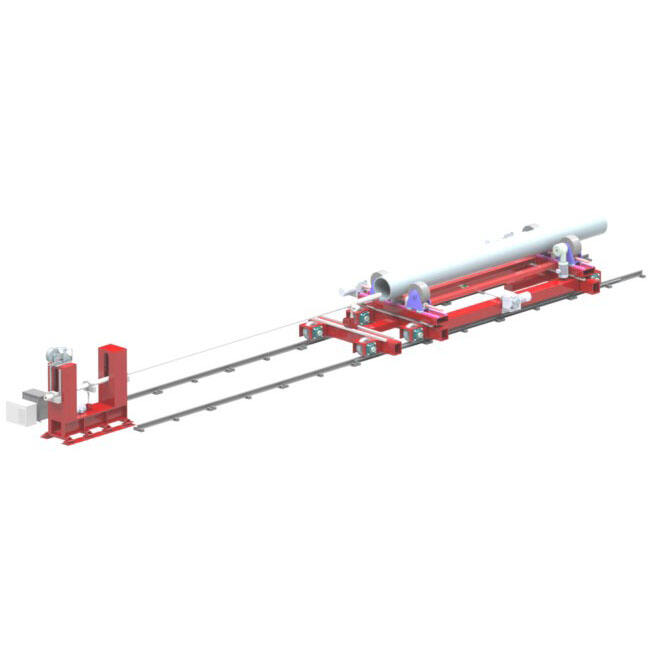
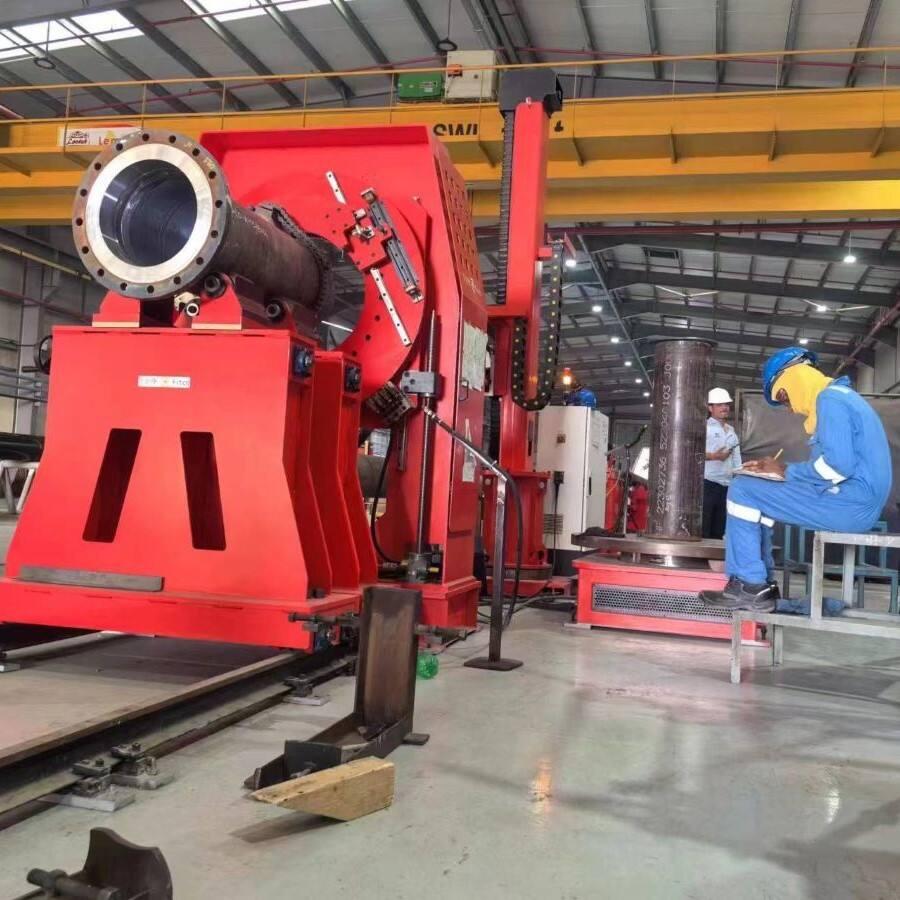
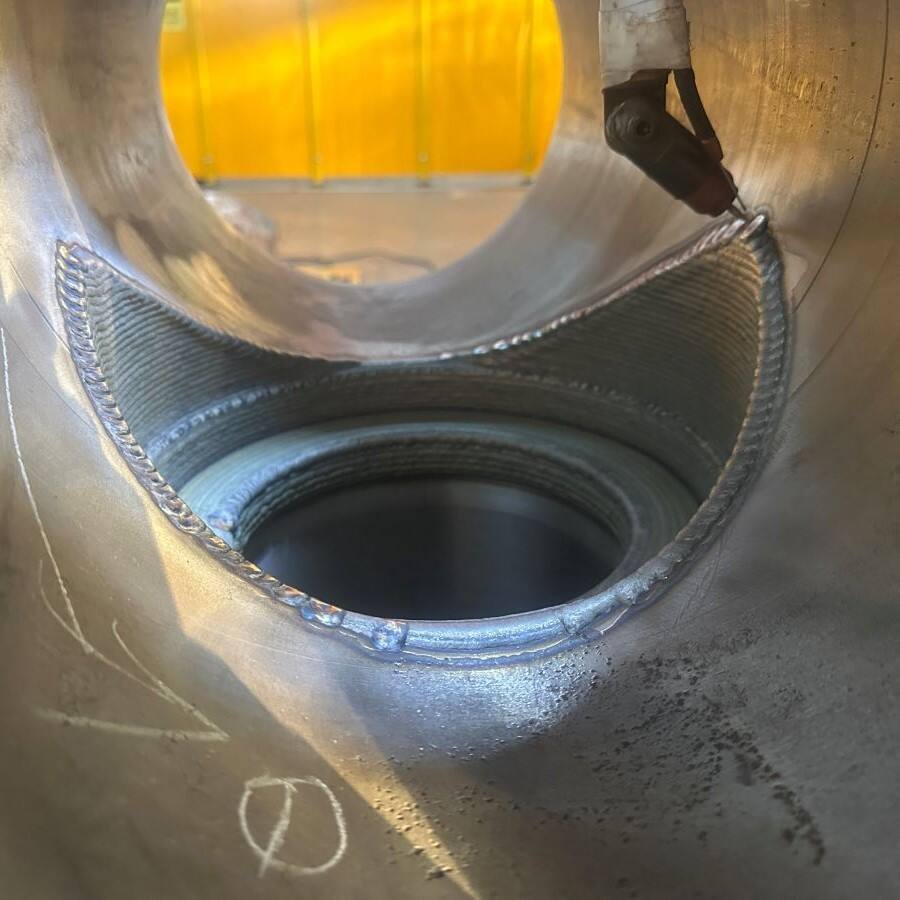
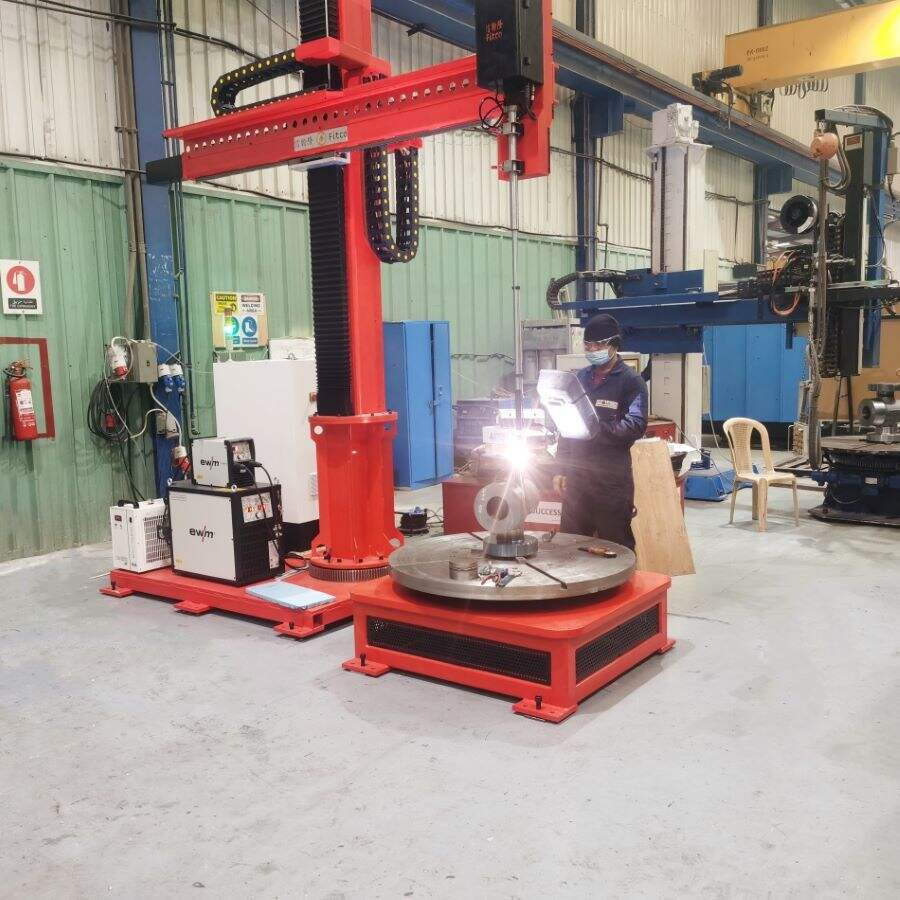
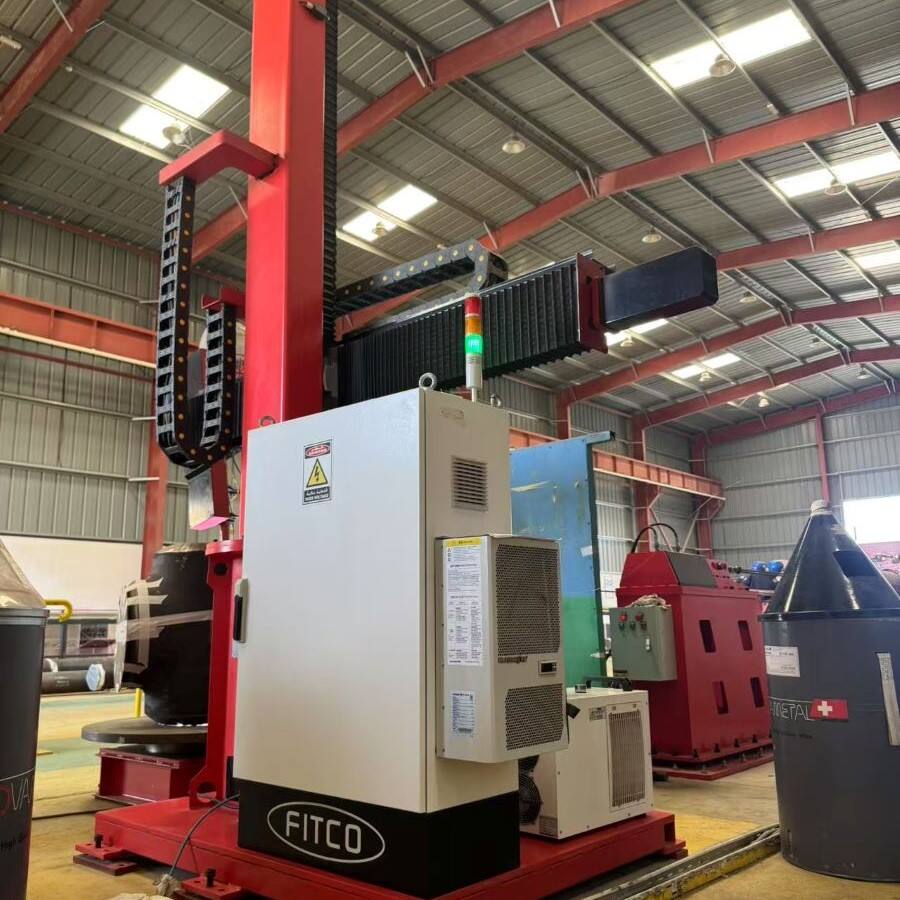
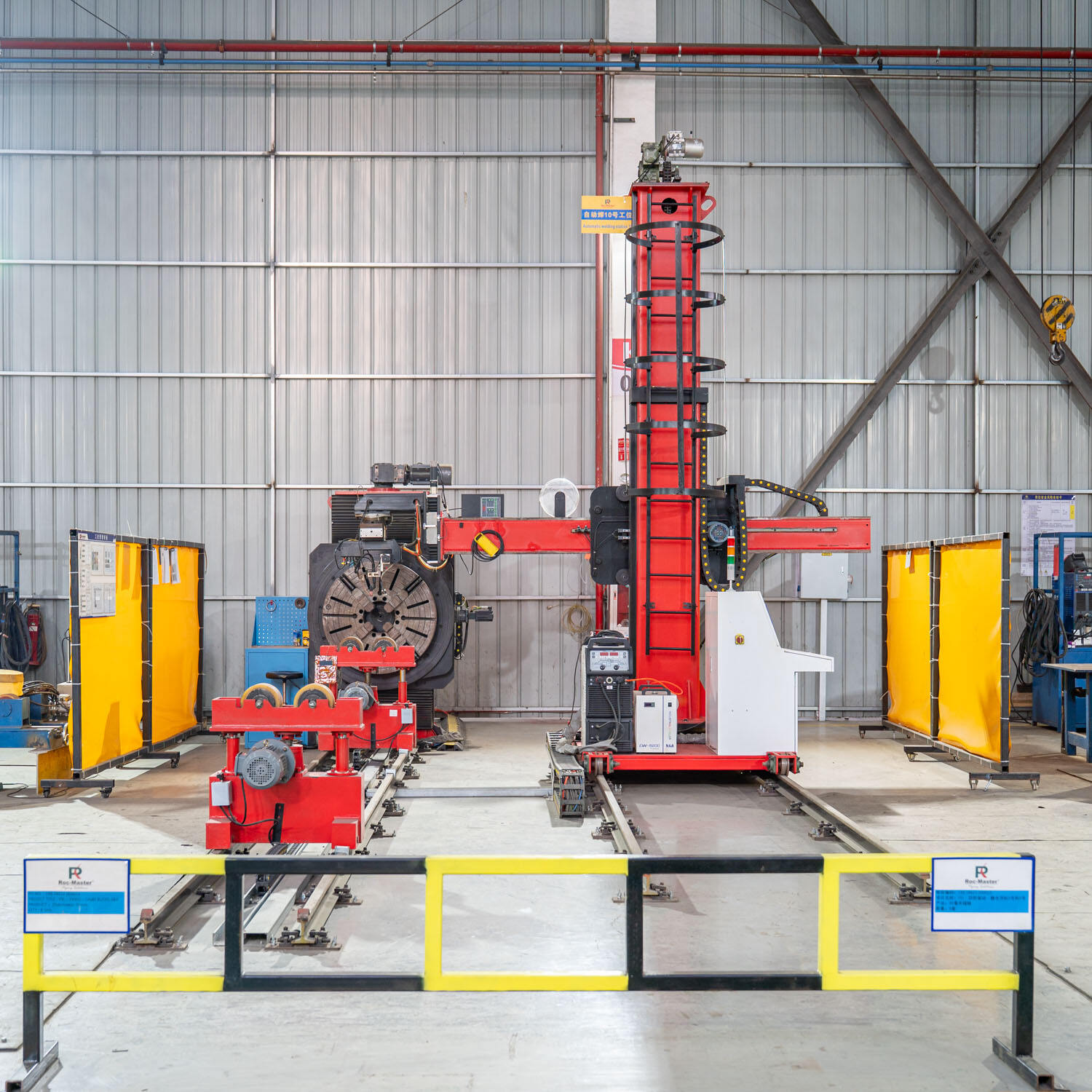
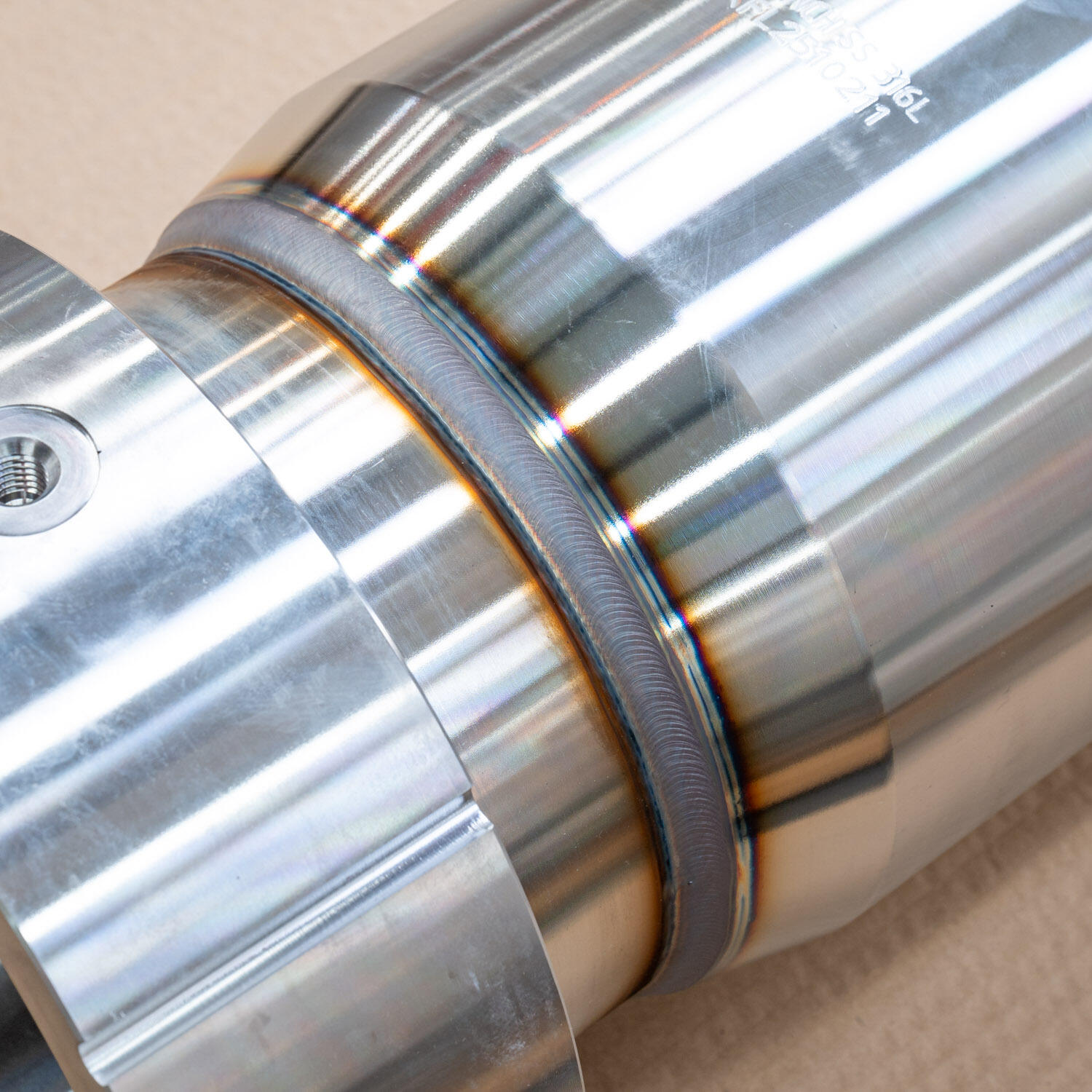
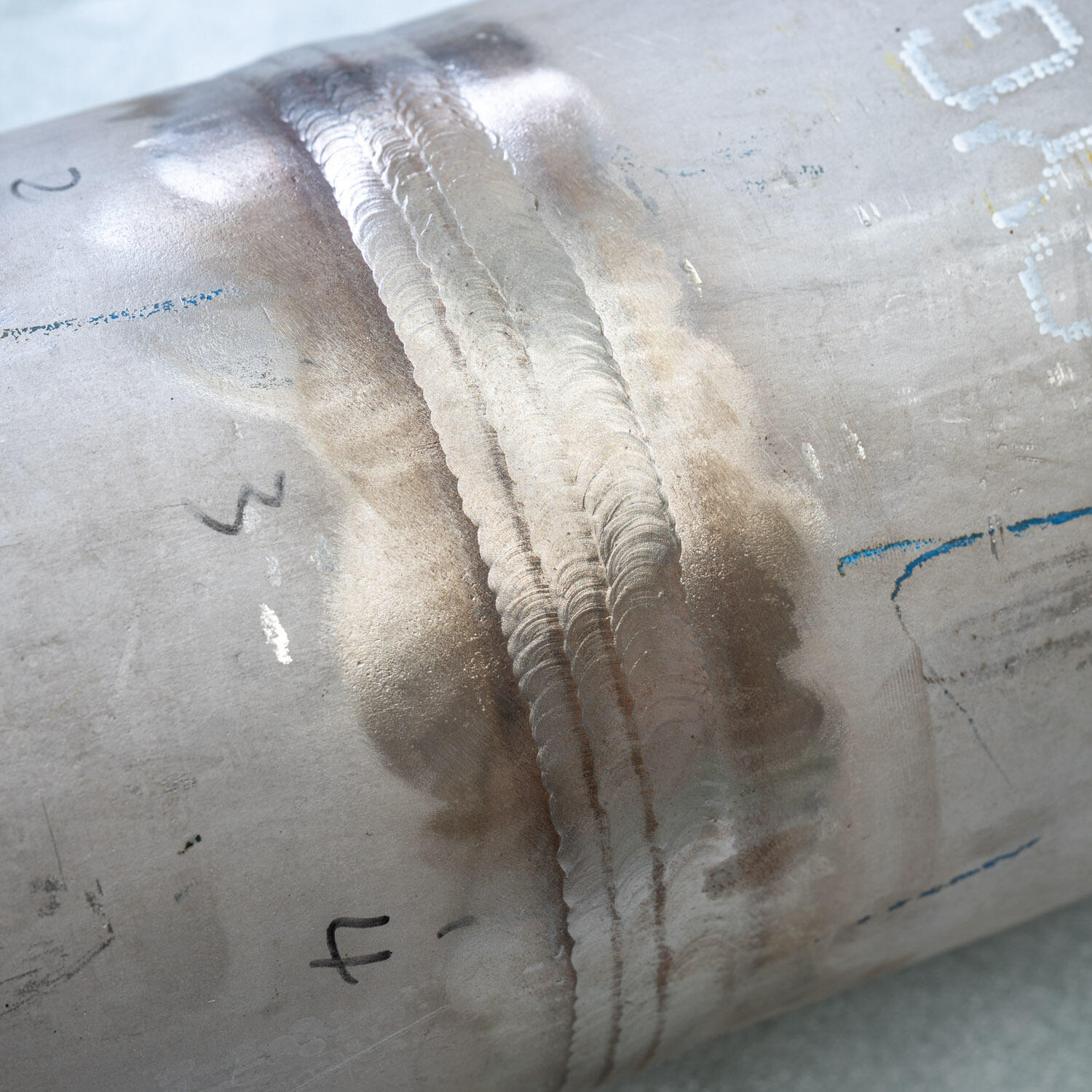
Automatic orbital welding represents a revolutionary advancement in precision welding technology, specifically designed for joining tubular components with unmatched accuracy and consistency. This sophisticated welding method utilizes a mechanized torch that rotates around the circumference of pipes, tubes, or fittings, creating uniform welds through computer-controlled automation. The automatic orbital welding process eliminates human variables that traditionally affect weld quality, ensuring repeatable results across multiple applications. The system operates by positioning a tungsten electrode within a sealed welding head that travels in a precise orbital path around the workpiece. This controlled movement, combined with programmable welding parameters, delivers consistent heat input and arc positioning throughout the entire welding cycle. The technology incorporates advanced features such as real-time monitoring, adaptive current control, and precise gas shielding to maintain optimal welding conditions. Modern automatic orbital welding equipment includes intuitive programming interfaces that allow operators to store and recall specific welding procedures for different materials and wall thicknesses. The closed-loop feedback systems continuously monitor arc voltage, current, and travel speed, making automatic adjustments to maintain consistent weld penetration and profile. Key technological features include programmable welding schedules, multi-pass capabilities for thick-wall applications, and integrated data logging for quality documentation. The system supports various welding modes including constant current, pulsed current, and hot wire feeding for enhanced productivity. Applications span across critical industries including pharmaceutical manufacturing, semiconductor fabrication, food processing, aerospace, nuclear power, and oil and gas operations. These sectors demand the highest levels of weld integrity and contamination control, making automatic orbital welding the preferred choice for mission-critical piping systems and pressure vessel connections.

New Product Recommendations

Automatic orbital welding delivers substantial benefits that transform manufacturing efficiency and quality standards across industries. The primary advantage lies in achieving consistent, repeatable weld quality that surpasses manual welding capabilities. Each weld receives identical heat input, travel speed, and electrode positioning, eliminating the variability inherent in human-performed welding operations. This consistency translates directly into reduced rejection rates, lower rework costs, and improved overall product reliability. The technology significantly enhances productivity by reducing welding time per joint while maintaining superior quality standards. Operators can initiate the welding process and focus on other tasks while the system completes the weld automatically, maximizing workforce utilization. The enclosed welding environment provides excellent contamination control, crucial for industries requiring ultra-clean conditions such as pharmaceutical and semiconductor manufacturing. The sealed chamber prevents atmospheric contamination and ensures consistent shielding gas coverage throughout the welding cycle. Documentation capabilities represent another significant advantage, as modern systems automatically record welding parameters, creating comprehensive quality records for regulatory compliance and traceability requirements. This automated documentation reduces administrative burden while ensuring complete process transparency. The precision control offered by automatic orbital welding enables successful welding of thin-wall materials that pose challenges for manual techniques. Computer-controlled heat input prevents burn-through and distortion issues commonly encountered with manual welding approaches. Operator skill requirements are substantially reduced, as the system handles complex timing and parameter control automatically. This democratization of welding expertise allows facilities to achieve high-quality results without extensive specialized training programs. The technology also minimizes heat-affected zones through precise thermal management, preserving material properties and reducing stress concentrations. Long-term cost benefits include reduced consumable usage, lower labor costs, decreased inspection requirements, and improved system reliability. The consistent weld profiles produced by automatic orbital welding often exceed code requirements, providing additional safety margins for critical applications. Energy efficiency improvements result from optimized arc characteristics and reduced welding time, contributing to lower operational costs and environmental impact.

Practical Tips

How Do Pipe Cladding Machines Improve Welding Consistency and Quality?

27

Nov

How Do Pipe Cladding Machines Improve Welding Consistency and Quality?

Modern industrial welding operations demand exceptional precision and consistency, particularly in applications involving corrosion-resistant overlays and specialized pipe systems. Pipe cladding machines have emerged as revolutionary solutions that t...
View More
Why igbt inverter welder Technology is the Industry Standard in 2026

16

Mar

Why igbt inverter welder Technology is the Industry Standard in 2026

The welding industry has undergone a transformative evolution, with igbt inverter welder technology emerging as the definitive standard for professional and industrial applications in 2026. This revolutionary advancement represents a fundamental shif...
View More
Which Industries Benefit Most from Using a TIG Welder?

13

Jan

Which Industries Benefit Most from Using a TIG Welder?

TIG welding technology has revolutionized manufacturing and fabrication processes across numerous industries, offering unparalleled precision and quality in metal joining applications. The versatility of a TIG welder makes it an indispensable tool fo...
View More
How Can Longitudinal TIG Equipment Improve Weld Uniformity?

13

Jan

How Can Longitudinal TIG Equipment Improve Weld Uniformity?

Achieving consistent weld quality across extended seams remains one of the most challenging aspects of modern fabrication. Manufacturing industries demand precision welding solutions that deliver uniform penetration, minimal distortion, and reliable ...
View More

Get a Free Quote

Our representative will contact you soon.
Email
Mobile/WhatsApp
Name
Company Name
Message
0/1000

automatic orbital welding

Precision Control and Consistent Quality Output

Precision Control and Consistent Quality Output

The precision control capabilities of automatic orbital welding systems establish new benchmarks for manufacturing excellence and quality assurance in critical applications. This sophisticated technology employs advanced servo motors and encoder feedback systems that control torch positioning with sub-millimeter accuracy, ensuring identical weld placement and profile consistency across thousands of production cycles. The computer-controlled environment eliminates human variables such as hand tremor, fatigue, and skill variations that traditionally compromise weld quality in manual operations. Each welding cycle follows predetermined parameters stored in the system memory, including precise current ramp-up sequences, travel speeds, and arc voltage settings tailored to specific material combinations and joint configurations. The closed-loop feedback mechanisms continuously monitor actual welding conditions against programmed setpoints, making real-time adjustments to maintain optimal performance throughout the entire welding process. This dynamic control capability proves particularly valuable when welding materials with varying thermal conductivity or thickness variations that require adaptive parameter modification. The system maintains consistent arc length and electrode extension, critical factors that directly influence weld penetration depth and fusion characteristics. Advanced automatic orbital welding platforms incorporate multiple sensors that detect changes in arc behavior, joint fit-up conditions, and material properties, automatically compensating for these variables to maintain uniform results. The precision extends to gas flow control, where electronically regulated valves deliver exact shielding gas volumes and compositions, preventing contamination and ensuring optimal weld metal chemistry. This level of control consistency enables manufacturers to achieve statistical process control in welding operations, reducing variation coefficients to levels unattainable through manual welding methods. Quality documentation becomes streamlined as systems automatically generate detailed welding reports containing actual parameter values, deviation alerts, and trend analysis data for continuous improvement initiatives.
Enhanced Productivity and Operational Efficiency

Enhanced Productivity and Operational Efficiency

Automatic orbital welding technology revolutionizes manufacturing productivity by streamlining welding operations and maximizing resource utilization across production environments. The automated nature of the process allows operators to initiate welding cycles and redirect attention to other value-added activities while maintaining supervision over multiple welding stations simultaneously. This parallel processing capability effectively multiplies workforce productivity without compromising quality standards or safety protocols. The system eliminates traditional bottlenecks associated with manual welding, such as operator fatigue, break requirements, and skill availability constraints that often limit production throughput. Setup times are dramatically reduced through programmable welding procedures that recall optimal parameters instantly, eliminating the trial-and-error approach common in manual welding operations. The technology supports continuous operation capabilities, enabling manufacturers to maintain production schedules during extended shifts or unmanned periods with appropriate safety monitoring systems in place. Cycle times are optimized through precise heat input control that achieves required penetration levels without excessive dwell times or multiple-pass requirements typical of conservative manual welding approaches. The enclosed welding environment eliminates weather dependencies and environmental variables that can disrupt outdoor welding operations, ensuring consistent production schedules regardless of external conditions. Material handling efficiency improves as the compact welding heads require minimal clearance space around joints, enabling welding in confined areas where manual access proves challenging or impossible. The technology integrates seamlessly with modern manufacturing execution systems, providing real-time production data and enabling predictive maintenance scheduling based on actual usage patterns. Reduced consumable waste results from optimized arc characteristics and precise wire feed control, lowering operational costs while supporting environmental sustainability initiatives. The elimination of post-weld grinding and finishing operations, common with manual welding inconsistencies, further accelerates production timelines and reduces downstream processing requirements.
Superior Safety Standards and Contamination Control

Superior Safety Standards and Contamination Control

The safety advantages and contamination control capabilities of automatic orbital welding systems address critical concerns in industries where worker protection and product purity represent paramount priorities. The enclosed welding chamber design eliminates operator exposure to harmful welding fumes, ultraviolet radiation, and intense heat that pose significant health risks in traditional welding operations. This protective environment enables compliance with increasingly stringent occupational safety regulations while reducing workers compensation claims and medical costs associated with welding-related health issues. The automated operation minimizes direct human interaction with high-temperature processes and electrical hazards, substantially reducing accident potential and creating safer working conditions. Emergency shutdown systems with multiple redundant safety interlocks provide immediate process termination capabilities in response to detected anomalies or operator intervention requirements. The technology incorporates advanced ventilation and fume extraction systems that maintain negative pressure within the welding chamber, preventing contamination release into surrounding work areas. For industries requiring ultra-clean environments, such as pharmaceutical manufacturing and semiconductor fabrication, the sealed welding chamber provides exceptional contamination control that manual welding cannot achieve. The inert atmosphere maintained within the chamber prevents oxidation and contamination during the welding process, ensuring weld metal chemistry remains within specified limits for critical applications. Automated gas purging sequences remove atmospheric contaminants before welding initiation, creating optimal conditions for achieving code-compliant weld quality standards. The system eliminates cross-contamination risks associated with manual electrode handling and consumable management, particularly important in food-grade and pharmaceutical piping systems. Remote operation capabilities enable welding in hazardous environments, radioactive areas, or confined spaces where human access poses unacceptable risks to personnel safety. The consistent, repeatable nature of automatic orbital welding reduces the need for extensive post-weld inspection and testing, minimizing radiation exposure for inspection personnel in nuclear applications. Documentation systems provide complete traceability for safety-critical components, supporting regulatory compliance requirements and quality assurance programs essential for maintaining operational licenses in regulated industries.

Get a Free Quote

Our representative will contact you soon.
Email
Mobile/WhatsApp
Name
Company Name
Message
0/1000