Professional Orbital Pipe Welder - Advanced Automated Welding Solutions

Contact me immediately if you encounter problems!

All Categories

Get a Free Quote

Our representative will contact you soon.
Email
Mobile/WhatsApp
Name
Company Name
Message
0/1000

Get a Free Quote

Our representative will contact you soon.
Email
Mobile/WhatsApp
Name
Company Name
Message
0/1000

orbital pipe welder

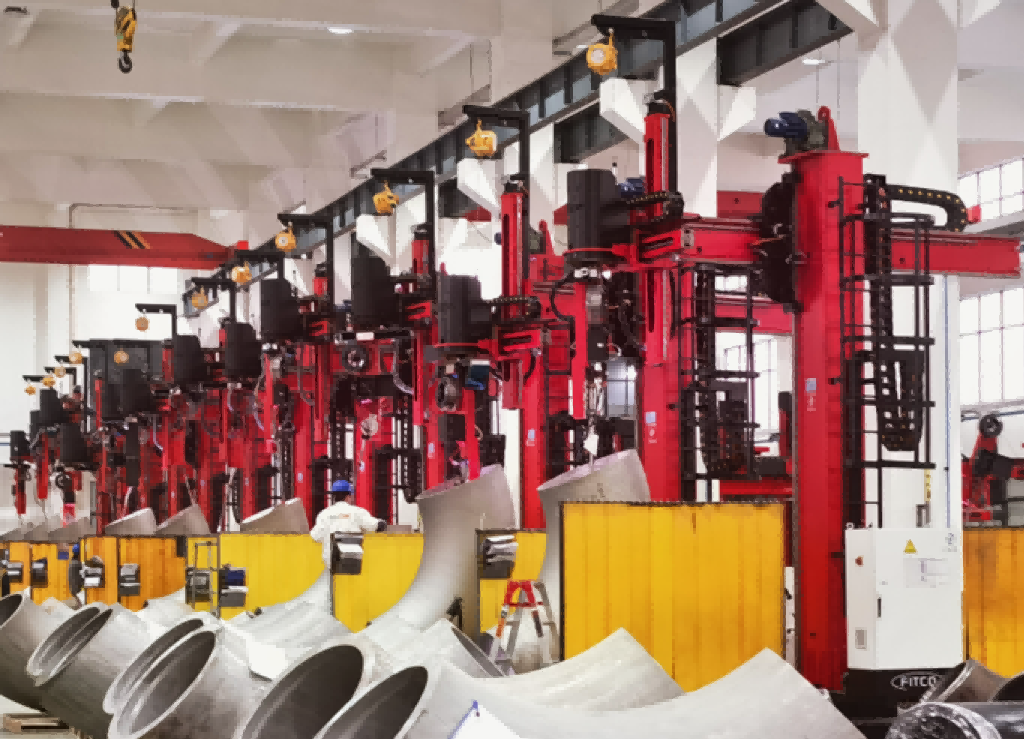
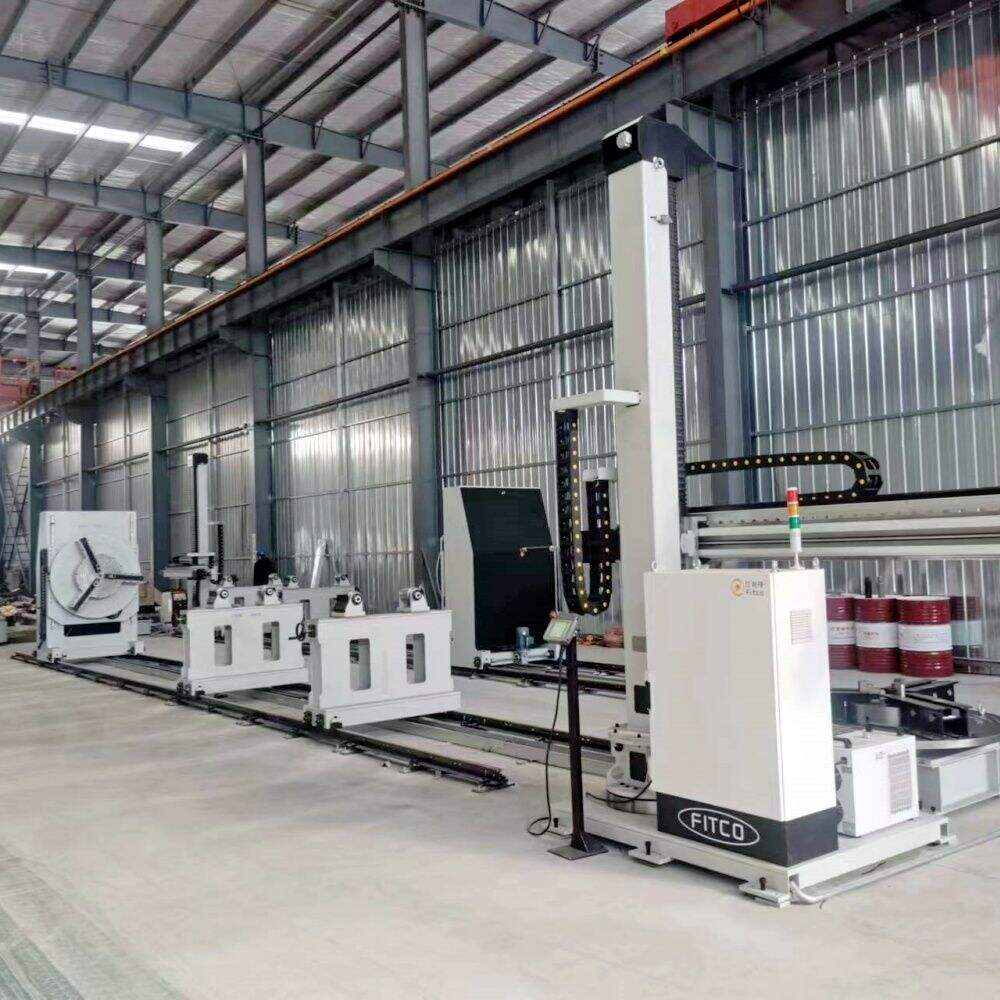
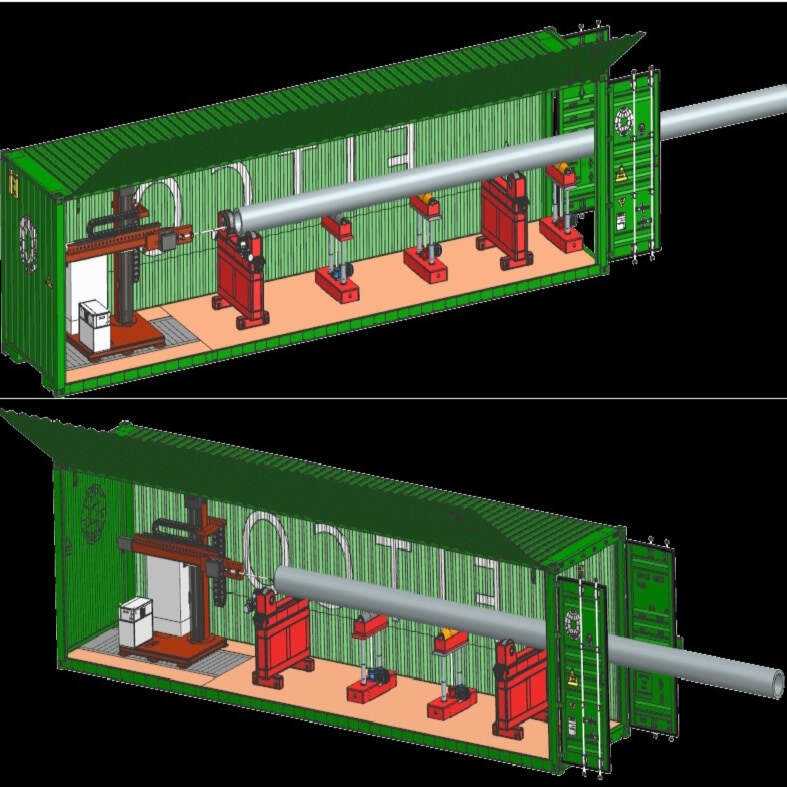
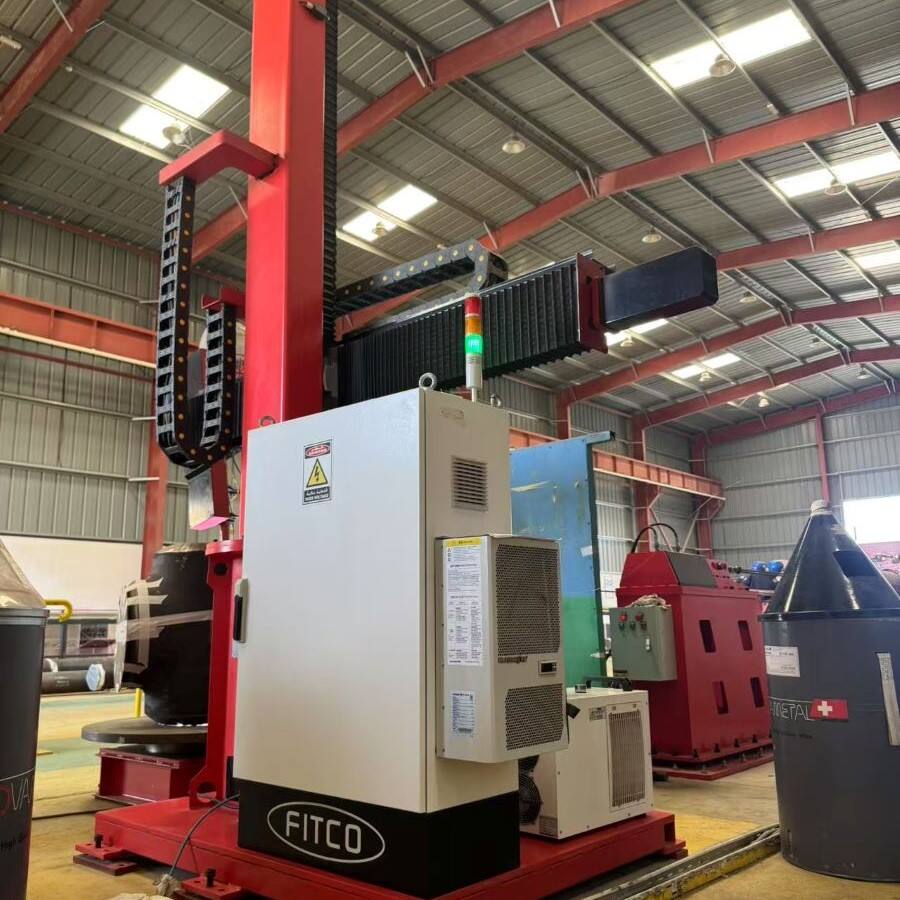
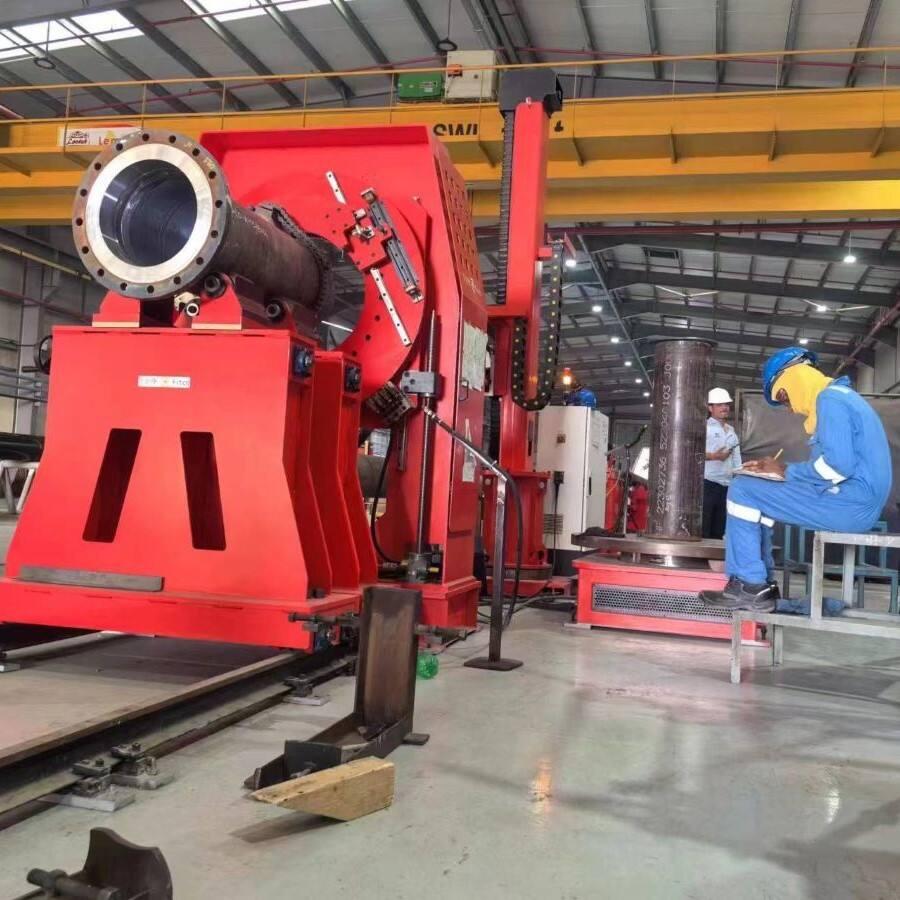
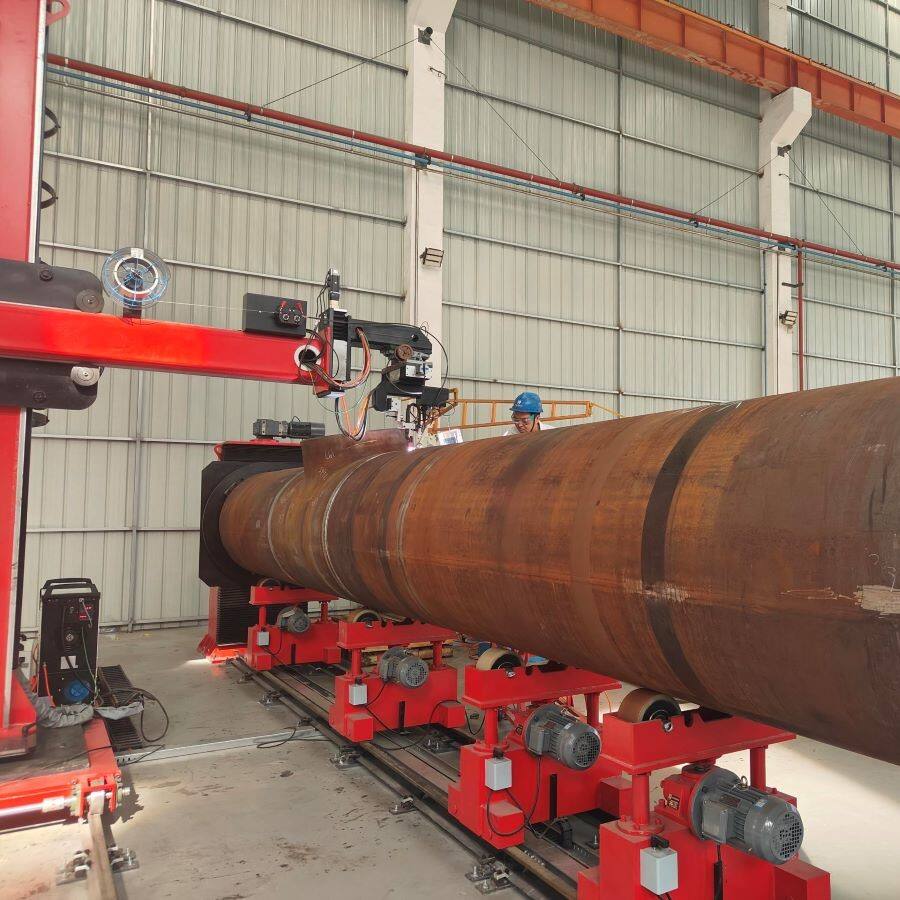
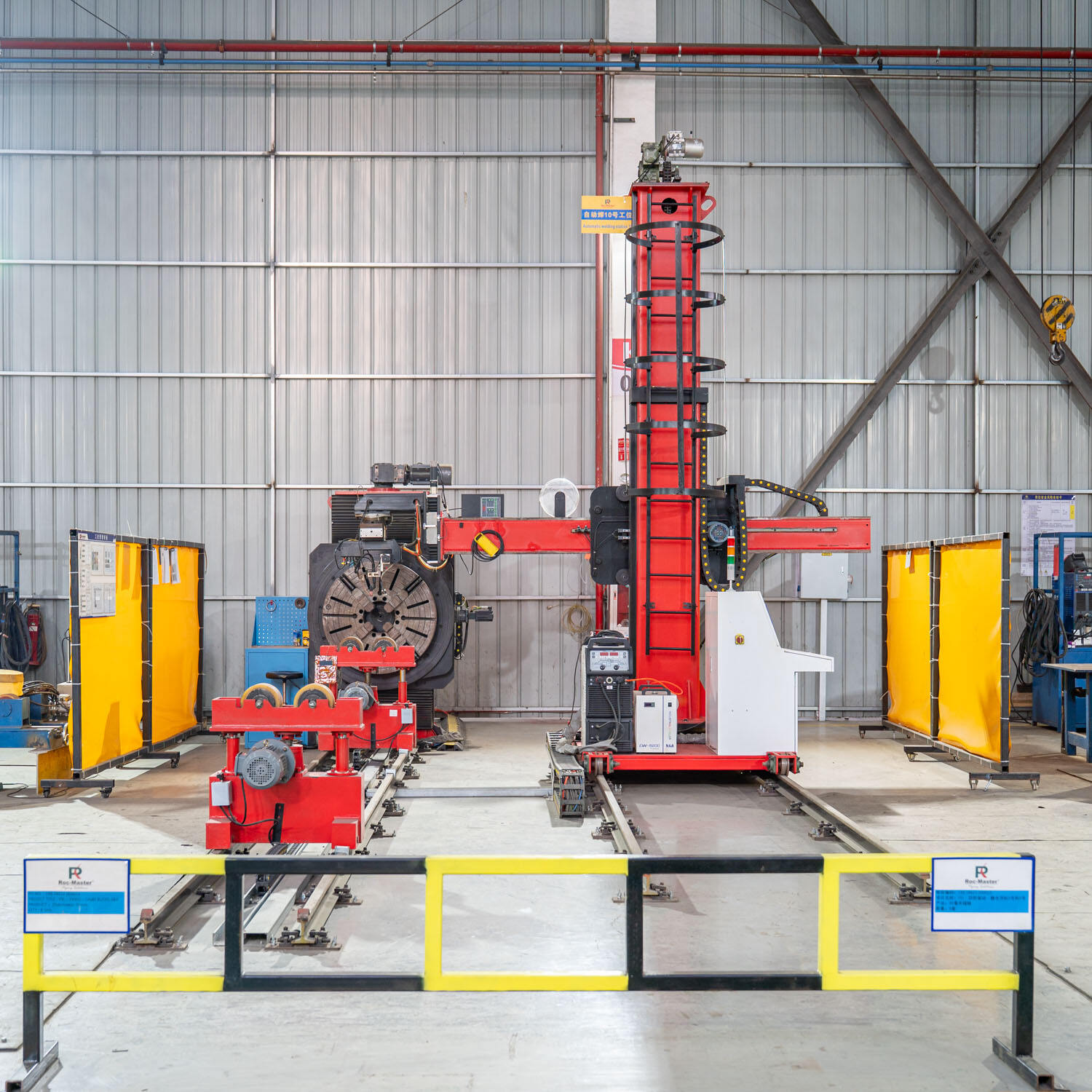
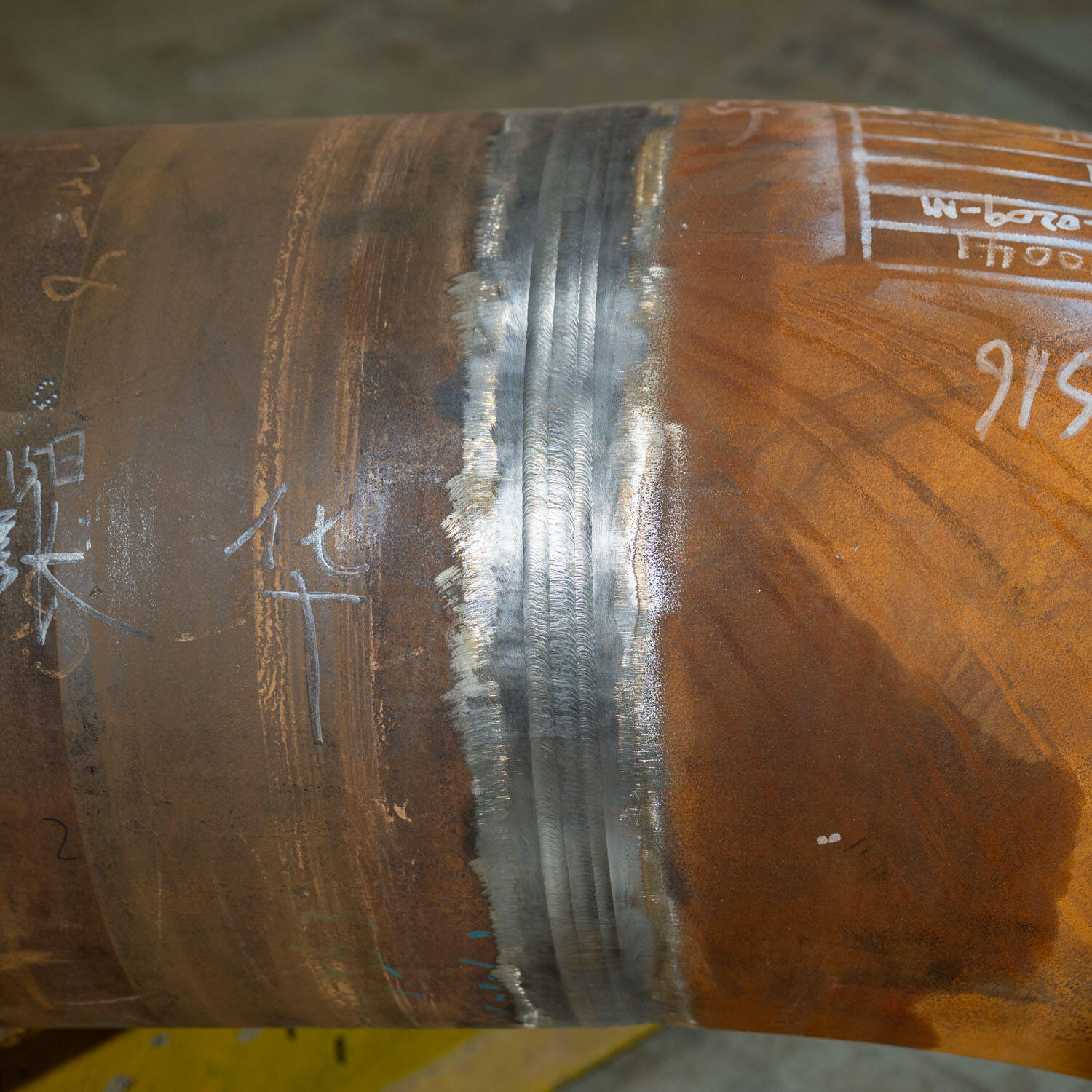
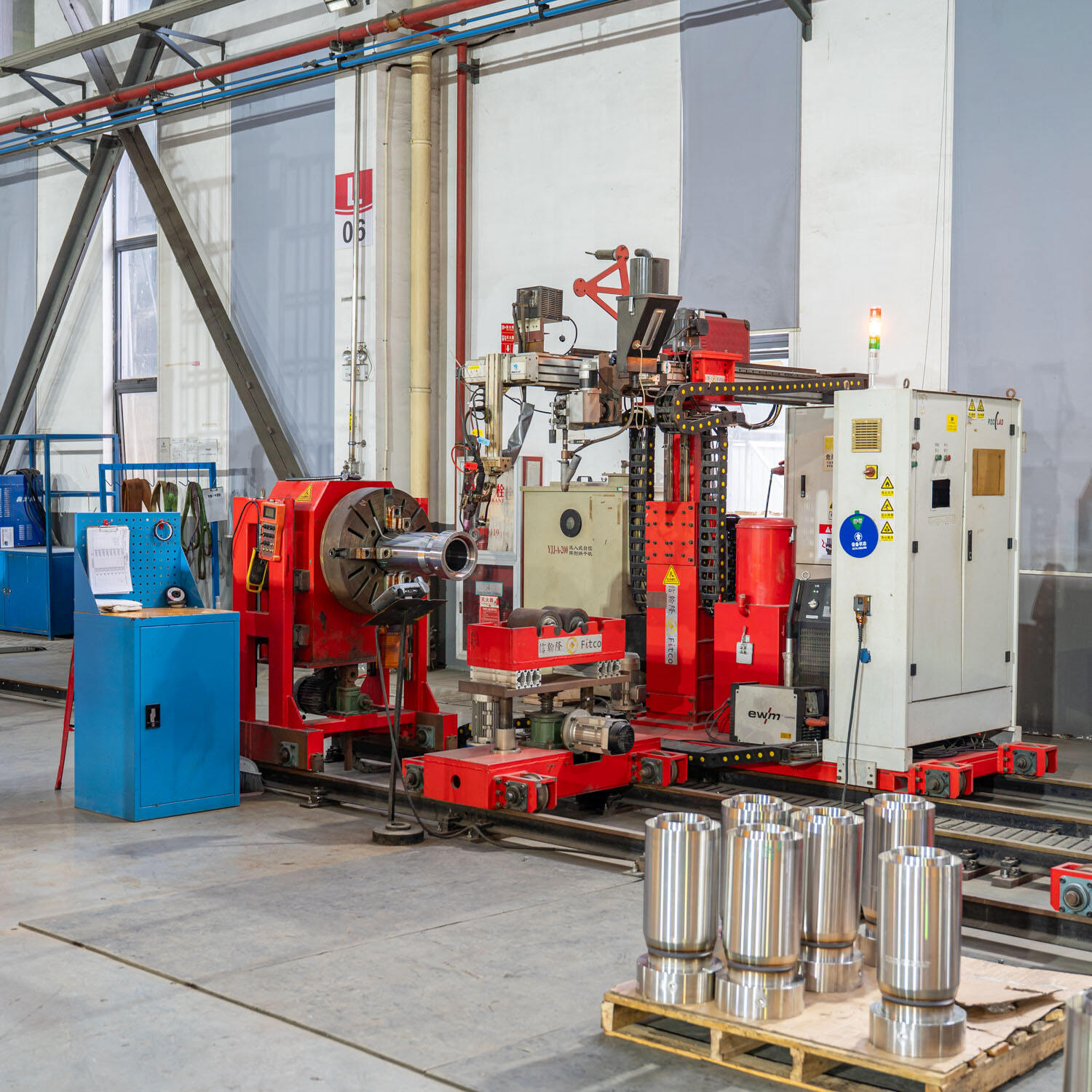
The orbital pipe welder represents a revolutionary advancement in automated welding technology, designed specifically for creating high-quality, consistent welds on pipes and tubular structures. This sophisticated welding system employs a motorized torch that rotates completely around the pipe circumference, delivering precise and uniform heat application throughout the entire welding process. The orbital pipe welder consists of several key components including a power supply unit, an orbital welding head, a programmable control system, and specialized tungsten electrodes that work together to produce superior weld quality. The primary function of this equipment centers on creating full-penetration welds with minimal operator intervention, making it ideal for critical applications where weld integrity is paramount. The technological features of the orbital pipe welder include advanced arc control systems that maintain consistent arc length and heat input, programmable welding parameters that can be stored and recalled for repeated applications, and real-time monitoring capabilities that track welding progress. The system utilizes tungsten inert gas welding principles, commonly known as TIG welding, which provides excellent control over the welding process and produces clean, precise welds without requiring filler material in many applications. Modern orbital pipe welders incorporate digital control interfaces that allow operators to adjust parameters such as current, voltage, travel speed, and gas flow rates with exceptional precision. The applications for orbital pipe welders span numerous industries including nuclear power generation, pharmaceutical manufacturing, food processing, petrochemical facilities, and aerospace manufacturing. These systems excel in environments where cleanliness, precision, and repeatability are essential requirements. The orbital pipe welder proves particularly valuable for welding stainless steel, aluminum, and other specialty alloys that demand precise heat control to maintain their metallurgical properties. Installation crews frequently utilize these systems for critical piping systems where x-ray quality welds are mandatory, ensuring structural integrity and preventing costly failures in high-pressure or high-temperature applications.

Popular Products

The orbital pipe welder delivers numerous practical benefits that make it an essential investment for companies requiring high-quality pipe welding solutions. First and foremost, this advanced welding system produces consistently superior weld quality compared to manual welding methods. The automated rotation eliminates human variables such as hand tremor, fatigue, and inconsistent travel speed, resulting in uniform penetration and bead appearance around the entire pipe circumference. This consistency translates directly into reduced rejection rates and fewer costly rework situations, saving both time and materials. The precision control offered by orbital pipe welders significantly reduces the skill level required for operators, allowing companies to utilize less experienced welders while still achieving professional-grade results. This capability addresses the growing shortage of skilled welders in many industries and reduces training costs associated with developing highly specialized manual welding expertise. The automated nature of the orbital pipe welder dramatically improves productivity by allowing operators to set up the equipment and monitor multiple welding operations simultaneously. While the machine completes one weld, operators can prepare subsequent joints, leading to substantial time savings on large projects. The system's ability to store and recall welding parameters ensures that identical welds can be reproduced consistently, eliminating the trial-and-error process typically associated with manual welding setups. Safety improvements represent another significant advantage, as operators maintain a safe distance from the welding arc and avoid prolonged exposure to intense light and heat. The enclosed welding environment also provides better protection against contamination from environmental factors such as wind, dust, and moisture. The orbital pipe welder generates comprehensive documentation through its digital control systems, automatically recording welding parameters, current and voltage traces, and other critical data that supports quality assurance programs and regulatory compliance requirements. This documentation capability proves invaluable for industries subject to strict quality standards and inspection requirements. Cost savings accumulate through reduced material waste, lower labor costs per weld, decreased inspection failures, and extended equipment life due to consistent, high-quality joints that resist premature failure. The investment in orbital pipe welding technology typically pays for itself through improved efficiency and quality within the first year of operation.

Latest News

Understanding the Duty Cycle of Your Heavy-Duty arc welding machine

16

Mar

Understanding the Duty Cycle of Your Heavy-Duty arc welding machine

The duty cycle of an arc welding machine represents one of the most critical specifications that determines its operational capabilities and longevity in heavy-duty industrial applications. This measurement defines how long your arc welding machine c...
View More
Why Are Pipe Cladding Machines Vital for Industrial Corrosion Protection?

27

Nov

Why Are Pipe Cladding Machines Vital for Industrial Corrosion Protection?

Industrial facilities worldwide face a constant battle against corrosion, with pipe systems serving as critical infrastructure that demands exceptional protection. The implementation of advanced welding technologies has revolutionized how industries ...
View More
Why igbt inverter welder Technology is the Industry Standard in 2026

16

Mar

Why igbt inverter welder Technology is the Industry Standard in 2026

The welding industry has undergone a transformative evolution, with igbt inverter welder technology emerging as the definitive standard for professional and industrial applications in 2026. This revolutionary advancement represents a fundamental shif...
View More
How Do TIG Overlay Cladding Machines Improve Surface Durability?

22

Dec

How Do TIG Overlay Cladding Machines Improve Surface Durability?

Industrial surface protection has evolved significantly with the advent of advanced welding technologies, particularly in applications requiring exceptional durability and precision. TIG overlay cladding machines represent a revolutionary approach to...
View More

Get a Free Quote

Our representative will contact you soon.
Email
Mobile/WhatsApp
Name
Company Name
Message
0/1000

orbital pipe welder

Advanced Digital Control System for Precision Welding

Advanced Digital Control System for Precision Welding

The sophisticated digital control system represents the heart of modern orbital pipe welder technology, providing unprecedented precision and repeatability in automated welding operations. This advanced system incorporates microprocessor-based controls that monitor and adjust welding parameters in real-time, ensuring optimal arc characteristics throughout the entire welding cycle. The digital interface allows operators to program complex welding schedules with multiple current levels, varying travel speeds, and customized gas flow patterns to accommodate different material thicknesses and joint configurations. The control system stores hundreds of pre-programmed welding procedures that can be instantly recalled, eliminating setup time and ensuring consistent results across multiple projects. Real-time feedback sensors continuously monitor arc voltage, welding current, and travel position, automatically making micro-adjustments to maintain ideal welding conditions even when encountering minor variations in fit-up or material properties. The system's data logging capabilities create comprehensive records of each weld, including graphical representations of current and voltage throughout the welding cycle, providing valuable quality assurance documentation for critical applications. Advanced diagnostic features alert operators to potential problems before they affect weld quality, such as electrode wear, gas flow irregularities, or power supply fluctuations. The user-friendly touchscreen interface simplifies operation while providing access to sophisticated programming capabilities, allowing even novice operators to achieve professional results. The control system's communication capabilities enable integration with manufacturing execution systems and quality management databases, supporting Industry 4.0 initiatives and automated production environments. Remote monitoring capabilities allow supervisors to oversee multiple welding stations from a central location, improving efficiency and ensuring compliance with established procedures. The adaptive control algorithms continuously learn from welding conditions and automatically optimize parameters to compensate for variables such as ambient temperature changes or material variations, maintaining consistent weld quality throughout extended production runs.
Superior Weld Quality and Metallurgical Properties

Superior Weld Quality and Metallurgical Properties

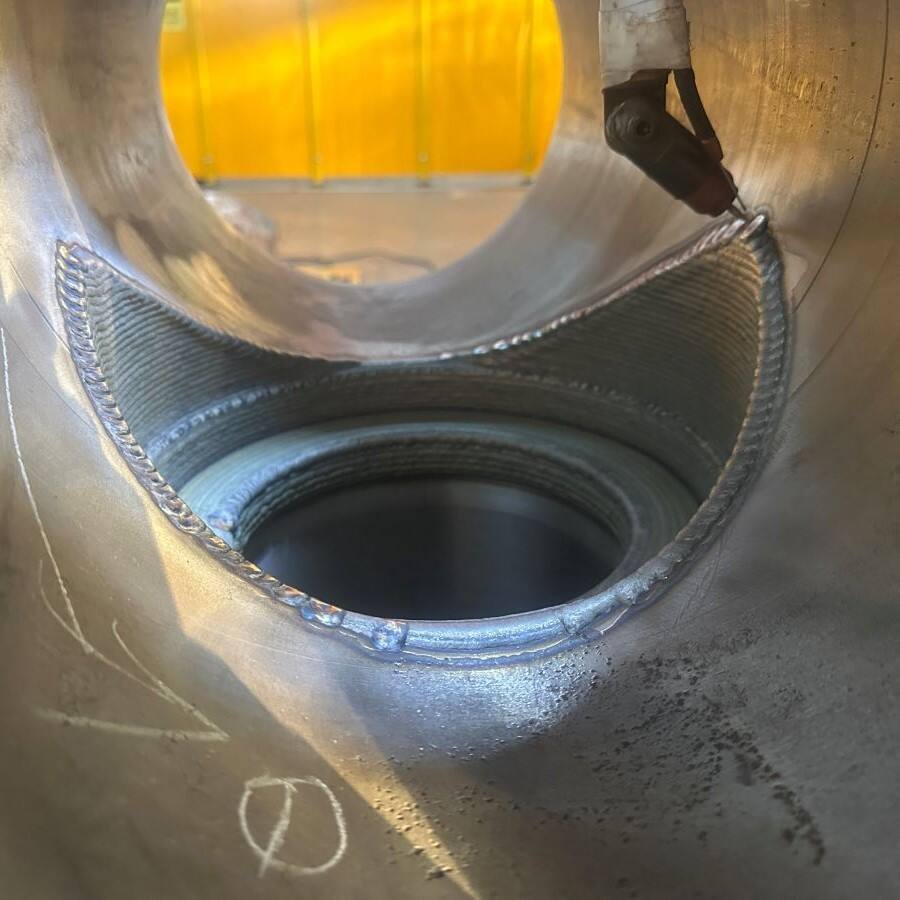
The orbital pipe welder delivers exceptional weld quality that consistently exceeds the standards achievable through manual welding techniques, making it the preferred choice for critical applications in nuclear, pharmaceutical, and aerospace industries. The controlled environment created by the orbital welding process eliminates many contamination sources that can compromise weld integrity, including atmospheric oxygen, moisture, and particulate matter that commonly affect manual welding operations. The precise heat control achieved through automated current regulation prevents overheating and maintains optimal metallurgical properties in heat-sensitive materials such as stainless steel, titanium, and specialized alloys. The uniform travel speed and consistent arc length produced by the orbital welding head result in even heat distribution around the pipe circumference, eliminating hot spots and cold areas that can create stress concentrations and potential failure points. The automated process produces welds with superior grain structure and minimal heat-affected zones, preserving the base material's mechanical properties and corrosion resistance. X-ray quality welds become the standard rather than the exception, significantly reducing inspection failures and associated rework costs. The controlled atmosphere welding environment, often enhanced with trailing gas shields, ensures complete protection of the weld pool from atmospheric contamination, resulting in bright, oxide-free welds that require minimal post-weld cleaning. The precise control over welding parameters enables the creation of full-penetration welds without backing rings or consumable inserts in many applications, reducing material costs and eliminating potential leak paths. The consistent weld profile produced by orbital pipe welders facilitates more effective non-destructive testing, as radiographic and ultrasonic inspections can rely on predictable weld geometry. The superior fatigue resistance of orbital welds stems from their smooth, uniform profile and absence of defects commonly associated with manual welding, such as undercut, overlap, or irregular reinforcement. These quality advantages translate into extended service life for welded systems, reduced maintenance requirements, and improved safety margins in critical applications where weld failure could have catastrophic consequences.
Enhanced Productivity and Cost Effectiveness

Enhanced Productivity and Cost Effectiveness

The orbital pipe welder transforms welding productivity through automation and process optimization, delivering substantial cost savings and improved project timelines compared to traditional manual welding methods. The automated welding process typically reduces welding time by 40-60 percent compared to manual methods, allowing projects to be completed faster while maintaining superior quality standards. This time reduction stems from the elimination of welder fatigue factors, consistent travel speeds, and the ability to weld in positions that would be difficult or impossible for manual welders to access effectively. The orbital pipe welder enables operators to multitask efficiently, monitoring several welding operations simultaneously while preparing subsequent joints, maximizing labor utilization and reducing idle time. The system's ability to weld in any position, including overhead and vertical orientations, eliminates the need for complex pipe rotation equipment and reduces setup time significantly. Material waste reduction represents another major cost benefit, as the precise control over filler metal deposition minimizes excess weld metal while ensuring adequate penetration and strength. The consistent weld quality produced by orbital pipe welders dramatically reduces inspection failures and associated rework costs, which can account for 15-25 percent of total welding costs in manual operations. The automated documentation and parameter recording capabilities streamline quality assurance processes, reducing inspection time and providing clear audit trails for regulatory compliance. Training costs decrease substantially because operators require less specialized welding skill, focusing instead on equipment setup and monitoring rather than manual arc manipulation techniques that take years to master. The orbital pipe welder's reliability and consistent performance reduce project schedule risks, enabling more accurate cost estimation and delivery commitments to customers. Energy efficiency improvements result from optimized arc characteristics and reduced welding time, lowering overall power consumption compared to manual welding operations. The extended service life of orbital welds reduces long-term maintenance costs and system downtime, providing ongoing value throughout the life of welded installations. Return on investment typically occurs within 12-18 months for companies with regular pipe welding requirements, making the orbital pipe welder a sound capital equipment investment that continues to generate savings for years.

Get a Free Quote

Our representative will contact you soon.
Email
Mobile/WhatsApp
Name
Company Name
Message
0/1000