Professional Weld Overlay Process Solutions - Enhanced Surface Protection & Component Restoration

Contact me immediately if you encounter problems!

All Categories

Get a Free Quote

Our representative will contact you soon.
Email
Mobile/WhatsApp
Name
Company Name
Message
0/1000

Get a Free Quote

Our representative will contact you soon.
Email
Mobile/WhatsApp
Name
Company Name
Message
0/1000

weld overlay process

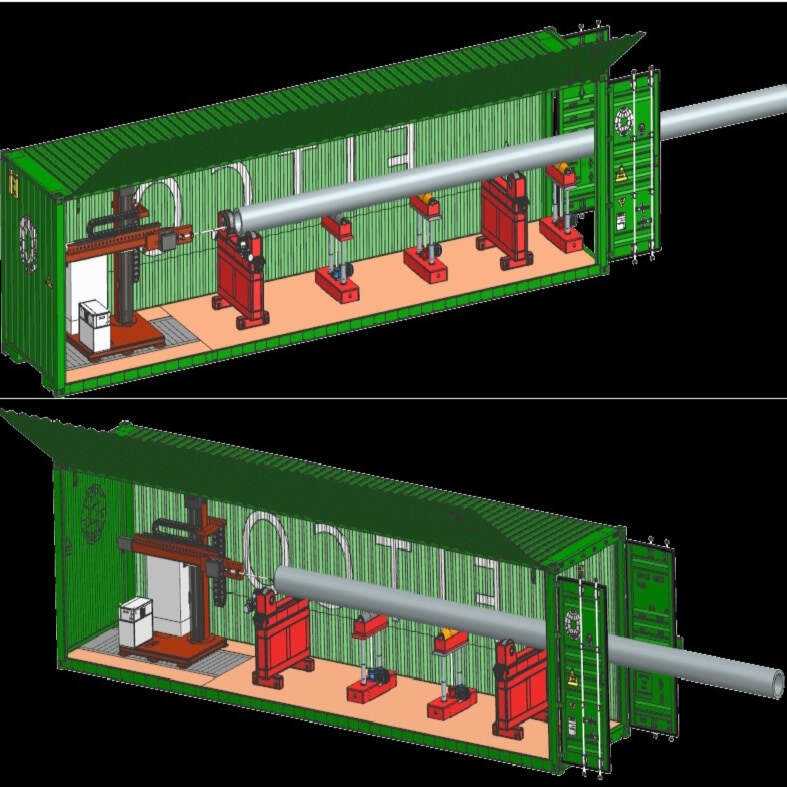
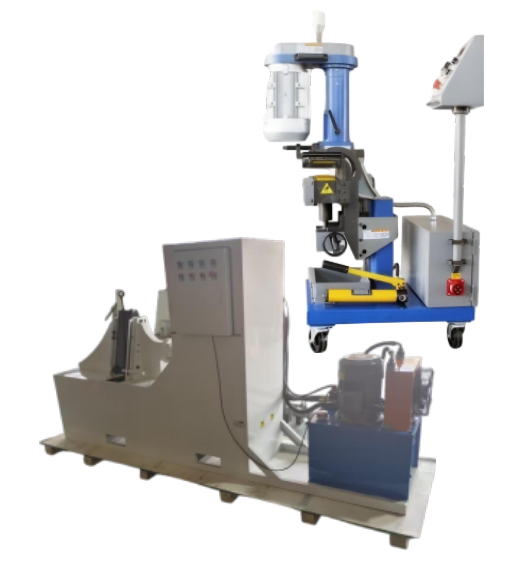
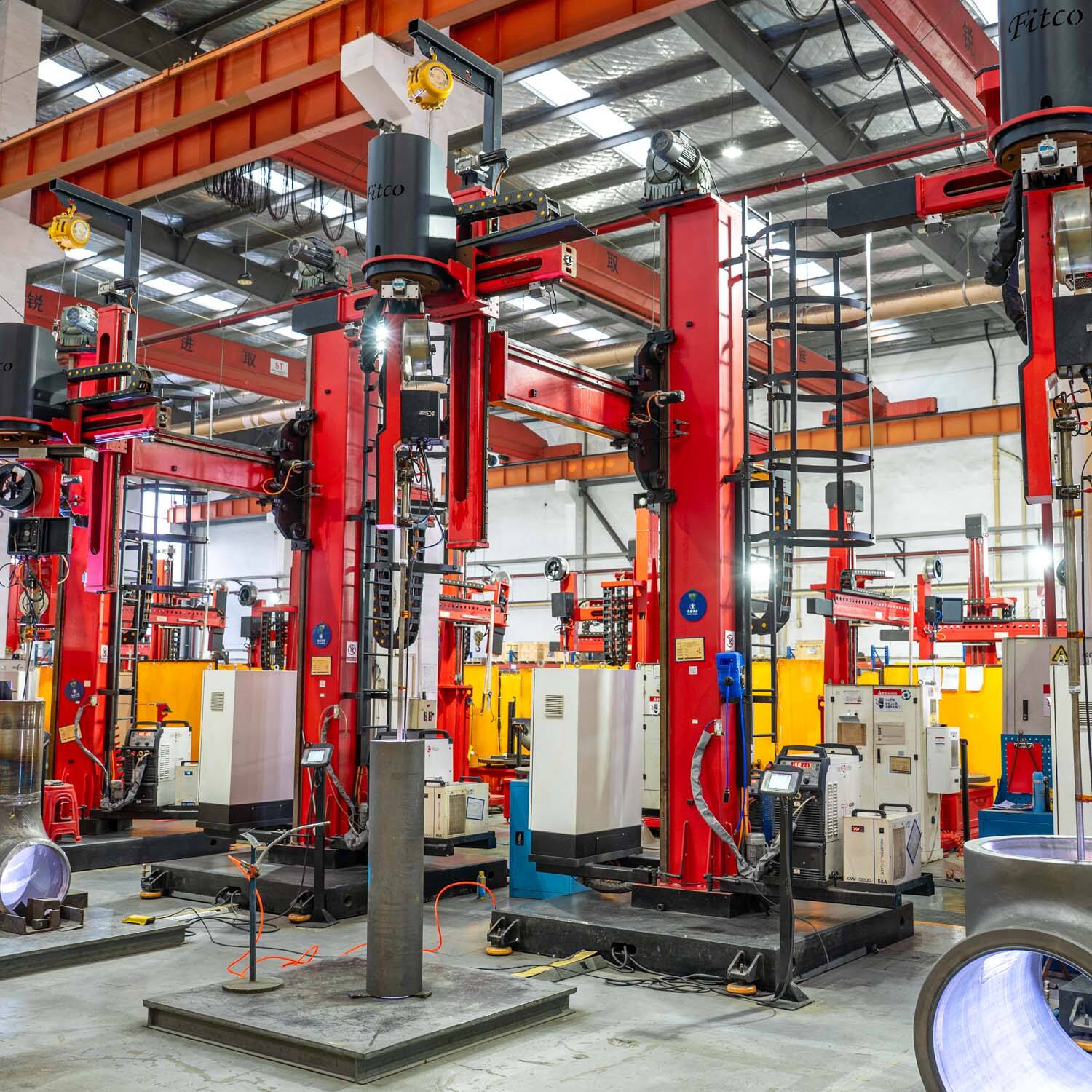
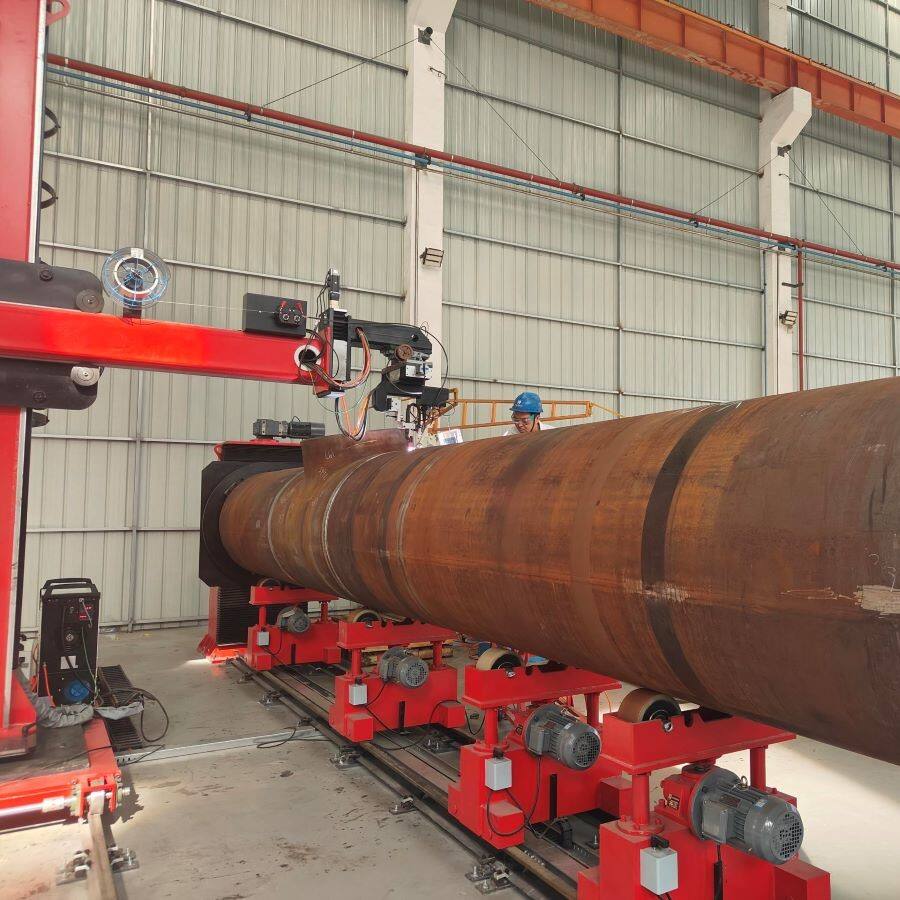
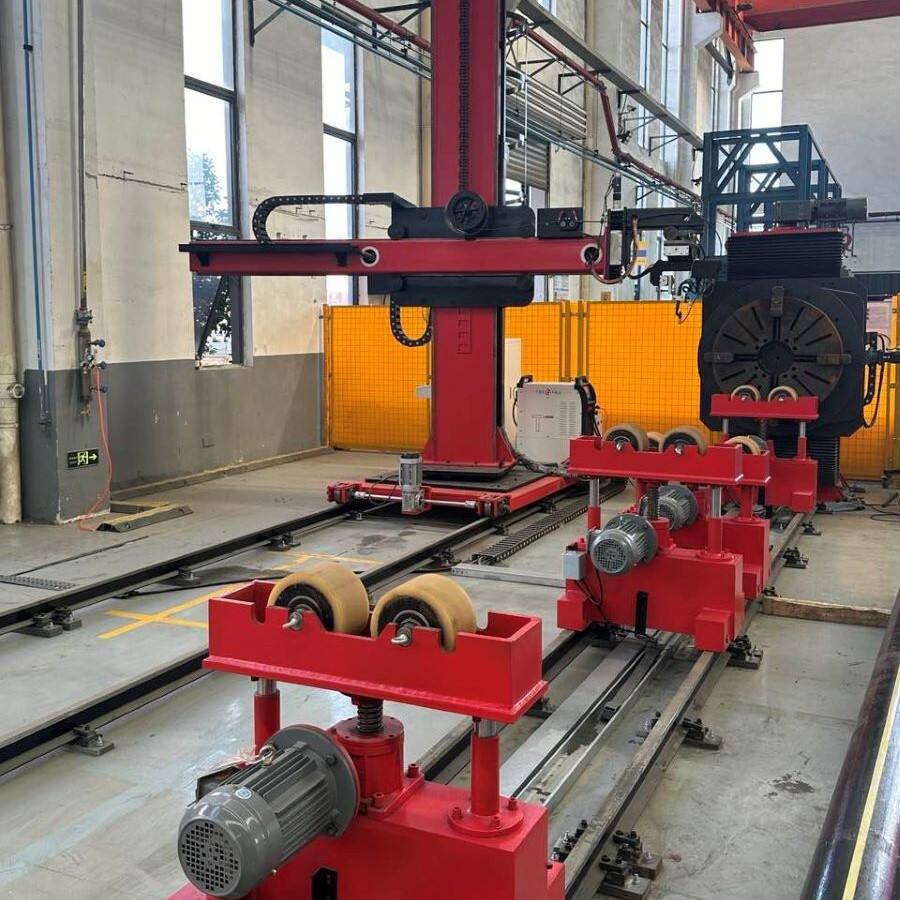
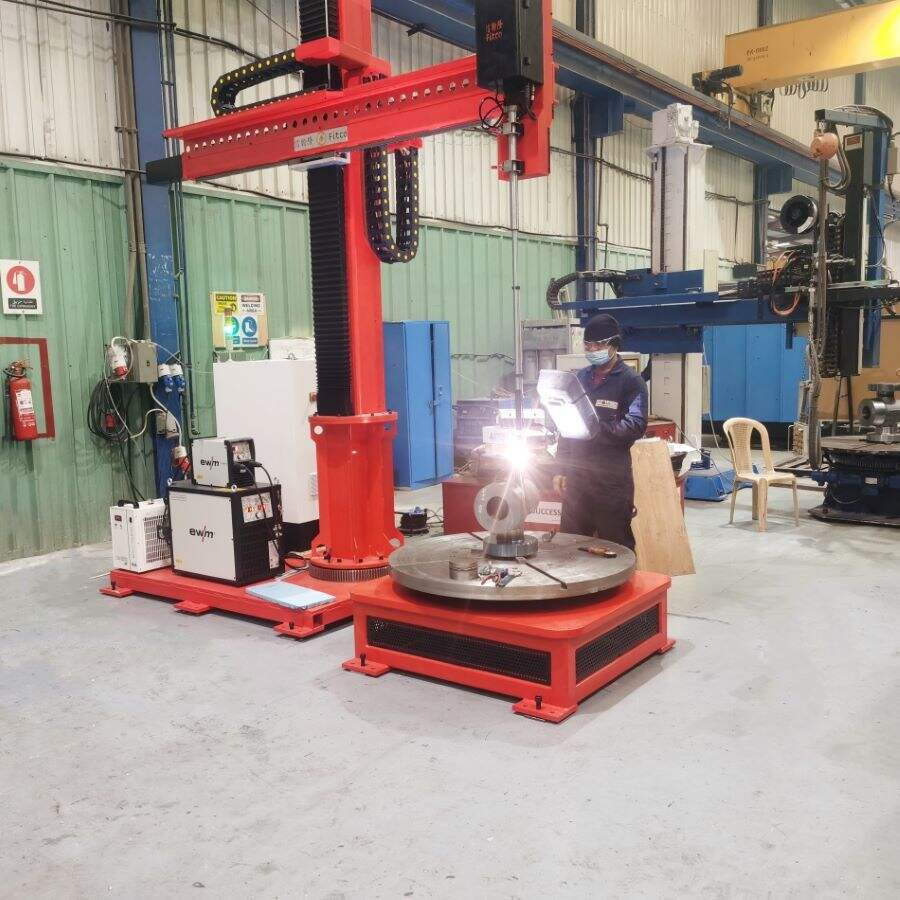
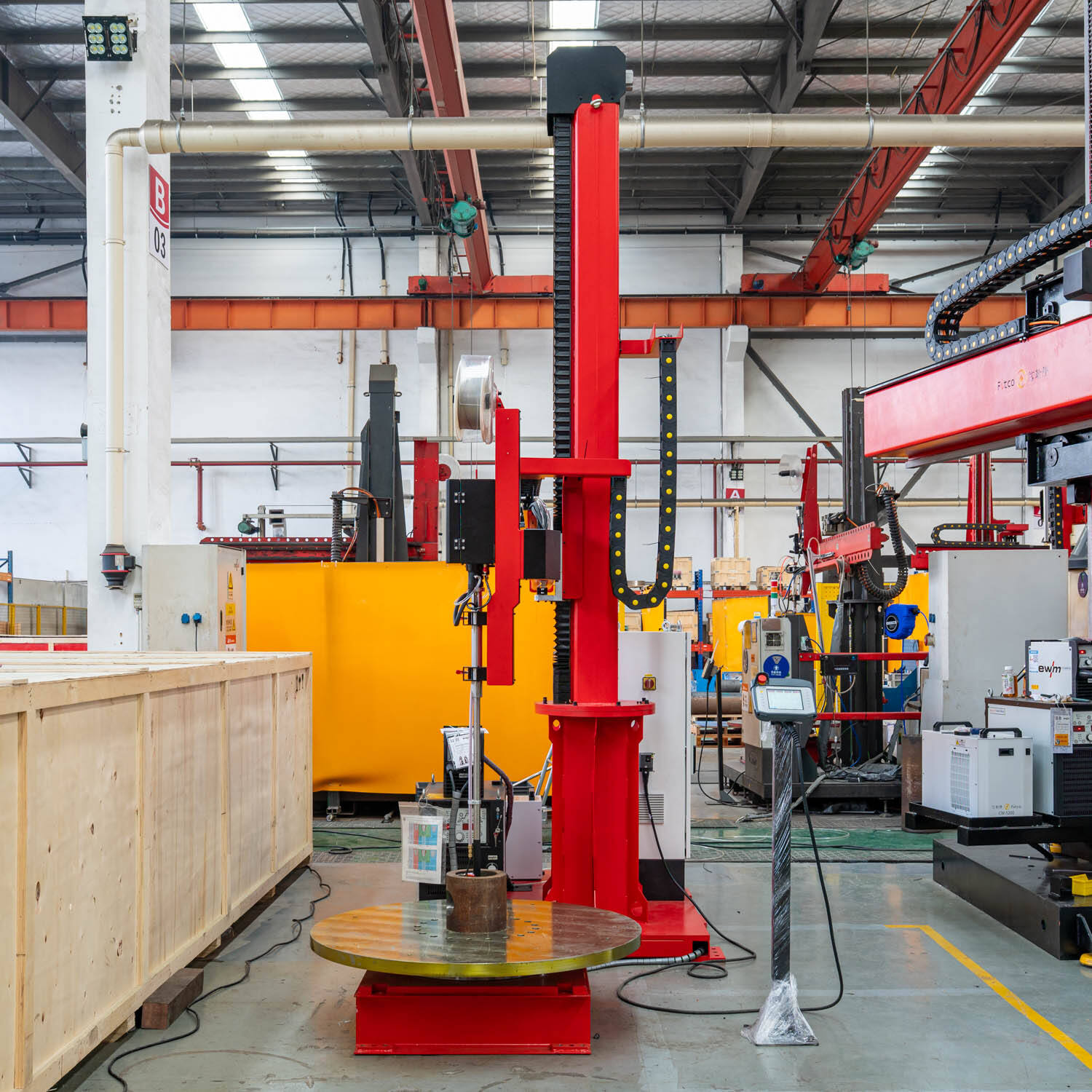
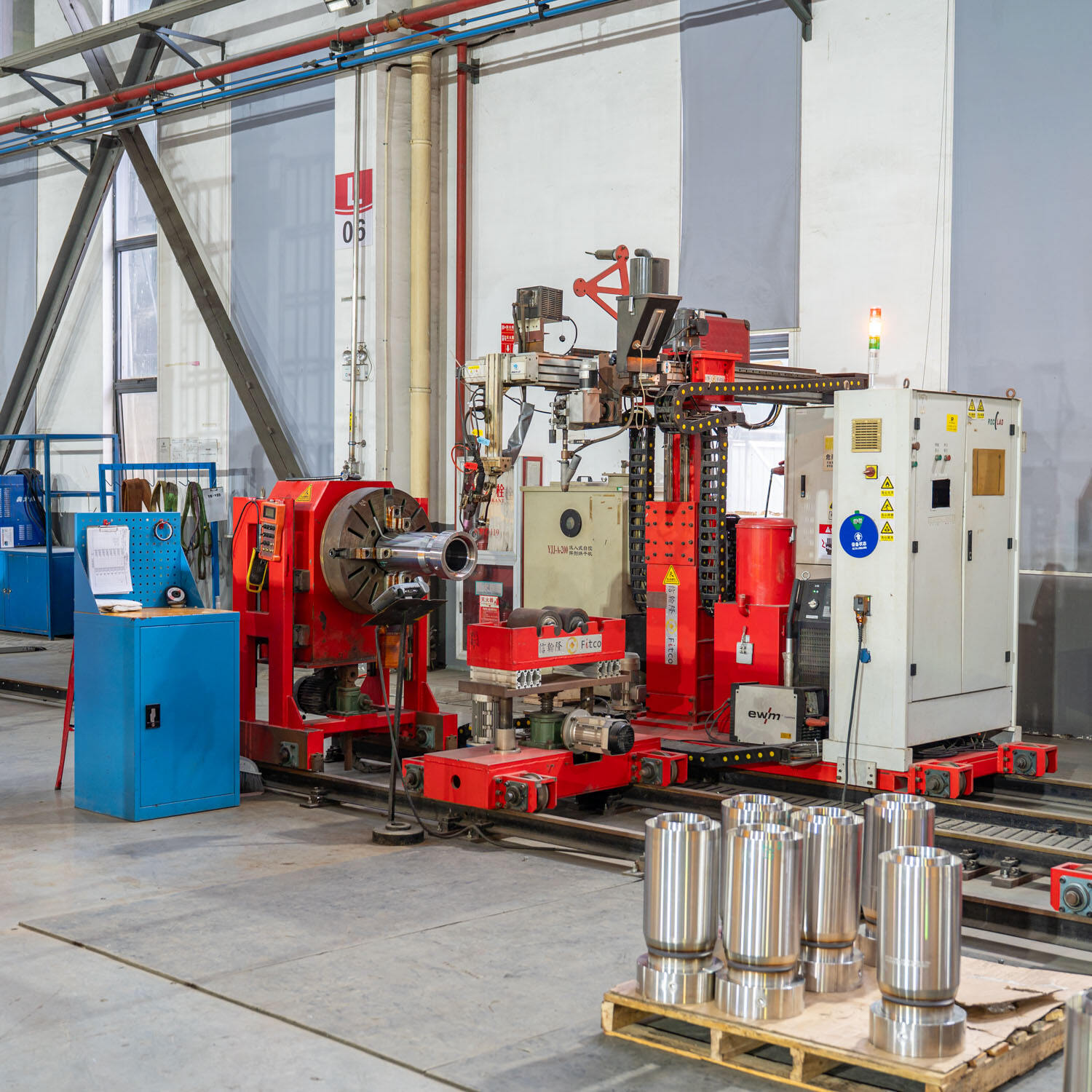
The weld overlay process represents a sophisticated metallurgical technique designed to enhance surface properties of base materials through the application of specialized welding methods. This advanced manufacturing approach involves depositing a layer of superior material onto existing components, creating a composite structure that combines the strength of the base metal with enhanced surface characteristics. The weld overlay process utilizes various welding technologies including submerged arc welding, gas tungsten arc welding, and plasma transferred arc welding to achieve precise material deposition. The primary functions of this process encompass corrosion resistance improvement, wear protection, dimensional restoration, and surface hardening applications. Technological features distinguish the weld overlay process through controlled heat input management, precise metallurgical bonding, and customizable layer thickness capabilities. The process enables manufacturers to select from diverse overlay materials including stainless steels, nickel-based alloys, chromium carbide compositions, and specialized hardfacing materials. Applications span multiple industries where component longevity and performance optimization remain critical factors. Power generation facilities employ the weld overlay process for boiler tubes, pressure vessels, and steam turbine components exposed to extreme operating conditions. Oil and gas operations utilize this technology for pipeline restoration, valve components, and drilling equipment subjected to corrosive environments. Mining and construction industries benefit from weld overlay applications on excavator buckets, crusher components, and heavy machinery parts experiencing severe abrasive conditions. The process demonstrates exceptional versatility in addressing diverse material challenges while maintaining cost-effectiveness compared to complete component replacement strategies.

Popular Products

The weld overlay process delivers substantial cost savings by extending component service life rather than requiring complete part replacement. Organizations achieve significant economic benefits through reduced downtime, minimized maintenance schedules, and optimized operational efficiency. This approach enables companies to restore worn components to original specifications while simultaneously upgrading surface properties beyond initial design parameters. The process eliminates the need for expensive material upgrades throughout entire components, allowing selective enhancement of critical wear surfaces only. Manufacturing flexibility represents another key advantage, as the weld overlay process accommodates both new component fabrication and field repair applications. Technicians can perform overlay operations in controlled workshop environments or directly at operational sites, providing unprecedented maintenance convenience. The process adapts to various component geometries, from simple flat surfaces to complex curved profiles, ensuring comprehensive coverage for diverse industrial applications. Quality control benefits emerge through precise material selection capabilities, enabling engineers to specify exact alloy compositions for specific service conditions. The weld overlay process produces metallurgically sound bonds that often exceed the strength of base materials, creating reliable long-term performance characteristics. Environmental advantages include reduced waste generation compared to complete component disposal and replacement cycles. The process supports sustainable manufacturing practices by extending existing asset lifecycles and minimizing raw material consumption. Performance enhancements achieved through the weld overlay process include superior corrosion resistance, improved wear characteristics, enhanced thermal properties, and increased fatigue strength. These improvements directly translate to reduced maintenance costs, extended service intervals, and improved operational reliability. The process enables customization of surface properties to match specific application requirements, providing tailored solutions for unique operating challenges. Implementation flexibility allows gradual adoption across maintenance programs, enabling organizations to develop expertise while managing investment costs effectively.

Latest News

The Role of overlay cladding in Refurbishing Heavy Machinery

16

Mar

The Role of overlay cladding in Refurbishing Heavy Machinery

Heavy machinery operates under extreme conditions, facing constant wear from abrasion, corrosion, and mechanical stress that gradually degrades critical components. When expensive equipment begins showing signs of deterioration, manufacturers and ope...
View More
How Do TIG Overlay Cladding Machines Improve Surface Durability?

22

Dec

How Do TIG Overlay Cladding Machines Improve Surface Durability?

Industrial surface protection has evolved significantly with the advent of advanced welding technologies, particularly in applications requiring exceptional durability and precision. TIG overlay cladding machines represent a revolutionary approach to...
View More
How to Maintain Heating Plates on a butt fusion welding machine

16

Mar

How to Maintain Heating Plates on a butt fusion welding machine

Proper maintenance of heating plates on a butt fusion welding machine is critical for achieving consistent, high-quality pipe joints and extending equipment lifespan. These heating plates serve as the primary heat transfer component that brings therm...
View More
Which Industries Benefit Most from Using a TIG Welder?

13

Jan

Which Industries Benefit Most from Using a TIG Welder?

TIG welding technology has revolutionized manufacturing and fabrication processes across numerous industries, offering unparalleled precision and quality in metal joining applications. The versatility of a TIG welder makes it an indispensable tool fo...
View More

Get a Free Quote

Our representative will contact you soon.
Email
Mobile/WhatsApp
Name
Company Name
Message
0/1000

weld overlay process

Superior Material Bonding Technology

Superior Material Bonding Technology

The weld overlay process achieves exceptional metallurgical bonding through advanced welding techniques that create molecular-level adhesion between overlay materials and base components. This sophisticated bonding mechanism ensures long-lasting performance under extreme operating conditions where traditional coating methods often fail. The process utilizes controlled thermal cycles that promote optimal diffusion zones, creating gradual transitions between dissimilar materials that eliminate stress concentration points commonly associated with mechanical attachment methods. Unlike surface treatments that rely on physical or chemical adhesion, the weld overlay process forms true metallurgical bonds that become integral parts of the component structure. This fundamental advantage translates to superior performance reliability, as the overlay material cannot delaminate or separate from the base metal during service. The bonding technology accommodates thermal expansion differences between materials, preventing interface failures that compromise other surface enhancement methods. Engineers can specify precise heat input parameters to optimize bonding characteristics for specific material combinations, ensuring maximum adhesion strength while minimizing base metal dilution. The process creates seamless transitions between overlay and base materials, eliminating potential failure points that occur with mechanical fastening systems. Quality assurance protocols verify bond integrity through non-destructive testing methods, providing confidence in long-term performance expectations. The superior bonding capability enables the weld overlay process to withstand severe mechanical stresses, thermal cycling, and corrosive environments that would compromise alternative surface treatment approaches. This technology advantage directly benefits customers through reduced maintenance requirements, extended service life, and improved operational reliability across diverse industrial applications.
Customizable Material Selection Flexibility

Customizable Material Selection Flexibility

The weld overlay process provides unparalleled material selection flexibility, enabling engineers to specify optimal alloy compositions for specific service conditions and performance requirements. This customization capability allows precise matching of overlay materials to operating environments, ensuring maximum component longevity and cost-effectiveness. Available material options include stainless steel alloys for corrosion resistance, nickel-based superalloys for high-temperature applications, chromium carbide compositions for extreme wear protection, and specialized hardfacing materials for abrasive service conditions. The process accommodates both standard commercial alloys and custom material formulations designed for unique application challenges. Material selection flexibility extends beyond alloy composition to include physical properties such as hardness, toughness, thermal conductivity, and expansion characteristics. Engineers can optimize these properties through controlled cooling rates, post-weld heat treatments, and multi-layer deposition strategies. The weld overlay process enables gradient material transitions, where overlay composition varies throughout thickness to achieve specific property profiles. This advanced capability allows surface hardness optimization while maintaining base metal toughness, creating components with superior performance characteristics. Material compatibility assessments ensure optimal selection for specific base metal combinations, preventing galvanic corrosion and thermal stress issues. The flexibility includes thickness customization, allowing engineers to specify exact overlay dimensions based on wear expectations and service life requirements. Quality control measures verify material properties through standardized testing procedures, ensuring consistency and reliability across production batches. This comprehensive material selection capability enables customers to achieve optimal component performance while minimizing lifecycle costs through precise material specification strategies.
Cost-Effective Asset Life Extension

Cost-Effective Asset Life Extension

The weld overlay process delivers exceptional economic value through comprehensive asset life extension strategies that significantly reduce total ownership costs compared to traditional replacement approaches. This cost-effectiveness stems from the ability to restore worn components to original specifications while simultaneously upgrading surface properties beyond initial design parameters. Organizations achieve substantial savings by avoiding complete component replacement costs, which often include expensive materials, manufacturing lead times, and installation expenses. The process enables selective enhancement of critical wear areas, eliminating the need for expensive material upgrades throughout entire components. Economic benefits multiply through reduced inventory requirements, as companies can maintain smaller spare parts stocks while extending existing component service life. The weld overlay process supports predictive maintenance strategies, allowing planned overlay applications during scheduled downtime rather than emergency replacement scenarios. This proactive approach minimizes production losses and reduces maintenance labor costs through efficient scheduling. Field application capabilities provide additional economic advantages by eliminating component removal and transportation expenses associated with workshop-based repairs. The process accommodates various component sizes and configurations, from small valve components to large pressure vessels, providing scalable cost benefits across diverse applications. Return on investment calculations consistently demonstrate superior economics compared to replacement alternatives, particularly for high-value components with extended lead times. The weld overlay process enables phased implementation strategies, allowing organizations to develop expertise gradually while realizing immediate cost benefits. Long-term economic advantages include reduced lifecycle costs, improved asset utilization rates, and enhanced operational efficiency through extended service intervals. These comprehensive cost benefits enable customers to optimize maintenance budgets while achieving superior component performance and reliability throughout extended service life cycles.

Get a Free Quote

Our representative will contact you soon.
Email
Mobile/WhatsApp
Name
Company Name
Message
0/1000