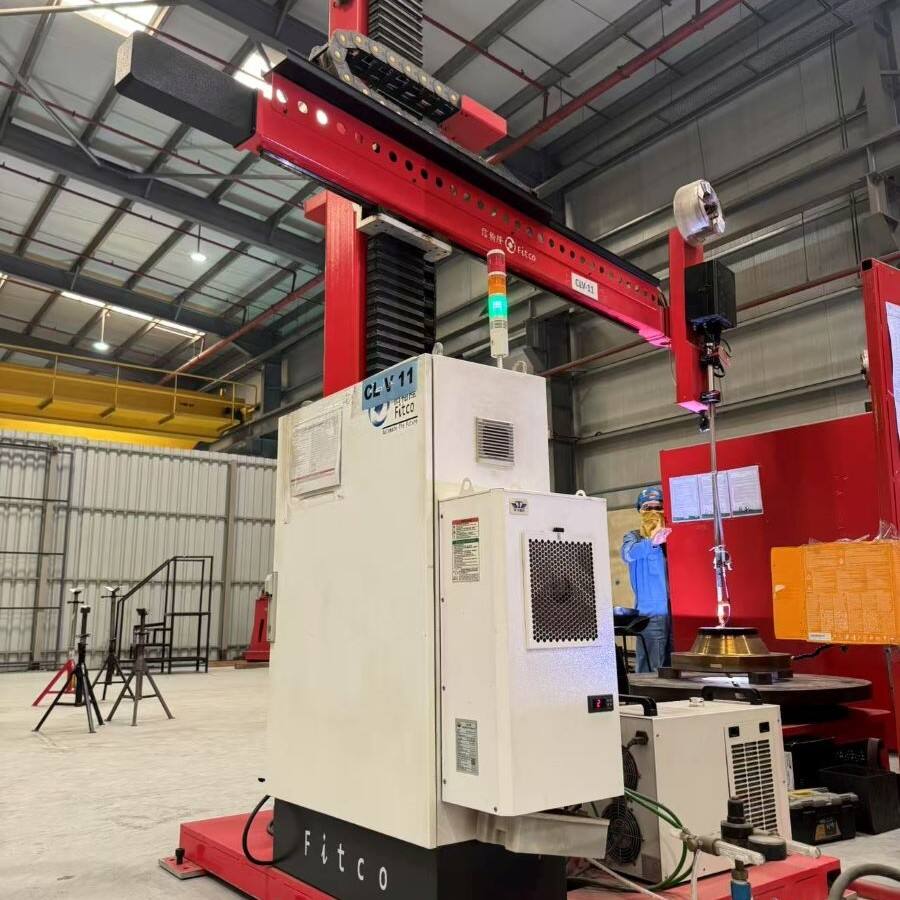
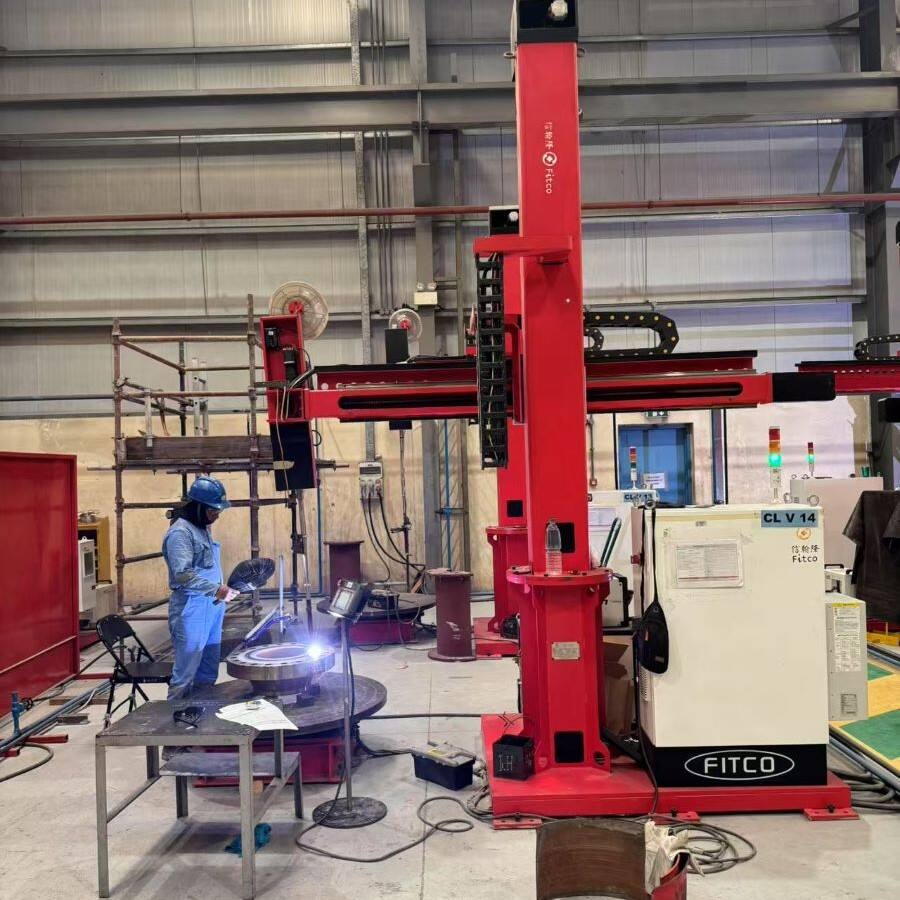
Professional Arc and TIG Welder - Dual Process Welding Machine with Advanced Inverter Technology

Contact me immediately if you encounter problems!

All Categories

Get a Free Quote

Our representative will contact you soon.
Email
Mobile/WhatsApp
Name
Company Name
Message
0/1000

Get a Free Quote

Our representative will contact you soon.
Email
Mobile/WhatsApp
Name
Company Name
Message
0/1000

arc and tig welder

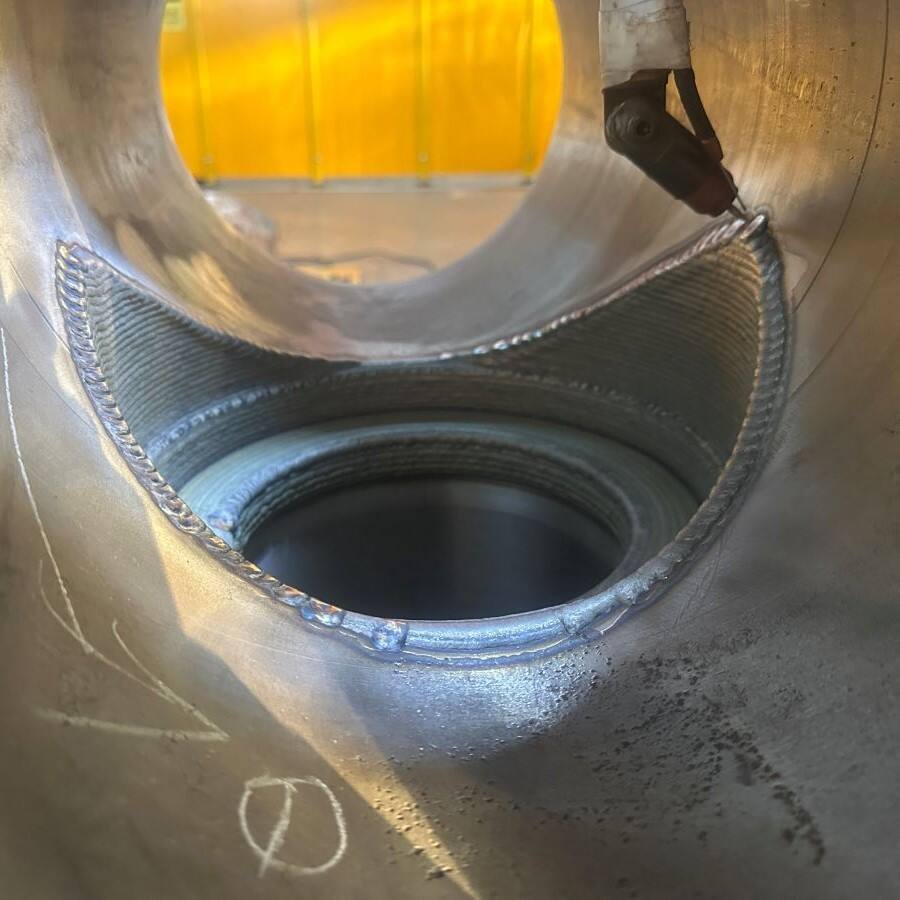
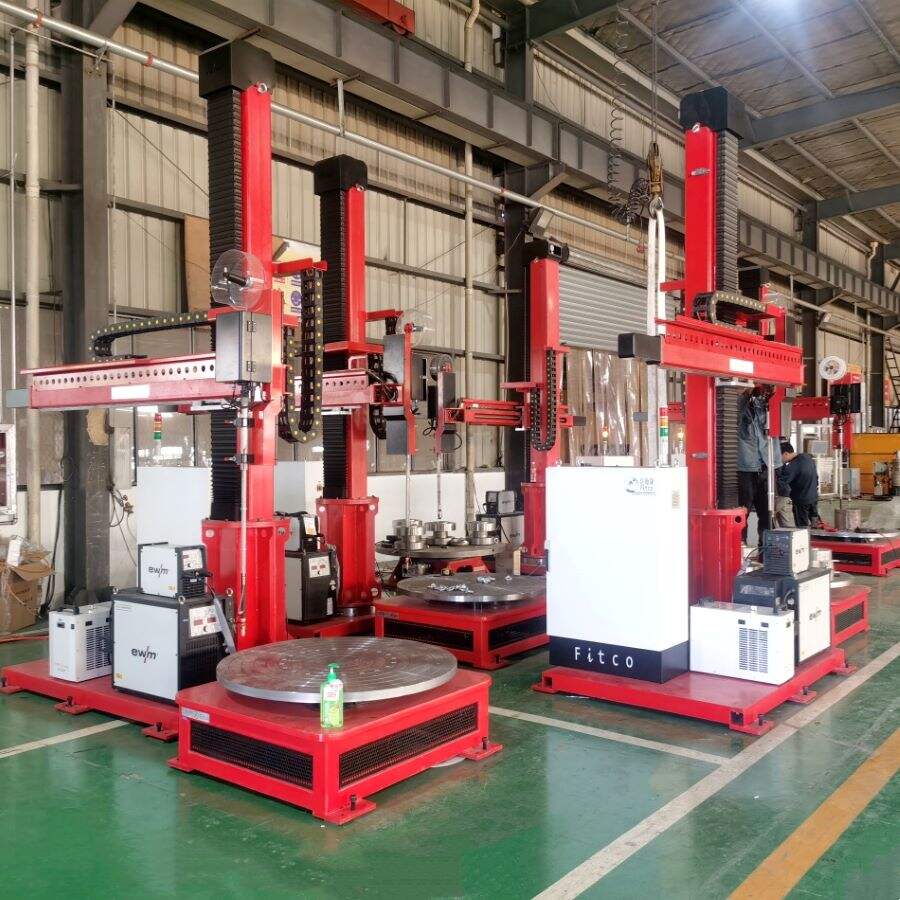
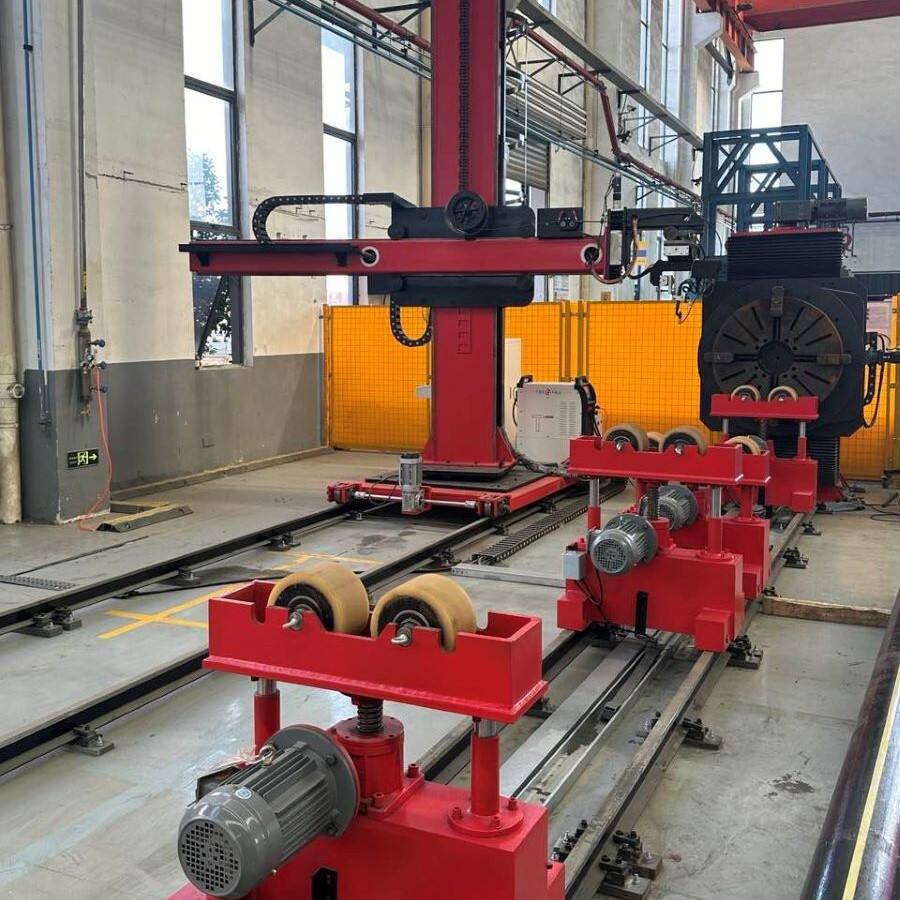
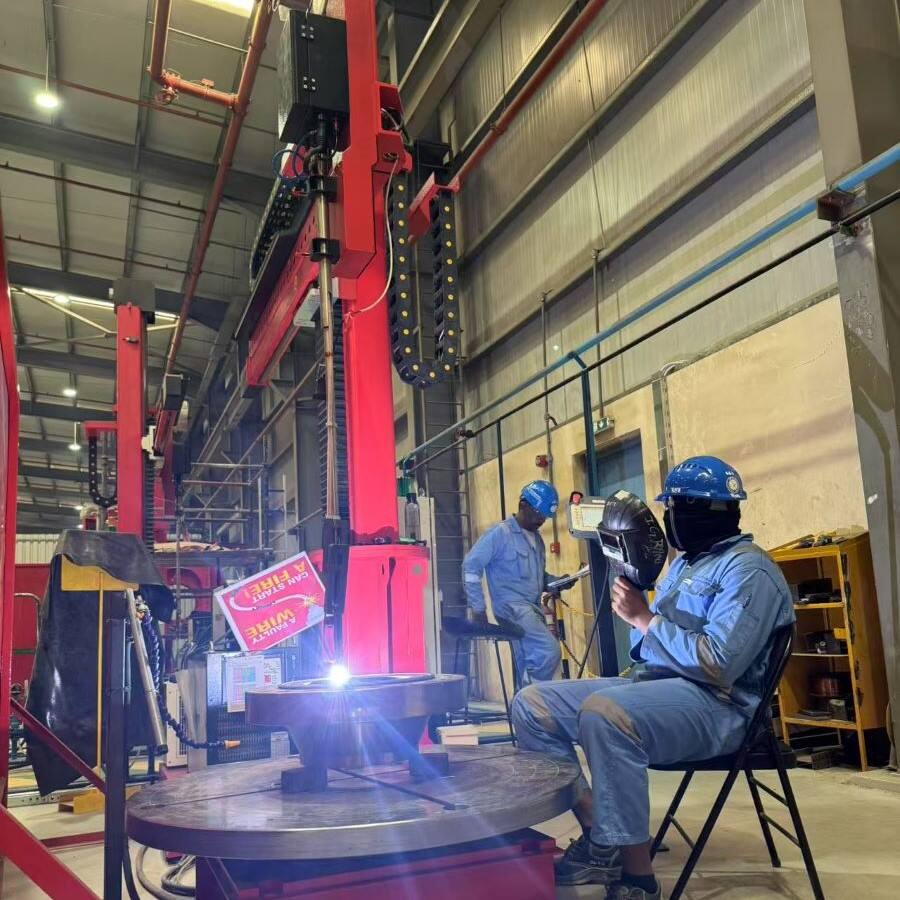
The arc and tig welder represents a sophisticated dual-functionality welding system that combines two essential welding processes into one versatile machine. This innovative equipment integrates Shielded Metal Arc Welding (SMAW) capabilities with Tungsten Inert Gas (TIG) welding technology, providing metalworkers with comprehensive solutions for diverse fabrication projects. The arc and tig welder operates through advanced inverter technology, delivering precise current control and exceptional arc stability across both welding modes. In arc welding mode, the machine utilizes consumable electrodes coated with flux to create strong, penetrating welds suitable for construction, repair work, and heavy-duty applications. The flux coating protects the weld pool from atmospheric contamination while providing additional alloying elements. When operating in TIG mode, the arc and tig welder employs a non-consumable tungsten electrode surrounded by inert gas, typically argon, to produce clean, precise welds with minimal spatter. This process excels in welding thin materials and achieving high-quality finishes on stainless steel, aluminum, and exotic alloys. The technological features of modern arc and tig welders include digital displays for precise parameter monitoring, programmable memory settings for repetitive tasks, and advanced thermal protection systems. Many units incorporate pulse welding capabilities, allowing operators to control heat input more effectively and reduce distortion in sensitive materials. The applications for arc and tig welders span multiple industries, from automotive and aerospace manufacturing to artistic metalwork and maintenance operations. Professional fabricators rely on these machines for pipeline construction, structural steelwork, and precision component manufacturing. Hobbyists and small shop owners appreciate the versatility of having both welding processes available in a single, space-efficient unit. The arc and tig welder's adaptability makes it indispensable for projects requiring different welding techniques, eliminating the need for multiple machines and reducing equipment costs while maximizing workspace efficiency.

New Product Recommendations

The arc and tig welder delivers exceptional versatility by combining two fundamental welding processes in one compact unit, eliminating the need for separate machines and significantly reducing equipment investment costs. This dual-capability design allows operators to tackle a broader range of projects without switching between different welding systems, saving valuable time and workspace. The advanced inverter technology in modern arc and tig welders provides superior energy efficiency compared to traditional transformer-based units, reducing electricity consumption by up to 40 percent while delivering consistent performance. Users benefit from lightweight, portable designs that make transportation between job sites effortless, with many units weighing 50 percent less than conventional welders of similar power ratings. The precise current control offered by arc and tig welders enables operators to work with materials ranging from thin sheet metal to thick structural steel, providing excellent penetration control and reducing the risk of burn-through on delicate workpieces. Digital interfaces on contemporary models display real-time welding parameters, allowing operators to monitor and adjust settings instantly for optimal results. The hot-start and anti-stick features in arc mode prevent electrode sticking and ensure smooth arc initiation, particularly beneficial for beginners and in challenging welding positions. Arc force control automatically adjusts output to maintain stable arcs even with inconsistent electrode manipulation, producing more consistent weld quality. In TIG mode, the arc and tig welder offers superior precision for critical applications, with pulse welding capabilities that reduce heat input and minimize distortion on heat-sensitive materials. The ability to weld aluminum, stainless steel, and exotic alloys expands the range of potential projects and increases earning opportunities for professional welders. Remote current control options allow operators to adjust amperage while welding, particularly useful for complex joints requiring varying heat input. The robust construction of quality arc and tig welders ensures reliable performance in demanding industrial environments, with thermal overload protection preventing damage from extended use. Many units feature memory settings that store frequently used parameters, improving productivity and consistency across repetitive welding tasks. The clean, spatter-free welds produced in TIG mode reduce post-weld cleanup time and material waste, while the deep penetration achieved in arc mode ensures strong, durable joints that meet stringent quality standards.

Latest News

The Essential Guide to Automated pipe cladding Solutions

16

Mar

The Essential Guide to Automated pipe cladding Solutions

Automated pipe cladding solutions represent a transformative advancement in industrial pipeline protection, offering enhanced precision, efficiency, and durability compared to traditional manual methods. This comprehensive guide explores the critical...
View More
Why igbt inverter welder Technology is the Industry Standard in 2026

16

Mar

Why igbt inverter welder Technology is the Industry Standard in 2026

The welding industry has undergone a transformative evolution, with igbt inverter welder technology emerging as the definitive standard for professional and industrial applications in 2026. This revolutionary advancement represents a fundamental shif...
View More
How Can a TIG Welder Deliver Cleaner Industrial Welds?

22

Dec

How Can a TIG Welder Deliver Cleaner Industrial Welds?

Industrial welding operations demand precision, reliability, and exceptional quality standards that can make or break critical infrastructure projects. Among the various welding technologies available today, tungsten inert gas welding stands out as a...
View More
How to Maintain Heating Plates on a butt fusion welding machine

16

Mar

How to Maintain Heating Plates on a butt fusion welding machine

Proper maintenance of heating plates on a butt fusion welding machine is critical for achieving consistent, high-quality pipe joints and extending equipment lifespan. These heating plates serve as the primary heat transfer component that brings therm...
View More

Get a Free Quote

Our representative will contact you soon.
Email
Mobile/WhatsApp
Name
Company Name
Message
0/1000

arc and tig welder

Advanced Inverter Technology for Superior Performance

Advanced Inverter Technology for Superior Performance

The heart of every modern arc and tig welder lies in its sophisticated inverter technology, which revolutionizes traditional welding performance through precise electronic control and enhanced efficiency. Unlike conventional transformer-based welding machines, the inverter system in an arc and tig welder converts incoming AC power to high-frequency AC before stepping down the voltage, resulting in dramatically improved arc stability and control. This advanced technology enables the machine to respond instantaneously to changes in arc length and welding conditions, automatically adjusting output parameters to maintain optimal performance. The inverter design significantly reduces the overall weight and size of the arc and tig welder while increasing power density, making these units up to 70 percent lighter than comparable transformer welders. The high-frequency switching capability allows for superior current control, with some models offering adjustment increments as fine as one ampere, enabling precise heat input management crucial for thin-gauge materials and critical applications. The inverter technology also provides exceptional power factor correction, reducing strain on electrical systems and minimizing voltage fluctuations that can affect weld quality. Advanced microprocessor control systems monitor and adjust welding parameters thousands of times per second, ensuring consistent arc characteristics regardless of input voltage variations or operator technique inconsistencies. The thermal efficiency of inverter-based arc and tig welders approaches 90 percent, compared to 50-60 percent for traditional units, translating to lower operating costs and reduced heat generation in work environments. The technology enables sophisticated features like slope-up and slope-down control in TIG mode, allowing operators to gradually increase or decrease current at the beginning and end of welds, preventing crater formation and improving overall weld appearance. Memory functions store optimal settings for different materials and thicknesses, while digital displays provide real-time feedback on voltage, amperage, and duty cycle information, enhancing operator awareness and process control.
Dual-Process Versatility for Maximum Efficiency

Dual-Process Versatility for Maximum Efficiency

The exceptional dual-process capability of an arc and tig welder transforms workshop efficiency by consolidating two essential welding methods into a single, comprehensive solution that adapts to virtually any metalworking challenge. This versatility eliminates the traditional limitation of single-process machines, allowing operators to seamlessly transition between arc welding for heavy-duty applications and TIG welding for precision work without equipment changes or workspace reorganization. The arc welding functionality excels in construction, maintenance, and repair applications where speed and penetration are priorities, utilizing consumable electrodes that deposit filler material while creating the weld joint. The robust nature of arc welding makes it ideal for outdoor work, thick materials, and situations where wind or contamination might compromise gas-shielded processes. Conversely, the TIG welding capability provides unmatched precision and cleanliness for applications requiring superior aesthetics, minimal heat-affected zones, and exceptional control over the welding process. The ability to weld exotic materials like titanium, magnesium, and specialized alloys positions the arc and tig welder as an indispensable tool in aerospace, medical device manufacturing, and high-end fabrication work. The economic advantages of this dual functionality extend beyond initial equipment cost savings, encompassing reduced training requirements, simplified maintenance schedules, and decreased spare parts inventory. Operators become proficient in both processes using familiar controls and interfaces, accelerating skill development and improving job site flexibility. The space efficiency achieved by combining both processes benefits small shops and mobile operations where workspace is at a premium, while the consistent power source design ensures optimal performance across both welding modes. Project versatility increases exponentially when operators can select the most appropriate welding process for each joint or material combination, optimizing quality, speed, and cost-effectiveness. The arc and tig welder's adaptability proves particularly valuable in repair and maintenance scenarios where the welding process must match existing joint configurations and material properties, ensuring structural integrity and longevity of repaired components.

Professional-Grade Precision and Control Features

Professional-Grade Precision and Control Features

The sophisticated control systems integrated into modern arc and tig welders deliver professional-grade precision that transforms welding from a skill-dependent craft into a highly controllable manufacturing process, ensuring consistent, high-quality results regardless of operator experience level. Advanced parameter control begins with precise current adjustment capabilities, often featuring infinite variability within the machine's range rather than stepped increments, allowing operators to fine-tune heat input for optimal penetration and minimal distortion. The incorporation of pulse welding technology in TIG mode represents a quantum leap in process control, enabling operators to alternate between high peak current for penetration and low background current for cooling, effectively managing heat input while maintaining arc stability. This pulsing action proves invaluable when welding heat-sensitive materials, preventing warpage and maintaining material properties in critical applications like aerospace components and thin-wall tubing. Remote current control capabilities extend operator flexibility by allowing real-time amperage adjustment during welding, particularly beneficial for complex joints requiring varying heat input along the weld path or when welding from awkward positions where access to machine controls is limited. The arc and tig welder's advanced arc starting systems eliminate the frustration and material waste associated with poor arc initiation, featuring high-frequency start in TIG mode that prevents tungsten contamination and lift-arc start options that avoid high-frequency interference in sensitive electronic environments. Sophisticated slope control functions allow gradual current ramping at weld initiation and termination, preventing crater formation and ensuring smooth tie-ins with existing welds, while programmable pre-flow and post-flow gas timing optimizes shielding gas coverage for various joint configurations and positions. Digital displays provide comprehensive real-time information including actual voltage, amperage, gas flow rates, and duty cycle data, enabling operators to monitor process parameters and make informed adjustments for optimal results. Memory storage capabilities allow operators to save proven parameter combinations for specific materials and applications, ensuring reproducible results across production runs while reducing setup time and operator error, making the arc and tig welder an essential tool for quality-critical manufacturing environments.

Get a Free Quote

Our representative will contact you soon.
Email
Mobile/WhatsApp
Name
Company Name
Message
0/1000