Professional Arc TIG Welder - Advanced Precision Welding Equipment for Superior Results

Contact me immediately if you encounter problems!

All Categories

Get a Free Quote

Our representative will contact you soon.
Email
Mobile/WhatsApp
Name
Company Name
Message
0/1000

Get a Free Quote

Our representative will contact you soon.
Email
Mobile/WhatsApp
Name
Company Name
Message
0/1000

arc tig welder

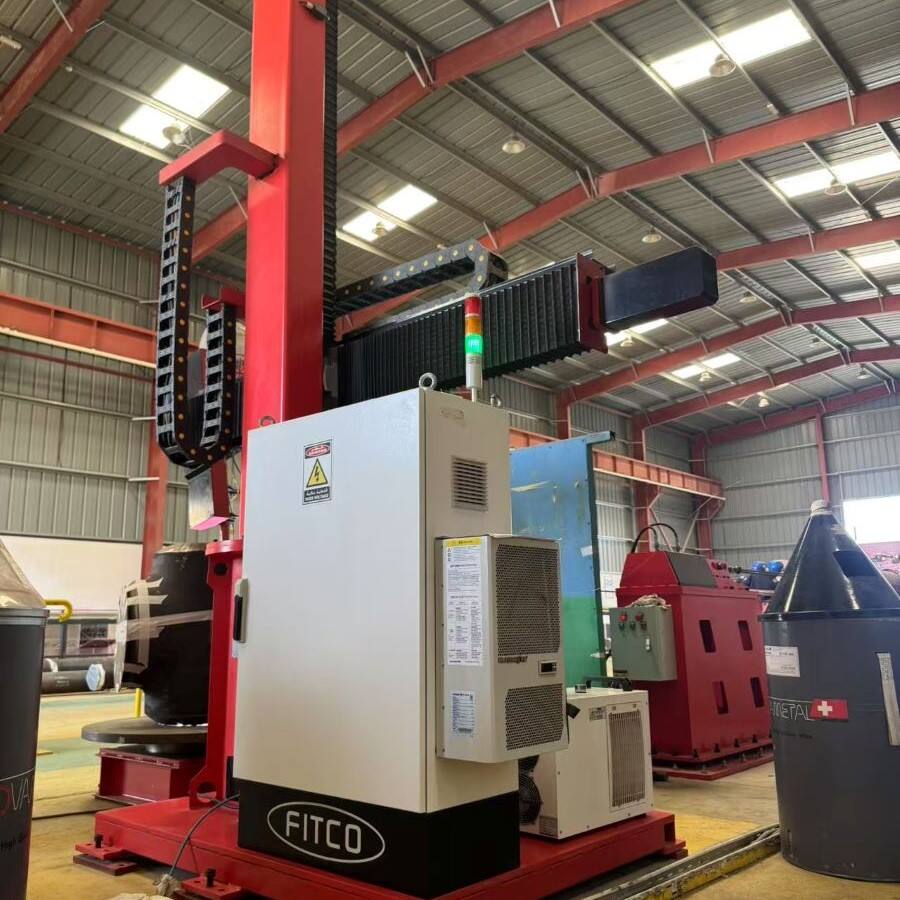
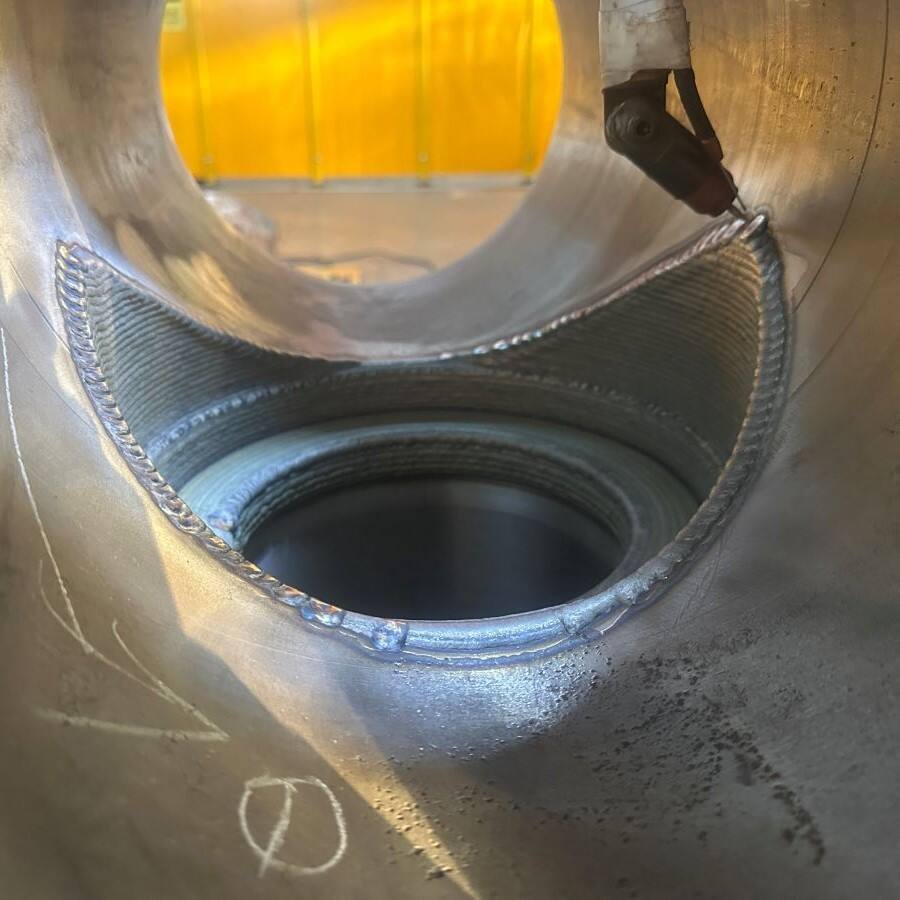
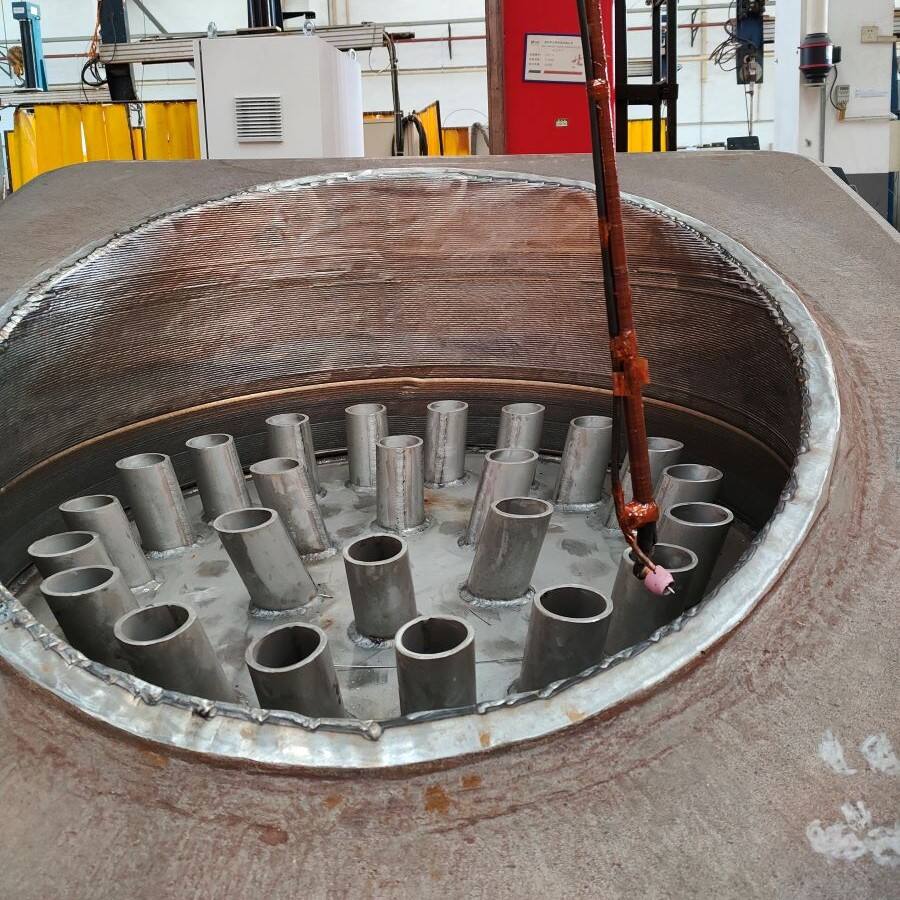
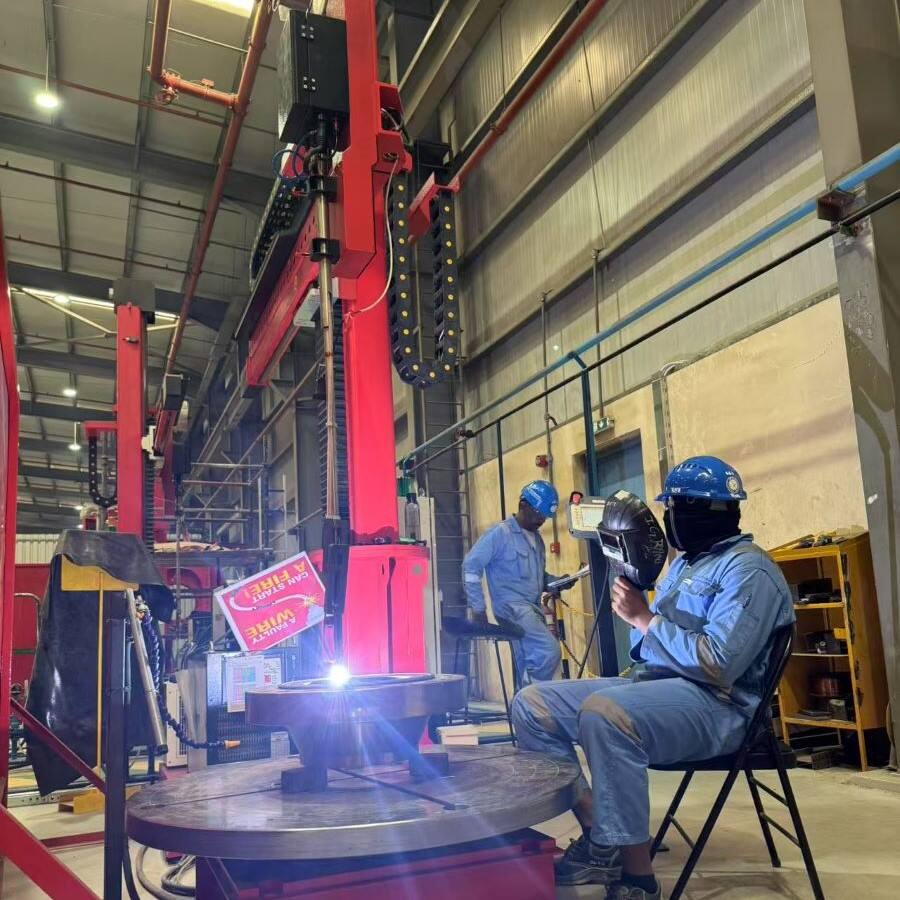
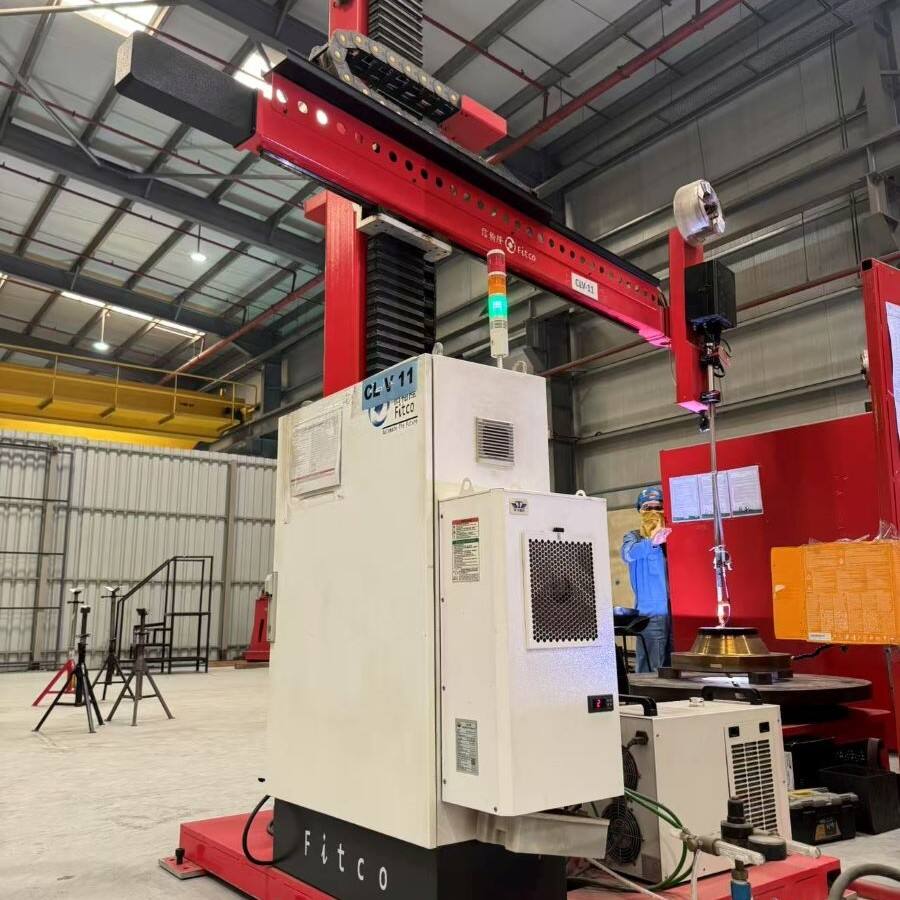
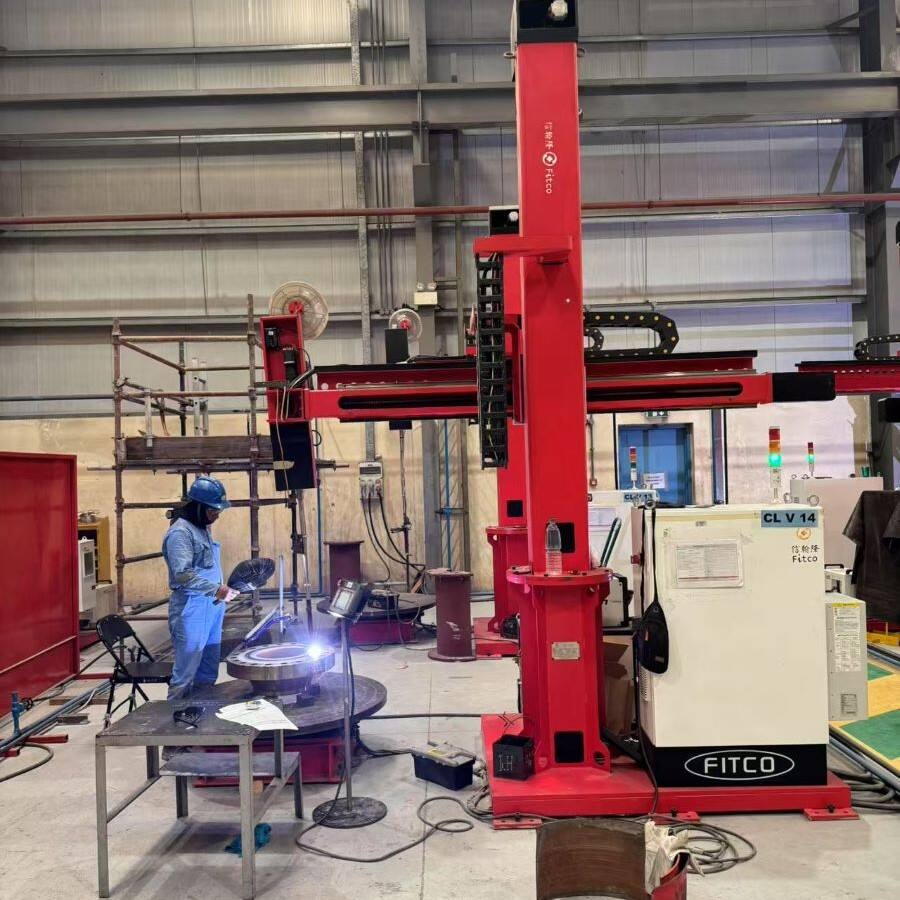
The arc tig welder represents a pinnacle of precision welding technology, combining tungsten inert gas capabilities with advanced arc control systems to deliver exceptional results across diverse metalworking applications. This sophisticated welding equipment utilizes a non-consumable tungsten electrode to create precise, high-quality welds on various materials including stainless steel, aluminum, copper, and exotic alloys. The arc tig welder operates by establishing a stable electric arc between the tungsten electrode and the workpiece, while an inert gas shield protects the weld zone from atmospheric contamination. This process ensures superior weld quality with minimal spatter and excellent penetration control. The technological features of modern arc tig welder systems include digital inverter technology that provides stable arc characteristics, adjustable pulse frequency settings for optimal heat input management, and advanced current control mechanisms that enable both AC and DC welding modes. Many arc tig welder models incorporate slope controls for smooth arc initiation and termination, reducing the risk of crater cracks and ensuring consistent weld profiles. The equipment features precise amperage adjustment capabilities, allowing operators to fine-tune welding parameters for specific material thicknesses and joint configurations. Remote control functionality enhances operator convenience and safety, particularly in challenging welding positions. The arc tig welder excels in applications requiring exceptional weld quality and aesthetic appearance, making it indispensable in aerospace manufacturing, food processing equipment fabrication, pharmaceutical industry components, and artistic metalwork. Professional fabricators rely on arc tig welder technology for critical structural components where weld integrity cannot be compromised. The versatility of the arc tig welder extends to pipe welding, sheet metal fabrication, and repair work on precision machinery, demonstrating its adaptability across multiple industries and project requirements.

New Product Recommendations

The arc tig welder delivers exceptional precision that transforms welding operations from basic joining processes into refined craftsmanship. This welding system produces extremely clean welds with minimal post-weld cleanup requirements, saving significant time and labor costs in production environments. The precise heat control offered by arc tig welder technology prevents material distortion, particularly crucial when working with thin materials or heat-sensitive alloys. Operators experience enhanced control over the welding process, enabling them to create consistent, high-strength joints that meet stringent quality standards. The arc tig welder generates virtually no spatter during operation, eliminating the need for extensive post-weld grinding and finishing work that typically accompanies other welding methods. This characteristic significantly reduces consumable costs and improves overall project economics. The superior arc stability provided by modern arc tig welder systems ensures reliable performance even in challenging environmental conditions, making it suitable for both shop and field applications. The equipment offers excellent penetration control, allowing welders to achieve full penetration without burn-through on critical components. The versatility of arc tig welder technology enables operators to work effectively on dissimilar metals, opening opportunities for complex fabrication projects that require joining different material types. The low heat input characteristics of the arc tig welder minimize the heat-affected zone, preserving material properties adjacent to the weld area. This feature proves particularly valuable when working with pre-machined components or assemblies requiring dimensional accuracy. The arc tig welder produces welds with excellent corrosion resistance properties, making it ideal for applications in marine environments, chemical processing facilities, and food service industries. The equipment operates with reduced noise levels compared to other welding processes, creating more comfortable working conditions for operators and reducing workplace noise pollution. The energy efficiency of modern arc tig welder systems translates to lower operating costs and reduced environmental impact, aligning with contemporary sustainability initiatives. The precise control capabilities enable operators to achieve consistent results regardless of skill level variations, improving overall productivity and reducing rejection rates in manufacturing operations.

Tips And Tricks

Common welding machine Faults and How to Troubleshoot Them

16

Mar

Common welding machine Faults and How to Troubleshoot Them

Welding machine malfunctions can halt production lines, compromise weld quality, and create costly downtime in industrial operations. Understanding common faults and their troubleshooting methods is essential for maintaining consistent welding perfor...
View More
Understanding the Duty Cycle of Your Heavy-Duty arc welding machine

16

Mar

Understanding the Duty Cycle of Your Heavy-Duty arc welding machine

The duty cycle of an arc welding machine represents one of the most critical specifications that determines its operational capabilities and longevity in heavy-duty industrial applications. This measurement defines how long your arc welding machine c...
View More
Why igbt inverter welder Technology is the Industry Standard in 2026

16

Mar

Why igbt inverter welder Technology is the Industry Standard in 2026

The welding industry has undergone a transformative evolution, with igbt inverter welder technology emerging as the definitive standard for professional and industrial applications in 2026. This revolutionary advancement represents a fundamental shif...
View More
How to Calibrate Your mig welding equipment for Pulse Welding

16

Mar

How to Calibrate Your mig welding equipment for Pulse Welding

Calibrating mig welding equipment for pulse welding requires precise adjustments to achieve optimal arc characteristics and weld quality. This specialized process involves fine-tuning multiple parameters including pulse frequency, peak current, backg...
View More

Get a Free Quote

Our representative will contact you soon.
Email
Mobile/WhatsApp
Name
Company Name
Message
0/1000

arc tig welder

Advanced Digital Inverter Technology for Superior Arc Performance

Advanced Digital Inverter Technology for Superior Arc Performance

The heart of every premium arc tig welder lies in its sophisticated digital inverter technology, which revolutionizes traditional welding power delivery systems through advanced electronic control mechanisms. This cutting-edge technology transforms incoming AC power into precisely controlled DC output, enabling the arc tig welder to maintain exceptional arc stability across varying load conditions and input voltage fluctuations. The digital inverter system within the arc tig welder continuously monitors arc characteristics and automatically adjusts power delivery to maintain optimal welding parameters, ensuring consistent performance regardless of external variables. This technological advancement eliminates the arc wandering and instability issues commonly associated with conventional welding power sources, providing operators with predictable and repeatable results. The inverter technology reduces the physical size and weight of the arc tig welder significantly compared to traditional transformer-based systems, enhancing portability without compromising performance capabilities. The high-frequency switching characteristics of the inverter design enable rapid response to operator input changes, allowing for precise control of heat input and penetration depth. This responsiveness proves particularly valuable when welding varying material thicknesses within a single project or when transitioning between different joint configurations. The digital control interface of the arc tig welder provides intuitive parameter adjustment capabilities, enabling operators to fine-tune welding characteristics to match specific application requirements. The inverter technology incorporates advanced protection systems that safeguard both the equipment and operator from electrical faults, overcurrent conditions, and thermal overload situations. These protective features extend the service life of the arc tig welder while maintaining safe operating conditions in demanding industrial environments. The energy efficiency gains achieved through inverter technology translate to substantial cost savings over the equipment lifecycle, with typical efficiency ratings exceeding conventional systems by significant margins. The precise waveform control capabilities enabled by digital inverter technology allow the arc tig welder to optimize arc characteristics for different materials and applications, maximizing weld quality while minimizing heat input requirements.
Comprehensive AC/DC Welding Capabilities for Maximum Material Versatility

Comprehensive AC/DC Welding Capabilities for Maximum Material Versatility

The dual-mode AC/DC capability of professional arc tig welder systems represents a fundamental advantage that dramatically expands material compatibility and application versatility for welding operations. This sophisticated functionality enables the arc tig welder to seamlessly transition between direct current welding for ferrous materials and alternating current welding for aluminum and magnesium alloys, eliminating the need for multiple specialized welding systems. The DC welding mode of the arc tig welder provides deep penetration characteristics ideal for steel, stainless steel, and titanium applications, where strong root fusion and consistent penetration depth are critical for structural integrity. The positive electrode polarity in DC mode concentrates heat at the workpiece, enabling efficient welding of thicker sections while maintaining precise control over heat input. Conversely, the AC welding capability of the arc tig welder incorporates specialized cleaning action that removes oxide layers from aluminum surfaces, ensuring proper fusion and eliminating contamination issues that plague other welding processes. The alternating current cycles between electrode positive and electrode negative phases, with the positive half-cycle providing oxide cleaning action while the negative half-cycle delivers efficient heat input for fusion. Advanced arc tig welder systems offer adjustable AC balance control, allowing operators to optimize the cleaning action versus penetration characteristics based on specific aluminum alloy compositions and thickness requirements. This precise control over AC characteristics enables the arc tig welder to handle everything from thin aluminum sheet fabrication to heavy structural aluminum welding with equal proficiency. The frequency adjustment capabilities found in premium arc tig welder models allow operators to modify the AC waveform characteristics, providing narrow, focused arcs for precision work or broader arcs for increased travel speeds on production welding tasks. The ability to switch between AC and DC modes instantly makes the arc tig welder incredibly valuable in mixed-material fabrication projects, where operators encounter various alloy types within a single assembly. The consistent arc characteristics maintained across both welding modes ensure that operators can achieve uniform quality results regardless of the selected welding current type, reducing the learning curve associated with material transitions.
Precision Pulse Control System for Enhanced Heat Management

Precision Pulse Control System for Enhanced Heat Management

The sophisticated pulse control system integrated into advanced arc tig welder designs provides unparalleled heat input management capabilities that revolutionize welding operations on heat-sensitive materials and challenging joint configurations. This innovative feature allows the arc tig welder to alternate between high peak current pulses and lower background current levels, creating a controlled heating and cooling cycle that prevents excessive heat buildup in the base material. The pulse functionality of the arc tig welder enables operators to maintain optimal arc characteristics while significantly reducing overall heat input, making it possible to weld thin materials without burn-through or distortion issues. The adjustable pulse frequency settings available in professional arc tig welder systems range from low frequencies suitable for thick material welding to high frequencies ideal for sheet metal applications, providing operators with precise control over heat distribution patterns. The peak current settings in the pulse mode determine the maximum penetration and fusion characteristics, while the background current maintains arc stability during the cooling portion of each pulse cycle. This sophisticated control over thermal cycling enables the arc tig welder to produce exceptional results on materials that would be impossible to weld effectively using conventional constant current techniques. The pulse control system also enhances operator comfort and reduces fatigue during extended welding sessions by providing natural pause points that allow hand repositioning and improved torch manipulation. The visual feedback provided by the pulsing arc assists operators in maintaining consistent travel speeds and proper torch positioning, particularly valuable for less experienced welders developing their technique. Advanced arc tig welder pulse systems incorporate synchronized wire feed capabilities for applications requiring filler metal addition, ensuring optimal timing between pulse peaks and wire insertion for superior fusion characteristics. The pulse parameters can be programmed and stored in memory banks within sophisticated arc tig welder control systems, enabling rapid setup for recurring applications and ensuring consistent results across multiple operators. The energy efficiency benefits of pulse welding extend equipment duty cycles and reduce cooling requirements, enabling continuous operation in demanding production environments. The pulse control system proves particularly valuable when welding in out-of-position applications, where heat control becomes critical for preventing excessive penetration or inadequate fusion in overhead or vertical welding scenarios.

Get a Free Quote

Our representative will contact you soon.
Email
Mobile/WhatsApp
Name
Company Name
Message
0/1000