Professional Conduit Stands - Durable Cable Management Support Systems

Contact me immediately if you encounter problems!

All Categories

Get a Free Quote

Our representative will contact you soon.
Email
Mobile/WhatsApp
Name
Company Name
Message
0/1000

Get a Free Quote

Our representative will contact you soon.
Email
Mobile/WhatsApp
Name
Company Name
Message
0/1000

conduit stands

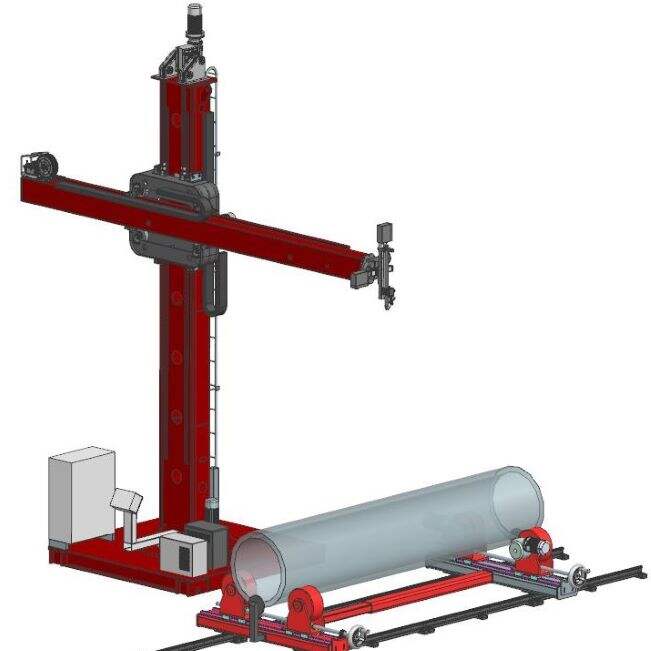
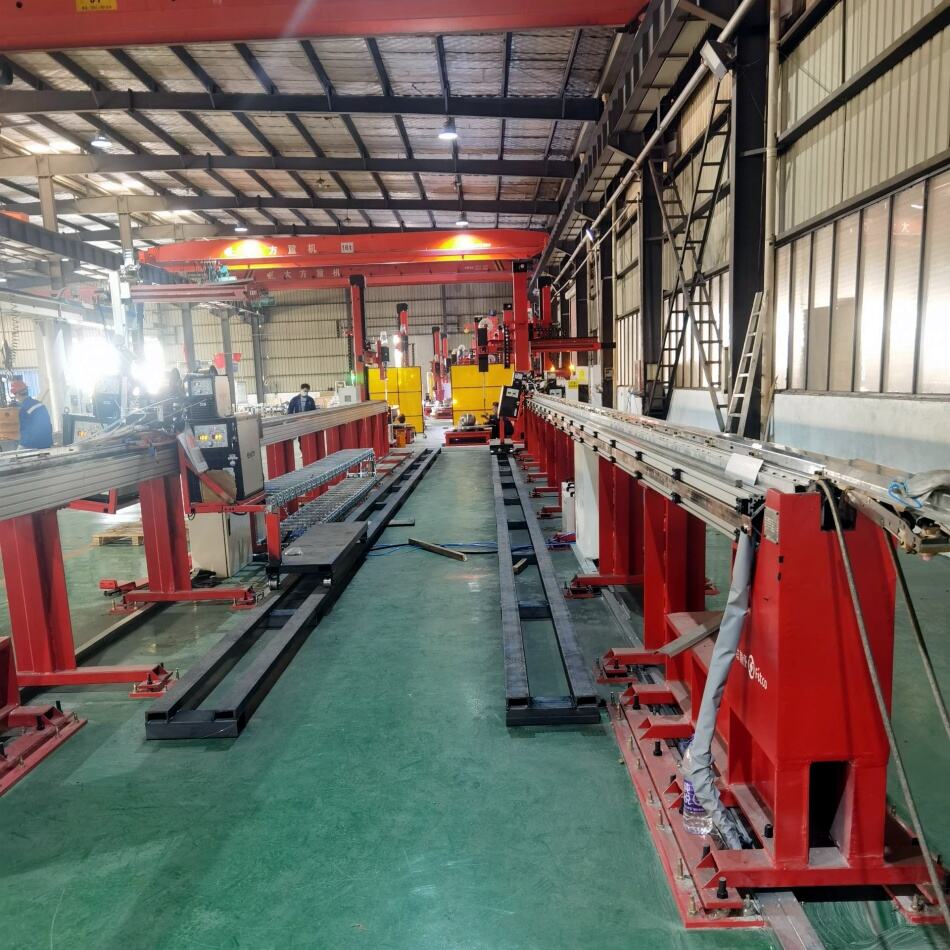
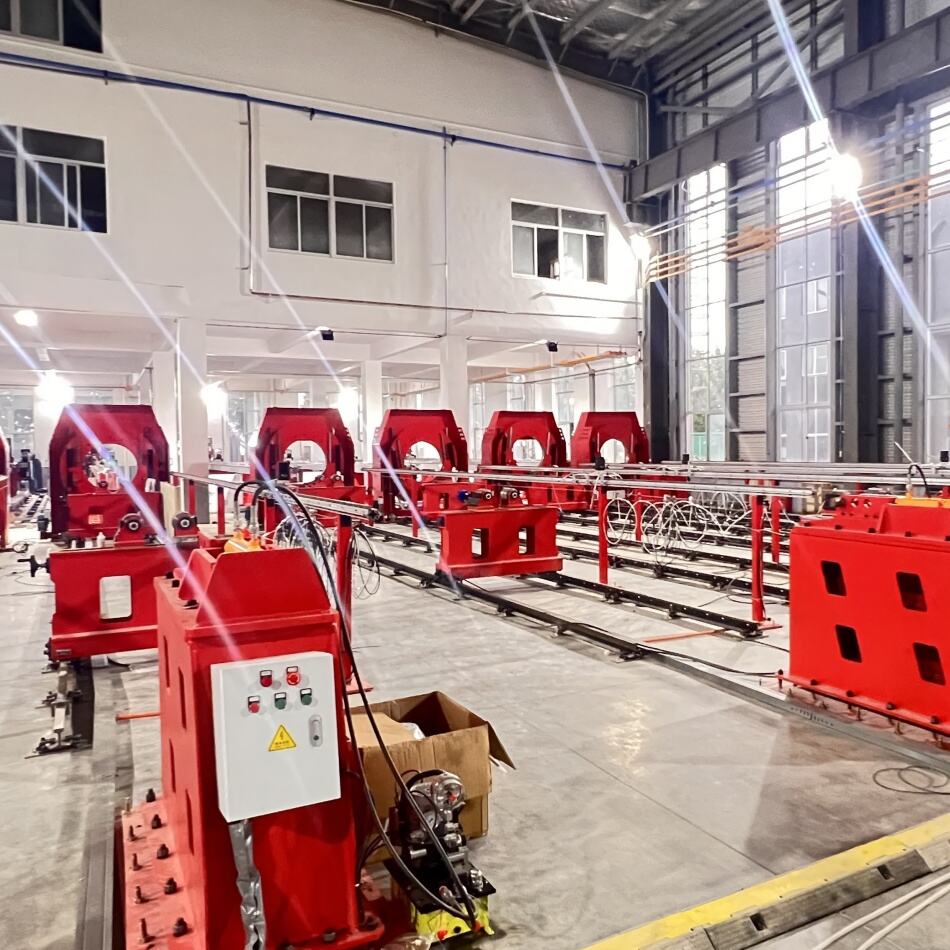
Conduit stands represent essential infrastructure support systems designed to elevate and secure electrical conduits, piping systems, and cable management installations across various industrial and commercial environments. These robust mounting solutions serve as the backbone for organized electrical distribution networks, ensuring proper spacing, alignment, and accessibility for maintenance operations. The primary function of conduit stands involves creating stable platforms that maintain conduits at predetermined heights while preventing sagging, vibration, and potential damage from environmental factors. Modern conduit stands incorporate advanced engineering principles to accommodate multiple conduit sizes simultaneously, featuring adjustable mounting brackets and modular configurations that adapt to diverse installation requirements. The technological framework of these systems includes corrosion-resistant materials, typically galvanized steel or aluminum alloys, engineered to withstand harsh environmental conditions including extreme temperatures, moisture, and chemical exposure. Contemporary conduit stands utilize precision-manufactured components with standardized mounting interfaces that ensure compatibility across different electrical systems and building codes. The structural design emphasizes load distribution capabilities, allowing single stands to support substantial weight while maintaining dimensional stability over extended periods. Applications for conduit stands span numerous sectors including manufacturing facilities, data centers, power generation plants, commercial buildings, and infrastructure projects where organized cable management proves critical for operational efficiency. Installation flexibility represents another key technological feature, with many conduit stands offering height adjustability and horizontal positioning options that accommodate varying ceiling heights and spatial constraints. The modular nature of modern conduit stands enables scalable installations that grow with expanding electrical infrastructure needs, making them invaluable for facilities planning future expansions or modifications to their electrical systems.

New Products

The implementation of conduit stands delivers substantial operational benefits that directly impact facility efficiency and long-term maintenance costs. These support systems dramatically reduce installation time by providing pre-engineered mounting solutions that eliminate the need for custom fabrication or complex structural modifications. Workers can position and secure conduit stands quickly using standard tools and hardware, significantly accelerating project timelines and reducing labor expenses. The standardized design approach ensures consistent installation quality across large projects, minimizing human error and ensuring compliance with electrical codes and safety regulations. Conduit stands offer exceptional durability that translates into reduced maintenance requirements and extended service life for electrical infrastructure. The robust construction materials resist environmental degradation, preventing costly replacements and minimizing system downtime that could disrupt business operations. This reliability proves particularly valuable in critical applications where electrical system failures result in significant financial losses or safety hazards. The organizational benefits provided by conduit stands cannot be overstated, as these systems create clean, accessible cable runs that simplify troubleshooting and modification procedures. Maintenance technicians can easily identify and access specific circuits without navigating through tangled cable masses or removing multiple components to reach problem areas. This accessibility reduces service call duration and enables faster problem resolution, ultimately improving overall system reliability. Cost effectiveness emerges as another major advantage, with conduit stands offering superior value compared to custom mounting solutions or temporary support methods. The initial investment in quality conduit stands pays dividends through reduced installation labor, decreased maintenance costs, and improved system longevity. Facilities managers appreciate the predictable performance characteristics and standardized replacement procedures that simplify budgeting and procurement processes. Safety improvements represent perhaps the most critical advantage, as properly supported conduits eliminate hanging cable hazards and reduce the risk of electrical failures caused by physical stress or environmental exposure. The secure mounting prevents accidental contact with live conductors while ensuring adequate clearances for safe operation and maintenance access. Additionally, conduit stands accommodate future system expansions without requiring complete reinstallation, providing flexibility that protects long-term infrastructure investments while adapting to evolving operational requirements.

Practical Tips

Can MIG Welding Equipment Increase Precision in Automotive Repairs?

27

Nov

Can MIG Welding Equipment Increase Precision in Automotive Repairs?

The automotive repair industry demands exceptional precision and quality, especially when working on critical structural components and body panels. Modern repair shops are increasingly turning to advanced welding technologies to meet these stringent...
View More
How Can Longitudinal TIG Equipment Improve Weld Uniformity?

13

Jan

How Can Longitudinal TIG Equipment Improve Weld Uniformity?

Achieving consistent weld quality across extended seams remains one of the most challenging aspects of modern fabrication. Manufacturing industries demand precision welding solutions that deliver uniform penetration, minimal distortion, and reliable ...
View More
Which Materials Weld Best with Longitudinal TIG Equipment?

13

Jan

Which Materials Weld Best with Longitudinal TIG Equipment?

Manufacturing industries increasingly rely on advanced welding technologies to achieve superior joint quality and production efficiency. Among the various welding methods available, longitudinal TIG equipment has emerged as a critical solution for ap...
View More
Why Are Pressure-Vessel Plants Using Circumferential TIG Systems?

13

Jan

Why Are Pressure-Vessel Plants Using Circumferential TIG Systems?

The pressure vessel manufacturing industry has witnessed a significant shift toward advanced welding technologies, with circumferential TIG systems emerging as the preferred solution for critical applications. These sophisticated welding systems deli...
View More

Get a Free Quote

Our representative will contact you soon.
Email
Mobile/WhatsApp
Name
Company Name
Message
0/1000

conduit stands

Superior Load-Bearing Capacity and Structural Integrity

Superior Load-Bearing Capacity and Structural Integrity

The exceptional structural performance of conduit stands stems from their engineered design that maximizes load distribution while minimizing material usage and installation complexity. These support systems utilize advanced metallurgical principles to achieve optimal strength-to-weight ratios, enabling single units to support multiple large-diameter conduits without compromising stability or safety margins. The load-bearing capacity typically ranges from several hundred to over a thousand pounds, depending on the specific model and configuration, making them suitable for the most demanding industrial applications. The structural integrity derives from precision-manufactured base plates that distribute concentrated loads across larger foundation areas, preventing localized stress concentrations that could lead to mounting failures or structural damage to supporting surfaces. Engineering analysis ensures that conduit stands maintain their dimensional accuracy under maximum rated loads while providing adequate safety factors for dynamic loading conditions such as thermal expansion, vibration, and wind loads in outdoor installations. The modular construction approach allows for custom load configurations by combining multiple stands or extending support spans using intermediate mounting points, providing flexibility that accommodates unique installation requirements without compromising structural performance. Quality control processes verify that each conduit stand meets or exceeds specified load ratings through rigorous testing procedures that simulate real-world operating conditions including temperature cycling, corrosive environments, and sustained loading over extended periods. This commitment to structural excellence ensures that facilities can depend on consistent performance throughout the service life of their electrical infrastructure. The robust construction materials, typically hot-dip galvanized steel or marine-grade aluminum, provide exceptional resistance to environmental degradation while maintaining structural properties under adverse conditions. Advanced coating technologies further enhance corrosion resistance, extending service life and reducing long-term maintenance requirements that could otherwise impact operational efficiency and total cost of ownership.
Versatile Mounting Configurations and Installation Flexibility

Versatile Mounting Configurations and Installation Flexibility

Modern conduit stands excel in providing unprecedented installation flexibility through innovative mounting systems that accommodate diverse spatial constraints and varying infrastructure requirements. The adjustable height mechanisms allow precise positioning of conduits at optimal elevations for maintenance access while ensuring adequate clearances from other building systems and equipment. This vertical adjustability typically spans several feet of range, enabling installers to achieve perfect alignment with existing electrical panels, junction boxes, and distribution equipment without costly modifications to building structures. Horizontal positioning capabilities further enhance installation flexibility by allowing fine adjustments that compensate for dimensional variations in building construction or accommodate specific routing requirements dictated by architectural constraints. The universal mounting interfaces support various conduit types and sizes simultaneously, eliminating the need for multiple specialized support systems and simplifying inventory management for electrical contractors and facility managers. Quick-release mechanisms enable rapid reconfiguration when facility modifications require changes to electrical layouts, protecting the investment in support infrastructure while adapting to evolving operational needs. The modular design philosophy extends beyond individual stands to encompass complete support systems that can be expanded or reconfigured as electrical infrastructure grows or changes over time. Standardized connection methods ensure compatibility between different generations of conduit stands, allowing facilities to upgrade selectively while maintaining system coherence and performance standards. Installation procedures require only basic tools and standard hardware, enabling electrical contractors to complete installations efficiently without specialized equipment or extensive training programs. The self-aligning features built into many conduit stands reduce installation errors and ensure proper orientation for optimal performance, while integrated cable management accessories streamline the complete installation process. This flexibility proves invaluable in retrofit applications where existing building constraints limit mounting options, as conduit stands can be configured to work around obstacles and integrate seamlessly with established electrical infrastructure.
Enhanced Safety Features and Code Compliance Assurance

Enhanced Safety Features and Code Compliance Assurance

The comprehensive safety features incorporated into modern conduit stands establish industry-leading standards for electrical infrastructure protection while ensuring full compliance with relevant building codes and safety regulations. These safety systems begin with secure mounting mechanisms that prevent accidental displacement or loosening under normal operating conditions, utilizing locking hardware and anti-vibration designs that maintain connection integrity throughout the service life of the installation. The structural design incorporates multiple fail-safe mechanisms that ensure continued support even if individual components experience wear or damage, providing redundancy that protects against catastrophic failures that could endanger personnel or damage expensive electrical equipment. Electrical safety features include built-in grounding provisions that establish reliable electrical continuity throughout the support system, preventing dangerous potential differences that could create shock hazards or interfere with protective device operation. The non-conductive mounting options available for specific applications provide additional protection in sensitive environments where electrical isolation proves critical for safe operation. Fire safety considerations influence material selection and design details, with many conduit stands incorporating fire-resistant coatings or utilizing inherently non-combustible materials that support overall building fire protection strategies. The compliance assurance extends beyond basic safety requirements to encompass accessibility standards that facilitate maintenance operations while protecting worker safety during routine service procedures. Proper spacing and clearance specifications built into conduit stand designs ensure compliance with National Electrical Code requirements while providing adequate working space for safe maintenance activities. The standardized mounting methods and hardware specifications align with recognized industry standards, simplifying inspection procedures and ensuring acceptance by electrical inspectors and safety officials. Documentation provided with conduit stands includes detailed installation instructions, load rating certifications, and compliance statements that support permit applications and inspection processes. Regular safety audits and quality assessments verify that manufacturing processes maintain consistent safety performance across all product variations and configurations, providing assurance that safety features remain effective throughout the product lifecycle.

Get a Free Quote

Our representative will contact you soon.
Email
Mobile/WhatsApp
Name
Company Name
Message
0/1000