
 EN
EN
 AR
AR BG
BG HR
HR CS
CS DA
DA NL
NL FI
FI FR
FR DE
DE EL
EL HI
HI IT
IT JA
JA KO
KO NO
NO PL
PL PT
PT RO
RO RU
RU ES
ES SV
SV TL
TL IW
IW ID
ID LT
LT UK
UK SQ
SQ HU
HU TH
TH TR
TR FA
FA AF
AF CY
CY MK
MK LA
LA MN
MN KK
KK UZ
UZ KY
KY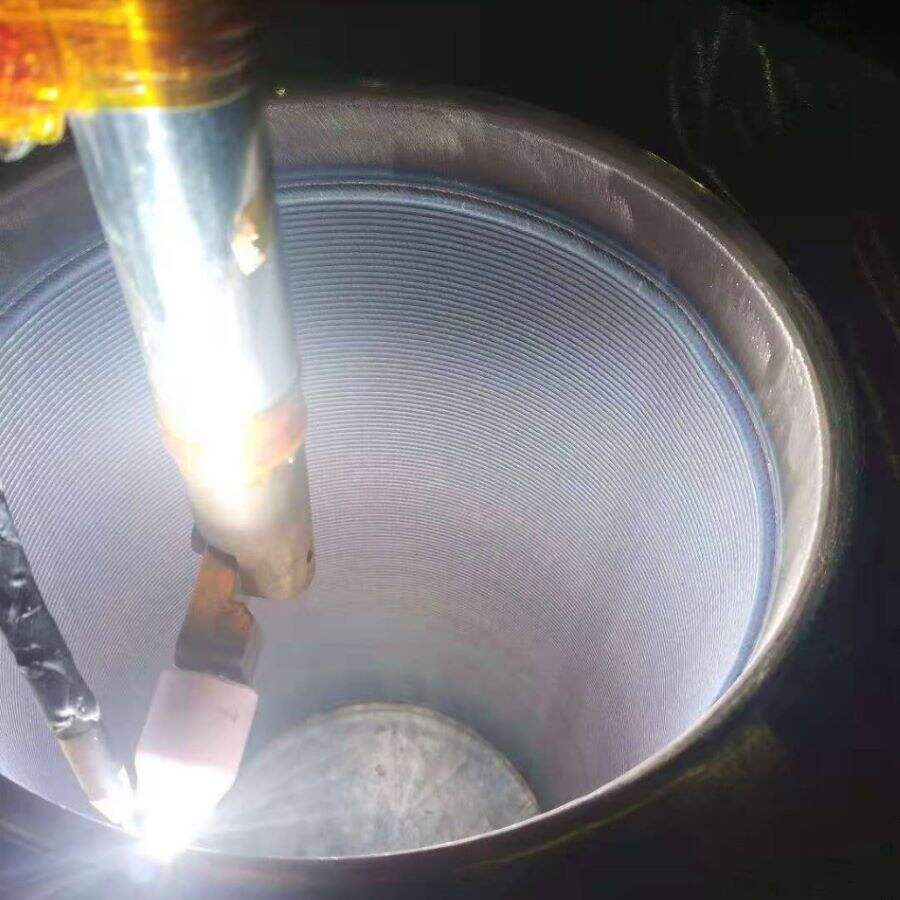
Cleanroom and medical device fabrication environments demand the highest levels of precision, contamination control, and weld quality standards. TIG welding equipment specifically designed for these critical applications must deliver exceptional performance while maintaining the sterile conditions essential for medical device manufacturing. These specialized welding systems incorporate advanced features that ensure consistent, high-quality welds without compromising the integrity of cleanroom environments or introducing contaminants that could affect medical device performance and patient safety.
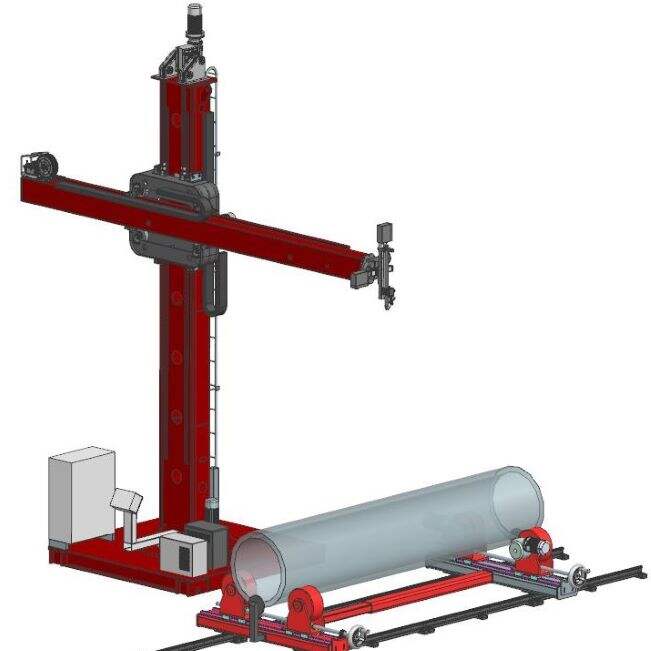
The unique requirements of cleanroom and medical device fabrication present distinct challenges that conventional welding equipment cannot adequately address. Medical device manufacturers must comply with stringent regulatory standards while achieving microscopic weld precision on materials ranging from stainless steel to titanium and exotic alloys. TIG welding equipment for these applications incorporates specialized contamination control features, precision positioning systems, and advanced process monitoring capabilities that ensure every weld meets the exacting standards required for life-critical medical devices.
Critical Requirements for Medical Device Welding Systems
Contamination Control and Cleanroom Compatibility
TIG welding equipment used in cleanroom environments must minimize particle generation and prevent contamination of the manufacturing space. These systems feature sealed enclosures, specialized filtration systems, and low-outgassing materials that maintain cleanroom classification standards during welding operations. The equipment design eliminates potential sources of particulate contamination while providing the precise control necessary for medical device fabrication.
Cleanroom-compatible tig welding equipment incorporates features such as laminar airflow integration, electrostatic discharge protection, and materials selection that prevents chemical outgassing. These systems maintain the controlled atmosphere essential for medical device manufacturing while delivering the welding performance required for critical applications. The equipment must also facilitate easy cleaning and sterilization procedures without compromising welding functionality or precision.
Advanced filtration systems integrated into the welding equipment capture welding fumes and particles at the source, preventing contamination of the cleanroom environment. These systems often include HEPA filtration, activated carbon filters, and specialized exhaust management that maintains negative pressure within the welding chamber while preserving cleanroom air quality standards.
Precision Control and Process Repeatability
Medical device fabrication requires welding systems capable of producing highly repeatable results with minimal variation between welds. TIG welding equipment for these applications incorporates advanced process control systems that monitor and adjust welding parameters in real-time to maintain consistent weld quality. These systems feature precise current control, automated arc length management, and programmable welding sequences that ensure every weld meets specified requirements.
The precision requirements for medical device welding often involve microscopic weld geometries and extremely tight tolerances. Specialized tig welding equipment for these applications includes high-resolution positioning systems, micro-welding capabilities, and advanced monitoring systems that provide real-time feedback on weld quality parameters. These features enable manufacturers to achieve the consistency and precision required for regulatory compliance and device performance.
Process documentation and traceability capabilities integrated into modern welding systems provide comprehensive records of welding parameters, environmental conditions, and quality metrics for each weld. This data supports regulatory compliance requirements and enables continuous process improvement through statistical analysis of welding performance trends.
Advanced Technology Integration for Medical Applications
Automated Positioning and Fixture Systems
Medical device components often require complex welding geometries and precise positioning that exceeds the capabilities of manual welding operations. TIG welding equipment designed for these applications incorporates sophisticated automation systems that provide repeatable positioning, controlled rotation, and programmable welding paths. These systems ensure consistent weld placement and geometry while minimizing human error and reducing cycle times.
Multi-axis positioning systems integrated with tig welding equipment enable precise control of torch position and workpiece orientation throughout the welding process. These systems can accommodate complex component geometries and provide the flexibility necessary for diverse medical device manufacturing requirements. Advanced servo control systems ensure smooth motion profiles and precise positioning accuracy that meets the demanding tolerances of medical device fabrication.
Automated fixture systems designed specifically for medical device components provide secure workpiece holding while maintaining access for welding operations. These fixtures often incorporate quick-change capabilities, precision alignment features, and contamination-resistant materials that support efficient production while maintaining cleanroom compatibility and weld quality standards.
Real-Time Monitoring and Quality Control
Advanced monitoring systems integrated into modern tig welding equipment provide real-time analysis of welding parameters, arc characteristics, and weld pool behavior. These systems can detect variations in weld quality during the welding process and automatically adjust parameters to maintain consistent results. For medical device applications, this capability is essential for ensuring every weld meets stringent quality requirements without requiring extensive post-weld inspection.
Vision systems and sensors integrated with welding equipment provide continuous monitoring of weld penetration, bead geometry, and potential defects during the welding process. These systems can identify issues such as incomplete fusion, porosity, or dimensional variations in real-time, enabling immediate corrective action and reducing the risk of defective products reaching final assembly stages.
Data acquisition and analysis capabilities built into modern welding systems provide comprehensive process monitoring and statistical process control information. This data supports continuous improvement initiatives, regulatory compliance requirements, and quality management system documentation while enabling predictive maintenance and process optimization strategies.
Material Considerations and Specialized Capabilities
Biocompatible Material Welding Requirements
Medical devices often utilize specialized materials such as titanium, tantalum, and exotic alloys that require specific welding techniques and parameters. TIG welding equipment for medical device fabrication must accommodate these materials while maintaining the purity and biocompatibility essential for medical applications. Specialized shielding gas systems, pulse welding capabilities, and precise heat input control enable successful welding of these challenging materials.
Stainless steel grades commonly used in medical devices, such as 316L and 316LVM, require careful control of welding parameters to maintain corrosion resistance and mechanical properties. TIG welding equipment designed for medical applications provides the precise control necessary to achieve optimal weld metallurgy while preventing sensitization and maintaining the biocompatibility of welded components.
Dissimilar material welding capabilities often required in medical device assembly present unique challenges that specialized welding equipment must address. These systems incorporate advanced parameter control, specialized filler materials compatibility, and process monitoring capabilities that ensure successful joining of different materials while maintaining the integrity and performance characteristics of both base materials.
Micro-Welding and Miniaturization Capabilities
The trend toward miniaturization in medical devices requires welding equipment capable of producing extremely small welds with precise control. Micro-welding capabilities integrated into tig welding equipment enable successful joining of components with thicknesses measured in thousandths of an inch while maintaining structural integrity and biocompatibility requirements.
Low-heat input welding techniques supported by advanced TIG systems minimize the heat-affected zone and reduce the risk of thermal damage to heat-sensitive components or materials. These capabilities are essential for welding electronic components, sensors, and other delicate elements integrated into modern medical devices without compromising functionality or reliability.
Precision current control systems that provide stable arcs at extremely low current levels enable successful micro-welding operations while maintaining consistent weld quality. These systems often incorporate specialized power supplies, high-frequency arc starting systems, and advanced electrode designs that support reliable micro-welding performance.
Regulatory Compliance and Validation Requirements
FDA and ISO Standards Compliance
TIG welding equipment used in medical device manufacturing must comply with relevant FDA regulations and ISO standards that govern medical device production processes. These requirements include process validation, equipment qualification, and documentation standards that ensure welding operations consistently produce devices that meet safety and efficacy requirements. Welding equipment manufacturers must provide comprehensive documentation and validation support to enable medical device manufacturers to meet these regulatory obligations.
Quality management system requirements such as ISO 13485 mandate specific controls for welding processes used in medical device manufacturing. TIG welding equipment must support these requirements through comprehensive process monitoring, documentation capabilities, and validation protocols that demonstrate process capability and control. Equipment design must facilitate the implementation of risk management processes and quality control procedures required by these standards.
Validation protocols for welding equipment must demonstrate that the system consistently produces welds that meet specified requirements under normal operating conditions. This includes installation qualification, operational qualification, and performance qualification testing that validates equipment performance, process capability, and operator training requirements.
Documentation and Traceability Systems
Comprehensive documentation systems integrated into modern tig welding equipment provide the traceability and record-keeping capabilities required for medical device manufacturing. These systems capture welding parameters, environmental conditions, operator identification, and quality metrics for each weld, creating an auditable trail that supports regulatory compliance and quality management requirements.
Electronic batch records and process history documentation generated by welding systems provide the detailed information required for device history records and regulatory submissions. These systems often integrate with enterprise resource planning and quality management systems to provide seamless data flow and comprehensive traceability throughout the manufacturing process.
Change control and configuration management capabilities built into welding equipment software ensure that process parameters, procedures, and documentation remain synchronized and controlled. These features support the validation maintenance and change control requirements essential for continued regulatory compliance in medical device manufacturing environments.
FAQ
What makes TIG welding equipment suitable for cleanroom environments?
TIG welding equipment designed for cleanroom use incorporates sealed enclosures, specialized filtration systems, and low-outgassing materials that prevent particle generation and contamination. These systems maintain cleanroom classification standards through integrated airflow management, electrostatic discharge protection, and materials selection that prevents chemical outgassing while delivering precise welding performance.
How does automated TIG welding equipment ensure consistent quality in medical device fabrication?
Automated TIG welding systems provide consistent quality through precise parameter control, real-time monitoring, and programmable welding sequences that eliminate human variability. These systems incorporate advanced positioning controls, process monitoring sensors, and automated quality checks that ensure every weld meets specified requirements while maintaining comprehensive documentation for regulatory compliance.
What materials can be welded using specialized TIG equipment for medical devices?
Specialized TIG welding equipment can successfully weld biocompatible materials including stainless steel grades 316L and 316LVM, titanium alloys, tantalum, and various exotic alloys used in medical device applications. These systems provide the precise parameter control and specialized shielding capabilities necessary to maintain material purity and biocompatibility while achieving optimal weld metallurgy.
What validation requirements apply to TIG welding equipment in medical device manufacturing?
TIG welding equipment used in medical device manufacturing must undergo installation qualification, operational qualification, and performance qualification testing to demonstrate consistent performance and regulatory compliance. These validation protocols must verify equipment capability, process control, and documentation systems while supporting FDA regulations and ISO 13485 quality management system requirements.
Table of Contents
- Critical Requirements for Medical Device Welding Systems
- Advanced Technology Integration for Medical Applications
- Material Considerations and Specialized Capabilities
- Regulatory Compliance and Validation Requirements
-
FAQ
- What makes TIG welding equipment suitable for cleanroom environments?
- How does automated TIG welding equipment ensure consistent quality in medical device fabrication?
- What materials can be welded using specialized TIG equipment for medical devices?
- What validation requirements apply to TIG welding equipment in medical device manufacturing?