
 EN
 AR
 BG
 HR
 CS
 DA
 NL
 FI
 FR
 DE
 EL
 HI
 IT
 JA
 KO
 NO
 PL
 PT
 RO
 RU
 ES
 SV
 TL
 IW
 ID
 LT
 UK
 SQ
 HU
 TH
 TR
 FA
 AF
 CY
 MK
 LA
 MN
 KK
 UZ
 KY
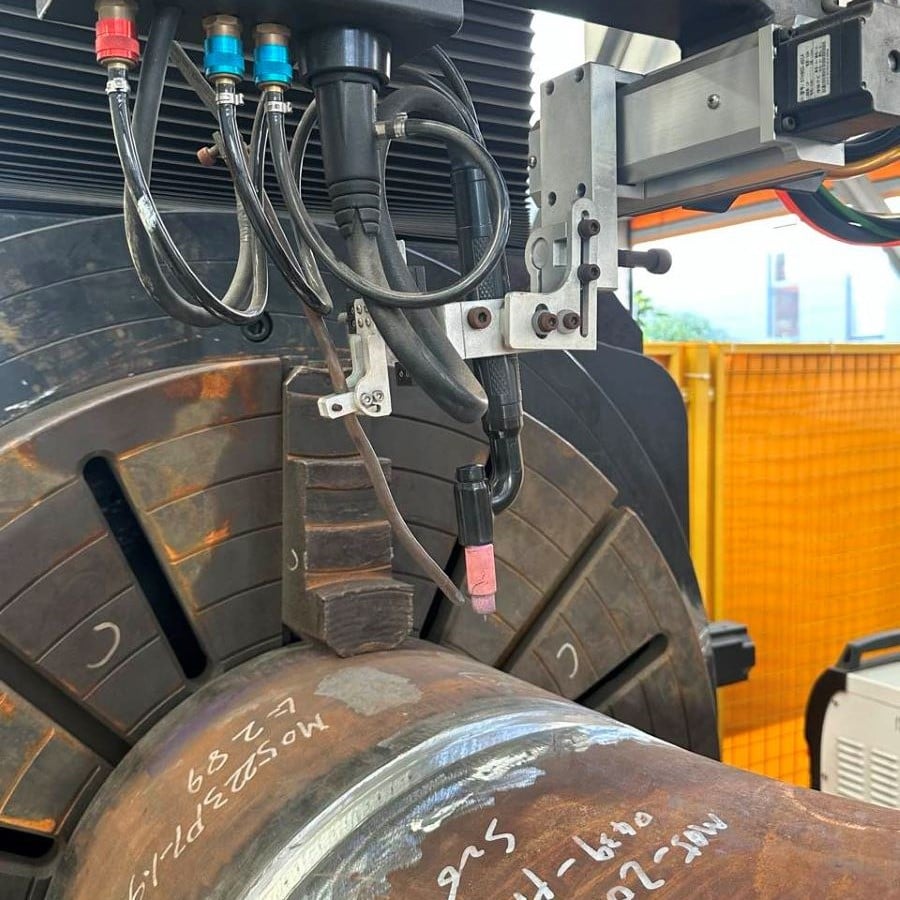
The butt fusion welding machine has become indispensable to modern infrastructure development, particularly in pipeline construction and utility expansion projects. As industries demand stronger, more reliable connections between plastic and polyethylene pipes, the butt fusion welding machine delivers precision, consistency, and durability that manual methods cannot match. Understanding how the butt fusion welding machine transforms infrastructure work reveals why it has become the standard choice for engineers and contractors across the globe.

Modern infrastructure projects face mounting pressure to reduce installation time, minimize failure rates, and ensure long-term performance in demanding environments. The butt fusion welding machine addresses all three priorities by automating the joint fusion process, eliminating human error, and creating permanent molecular bonds that withstand decades of use. Whether deploying gas distribution networks, water transmission systems, or industrial piping, the butt fusion welding machine enables infrastructure teams to meet safety standards, project schedules, and cost targets simultaneously.
How the Butt Fusion Welding Machine Transforms Pipeline Installation
Precision Heating and Pressure Control
The butt fusion welding machine operates through a carefully controlled heating and pressure sequence that fuses two pipe ends into a single integrated component. The butt fusion welding machine heats both pipe surfaces to their melting point using an electric heating element, ensuring uniform temperature distribution across the joint area. Once the material softens sufficiently, the butt fusion welding machine applies calibrated hydraulic pressure to merge the heated surfaces together, creating a homogeneous weld that matches or exceeds the parent material strength. This automated process eliminates the variability inherent in manual fusion work, ensuring every joint meets specification regardless of operator experience or environmental conditions.
Real-Time Monitoring and Verification
Modern butt fusion welding machine systems incorporate digital sensors and data logging capabilities that track temperature, pressure, and cooling time throughout each cycle. These monitoring features enable technicians to verify that every butt fusion welding machine cycle meets project requirements and regulatory standards without subjective judgment. The butt fusion welding machine records detailed parameters that can be archived for quality documentation, regulatory compliance, and future reference. This traceability transforms infrastructure projects from relying on operator skill to depending on verified, repeatable machine performance.
Critical Applications of the Butt Fusion Welding Machine in Infrastructure
Water and Gas Distribution Networks
Water utilities and gas distributors depend on the butt fusion welding machine to construct and expand transmission and distribution systems that serve millions of customers. The butt fusion welding machine creates leak-proof joints in polyethylene and plastic pipes that carry potable water, treated wastewater, and natural gas across vast distances. Municipal infrastructure projects increasingly specify butt fusion welding machine technology because the resulting joints resist corrosion, mineral deposits, and pressure cycling better than threaded or mechanical connections. A single butt fusion welding machine installation reduces maintenance callouts, extends asset life, and improves service reliability across decades of operation.
Industrial and Commercial Piping Systems
Industrial facilities, data centers, and commercial campuses rely on the butt fusion welding machine to build internal piping networks for chilled water, hot water, compressed air, and process fluids. The butt fusion welding machine produces joints capable of handling continuous pressure, temperature fluctuations, and chemical exposure that would degrade mechanical connections. Equipment manufacturers and facility managers select the butt fusion welding machine because it delivers predictable joint performance that lasts the entire facility lifespan, eliminating costly repairs and unexpected downtime.
Why Infrastructure Teams Choose the Butt Fusion Welding Machine
Superior Joint Quality and Longevity
The butt fusion welding machine creates joints with material properties that often exceed the parent pipe itself, ensuring the weld zone becomes the strongest link in the system rather than the weakest. Because the butt fusion welding machine merges the molecular structure of both pipe ends through controlled heat and pressure, no weak adhesive layer or mechanical fastener separates the connection. This fundamental advantage means infrastructure built with the butt fusion welding machine avoids the gradual degradation, leak migration, and joint failure patterns that plague alternative connection methods. Over thirty or fifty year infrastructure lifespans, the butt fusion welding machine delivers compounding value through eliminated replacement cycles and avoided emergency repairs.
Economic and Operational Efficiency
While the butt fusion welding machine requires initial capital investment and trained operation, its cost-per-joint economics improve dramatically across large-scale infrastructure deployments. The butt fusion welding machine reduces field labor hours by automating the fusion sequence, minimizing rework due to failed joints, and eliminating the consumable materials required by competing technologies. Project managers recognize that the butt fusion welding machine front-loads quality assurance into the installation phase, preventing expensive remediation during commissioning or operation. When calculated across thousands of connections in regional water systems, gas networks, or industrial campuses, the butt fusion welding machine delivers the lowest total cost of ownership while maximizing system reliability.
FAQ
What types of plastic pipes work with the butt fusion welding machine?
The butt fusion welding machine primarily fuses high-density polyethylene and polypropylene pipes, the two materials most commonly deployed in water, gas, and industrial infrastructure applications. Different butt fusion welding machine models accommodate varying pipe diameters, wall thicknesses, and material grades, so equipment selection depends on the specific pipe specification. Always verify that your selected butt fusion welding machine matches the material grade and dimensional requirements of your project pipes before purchase or rental.
How does the butt fusion welding machine compare to mechanical coupling and threaded connections?
The butt fusion welding machine creates permanent molecular joints that eliminate potential leak points at connections, whereas mechanical couplings and threaded fittings introduce additional components susceptible to corrosion, vibration, and gradual loosening. The butt fusion welding machine requires higher upfront operator training and equipment investment but delivers superior joint reliability and lower long-term maintenance costs. For large infrastructure networks, the butt fusion welding machine reduces total project expense despite higher initial equipment costs because it eliminates coupling replacements, leak repairs, and service interruptions that plague mechanical alternatives.
What operator training and certification does the butt fusion welding machine require?
Most jurisdictions require butt fusion welding machine operators to complete formal training programs and obtain certification through recognized standards organizations before performing fusion work on critical infrastructure. The butt fusion welding machine operator certification ensures technicians understand equipment operation, material properties, safety protocols, and quality verification procedures. Training typically covers machine setup, heating curve adjustments, joint inspection techniques, and documentation practices specific to your butt fusion welding machine model. Certification requirements vary by region and project type, so consult your local utility commission or infrastructure authority to confirm mandatory credentials for your butt fusion welding machine operations.