
 EN
 AR
 BG
 HR
 CS
 DA
 NL
 FI
 FR
 DE
 EL
 HI
 IT
 JA
 KO
 NO
 PL
 PT
 RO
 RU
 ES
 SV
 TL
 IW
 ID
 LT
 UK
 SQ
 HU
 TH
 TR
 FA
 AF
 CY
 MK
 LA
 MN
 KK
 UZ
 KY
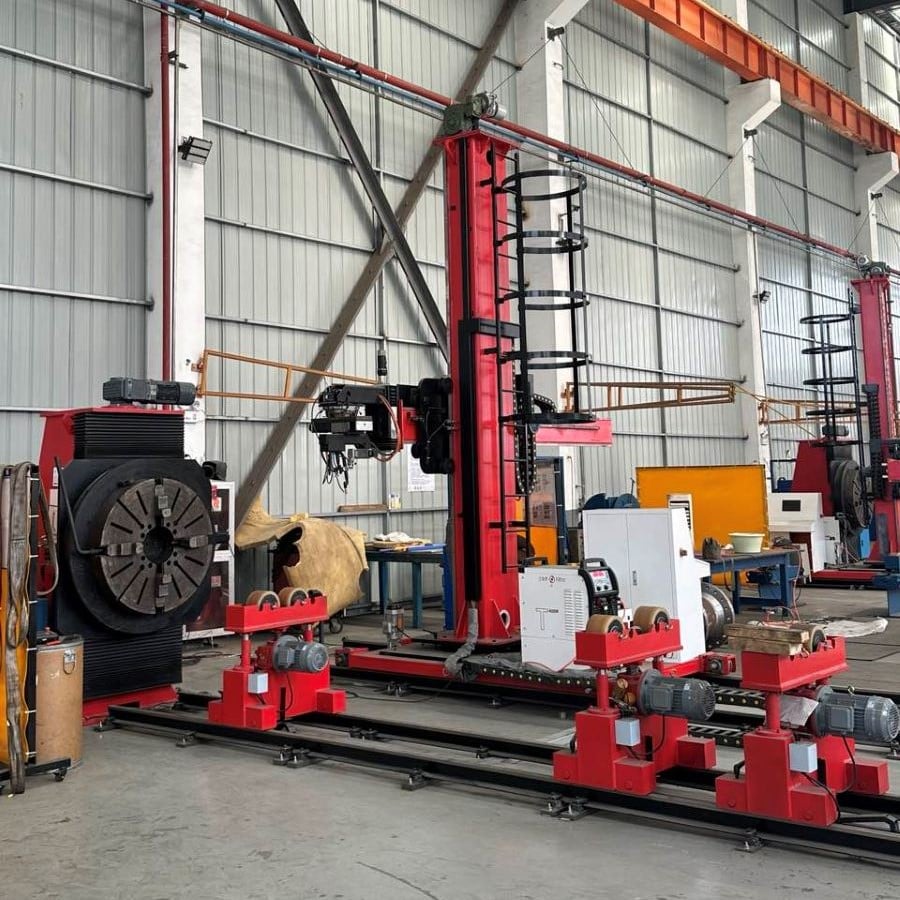
Proper maintenance of heating plates on a butt fusion welding machine is critical to ensuring consistent performance, extending equipment lifespan, and producing high-quality welds. The heating plates are among the most essential components of a butt fusion welding machine, as they soften thermoplastic materials to achieve proper fusion bonding. Without regular and intentional maintenance protocols, heating plates can develop surface irregularities, uneven heat distribution, and degraded thermal efficiency, all of which compromise weld quality and increase operational costs. Understanding how to care for these vital components transforms your butt fusion welding machine from a liability into a reliable asset that delivers superior results year after year.

A butt fusion welding machine operates by heating the ends of two plastic pipes until they reach a thermoplastic state, then pressing them together under controlled pressure to form a permanent molecular bond. The heating plates are exposed to extreme thermal cycles, repeated contact with various plastic materials, and continuous operational stress. This demanding environment means that your butt fusion welding machine heating system requires systematic inspection, cleaning, and preventive care to maintain peak performance. Industry experience demonstrates that operators who implement structured maintenance routines experience fewer unexpected failures, achieve better weld consistency, and ultimately protect their investment in expensive welding equipment.
Daily Inspection and Surface Cleaning Protocols
Pre-Shift Visual Assessment
Every time you operate a butt fusion welding machine, begin with a thorough visual inspection of the heating plates before starting work. Examine the plate surfaces for residue buildup, discoloration, scorching, or any visible damage that might indicate underlying problems. A butt fusion welding machine that shows uneven heating patterns or cold spots often has contaminated heating plates that require immediate cleaning. Look for plastic debris, oxidation, or burnt material that accumulates during fusion cycles and reduces thermal contact efficiency between the heating plates and the pipe material.
Proper Cleaning Techniques
Cleaning heating plates on your butt fusion welding machine demands careful technique to avoid damaging the heating elements underneath. Use a soft, lint-free cloth slightly dampened with a specialized plate cleaner or diluted solvent appropriate for your machine type. Gently wipe the heating surface in circular motions rather than scrubbing aggressively, which can scratch the plate finish and introduce micro-irregularities that later cause uneven heating. After cleaning, allow the butt fusion welding machine plates to air dry completely before powering on the system, and never apply excessive pressure or use abrasive tools that compromise plate integrity.
Temperature Calibration and Thermal Performance
Scheduled Temperature Verification
Temperature accuracy is fundamental to successful fusion operations on any butt fusion welding machine. Every week, or before performing critical fusion tasks, verify that heating plate temperatures match your machine's calibration settings using an infrared thermometer or contact-type temperature probe. Place measurement points across multiple areas of each heating plate on your butt fusion welding machine to detect temperature gradients or dead zones that suggest heating element degradation. If temperature readings deviate by more than five percent from expected values, recalibration or element replacement becomes necessary to prevent weak or failed welds.
Thermal Uniformity Testing
Uneven heating across the plate surface indicates that your butt fusion welding machine heating system requires professional service. Thermal uniformity testing involves setting your machine to operating temperature and using thermal imaging equipment or temperature-sensitive paper to map heat distribution across the entire plate surface. A properly maintained butt fusion welding machine should display uniform color across the heating plate with minimal variation. Significant hot spots or cold zones suggest that internal heating elements inside your butt fusion welding machine are failing or that electrical connections need inspection by a qualified technician.
Long-Term Preventive Maintenance and Replacement Strategy
Scheduled Component Inspections
Establish a documented maintenance schedule for your butt fusion welding machine that includes monthly, quarterly, and annual inspection checkpoints. During monthly reviews, inspect heating plate condition, verify calibration, and check for any visible cracks or warping that might indicate stress damage. Your butt fusion welding machine quarterly assessment should include electrical connections, thermal sensor functionality, and overall structural integrity of the heating plate assembly. Annual inspections by qualified service personnel ensure that your butt fusion welding machine maintains manufacturer specifications and identify components approaching end-of-life before catastrophic failure occurs.
Replacement and Upgrade Planning
Even with excellent maintenance, heating plates on a butt fusion welding machine eventually require replacement due to normal wear and thermal cycling fatigue. Track performance metrics for your butt fusion welding machine, including fusion success rates, rework percentages, and temperature stability trends that reveal degrading plate performance before complete failure. Plan replacement cycles proactively rather than reactively, coordinating new heating plate installation during scheduled maintenance windows instead of during production emergencies. Modern heating plates available for established butt fusion welding machine models often offer improved thermal distribution, faster heat-up times, and extended service life compared to original components, making planned upgrades financially sensible.
FAQ
How often should heating plates on a butt fusion welding machine be professionally serviced?
Professional servicing of heating plates on a butt fusion welding machine should occur at least annually, or more frequently if your machine operates in demanding conditions or operates extended daily hours. Many operators choose semi-annual service intervals to ensure that internal heating elements, thermal sensors, and electrical connections receive expert inspection before potential problems develop. Your butt fusion welding machine manufacturer provides specific service recommendations based on your model and intended usage patterns, and following these guidelines protects equipment warranty and optimizes reliability.
What are common signs that heating plates on a butt fusion welding machine need replacement?
Common replacement indicators for heating plates on a butt fusion welding machine include visible cracking or warping of the plate surface, inability to maintain consistent temperature despite recalibration attempts, and a significant increase in time required for the machine to reach operating temperature. If your butt fusion welding machine shows uneven heat distribution that cleaning and thermal adjustments cannot correct, or if temperature readings fluctuate erratically during fusion cycles, heating plate replacement becomes the appropriate response. Continuing to operate a butt fusion welding machine with degraded heating plates leads to poor weld quality, increased rework costs, and potential machine damage.
Can I clean heating plates on a butt fusion welding machine while the machine is powered on?
Never clean heating plates on a butt fusion welding machine while the system remains powered on, as this creates serious burn injury risk and potential electrical hazards. Always turn off and fully de-energize your butt fusion welding machine before any cleaning or maintenance work begins, then allow heating plates to cool to a safe temperature before touching them. This simple safety discipline protects your operators and ensures that cleaning work proceeds safely and effectively without risking damage to sensitive thermal components inside your butt fusion welding machine.