
 EN
 AR
 BG
 HR
 CS
 DA
 NL
 FI
 FR
 DE
 EL
 HI
 IT
 JA
 KO
 NO
 PL
 PT
 RO
 RU
 ES
 SV
 TL
 IW
 ID
 LT
 UK
 SQ
 HU
 TH
 TR
 FA
 AF
 CY
 MK
 LA
 MN
 KK
 UZ
 KY
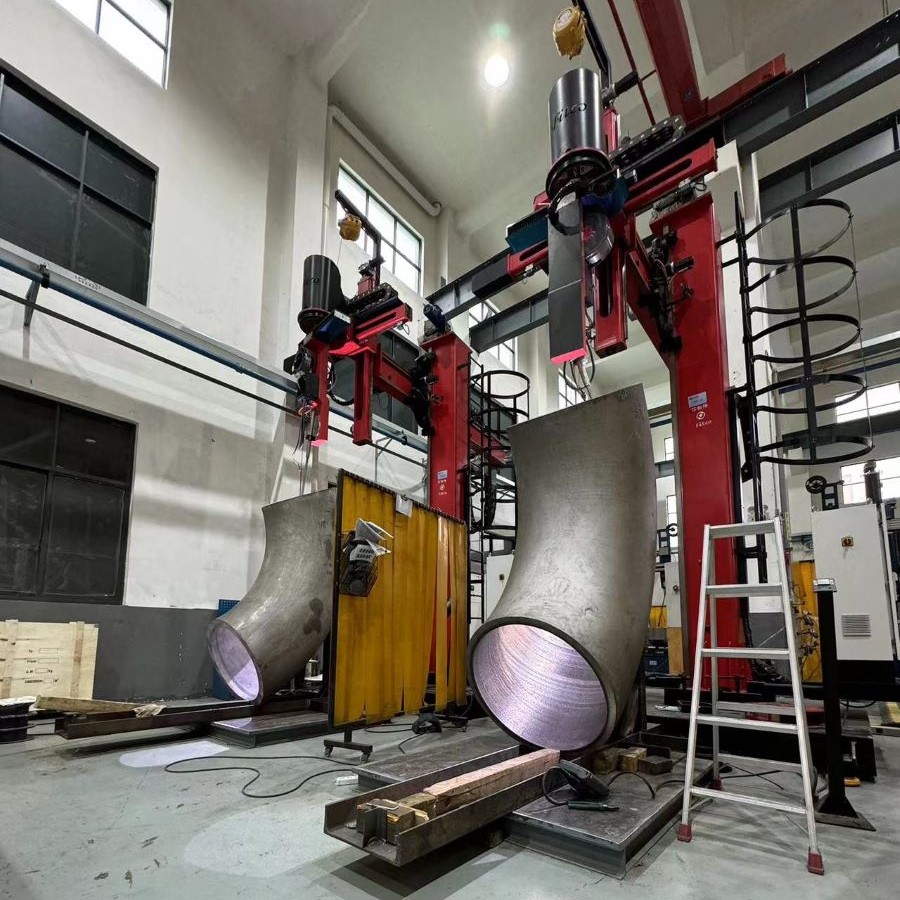
Industrial-grade mig welding equipment demands careful attention to consumables and replacement parts to maintain productivity, weld quality, and equipment longevity. Whether you operate a fabrication shop, structural steel facility, or automotive manufacturing line, understanding the consumables required for mig welding equipment is essential to avoiding costly downtime and inconsistent weld results. Consumables are the wear items that directly contact the welding arc, electrode, or workpiece, and their quality directly impacts the performance of mig welding equipment across your operation.

Selecting the right consumables for mig welding equipment is not a one-size-fits-all decision. The specific wire types, shielding gases, contact tips, nozzles, and liners you choose depend on your material type, thickness, production volume, and desired weld characteristics. This guide walks through the critical consumables that keep industrial mig welding equipment running efficiently while delivering reliable weld quality every single shift.
Understanding Core Consumables for MIG Welding Equipment
Welding Wire Types and Selection
Welding wire is the primary electrode in mig welding equipment and is consumed during every weld operation. The wire diameter, composition, and spool weight directly affect deposition rate, penetration, and finish quality. Mild steel wire, stainless steel wire, and aluminum wire are the most common options for industrial mig welding equipment, each with distinct properties suited to different base materials. For general structural work, solid mild steel wire remains the industry standard, offering economy and versatility across most mig welding equipment configurations. Flux-cored wire provides better performance in outdoor or drafty environments where shielding gas protection is compromised, making it a practical choice for mobile mig welding equipment operations.
Wire diameter selection depends on your mig welding equipment's amperage capacity and the thickness of material being joined. Thicker wire requires higher amperage and is better suited to production welding on industrial mig welding equipment, while thinner diameters provide better control on thin sheet metal. Stainless steel wire demands cleaner feeding and dedicated mig welding equipment liners to prevent contamination, as stainless is more sensitive to carbon pickup than mild steel. Maintaining consistent wire quality and storage conditions ensures smooth feeding through the mig welding equipment's drive rolls and contact tip.
Shielding Gas and Gas Mixtures
Shielding gas is critical for protecting the molten weld pool from atmospheric contamination during mig welding equipment operation. Argon, carbon dioxide, and mixed blends are the standard gases used with industrial mig welding equipment. Pure argon is ideal for aluminum and stainless steel, offering smooth arc characteristics and excellent surface finish when used with the right mig welding equipment settings. Carbon dioxide provides deeper penetration and higher travel speed, making it cost-effective for high-volume carbon steel production on mig welding equipment.
Argon-carbon dioxide blends, typically 75/25 or 80/20, strike a balance between arc stability, penetration, and spatter control for general structural steel work on mig welding equipment. The choice of gas directly influences your mig welding equipment's arc voltage, wire feed speed, and travel speed requirements. Improper gas selection leads to porosity, lack of fusion, and spatter problems that compromise the reliability of your mig welding equipment output. Gas purity and flow rate regulators must be maintained to prevent contamination and ensure consistent performance from mig welding equipment across all operators.
Essential Replacement Consumables for MIG Welding Equipment
Contact Tips and Nozzles
Contact tips are small consumable components in mig welding equipment that transfer electrical current to the welding wire and guide it to the arc. Over time, contact tips wear, spatter builds up, and they must be replaced to maintain proper electrical conductivity and wire feeding stability. Industrial mig welding equipment operators should keep multiple spare contact tips on hand, sized to match their wire diameter precisely. A worn contact tip creates erratic arcing, poor weld appearance, and reduced penetration, making tip replacement one of the most cost-effective preventive measures for maintaining mig welding equipment performance.
Gas nozzles surround the contact tip and direct shielding gas flow around the molten weld pool. Spatter buildup on nozzles reduces gas coverage and leads to porosity and contamination in welds produced by mig welding equipment. Consumable nozzles should be inspected regularly and cleaned or replaced as part of routine maintenance for industrial mig welding equipment. Ceramic nozzles resist spatter adhesion better than copper, making them ideal for high-production environments where mig welding equipment uptime is critical. Many operators apply spatter compound to nozzles to reduce cleaning frequency and extend the life of mig welding equipment consumables.
Welding Liners and Drive Rolls
Liners inside the mig welding equipment cable conduct the wire smoothly from the spool to the contact tip. Worn, kinked, or contaminated liners cause wire drag, feed inconsistencies, and burnback problems that interrupt production on mig welding equipment. Stainless steel wire requires dedicated liners on mig welding equipment to prevent cross-contamination with mild steel residue. Aluminum wire is particularly sensitive to liner condition, and dedicated aluminum liners are essential for reliable mig welding equipment operation when processing aluminum components.
Drive rolls grip and push the wire through the feeder system of mig welding equipment. As consumable items, drive rolls wear and develop flats that slip on wire, causing feed hesitation and arc instability. Industrial mig welding equipment requires periodic drive roll replacement and must use rolls sized correctly for the wire diameter in use. Mismatched roll sizes or damaged rolls severely compromise feeding reliability and create inconsistent weld quality in production environments using mig welding equipment.
Maintenance Supplies and Protective Consumables
Spatter Prevention and Cleaning Products
Spatter compound, also called anti-spatter, is a consumable liquid or gel applied to contact tips and nozzles before using mig welding equipment. It reduces spatter adhesion and makes cleanup faster, saving labor time and extending the service life of mig welding equipment components. High-volume production facilities using industrial mig welding equipment benefit significantly from anti-spatter products, as they reduce downtime spent cleaning tips and nozzles between welding runs. Spatter buildup on gun parts also causes electrical resistance and heat generation, so spatter control protects the overall reliability of mig welding equipment.
Contact tip cleaning tools and brushes are inexpensive consumables that help maintain mig welding equipment performance. Regular cleaning removes oxidation and spatter before they cause arc instability. Operators working with industrial mig welding equipment should have access to tip cleaners and soft brass brushes to maintain clean contact surfaces throughout the shift. Neglecting this simple maintenance accelerates the need for tip replacement and increases overall consumable costs for mig welding equipment operations.
Wear Items and Safety Consumables
Cable covers, protective sleeves, and insulation tape are consumable safety items that protect mig welding equipment cables from heat damage, abrasion, and wear. Damaged cable insulation creates safety hazards and can compromise the electrical integrity of the welding system. Wire feed motor brushes, solenoid coils, and thermal overload protection devices are replacement consumables that support the internal function of mig welding equipment. Preventive replacement of these items reduces unexpected equipment failures that disrupt production schedules relying on industrial mig welding equipment.
Scheduling consumable replacement based on production volume and operator feedback is a practical approach to managing mig welding equipment costs. Tracking which consumables wear fastest helps you budget and forecast supply needs. Many shops find that establishing bulk purchase agreements for high-consumption items reduces per-unit costs on essential mig welding equipment consumables. Planning for consumable expenses as a predictable line item in production budgets prevents urgent expedited purchases that strain operational efficiency.
Choosing Quality Consumables for Industrial MIG Welding Equipment
Material Compatibility and Wire Specifications
Matching consumables to your specific base material is non-negotiable when operating industrial mig welding equipment. Mild steel applications require different wire chemistry than stainless or aluminum welding on mig welding equipment. Purchasing consumables for mig welding equipment from suppliers who provide detailed material certifications and technical data ensures you receive the correct products for your application. Many quality issues traced back to mig welding equipment performance actually stem from incorrect wire selection or gas mixture rather than equipment malfunction.
Wire storage conditions affect quality and performance of consumables used in mig welding equipment. Moisture absorption, corrosion, and contamination degrade wire over time, particularly stainless and aluminum products. Maintaining dry storage conditions and rotating inventory based on age ensures fresh consumables for mig welding equipment. Expired or poorly stored wire introduces unpredictable arc behavior and weld defects that frustrate operators and damage the reputation of equipment producing inferior results.
Supplier Selection and Cost Management
Reliable suppliers of mig welding equipment consumables provide consistent quality, technical support, and competitive pricing. Building relationships with distributors who understand your production requirements helps ensure timely delivery and right-sized quantities of consumables for mig welding equipment. Lower-cost consumables sometimes false-economy purchases; inferior wire or gas mixtures create rework, scrap, and delays that exceed the initial savings on mig welding equipment supplies. mig welding equipment operators benefit from suppliers offering technical training, application guidance, and troubleshooting support alongside consumable delivery.
Tracking consumable usage and costs helps identify opportunities to optimize spending on mig welding equipment supplies. Some facilities negotiate volume pricing for high-consumption items, while others standardize on fewer wire types to simplify inventory management for industrial mig welding equipment. Balancing cost control with quality ensures your mig welding equipment delivers consistent results without hidden expenses from defects and rework.
FAQ
How often should contact tips be replaced on industrial mig welding equipment?
Contact tip replacement frequency depends on production volume, wire type, and spatter control practices. Light-use facilities might replace contact tips every 100 to 200 hours of mig welding equipment operation, while high-volume production shops replace tips weekly or bi-weekly. Monitor for signs of wear such as spatter buildup, erratic arc behavior, or difficulty maintaining wire feed on mig welding equipment. Preventive replacement before problems occur is more cost-effective than reactive replacement during a weld emergency that disrupts production timelines.
What is the difference between solid wire and flux-cored wire for mig welding equipment?
Solid wire requires external shielding gas protection and produces cleaner welds with less spatter, making it ideal for indoor shop environments using industrial mig welding equipment. Flux-cored wire contains internal flux that provides its own shielding, making it suitable for outdoor, drafty, or limited gas supply conditions where mig welding equipment must operate independently. Flux-cored wire generally produces a rougher surface finish and requires slag removal, while solid wire in mig welding equipment delivers superior surface quality. Choice depends on your application, operator skill, and environmental constraints for mig welding equipment operations.
Why is gas purity important for mig welding equipment performance?
Contaminated shielding gas introduces oxygen, nitrogen, and moisture that compromise weld integrity and create porosity and brittleness in welds produced by mig welding equipment. High-purity gas ensures consistent arc stability, smooth wire feeding, and predictable weld penetration on industrial mig welding equipment. Expired gas cylinders and improperly maintained regulators allow moisture and air to contaminate the gas supply for mig welding equipment. Investing in proper gas handling, storage, and regulator maintenance protects the quality of all welds produced by mig welding equipment and prevents hidden defects that fail inspection or in-service performance.