
 EN
 AR
 BG
 HR
 CS
 DA
 NL
 FI
 FR
 DE
 EL
 HI
 IT
 JA
 KO
 NO
 PL
 PT
 RO
 RU
 ES
 SV
 TL
 IW
 ID
 LT
 UK
 SQ
 HU
 TH
 TR
 FA
 AF
 CY
 MK
 LA
 MN
 KK
 UZ
 KY

The quality of materials used in tig welding equipment directly determines the consistency, reliability, and overall performance of welding operations. Among the most critical components affecting weld quality is the tungsten electrode, which serves as the non-consumable cathode in gas tungsten arc welding processes. High-quality tungsten fundamentally transforms how tig welding equipment operates, influencing arc stability, heat distribution, and the final integrity of welded joints across industrial applications.
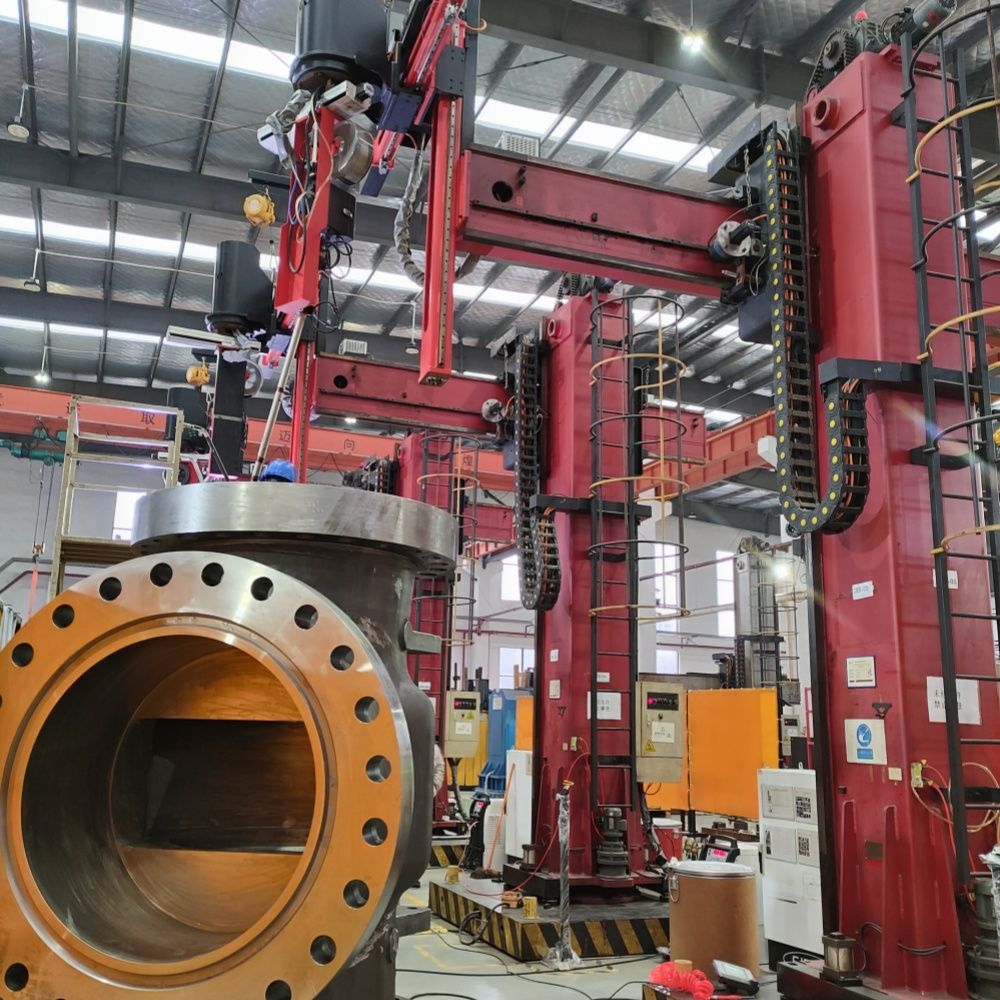
Understanding the relationship between tungsten quality and tig welding equipment performance is essential for manufacturers, fabricators, and industrial professionals seeking to optimize their welding operations. The tungsten electrode does not melt during the welding process, yet its properties—including purity, composition, and structural integrity—profoundly affect arc initiation, maintenance, and the quality of the finished weld. Investing in premium-grade tungsten and ensuring proper electrode management within your tig welding equipment can yield significant improvements in productivity, cost efficiency, and weld durability.
How Tungsten Quality Impacts Arc Stability in TIG Welding Equipment
The Science Behind Tungsten and Arc Performance
Tungsten remains the preferred electrode material for tig welding equipment because of its extremely high melting point—approximately 3,422 degrees Celsius—which prevents electrode degradation during extended welding operations. When tungsten purity is compromised by impurities or inconsistent composition, the electrode becomes prone to rapid oxidation and erosion. Pure tungsten ensures stable electron emission and consistent arc characteristics, which are fundamental requirements for quality tig welding equipment operation. The atomic structure of high-quality tungsten facilitates predictable thermal behavior and electron flow, creating the stable arc necessary for precision welding.
Electrode Contamination and Performance Decline
Lower-grade tungsten electrodes often contain unwanted elements such as iron, copper, or aluminum, which compromise the performance of tig welding equipment by introducing oxide layers and reducing electrical conductivity. These contaminants cause erratic arc behavior, difficulty maintaining consistent arc length, and increased electrode consumption rates. Professional-grade tig welding equipment demands electrodes with tungsten purity exceeding 99.5 percent to achieve optimal arc stability. When contamination is minimized, operators experience smoother arc initiation, more predictable arc travel, and enhanced control—all critical factors for quality welds in demanding industrial environments.
Tungsten Quality and Weld Quality in Modern TIG Welding Equipment
Joint Integrity and Material Properties
The superior arc characteristics provided by high-quality tungsten directly translate to superior weld bead geometry and material fusion in tig welding equipment applications. When tungsten electrodes maintain consistent thermal properties and electrical performance, the arc concentrates heat more effectively on the workpiece, producing deeper penetration and more uniform bead profiles. This controlled energy delivery is especially critical in precision industries such as aerospace, medical device manufacturing, and pressure vessel fabrication. Lower-quality tungsten introduces unpredictability into the welding process, resulting in inconsistent weld profiles, incomplete fusion, and potential defects that may compromise structural integrity or necessitate rework.
Reducing Weld Defects Through Electrode Excellence
Common weld defects—including porosity, lack of fusion, and excessive spatter—often originate from inadequate arc control, which can be significantly reduced through the use of premium tungsten in tig welding equipment. High-quality tungsten electrodes maintain their tip geometry more consistently throughout the welding session, preventing the erratic arc behavior that generates spatter and contaminates the weld zone. The stability provided by superior tungsten also enables operators to achieve better shielding gas coverage, reducing atmospheric contamination that leads to porosity and oxidation. When tig welding equipment is paired with premium-grade tungsten, the entire welding process becomes more controllable, predictable, and capable of meeting stringent quality specifications.
Cost Efficiency and Operational Performance of Premium TIG Welding Equipment Electrodes
Extended Electrode Life and Reduced Consumption
Although high-quality tungsten electrodes command a higher initial purchase price than lower-grade alternatives, the extended service life and reduced consumption rates of premium electrodes result in substantial long-term cost savings for operators of tig welding equipment. Pure tungsten electrodes maintain their structural integrity and thermal properties over extended welding cycles, resisting erosion and contamination more effectively than impure alternatives. Professional operators consistently report that premium tungsten electrodes last significantly longer per unit cost compared to budget options. This extended electrode life directly reduces downtime associated with frequent electrode changes and minimizes material waste, making premium tungsten a financially sound investment for any serious tig welding equipment operation.
Operational Efficiency and Productivity Gains
The superior arc characteristics of high-quality tungsten enable operators of tig welding equipment to work more efficiently and maintain higher travel speeds without sacrificing weld quality. Stable arc conditions allow for more consistent operator control and reduce the learning curve for new welders transitioning to tig welding equipment. When arc behavior is predictable and reliable, production rates increase naturally as operators spend less time troubleshooting arc problems and reworking defective welds. Industries relying on tig welding equipment—including automotive component manufacturers, structural steel fabricators, and pressure vessel producers—recognize that premium tungsten represents an investment in both quality assurance and production efficiency.
FAQ
What tungsten grades are recommended for industrial tig welding equipment?
The most commonly recommended tungsten grades for industrial tig welding equipment are pure tungsten (99.5 percent purity) for DC applications and thoriated tungsten (1 to 2 percent thorium addition) for AC and high-frequency AC welding. Pure tungsten electrodes excel in DC welding of non-ferrous materials and stainless steel, while thoriated tungsten offers superior electron emission and arc stability for AC welding applications. The specific choice depends on the materials being welded and the welding process parameters of your tig welding equipment. Consulting equipment specifications and application requirements ensures optimal electrode selection for consistent results.
How does electrode degradation affect tig welding equipment performance?
As tungsten electrodes degrade during use, they lose their consistent tip geometry and may accumulate oxide layers that interfere with electron emission, causing arc instability and reduced performance of tig welding equipment. Degraded electrodes result in difficulty maintaining arc length, increased spatter generation, and inconsistent weld bead appearance. Regular electrode inspection and replacement—especially when using lower-quality tungsten—becomes necessary to maintain acceptable tig welding equipment performance. High-quality tungsten degrades more slowly and maintains superior performance characteristics throughout its service life, reducing the frequency of electrode maintenance and supporting more consistent welding results.
Can premium tungsten electrodes improve existing tig welding equipment capabilities?
Yes, upgrading to premium-grade tungsten electrodes can significantly enhance the performance of existing tig welding equipment by stabilizing arc behavior and enabling more consistent weld quality without equipment replacement. Even older or entry-level tig welding equipment models can achieve noticeably improved results when paired with high-quality tungsten electrodes, as the superior electrode properties compensate for limitations in equipment design. Operators should verify electrode compatibility with their specific tig welding equipment model and power source before upgrading. The improved arc characteristics and reduced maintenance requirements of premium tungsten often deliver performance gains comparable to equipment upgrades at a fraction of the cost.