
 EN
 AR
 BG
 HR
 CS
 DA
 NL
 FI
 FR
 DE
 EL
 HI
 IT
 JA
 KO
 NO
 PL
 PT
 RO
 RU
 ES
 SV
 TL
 IW
 ID
 LT
 UK
 SQ
 HU
 TH
 TR
 FA
 AF
 CY
 MK
 LA
 MN
 KK
 UZ
 KY
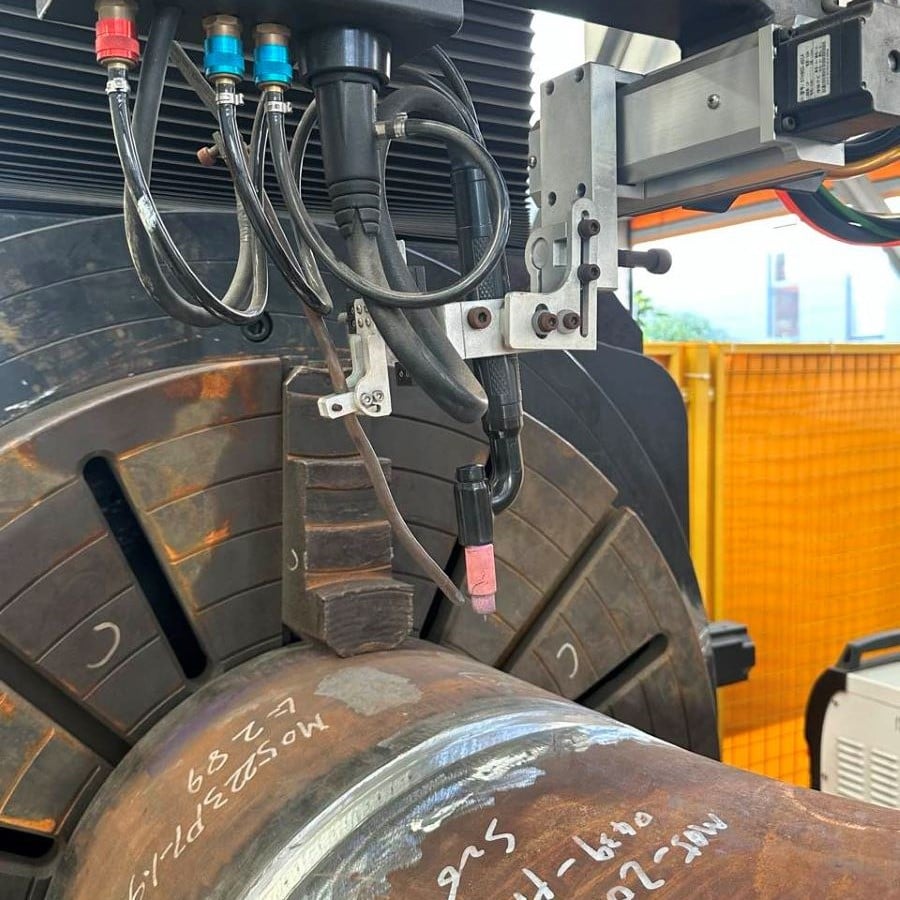
Selecting the right butt fusion welding machine is critical for the success of any HDPE pipe project. A butt fusion welding machine creates permanent, leak-proof joints by heating and fusing plastic pipe ends together, making it the preferred method for joining high-density polyethylene pipes in water distribution, gas transmission, and industrial applications. The quality of your butt fusion welding machine directly impacts joint integrity, project timelines, and long-term system reliability. Understanding the key factors involved in choosing a butt fusion welding machine ensures you invest in equipment that meets your project specifications and operational demands.

The process of selecting a butt fusion welding machine involves evaluating multiple technical and operational considerations specific to your HDPE pipe requirements. A well-chosen butt fusion welding machine should deliver consistent heating control, adequate clamping force, and precise temperature management across all joint sizes you plan to work with. This guide walks you through the essential criteria for evaluating butt fusion welding machine options, ensuring your selection aligns with project scope, budget, and performance expectations.
Understanding Butt Fusion Welding Machine Specifications
Pipe Diameter and Pressure Rating Compatibility
The primary specification for any butt fusion welding machine is its operating range for pipe diameter and pressure ratings. Your butt fusion welding machine must be capable of handling the full range of HDPE pipe sizes required for your project, whether you are joining pipes from 20 millimeters to 630 millimeters in diameter. Different butt fusion welding machine models are designed for specific pressure classes, typically ranging from PN6 to PN25, and selecting equipment outside your required range wastes resources and compromises weld quality. Verify that your chosen butt fusion welding machine specifications explicitly match the pressure and diameter requirements documented in your project engineering plans.
Heating Element Power and Temperature Control
The heating element in a butt fusion welding machine must reach and maintain precise temperatures, typically between 200 and 230 degrees Celsius for HDPE applications. A high-quality butt fusion welding machine incorporates digital thermostats, sensor feedback systems, and rapid heat recovery to ensure consistent temperature throughout the welding cycle. Insufficient heating power in a butt fusion welding machine leads to incomplete fusion and weak joints, while excessive heat causes material degradation and brittleness. The butt fusion welding machine you select should include automatic temperature compensation and real-time monitoring to prevent operator error and ensure every joint meets specification standards.
Evaluating Machine Design and Operational Features
Clamping Force and Alignment Systems
A critical function of any butt fusion welding machine is secure pipe clamping and precise end-face alignment before and during the heating process. Your butt fusion welding machine must deliver adequate clamping force, measured in kilonewtons, to hold pipes firmly without deforming the material or causing misalignment. Modern butt fusion welding machine designs incorporate hydraulic or pneumatic clamping systems with automated centering mechanisms that reduce operator skill requirements and improve consistency. The alignment accuracy of your butt fusion welding machine directly affects joint strength, making this a non-negotiable feature in your selection process.
Automation and User Interface Features
Contemporary butt fusion welding machine models offer varying levels of automation, from manual operation to fully programmable systems that guide operators through standardized welding cycles. A butt fusion welding machine with automated cycle management reduces human error, accelerates job completion, and produces more consistent results across different operator skill levels. Selecting a butt fusion welding machine with an intuitive digital interface, clear status displays, and pre-programmed settings for common pipe sizes minimizes training time and allows field teams to work more efficiently. Consider whether your project involves multiple operators or ongoing maintenance work when evaluating automation features in your butt fusion welding machine choice.
Assessing Portability, Maintenance, and Support Factors
Mobility and Field Deployment Considerations
Project scope determines whether your butt fusion welding machine needs to be portable or permanently stationed at a work site. For distributed HDPE pipe networks spanning multiple locations, a compact and lightweight butt fusion welding machine with efficient transport mechanisms proves invaluable. Your butt fusion welding machine should have protective carrying cases, reliable wheels or handling fixtures, and minimal setup time to transition between job sites quickly. Conversely, large fixed installations may accommodate heavier butt fusion welding machine models with extended duty cycles and higher throughput capacity without mobility concerns.
Maintenance Requirements and Spare Parts Availability
The long-term cost of owning and operating a butt fusion welding machine extends beyond the initial purchase price to include maintenance, repairs, and spare parts availability. Investigate whether your selected butt fusion welding machine manufacturer offers comprehensive maintenance schedules, readily available replacement parts, and accessible technical support. A butt fusion welding machine from established suppliers typically ensures easier troubleshooting, faster repair turnaround, and consistent availability of critical components like heating elements and clamping seals. Request information about warranty coverage, service response times, and whether butt fusion welding machine operators receive training documentation and support materials with your purchase.
Project Cost and Budget Alignment
Budget considerations must balance upfront equipment costs against operational efficiency and long-term reliability when selecting your butt fusion welding machine. Entry-level butt fusion welding machine models offer basic functionality and lower initial investment but may lack automation features that improve productivity on larger projects. Mid-range and premium butt fusion welding machine options justify their higher costs through enhanced control precision, faster heating cycles, better ergonomic design, and longer equipment lifespan. Calculate the total cost of ownership for your butt fusion welding machine, including maintenance, operator training, energy consumption, and downtime risk, to make an informed decision aligned with your project budget and timeline.
FAQ
What pipe diameter range should my butt fusion welding machine accommodate?
Your butt fusion welding machine must cover the full range of HDPE pipe sizes specified in your project design. Most projects use butt fusion welding machine equipment rated for 20 to 315 millimeters, but larger infrastructure projects may require machines handling pipes up to 630 millimeters. Review your engineering drawings and material specifications to confirm the exact diameter and pressure rating requirements, then select a butt fusion welding machine model that encompasses this complete range without exceeding your project scope.
How does a butt fusion welding machine ensure joint quality and consistency?
A butt fusion welding machine ensures joint quality through precise temperature control, accurate pressure application, and proper cooling phases managed by automated systems. The butt fusion welding machine monitors heating element temperature in real time, applies consistent clamping force, and follows programmed cooling cycles that allow the fused material to solidify correctly. Many modern butt fusion welding machine models generate electronic records documenting each weld cycle, providing traceability and quality assurance documentation required by project specifications and industry standards.
Can a single butt fusion welding machine handle multiple HDPE pipe projects simultaneously?
A single butt fusion welding machine can support multiple projects if the pipe sizes and pressure ratings fall within the equipment's operating specifications. However, if projects involve significantly different pipe diameters or pressure classes, you may benefit from having a dedicated butt fusion welding machine for each project scope to minimize setup adjustments and maximize operational efficiency. Consider rental options or leasing arrangements for your butt fusion welding machine if project scope, duration, or budget constraints make equipment purchase impractical.