
 EN
 AR
 BG
 HR
 CS
 DA
 NL
 FI
 FR
 DE
 EL
 HI
 IT
 JA
 KO
 NO
 PL
 PT
 RO
 RU
 ES
 SV
 TL
 IW
 ID
 LT
 UK
 SQ
 HU
 TH
 TR
 FA
 AF
 CY
 MK
 LA
 MN
 KK
 UZ
 KY
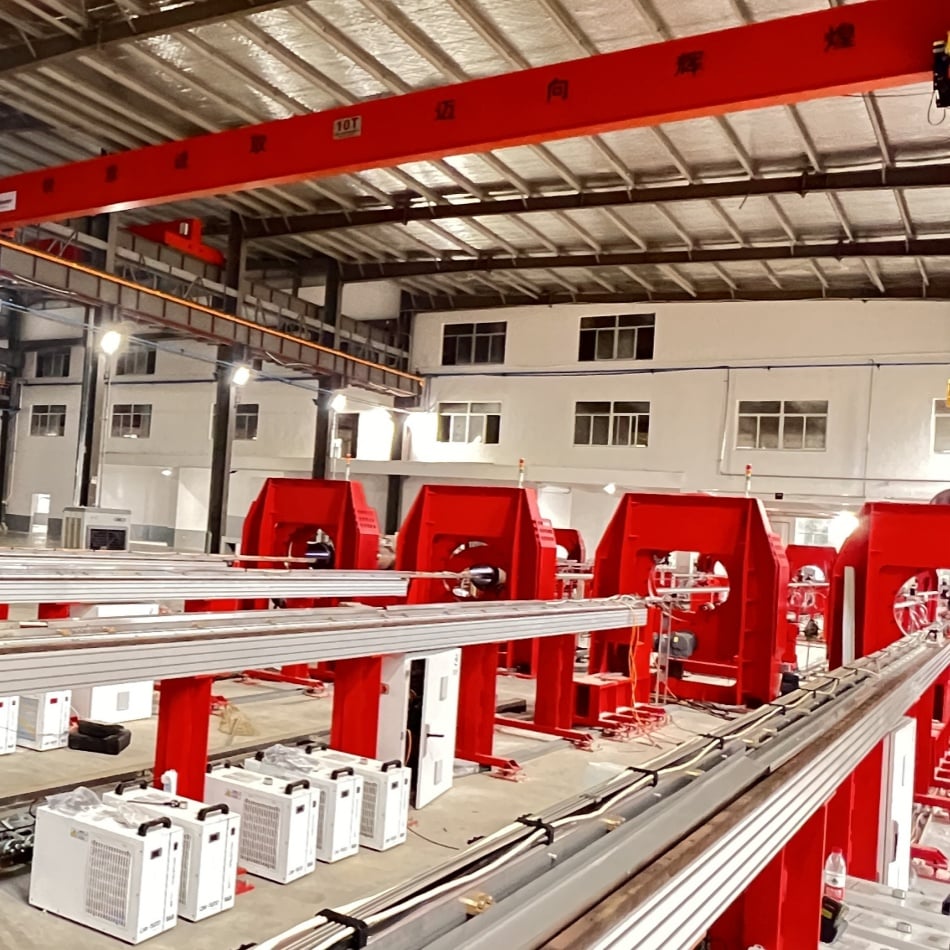
Modern welding shops face constant pressure to maximize productivity while minimizing wasted space. One of the most effective ways to achieve this goal is by implementing pipe stands that adapt to your workflow rather than forcing your workflow to fit rigid equipment. Traditional fixed pipe stands waste valuable floor space and limit flexibility when project demands change. Modular pipe stands represent a proven solution that allows shops to reconfigure their workspace quickly, reduce material handling time, and improve overall operational efficiency without major capital investment or facility redesign.
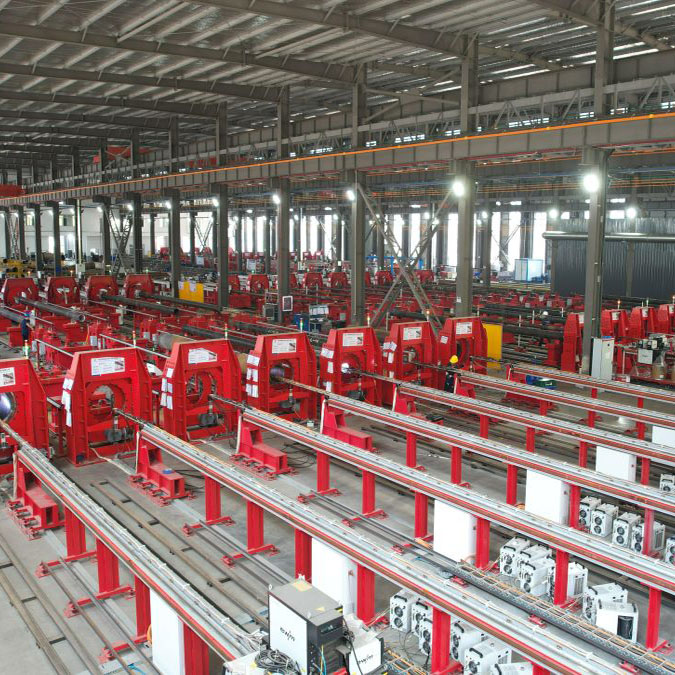
The strategic placement of pipe stands directly influences how efficiently your team moves materials, positions workpieces, and executes welding operations. When pipe stands are optimized for your specific shop layout, technicians spend less time repositioning heavy pipes and more time performing value-added welding work. This optimization translates into measurable improvements in cycle time, reduced strain injuries from awkward handling, and better quality control because operators have proper ergonomic access to their work.
Understanding Modular Pipe Stands and Their Role in Shop Layout
What Makes Modular Pipe Stands Different
Modular pipe stands differ fundamentally from conventional stationary supports. Traditional pipe stands are bolted permanently to the shop floor, creating fixed workstations that cannot adapt to changing project requirements. In contrast, modular pipe stands feature adjustable height, removable components, and wheeled bases that allow rapid reconfiguration. This modularity means your pipe stands can support different pipe diameters, accommodate varying workpiece lengths, and be repositioned within minutes rather than hours. The flexibility embedded in modular pipe stands provides a crucial competitive advantage in job shops and contract manufacturing environments where project specifications vary widely.
Key Components of Effective Pipe Stands
Quality modular pipe stands consist of several interconnected parts that work together to maximize utility. The base platform must be stable enough to handle heavy loads while remaining lightweight enough for manual repositioning. The support rollers or V-blocks on your pipe stands should accommodate multiple pipe sizes without requiring tools to adjust. Height-adjustable columns on your pipe stands allow operators to position pipes at ergonomic working levels, reducing fatigue and improving precision. The best pipe stands also include locking mechanisms that prevent accidental movement during welding operations. Understanding how these components function helps you select pipe stands that match your specific shop requirements and material handling practices.
Designing Your Shop Layout Around Modular Pipe Stands
Spatial Planning and Flow Optimization
Effective shop layout begins with mapping your material flow from receiving through final inspection. Position your pipe stands to minimize the distance raw materials travel before reaching welding stations. Group pipe stands by application type so operators working with similar diameter ranges and lengths remain in close proximity. This clustering of pipe stands reduces movement between stations and makes inventory management more intuitive. Consider positioning pipe stands with easy access to your primary welding equipment while maintaining safe clearance zones around active work areas. When pipe stands are arranged according to process sequence rather than arbitrary placement, your shop naturally becomes more efficient without requiring expensive automation or facility modifications.
Adapting Pipe Stands to Production Volume Changes
One major advantage of modular pipe stands is their ability to scale with production demands. During periods of high demand, you can quickly add supplementary pipe stands to staging areas without complicated installation procedures. When production volume decreases, these same pipe stands can be relocated to other departments or stored compactly in reserve areas. This flexibility prevents the waste associated with either undersized facilities during growth periods or oversized facilities during downturns. By integrating pipe stands designed for rapid reconfiguration, your shop gains the operational agility required to respond to market fluctuations without capital equipment investments. The modularity of pipe stands transforms them from static infrastructure into dynamic operational tools.
Implementation Strategies for Maximizing Pipe Stands Efficiency
Establishing Standard Operating Procedures
Simply purchasing pipe stands does not guarantee improved layout efficiency. Your team needs clear procedures for positioning pipe stands, adjusting support components, and securing workpieces correctly. Document the optimal height settings for different pipe diameters on each pipe stands unit so operators apply consistent technique. Train personnel to recognize when pipe stands require maintenance or adjustment to prevent safety incidents and damage to materials. Create a visual identification system on your pipe stands indicating load capacity and compatible pipe sizes. When pipe stands usage is standardized across your shop, productivity gains compound because operators work more consistently and safely. Well-documented procedures also accelerate onboarding for new team members learning to work with pipe stands.
Measuring Performance Improvements
Track specific metrics before and after implementing optimized pipe stands layouts to validate your investment. Measure the time required to position and secure workpieces on your pipe stands compared to your previous setup. Monitor material handling injuries and near-miss incidents to assess ergonomic improvements provided by properly configured pipe stands. Compare welding cycle times to identify whether better access from optimized pipe stands positioning actually reduces defects. Calculate the utilization rate of your pipe stands to ensure they support productive work rather than sitting idle. These measurements transform pipe stands optimization from a best-practice assumption into a data-driven operational decision. Continuous monitoring also reveals whether your current pipe stands layout remains optimal as your product mix evolves.
FAQ
How many pipe stands should my shop maintain for optimal layout flexibility?
The ideal number of pipe stands depends on your production volume, pipe size diversity, and available floor space. A practical approach involves sizing your pipe stands inventory to support peak production volume while maintaining 20 percent excess capacity for product mix variations. Most shops find that having one pipe stands unit for every two welding stations provides sufficient flexibility without excessive idle equipment. pipe stands can be quickly reconfigured, so you may not need as many units as you would with fixed equipment. Document your actual usage patterns for one month to determine whether your current pipe stands count aligns with real-world demands.
Can modular pipe stands accommodate different pipe diameters and wall thicknesses?
Yes, quality modular pipe stands are specifically designed to support diverse pipe specifications within reasonable ranges. V-block support rollers on your pipe stands naturally accommodate diameter variations because the V-shape centers pipes regardless of size. However, extremely large diameter pipes may require specialized roller inserts or different pipe stands configurations. Wall thickness affects how pipes rest in the support elements of your pipe stands, but it does not typically prevent accommodation of different thicknesses for the same diameter range. When selecting pipe stands, verify that the manufacturer specifies your required diameter range and provides any necessary accessories for your wall thickness specifications.
What is the proper maintenance schedule for modular pipe stands?
Effective maintenance extends the operational life of your pipe stands and prevents unexpected downtime. Perform visual inspections of pipe stands weekly to identify damaged rollers, cracks in the base frame, or stuck adjustment mechanisms. Clean support surfaces on your pipe stands monthly to prevent material buildup that affects pipe positioning accuracy. Lubricate adjustment mechanisms on your pipe stands quarterly using appropriate lubricants specified by the manufacturer. Check the load capacity rating of your pipe stands quarterly and replace any worn components that reduce this rating. Replace heavily scored or damaged rollers on your pipe stands before they compromise workpiece positioning. Documenting maintenance activities on each pipe stands unit helps identify recurring issues and justifies replacement decisions.