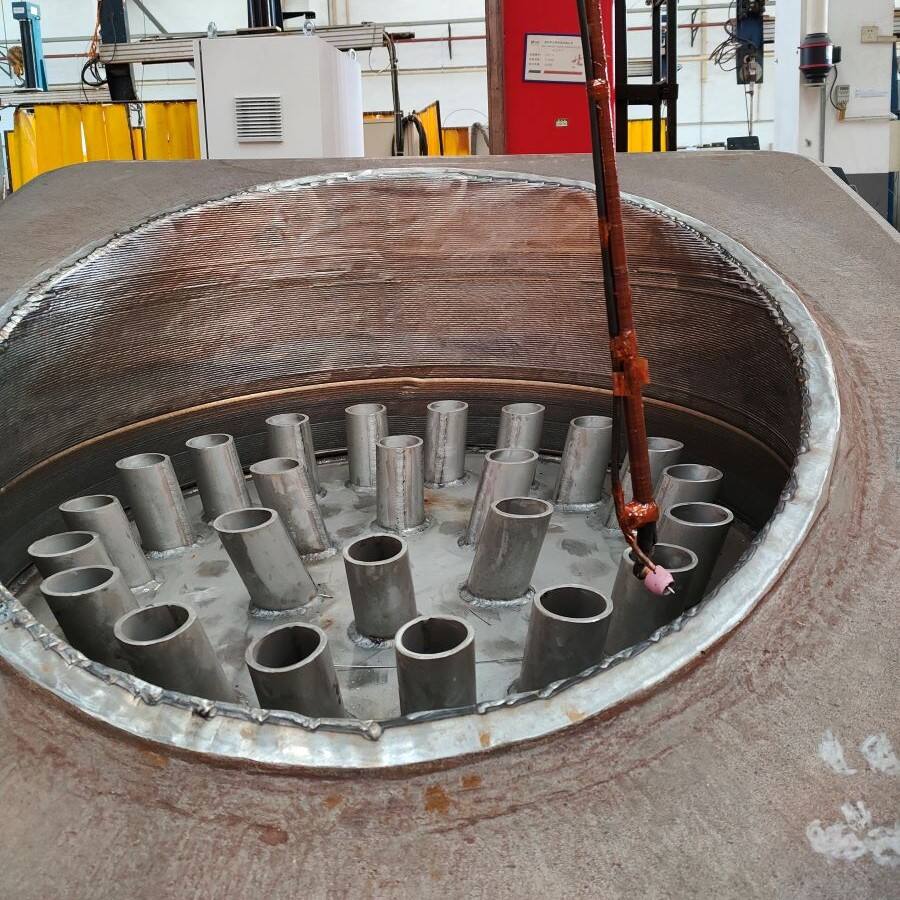
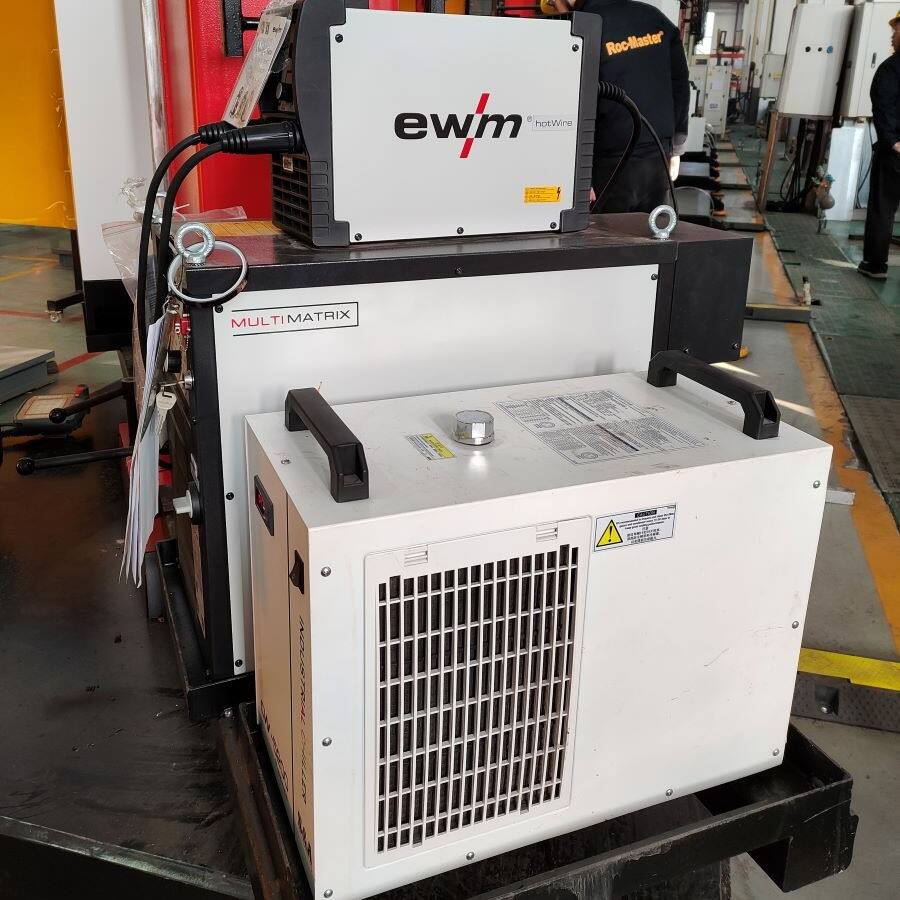
mig welding tools and equipment
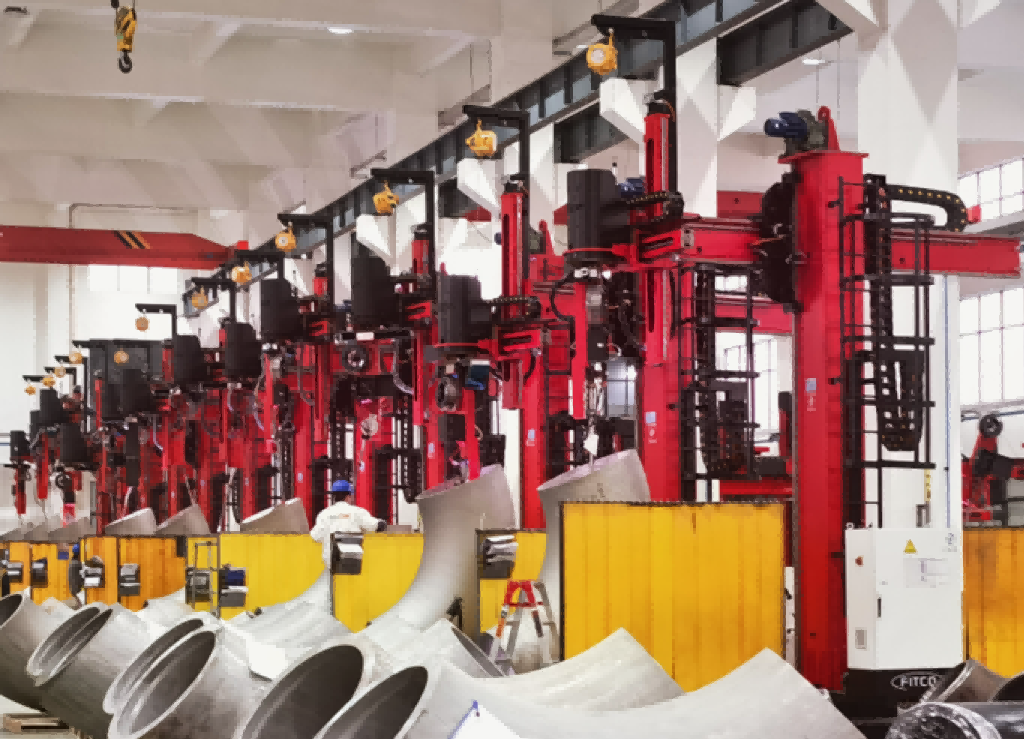
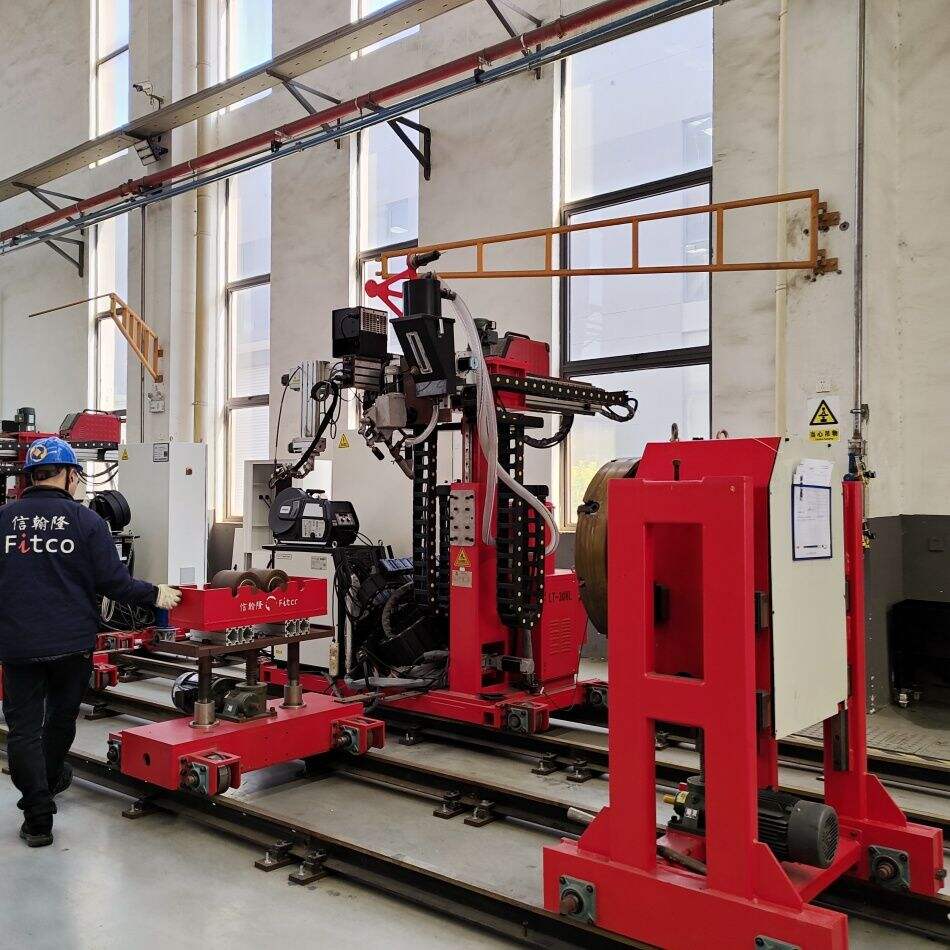
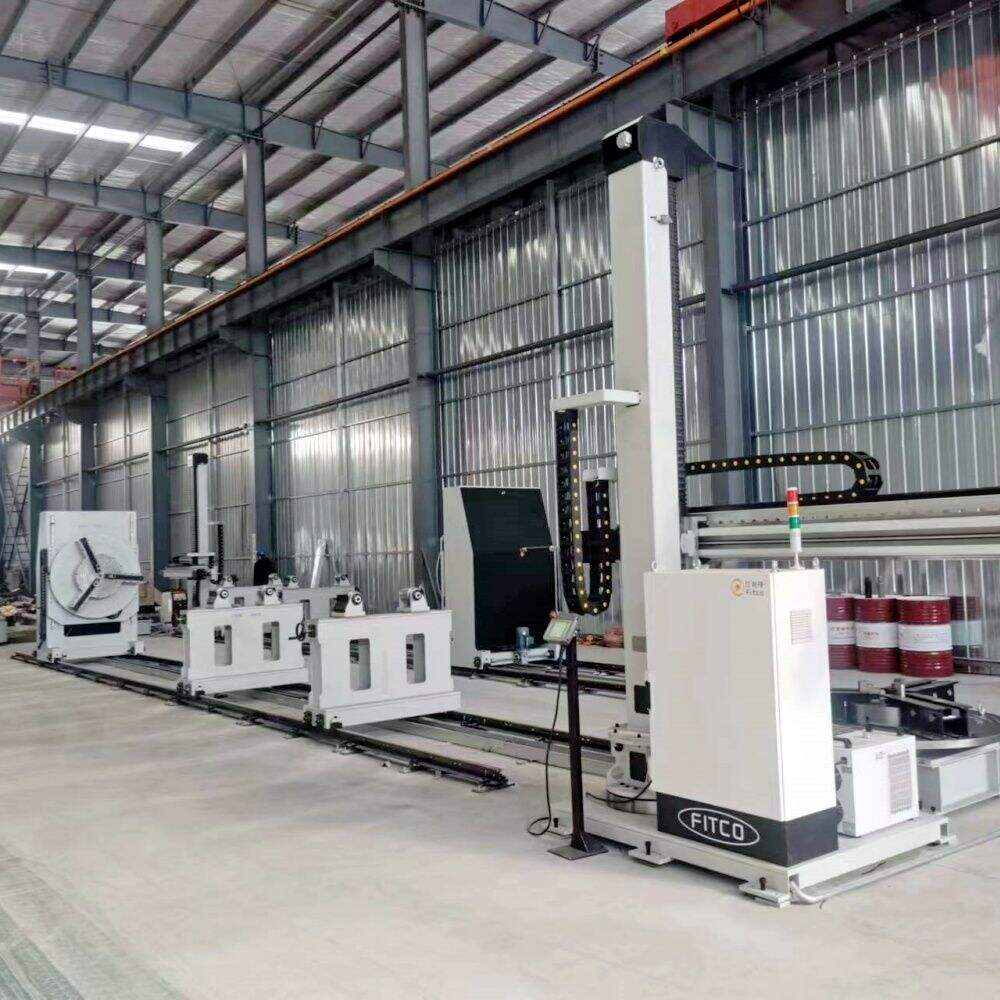
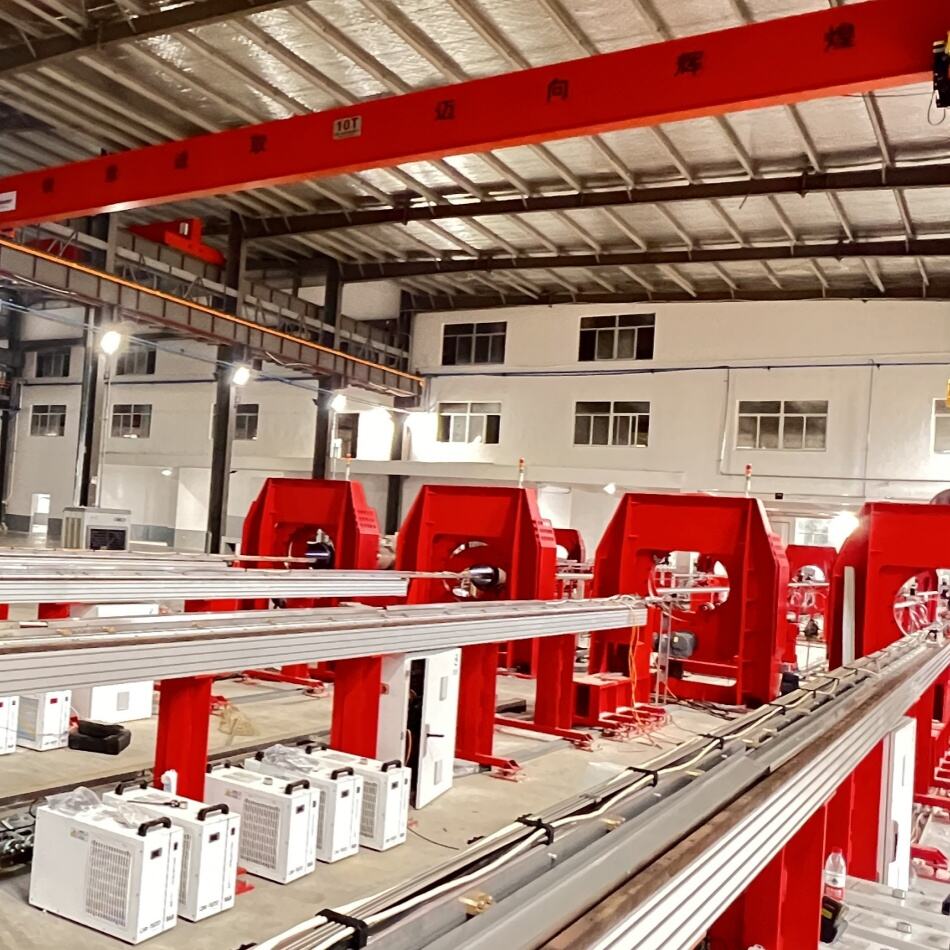
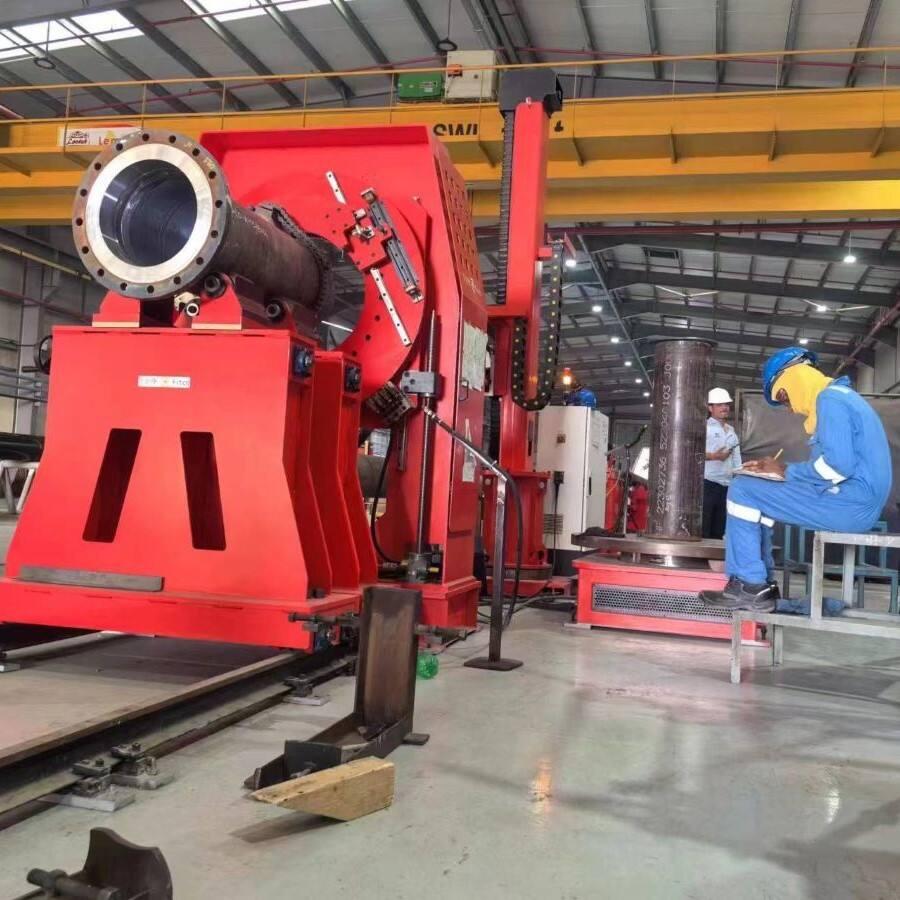
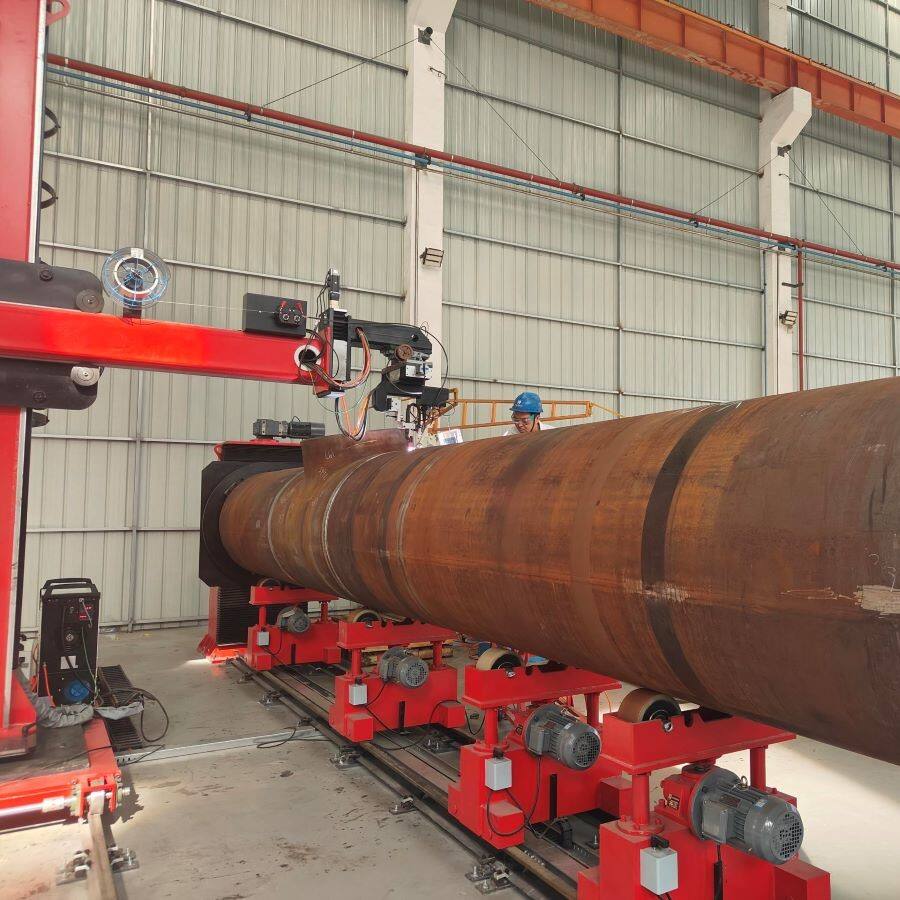
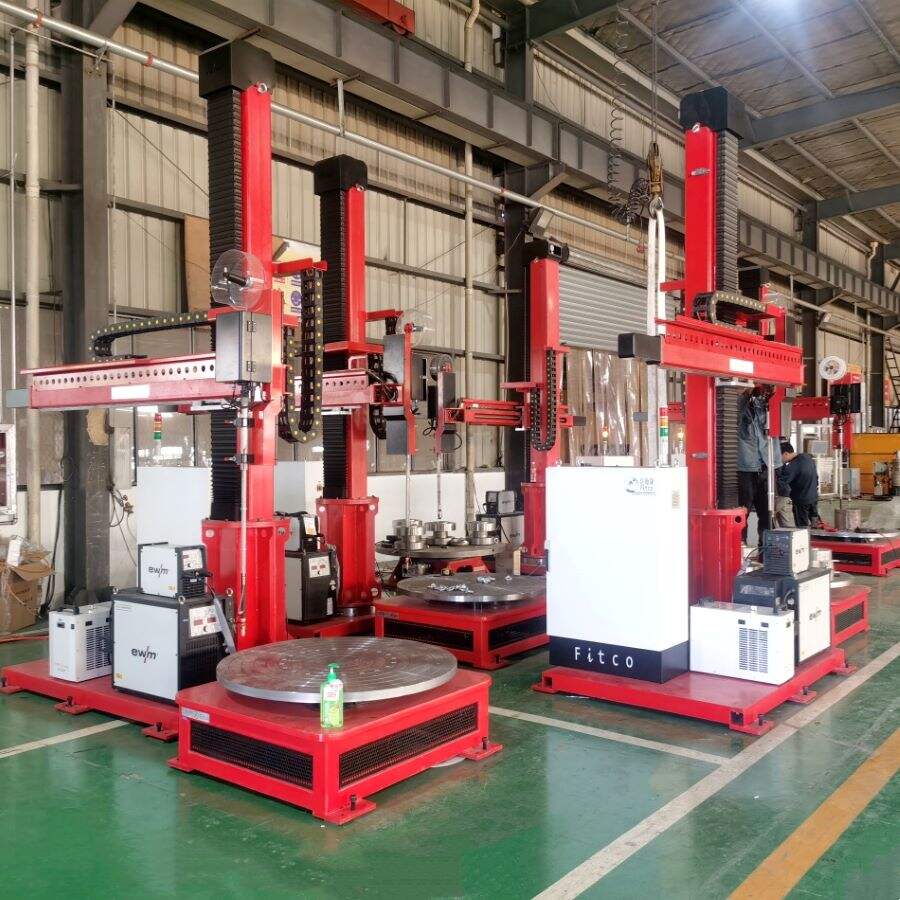
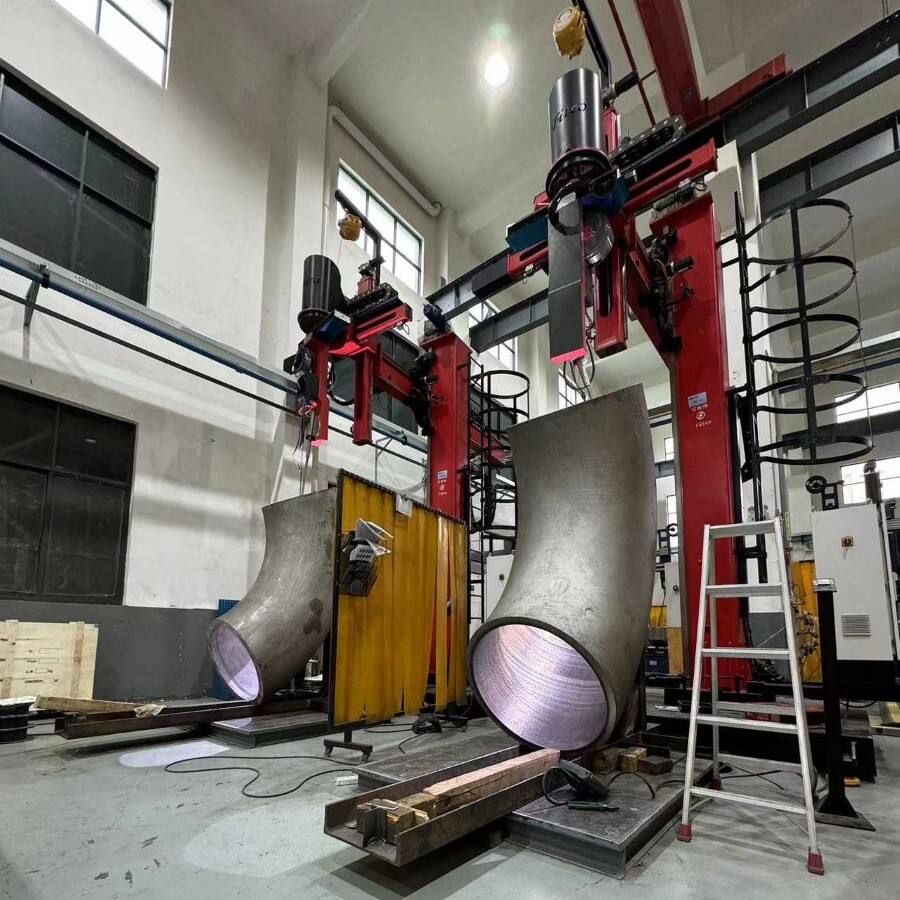
MIG welding tools and equipment represent a cornerstone of modern metalworking technology, offering fabricators and welders an efficient solution for joining various metal materials. Metal Inert Gas welding, commonly known as MIG welding, utilizes a continuous wire electrode fed through a welding gun, combined with an inert shielding gas to protect the weld pool from atmospheric contamination. This semi-automatic process has revolutionized industrial manufacturing and continues to serve as the preferred method for countless applications across diverse sectors. The primary function of mig welding tools and equipment centers on creating strong, reliable joints between metal components through controlled heat application and precise material deposition. Modern MIG systems incorporate sophisticated wire feeding mechanisms that maintain consistent electrode delivery rates, ensuring uniform weld quality throughout extended operations. The technological features of contemporary mig welding tools and equipment include digital control panels that allow operators to fine-tune voltage, amperage, and wire feed speed with exceptional precision. Advanced models feature synergic welding programs that automatically adjust multiple parameters based on material thickness and type, significantly reducing setup time and minimizing operator error. These systems often incorporate pulse welding capabilities, which alternate between high and low current levels to reduce heat input while maintaining penetration depth. The shielding gas delivery system represents another critical component, typically utilizing argon, carbon dioxide, or specialized gas mixtures to create an optimal welding environment. Applications for mig welding tools and equipment span numerous industries, from automotive manufacturing and shipbuilding to construction and artistic metalwork. The versatility of these systems enables welding of various materials including mild steel, stainless steel, aluminum, and specialized alloys, making them indispensable for both production environments and repair operations.

 EN
EN
 AR
AR BG
BG HR
HR CS
CS DA
DA NL
NL FI
FI FR
FR DE
DE EL
EL HI
HI IT
IT JA
JA KO
KO NO
NO PL
PL PT
PT RO
RO RU
RU ES
ES SV
SV TL
TL IW
IW ID
ID LT
LT UK
UK SQ
SQ HU
HU TH
TH TR
TR FA
FA AF
AF CY
CY MK
MK LA
LA MN
MN KK
KK UZ
UZ KY
KY