CNC Automatic Welding Machine - Advanced Industrial Welding Solutions for Precision Manufacturing

Contact me immediately if you encounter problems!

All Categories

Get a Free Quote

Our representative will contact you soon.
Email
Mobile/WhatsApp
Name
Company Name
Message
0/1000

Get a Free Quote

Our representative will contact you soon.
Email
Mobile/WhatsApp
Name
Company Name
Message
0/1000

cnc automatic welding machine

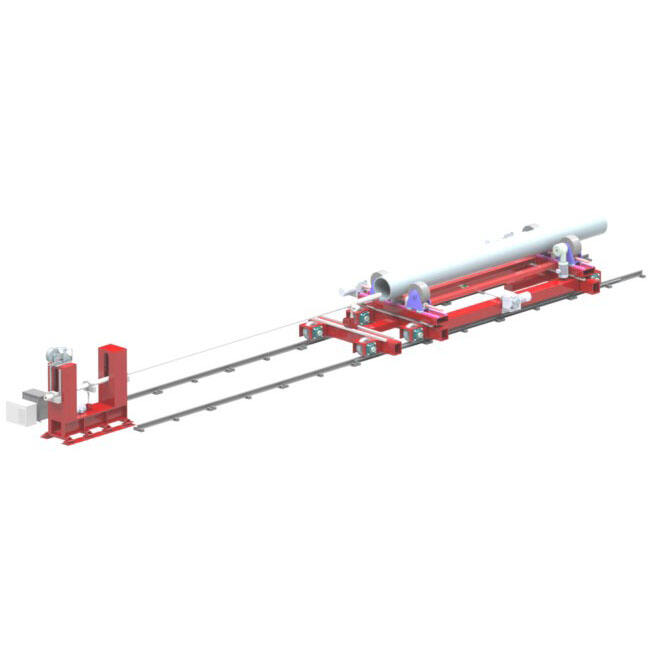
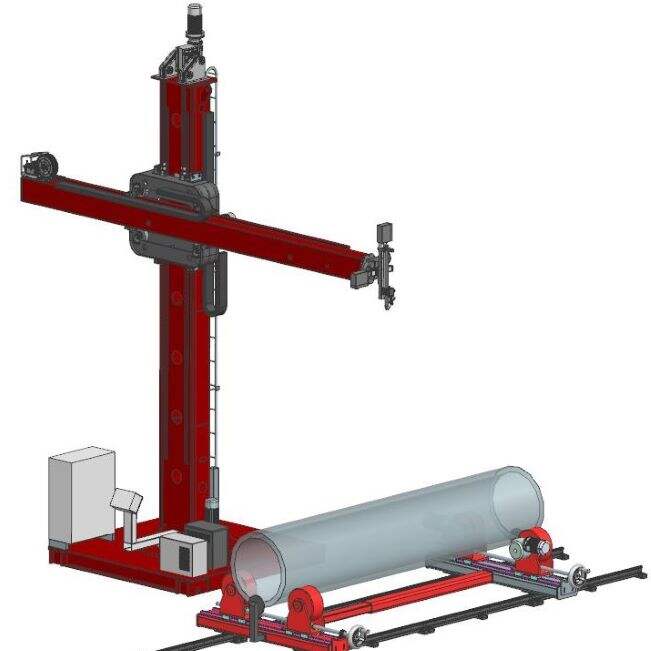
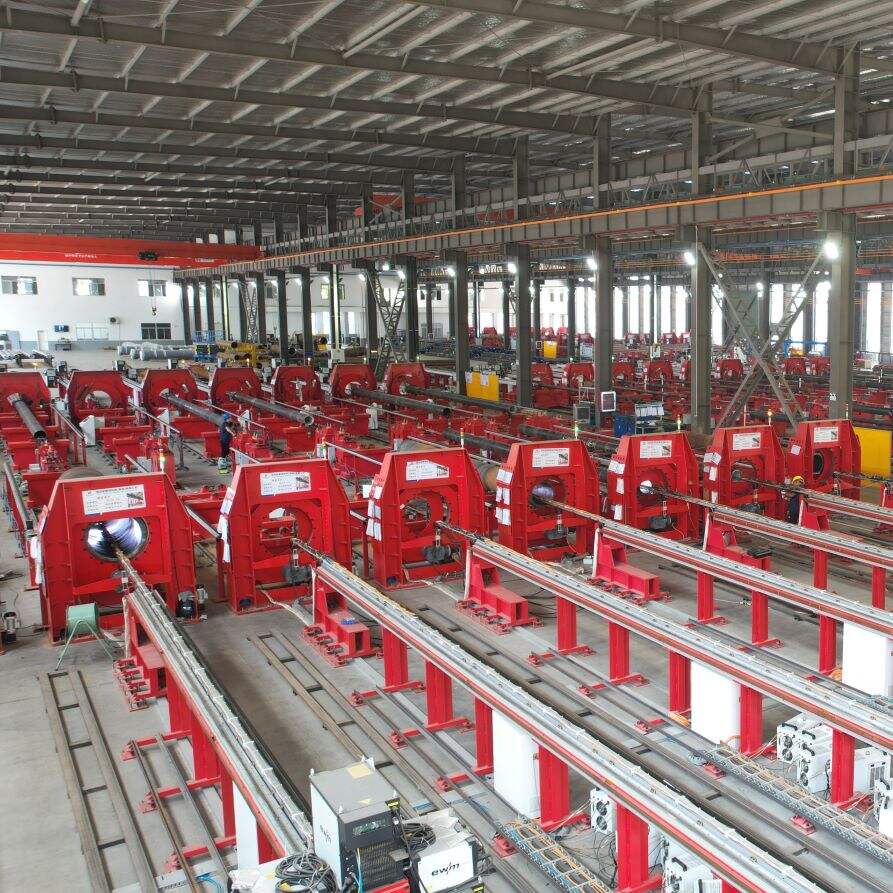
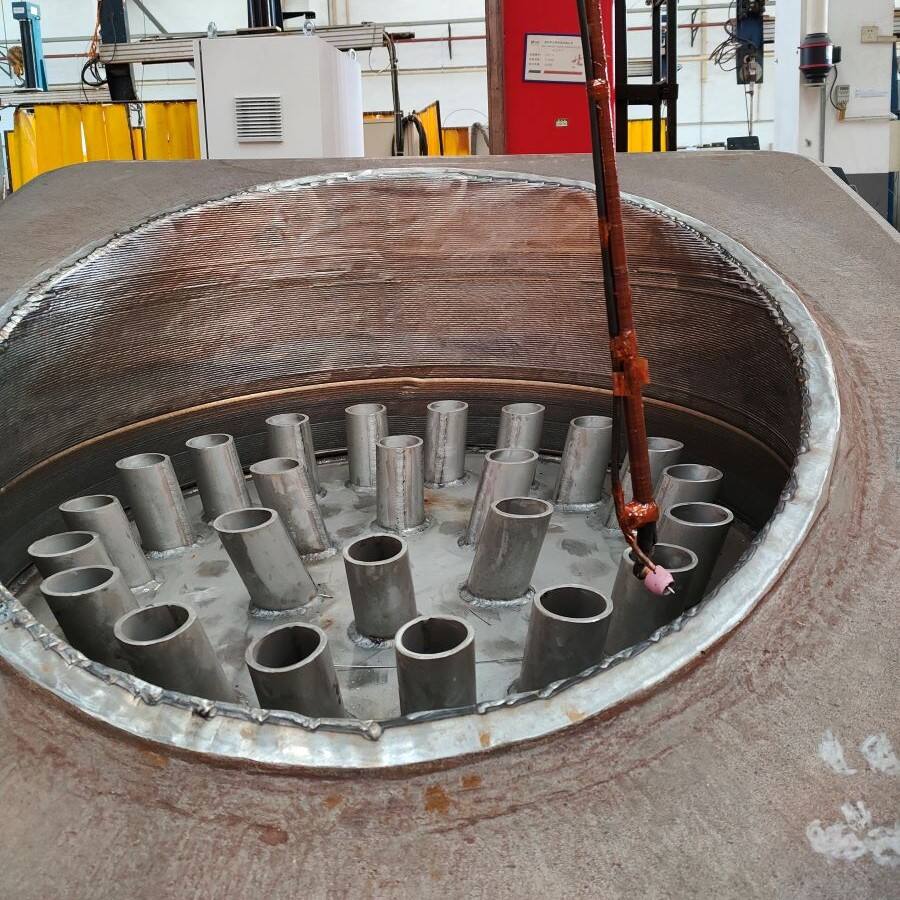
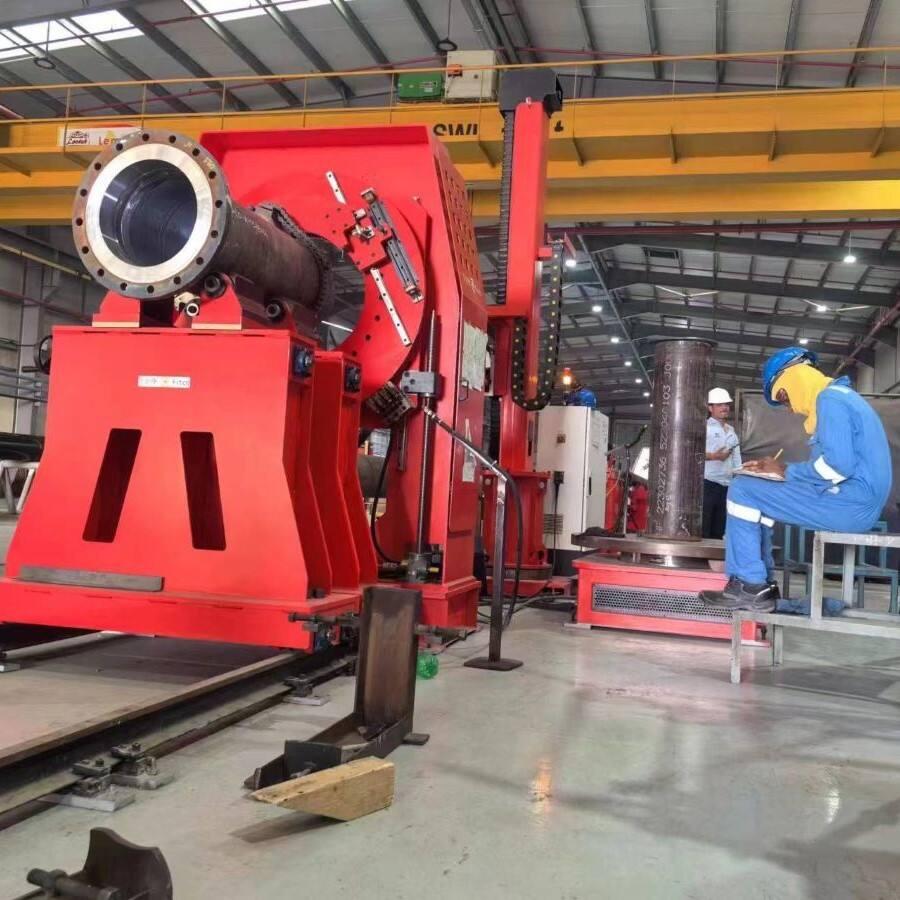
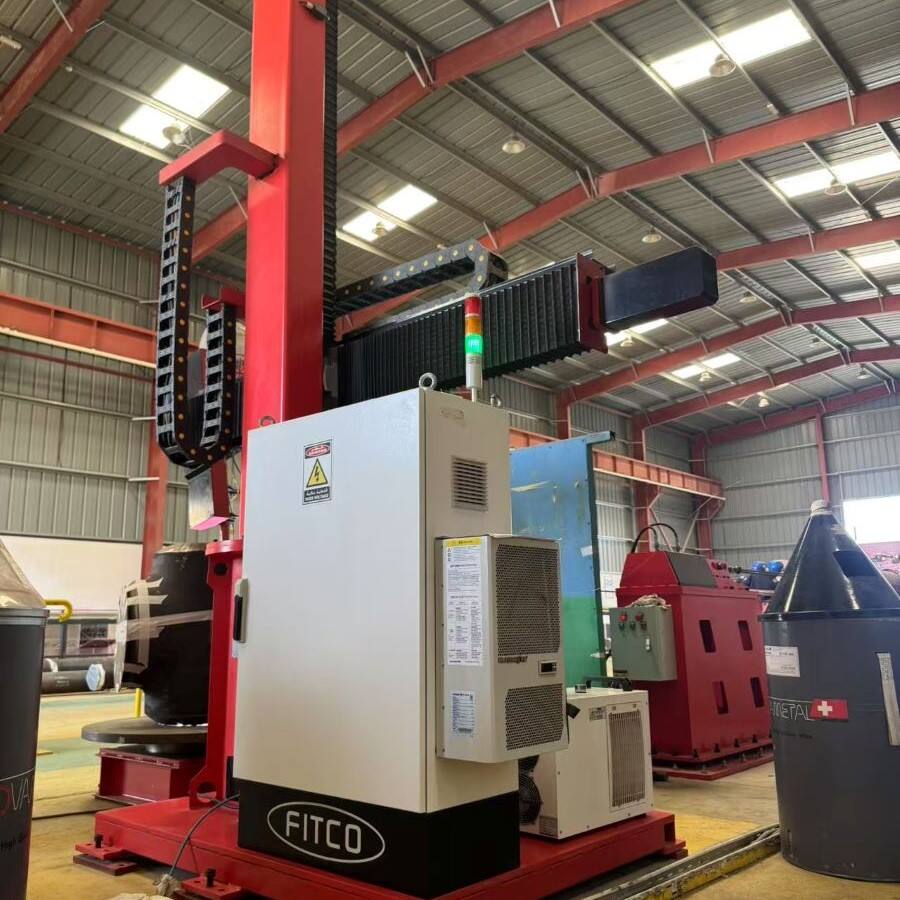
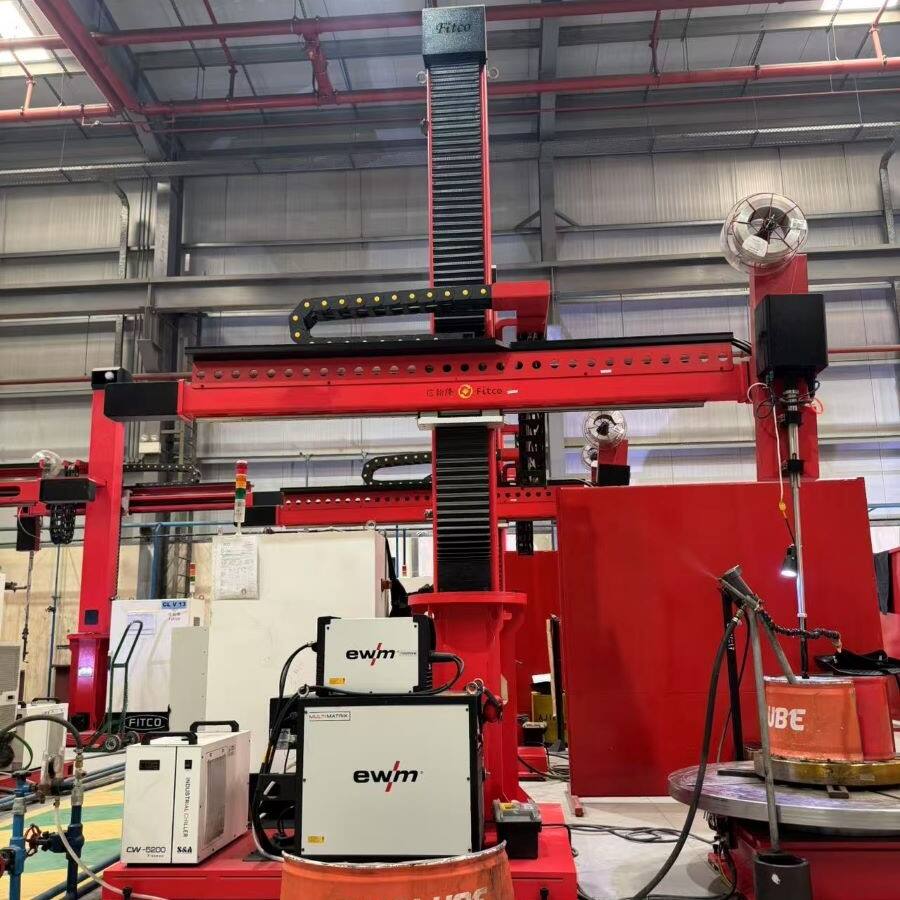
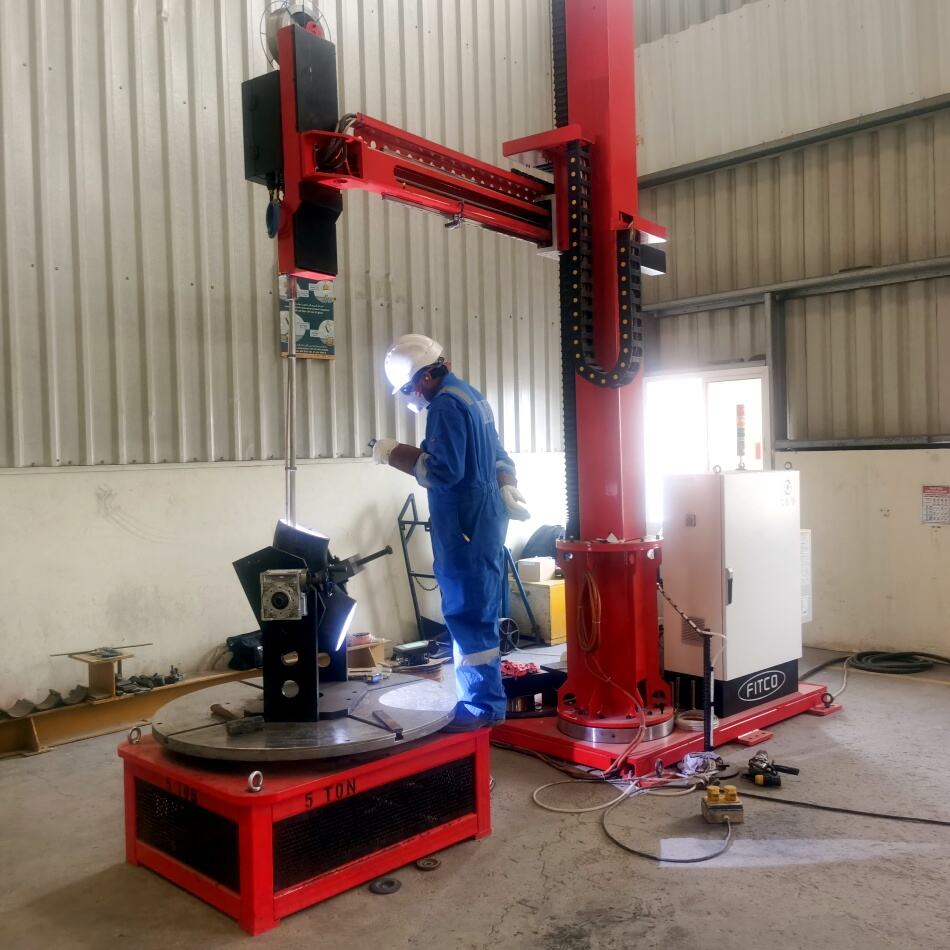
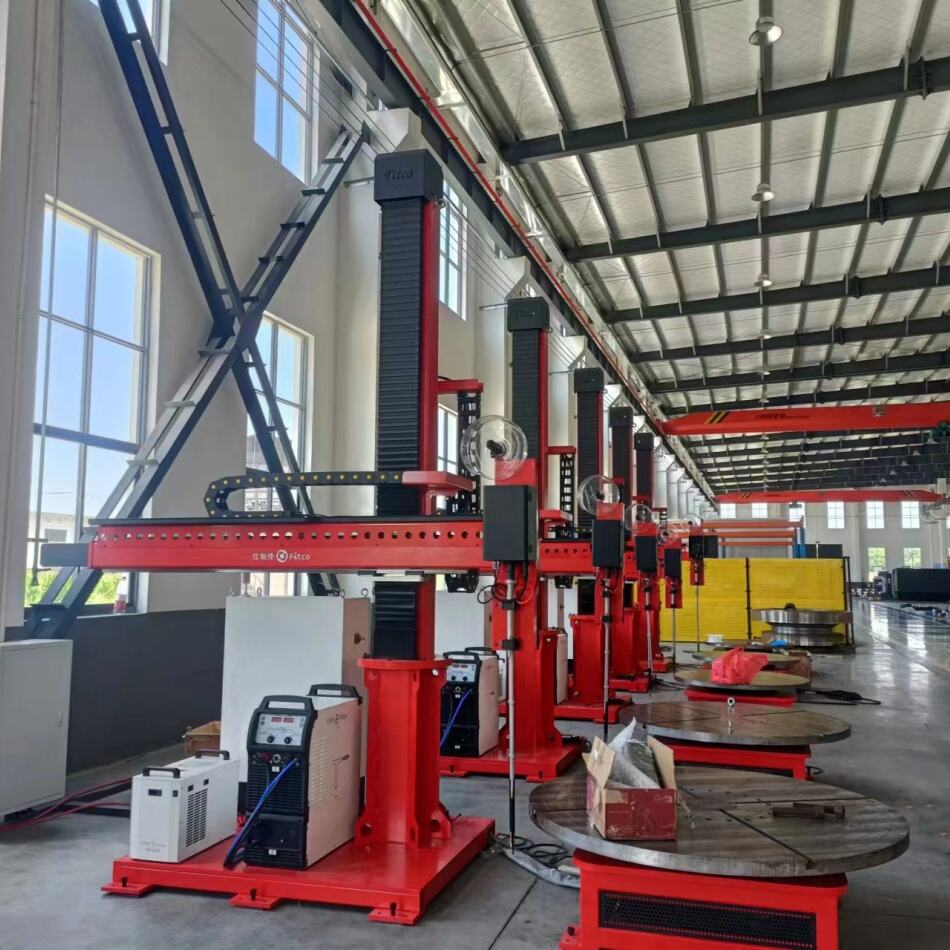
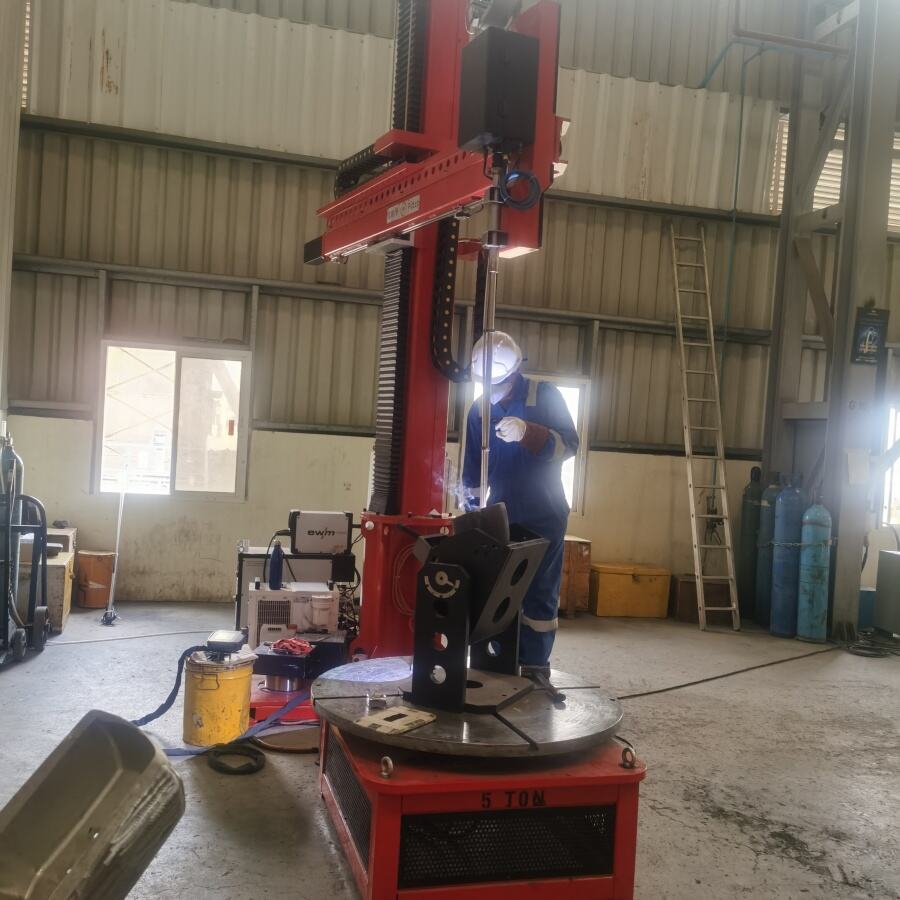
The cnc automatic welding machine represents a revolutionary advancement in industrial manufacturing, combining computer numerical control technology with precision welding capabilities. This sophisticated equipment operates through programmed instructions, executing welding tasks with exceptional accuracy and consistency. The machine integrates advanced servo motors, precision positioning systems, and intelligent control software to deliver superior welding performance across diverse applications. Modern cnc automatic welding machines feature multi-axis movement capabilities, allowing complex welding patterns and three-dimensional operations that would be impossible with manual techniques. The core functionality centers on automated torch positioning, precise heat control, and consistent travel speeds that ensure uniform weld quality. These machines incorporate real-time monitoring systems that track welding parameters, detect anomalies, and make instant adjustments to maintain optimal performance. The technological architecture includes sophisticated sensors that measure arc voltage, current flow, and wire feed rates, providing continuous feedback to the control system. Advanced models feature adaptive welding capabilities that automatically adjust parameters based on material thickness, joint configuration, and environmental conditions. The cnc automatic welding machine excels in producing high-strength welds with minimal distortion, making it ideal for critical applications in aerospace, automotive, and structural fabrication. Integration capabilities allow seamless connection with manufacturing execution systems, enabling real-time production monitoring and quality assurance. The machine handles various welding processes including MIG, TIG, and plasma welding, adapting to different material requirements and thickness specifications. User-friendly interfaces simplify programming and operation, while safety features ensure operator protection and equipment longevity. This technology transforms traditional welding operations by eliminating human variability, reducing labor costs, and achieving production speeds that surpass conventional methods.

New Product Releases

The cnc automatic welding machine delivers transformative benefits that revolutionize manufacturing operations and enhance productivity across industrial sectors. Primary advantages include dramatically improved weld quality consistency, as the machine eliminates human error and maintains precise control over critical welding parameters throughout entire production runs. This consistency translates directly into reduced rework rates, lower rejection percentages, and significant cost savings in material waste and labor hours. Production speed increases substantially compared to manual welding, with many operations achieving two to four times faster completion rates while maintaining superior quality standards. The machine operates continuously without fatigue, breaks, or performance degradation, enabling 24-hour production schedules that maximize facility utilization and accelerate project timelines. Labor cost reductions represent another significant advantage, as one skilled technician can supervise multiple cnc automatic welding machines simultaneously, dramatically improving labor efficiency ratios. Safety improvements are substantial, removing operators from hazardous welding environments and reducing exposure to harmful fumes, intense light, and potential burn injuries. The precision positioning capabilities enable complex joint configurations and intricate welding patterns that would be extremely difficult or impossible to achieve manually. Material savings result from optimized heat input control, which minimizes distortion and reduces the need for post-weld machining or correction processes. Quality documentation becomes automatic through integrated data logging systems that record all welding parameters, creating comprehensive quality assurance records for compliance and traceability requirements. Flexibility in production scheduling allows rapid changeovers between different welding programs, enabling efficient small-batch production and customization without extensive setup times. Energy efficiency improvements stem from optimized welding parameters that reduce power consumption while maintaining superior weld penetration and strength characteristics. The cnc automatic welding machine also provides predictable maintenance schedules, reducing unexpected downtime and enabling better production planning. Training requirements decrease significantly, as operators need basic programming skills rather than advanced welding expertise, expanding the available workforce and reducing training costs.

Latest News

How Does MIG Welding Equipment Enhance Efficiency in Large-Scale Work?

27

Nov

How Does MIG Welding Equipment Enhance Efficiency in Large-Scale Work?

In today's competitive manufacturing landscape, industrial operations demand maximum productivity while maintaining superior quality standards. MIG welding equipment has emerged as a cornerstone technology for large-scale fabrication projects, revolu...
View More
Why Are Pipe Cladding Machines Vital for Industrial Corrosion Protection?

27

Nov

Why Are Pipe Cladding Machines Vital for Industrial Corrosion Protection?

Industrial facilities worldwide face a constant battle against corrosion, with pipe systems serving as critical infrastructure that demands exceptional protection. The implementation of advanced welding technologies has revolutionized how industries ...
View More
How Can Longitudinal TIG Equipment Improve Weld Uniformity?

13

Jan

How Can Longitudinal TIG Equipment Improve Weld Uniformity?

Achieving consistent weld quality across extended seams remains one of the most challenging aspects of modern fabrication. Manufacturing industries demand precision welding solutions that deliver uniform penetration, minimal distortion, and reliable ...
View More
Why Are Pressure-Vessel Plants Using Circumferential TIG Systems?

13

Jan

Why Are Pressure-Vessel Plants Using Circumferential TIG Systems?

The pressure vessel manufacturing industry has witnessed a significant shift toward advanced welding technologies, with circumferential TIG systems emerging as the preferred solution for critical applications. These sophisticated welding systems deli...
View More

Get a Free Quote

Our representative will contact you soon.
Email
Mobile/WhatsApp
Name
Company Name
Message
0/1000

cnc automatic welding machine

Precision Control Technology for Superior Weld Quality

Precision Control Technology for Superior Weld Quality

The cnc automatic welding machine incorporates cutting-edge precision control technology that revolutionizes weld quality standards across industrial applications. This sophisticated system employs advanced servo motors coupled with high-resolution encoders that achieve positioning accuracies within 0.1mm, ensuring consistent weld placement and optimal joint preparation. The integrated control algorithms continuously monitor and adjust welding parameters in real-time, including arc voltage, wire feed speed, travel velocity, and heat input, maintaining optimal conditions regardless of material variations or environmental factors. Multi-axis interpolation capabilities enable smooth, coordinated movement across complex three-dimensional paths, producing seamless welds on curved surfaces, corners, and intricate joint geometries that challenge conventional welding methods. The precision control system features adaptive welding technology that automatically compensates for material thickness variations, gap inconsistencies, and thermal distortion during the welding process. Advanced sensors continuously measure actual welding conditions and compare them against programmed parameters, making instantaneous corrections to maintain consistent penetration depths and bead profiles. This technology eliminates common welding defects such as undercut, overlap, porosity, and inconsistent penetration that frequently occur in manual operations. The control system stores extensive material databases containing optimized welding parameters for various metal types, thicknesses, and joint configurations, enabling automatic parameter selection and setup. Closed-loop feedback mechanisms ensure that actual welding conditions match programmed specifications, providing unprecedented repeatability and quality assurance. The precision control technology also enables advanced welding techniques such as pulse welding, synergic control, and adaptive short-circuit transfer, optimizing heat input for specific applications. Integration with quality monitoring systems provides real-time defect detection and automatic process adjustments, preventing defective welds before they occur. This precision control capability transforms welding from a skill-dependent craft into a precise manufacturing process, delivering consistent results that meet the most demanding quality specifications while reducing inspection requirements and post-weld processing costs.
Advanced Programming Interface for Enhanced Productivity

Advanced Programming Interface for Enhanced Productivity

The cnc automatic welding machine features an intuitive advanced programming interface that dramatically simplifies complex welding operations while maximizing production efficiency and operational flexibility. This user-friendly system incorporates graphical programming environments that allow operators to create welding programs through visual drag-and-drop interfaces, eliminating the need for complex coding or extensive programming knowledge. The interface supports CAD file imports, enabling direct translation of engineering drawings into executable welding programs with automatic path generation and parameter optimization. Intelligent program wizards guide users through setup procedures, automatically calculating optimal welding sequences, torch angles, and approach strategies based on joint geometry and material specifications. The programming system includes extensive libraries of pre-configured welding procedures for common applications, reducing program development time from hours to minutes while ensuring proven parameter combinations. Advanced simulation capabilities allow complete program verification before actual welding begins, identifying potential collisions, optimizing cycle times, and validating weld accessibility without consuming materials or machine time. The interface provides comprehensive editing tools for fine-tuning welding paths, adjusting parameters, and implementing custom welding techniques tailored to specific application requirements. Multi-language support and contextual help systems ensure accessibility across diverse workforce environments while reducing training time and operational errors. Real-time monitoring displays provide continuous feedback on welding progress, parameter deviations, and system status, enabling immediate intervention when necessary. The programming interface supports hierarchical program structures that organize complex welding sequences into manageable modules, facilitating program maintenance and modification. Integration capabilities allow seamless data exchange with enterprise resource planning systems, manufacturing execution systems, and quality management databases. Version control features maintain program revision histories, ensuring traceability and enabling rollback capabilities when process changes require adjustment. The advanced programming interface also supports remote access capabilities, enabling expert support, program updates, and troubleshooting from off-site locations. This sophisticated yet accessible programming environment empowers manufacturing teams to quickly adapt to changing production requirements, implement process improvements, and maintain competitive advantages through operational flexibility.
Comprehensive Safety Systems for Risk-Free Operation

Comprehensive Safety Systems for Risk-Free Operation

The cnc automatic welding machine incorporates comprehensive safety systems designed to protect personnel, equipment, and facilities while maintaining peak operational performance in demanding industrial environments. Multiple redundant safety circuits continuously monitor system status and immediately halt operations when any unsafe condition is detected, preventing accidents and equipment damage. Advanced collision detection systems utilize proximity sensors, force feedback mechanisms, and predictive algorithms to identify potential impacts before they occur, automatically stopping machine movement and preventing costly repairs. The safety architecture includes emergency stop functionality accessible from multiple locations, ensuring immediate shutdown capability regardless of operator position or emergency circumstances. Comprehensive fume extraction systems integrated with the welding station effectively capture and filter hazardous welding vapors, maintaining air quality standards and protecting worker health. The machine features enclosed welding chambers with interlocked access doors that prevent exposure to harmful ultraviolet radiation and intense welding light while providing clear viewing windows for operation monitoring. Automated fire suppression systems detect and respond to potential fire hazards using specialized suppression agents appropriate for electrical and metal fire scenarios. The safety control system maintains detailed logs of all safety events, providing valuable data for risk assessment, incident investigation, and continuous safety improvement initiatives. Personnel access controls restrict unauthorized operation through user authentication systems, ensuring only trained operators can access critical machine functions. The comprehensive safety systems include thermal monitoring that prevents overheating of critical components, automatic cooling sequences, and thermal protection for sensitive electronics. Ground fault detection circuits continuously monitor electrical safety, immediately disconnecting power when insulation failures or ground faults are detected. Safety light curtains and presence detection systems create invisible barriers around the welding area, automatically stopping operations when personnel enter restricted zones. The machine incorporates fail-safe design principles where any component failure defaults to the safest possible state, minimizing risk exposure during maintenance or unexpected malfunctions. Regular safety system self-diagnostics ensure all protective features remain functional, alerting maintenance personnel to any degradation before safety capabilities are compromised. These comprehensive safety systems enable confident operation in various industrial environments while meeting stringent safety regulations and insurance requirements, protecting both human resources and capital investments.

Get a Free Quote

Our representative will contact you soon.
Email
Mobile/WhatsApp
Name
Company Name
Message
0/1000