automated pipe welding systems
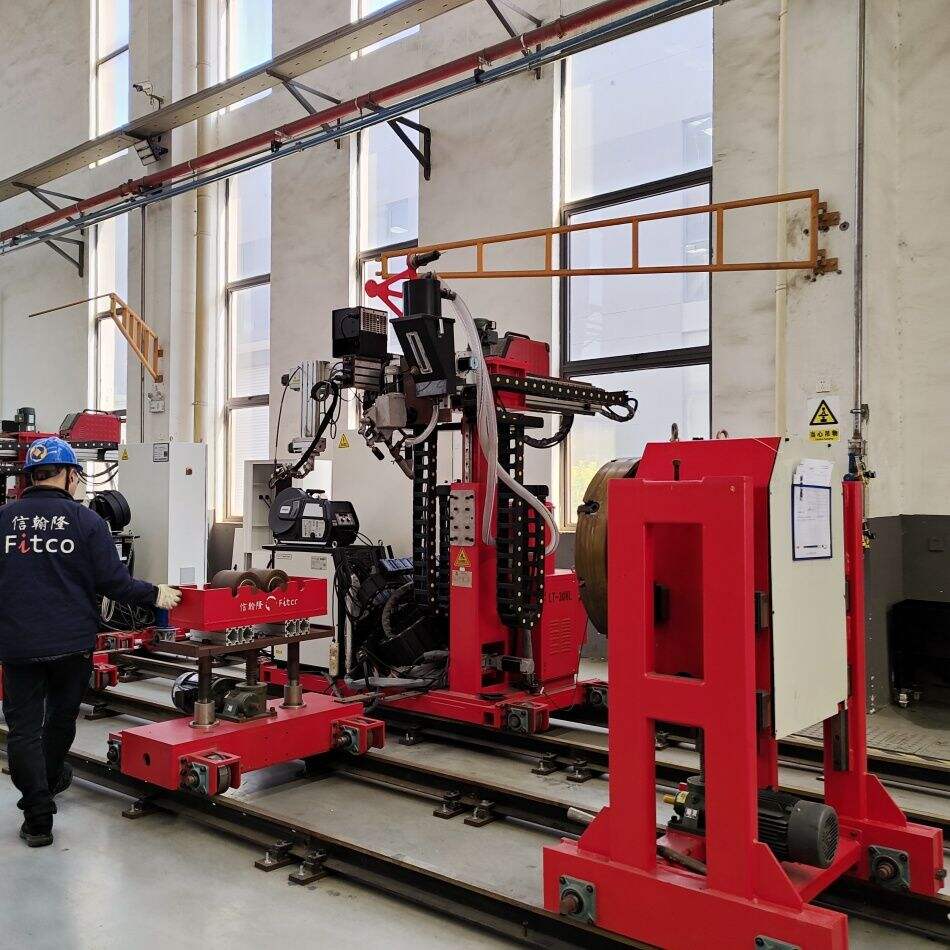
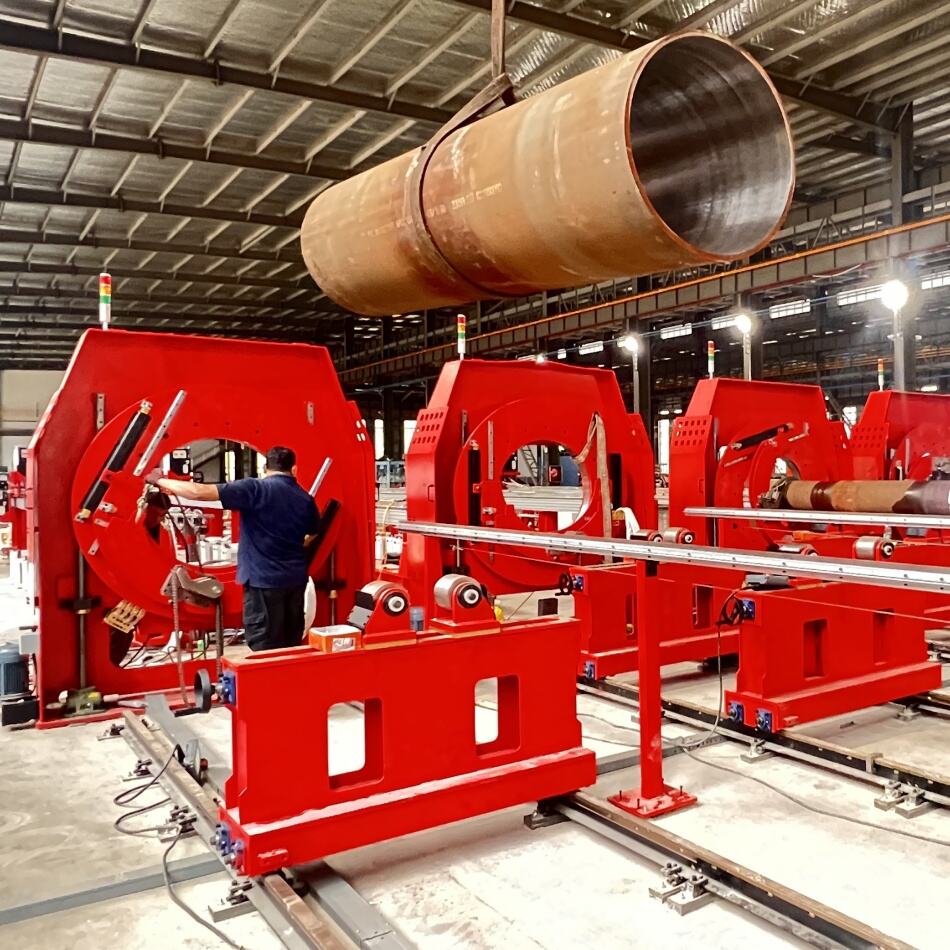
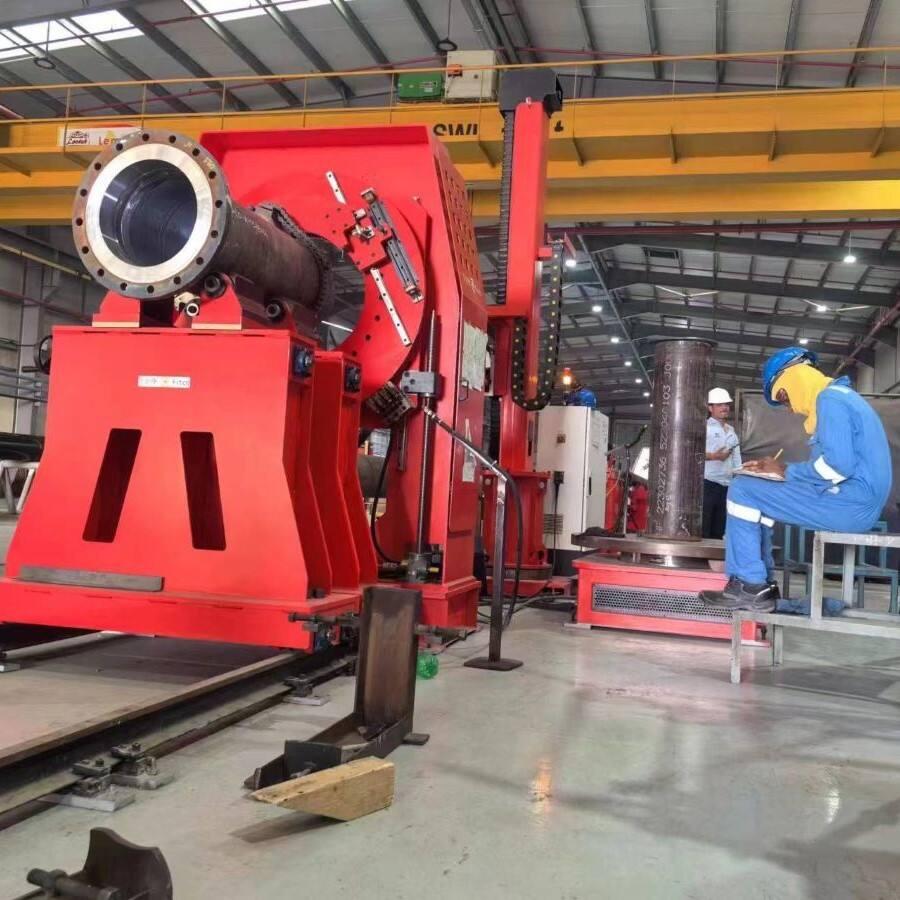
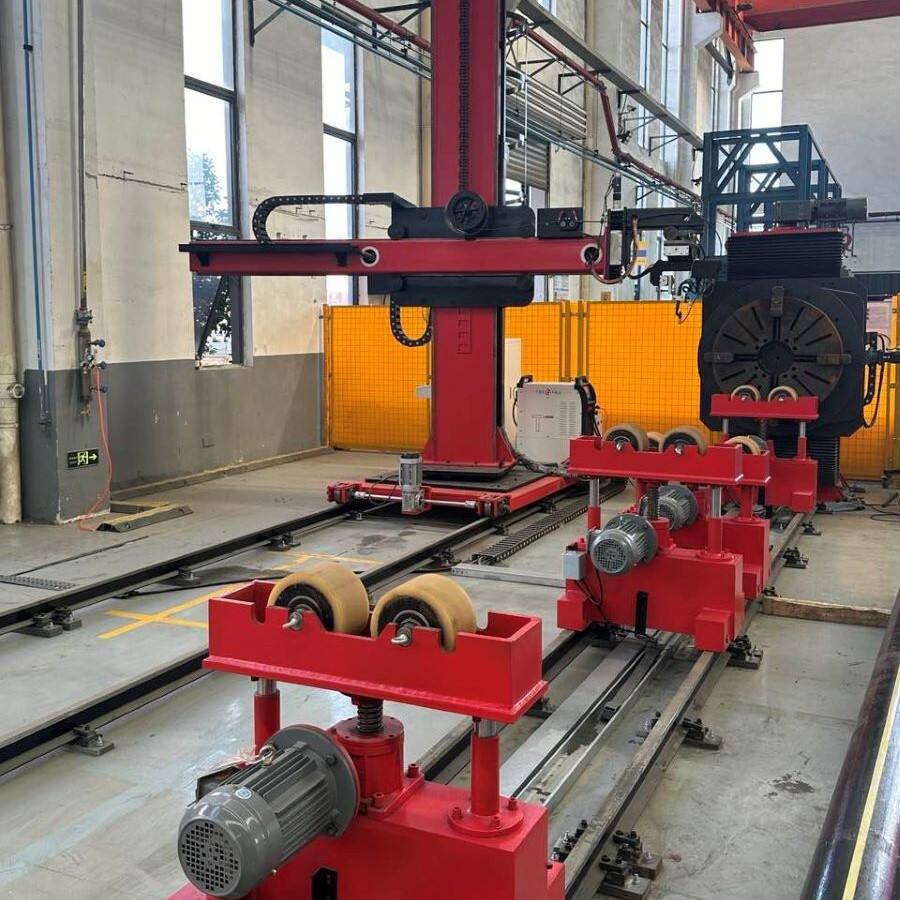
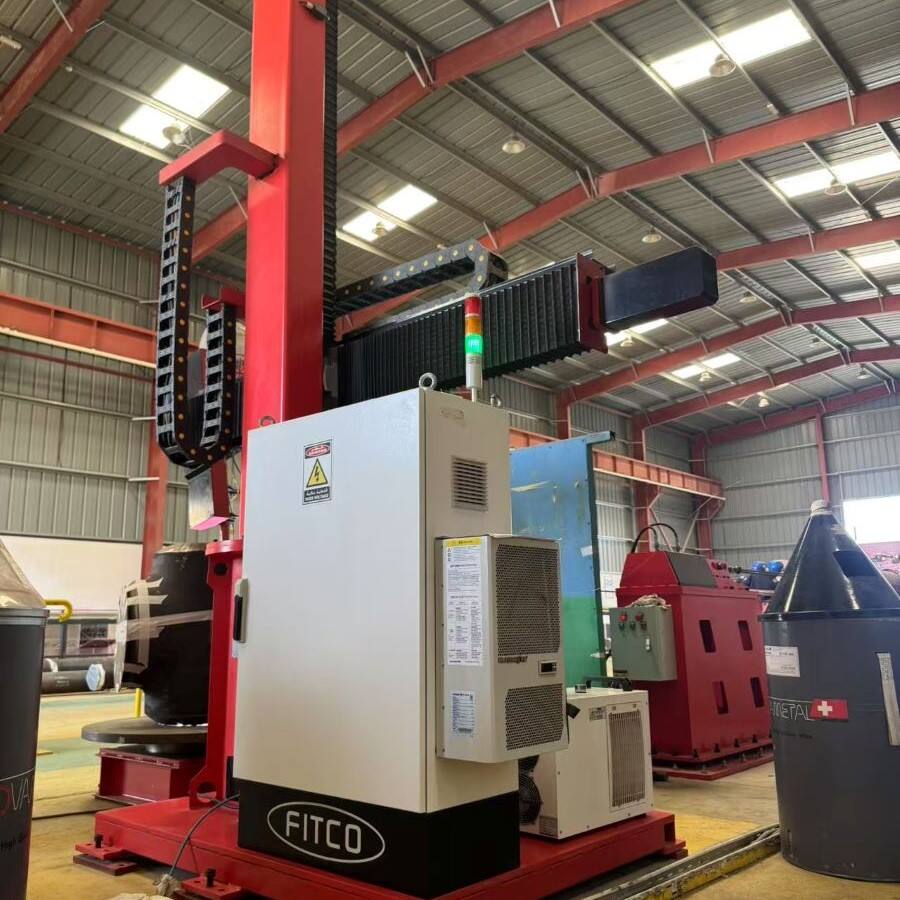
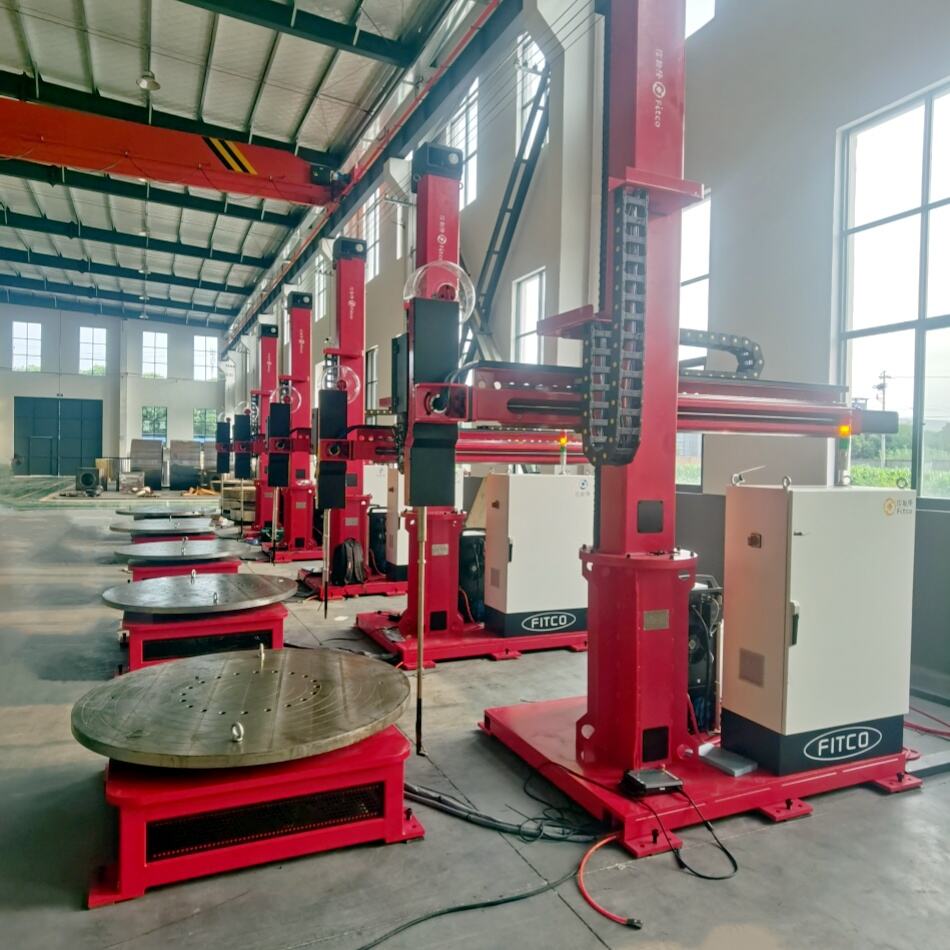
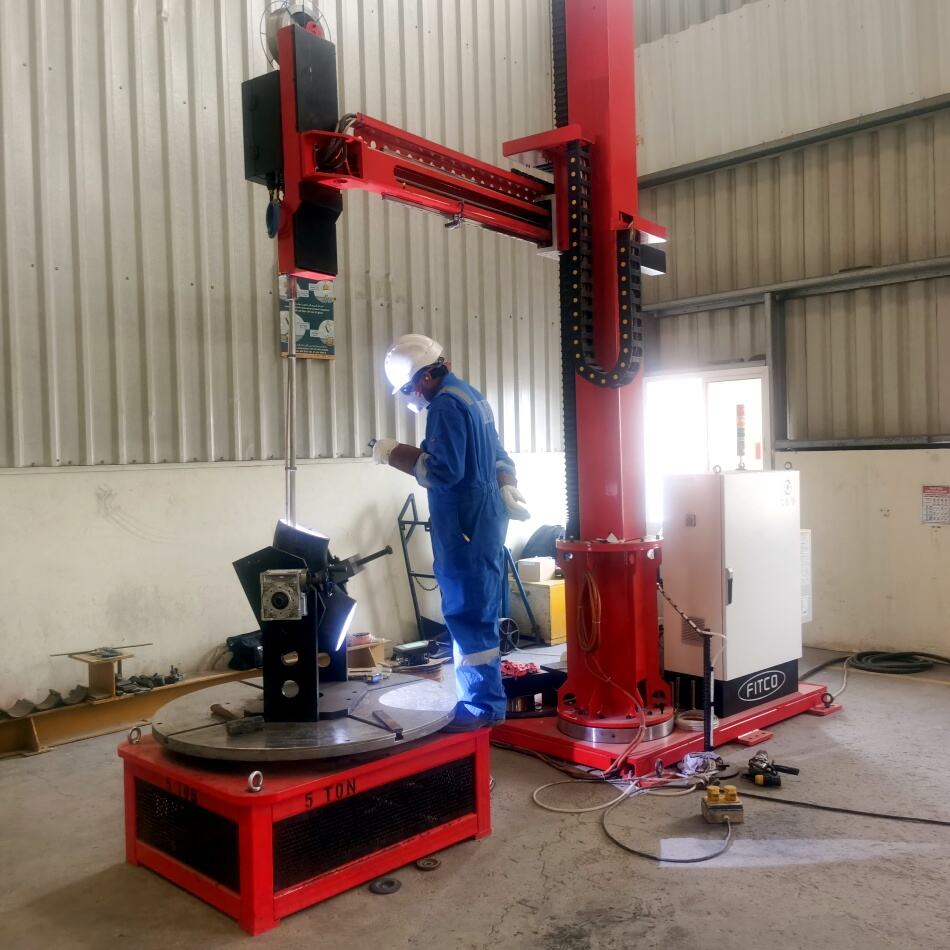
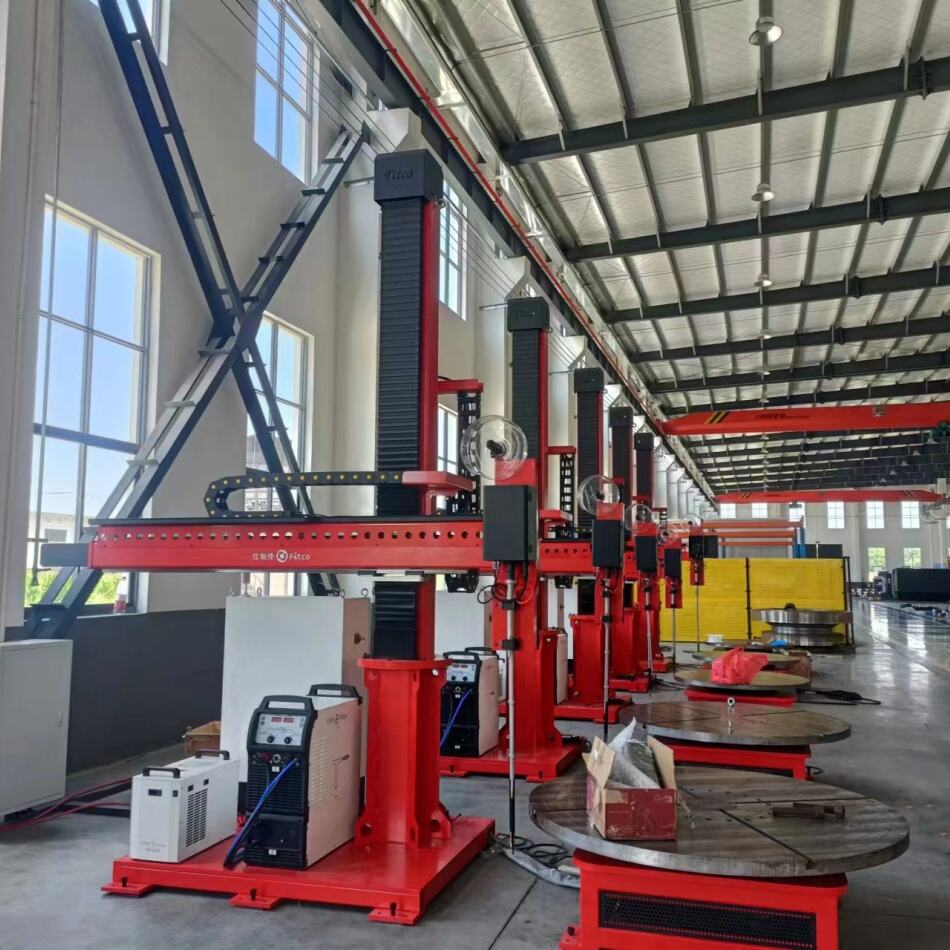
Automated pipe welding systems represent a revolutionary advancement in industrial fabrication technology, transforming how pipelines are constructed across various sectors. These sophisticated systems combine precision robotics, advanced control software, and cutting-edge welding technology to deliver consistent, high-quality welds on pipes of different diameters and materials. The main functions of automated pipe welding systems encompass complete welding process automation, from initial setup through final inspection. These systems automatically position welding heads, control arc parameters, monitor weld quality in real-time, and adjust settings based on material specifications and joint configurations. The technological features include multi-axis robotic arms with precise movement control, adaptive welding parameters that respond to varying conditions, integrated vision systems for joint tracking, and comprehensive data logging capabilities. Advanced automated pipe welding systems incorporate sophisticated sensors that detect joint geometry, material thickness variations, and potential defects during the welding process. The control systems utilize artificial intelligence algorithms to optimize welding parameters continuously, ensuring consistent penetration, proper fusion, and minimal distortion. These systems support various welding processes including gas tungsten arc welding, gas metal arc welding, and submerged arc welding, making them versatile for different applications. The applications span across petroleum and gas pipeline construction, water distribution networks, chemical processing facilities, power generation plants, and shipbuilding industries. In offshore applications, automated pipe welding systems provide reliable performance in challenging environmental conditions where manual welding becomes difficult or impossible. The systems excel in repetitive welding tasks, maintaining consistent quality standards throughout extended production runs. They accommodate pipes ranging from small diameter tubes to large-scale transmission pipelines, with automatic adjustment capabilities for different wall thicknesses and material grades. Integration with factory automation systems allows seamless coordination with material handling equipment, reducing overall production time and improving workflow efficiency.

 EN
EN
 AR
AR BG
BG HR
HR CS
CS DA
DA NL
NL FI
FI FR
FR DE
DE EL
EL HI
HI IT
IT JA
JA KO
KO NO
NO PL
PL PT
PT RO
RO RU
RU ES
ES SV
SV TL
TL IW
IW ID
ID LT
LT UK
UK SQ
SQ HU
HU TH
TH TR
TR FA
FA AF
AF CY
CY MK
MK LA
LA MN
MN KK
KK UZ
UZ KY
KY